


Primary sourceDocument202 BCE
Yinqueshan Han Slips
202 BCE
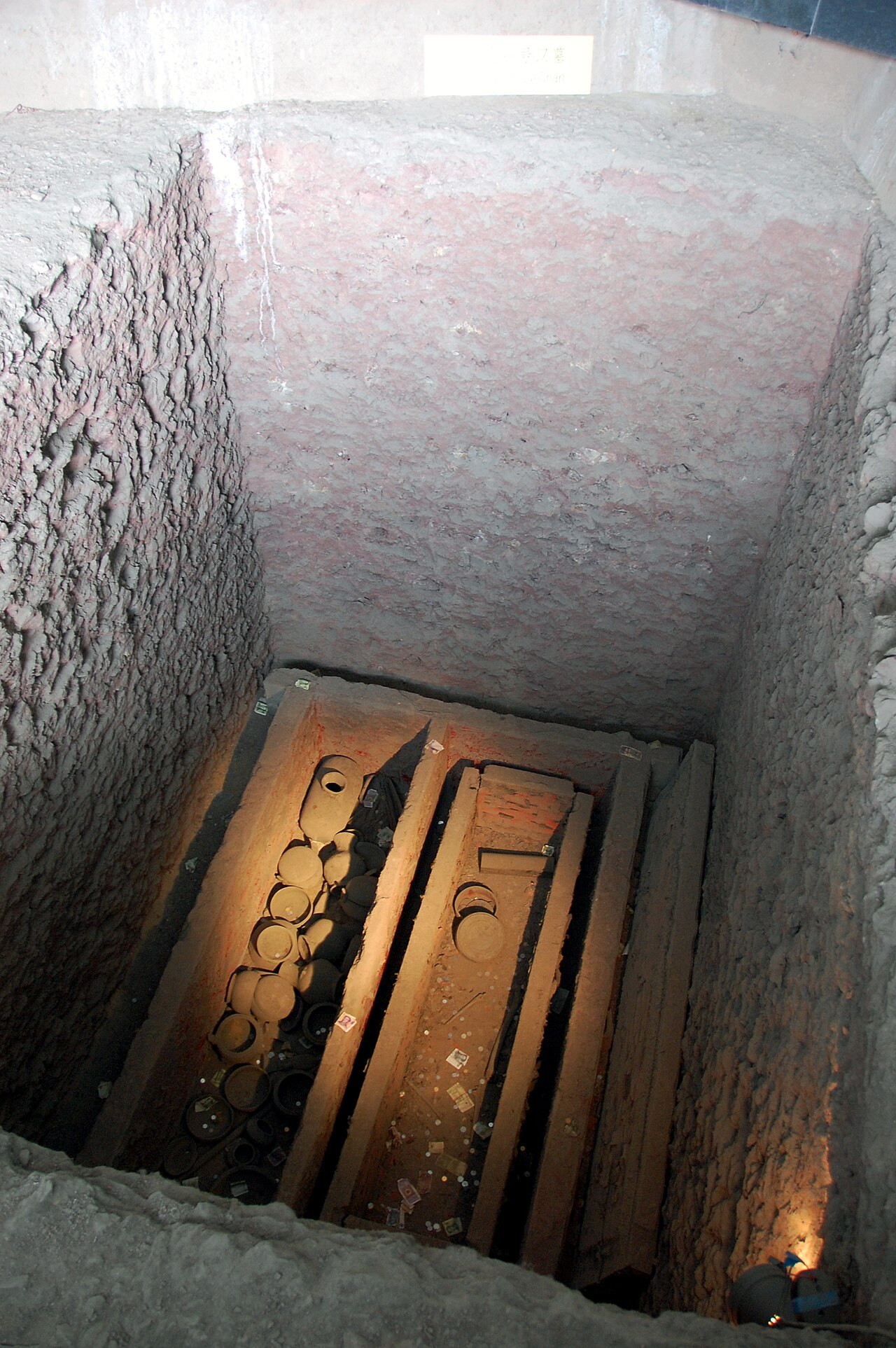
Bamboo military and political texts buried in a tomb early in Emperor Wu's reign, showing what an official of his era read.
These bamboo texts, buried early in Wu's reign, show the intellectual world of officials serving under him.
Free Humy account · No credit card · 61,692 sources to read
About this source
What it is
These bamboo writing strips were discovered in 1972 in tombs near Linyi, Shandong, dating to the early Western Han dynasty around the start of Emperor Wu's reign. The tombs contained thousands of strips with military and political writings, including texts previously thought lost, such as chapters of Sun Bin's Art of War.
Why it matters
The tomb occupant was a military officer, not the emperor himself, but the texts show the kind of knowledge circulating among officials during Wu's early reign. They give historians real evidence of intellectual life in the period, separate from later legends about the emperor.
Look closer
- What does the presence of military texts in an official's tomb suggest about Han government and warfare?
- Why do you think these texts were buried with their owner?
- How does finding real documents from the period change what we can know compared to later stories about Emperor Wu?
This document is part of the curated material that grounds the AI version of Emperor Wu of Han on Humy.ai — when students ask about related events, the AI can quote it and cite it.
More Emperor Wu of Han sources
Browse all 93 →Primary source
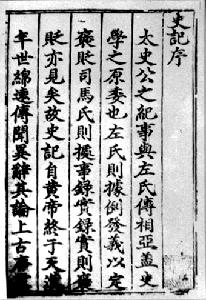
Annals of Emperor Xiaowu (Shiji, Vol. 12)
Sima Qian · c. 100 BCE
 Book
Secondary source
Records of the Grand Historian
Sima Qian · c. 90 BC
Primary source
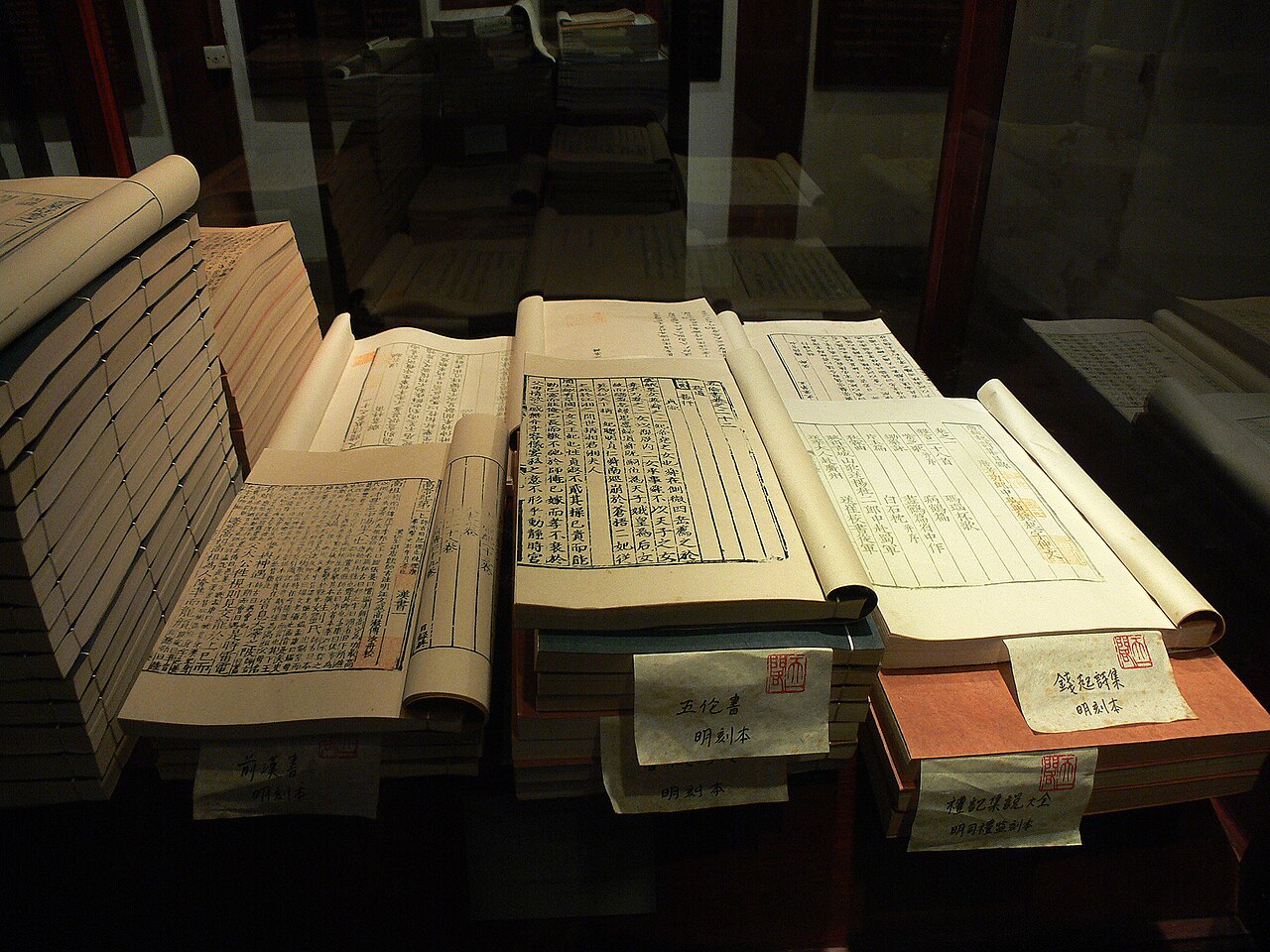
Autumn Wind Rhapsody
Emperor Wu of Han · 2nd century BCE
 Book
Secondary source
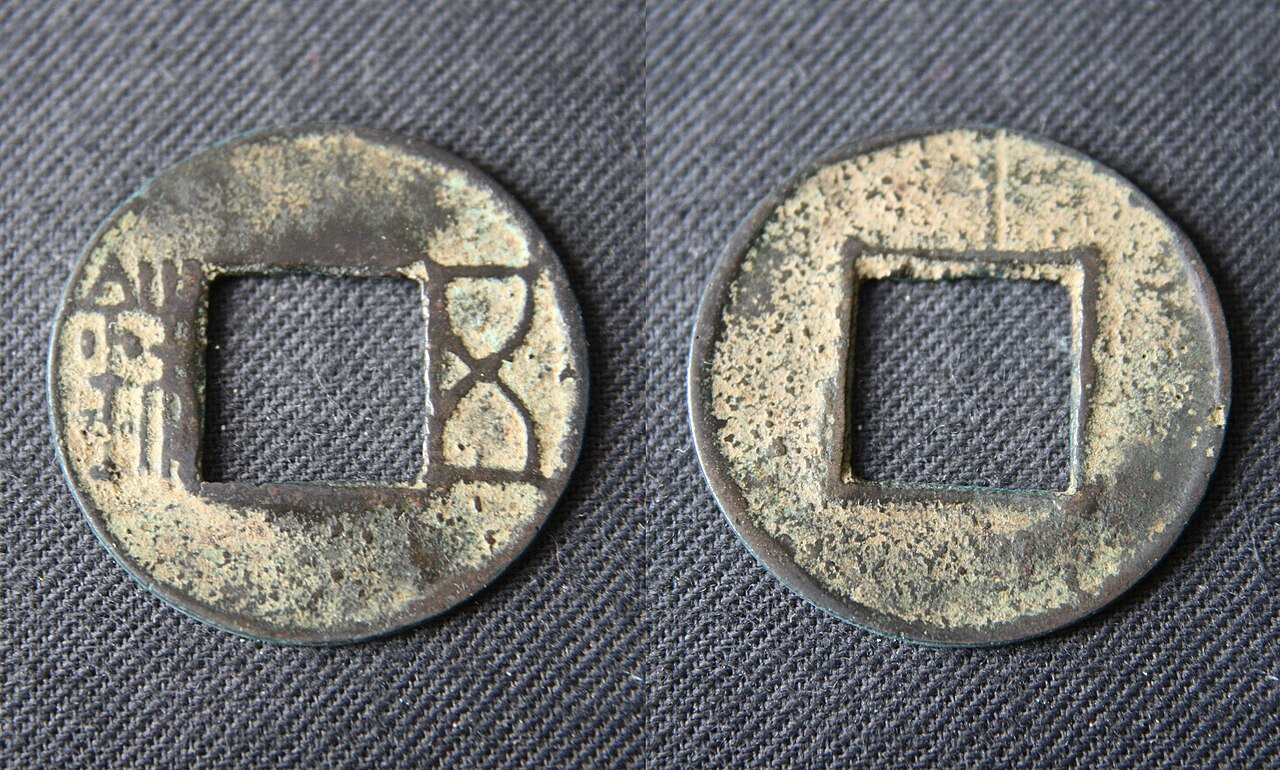
Book of Han
Ban Gu (with Ban Zhao and Ban Biao) · finished 111 CE
Free account
Browse every Emperor Wu of Han source
Sign up free →
Ready when you are
Start chatting with Emperor Wu of Han now.
20 messages free · No credit card · Available in 50+ languages.