


Primary sourcePainting1914
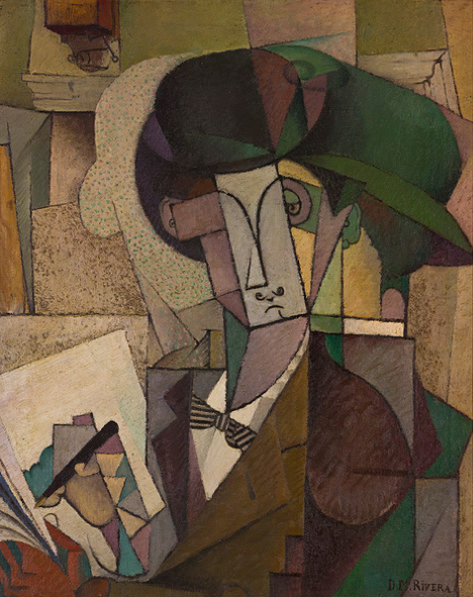
Young Man with a Stylographic Pen
Diego Rivera · 1914
A 1914 Cubist portrait by Diego Rivera of a seated young man, from his early period training in Europe.
A Cubist-period portrait painted by Rivera during his early training years in Europe.
About this source
What it is
This portrait was painted in 1914 by Diego Rivera in a Cubist style. It shows a seated young man wearing a dark wide-brimmed hat and a striped bow tie, his face broken into angular fragmented shapes. A sheet of paper and a pen rest on a table at lower left, and the painting is signed D. Rivera.
Why it matters
Made during Rivera's early years training as an artist in Europe, this portrait shows how he absorbed the Cubist techniques developed by artists such as Picasso. Painting a person's face broken into geometric fragments was a radical approach at the time, and works like this helped shape Rivera's skills before he turned to the large-scale murals for which he later became famous.
Look closer
- How has Rivera used geometric shapes to represent a human face?
- Why might the pen and paper be included as details in this portrait?
- What does this early, experimental style suggest about Rivera as a young artist still finding his direction?
This painting is part of the curated material that grounds the AI version of Diego Rivera on Humy.ai — when students ask about related events, the AI can quote it and cite it.
More Diego Rivera sources
Browse all 92 →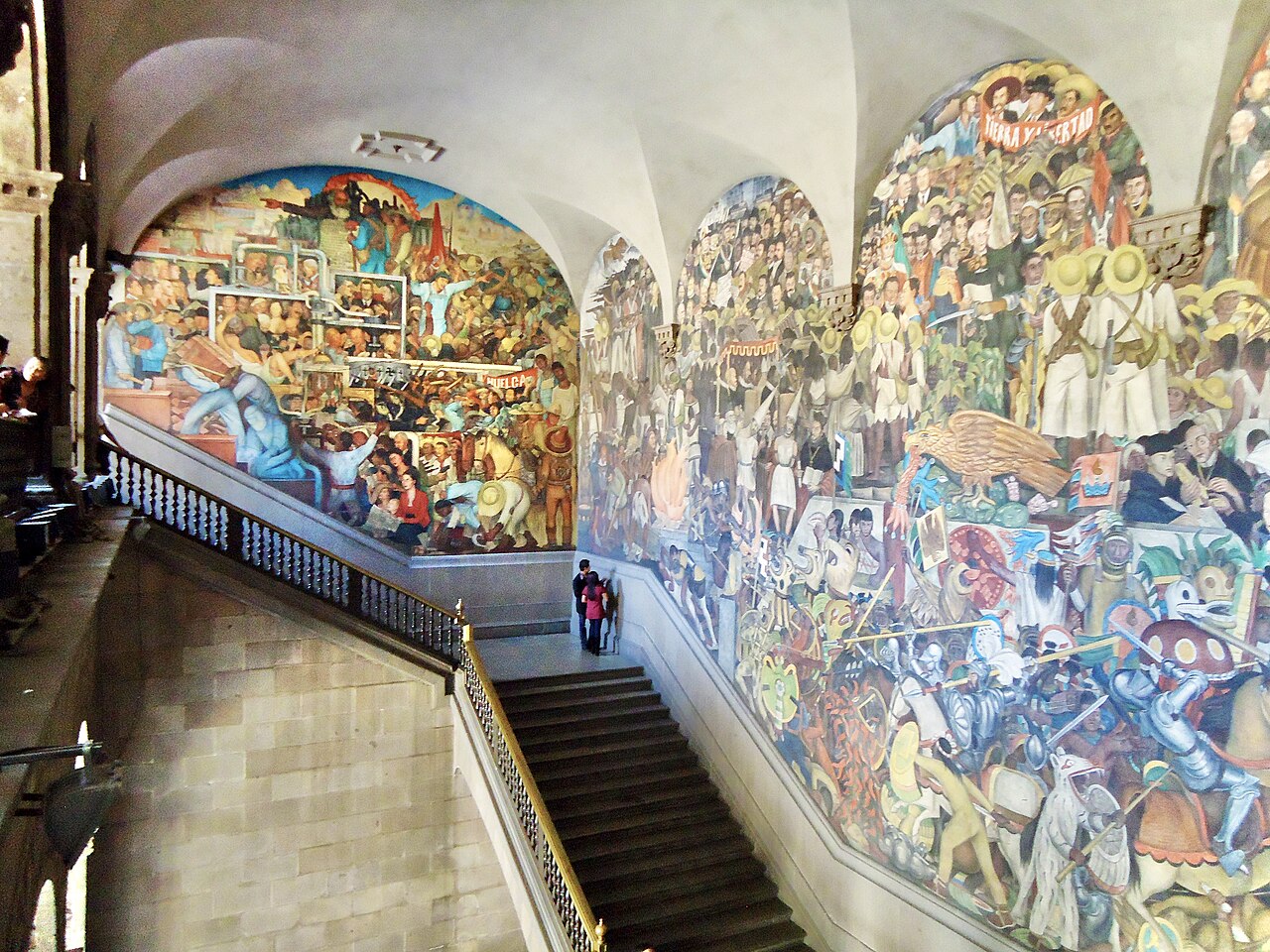 Painting
Secondary source
The History of Mexico
Diego Rivera · 1929-1935
 Painting
Secondary source
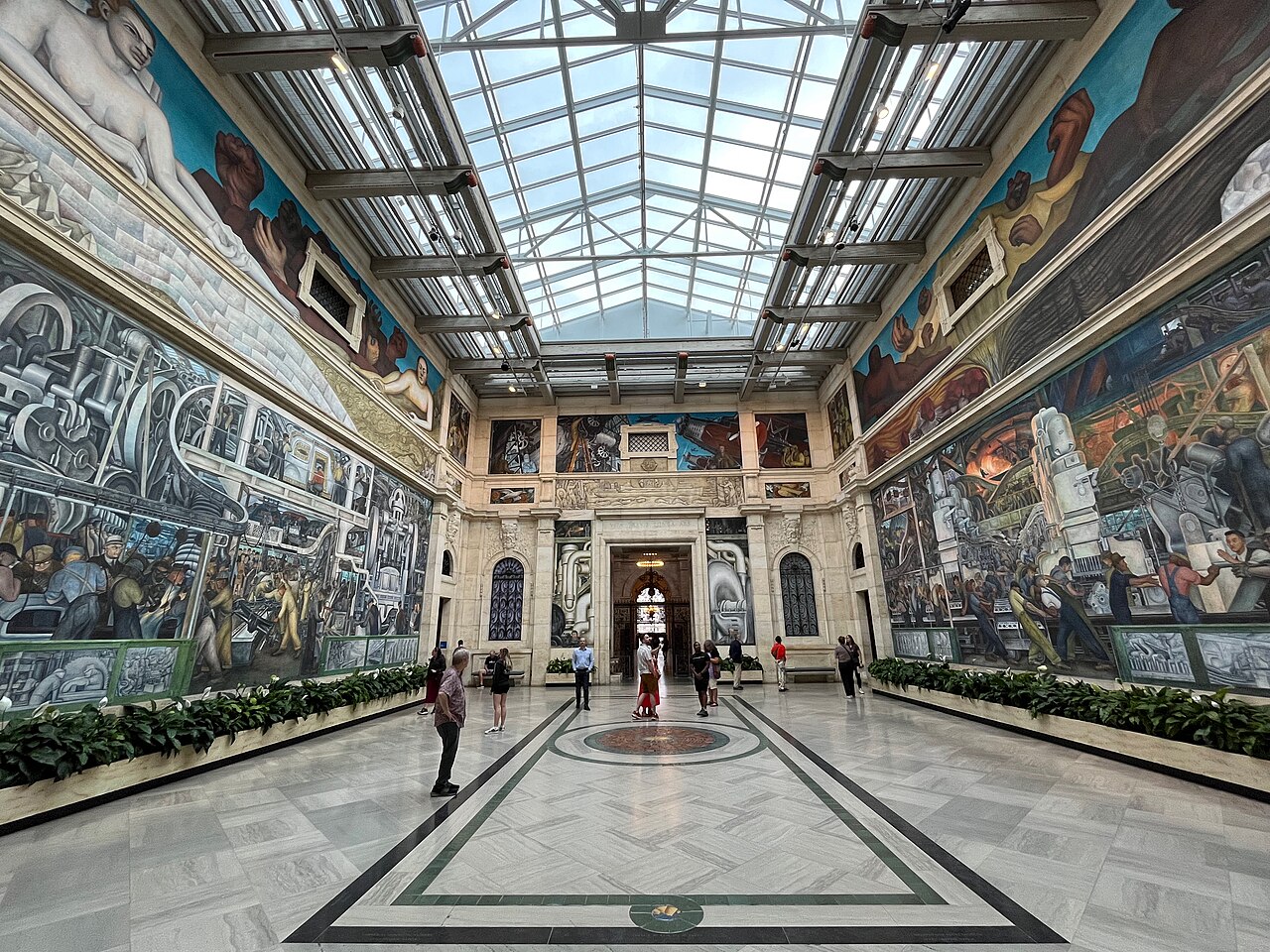
Detroit Industry Murals
Diego Rivera · 1932–1933
 Painting
Primary source
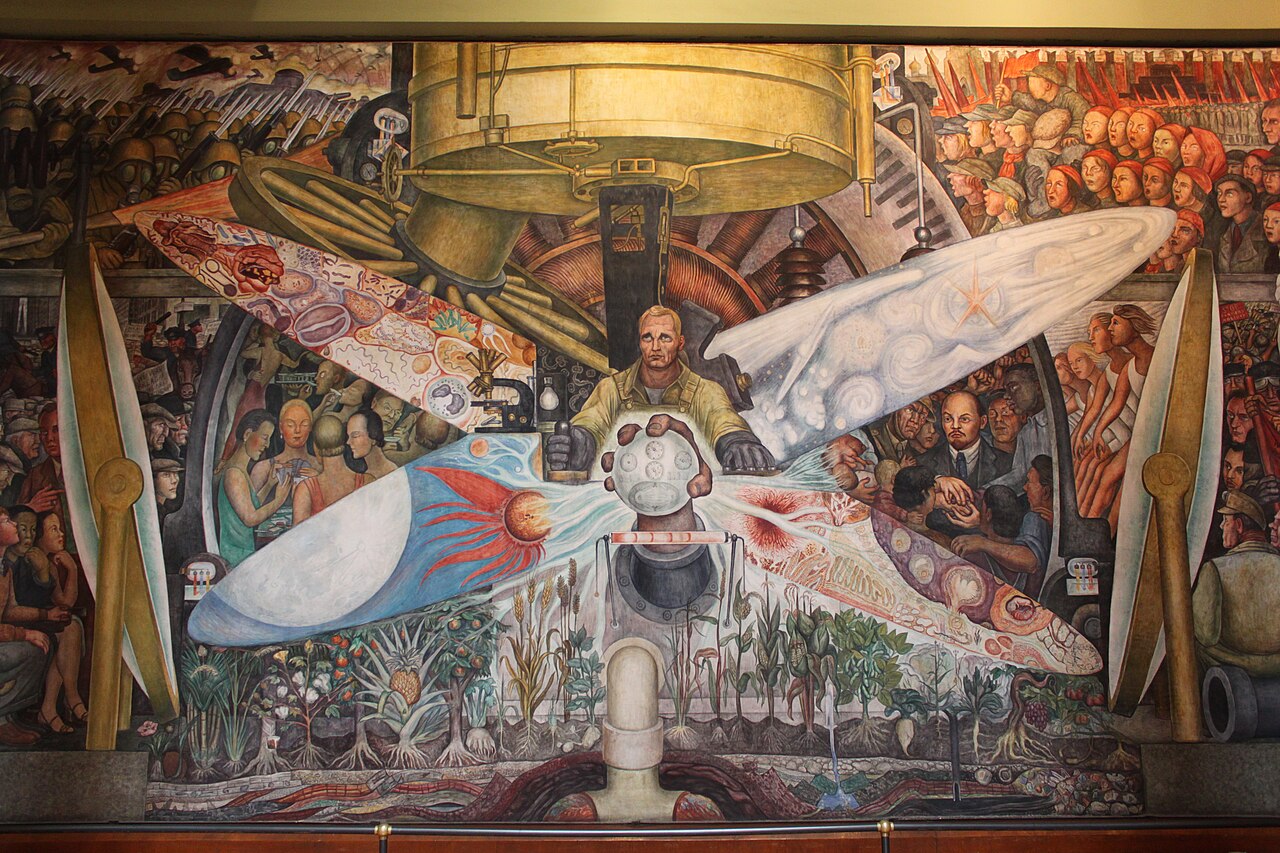
Man at the Crossroads
Diego Rivera · 1933
 Painting
Secondary source
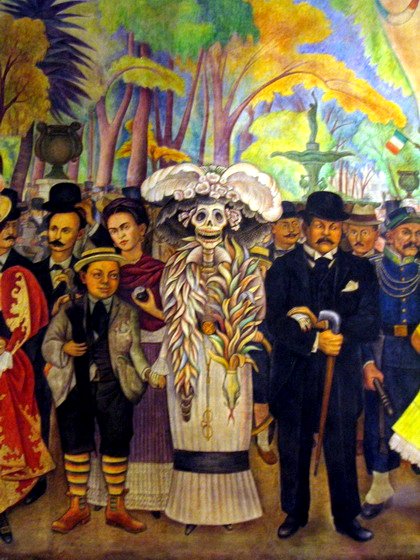
Sueño de una Tarde Dominical en la Alameda Central
Diego Rivera · 1946-1947
Free account
Read every Diego Rivera source
Sign up free →
Ready when you are
Start chatting with Diego Rivera now.
20 messages free · No credit card · Available in 50+ languages.