


Primary sourceArtifactc. 111 BCE
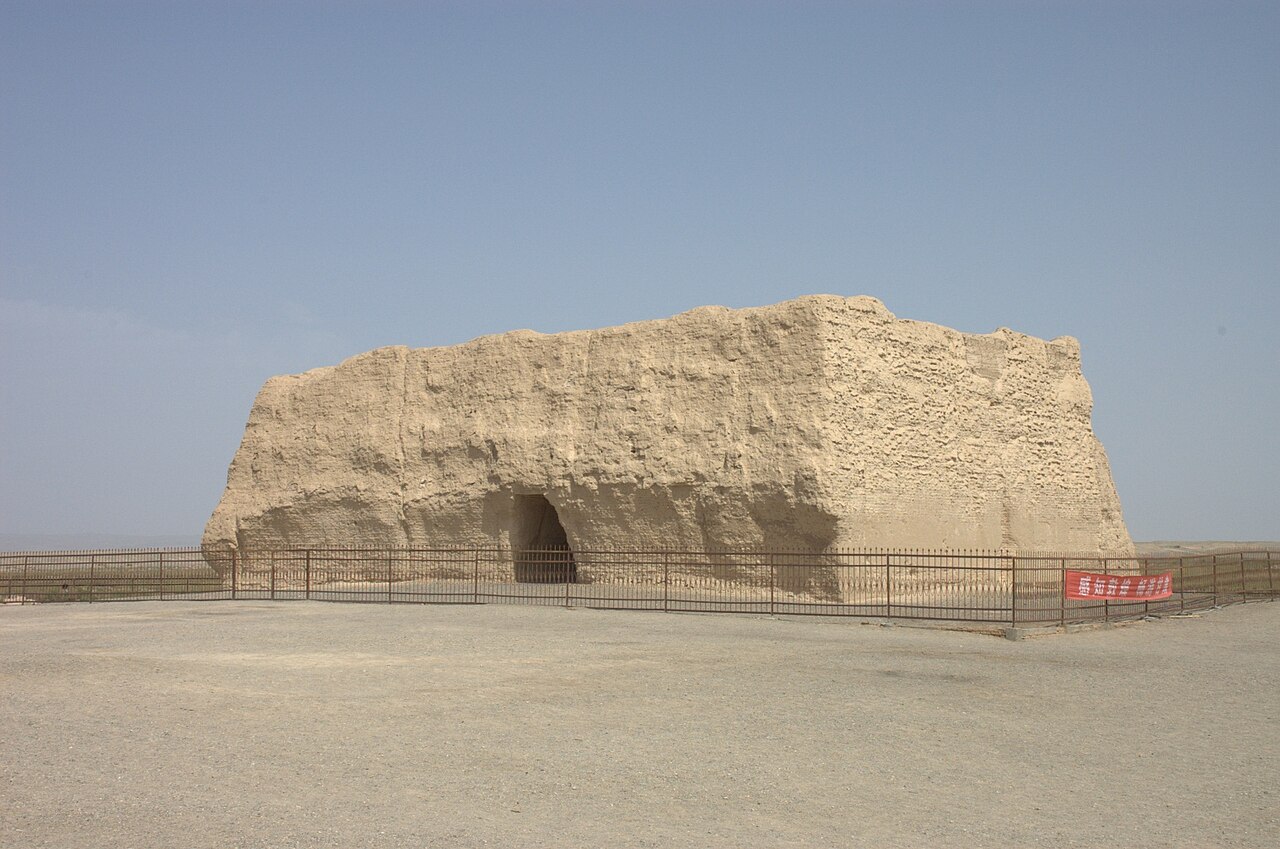
Yumen Pass
Han dynasty · c. 111 BCE
A fortified desert gateway built as part of Emperor Wu's extension of the Han walls into the Hexi Corridor, marking the start of the Silk Road route he opened.
Wu ordered the Han frontier pushed into the Hexi Corridor, and this pass marks the start of the Silk Road route he opened.
Free Humy account · No credit card · 61,692 sources to read
About this source
What it is
Yumen Pass, also called the Jade Gate, is a rammed-earth fortification in the desert near Dunhuang, Gansu. It was built by the Han dynasty as part of the frontier defences extended into the Hexi Corridor.
Why it matters
Emperor Wu ordered the Han walls and military commanderies pushed west into this region, and Yumen Pass stood at the edge of that expansion. It marks the beginning of the trade and travel route later known as the Silk Road, showing how Wu's military campaigns opened new connections between China and Central Asia.
Look closer
- What does the size and material of the structure tell you about how it was built and defended?
- Why might an emperor want a fortified gate at the edge of his empire?
- What might have passed through this gate besides soldiers?
This artifact is part of the curated material that grounds the AI version of Emperor Wu of Han on Humy.ai — when students ask about related events, the AI can quote it and cite it.
More Emperor Wu of Han sources
Browse all 93 →Primary source
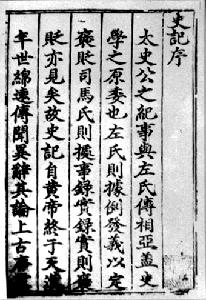
Annals of Emperor Xiaowu (Shiji, Vol. 12)
Sima Qian · c. 100 BCE
 Book
Secondary source
Records of the Grand Historian
Sima Qian · c. 90 BC
Primary source
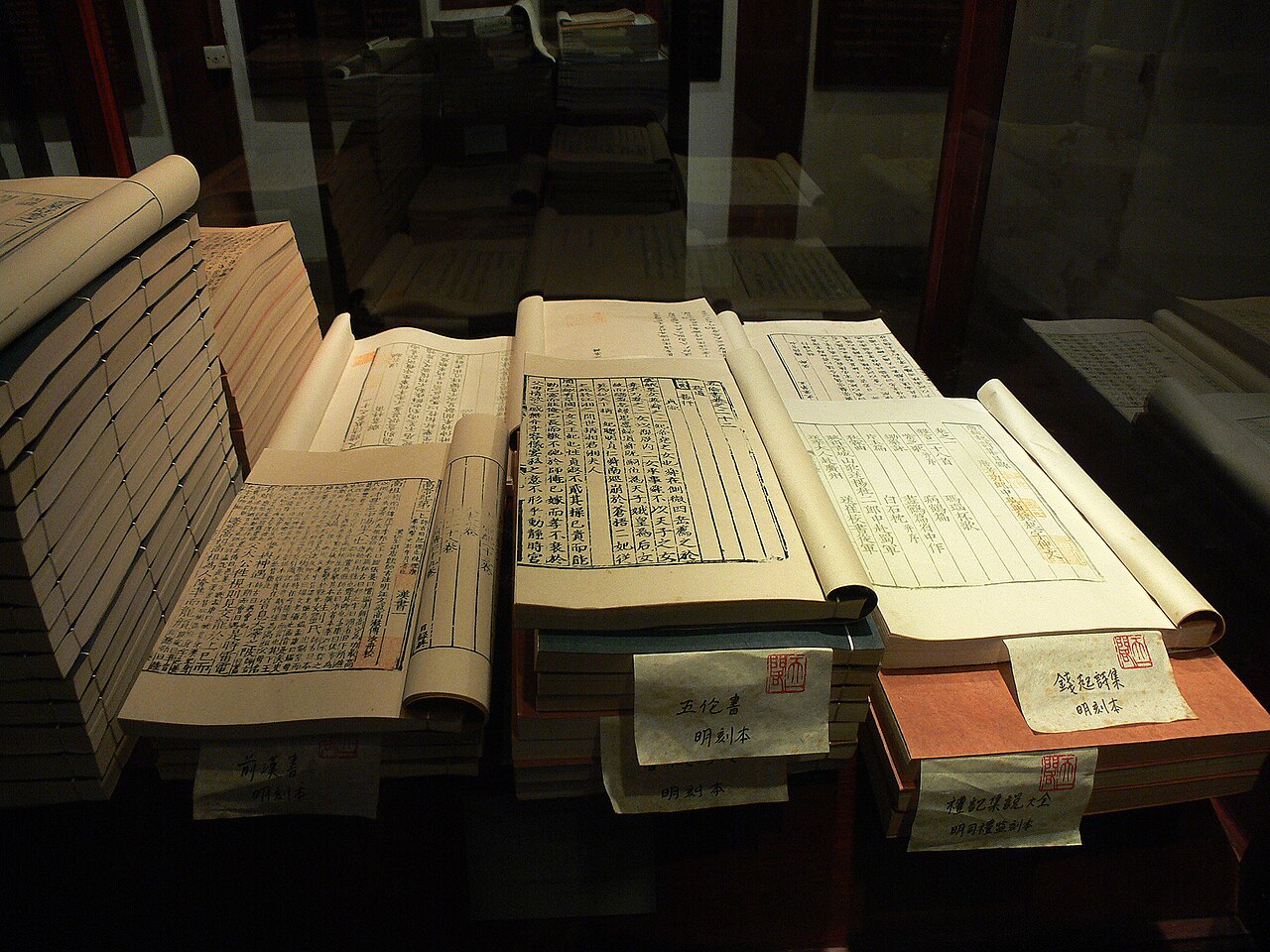
Autumn Wind Rhapsody
Emperor Wu of Han · 2nd century BCE
 Book
Secondary source
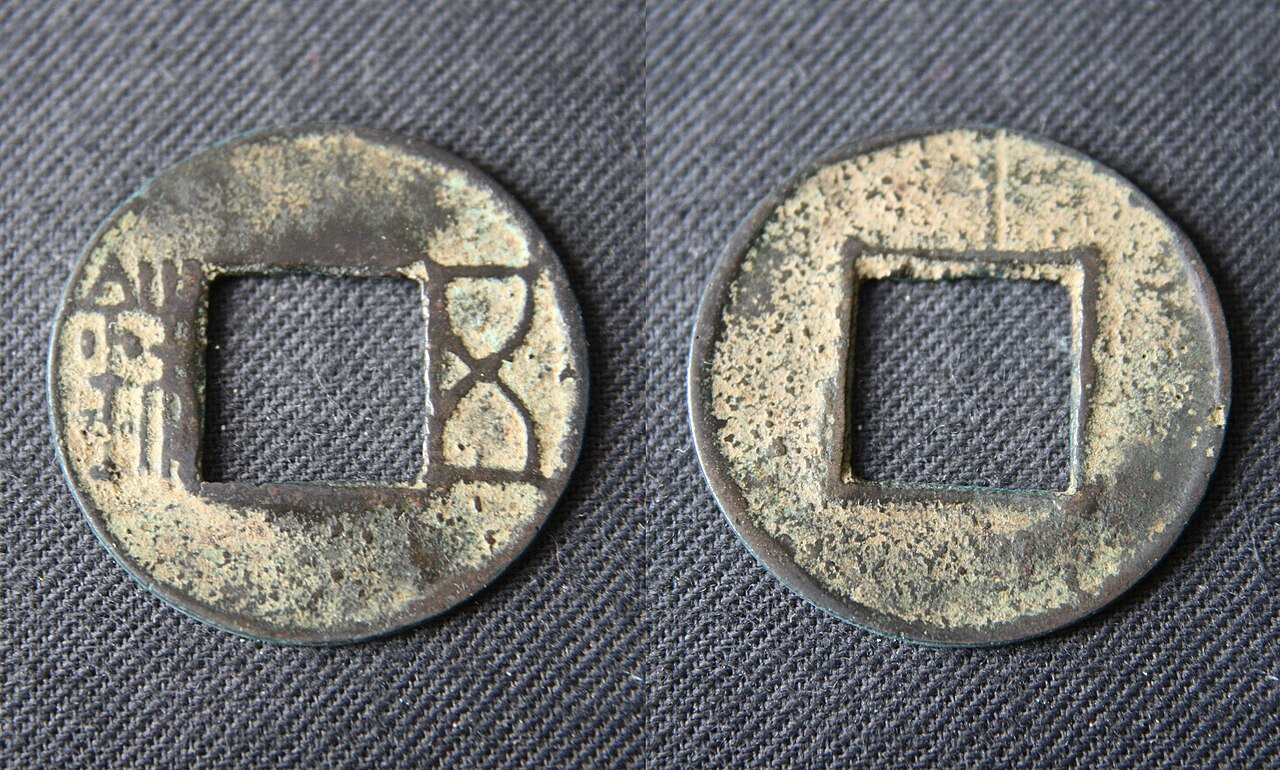
Book of Han
Ban Gu (with Ban Zhao and Ban Biao) · finished 111 CE
Free account
Browse every Emperor Wu of Han source
Sign up free →
Ready when you are
Start chatting with Emperor Wu of Han now.
20 messages free · No credit card · Available in 50+ languages.