


Secondary sourceArtifactfounded 9th century; current form early 18th century
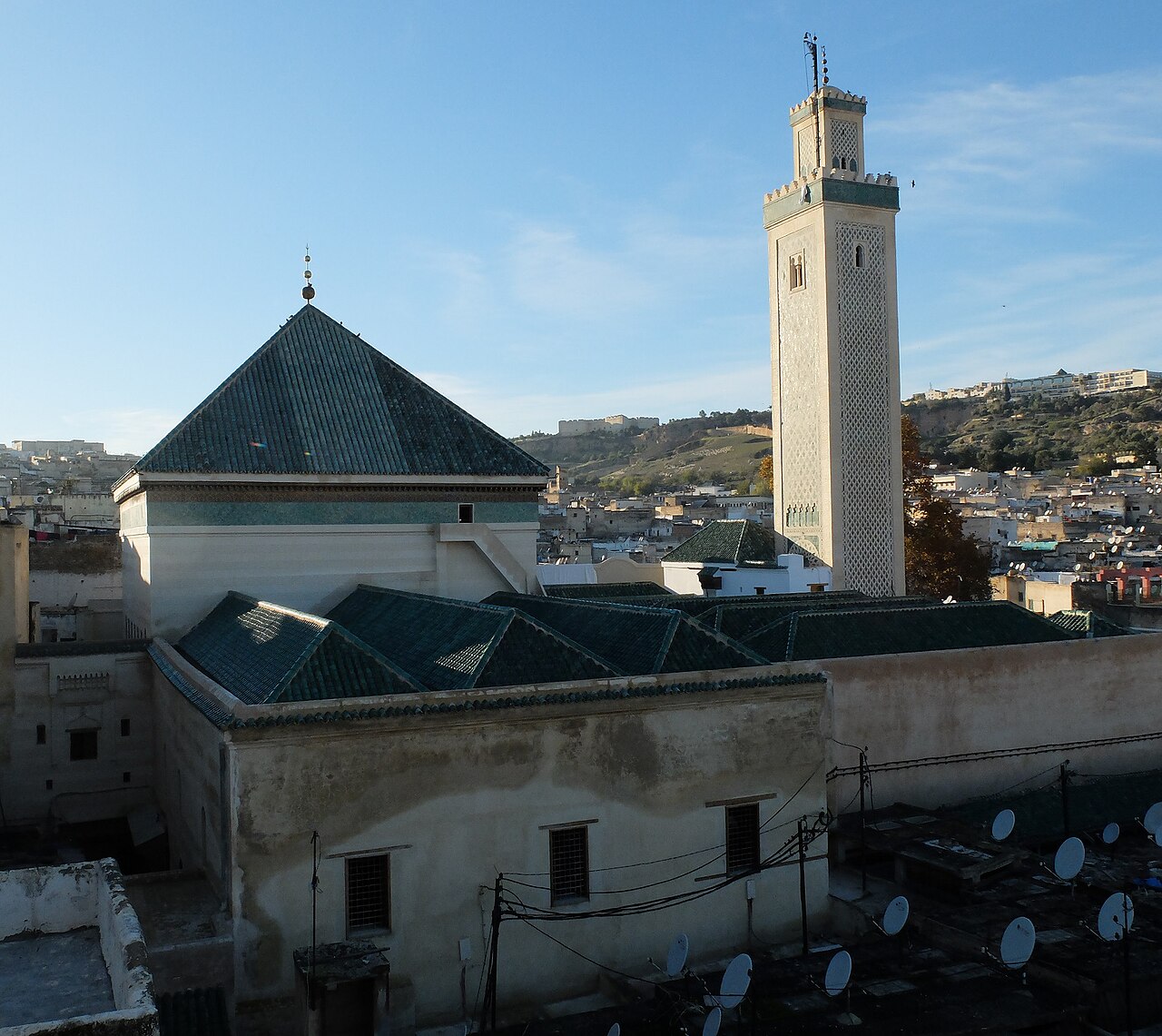
Zawiya of Moulay Idris II
founded 9th century; current form early 18th century
A holy shrine in Fez honoring Idris I's son, commemorating the Idrisid dynasty his father founded.
Honors Idris I's son and successor, showing how the dynasty Idris I founded was commemorated in later Moroccan sacred space.
About this source
What it is
This is a zawiya, or religious complex, in the historic medina of Fez, Morocco. It holds the tomb of Idris II, son of Idris I, and is one of Morocco's holiest shrines. The site began as a mosque in the 9th century and was rebuilt and expanded over later centuries, notably in the early 18th century.
Why it matters
Idris II continued the work of his father, Idris I, by expanding Idrisid rule and founding Fez as a new capital. This shrine shows how the Idrisid dynasty, begun by Idris I's alliance with the Awraba Berbers, became a lasting religious and political legacy, with Idris II later honored as patron saint of Fez.
Look closer
- Why might a ruler's tomb become a major religious shrine centuries later?
- What does the site's long history of neglect and revival tell us about how memory of rulers can rise and fall?
- How does this building connect the founding of the Idrisid dynasty to later generations?
This artifact is part of the curated material that grounds the AI version of Idris I of Morocco and Idris II of Morocco on Humy.ai — when students ask about related events, the AI can quote it and cite it.
More Idris I of Morocco sources
Browse all 17 →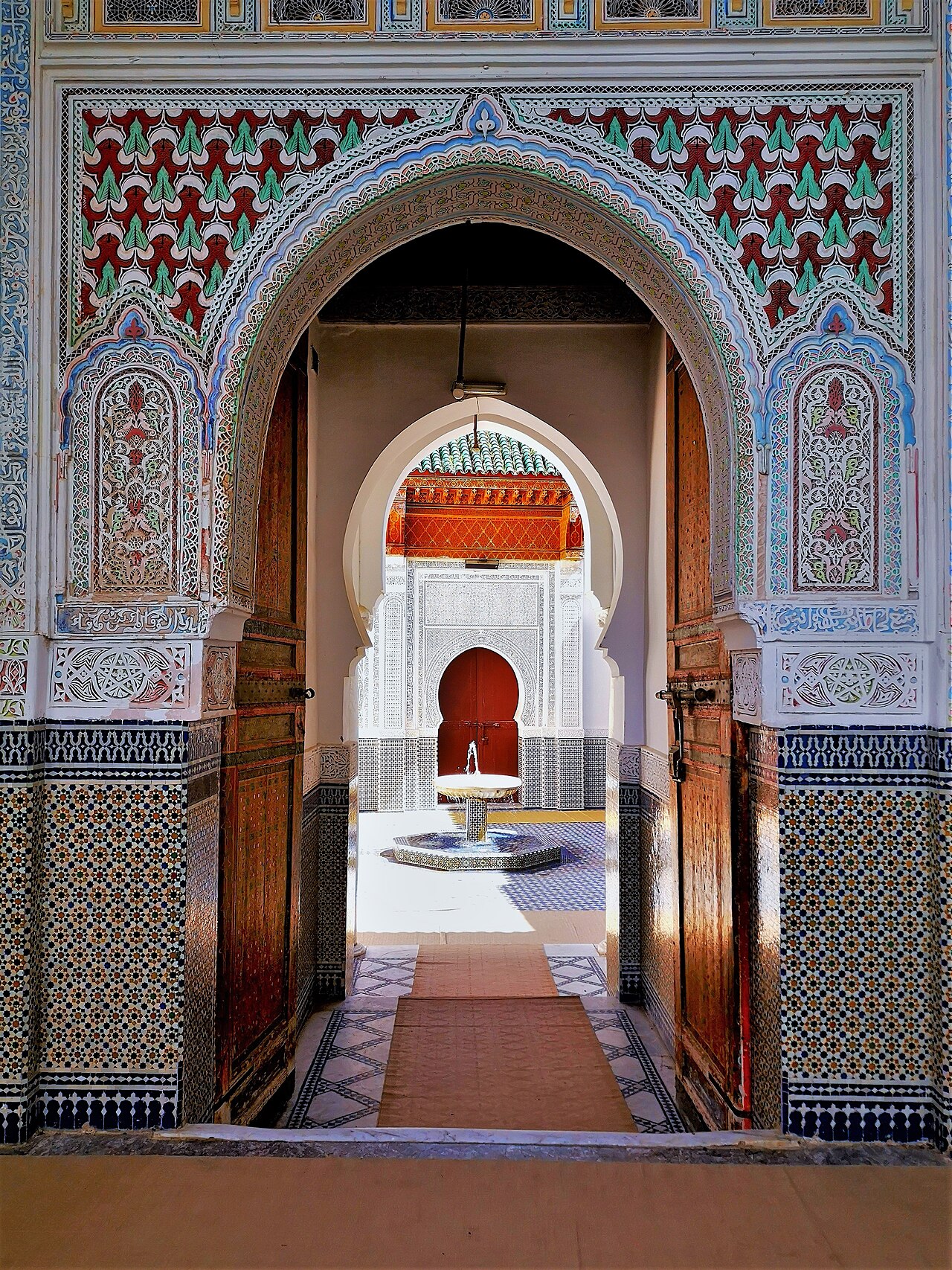 Artifact
Secondary source
Grave of Idris Ibn Abdallah
 Artifact
Secondary source
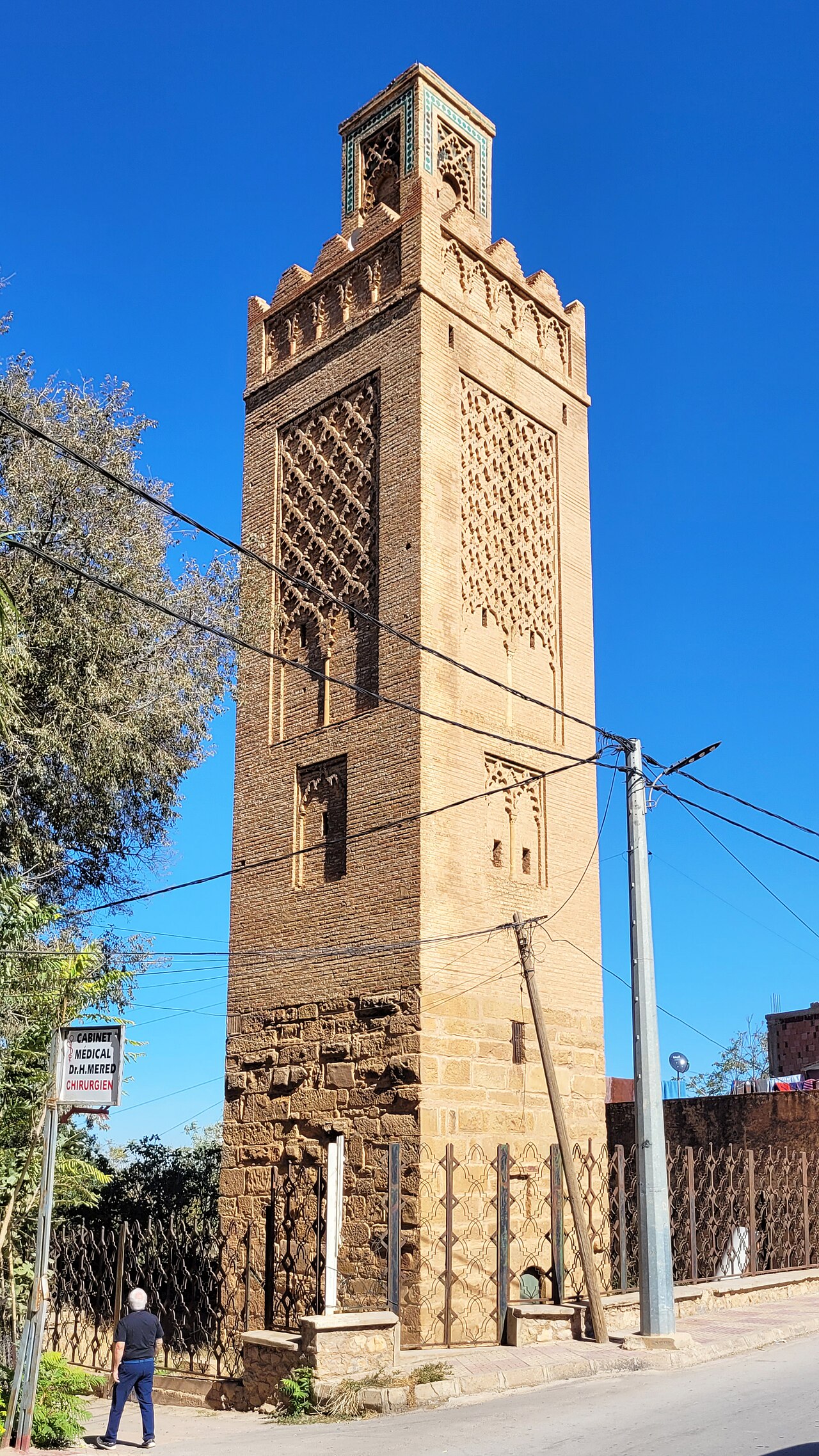
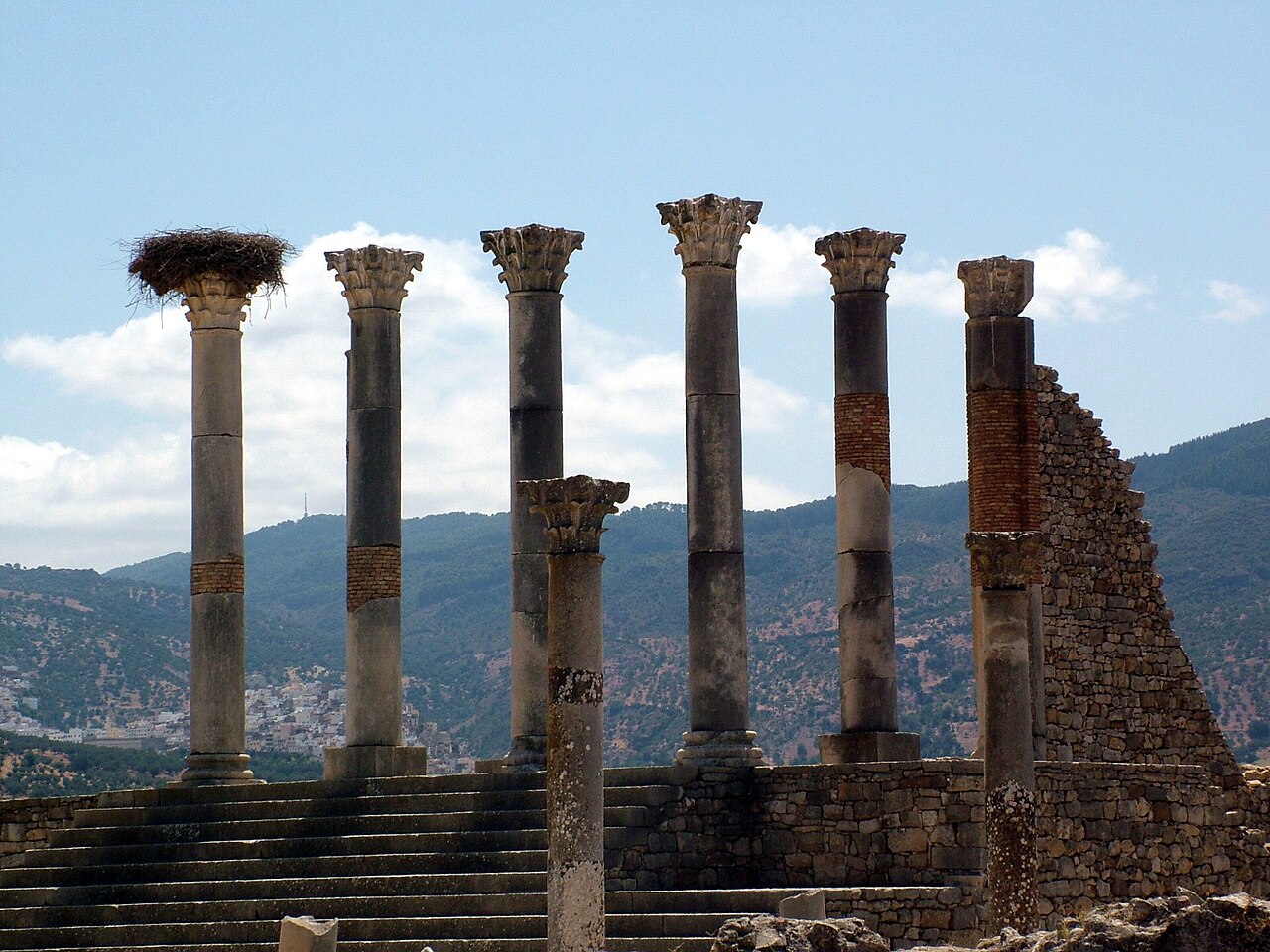
Great Mosque of Agadir
790-791 CE
 Book
Secondary source
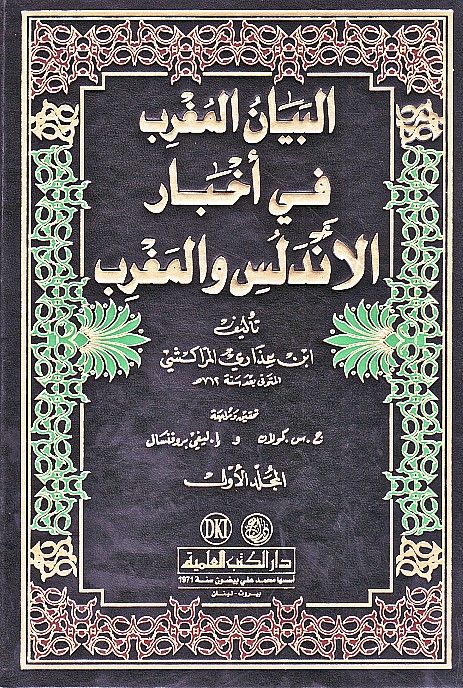
Al-Bayan al-Mughrib
Ibn Idhari · c. 1312
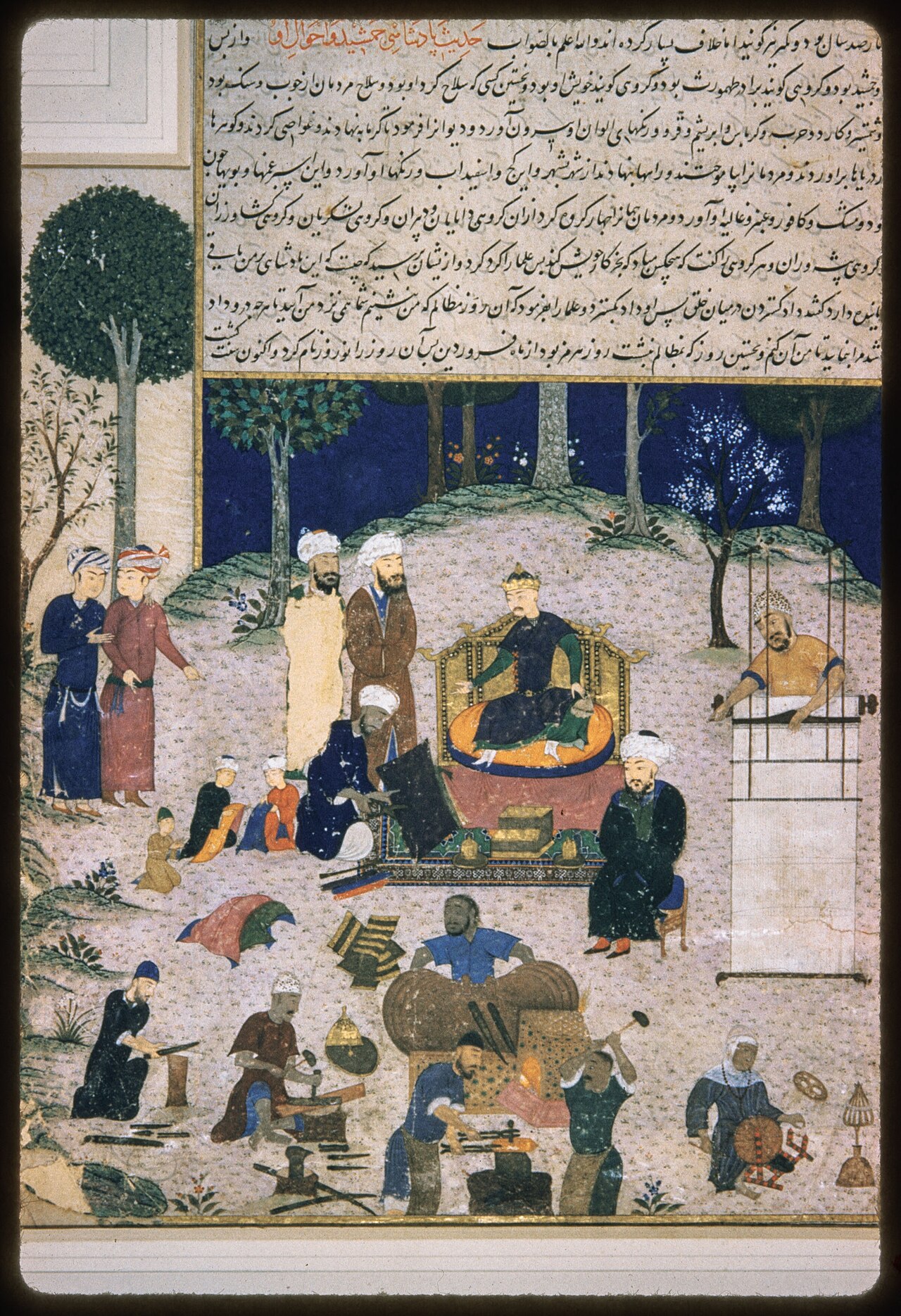 Book
Secondary source
History of the Prophets and Kings
Muhammad ibn Jarir al-Tabari · completed 915 AD
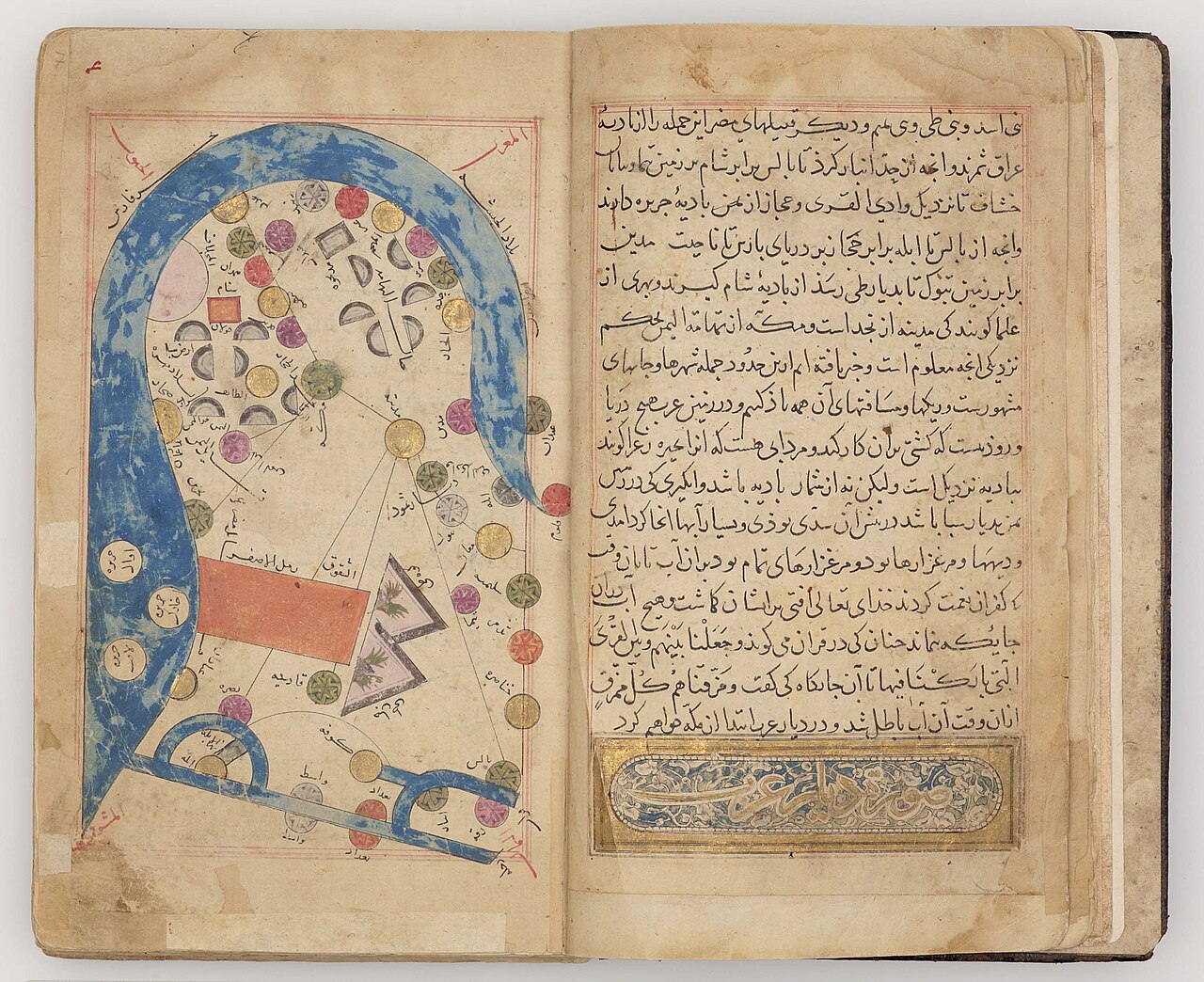
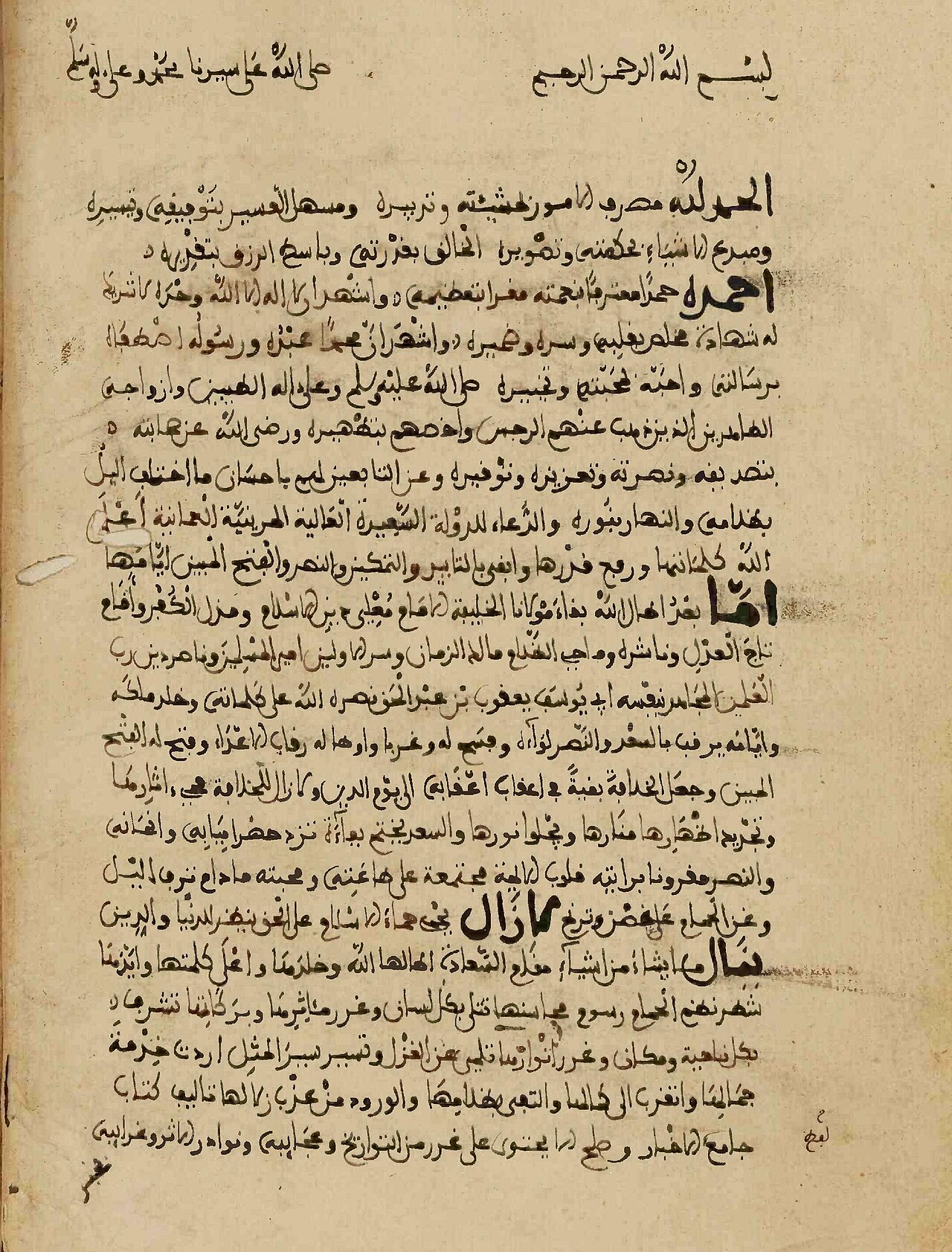
Free account
Browse every Idris I of Morocco source
Sign up free →
Ready when you are
Start chatting with Idris I of Morocco now.
20 messages free · No credit card · Available in 50+ languages.