


Primary sourceBookafter 1348
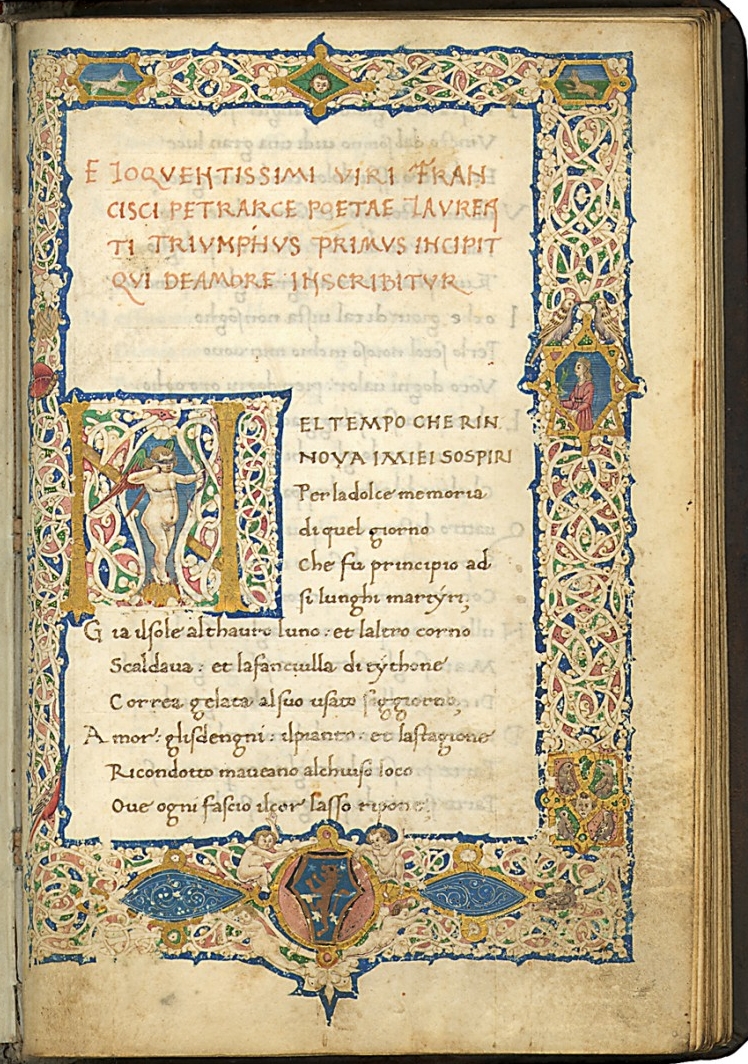
Zephiro torna, e 'l bel tempo rimena
Petrarch · after 1348
Petrarch's sonnet contrasting the return of spring with his grief after Laura's death, later set to music by madrigal composers.
Petrarch wrote this sonnet expressing his grief for Laura, a central figure and muse in his poetry.
Free Humy account · No credit card · 120,912 sources to read
About this source
What it is
This is a sonnet by Petrarch, numbered 310 in his collection, written after the death of Laura, the woman he loved and celebrated throughout his poetry. It describes the arrival of spring and contrasts its joy with the poet's own sorrow.
Why it matters
The sonnet is a key example of Petrarch's lyric poetry, which shaped the sonnet form for centuries of later poets across Europe. Its emotional contrast between nature's renewal and personal grief shows Petrarch's skill at using the natural world to express inner feeling. The poem's later setting to music by madrigalists such as Marenzio shows its lasting influence.
Look closer
- How does Petrarch use images of spring to highlight his own sadness?
- Why might later composers have wanted to set this poem to music?
- What does the poem suggest about Petrarch's feelings toward Laura even after her death?
This book is part of the curated material that grounds the AI version of Petrarch on Humy.ai — when students ask about related events, the AI can quote it and cite it.
More Petrarch sources
Browse all 95 →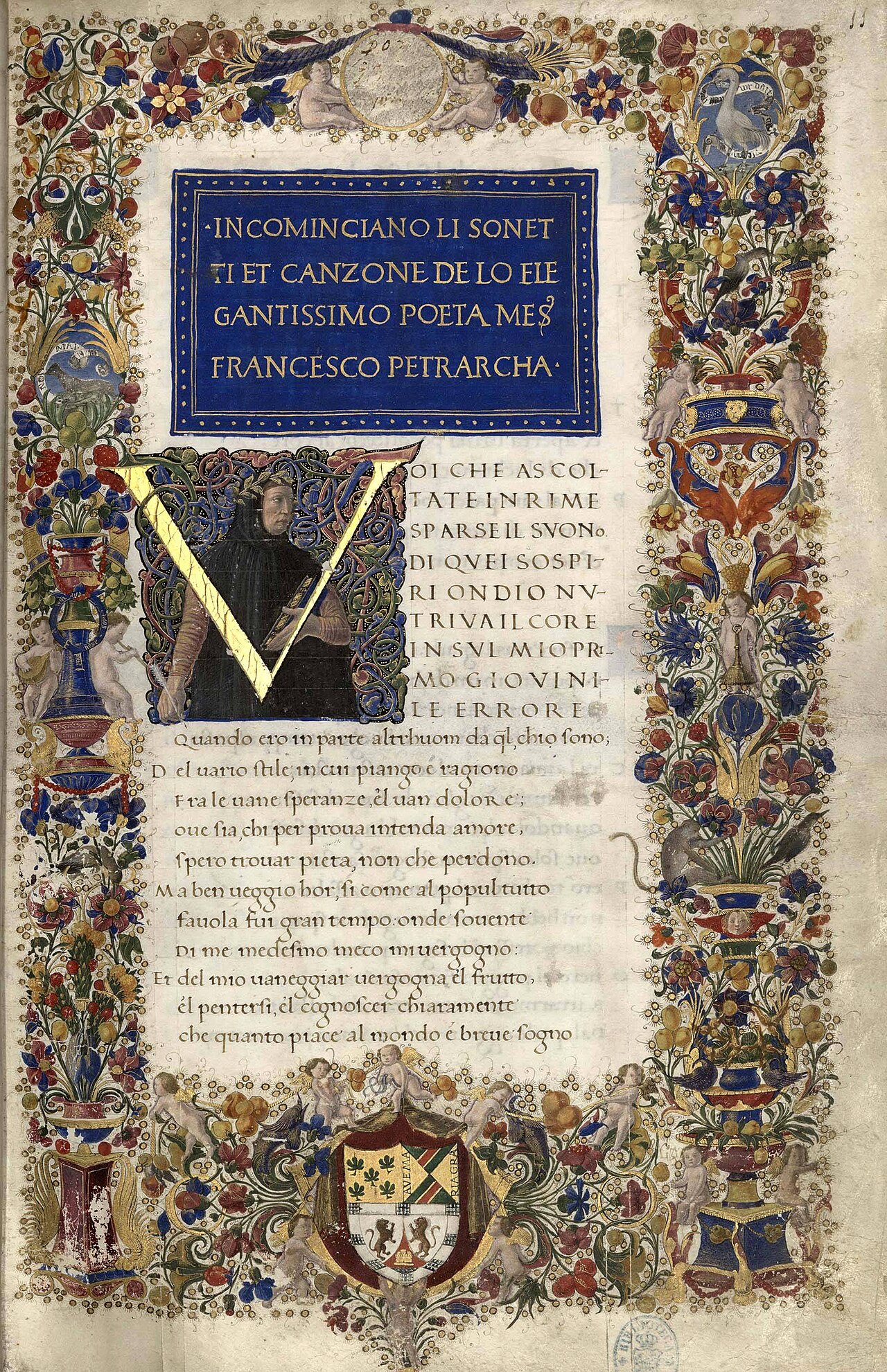 Book
Primary source
Il Canzoniere
Petrarch · 1304-1374 (composed over decades)
Primary source
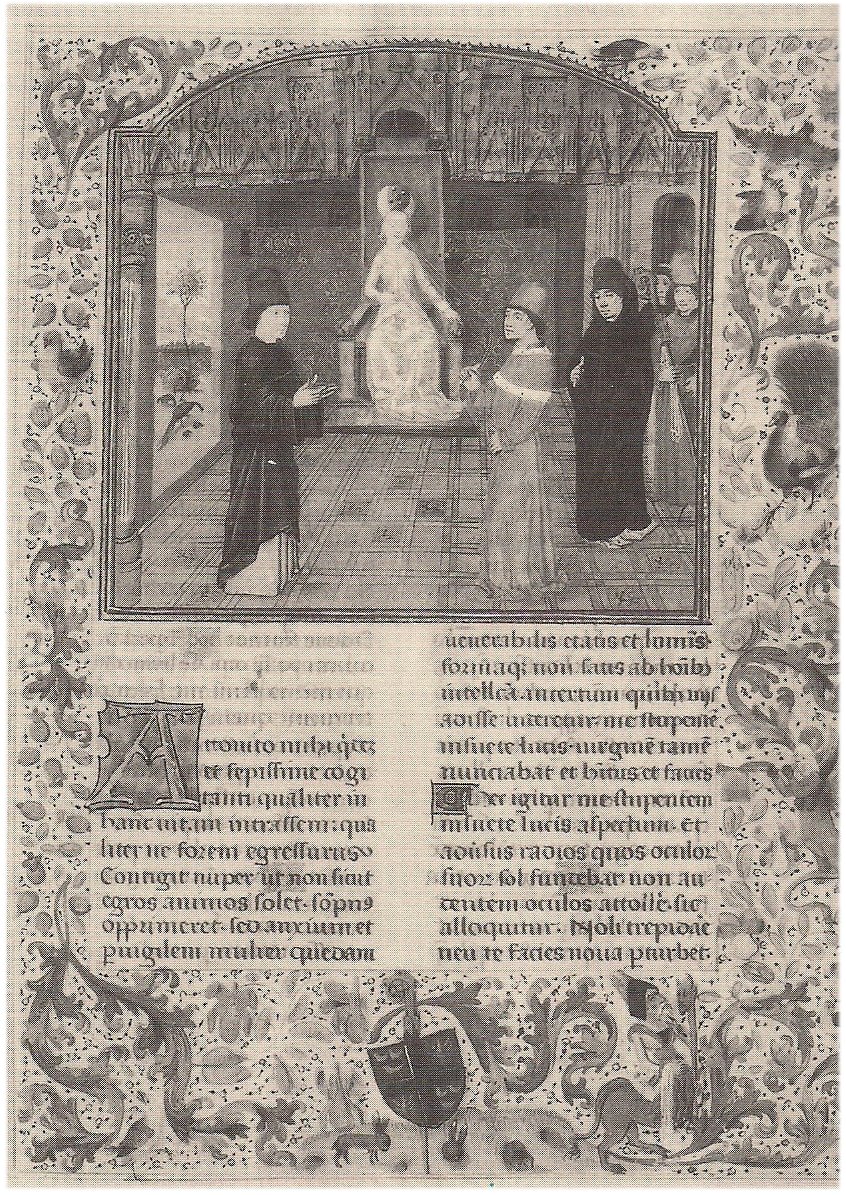
Ascent of Mont Ventoux
Petrarch · c. 1350 (describing events of 26 April 1336)
Primary source
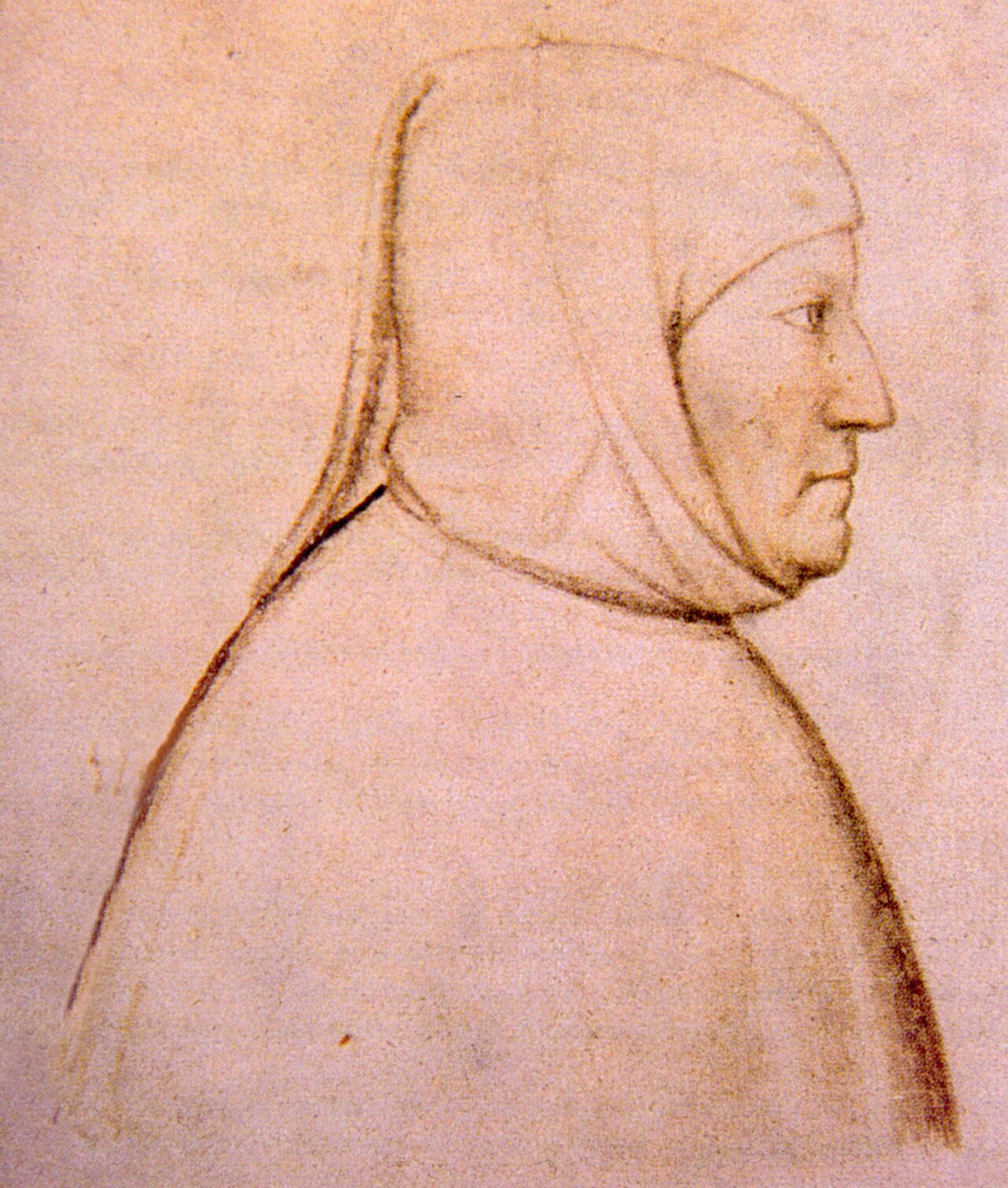
Epistola Posteritati
Petrarch
Primary source
Voi ch'ascoltate in rime sparse il suono
Petrarch · 1347
Free account
Read every Petrarch source
Sign up free →
Ready when you are
Start chatting with Petrarch now.
20 messages free · No credit card · Available in 50+ languages.