


Secondary sourcePainting1542–43
Zhao Mengfu Writing the Heart Sutra in Exchange for Tea
Qiu Ying · 1542–43
A Ming-dynasty Chinese painting depicting a famous calligrapher copying a Buddhist sutra, illustrating the Buddhist culture Watts later studied.
Depicts the Buddhist sutra-copying tradition that forms part of the cultural background Watts later explored.

About this source
What it is
This handscroll painting was made by the Ming dynasty artist Qiu Ying for a patron, depicting an earlier story about the Yuan dynasty calligrapher Zhao Mengfu, who was said to have transcribed the Buddhist Heart Sutra for a priest in exchange for tea. It is held at the Cleveland Museum of Art.
Why it matters
The painting shows how Buddhist scripture, writing, and exchange were woven into daily cultural life in China. This kind of Buddhist textual and artistic tradition forms part of the wider background that figures like Alan Watts later studied and explained to Western readers interested in Buddhism and Zen.
Look closer
- What details in the painting tell you this is a calm, scholarly scene rather than a dramatic one?
- Why might an artist centuries later choose to paint a story about a famous earlier calligrapher?
- What does the painting suggest about the relationship between religion, writing, and everyday acts like drinking tea?
This painting is part of the curated material that grounds the AI version of Alan Watts on Humy.ai — when students ask about related events, the AI can quote it and cite it.
More Alan Watts sources
Browse all 11 →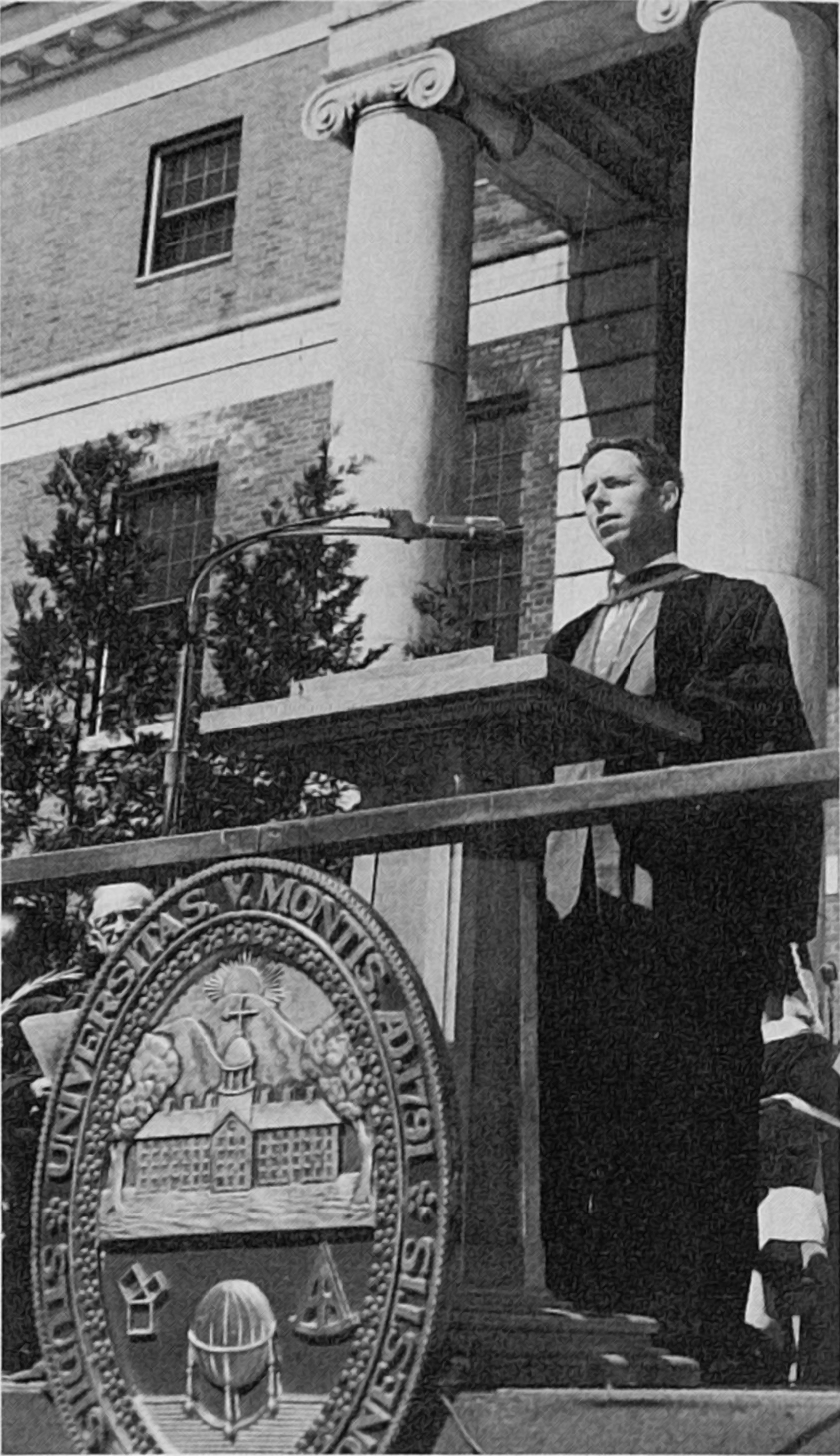 Photograph
Primary source
Alan Watts Delivering 'Faith Beyond Belief' at UVM
15 June 1958
 Photograph
Primary source
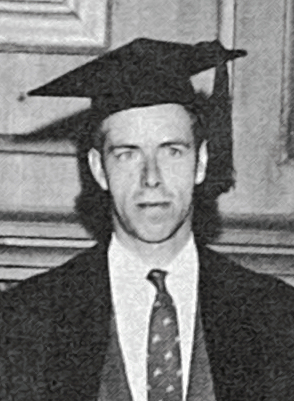
Portrait of Alan Watts in Academic Dress
1958
 Photograph
Primary source
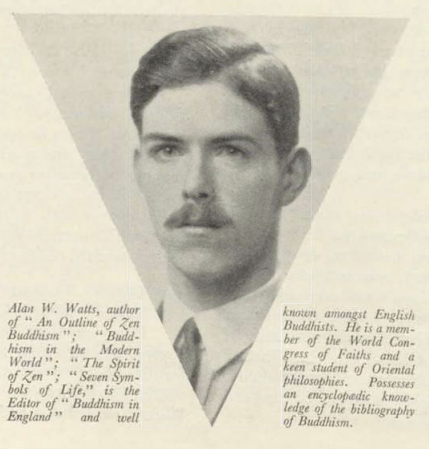
Photograph of Alan Watts, 1937
Unknown · 1937
 Photograph
Primary source
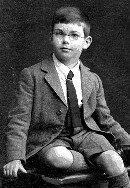
Alan Watts, Age Seven
Unknown · 1922

Free account
Read every Alan Watts source
Sign up free →
Ready when you are
Start chatting with Alan Watts now.
20 messages free · No credit card · Available in 50+ languages.