


Secondary sourcePaintingc. 1830
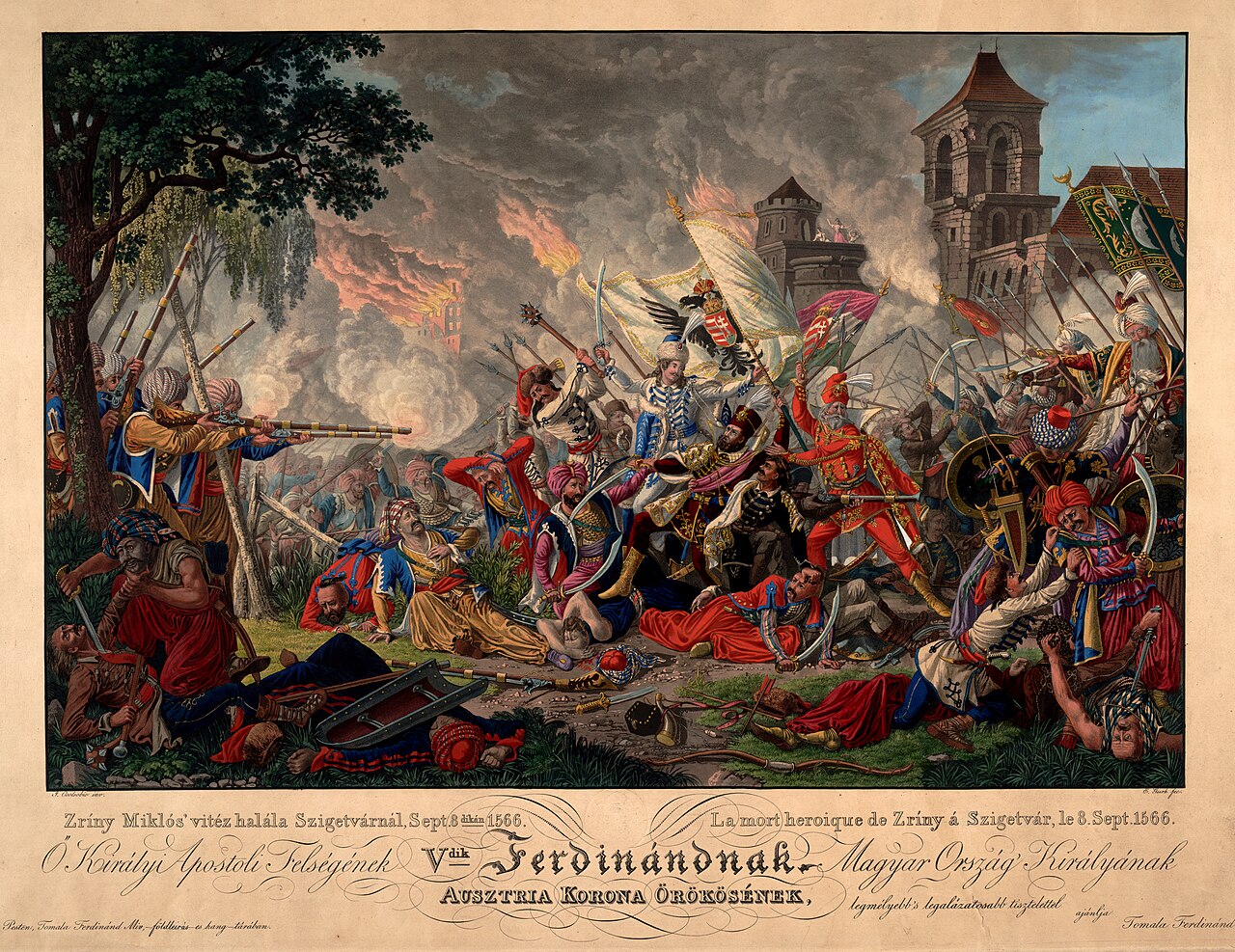
Zrinski's Charge from the Fortress of Szigetvár
Eduard Gurk after J. Osolsobie · c. 1830
A colored aquatint print of Zrinski's final charge from Szigetvár against the Ottoman army.
Depicts Zrinski's final charge from Szigetvár, the defining act of his legend.
About this source
What it is
This colored aquatint, made around 1830 by Eduard Gurk after a design by J. Osolsobie, shows a crowded battle between Hungarian and Ottoman soldiers outside the fortress walls of Szigetvár, with wounded and fallen men in the foreground. It was created roughly 260 years after the siege.
Why it matters
The scene commemorates Zrinski's last stand at Szigetvár, when he led his remaining troops in a final charge against the besieging Ottoman forces. Images like this helped keep the memory of the siege alive in European art long after the event.
Look closer
- How does the artist use color and composition to show chaos and danger?
- What symbols, like flags or banners, help identify which side is which?
- What might this image leave out about the reality of the siege?
This painting is part of the curated material that grounds the AI version of Nikola Šubić Zrinski on Humy.ai — when students ask about related events, the AI can quote it and cite it.
More Nikola Šubić Zrinski sources
Browse all 97 →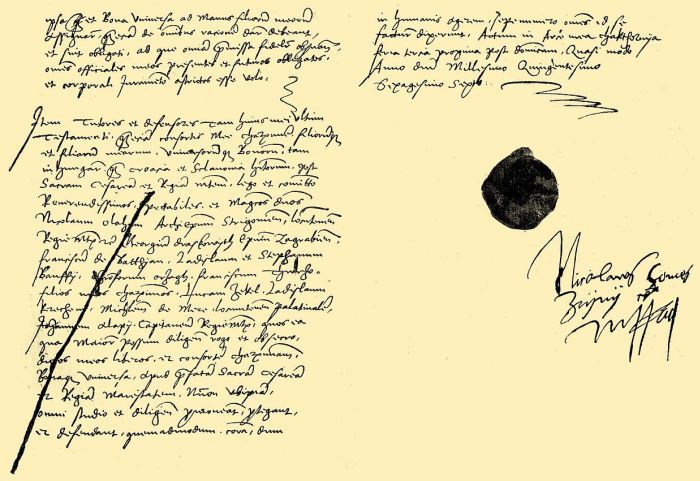 Document
Primary source
Will of Nikola Šubić Zrinski
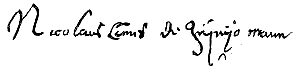
Nikola Šubić Zrinski · 23 April 1566
 Sculpture
Primary source
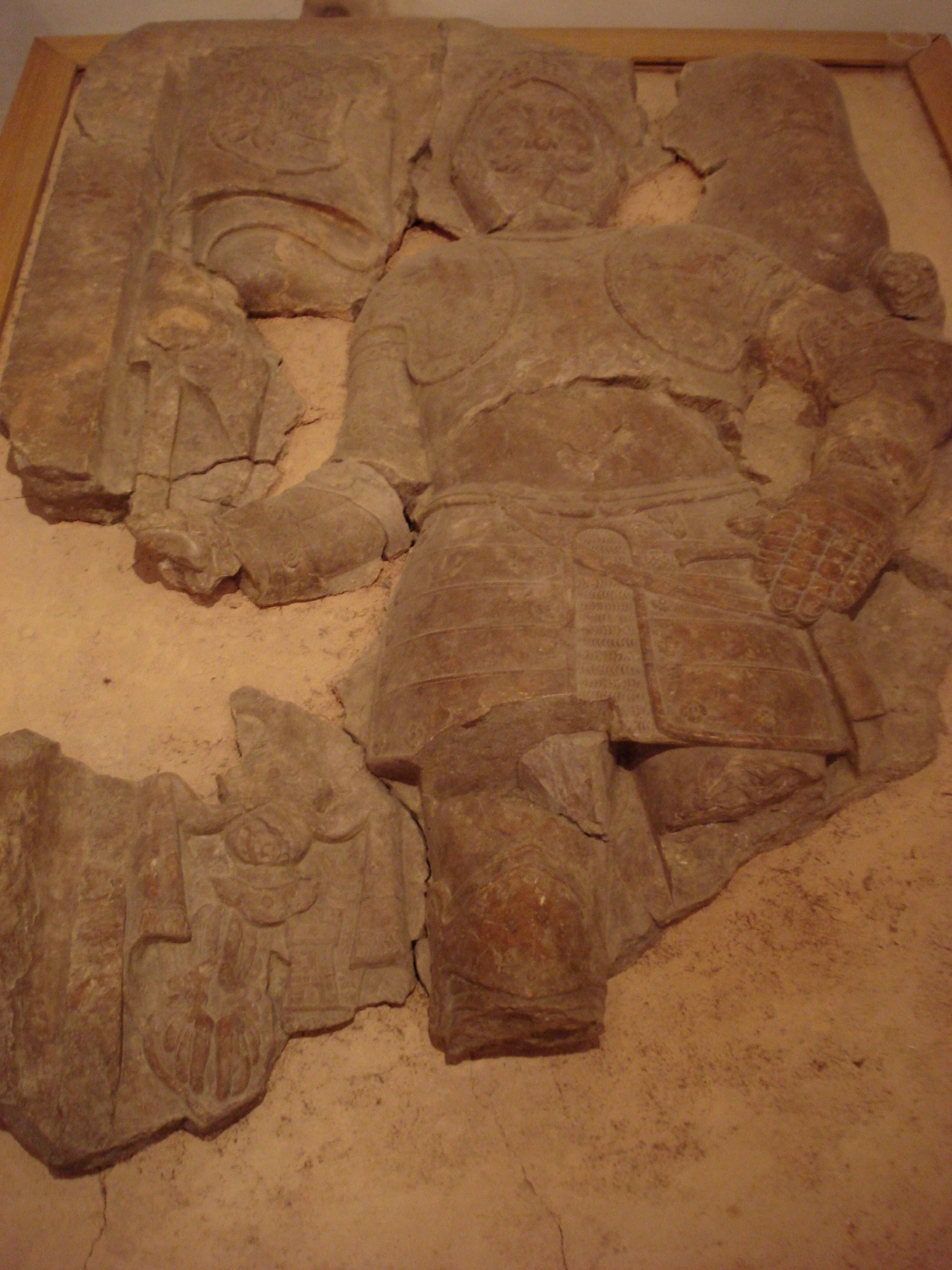
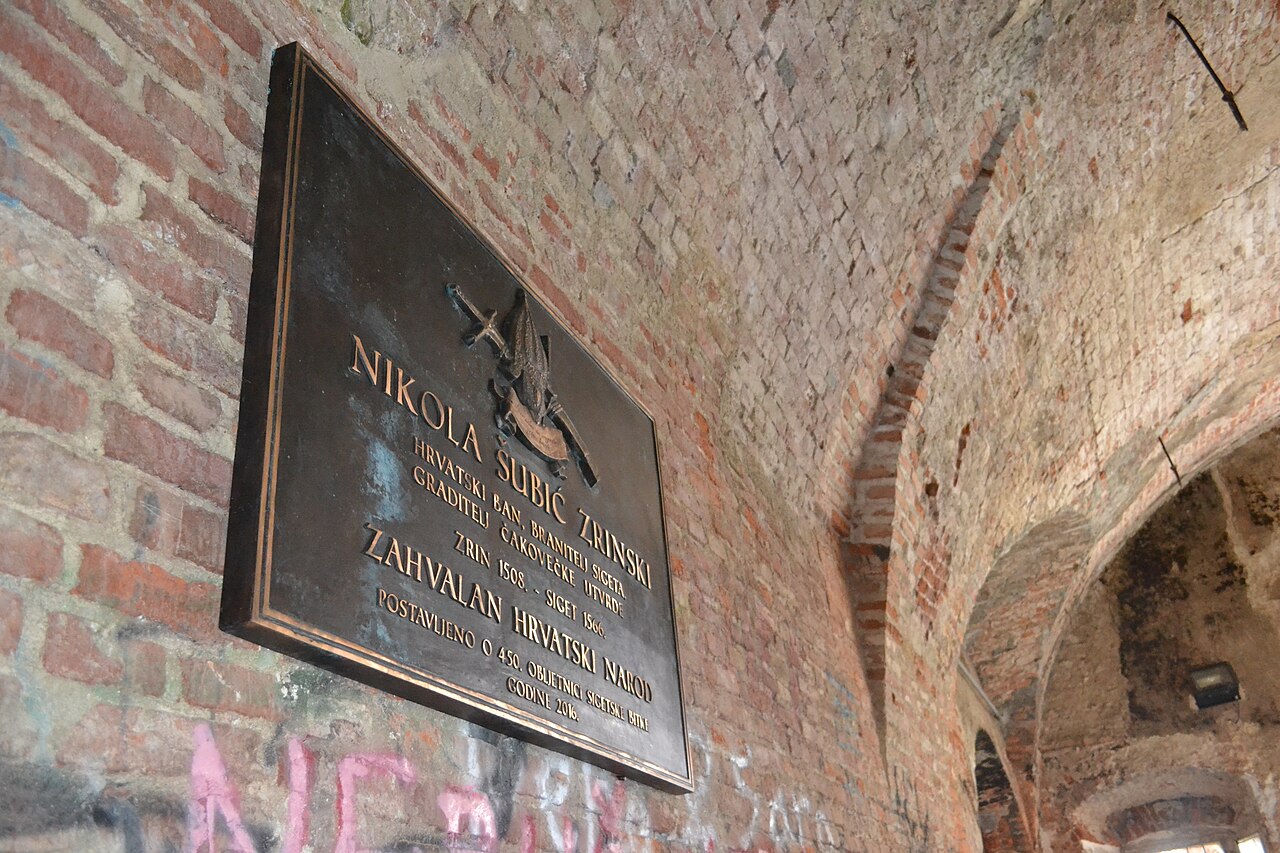
Tombstone of Nikola Zrinski of Sziget
Silverije · 1566
 Book
Secondary source
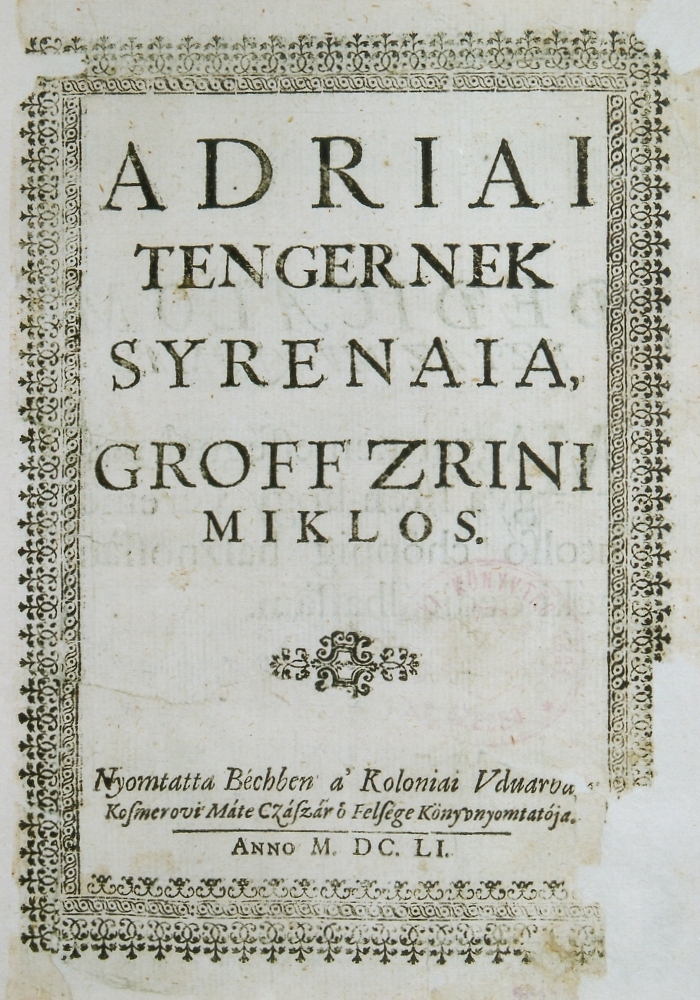
The Siege of Sziget
Nikola VII Zrinski · 1651
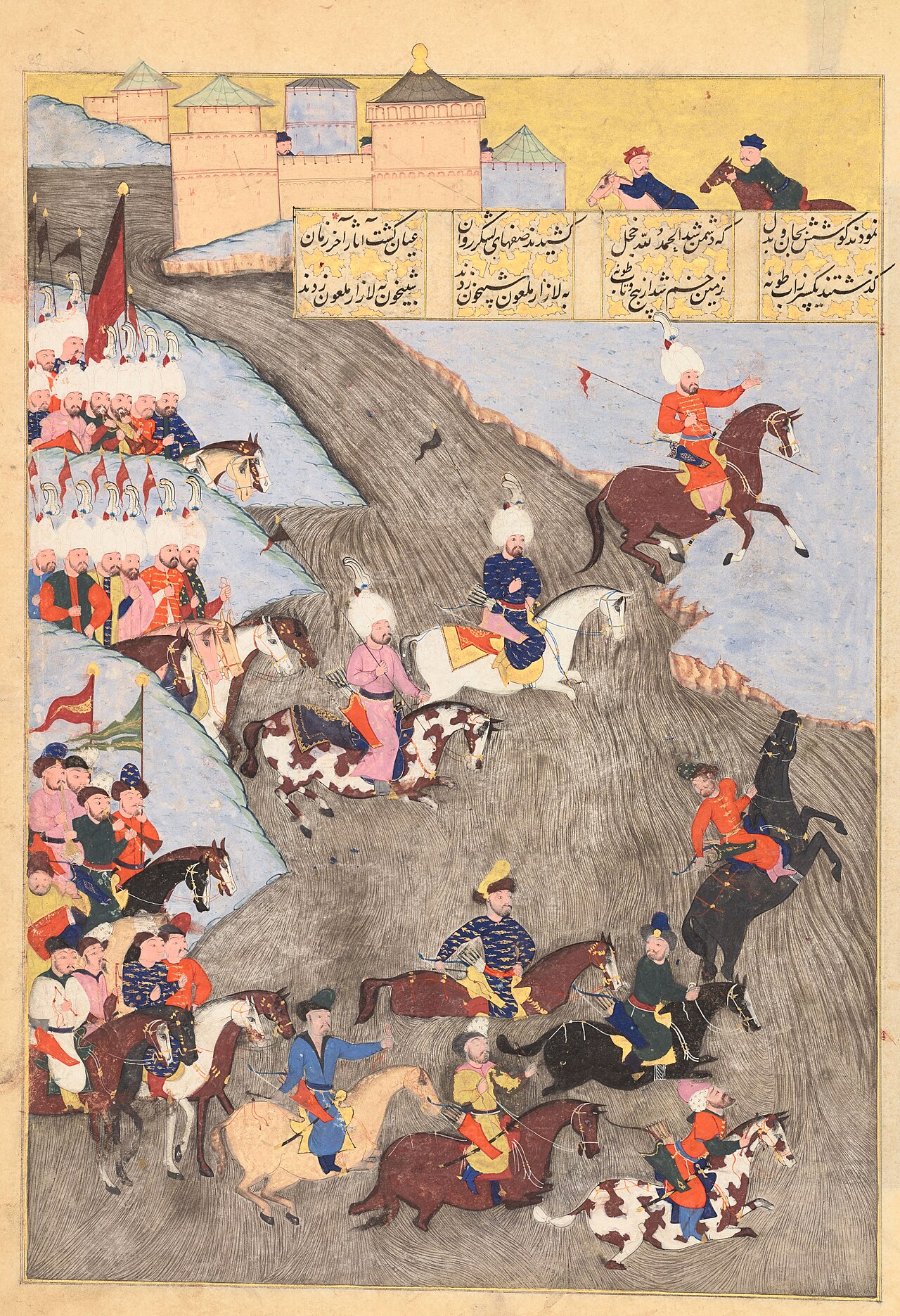 Painting
Primary source
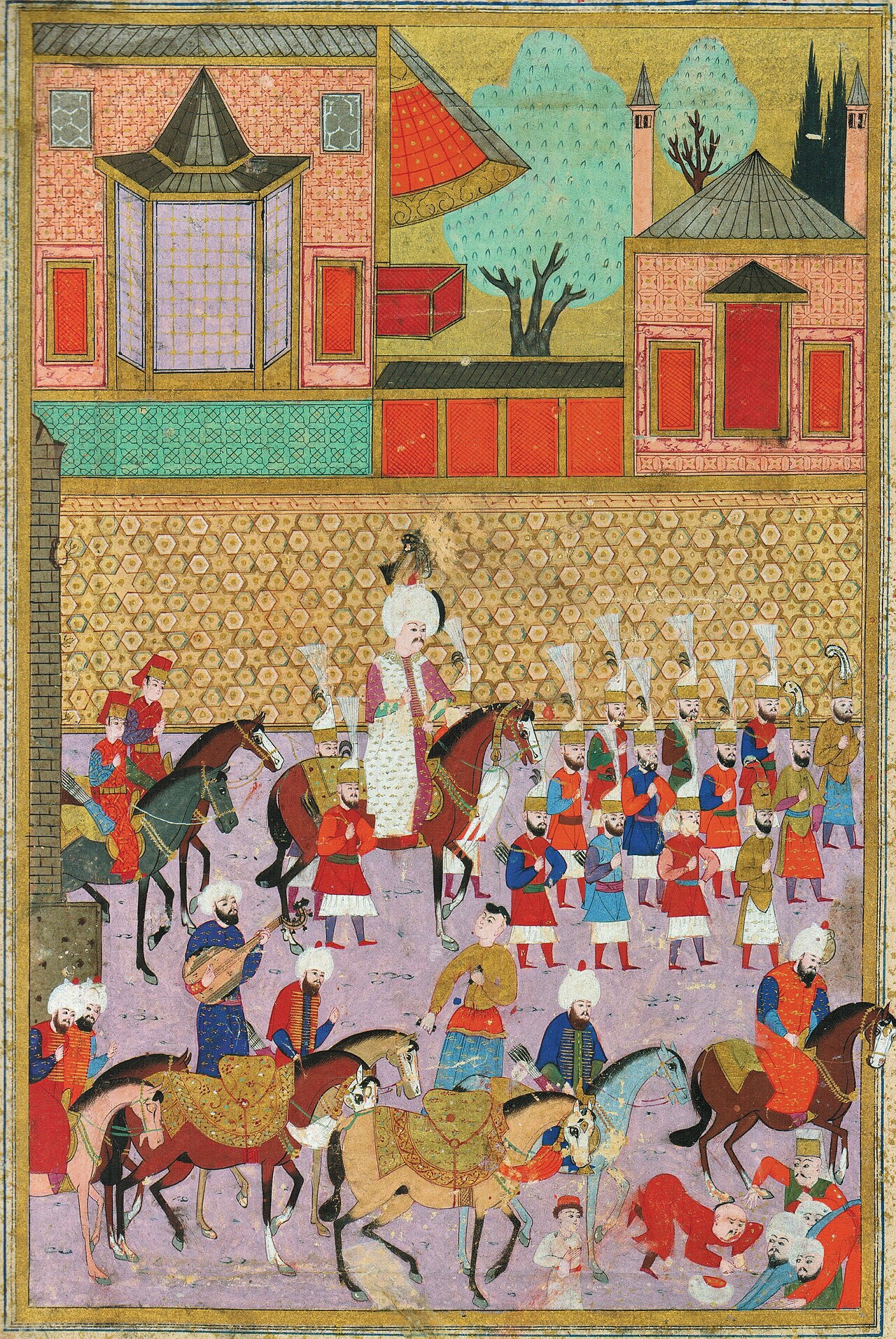
History of Sultan Süleyman
Seyyid Lokman · 1579
Free account
Browse every Nikola Šubić Zrinski source
Sign up free →
Ready when you are
Start chatting with Nikola Šubić Zrinski now.
20 messages free · No credit card · Available in 50+ languages.