


Secondary sourcePaintingc. 1800
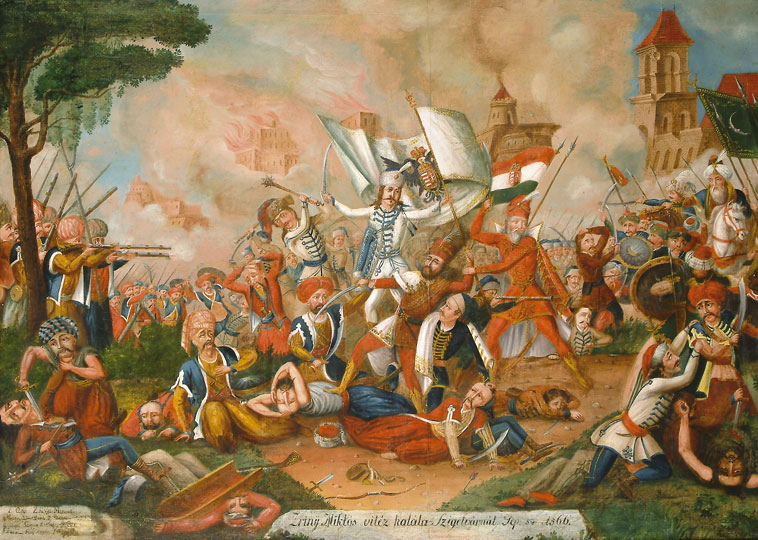
Zrínyi's Charge from the Fortress of Szigetvár (c. 1800)
Unknown · c. 1800
A Hungarian painting from around 1800 showing Zrínyi's final sortie from Szigetvár amid fallen soldiers.
A Hungarian depiction of Zrínyi's final charge, showing his role as a defender of Szigetvár.
About this source
What it is
Made by an unknown artist around 1800, this painting shows a central figure in a white and blue uniform holding a banner marked with a double-headed eagle, leading soldiers in a chaotic battle with fallen bodies around them. A burning building and a fortress with towers appear in the background, with a handwritten inscription identifying the scene as the death of Miklós Zrínyi at Szigetvár in 1566.
Why it matters
This painting shows how Hungarian culture around 1800 remembered Zrínyi's sortie as a dramatic act of heroism against Ottoman forces, long after the actual event. Such images helped shape Zrínyi into a national symbol of courage and sacrifice.
Look closer
- Why might the painter have used a double-headed eagle on the banner?
- What feelings does the burning building and the fallen soldiers create for the viewer?
- How does the handwritten inscription help us understand what the artist wanted viewers to know?
This painting is part of the curated material that grounds the AI version of Nikola Šubić Zrinski on Humy.ai — when students ask about related events, the AI can quote it and cite it.
More Nikola Šubić Zrinski sources
Browse all 97 →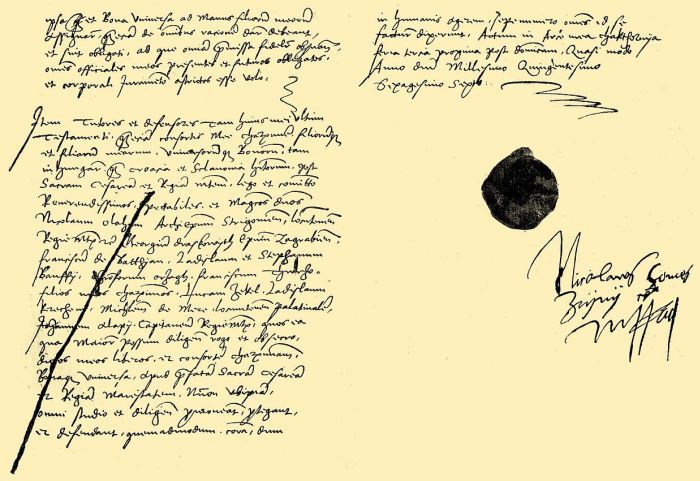 Document
Primary source
Will of Nikola Šubić Zrinski
Nikola Šubić Zrinski · 23 April 1566
 Sculpture
Primary source
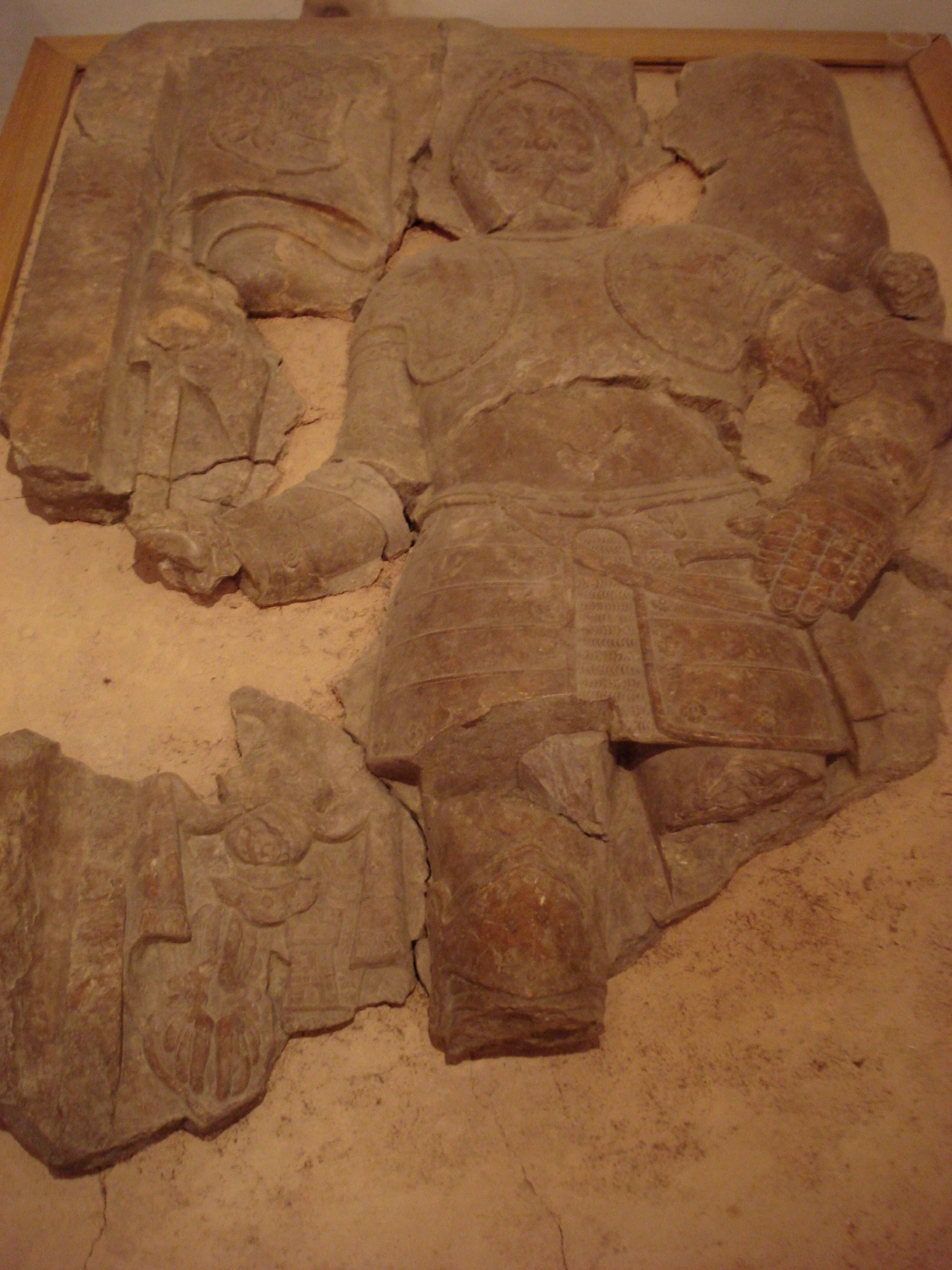
Tombstone of Nikola Zrinski of Sziget
Silverije · 1566
 Book
Secondary source
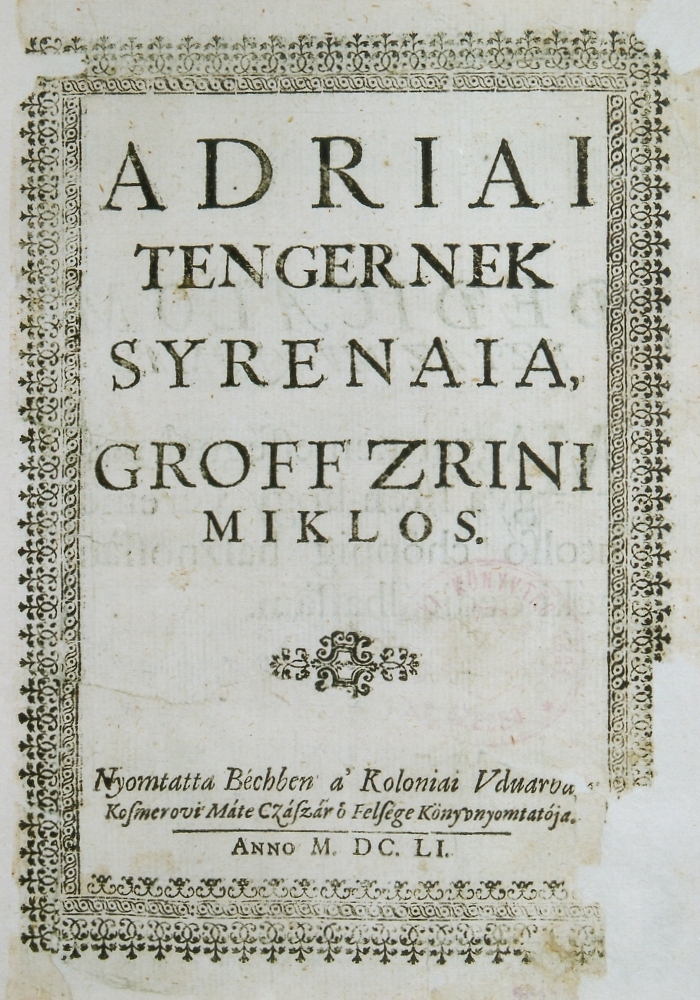
The Siege of Sziget
Nikola VII Zrinski · 1651
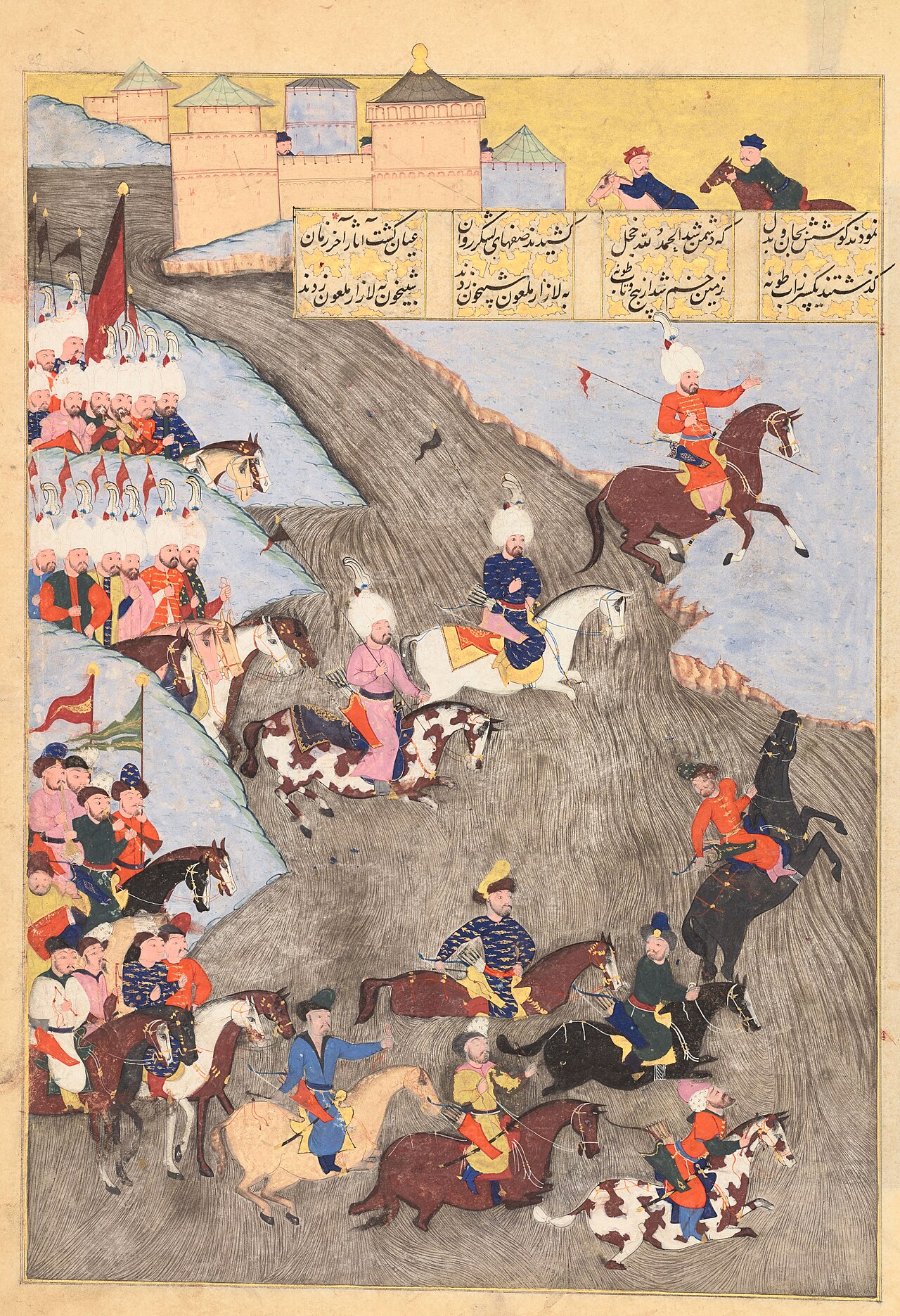 Painting
Primary source
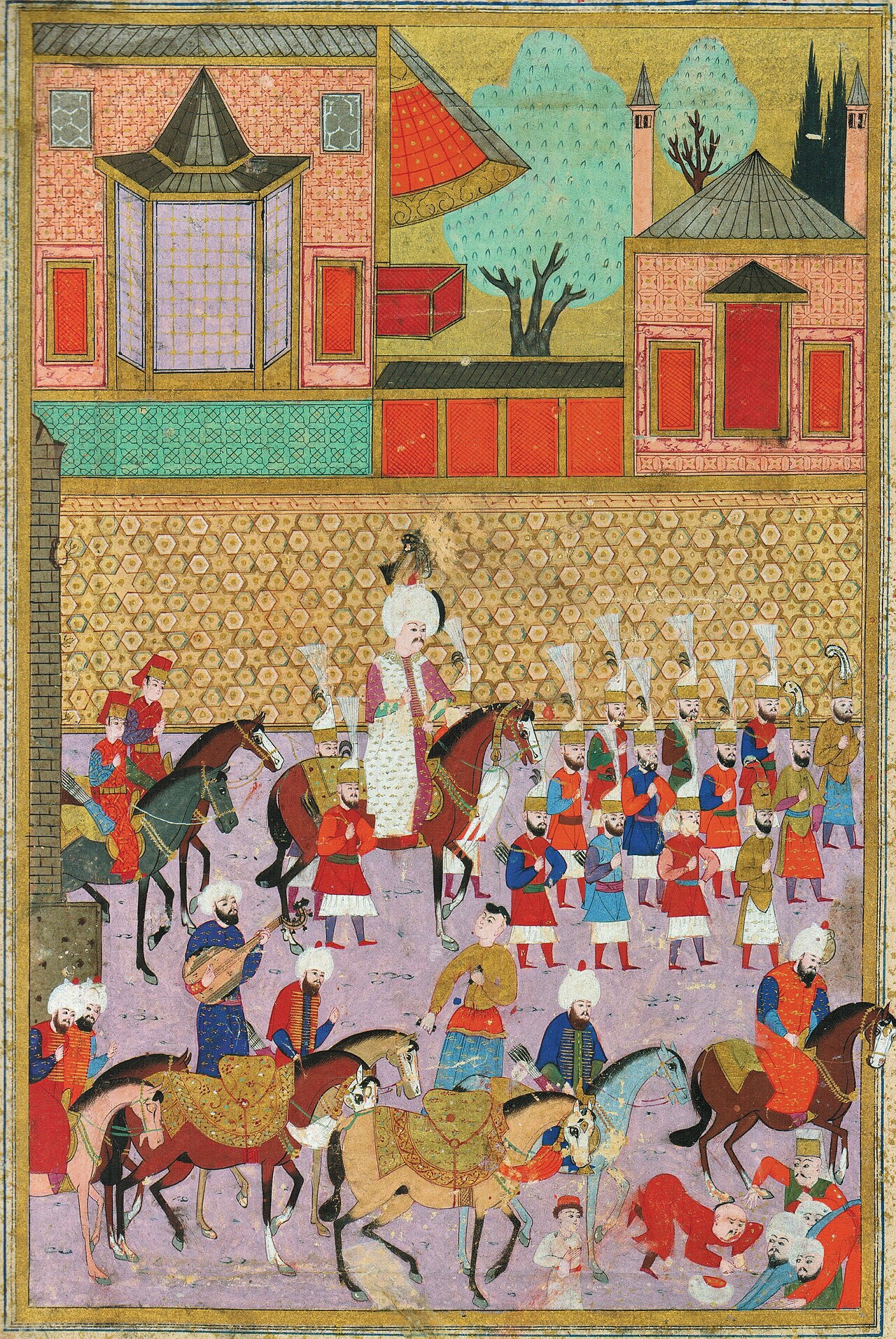
History of Sultan Süleyman
Seyyid Lokman · 1579
Free account
Browse every Nikola Šubić Zrinski source
Sign up free →
Ready when you are
Start chatting with Nikola Šubić Zrinski now.
20 messages free · No credit card · Available in 50+ languages.