


Secondary sourcePainting1903
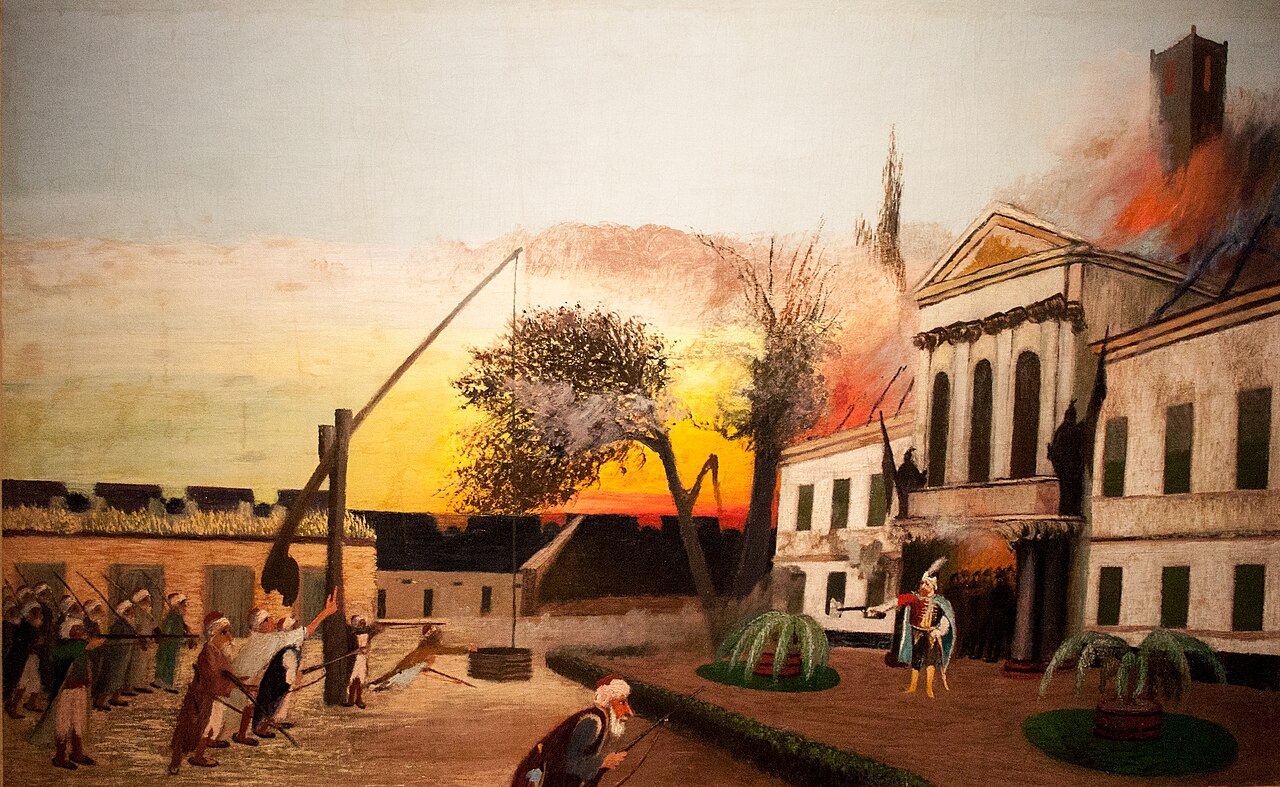
Zrinyi's Sally
Tivadar Csontváry Kosztka · 1903
A 1903 painting imagining Zrinski's final charge from the besieged fortress of Szigetvár, set against a burning building and armed soldiers.
This painting imagines Zrinski's legendary final charge from Szigetvár, cementing his image as a heroic martyr.
About this source
What it is
This is an oil painting made in 1903 by the Hungarian artist Tivadar Csontváry Kosztka. It imagines the final sortie, or "sally", that Nikola Šubić Zrinski led out of the besieged fortress of Szigetvár in 1566.
Why it matters
Painted more than three centuries after the siege, this work is not an eyewitness record but a later artistic interpretation. It shows how Zrinski's last stand became a powerful symbol of heroism in Hungarian and Croatian culture, inspiring artists long after his death.
Look closer
- What mood does the artist create with fire, smoke, and the setting sun?
- Why might an artist choose to depict a famous historical death scene centuries later?
- What details in the painting seem invented rather than historically documented?
This painting is part of the curated material that grounds the AI version of Nikola Šubić Zrinski on Humy.ai — when students ask about related events, the AI can quote it and cite it.
More Nikola Šubić Zrinski sources
Browse all 97 →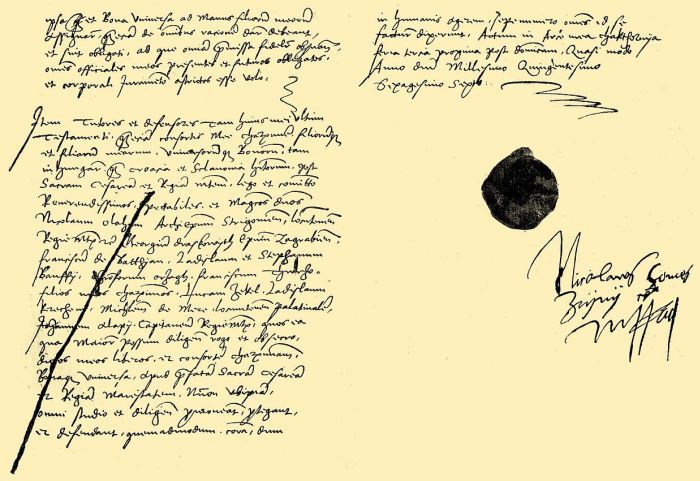 Document
Primary source
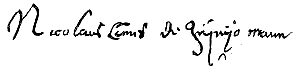
Will of Nikola Šubić Zrinski
Nikola Šubić Zrinski · 23 April 1566
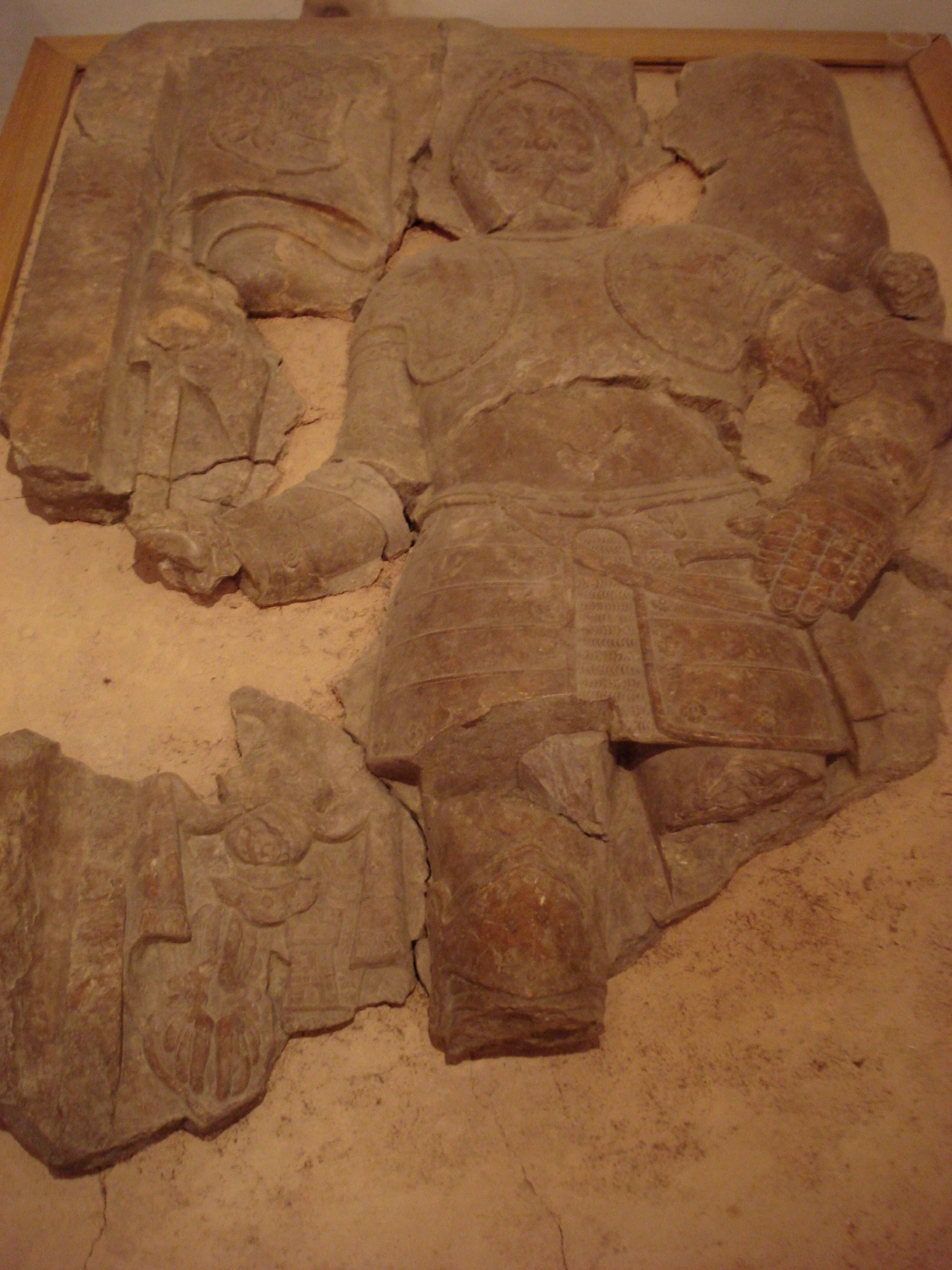 Sculpture
Primary source
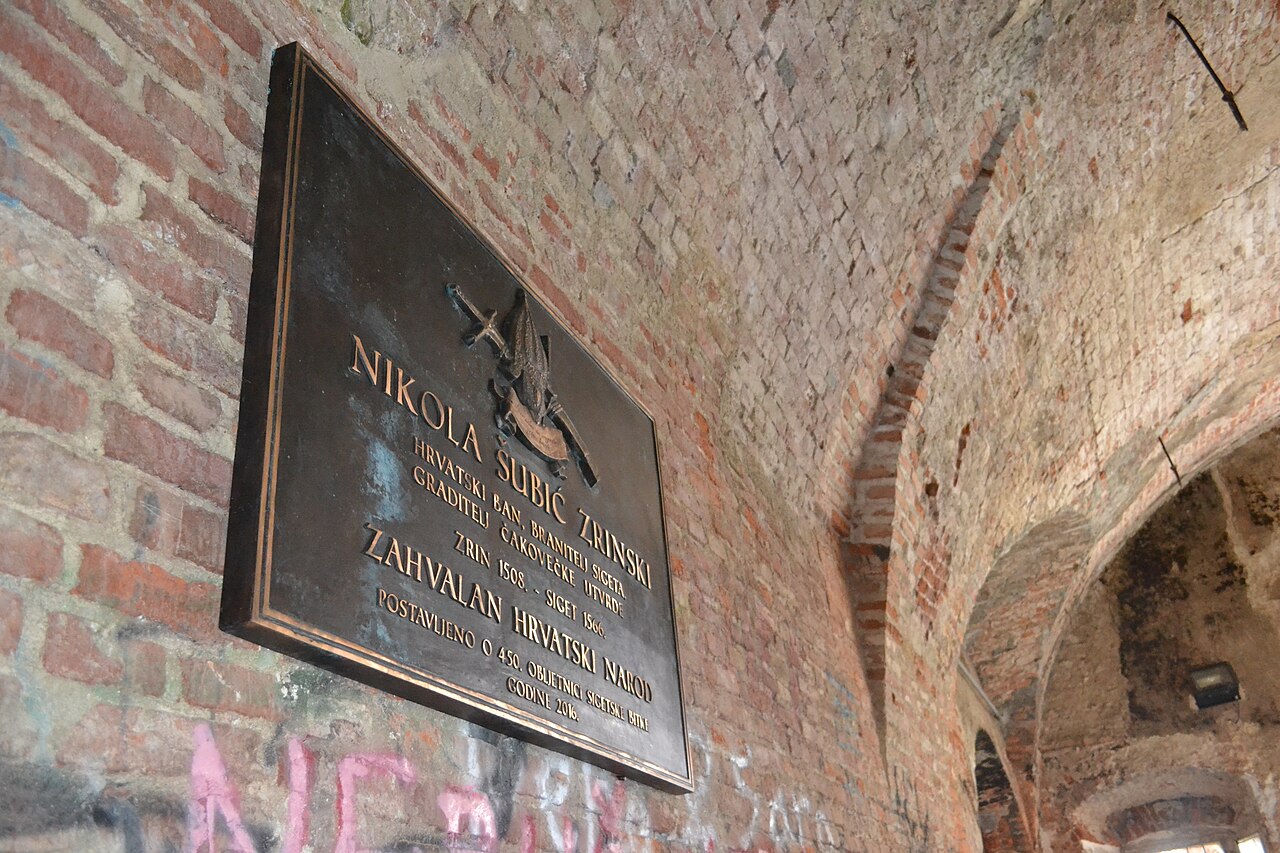
Tombstone of Nikola Zrinski of Sziget
Silverije · 1566
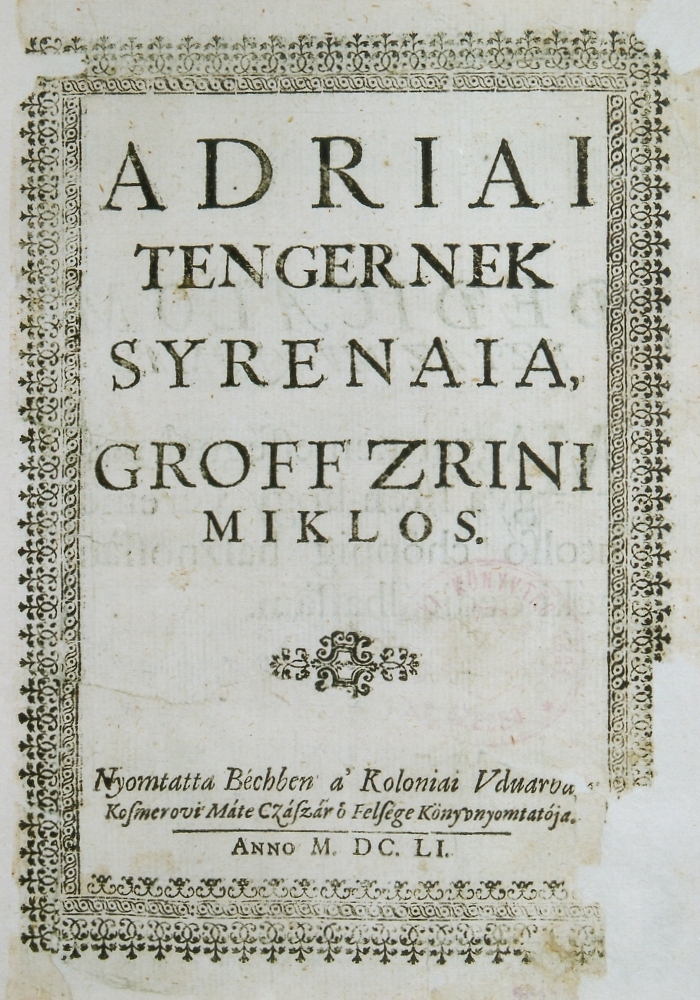 Book
Secondary source
The Siege of Sziget
Nikola VII Zrinski · 1651
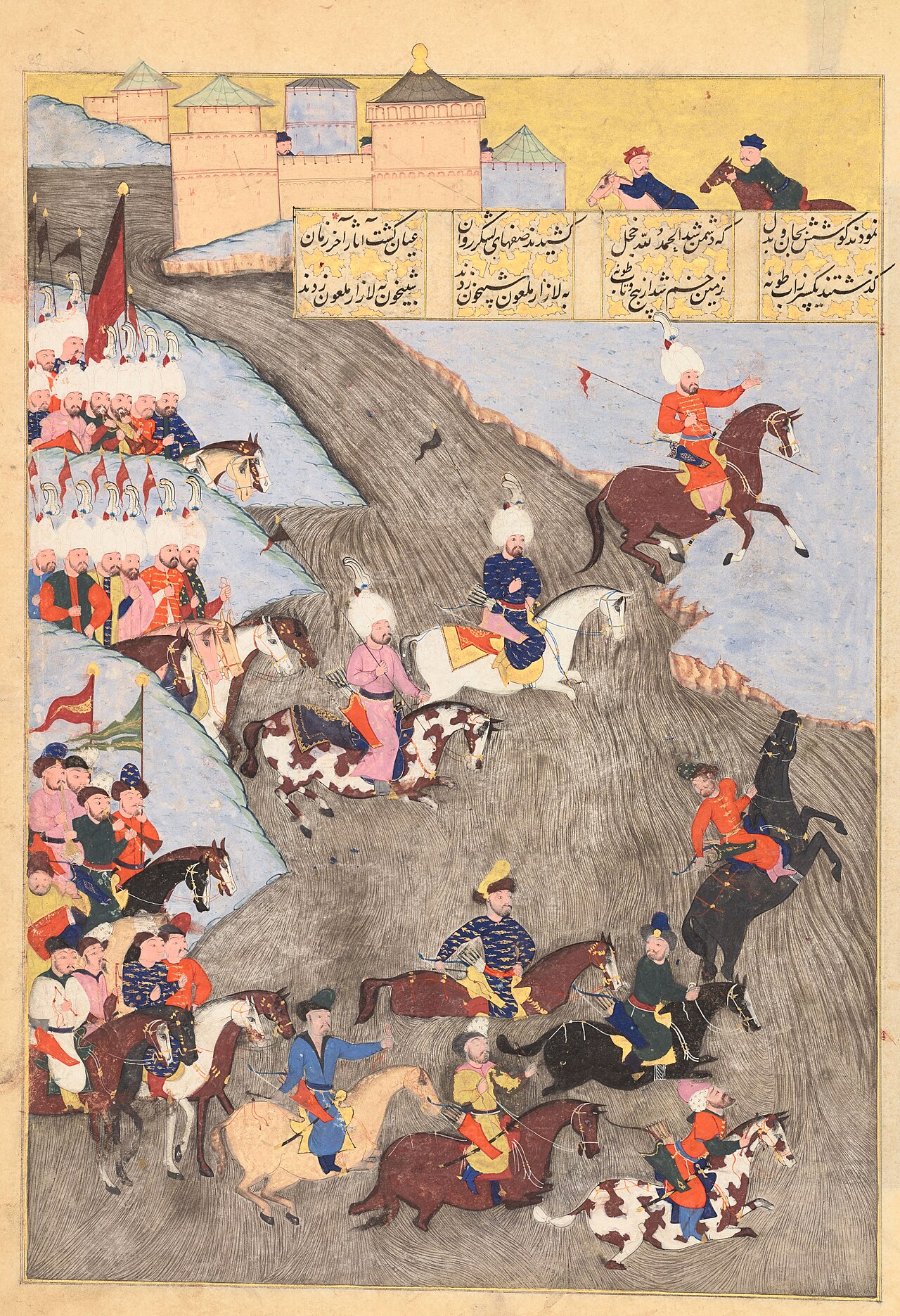 Painting
Primary source
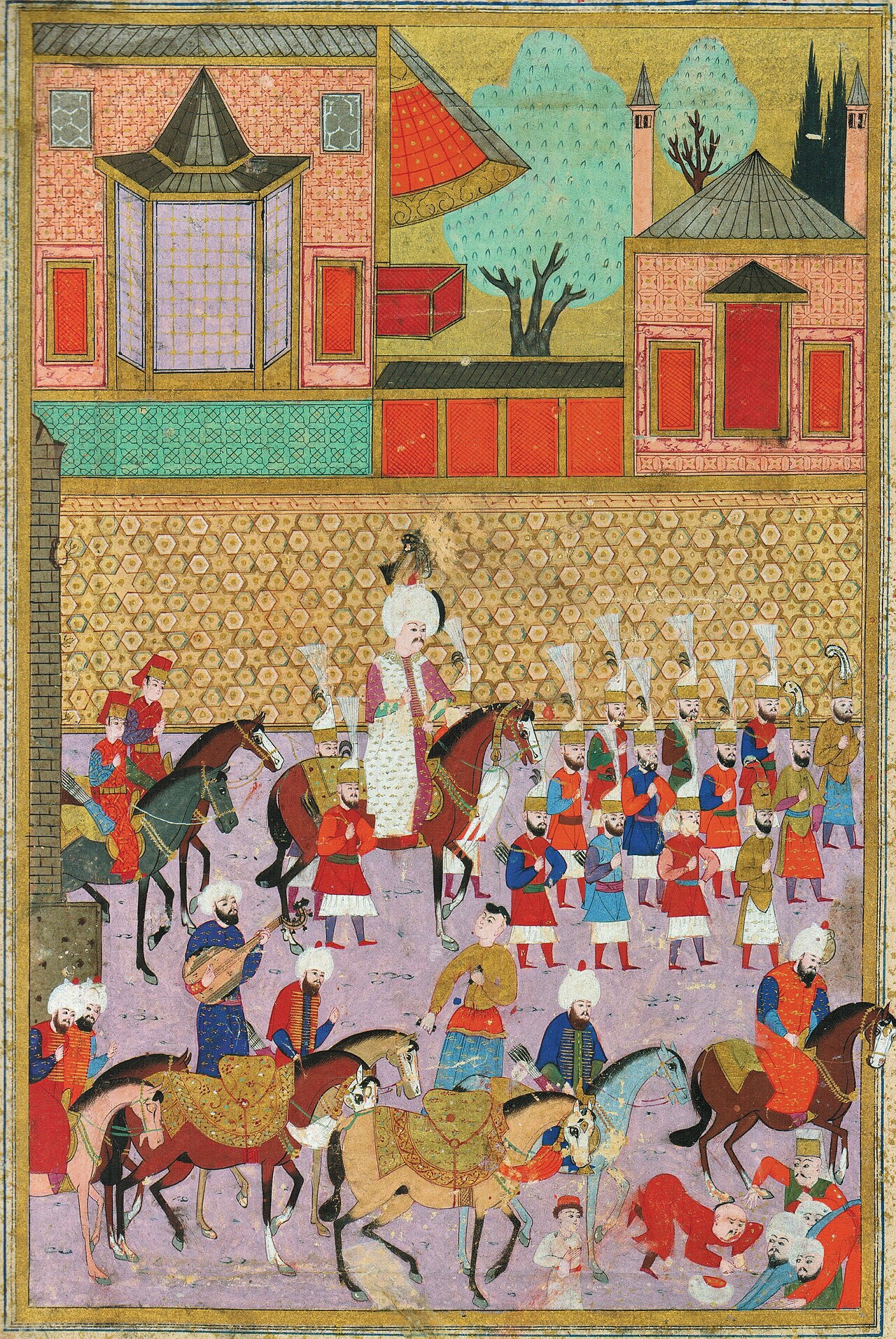
History of Sultan Süleyman
Seyyid Lokman · 1579
Free account
Browse every Nikola Šubić Zrinski source
Sign up free →
Ready when you are
Start chatting with Nikola Šubić Zrinski now.
20 messages free · No credit card · Available in 50+ languages.