


Secondary sourceArtifactafter 1864
'Zum guten Kaiser' Granary Inscription, Koleč
after 1864
A painted inscription on a granary wall in Bohemia calling Ferdinand 'the good emperor', reflecting his popular nickname after his abdication.
The inscription uses Ferdinand's popular epithet 'the Good' on an estate he owned after his abdication.
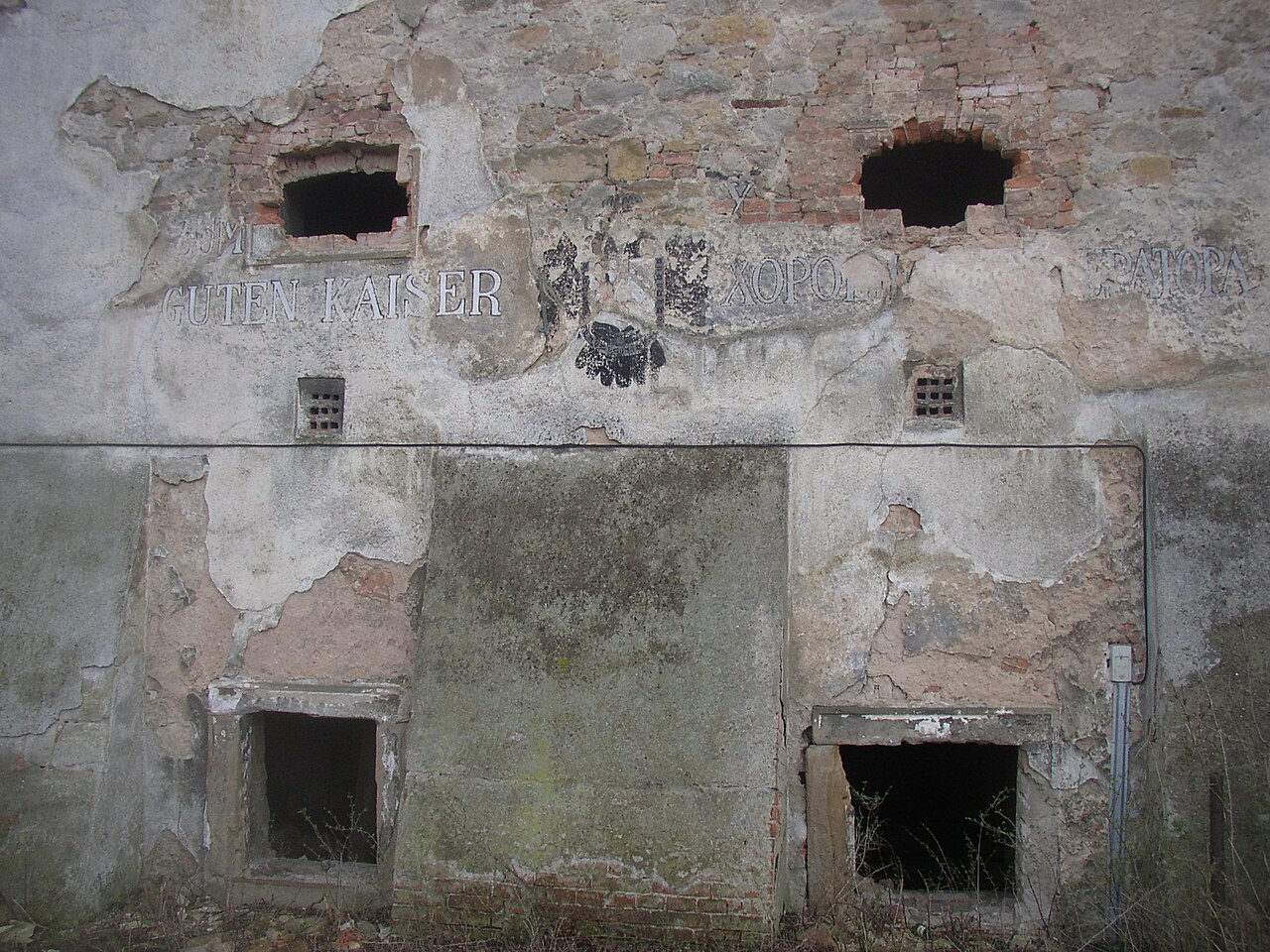
About this source
What it is
This is a weathered wall inscription on a granary beside a chateau in Koleč, Bohemia, reading 'Zum guten Kaiser' (To the good emperor) in German, with a parallel inscription in another script. Ferdinand I owned the Koleč estate from 1864 until his death in 1875, after he had abdicated the imperial throne.
Why it matters
The inscription reflects the nickname 'Ferdinand the Good', used for the former emperor in his retirement years. It shows how, even after giving up power, his memory was tied to local places he owned, and how such epithets shaped his public image long after his reign ended.
Look closer
- What does the phrase 'the good emperor' suggest about how some people remembered Ferdinand?
- Why might a nickname like this differ from how historians judge a ruler's actual policies?
- What does the worn, peeling state of the wall tell you about how this memory has survived over time?
This artifact is part of the curated material that grounds the AI version of Ferdinand I of Austria on Humy.ai — when students ask about related events, the AI can quote it and cite it.
More Ferdinand I of Austria sources
Browse all 85 →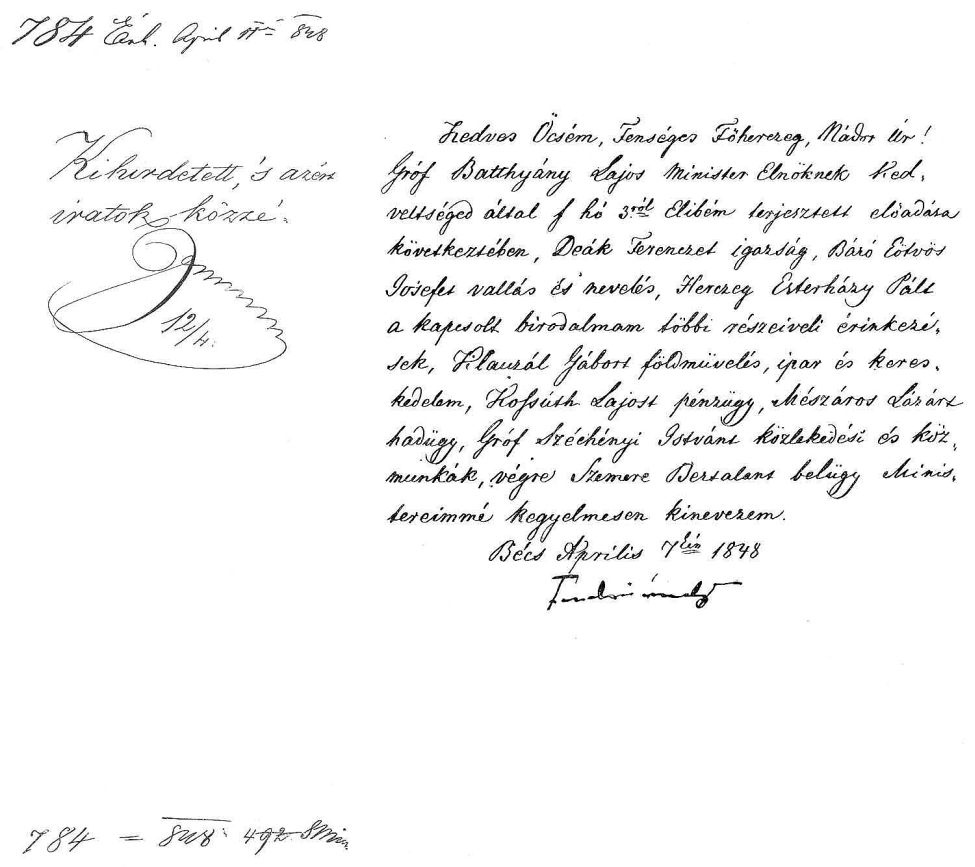 Letter
Primary source
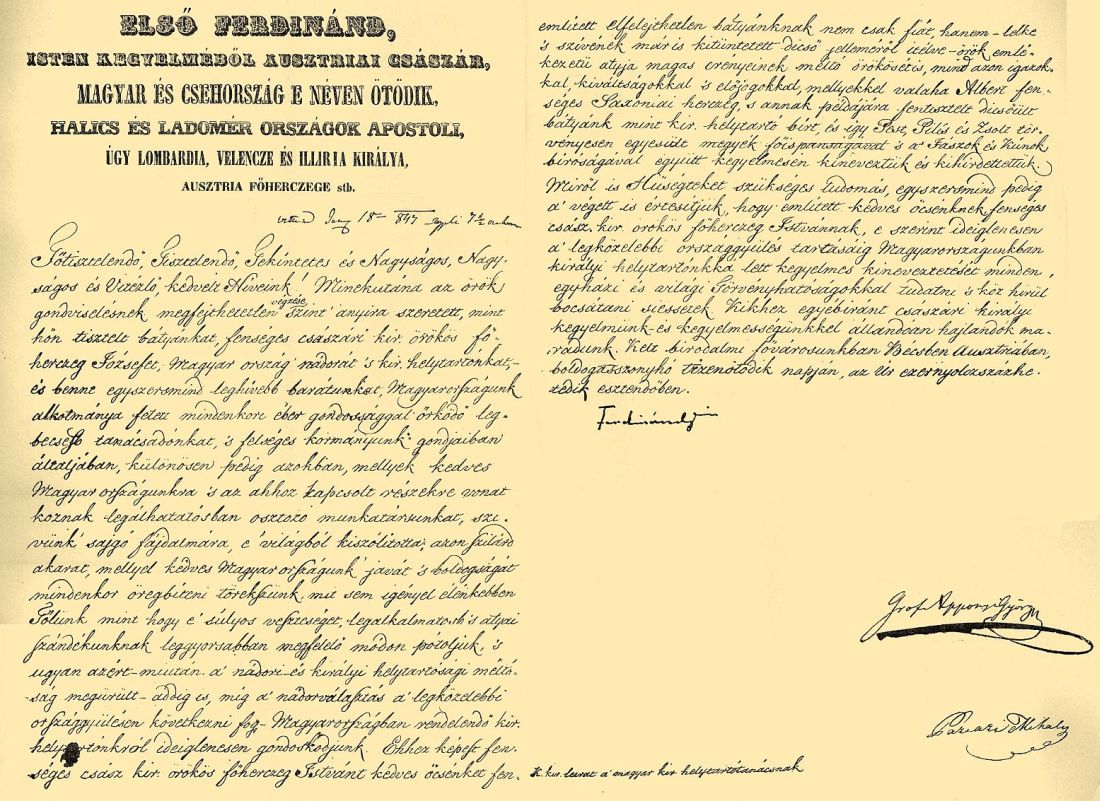
Letter Appointing the Batthyány Government
Ferdinand I of Austria · 7 April 1848
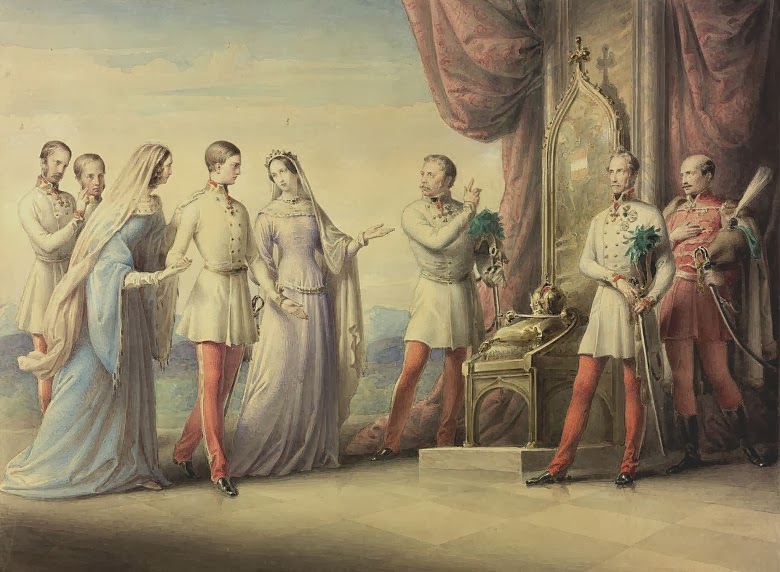 Painting
Secondary source
Archduchess Sophie Leading Her Son Franz Joseph to the Throne
Leopold Kupelwieser
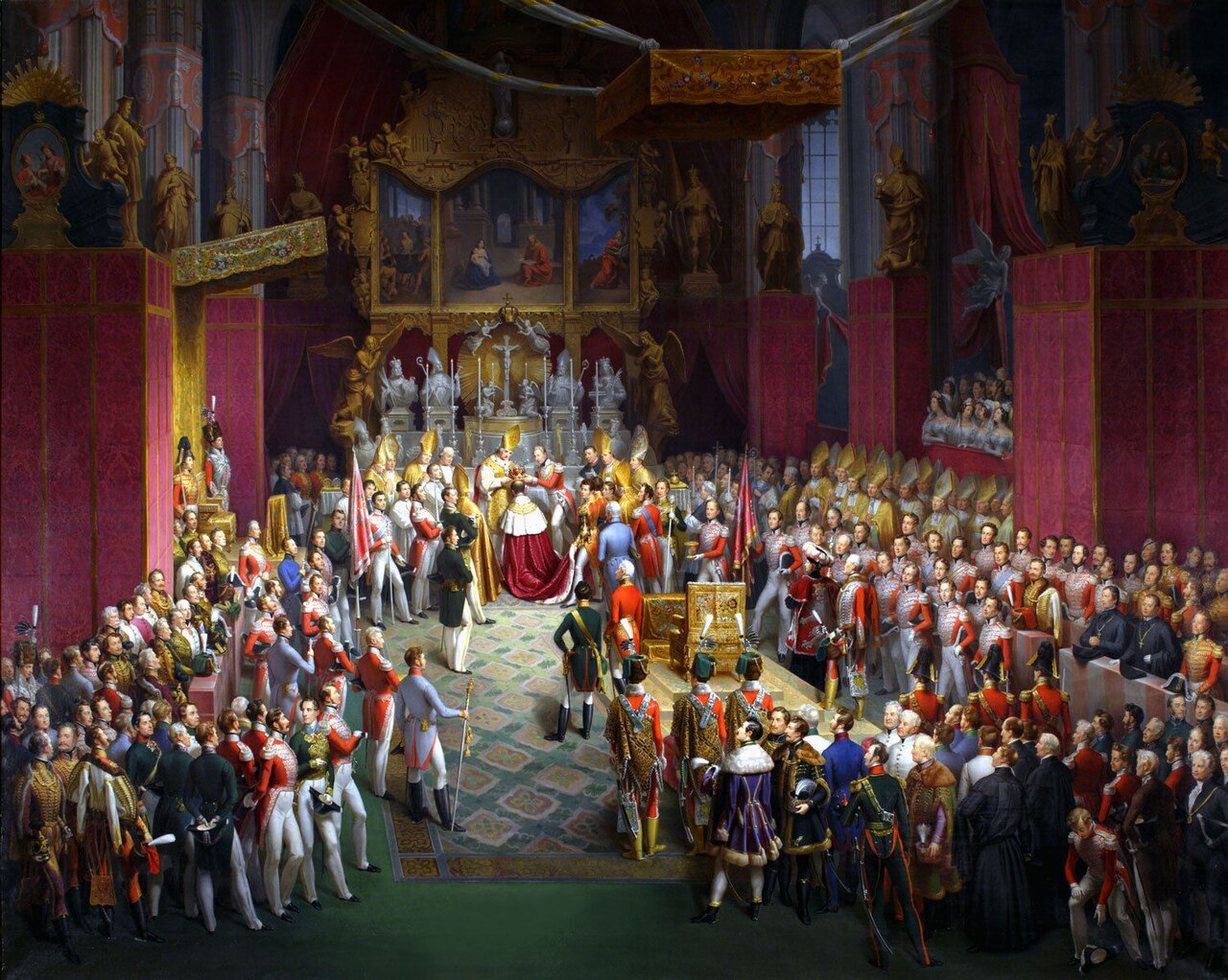 Painting
Secondary source
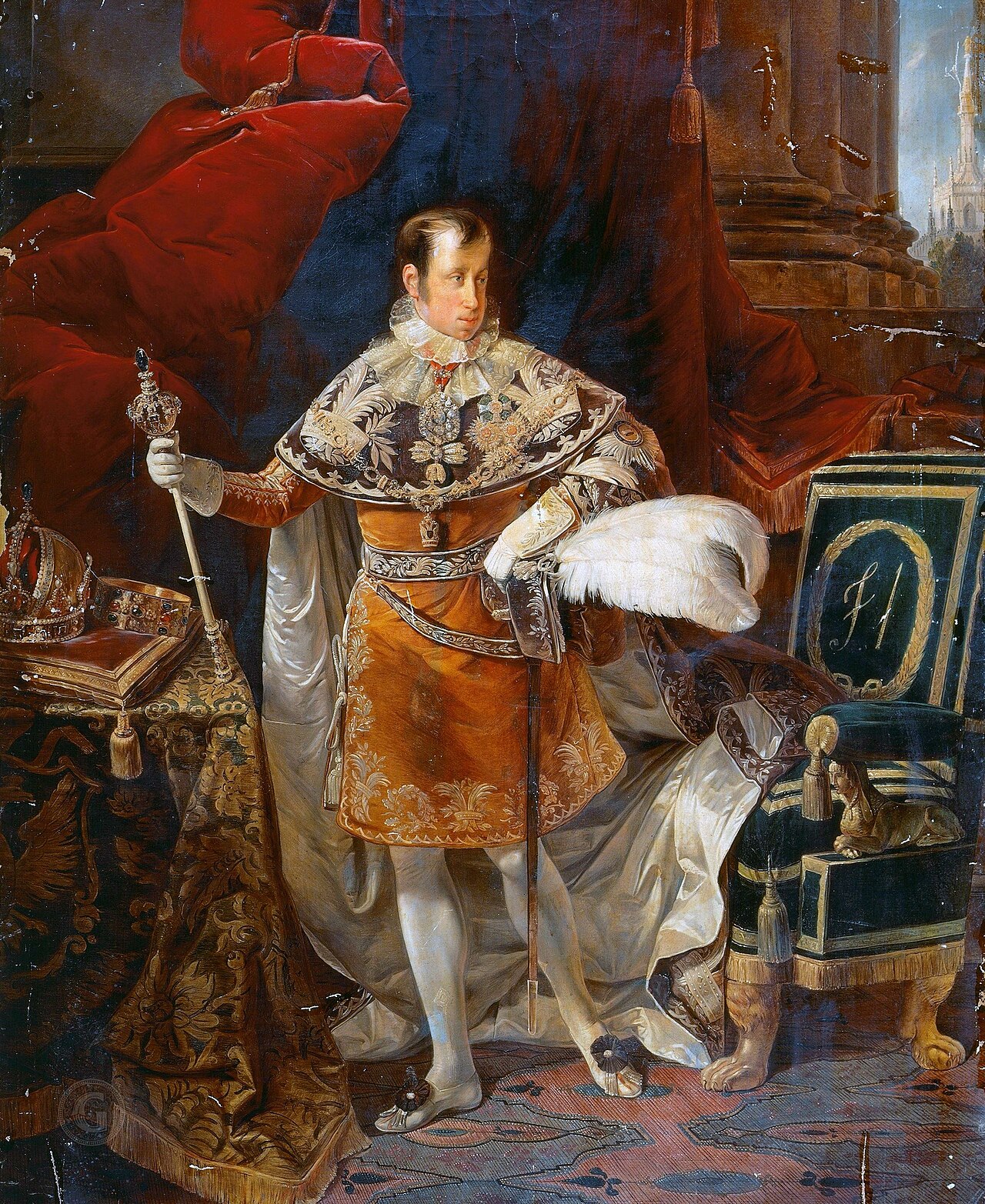
Coronation of Ferdinand I as King of Bohemia
Leopold Bucher · 1847
 Painting
Primary source
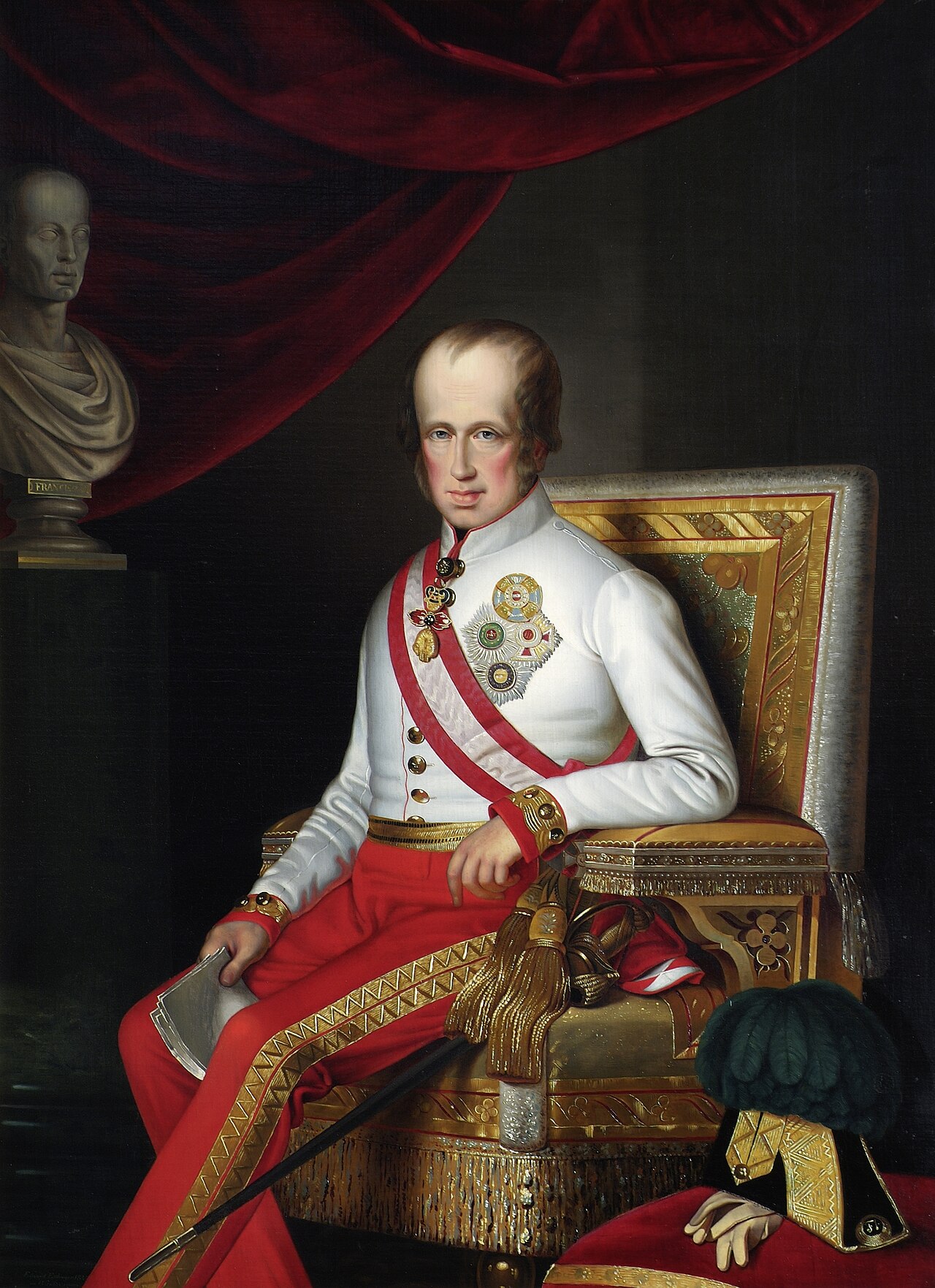
Portrait of Emperor Ferdinand I
Eduard Edlinger · 1843

Free account
Read every Ferdinand I of Austria source
Sign up free →
Ready when you are
Start chatting with Ferdinand I of Austria now.
20 messages free · No credit card · Available in 50+ languages.