








Dr. Michael Calvert
Assistant Superintendent, South Allegheny School District, Pennsylvania
Been using Humy in his district since 2024
“We enjoyed the program last year and used it frequently.”
Interview assignment
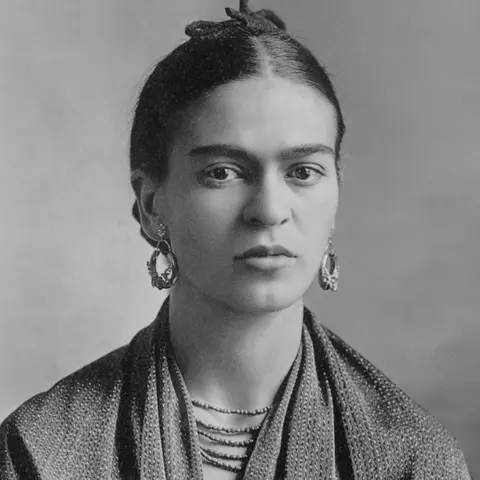
With Frida Kahlo
A ready-made interview for Grade 8, shared by a teacher on Humy. Students question an AI Frida Kahlo in a live chat. Humy grades the conversation against the rubric below.
Free teacher account · 20 AI messages a month, shared with your students · No credit card
Hola, Frida: una entrevista sobre arte, identidad y resiliencia
PreviewInteract responsibly with the AI and verify facts. Note that teachers have access to these conversations.
Hello, I'm Frida Kahlo. I'm ready for your interview. What's your first question?
Hoy elegimos cómo mostrarnos en fotos y perfiles. Frida Kahlo también construyó imágenes de sí misma, pero ¿qué quería comunicar sobre su vida y su identidad?
Misión: entrevista a una representación de Frida impulsada por IA para descubrir cómo transformó sus experiencias en arte. Después, explica una conexión con la forma en que las personas expresan su identidad hoy.
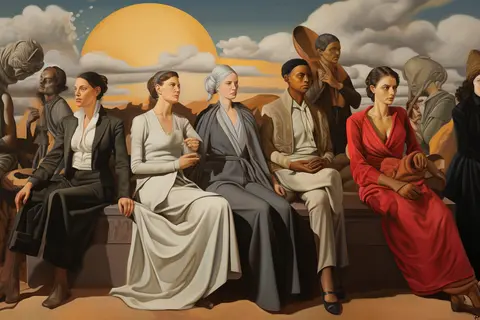
Frida vivió en el México posterior a la Revolución y comenzó a pintar durante su recuperación de un grave accidente de autobús en 1925. Observa El camión (1929): muestra pasajeros de distintos ámbitos sociales, no el accidente.
Fuente histórica: El camión permite explorar cómo Frida representó la vida cotidiana mexicana.
Haz preguntas abiertas sobre sus decisiones artísticas y pide ejemplos. Compara sus respuestas con la pintura; recuerda que una conversación con IA no sustituye una fuente histórica.
Para comenzar la entrevista con Frida Kahlo, pulsa el botón «start assignment».
Students see this rubric before they start. Humy scores the conversation against it and writes feedback for each criterion.
Arte, identidad y resiliencia · 8.º grado · Máximo: 20 puntos
Se evalúan tus preguntas, tu conversación y tus conclusiones; no la calidad de las respuestas de la IA. En cada criterio se obtiene únicamente el puntaje indicado para el nivel alcanzado.
Cómo calcular la nota: suma los puntos obtenidos en los cinco criterios. El máximo es 20 puntos. Una entrega vacía recibe 0 puntos.

Iconic Mexican painter known for her self-portraits and involvement in the surrealist art movement.
Students talk to an AI version of Frida Kahlo, grounded in a curated biography and selected historical sources. As with any AI, students should check important claims.
In your classroom
Create a free teacher account, open this assignment and choose Copy to my assignments to make it yours.
Students open it and type their first name and last initial. No email, no password.
Each chat is scored against the rubric, with feedback for each criterion. You see every result.
Signed up but don't see it? Open Assignments → Community library.
with Frida Kahlo
with Frida Kahlo

US History
with George Washington and 2 more
Paying customers

























Dr. Michael Calvert
Assistant Superintendent, South Allegheny School District, Pennsylvania
Been using Humy in his district since 2024
“We enjoyed the program last year and used it frequently.”

Jacob Chisom
World and American History, Monticello High School, Arkansas
Been using Humy in his classroom since 2024
“My students say it’s a welcome change of pace. I’m not a fan of the “sage on the stage” model, so I try to incorporate research-oriented and self-paced activities. With Humy, students have to take charge of their learning. They’ve become more adept at critical thinking, forming better questions, and improving their reading comprehension. The interview feature has been my go-to tool. I create assignments where students must ask historical figures a set number of questions, then summarize the responses to ensure they’re truly absorbing the material. This approach lets them actively explore the past rather than passively consuming information.”
Roger Campbell
7th-grade World History, Lancaster County, Pennsylvania
Been using Humy in his classroom since 2024
“Humy has helped me bring historical figures, sometimes long past, to life. When my students interact with these figures in real-time, it eliminates some of the perceived “ancient” characteristics of my curriculum. This has shifted my students’ thinking away from viewing history as abstract or irrelevant. Real-time interactions make historical figures relatable, even allowing students to ask off-topic questions that help put historical lives in a more relevant context for 13-year-olds. The feature I use the most is the interview feature. After teaching a topic, most recently Gandhi and Joan of Arc, I have the students ask pointed, focused questions. We practice good conversation techniques beforehand, teaching them to listen (or read) carefully and formulate thoughtful follow-up questions rather than just interrogating. It helps students practice effective conversation skills.”
Dr. Michael Calvert
Assistant Superintendent, South Allegheny School District, Pennsylvania
Been using Humy in his district since 2024
“We enjoyed the program last year and used it frequently.”
Jacob Chisom
World and American History, Monticello High School, Arkansas
Been using Humy in his classroom since 2024
“My students say it’s a welcome change of pace. I’m not a fan of the “sage on the stage” model, so I try to incorporate research-oriented and self-paced activities. With Humy, students have to take charge of their learning. They’ve become more adept at critical thinking, forming better questions, and improving their reading comprehension. The interview feature has been my go-to tool. I create assignments where students must ask historical figures a set number of questions, then summarize the responses to ensure they’re truly absorbing the material. This approach lets them actively explore the past rather than passively consuming information.”
Roger Campbell
7th-grade World History, Lancaster County, Pennsylvania
Been using Humy in his classroom since 2024
“Humy has helped me bring historical figures, sometimes long past, to life. When my students interact with these figures in real-time, it eliminates some of the perceived “ancient” characteristics of my curriculum. This has shifted my students’ thinking away from viewing history as abstract or irrelevant. Real-time interactions make historical figures relatable, even allowing students to ask off-topic questions that help put historical lives in a more relevant context for 13-year-olds. The feature I use the most is the interview feature. After teaching a topic, most recently Gandhi and Joan of Arc, I have the students ask pointed, focused questions. We practice good conversation techniques beforehand, teaching them to listen (or read) carefully and formulate thoughtful follow-up questions rather than just interrogating. It helps students practice effective conversation skills.”
FAQ
Ready when you are
Free teacher account · 20 AI messages a month, shared with your students · No credit card.