



Dr. Michael Calvert
Assistant Superintendent, South Allegheny School District, Pennsylvania
Been using Humy in his district since 2024
“We enjoyed the program last year and used it frequently.”
Interview assignment
With Mahatma Gandhi
A ready-made interview for Grade 8, shared by a teacher on Humy. Students question an AI Mahatma Gandhi in a live chat.
Free teacher account · 20 AI messages a month · No credit card
Intervista a Mahatma Gandhi: Affrontare le Difficoltà con la Nonviolenza e la Pace
PreviewInteract responsibly with the AI and verify facts. Note that teachers have access to these conversations.
Hello, I'm Mahatma Gandhi. I'm ready for your interview. What's your first question?
La tua missione: Imparare come rispondere alle offese senza rabbia. Scopri da Gandhi la forza della nonviolenza (Ahimsa) e della verità nei momenti difficili.
Quando subisci un'ingiustizia, qual è la tua prima reazione? Mahatma Gandhi ha guidato milioni di persone alla libertà senza usare armi né pugni. Anche davanti alla prigione e alle percosse, ha sempre risposto con dignità e calma.
Gandhi a Dandi nel 1930 raccoglie il sale marino: una protesta pacifica contro le ingiuste tasse imposte dagli inglesi.
Cosa chiedere a Gandhi: Usa parole semplici. Chiedigli cosa provava quando veniva trattato ingiustamente, come riusciva a perdonare e come possiamo usare la pace nella vita di tutti i giorni.
👉 Quando ti senti pronto, clicca sul pulsante start assignment per iniziare subito la tua intervista con Mahatma Gandhi.
Valutazione delle domande, dell'ascolto e della riflessione sulla nonviolenza (Livello CPIA / Terza Media)
Guida per lo studente: Sarai valutato per come conduci l'intervista: le tue domande, la tua capacità di ascoltare e rilanciare sulle risposte di Gandhi, e la riflessione sui suoi insegnamenti di pace.
| Criterio | Avanzato (4 pt) | Intermedio (3 pt) | Base (2 pt) | Iniziale (1 pt) |
|---|---|---|---|---|
1. Processo di Intervista e Dialogo Attivo Capacità di condurre una conversazione continua e approfondita. | Dialogo ricco su molti turni con domande rilanciate sulle risposte ricevute. | Buono scambio con almeno due domande collegate alle risposte di Gandhi. | Breve scambio con poche domande separate e poco collegate alle risposte. | Lista di domande inviata tutta insieme senza alcun reale dialogo attivo. |
2. Esplorazione della Sofferenza e Ingiustizia Chiedere delle difficoltà vissute e delle reazioni emotive. | Chiede con precisione cosa provava Gandhi affrontando ingiustizie ed esamina la sofferenza. | Domanda a Gandhi i suoi sentimenti di fronte alle ingiustizie subite. | Accenna genericamente alle difficoltà o al carcere senza approfondire le emozioni. | Non chiede nulla sui momenti difficili o sulle offese vissute. |
3. Insegnamento su Nonviolenza e Perdono Comprendere la forza di Ahimsa e il perdono. | Esplora a fondo come perdonare e la forza pacifica di Ahimsa. | Chiede come Gandhi riusciva a perdonare e non usare la violenza. | Domanda sul perdono in modo vago senza chiarire il senso profondo. | Tralascia completamente il tema del perdono e della nonviolenza attiva. |
4. Pace Quotidiana e Linguaggio Chiaro Applicare i valori oggi usando parole semplici e comprensibili. | Chiede consigli pratici per oggi usando frasi semplici, chiare e corrette. | Chiede come usare la pace nella vita quotidiana con linguaggio comprensibile. | Domande poco chiare sull'attualità o con linguaggio confuso ma comprensibile. | Nessuna domanda sulla vita quotidiana e linguaggio poco chiaro o incompleto. |
Il punteggio finale si ottiene sommando i punti ottenuti in ciascuno dei 4 criteri:
Basta sommare semplicemente i voti dei singoli criteri (es. 4 + 3 + 4 + 3 = 14 punti su 16).

Leader of the Indian independence movement through nonviolent civil disobedience.
Students talk to an AI version of Mahatma Gandhi, grounded in a curated biography and selected historical sources. As with any AI, students should check important claims.
In your classroom
Create a free teacher account, open this assignment and choose Copy to my assignments to make it yours.
Students open it and type their first and last name. No email, no password.
Students submit when they finish, and their work appears in Humy.
Signed up but don't see it? Open Assignments → Community library.

Literature, English Language Arts
with Jane Austen

English Language Arts
with Nelson Mandela
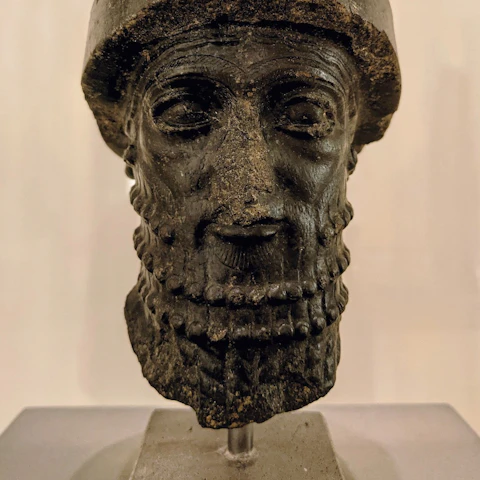
with Hammurabi
Paying customers
























Dr. Michael Calvert
Assistant Superintendent, South Allegheny School District, Pennsylvania
Been using Humy in his district since 2024
“We enjoyed the program last year and used it frequently.”

Jacob Chisom
World and American History, Monticello High School, Arkansas
Been using Humy in his classroom since 2024
“My students say it’s a welcome change of pace. I’m not a fan of the “sage on the stage” model, so I try to incorporate research-oriented and self-paced activities. With Humy, students have to take charge of their learning. They’ve become more adept at critical thinking, forming better questions, and improving their reading comprehension. The interview feature has been my go-to tool. I create assignments where students must ask historical figures a set number of questions, then summarize the responses to ensure they’re truly absorbing the material. This approach lets them actively explore the past rather than passively consuming information.”
Roger Campbell
7th-grade World History, Lancaster County, Pennsylvania
Been using Humy in his classroom since 2024
“Humy has helped me bring historical figures, sometimes long past, to life. When my students interact with these figures in real-time, it eliminates some of the perceived “ancient” characteristics of my curriculum. This has shifted my students’ thinking away from viewing history as abstract or irrelevant. Real-time interactions make historical figures relatable, even allowing students to ask off-topic questions that help put historical lives in a more relevant context for 13-year-olds. The feature I use the most is the interview feature. After teaching a topic, most recently Gandhi and Joan of Arc, I have the students ask pointed, focused questions. We practice good conversation techniques beforehand, teaching them to listen (or read) carefully and formulate thoughtful follow-up questions rather than just interrogating. It helps students practice effective conversation skills.”
Dr. Michael Calvert
Assistant Superintendent, South Allegheny School District, Pennsylvania
Been using Humy in his district since 2024
“We enjoyed the program last year and used it frequently.”
Jacob Chisom
World and American History, Monticello High School, Arkansas
Been using Humy in his classroom since 2024
“My students say it’s a welcome change of pace. I’m not a fan of the “sage on the stage” model, so I try to incorporate research-oriented and self-paced activities. With Humy, students have to take charge of their learning. They’ve become more adept at critical thinking, forming better questions, and improving their reading comprehension. The interview feature has been my go-to tool. I create assignments where students must ask historical figures a set number of questions, then summarize the responses to ensure they’re truly absorbing the material. This approach lets them actively explore the past rather than passively consuming information.”
Roger Campbell
7th-grade World History, Lancaster County, Pennsylvania
Been using Humy in his classroom since 2024
“Humy has helped me bring historical figures, sometimes long past, to life. When my students interact with these figures in real-time, it eliminates some of the perceived “ancient” characteristics of my curriculum. This has shifted my students’ thinking away from viewing history as abstract or irrelevant. Real-time interactions make historical figures relatable, even allowing students to ask off-topic questions that help put historical lives in a more relevant context for 13-year-olds. The feature I use the most is the interview feature. After teaching a topic, most recently Gandhi and Joan of Arc, I have the students ask pointed, focused questions. We practice good conversation techniques beforehand, teaching them to listen (or read) carefully and formulate thoughtful follow-up questions rather than just interrogating. It helps students practice effective conversation skills.”
FAQ
Ready when you are
Free teacher account · 20 AI messages a month · No credit card.