



Dr. Michael Calvert
Assistant Superintendent, South Allegheny School District, Pennsylvania
Been using Humy in his district since 2024
“We enjoyed the program last year and used it frequently.”

AI Historical Figure
Tudor monarch known for his six marriages and the English Reformation.
Chat with Henry VIII via text or voice — in 42 languages, drawing on a curated biography and 76 historical sources. Available 24/7.

Henry VIII
Online · responds in seconds
Hello — I'm Henry VIII. Tudor monarch known for his six marriages and the English Reformation. What would you like to ask me?
20 messages free · No credit card · Powered by Humy.ai
Live preview · Switch between 42 languages above · Send a message to continue in the app
Multilingual
Ask Henry VIII questions in any language below, and the rest of Humy's app speaks it too. Pick yours to open the chat in that language.
Also in German (Austria), German (Switzerland), English (UK), English (Australia), English (Canada).
76 sources · 21 documents · 19 paintings · 17 books · 13 artifacts · 4 letters · 1 sculpture · 1 speech
Henry VIII doesn’t improvise from thin air. The AI is grounded in 76 curated historical sources students can inspect. Open any of them to see what informs the conversation.
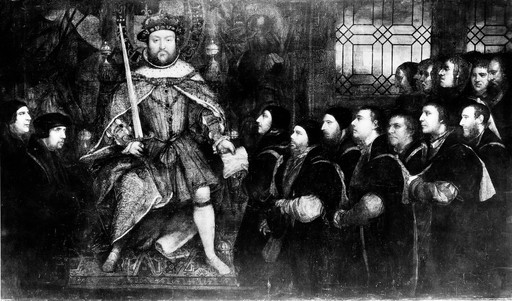 Painting
Secondary source
Hans Holbein (style of) · 1540 (depicted event); painting later
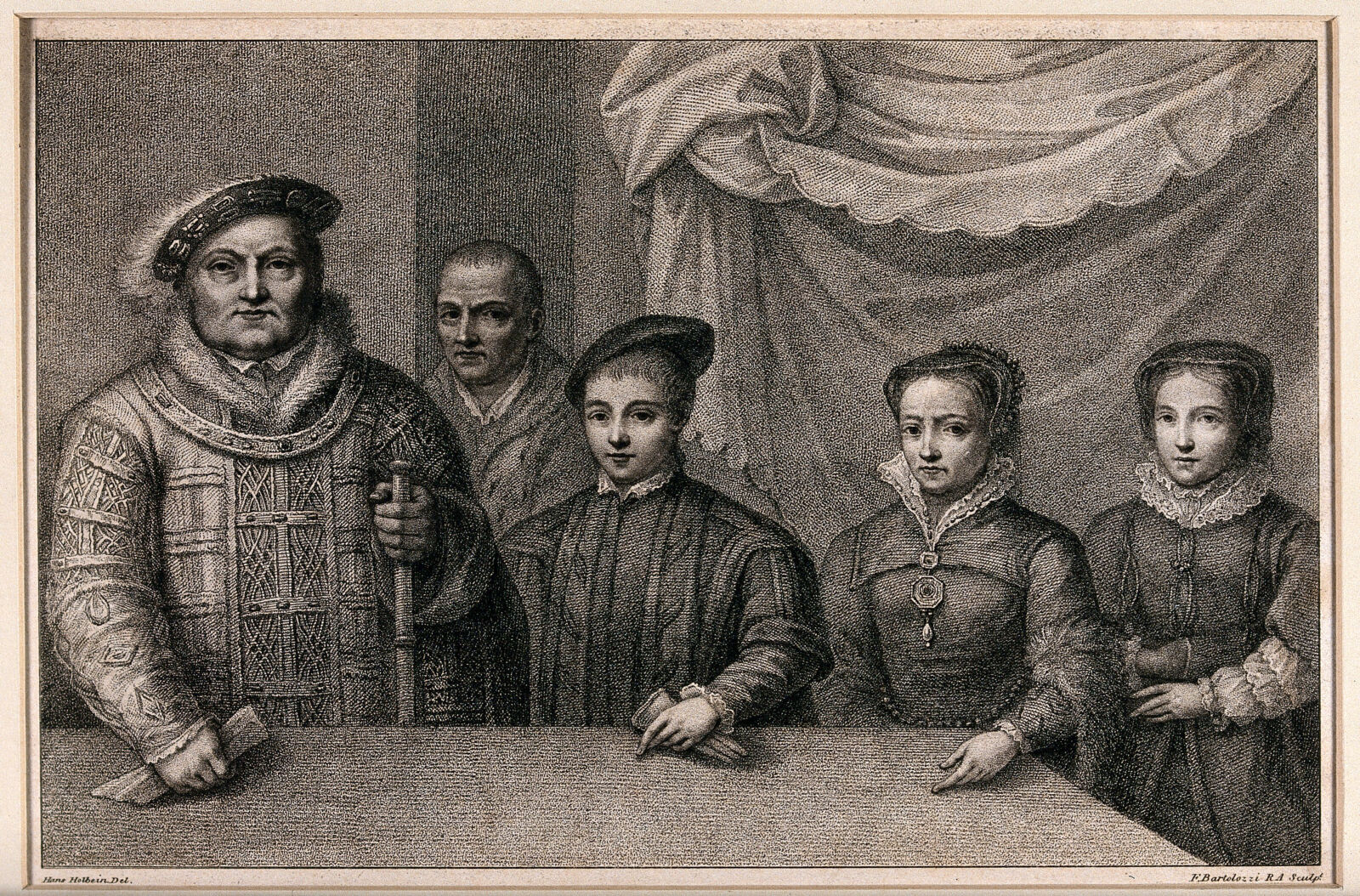 Painting
Secondary source
F. Bartolozzi after Hans Holbein the Younger · c. 1800
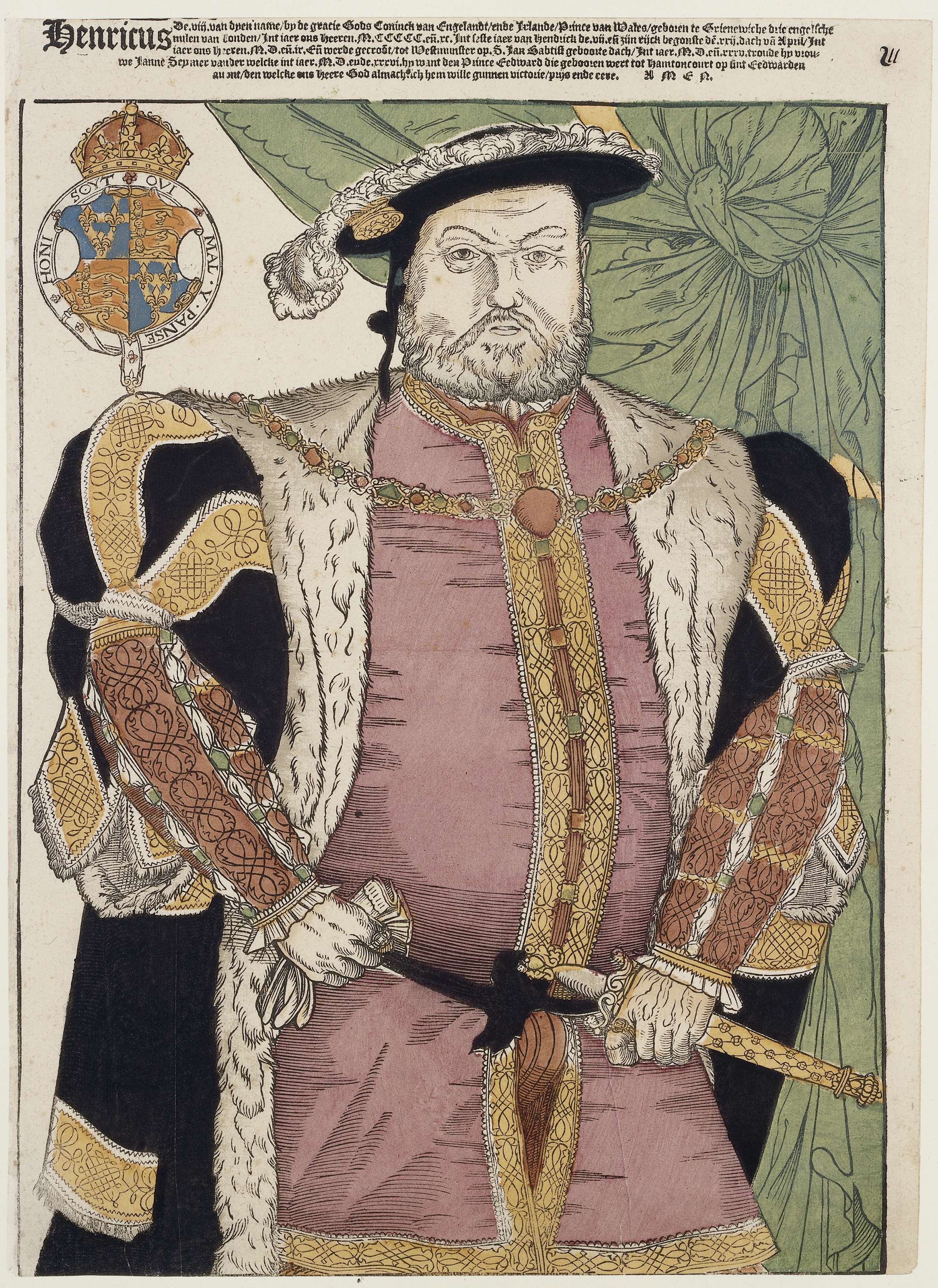 Painting
Secondary source
1547
 Document
Primary source
Thomas Geminus · 1545
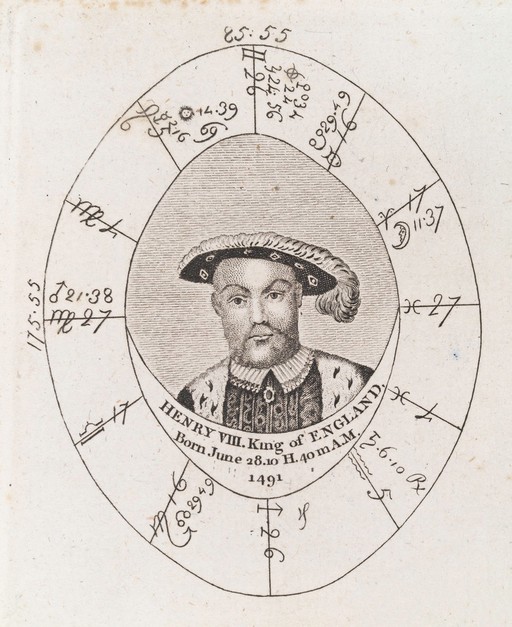 Artifact
Primary source
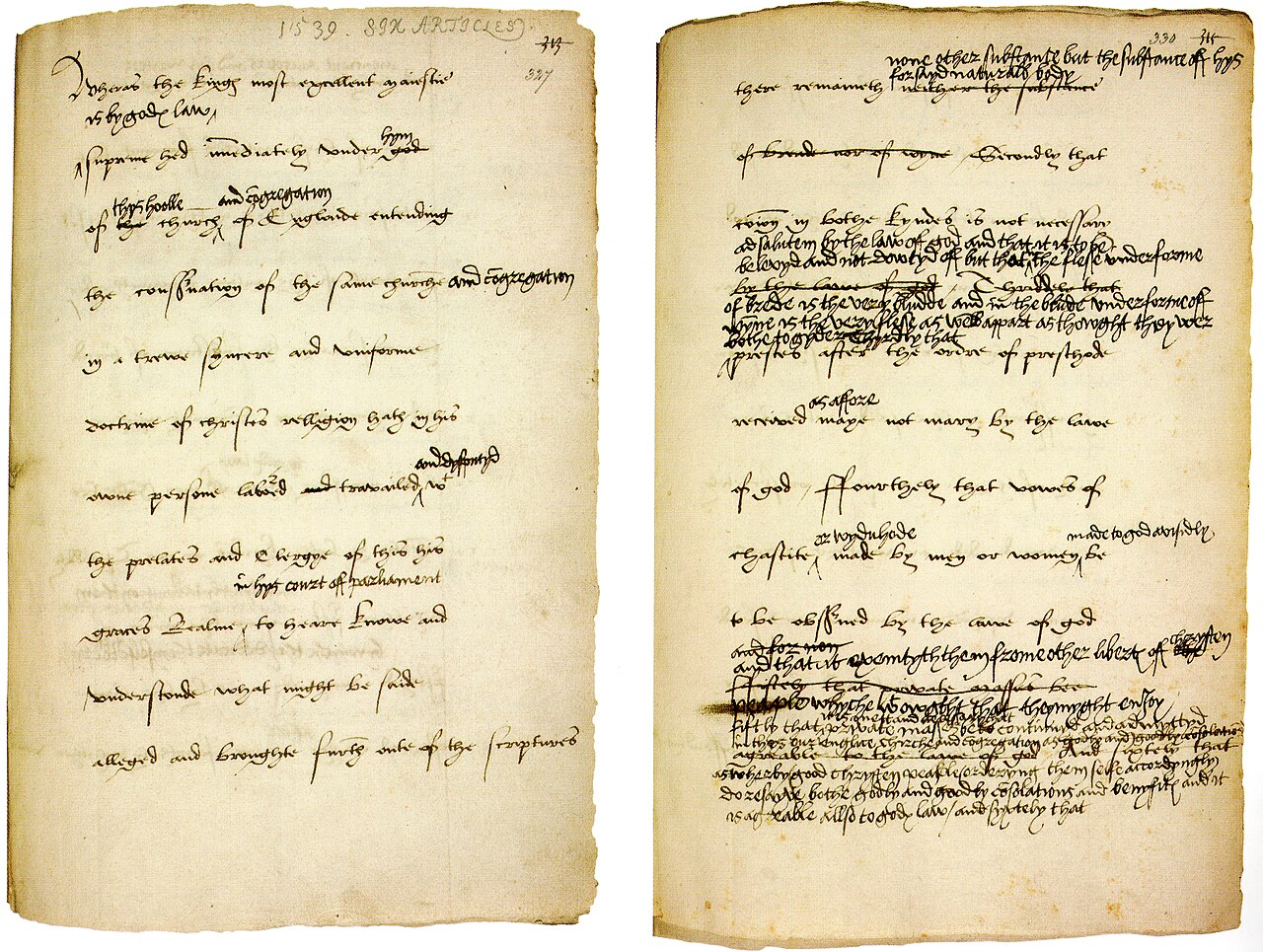 Document
Primary source
1539
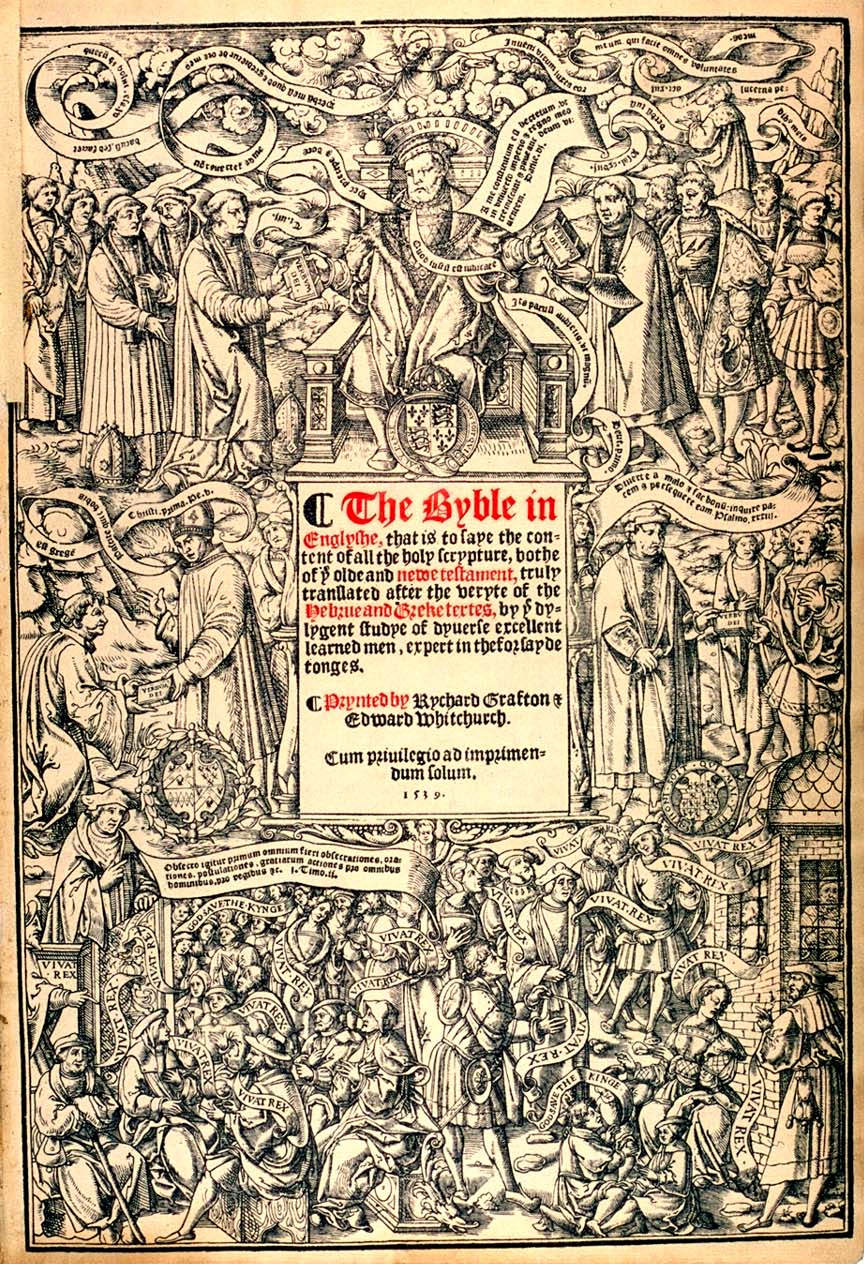 Document
Primary source
Myles Coverdale · 1539
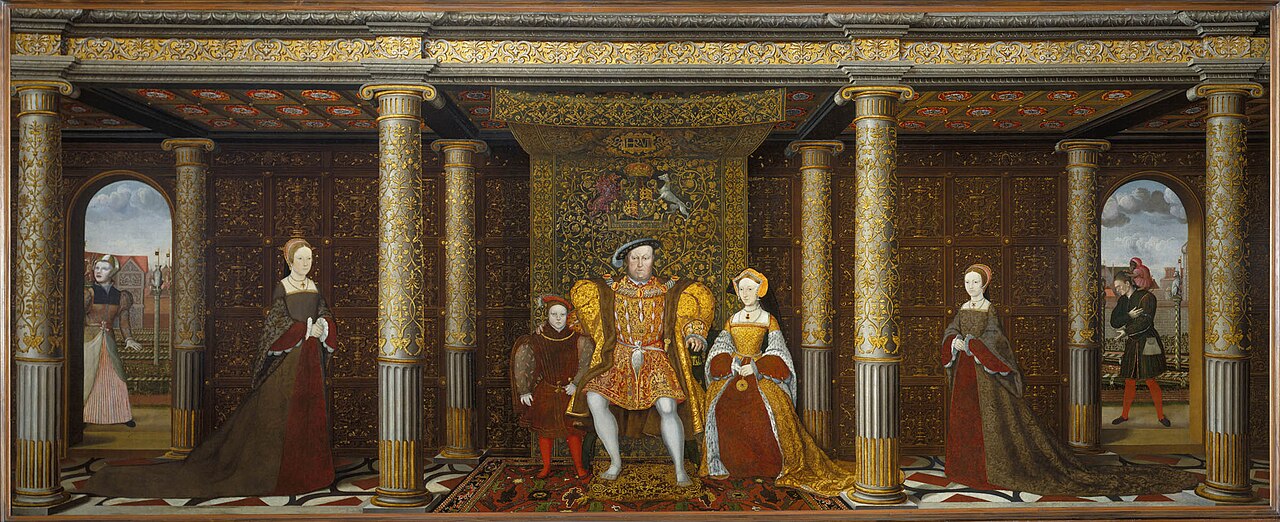 Painting
Primary source
British School, 16th century · 1545
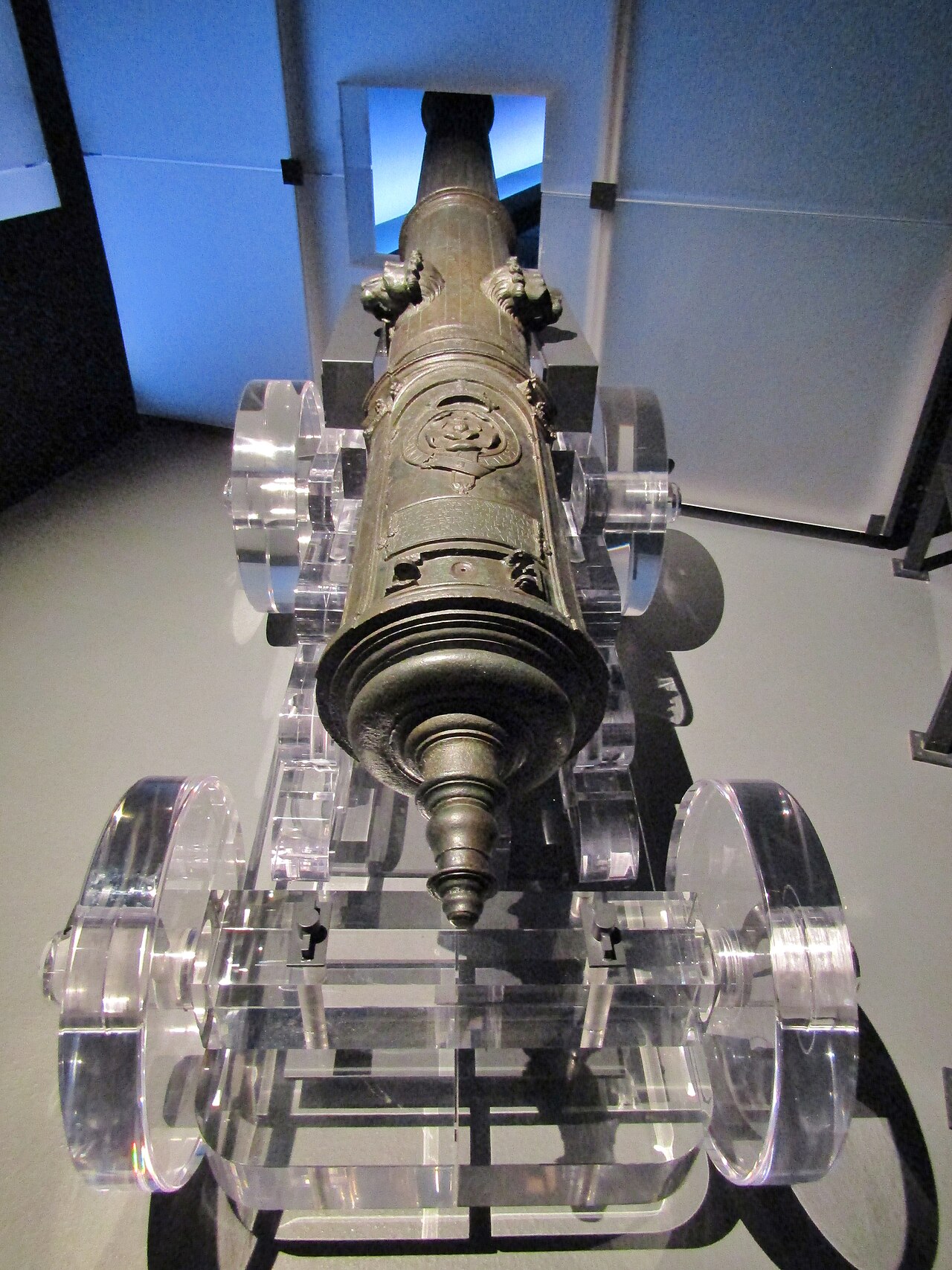 Artifact
Primary source
Royal shipwrights · 1511
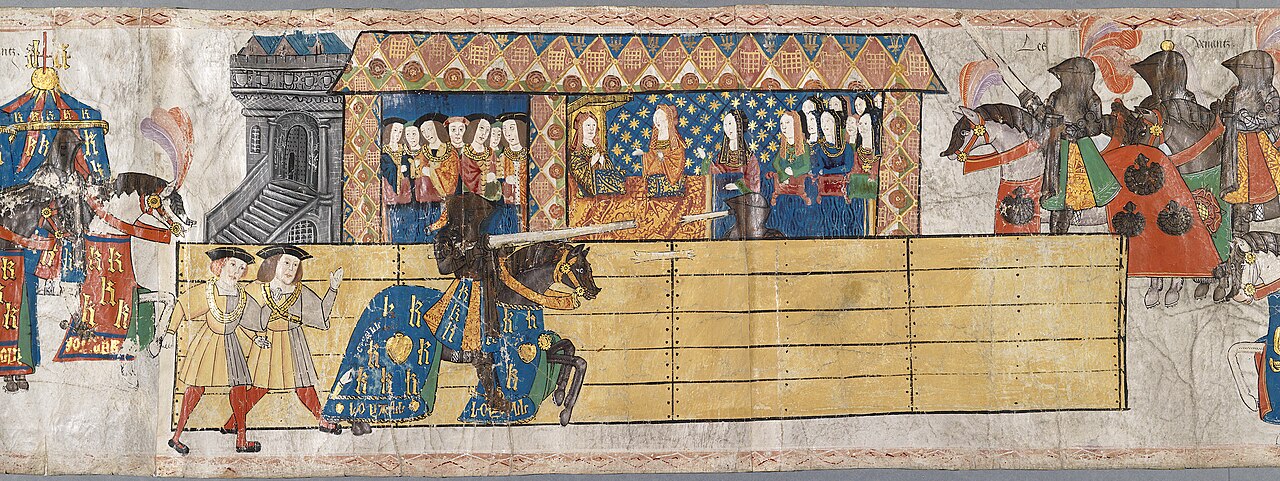 Painting
Primary source
Thomas Wriothesley · 1511
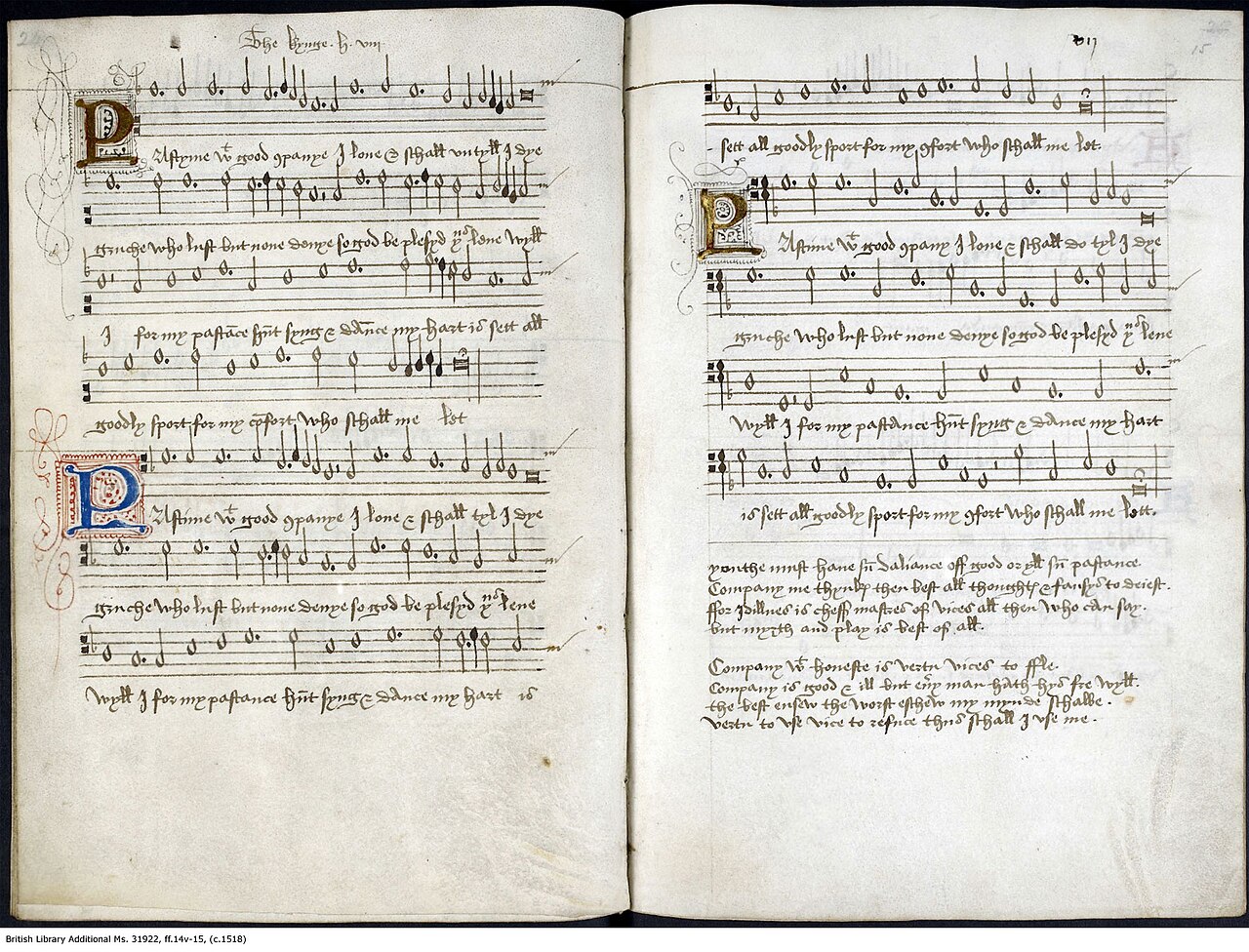 Document
Primary source
Henry VIII of England · c. 1513
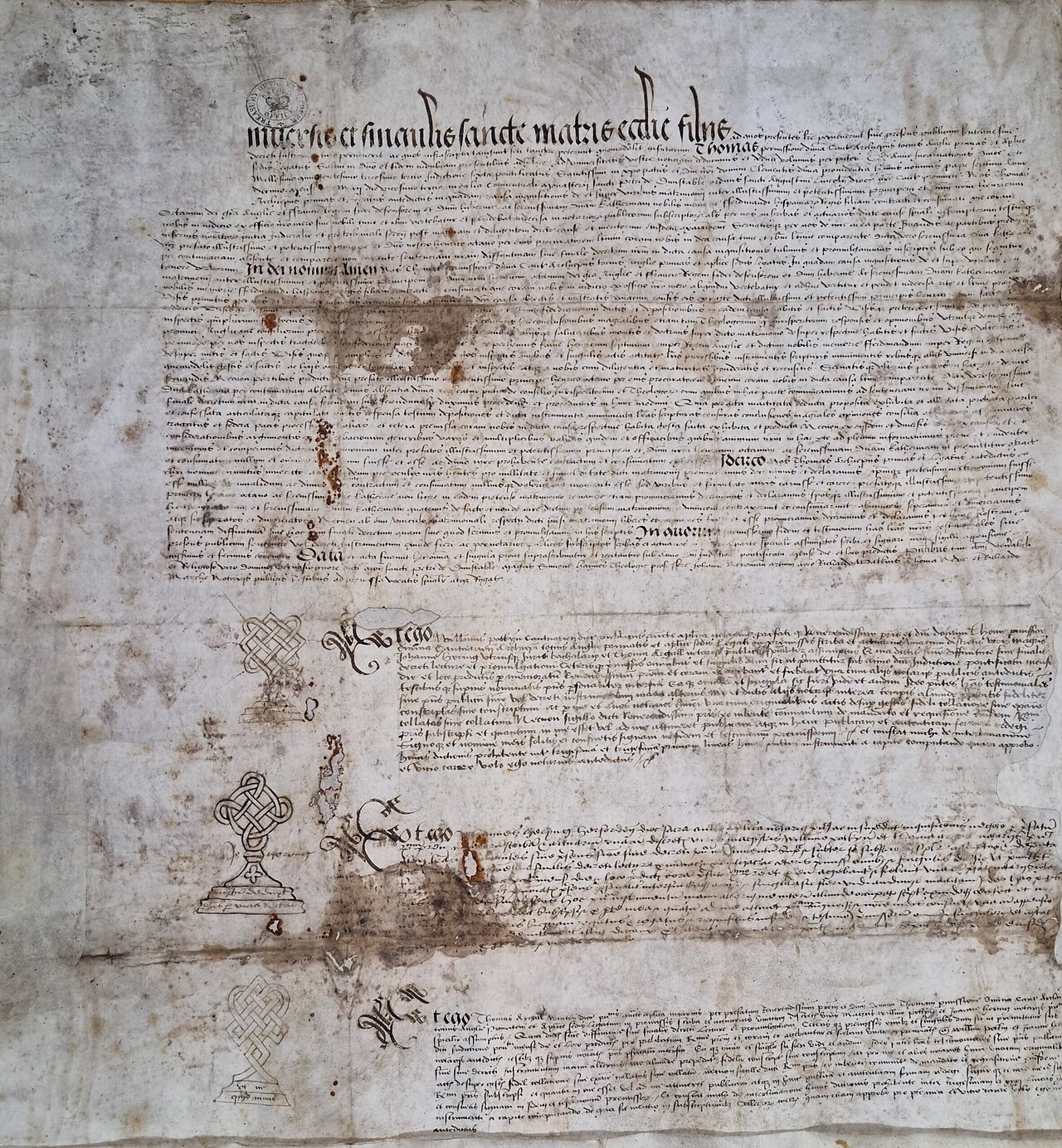 Document
Primary source
1533
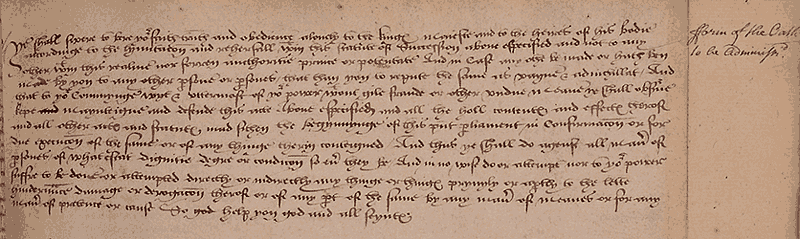 Document
Primary source
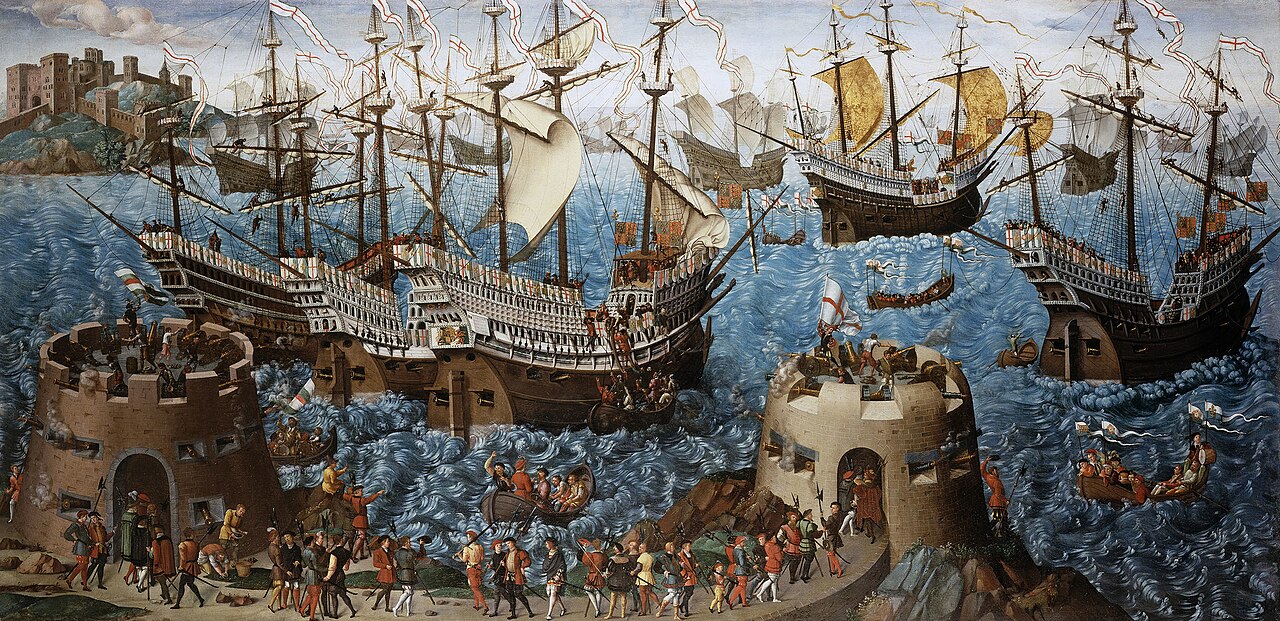 Painting
Secondary source
Unknown artist · c. 1520-1540
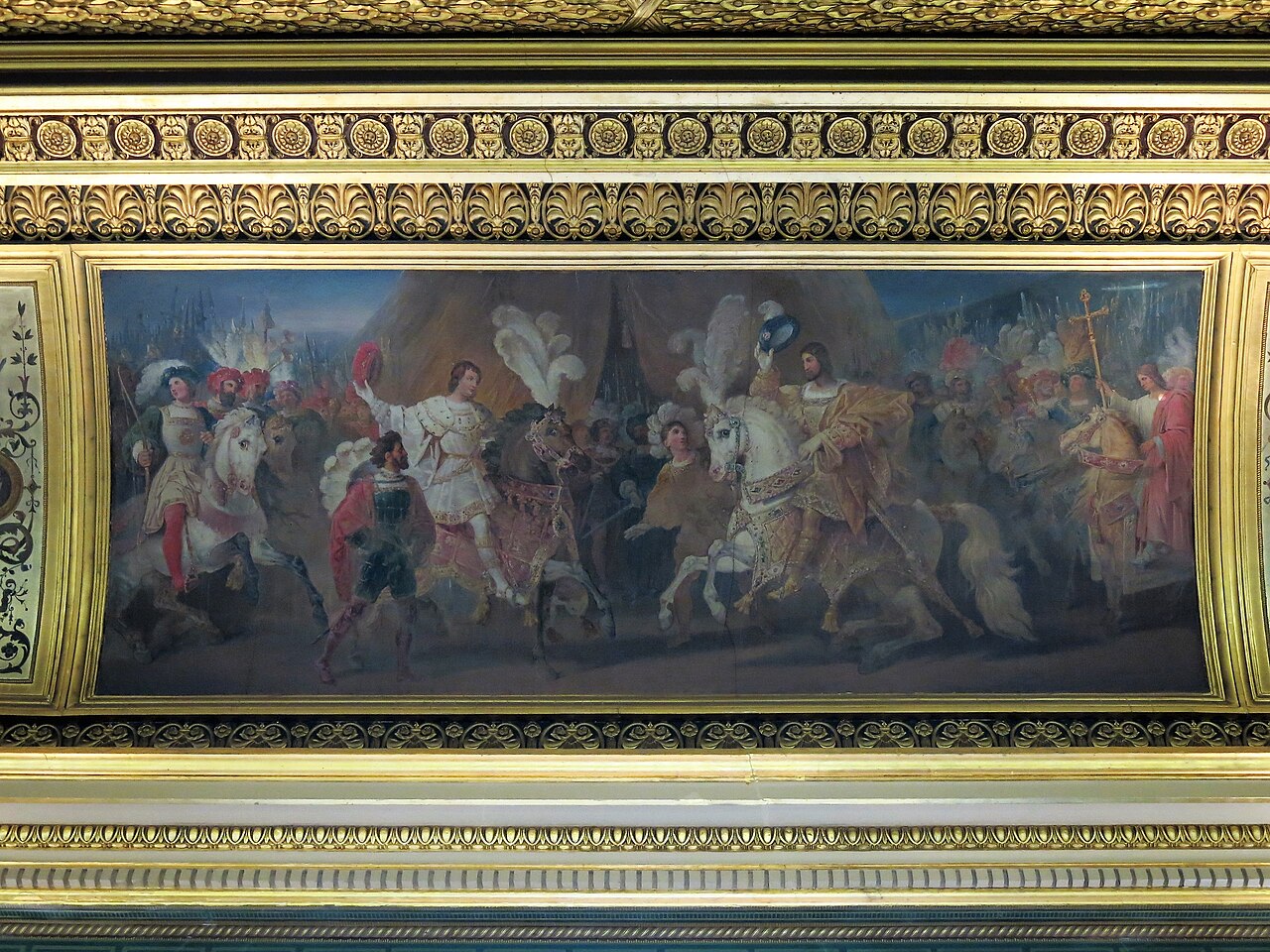 Painting
Secondary source
British School · c. 1545
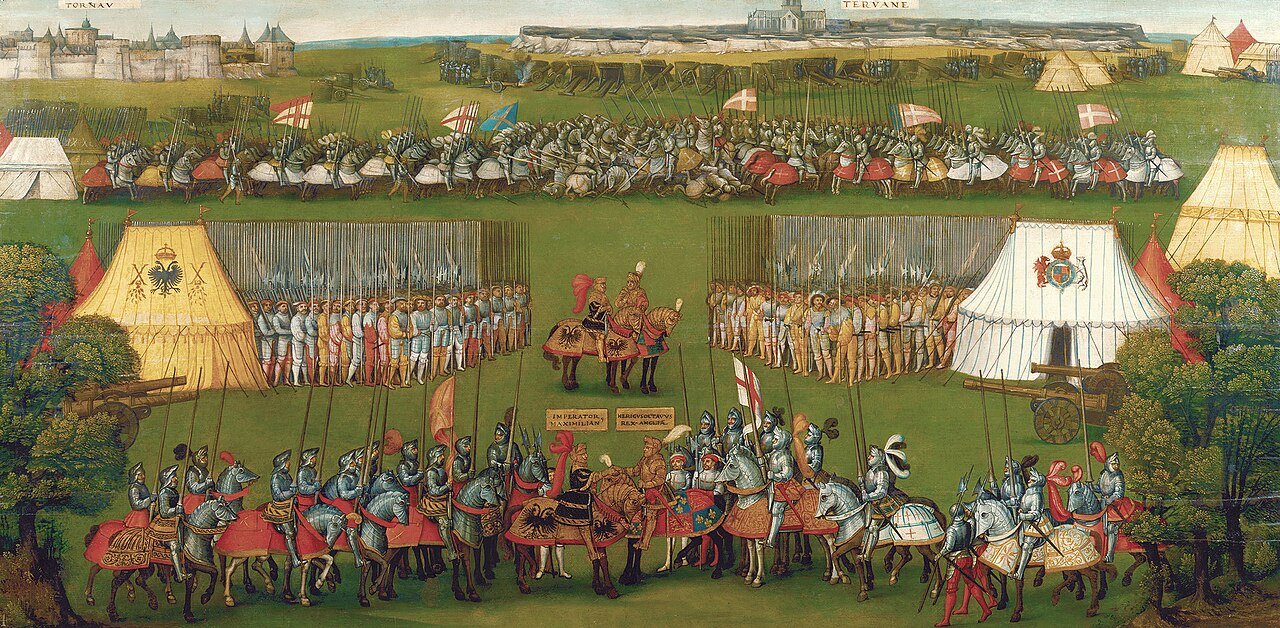 Painting
Secondary source
Flemish School, 16th century
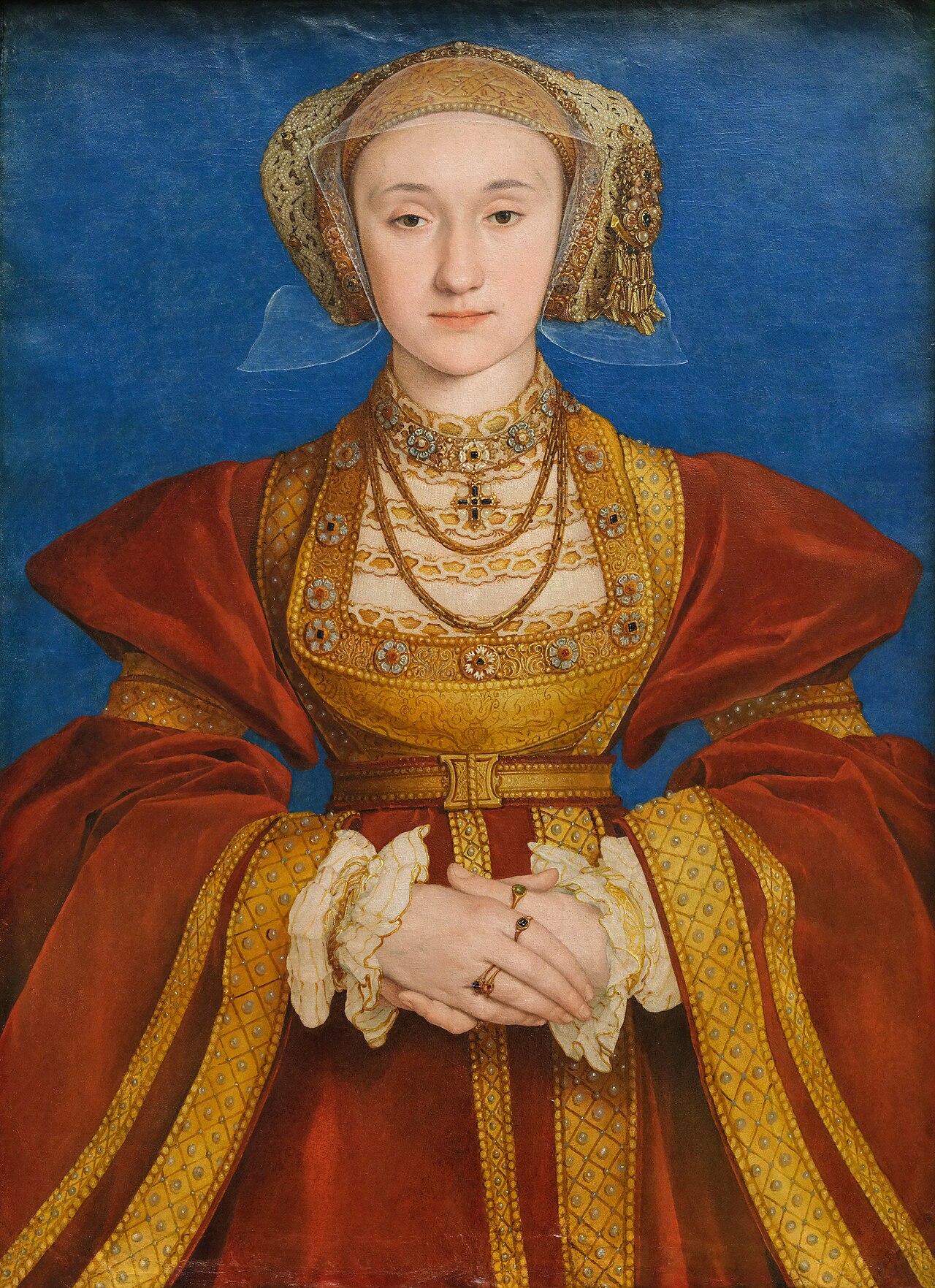 Painting
Primary source
Hans Holbein the Younger · 1539
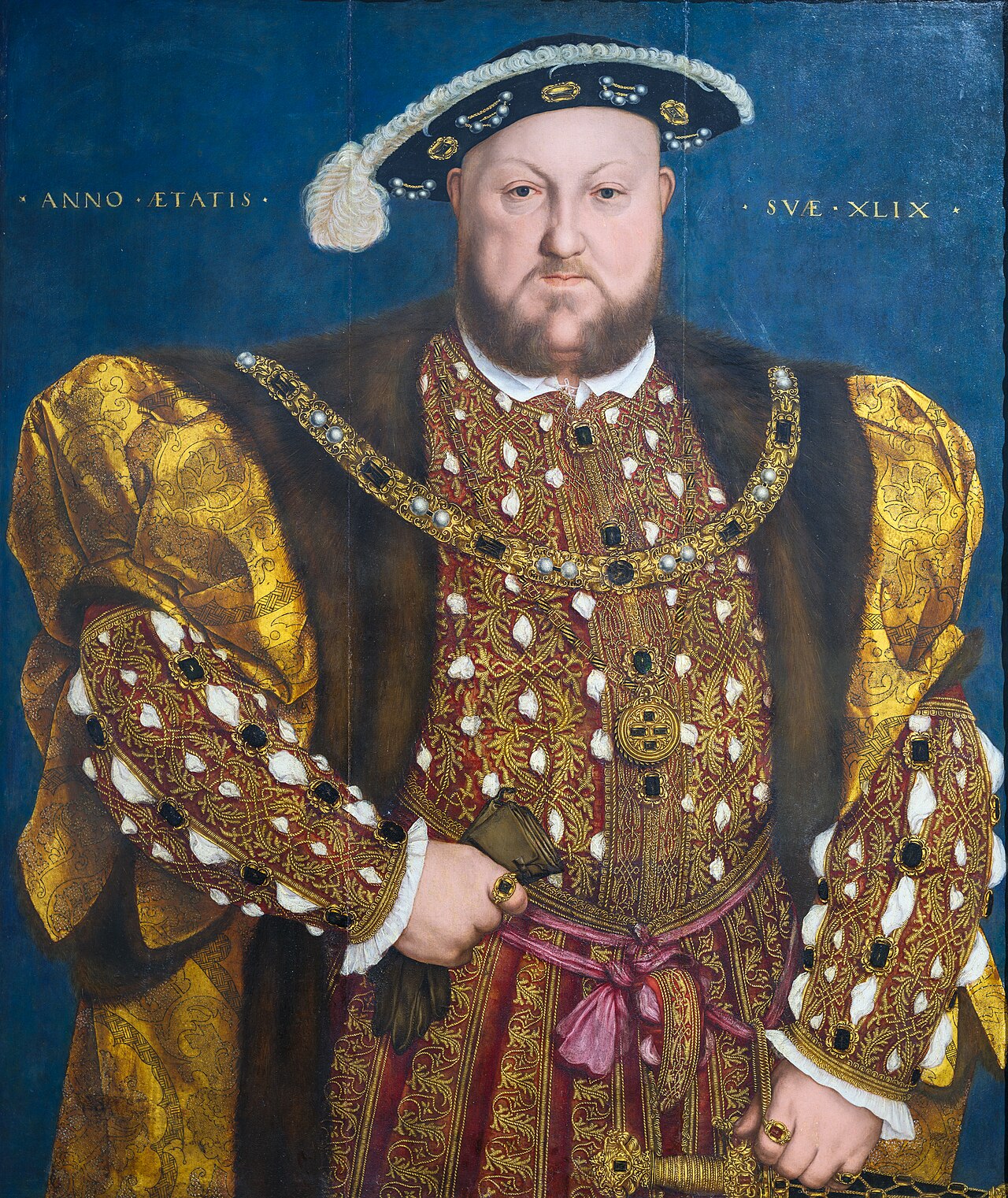 Painting
Primary source
Hans Holbein the Younger · 1540
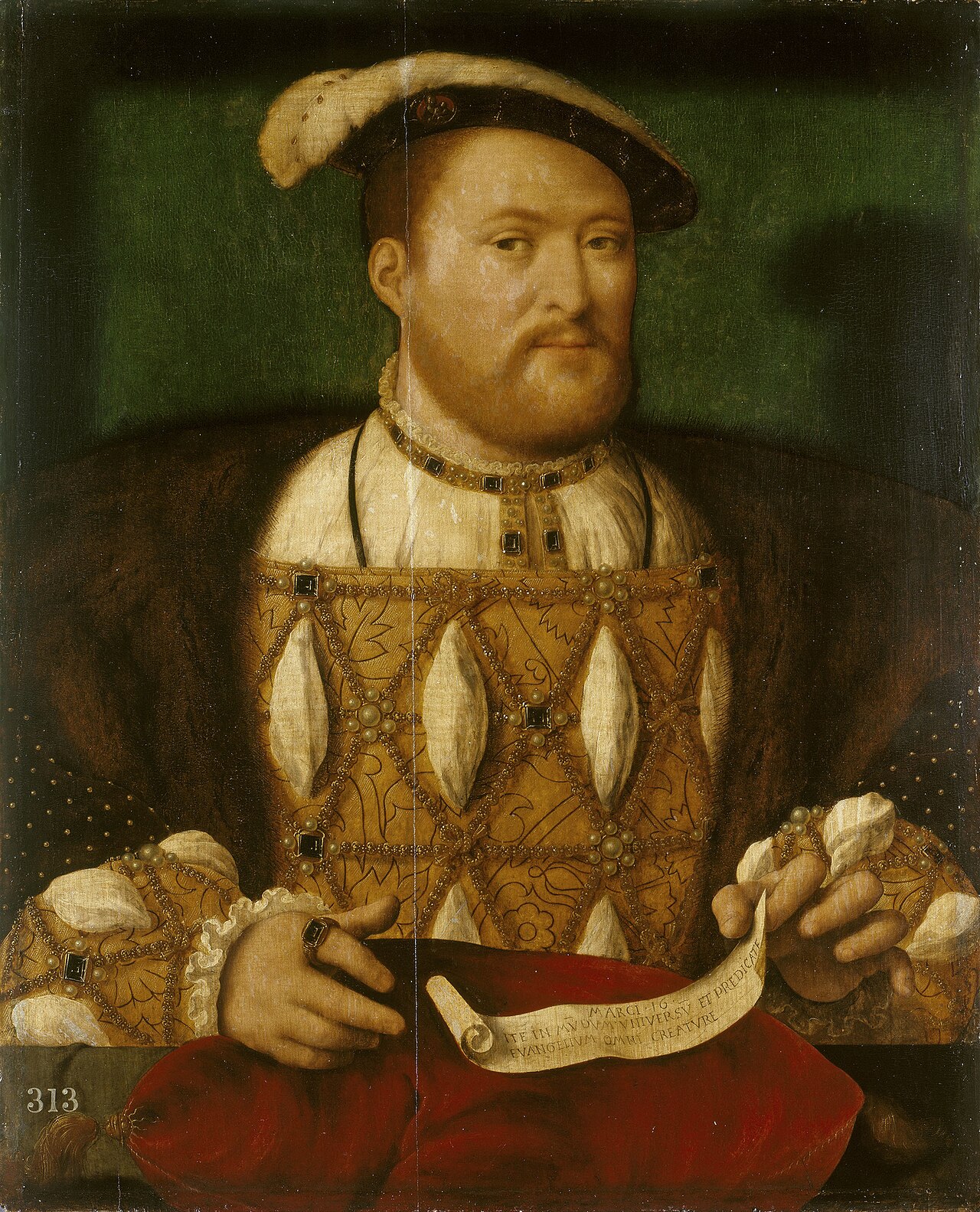 Painting
Primary source
Joos van Cleve · c. 1530-1535
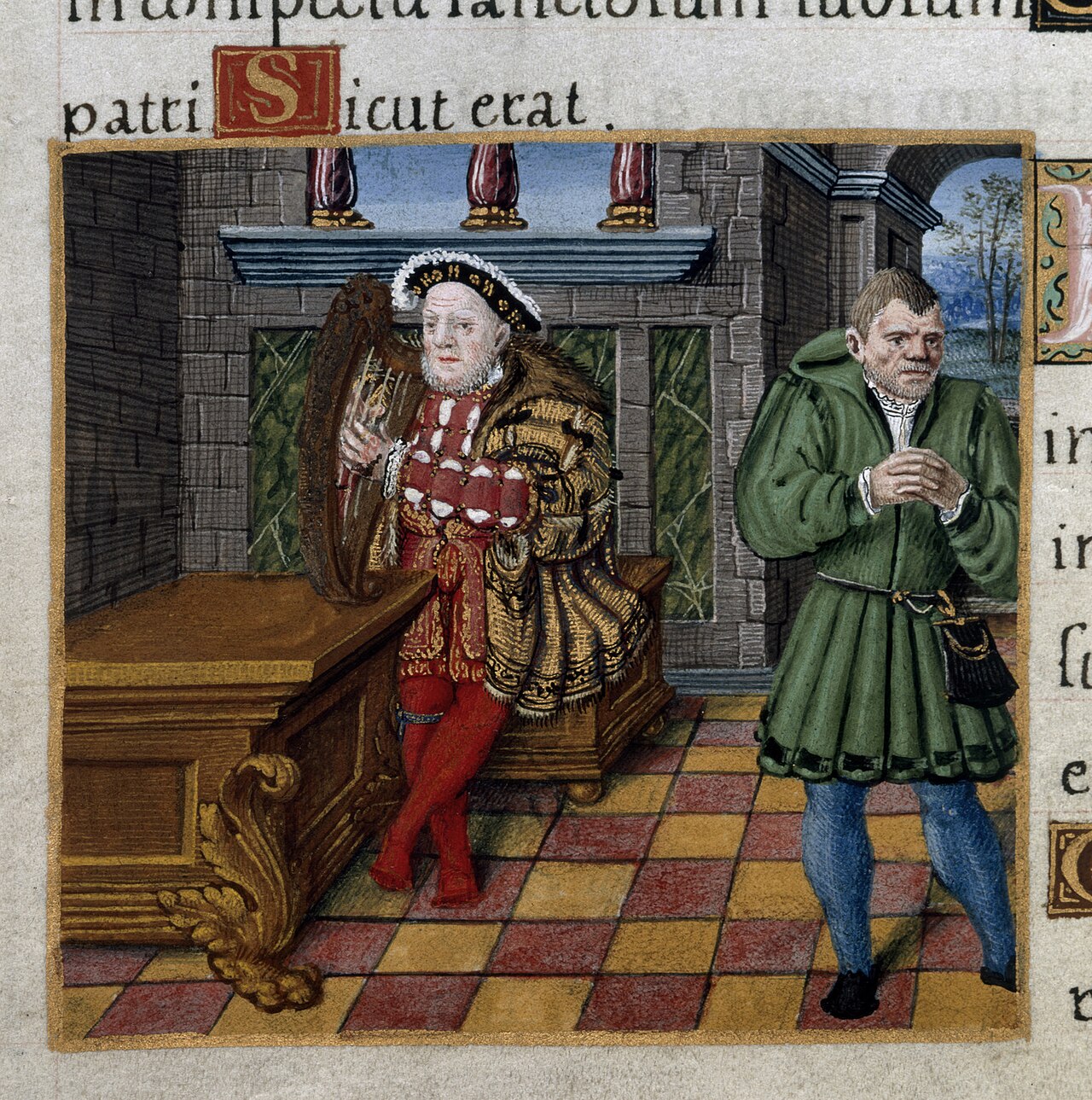 Artifact
Primary source
1530-1547
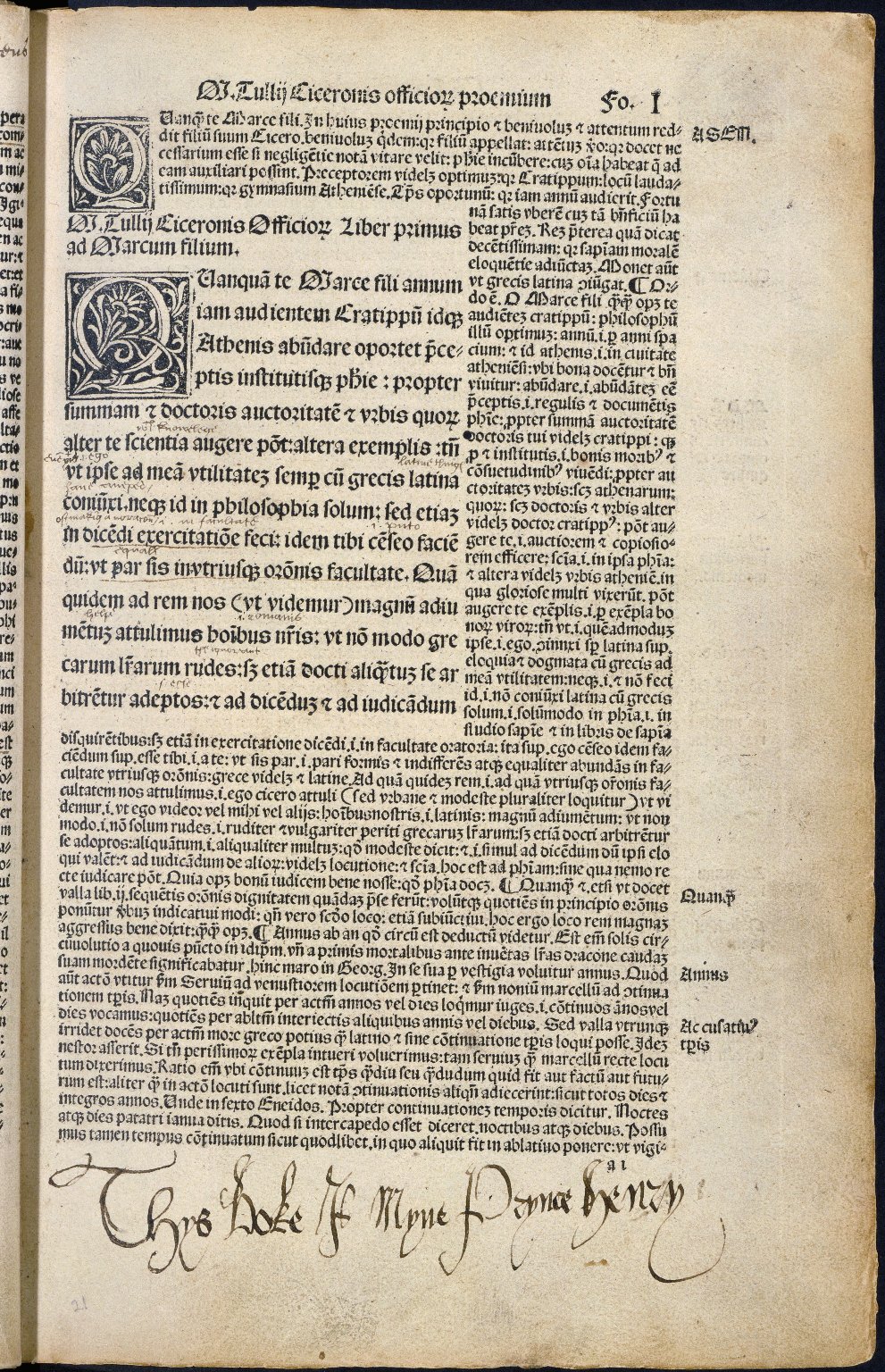 Book
Primary source
Marcus Tullius Cicero
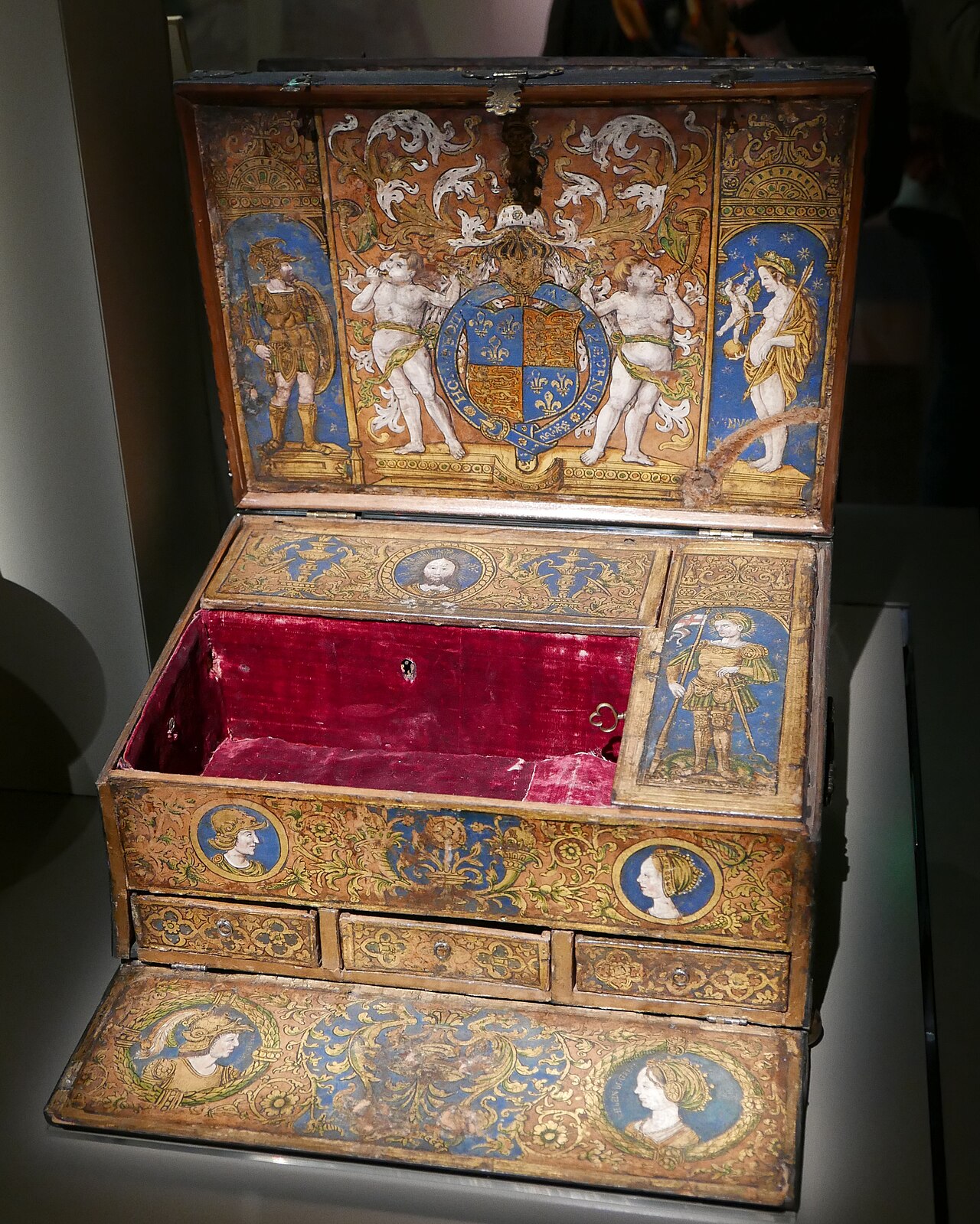 Artifact
Primary source
c. 1525-1526
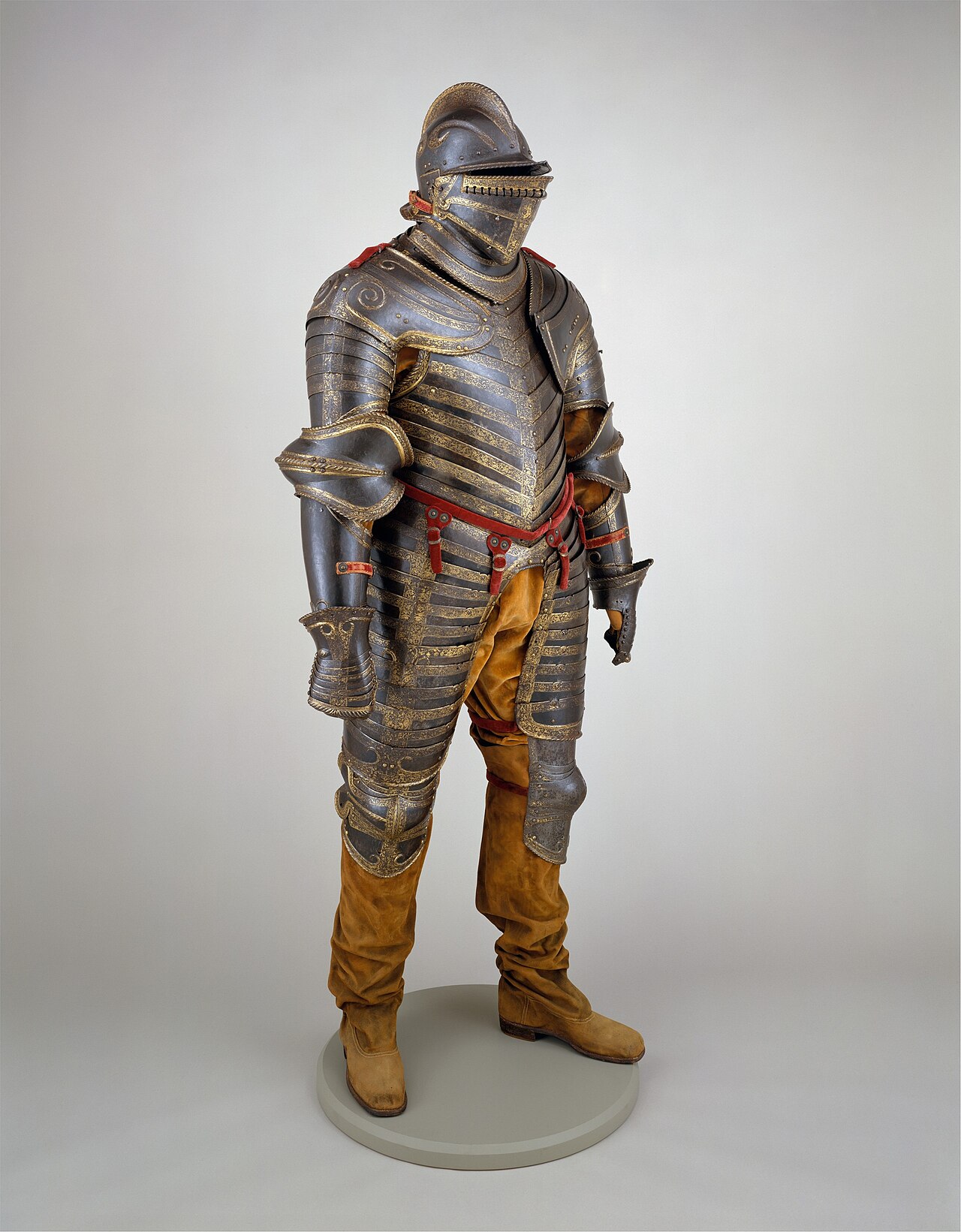 Artifact
Primary source
1544
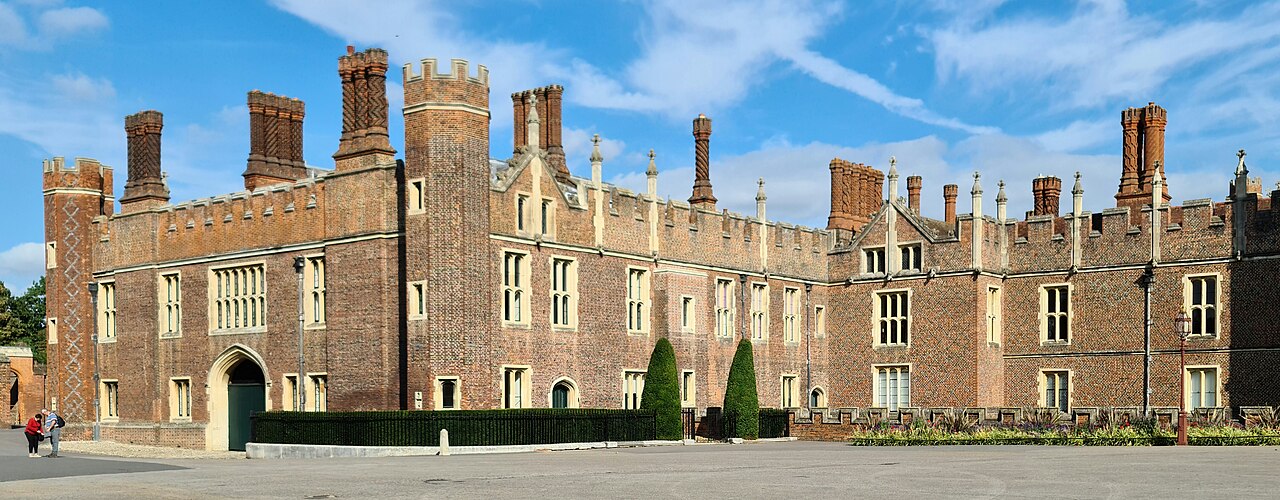 Artifact
Primary source
1515
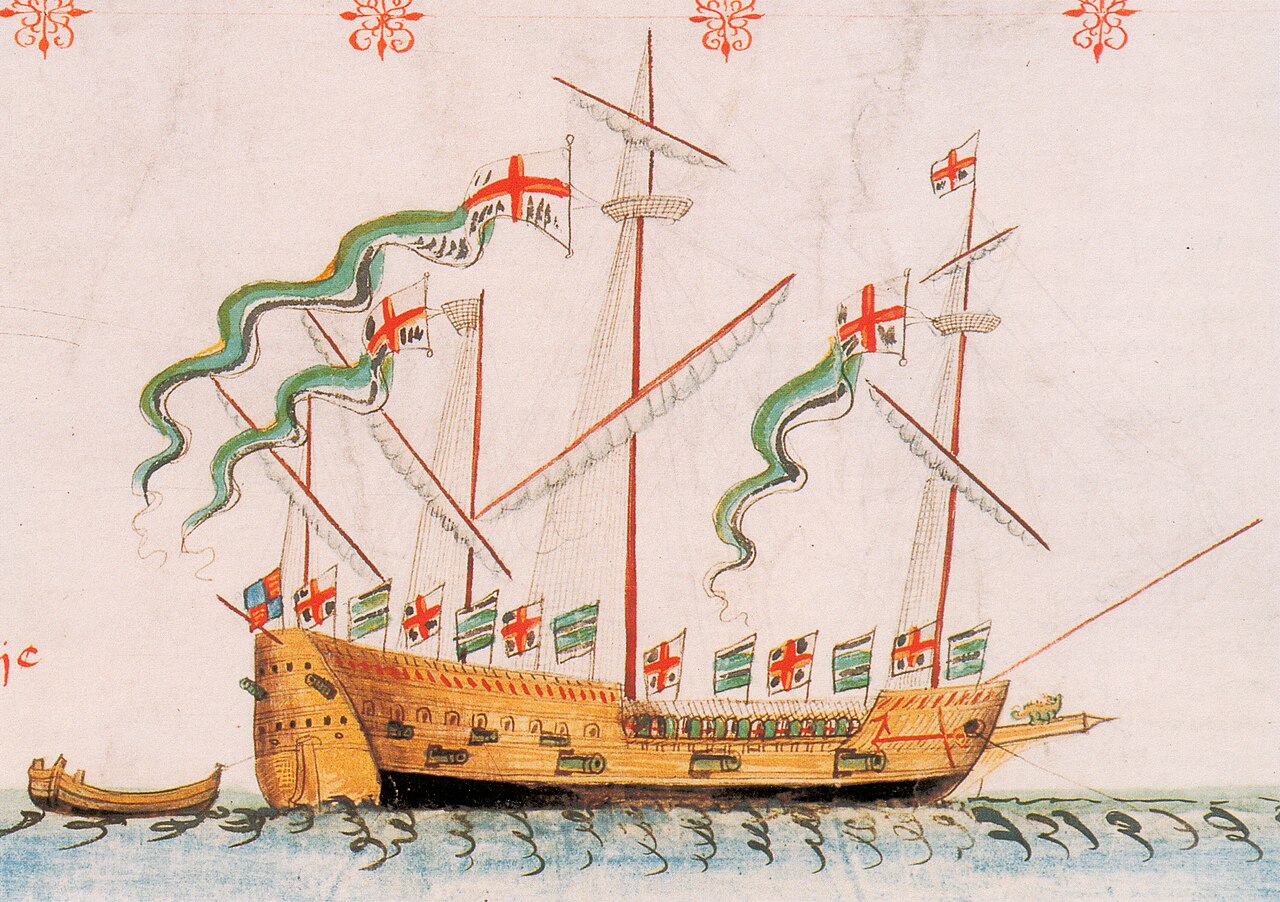 Document
Primary source
Anthony Anthony · 1546
Primary source
1536
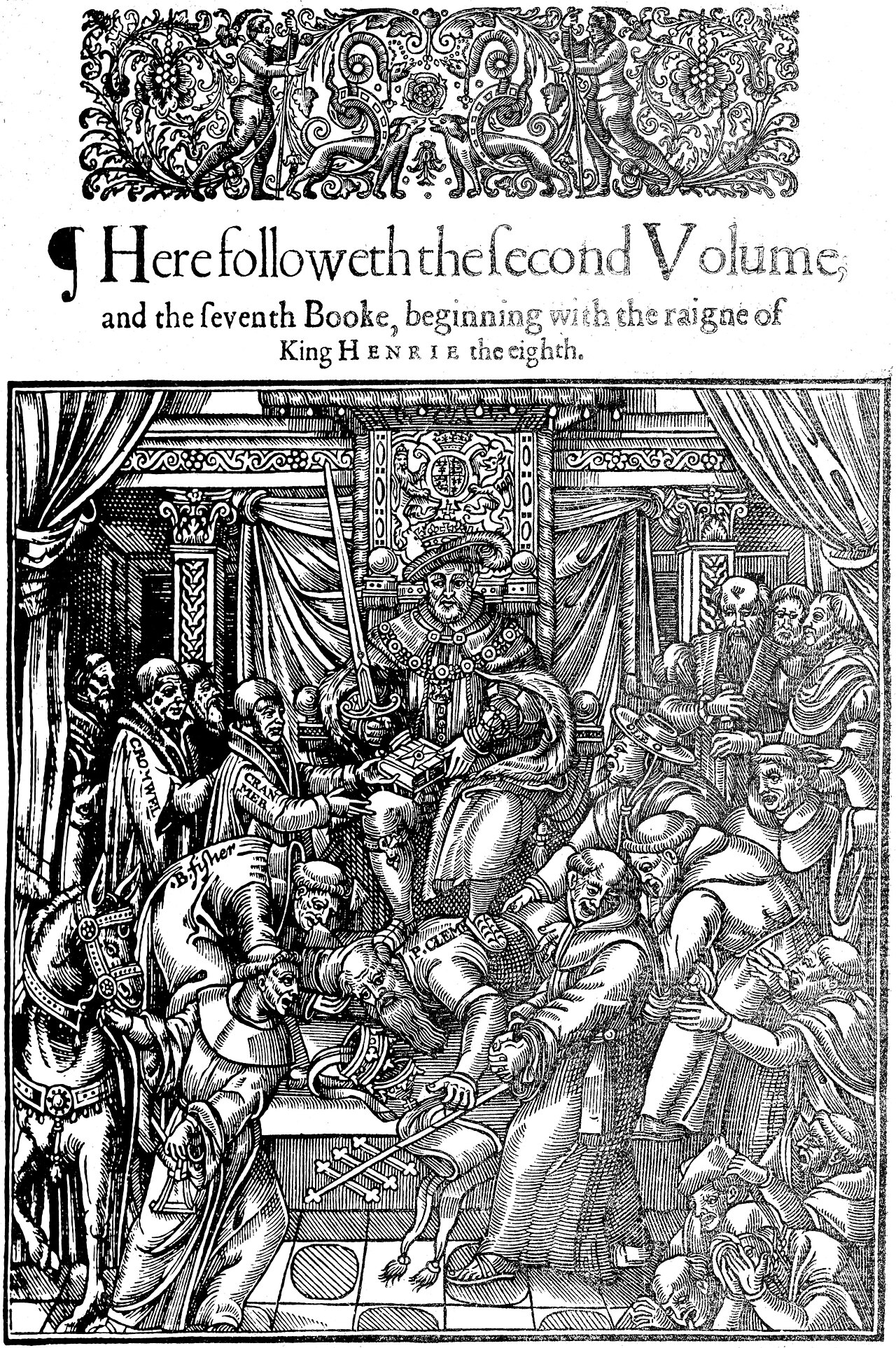 Painting
Secondary source
Unknown author
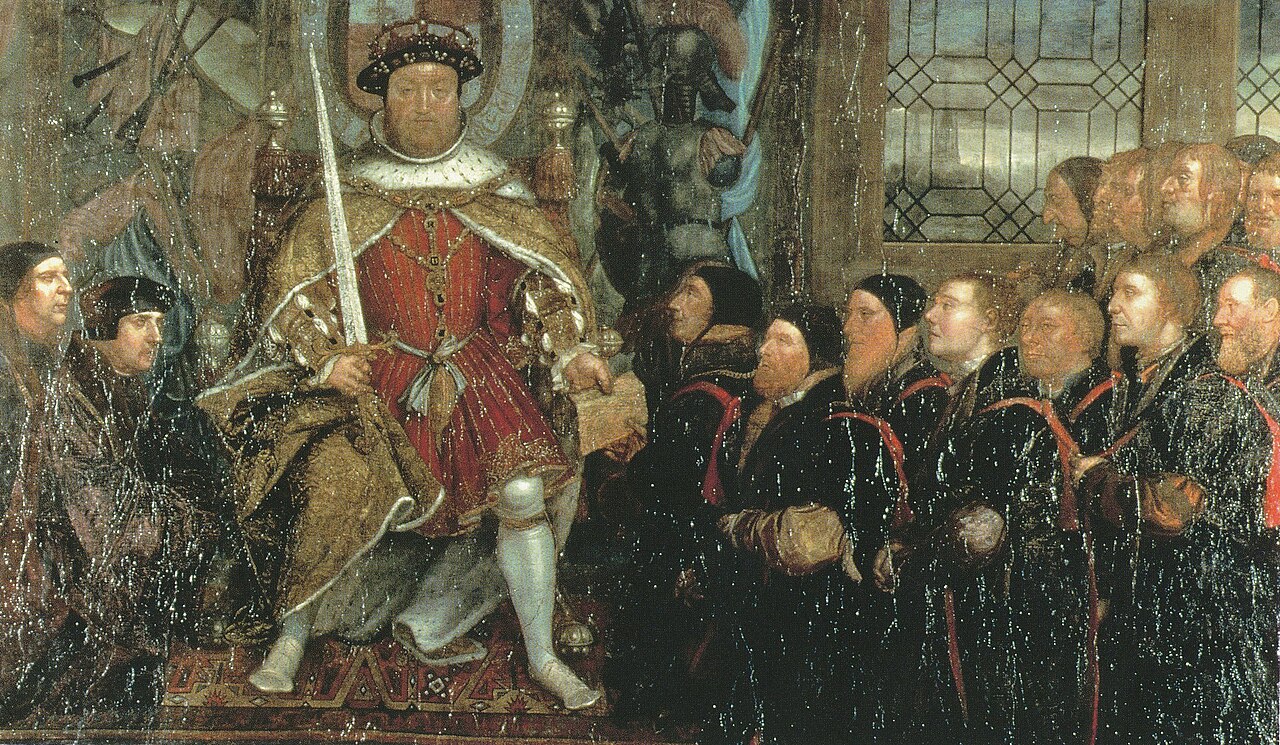 Painting
Primary source
Hans Holbein the Younger · 1541
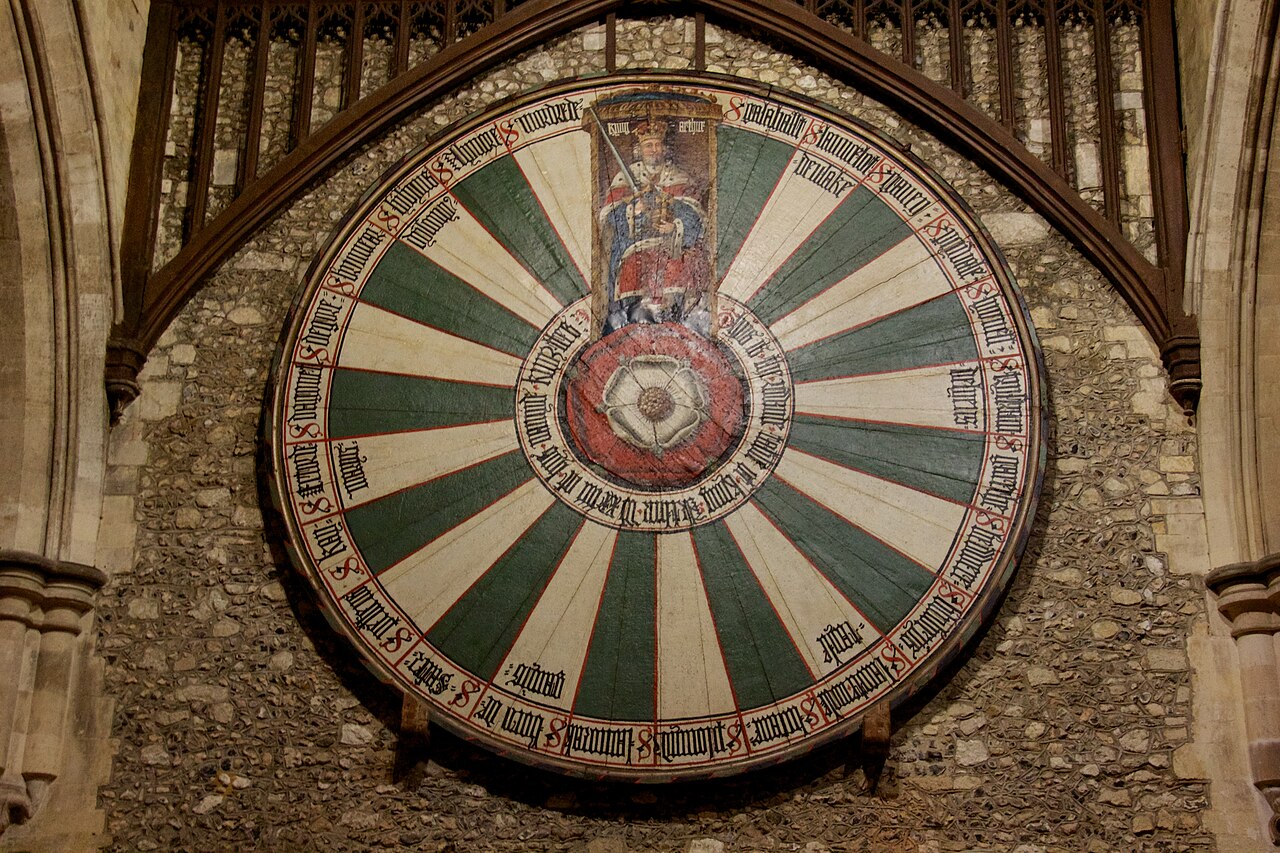 Artifact
Primary source
1290 (repainted for Henry VIII)
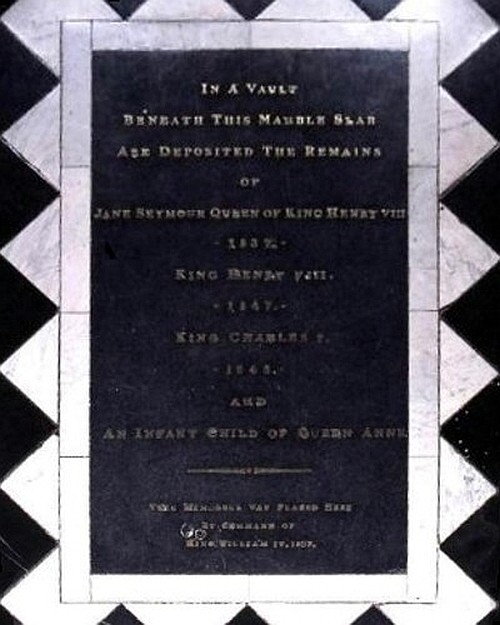 Artifact
Secondary source
marker placed 1837
 Sculpture
Primary source
Benedetto Grazzini · c. 1530
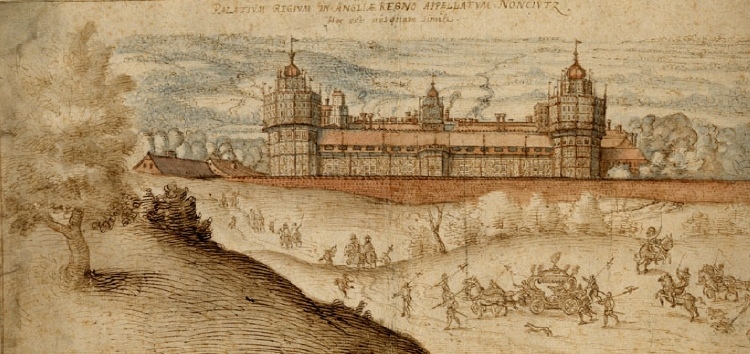 Document
Tertiary source
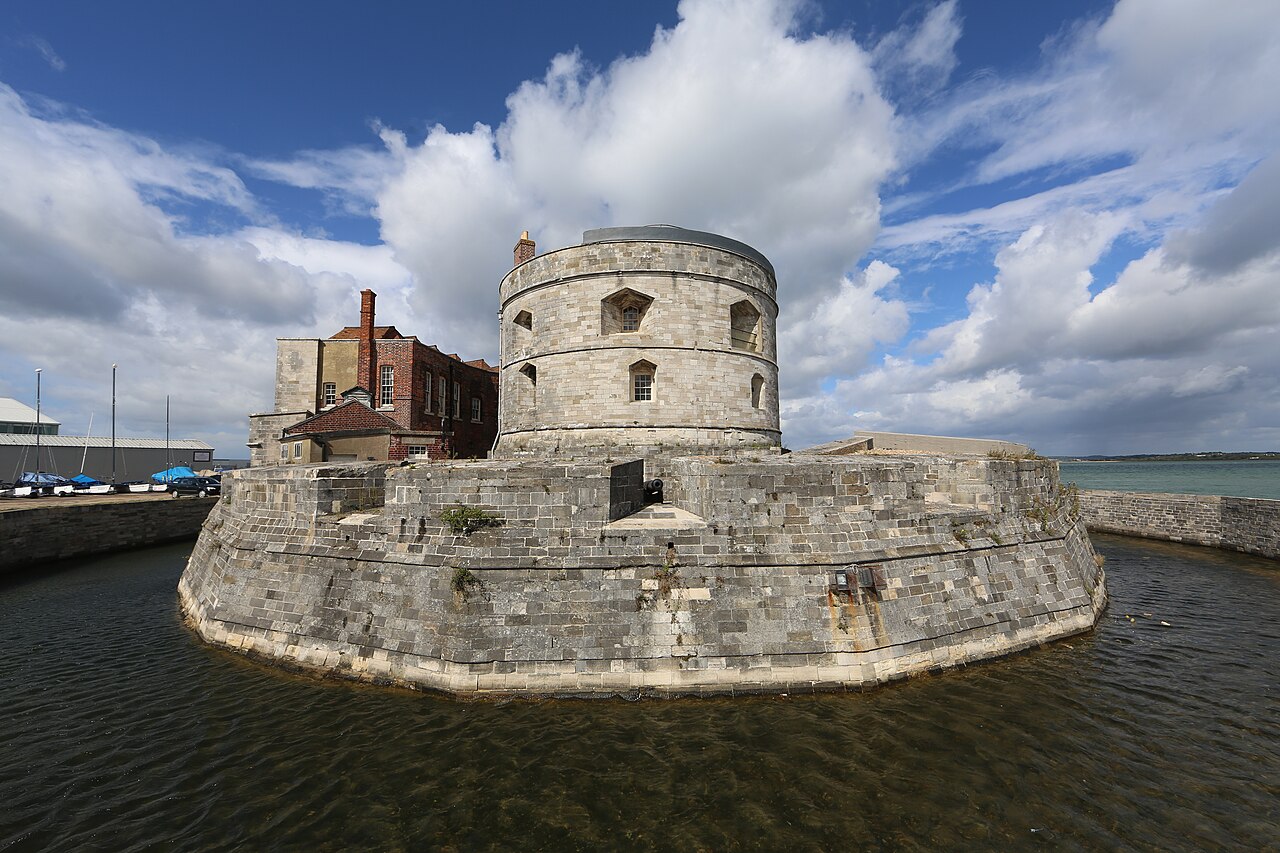 Artifact
Primary source
1539-1540
Primary source
Stephen Hawes · 1509
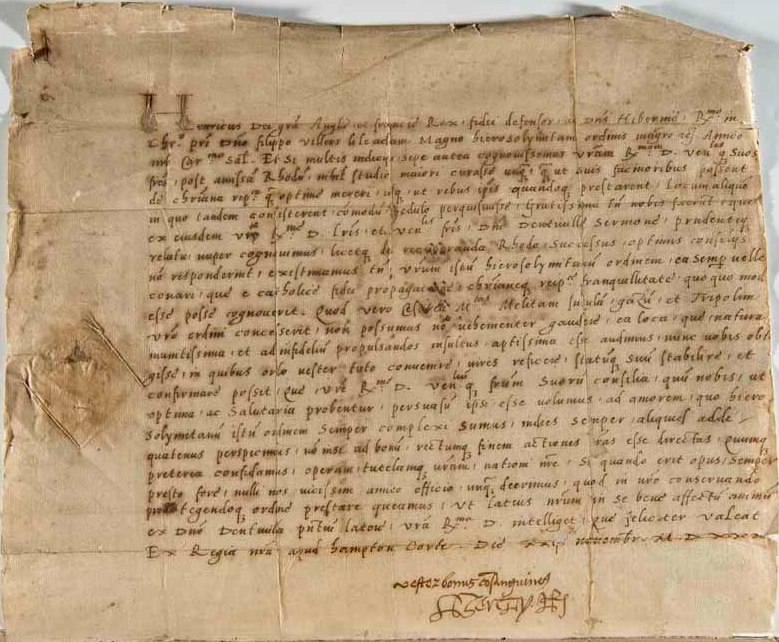 Letter
Primary source
Henry VIII · December 1530
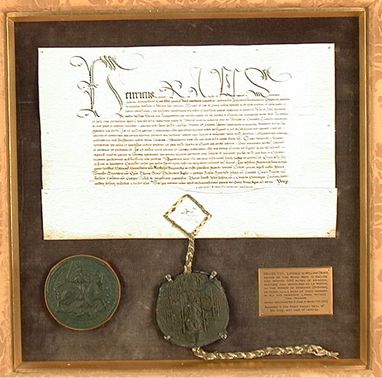 Document
Primary source
Henry VIII · 5 June 1511
 Document
Primary source
Henry VIII
Primary source
Henry VIII
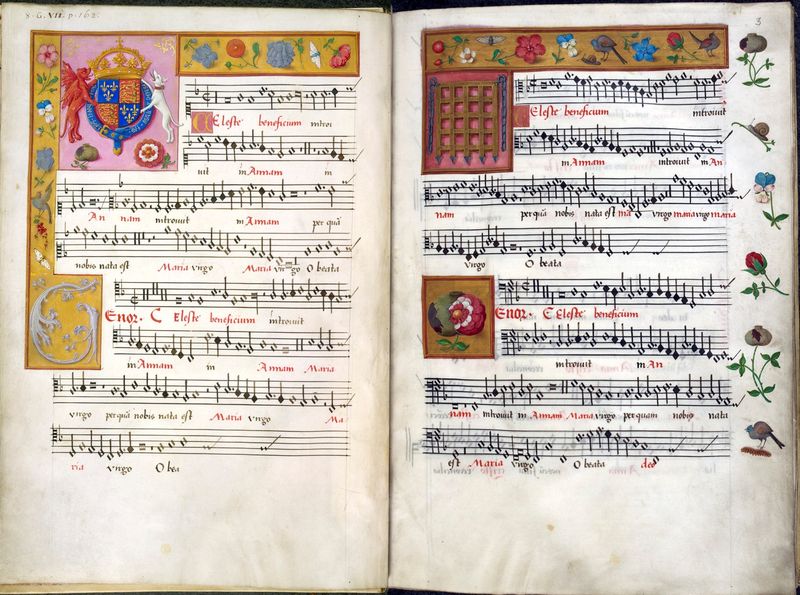 Book
Primary source
Workshop of Petrus Alamire · c. 1509-1547
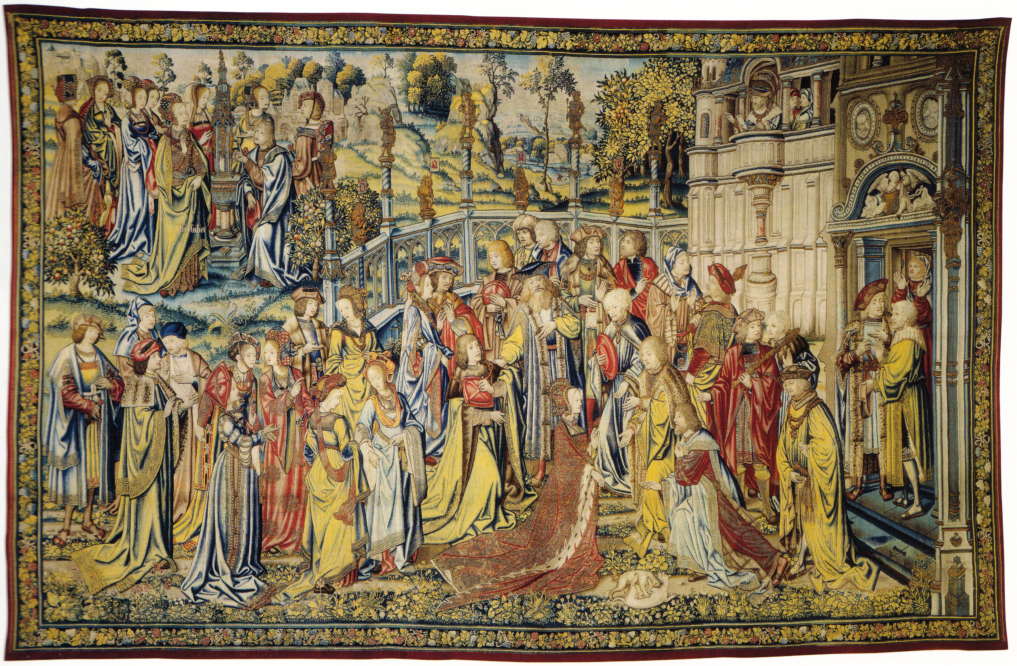 Artifact
Primary source
Pieter van Aelst · c. 1526-1528
 Artifact
Primary source
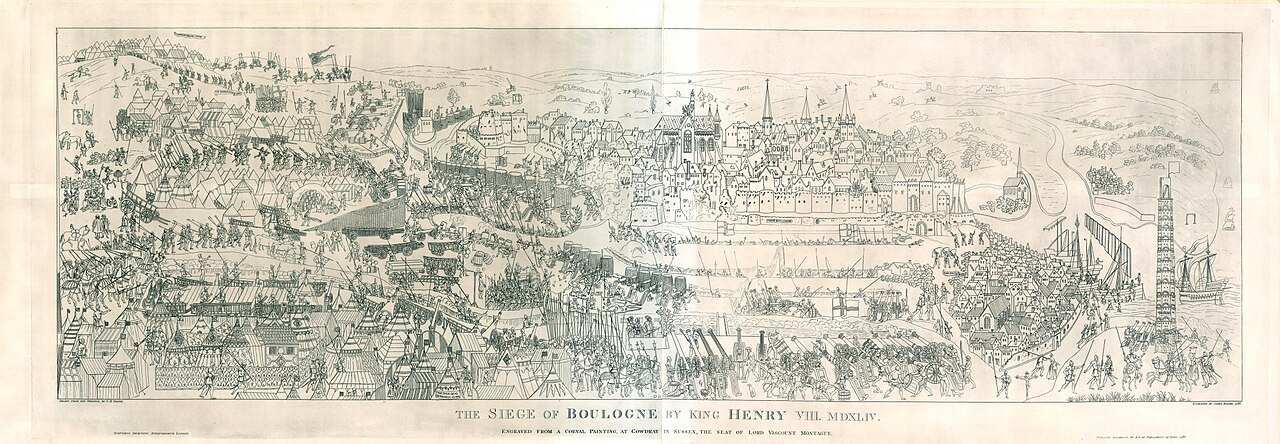 Painting
Secondary source
James Basire · 1544 (original); engraved later
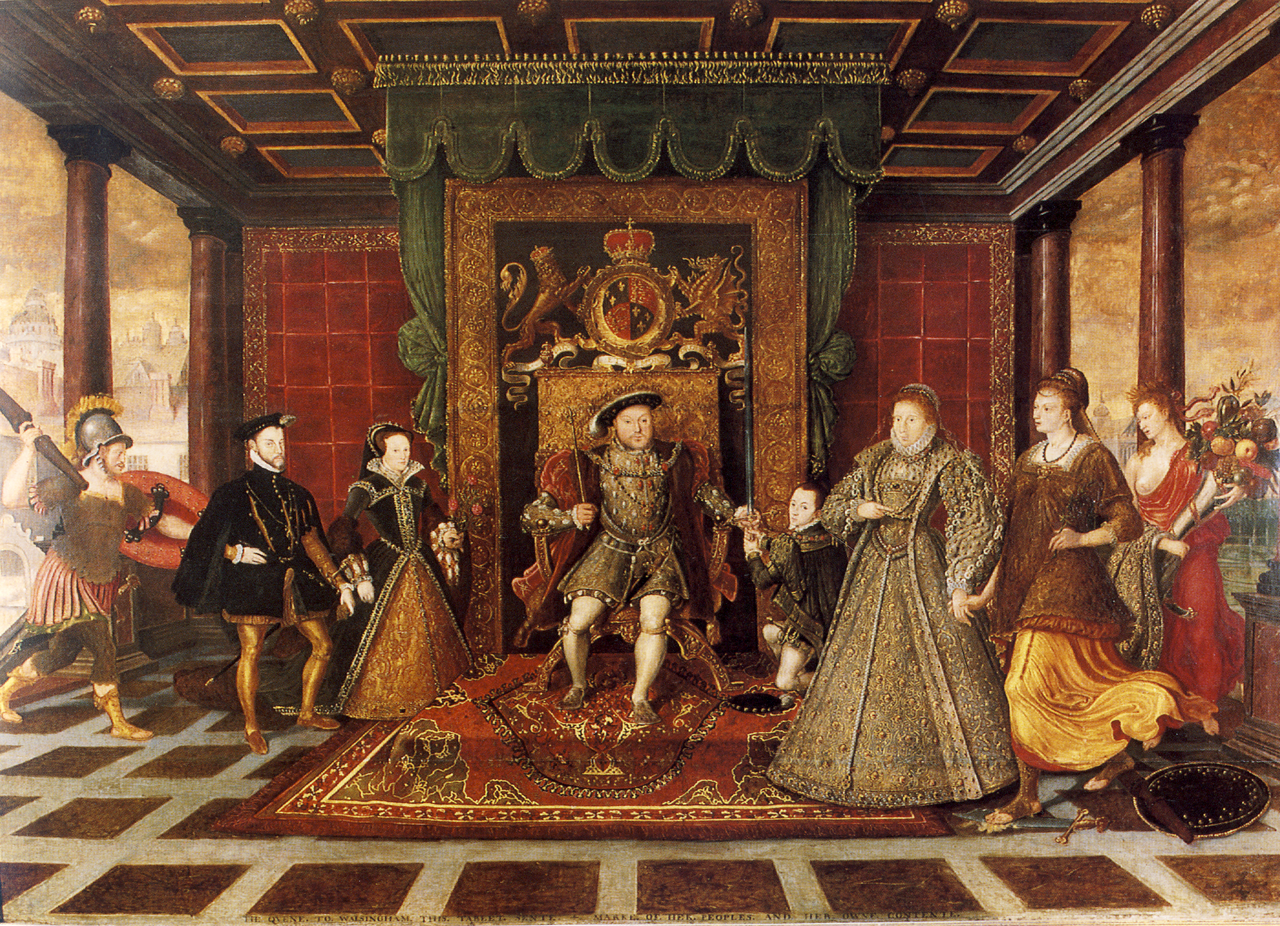 Painting
Primary source
Lucas de Heere · c. 1572
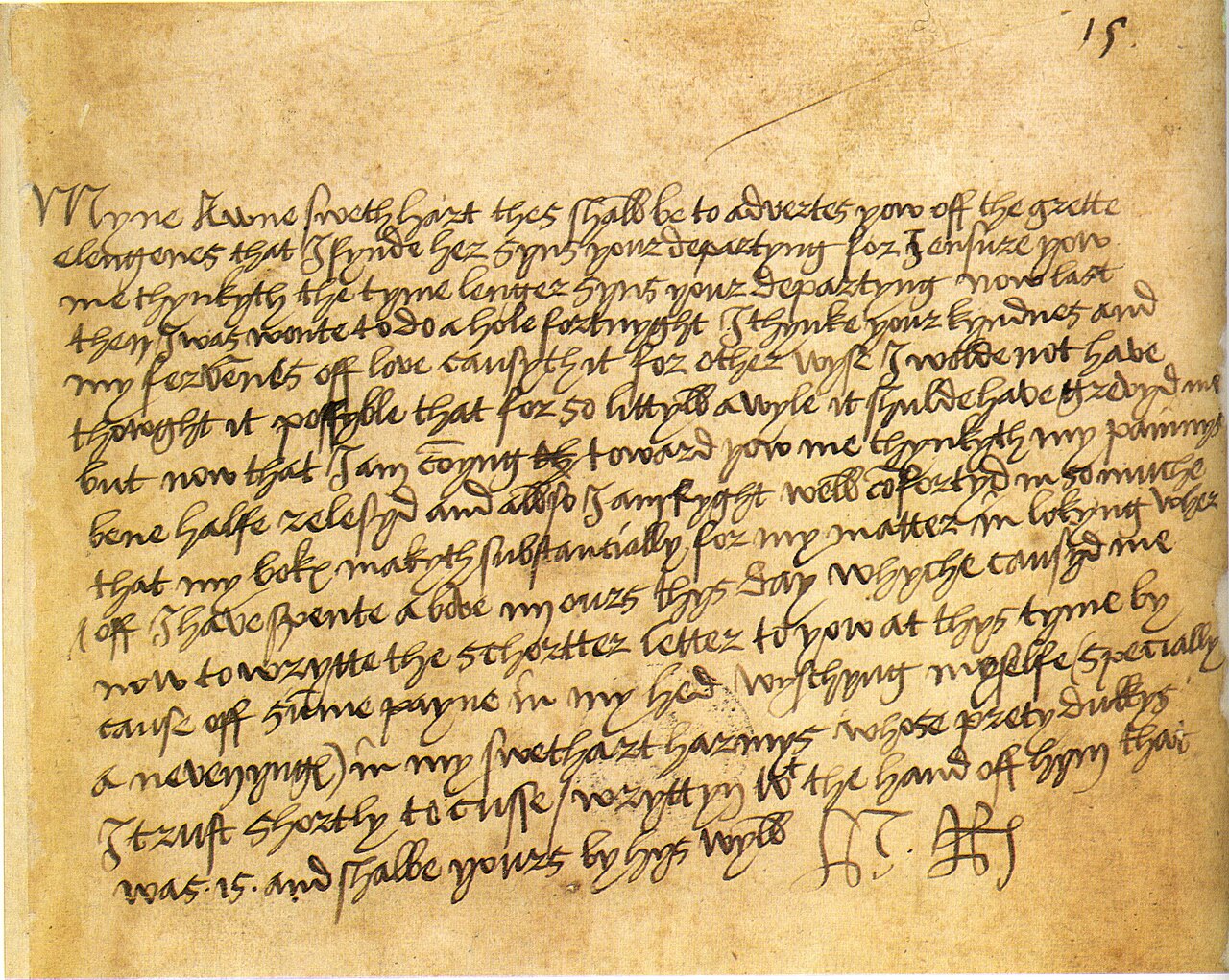 Letter
Primary source
Henry VIII of England · September 1527
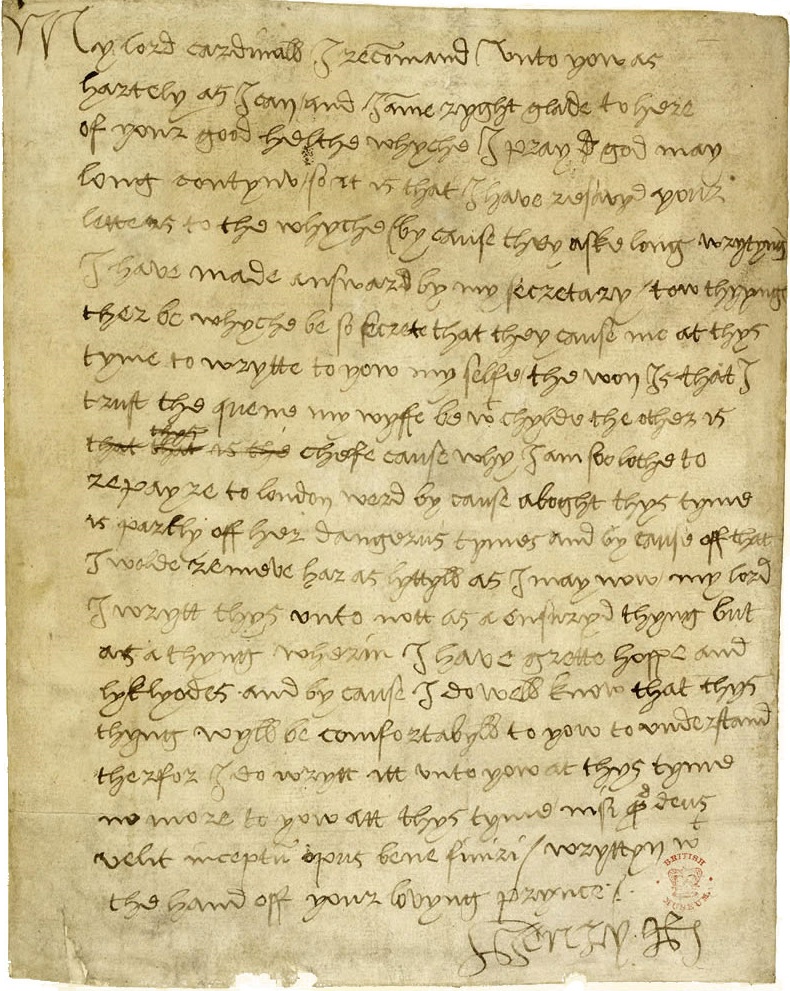 Letter
Primary source
Henry VIII of England · June 1518
Primary source
Henry VIII of England · June 1518
Primary source
Edward Hall · 1809 edition (text composed before 1547)
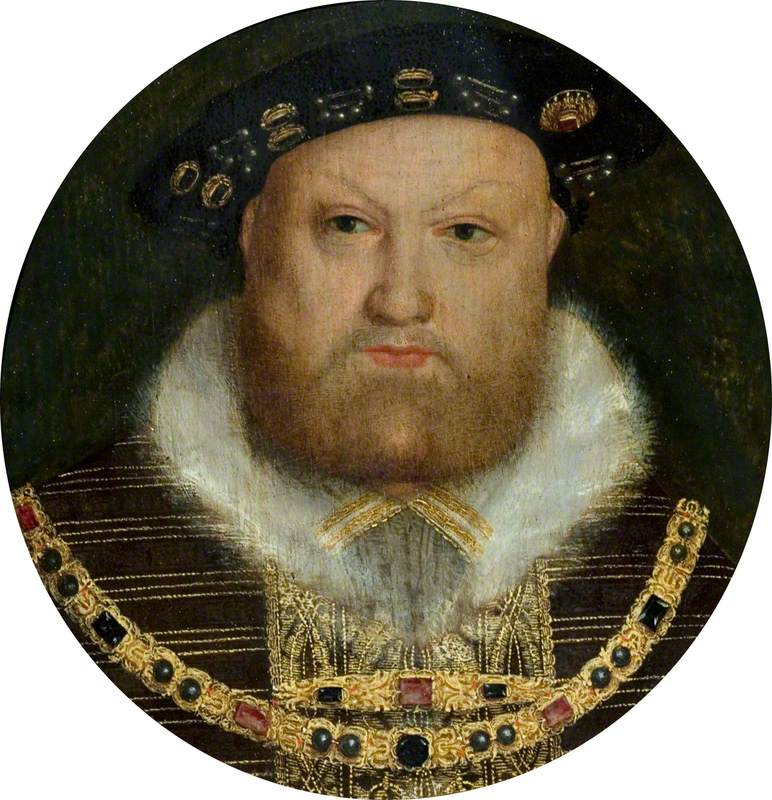 Painting
Primary source
Hans Holbein the Younger
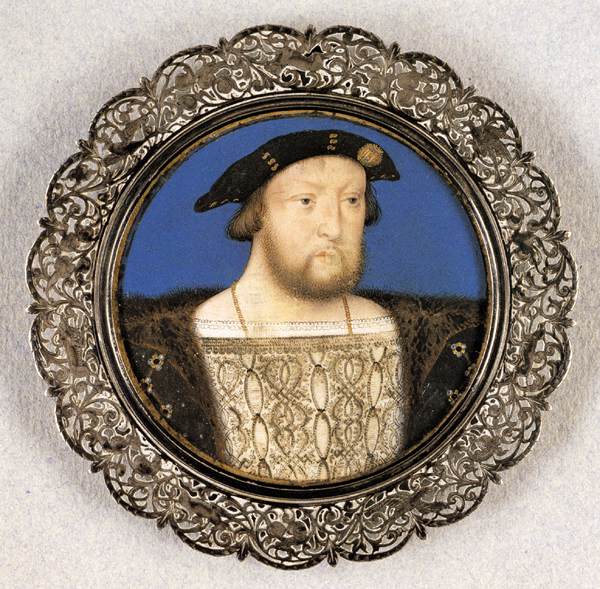 Painting
Primary source
Lucas Horenbout · c. 1526
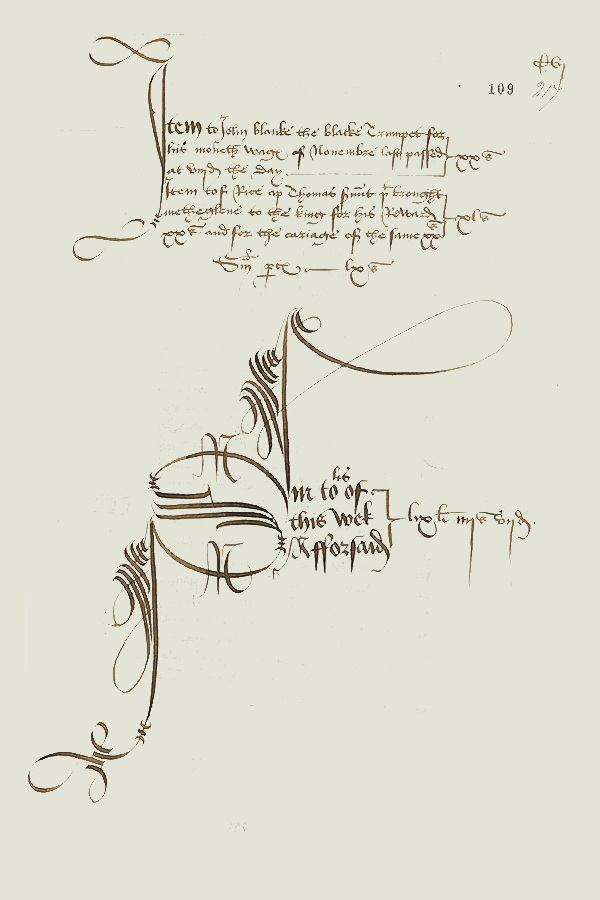 Document
Primary source
c. 1511
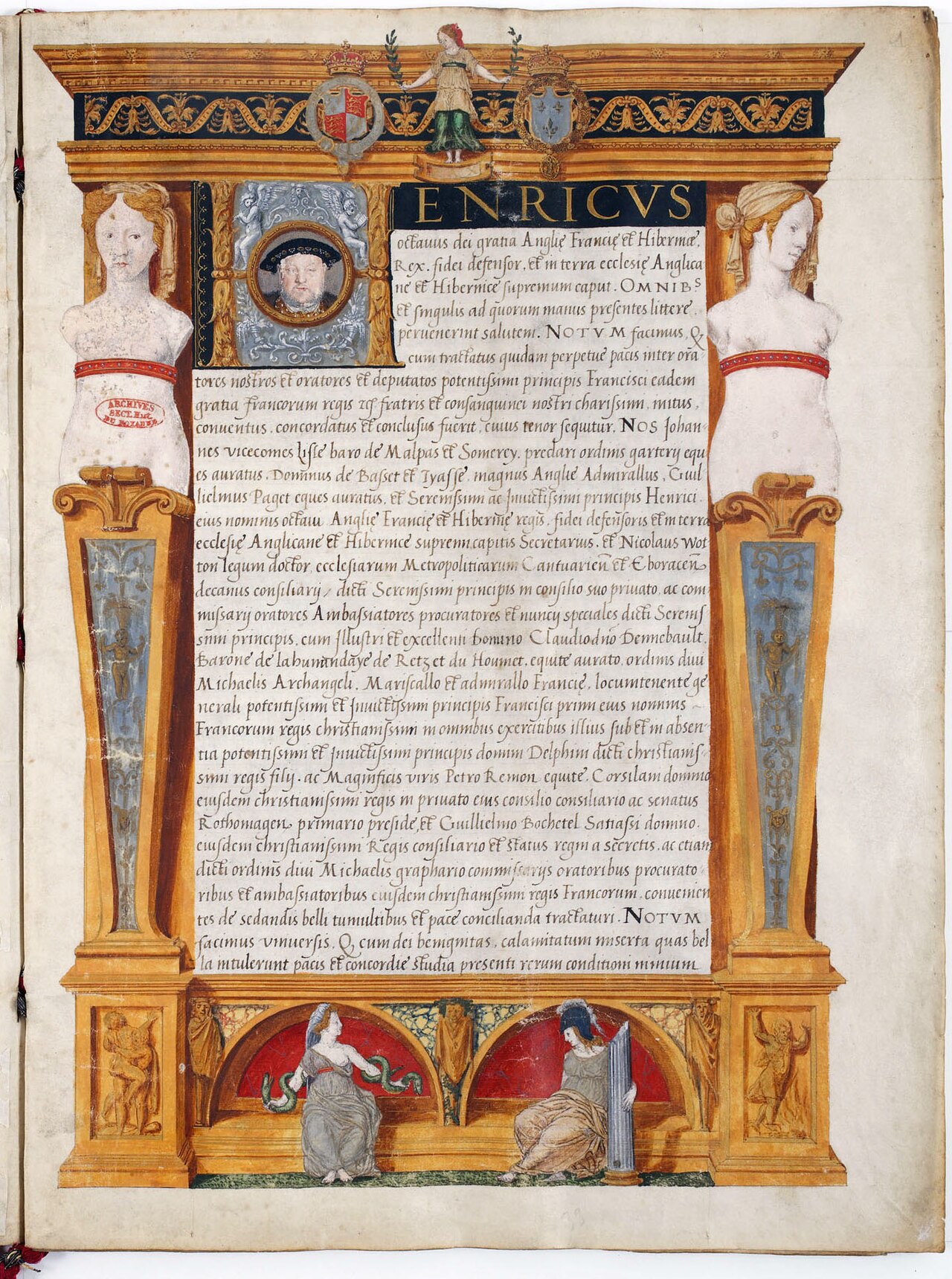 Document
Primary source
Henry VIII of England · 17 July 1546
Secondary source
Francis Aidan Gasquet · 1899
Secondary source
James Anthony Froude · 1909
Secondary source
Martin A. S. Hume · 1905
 Book
Primary source
Edward Hall · 1904 edition
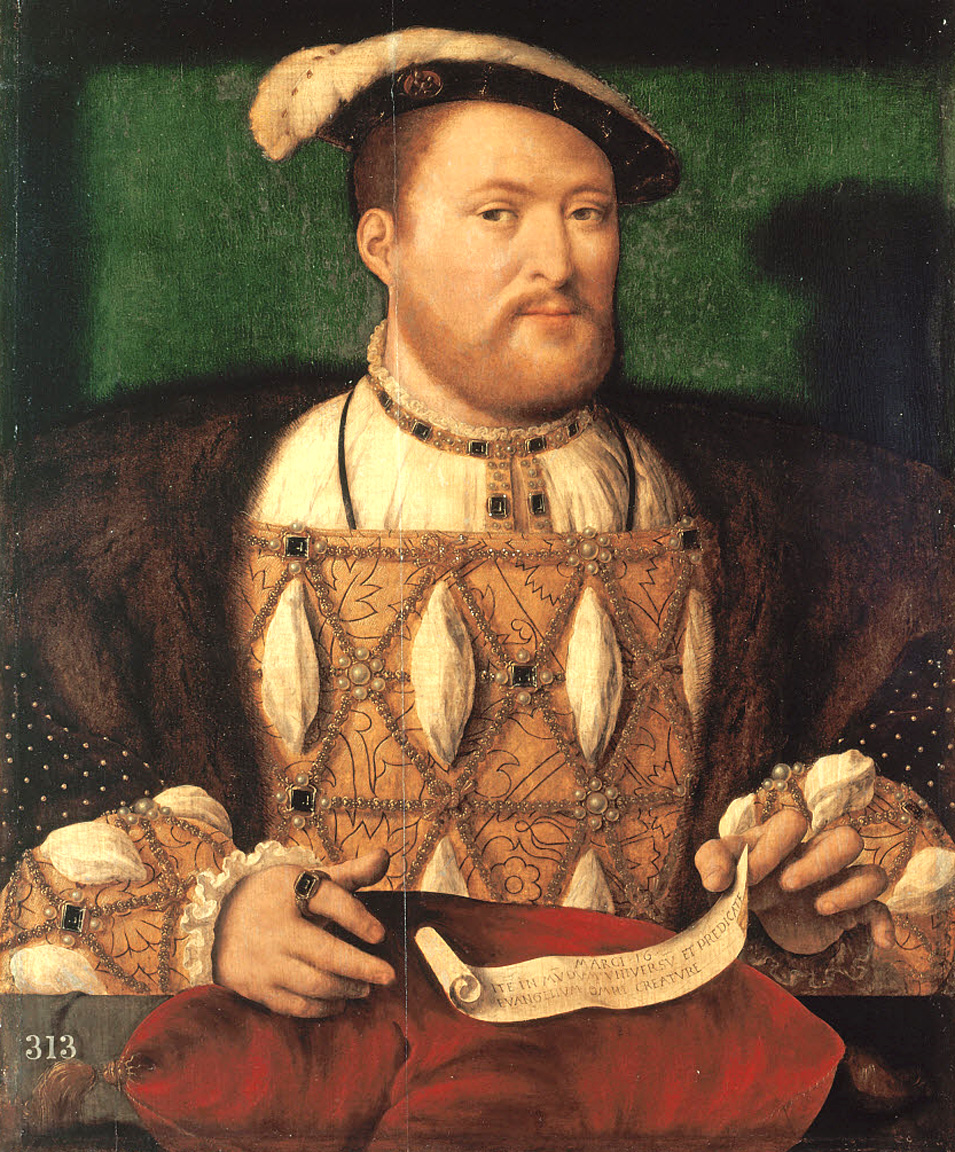 Painting
Primary source
Joos van Cleve · c. 1530-1535
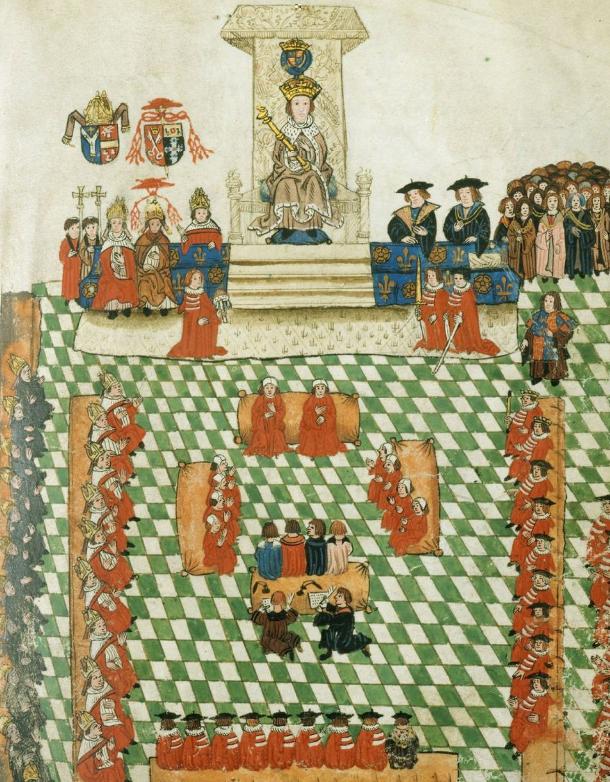 Artifact
Primary source
Sir Thomas Wriothesley · early 16th century
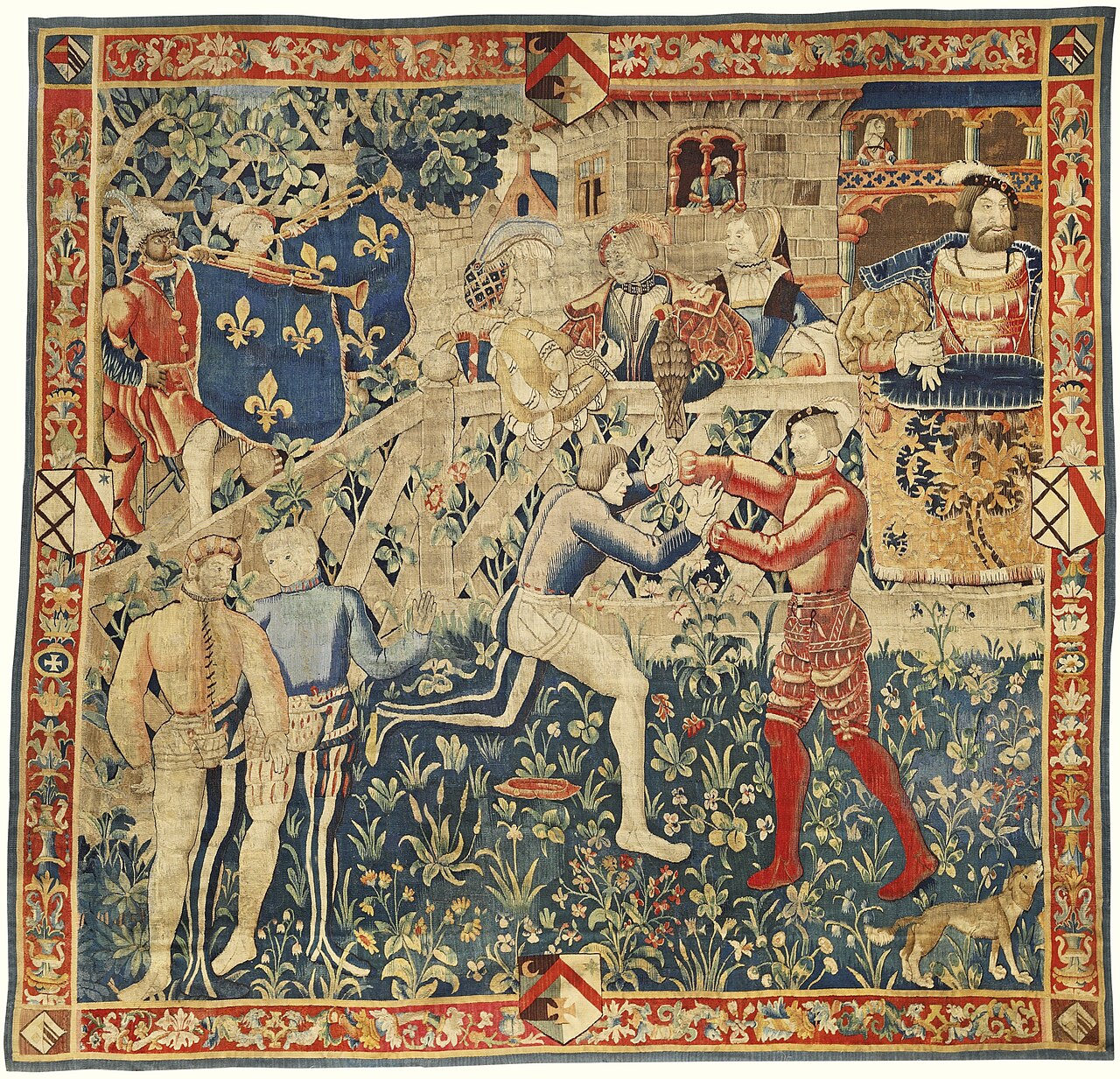 Artifact
Primary source
Unknown · c. 1520
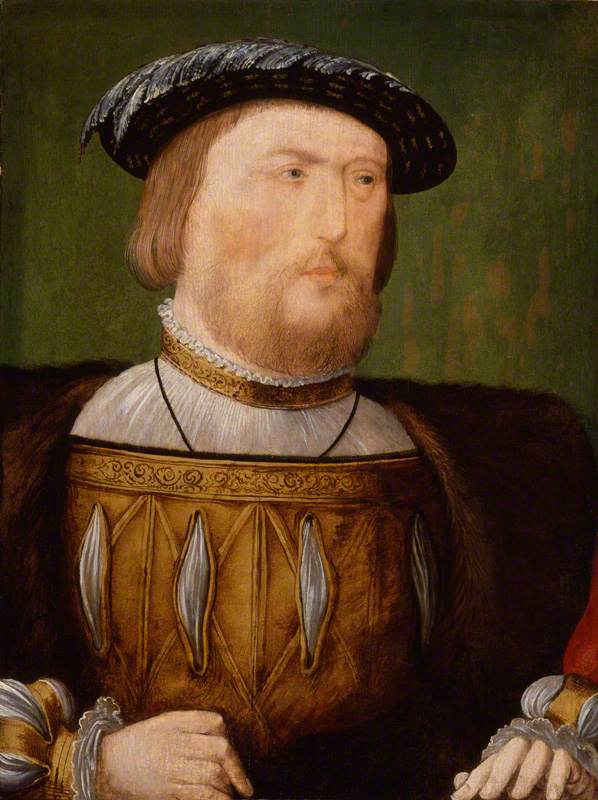 Painting
Primary source
Anonymous · c. 1535-1540
Primary source
Unknown · 1852 edition (of an earlier manuscript)
 Book
Primary source
George Cavendish · 1901 edition (written 16th century)
Secondary source
James Anthony Froude · 1872
Secondary source
1885-1900
Secondary source
William Henry Husk · 1900
Secondary source
Albert Frederick Pollard · 1911
Secondary source
Herbert Thurston · 1913
Secondary source
William Stubbs · 7 June 1881
Secondary source
John Acton · 1907
Secondary source
Herbert Beerbohm Tree · 1911
Secondary source
Charles Edward Moberly
 Document
Primary source
Richard Turpyn (supposed) · 1846 edition, covering events to 1540
Secondary source
John Hutchinson · 1892
 Book
Secondary source
Francis Aidan Hibbert · 1910
Secondary source
R. Storry Deans · 1909
Secondary source
William Stubbs · 1881
Secondary source
John Acton · 1899
Want the full shelf? Chat with Henry VIII in the app and open the Sources panel — every quote links back to the original.
3 collections
Ready-made collections from the Humy team that feature Henry VIII. Preview any of them, then try it free.
Paying customers



























Dr. Michael Calvert
Assistant Superintendent, South Allegheny School District, Pennsylvania
Been using Humy in his district since 2024
“We enjoyed the program last year and used it frequently.”

Jacob Chisom
World and American History, Monticello High School, Arkansas
Been using Humy in his classroom since 2024
“My students say it’s a welcome change of pace. I’m not a fan of the “sage on the stage” model, so I try to incorporate research-oriented and self-paced activities. With Humy, students have to take charge of their learning. They’ve become more adept at critical thinking, forming better questions, and improving their reading comprehension. The interview feature has been my go-to tool. I create assignments where students must ask historical figures a set number of questions, then summarize the responses to ensure they’re truly absorbing the material. This approach lets them actively explore the past rather than passively consuming information.”
Roger Campbell
7th-grade World History, Lancaster County, Pennsylvania
Been using Humy in his classroom since 2024
“Humy has helped me bring historical figures, sometimes long past, to life. When my students interact with these figures in real-time, it eliminates some of the perceived “ancient” characteristics of my curriculum. This has shifted my students’ thinking away from viewing history as abstract or irrelevant. Real-time interactions make historical figures relatable, even allowing students to ask off-topic questions that help put historical lives in a more relevant context for 13-year-olds. The feature I use the most is the interview feature. After teaching a topic, most recently Gandhi and Joan of Arc, I have the students ask pointed, focused questions. We practice good conversation techniques beforehand, teaching them to listen (or read) carefully and formulate thoughtful follow-up questions rather than just interrogating. It helps students practice effective conversation skills.”
Dr. Michael Calvert
Assistant Superintendent, South Allegheny School District, Pennsylvania
Been using Humy in his district since 2024
“We enjoyed the program last year and used it frequently.”
Jacob Chisom
World and American History, Monticello High School, Arkansas
Been using Humy in his classroom since 2024
“My students say it’s a welcome change of pace. I’m not a fan of the “sage on the stage” model, so I try to incorporate research-oriented and self-paced activities. With Humy, students have to take charge of their learning. They’ve become more adept at critical thinking, forming better questions, and improving their reading comprehension. The interview feature has been my go-to tool. I create assignments where students must ask historical figures a set number of questions, then summarize the responses to ensure they’re truly absorbing the material. This approach lets them actively explore the past rather than passively consuming information.”
Roger Campbell
7th-grade World History, Lancaster County, Pennsylvania
Been using Humy in his classroom since 2024
“Humy has helped me bring historical figures, sometimes long past, to life. When my students interact with these figures in real-time, it eliminates some of the perceived “ancient” characteristics of my curriculum. This has shifted my students’ thinking away from viewing history as abstract or irrelevant. Real-time interactions make historical figures relatable, even allowing students to ask off-topic questions that help put historical lives in a more relevant context for 13-year-olds. The feature I use the most is the interview feature. After teaching a topic, most recently Gandhi and Joan of Arc, I have the students ask pointed, focused questions. We practice good conversation techniques beforehand, teaching them to listen (or read) carefully and formulate thoughtful follow-up questions rather than just interrogating. It helps students practice effective conversation skills.”
FAQ
Like any LLM, the AI version of Henry VIII can get details wrong. Open one of these sources in a new tab to verify what you’ve read.

English noblewoman and de facto monarch for nine days.

King of England and Scotland who reigned during the early 17th century and was known for commissioning the King James Bible.

Queen of England and Ireland, also known as "Bloody Mary" for her persecution of Protestants.

Influential queen consort of Henry VIII.

King of England and Ireland from 1547 until his death in 1553.

Queen of England and Ireland, known for the Elizabethan Era and defeat of the Spanish Armada.
Ready when you are
20 messages free · No credit card · Available in 50+ languages.