



Dr. Michael Calvert
Assistant Superintendent, South Allegheny School District, Pennsylvania
Been using Humy in his district since 2024
“We enjoyed the program last year and used it frequently.”

AI Historical Figure
King of England and Scotland who reigned during the early 17th century and was known for commissioning the King James Bible.
Chat with James I via text or voice — in 42 languages, drawing on a curated biography and 97 historical sources. Available 24/7.

James I
Online · responds in seconds
Hello — I'm James I. King of England and Scotland who reigned during the early 17th century and was known for commissioning the King James Bible. What would you like to ask me?
20 messages free · No credit card · Powered by Humy.ai
Live preview · Switch between 42 languages above · Send a message to continue in the app
Multilingual
Ask James I questions in any language below, and the rest of Humy's app speaks it too. Pick yours to open the chat in that language.
Also in German (Austria), German (Switzerland), English (UK), English (Australia), English (Canada).
97 sources · 51 paintings · 17 books · 12 documents · 10 artifacts · 6 letters · 1 sculpture
James I doesn’t improvise from thin air. The AI is grounded in 97 curated historical sources students can inspect. Open any of them to see what informs the conversation.
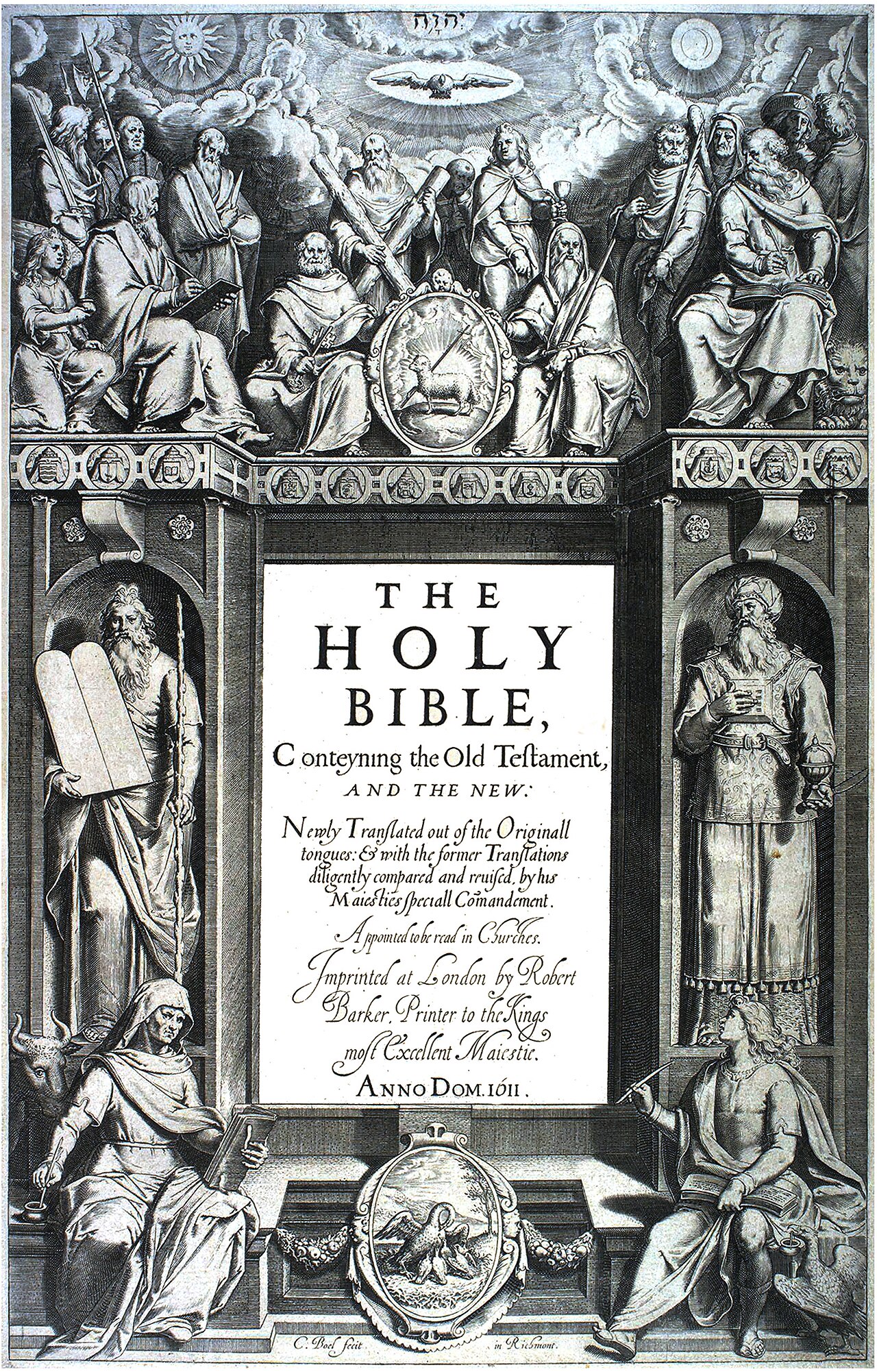 Book
Secondary source
1611
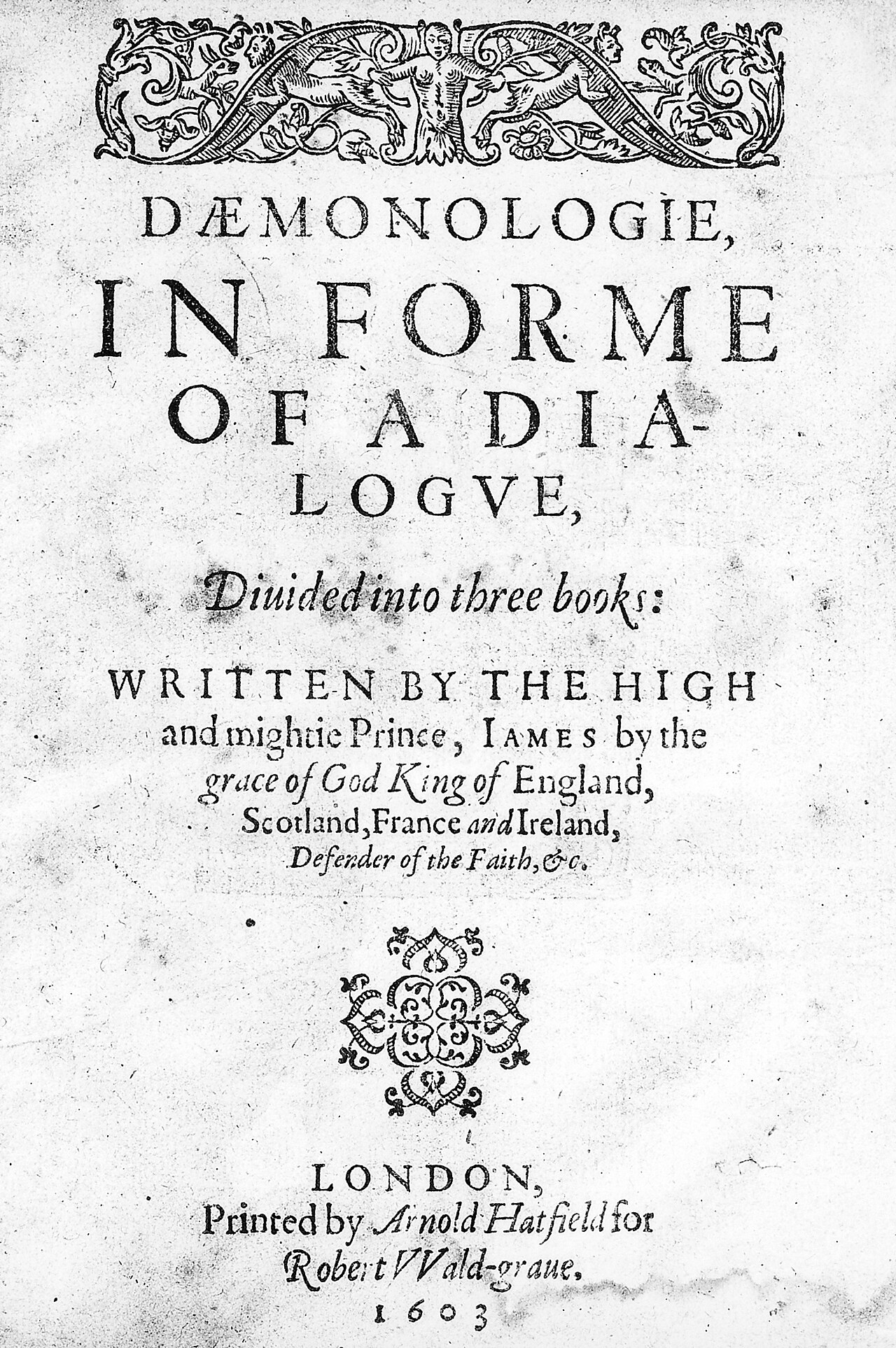 Book
Primary source
James VI and I · 1597 (reprinted 1603)
 Book
Primary source
James VI and I · 1598
 Book
Primary source
James VI and I · 1599 (published 1603)
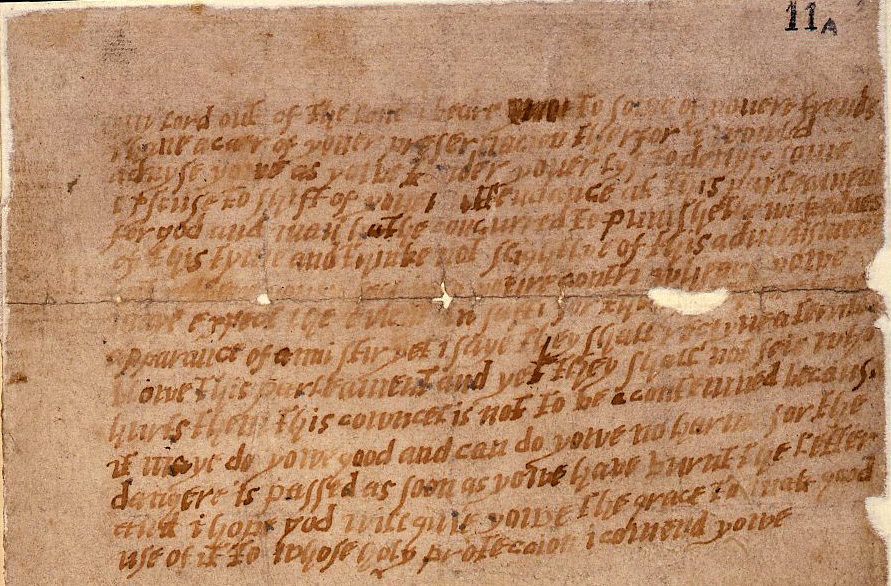 Letter
Primary source
Unknown · 1605
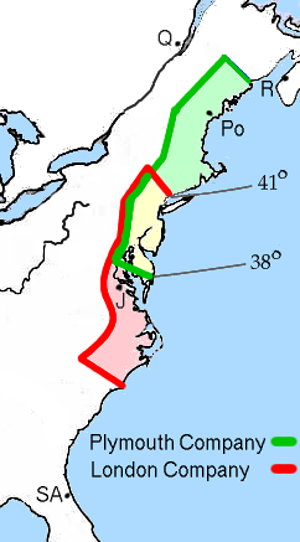 Document
Primary source
James VI and I · 1606
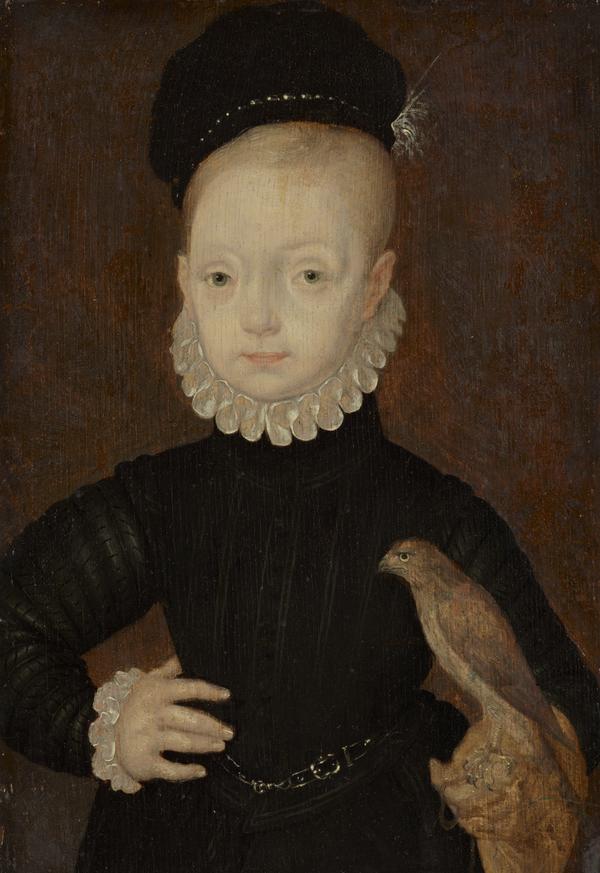 Painting
Primary source
Arnold Bronckorst · 1574
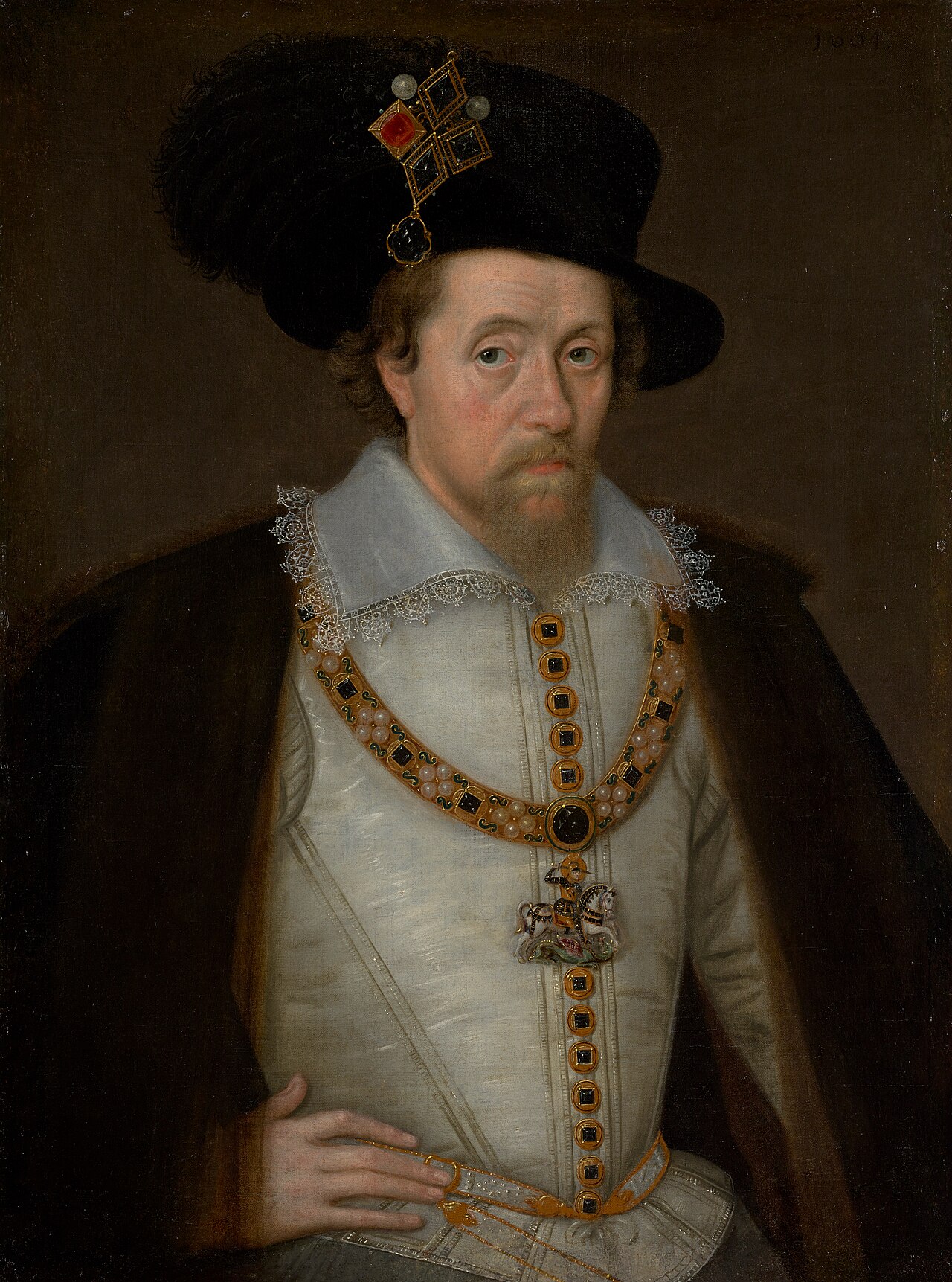 Painting
Primary source
John de Critz · c. 1604
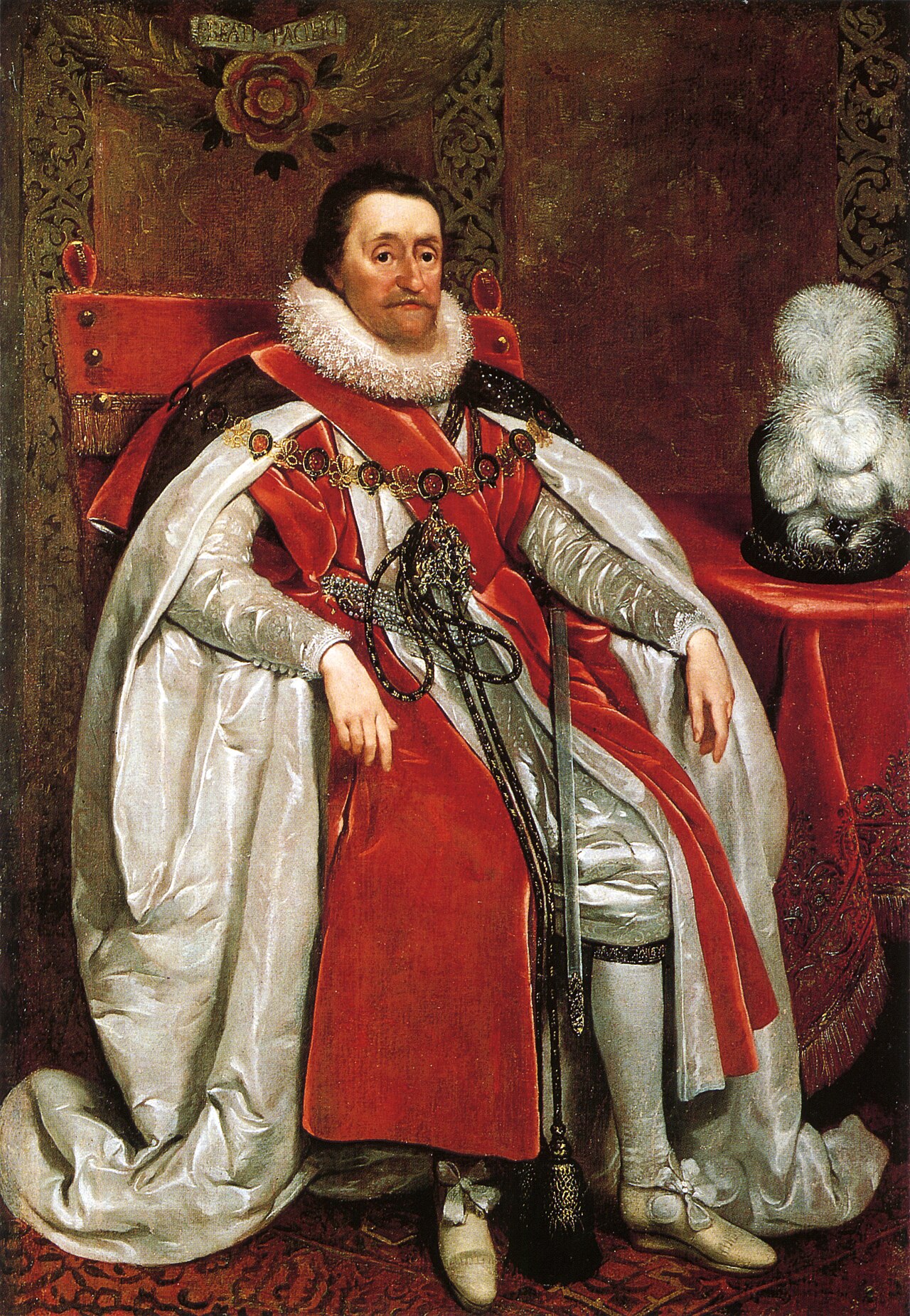 Painting
Primary source
Daniël Mijtens · 1621
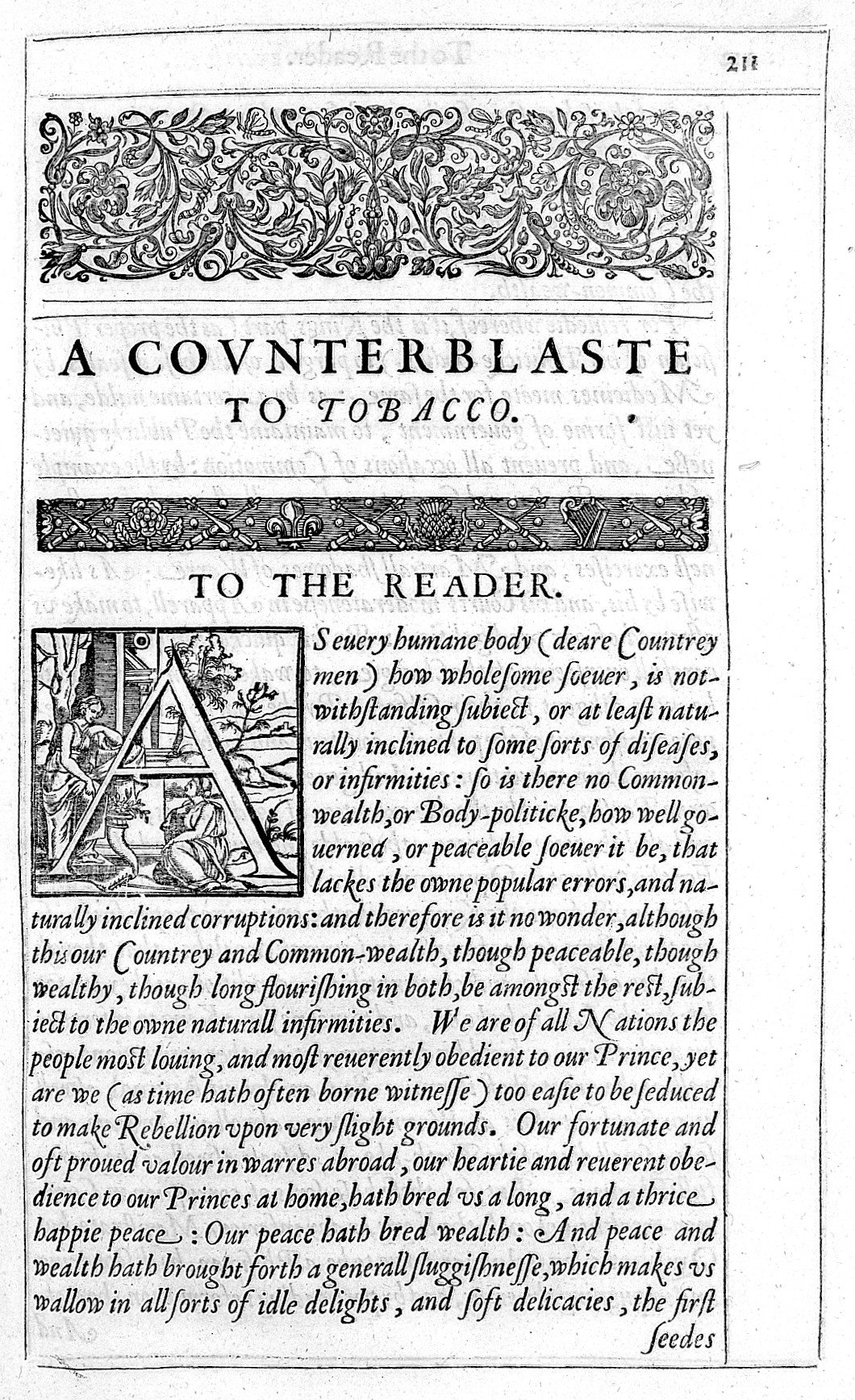 Book
Primary source
James VI and I · 1604
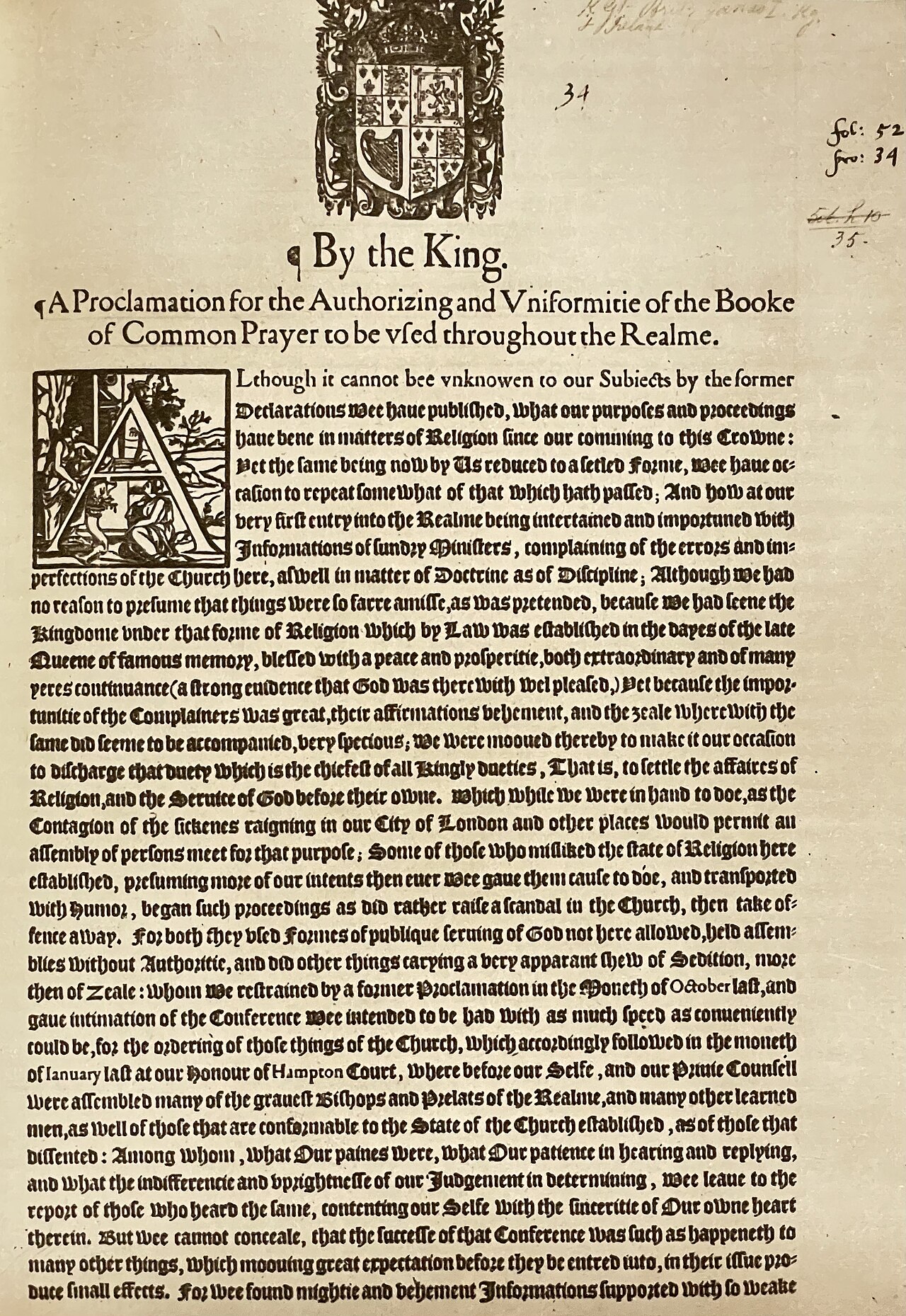 Document
Primary source
King James I · 1604
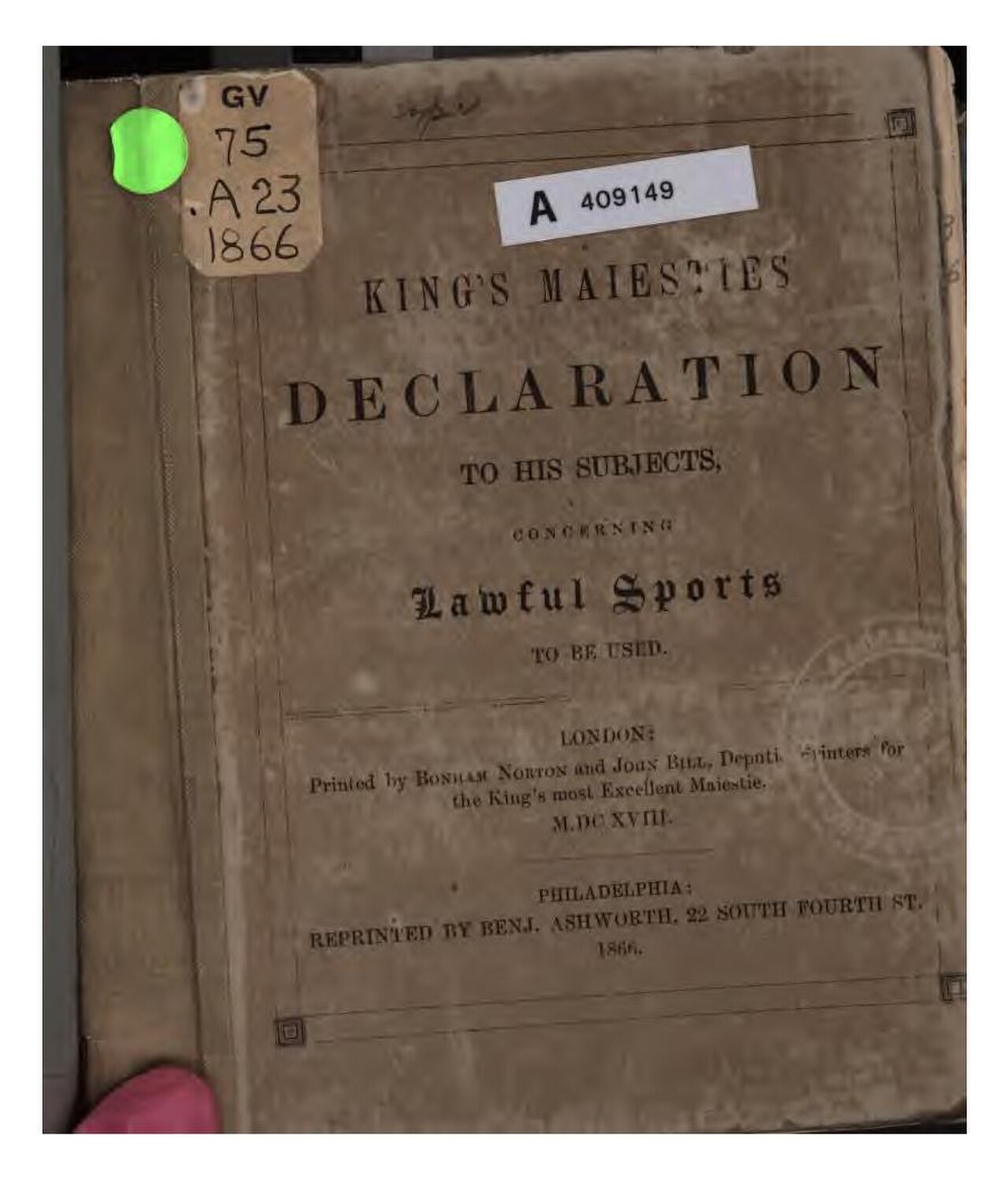 Document
Primary source
James VI and I · 1618
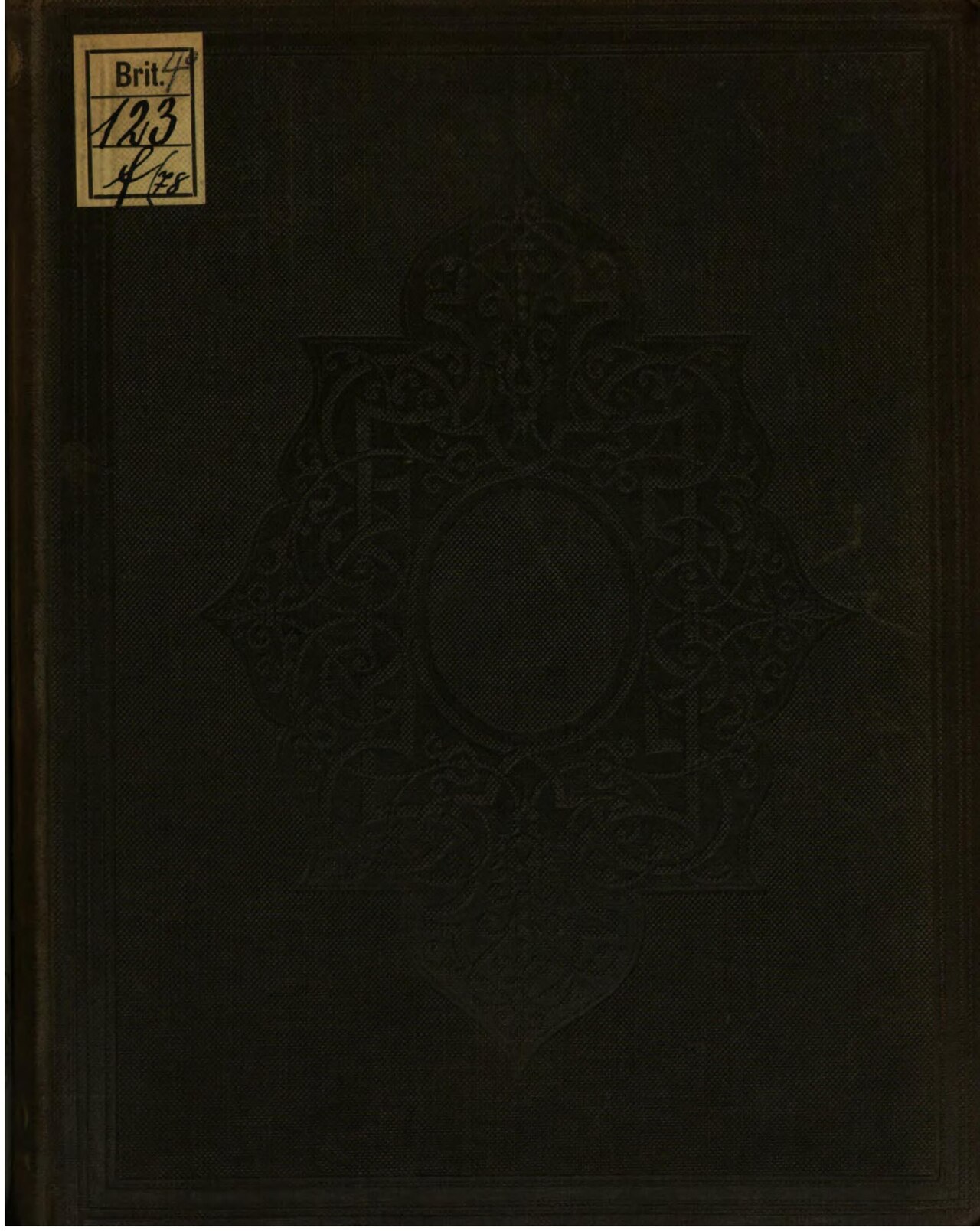 Letter
Primary source
James VI and Elizabeth I · 1582–1603
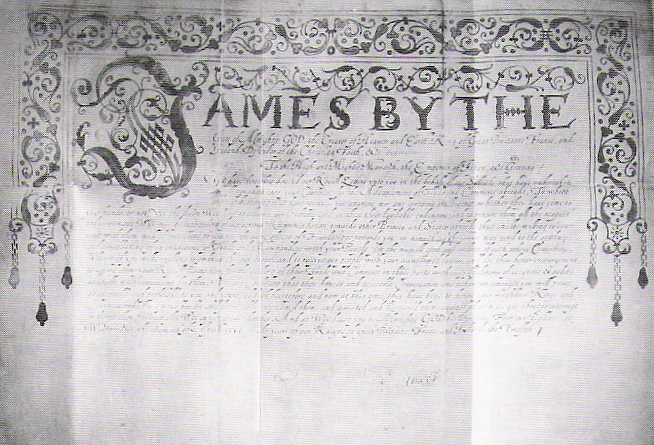 Letter
Primary source
James VI and I · 1613
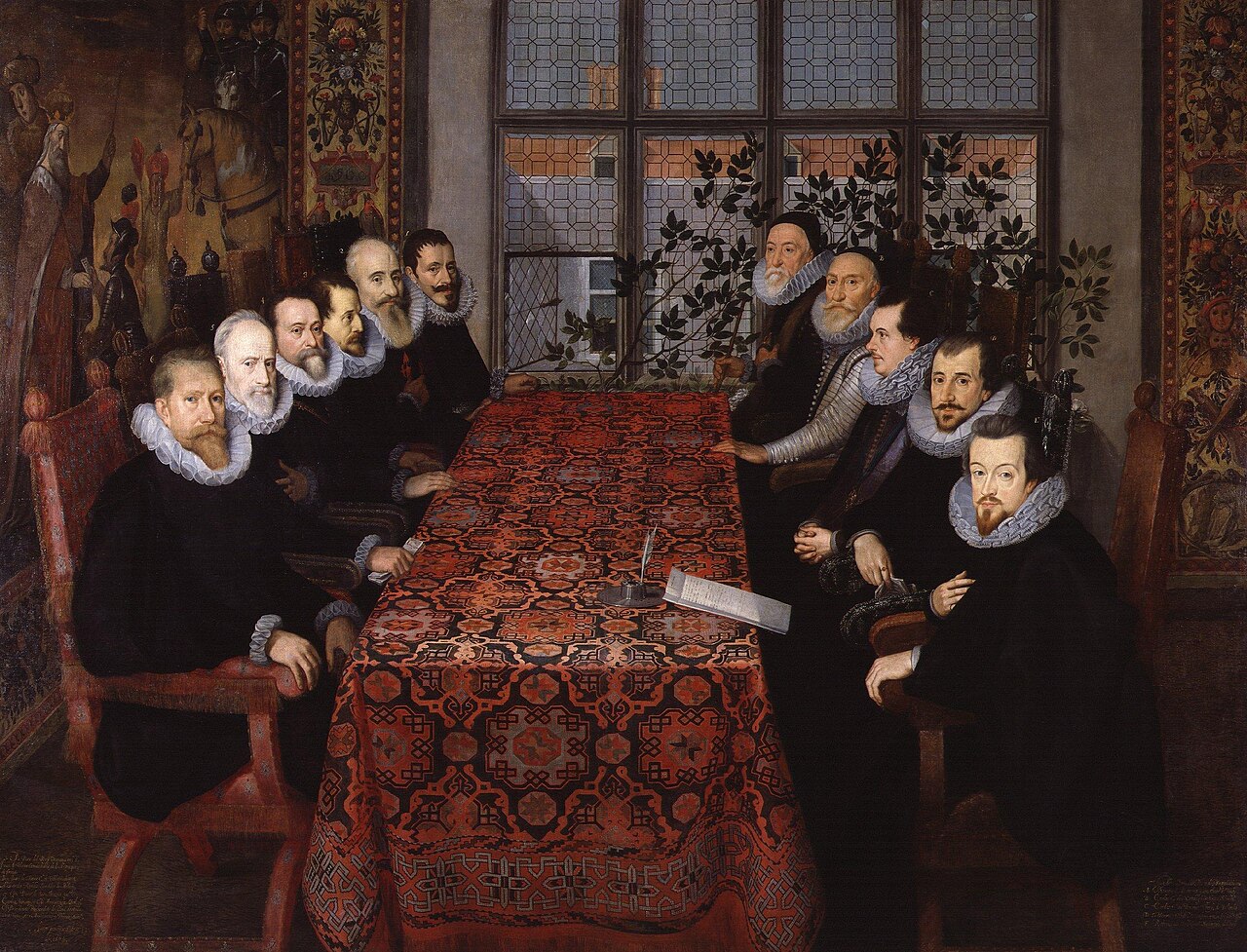 Document
Primary source
18 August 1604 (OS) / 28 August 1604 (NS)
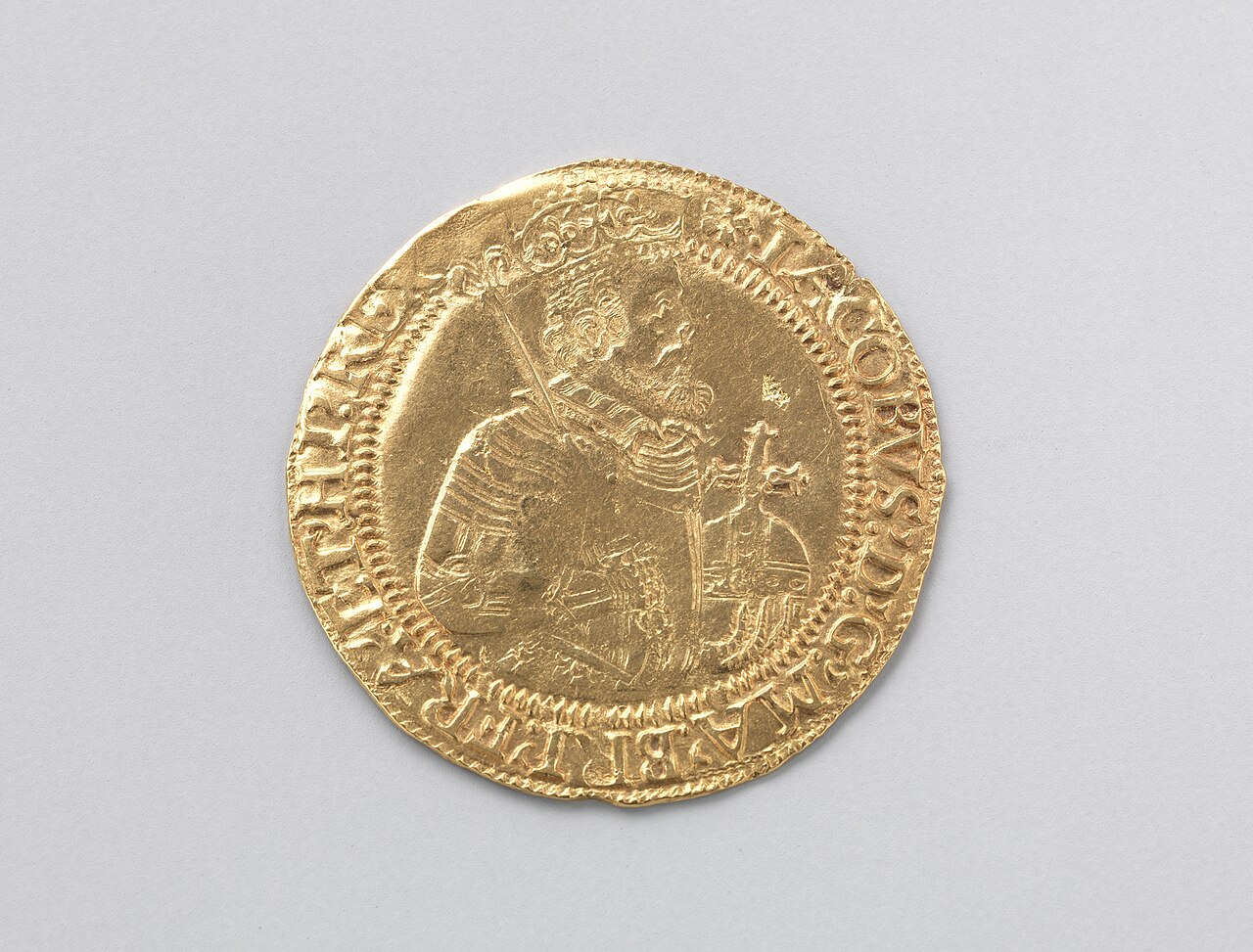 Artifact
Primary source
Royal Mint · 1604
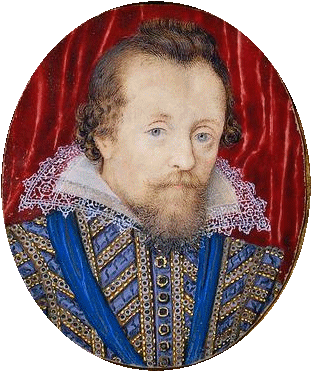 Artifact
Primary source
Nicholas Hilliard · 1610
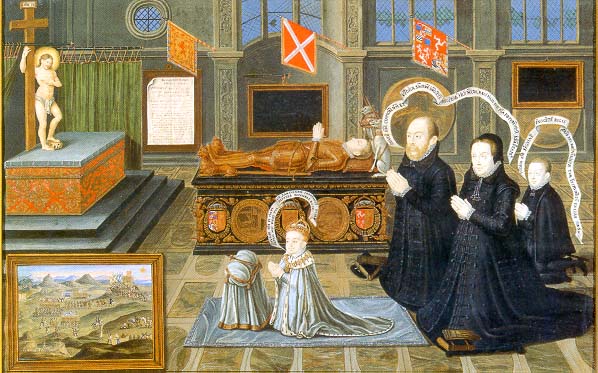 Painting
Primary source
Lieven de Vogeleer · 1567–1568
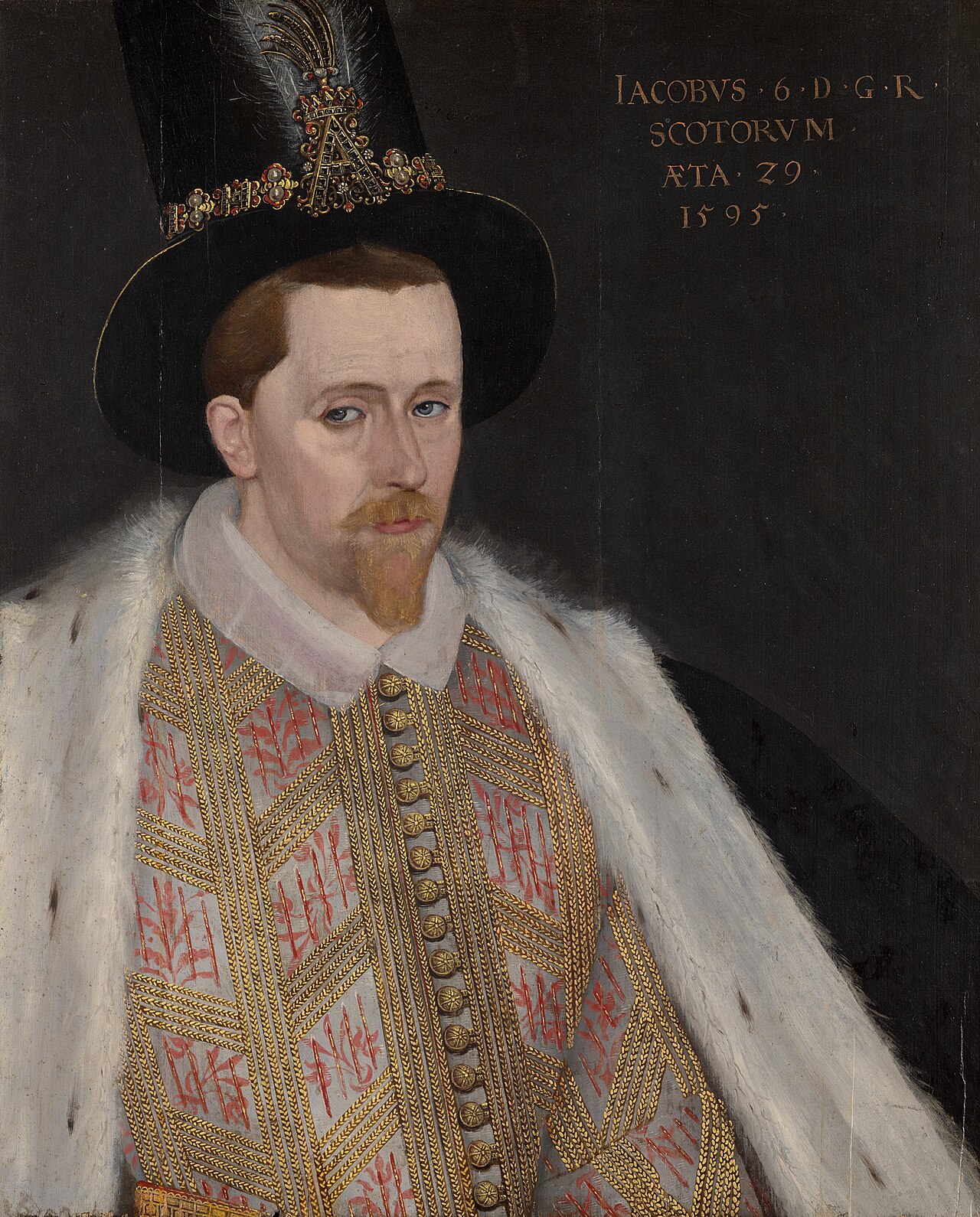 Painting
Primary source
Adrian Vanson · 1595
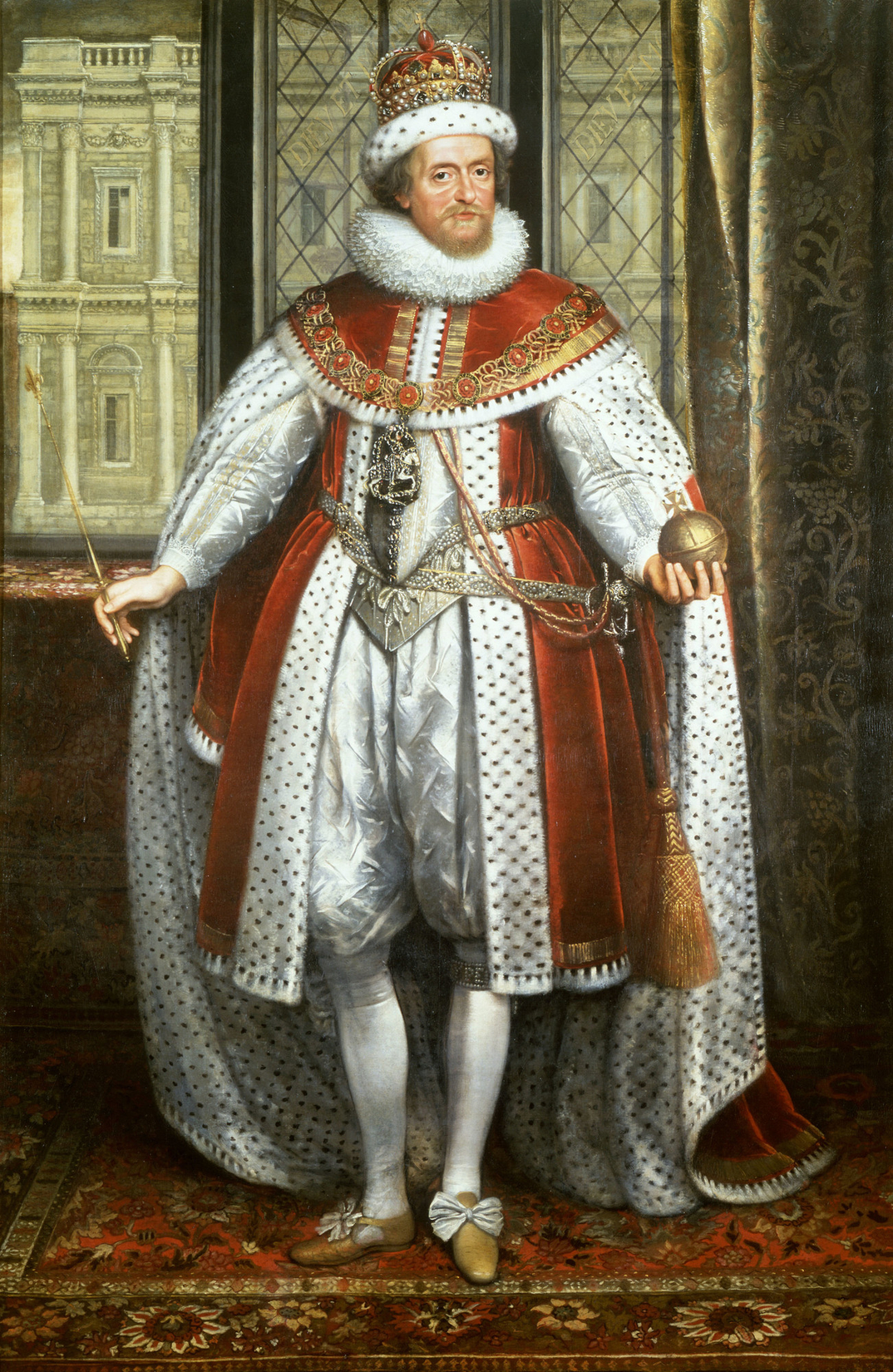 Painting
Primary source
Paul van Somer I · c. 1620
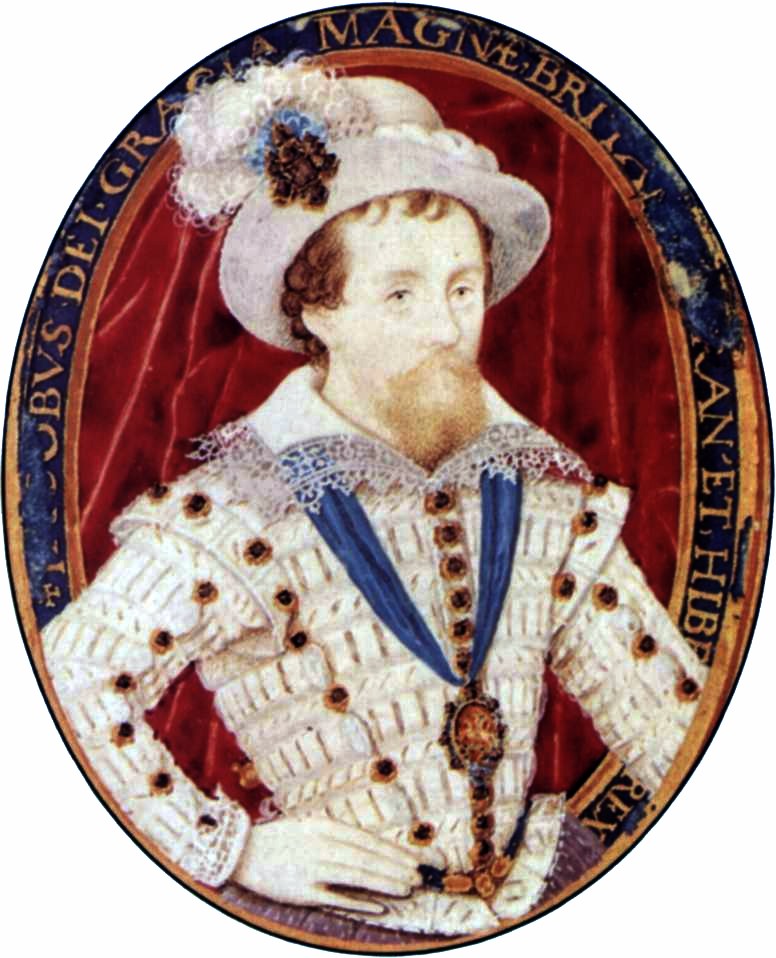 Painting
Primary source
Nicholas Hilliard · 1606
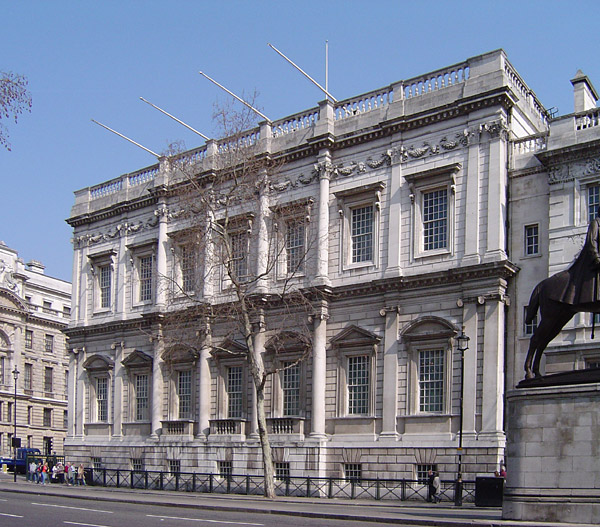 Artifact
Primary source
Inigo Jones · 1622 (building); ceiling paintings added 1630s
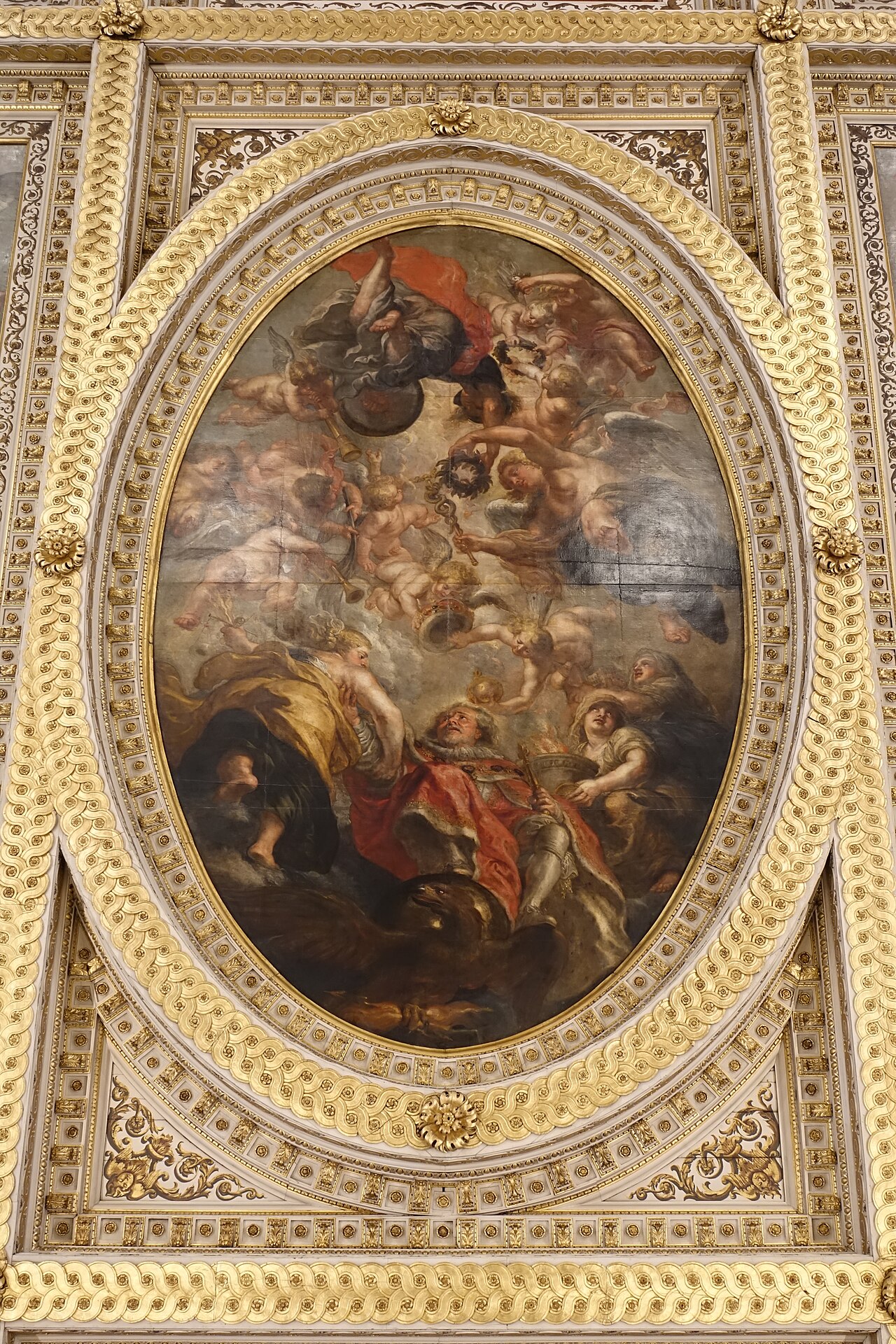 Painting
Secondary source
Peter Paul Rubens · c. 1630-1634
Primary source
William Shakespeare · c. 1606
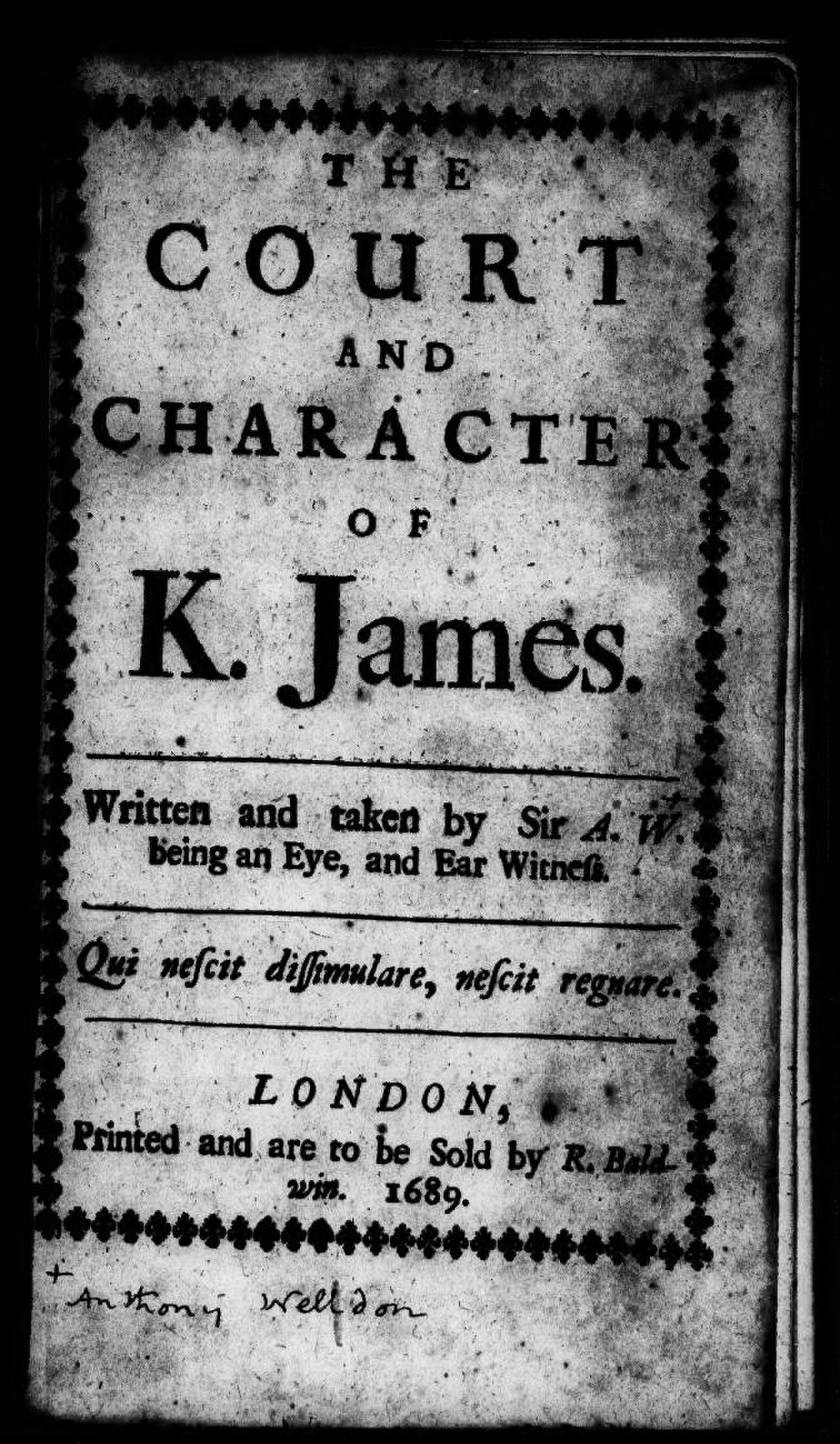 Book
Secondary source
Sir Anthony Weldon · 1650
 Book
Primary source
James VI · 1591
 Book
Primary source
James VI and I · 1607–1609
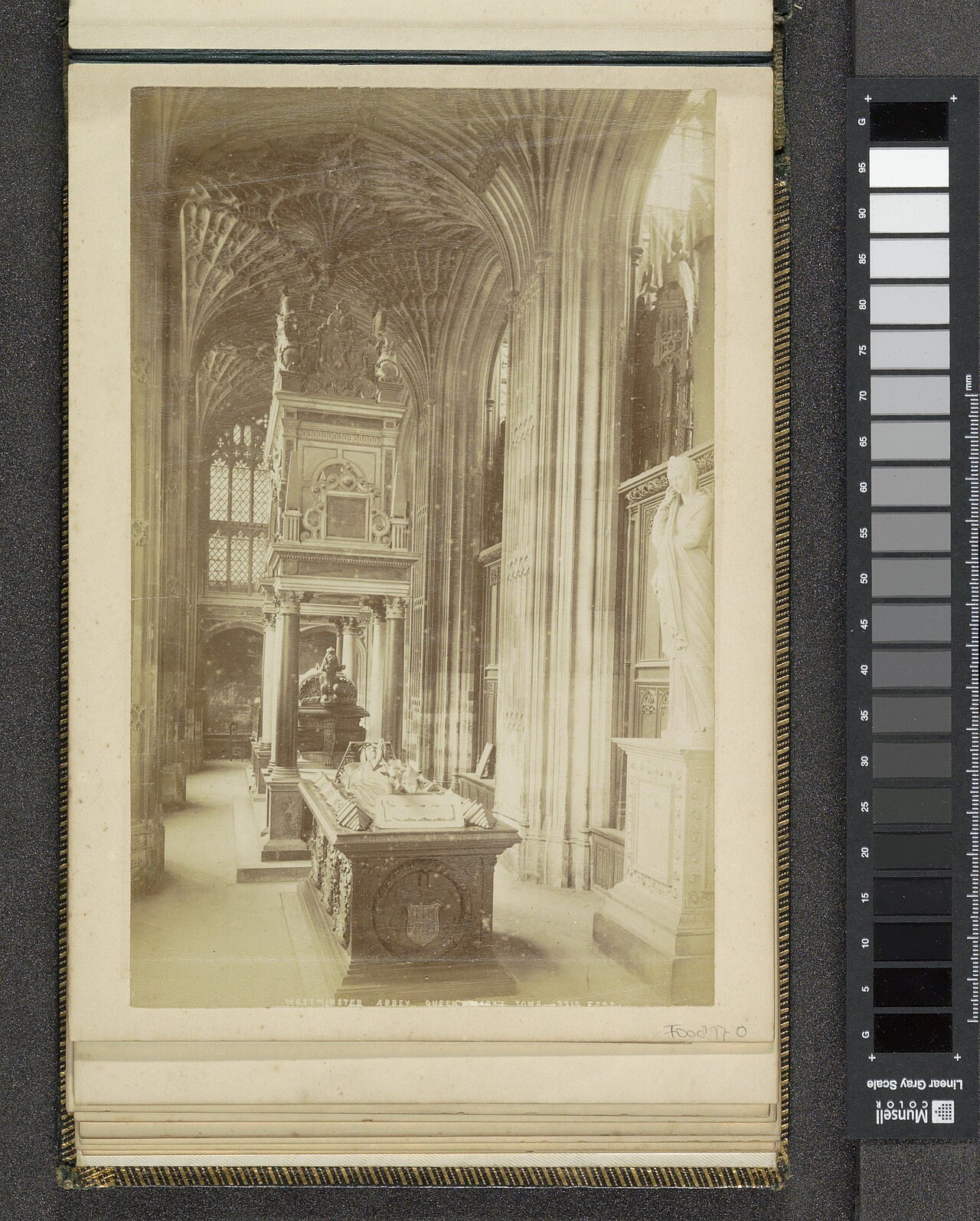 Sculpture
Secondary source
Cornelius Cure and William Cure II · 1607–1612
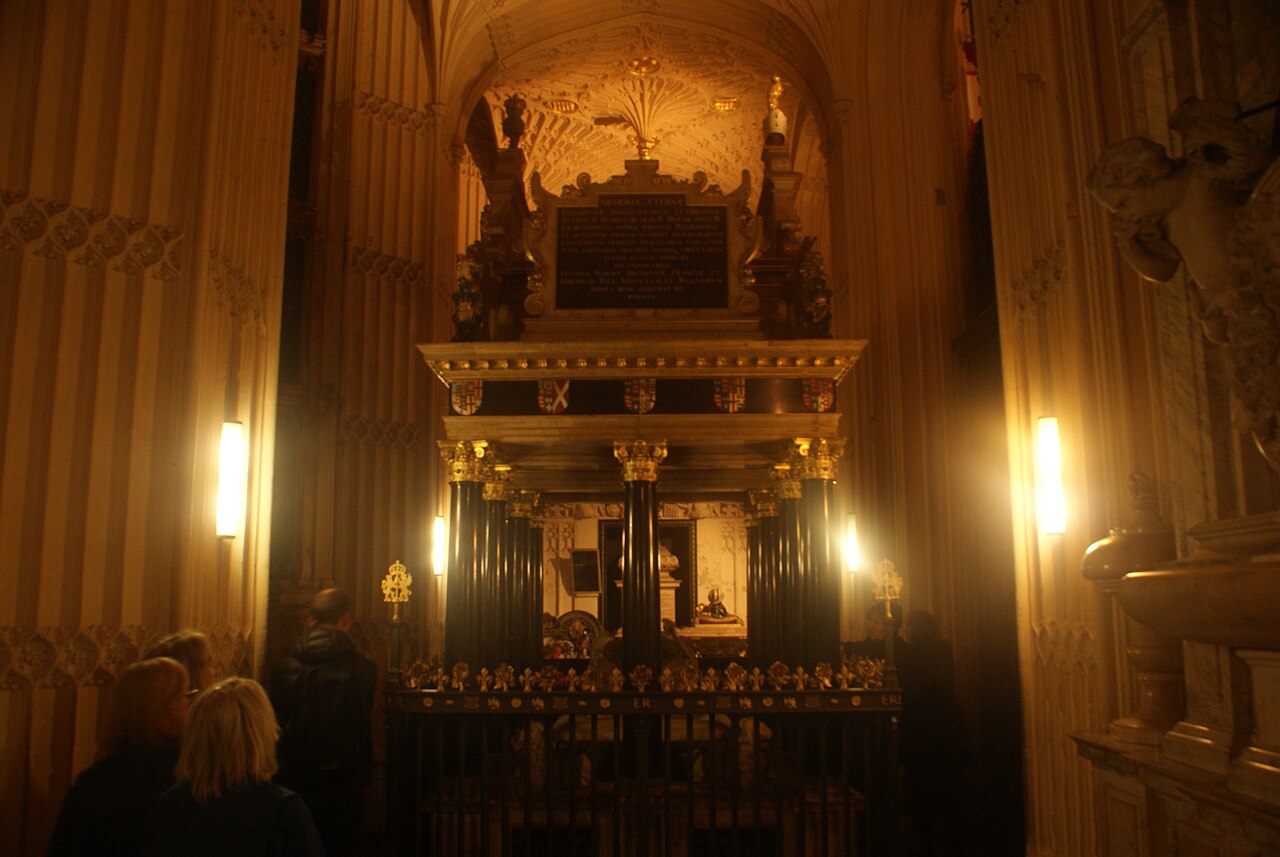 Artifact
Primary source
Maximilian Colt · 1605-1606
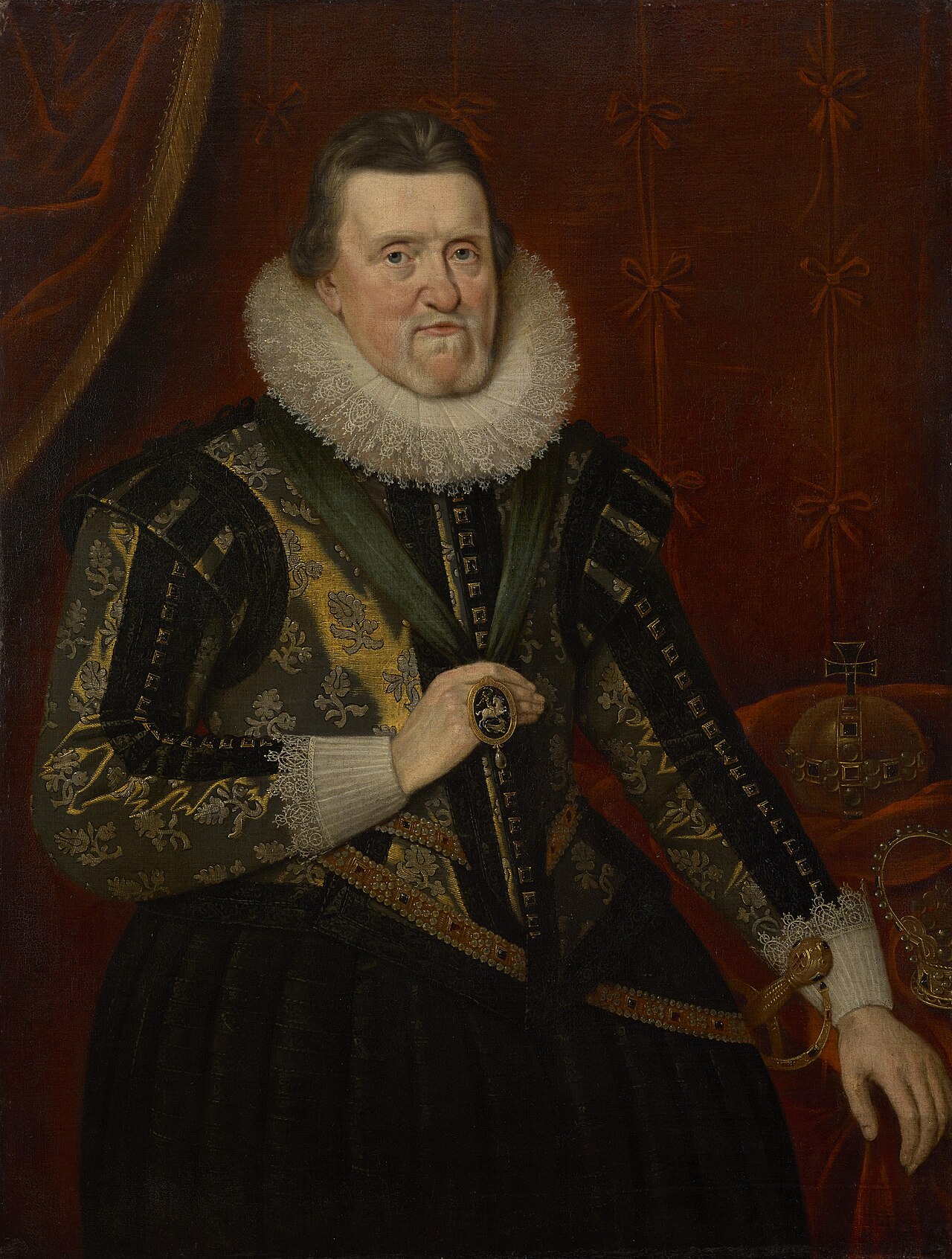 Painting
Primary source
Adam de Colone · 1620
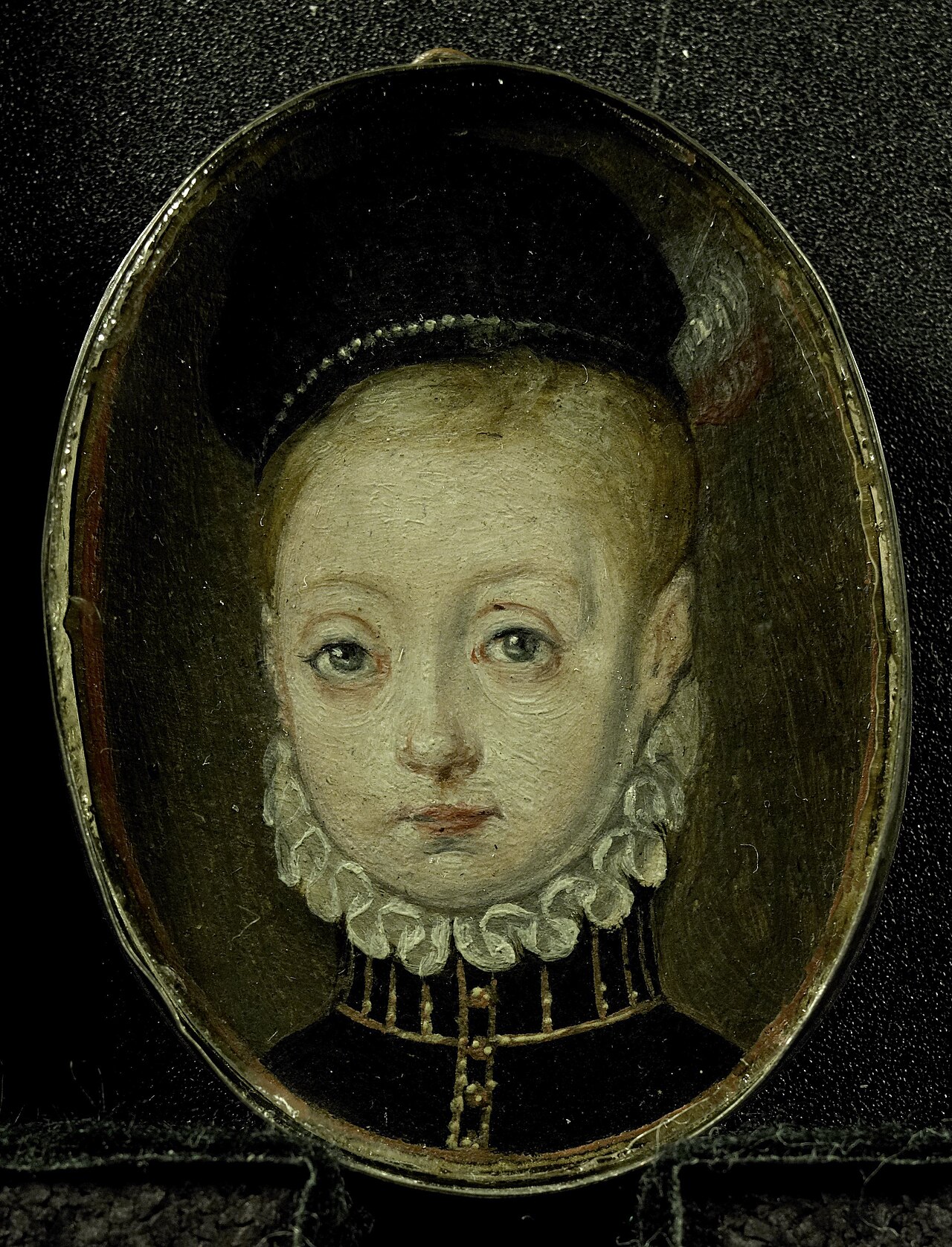 Painting
Primary source
Arnold Bronckorst · 1586
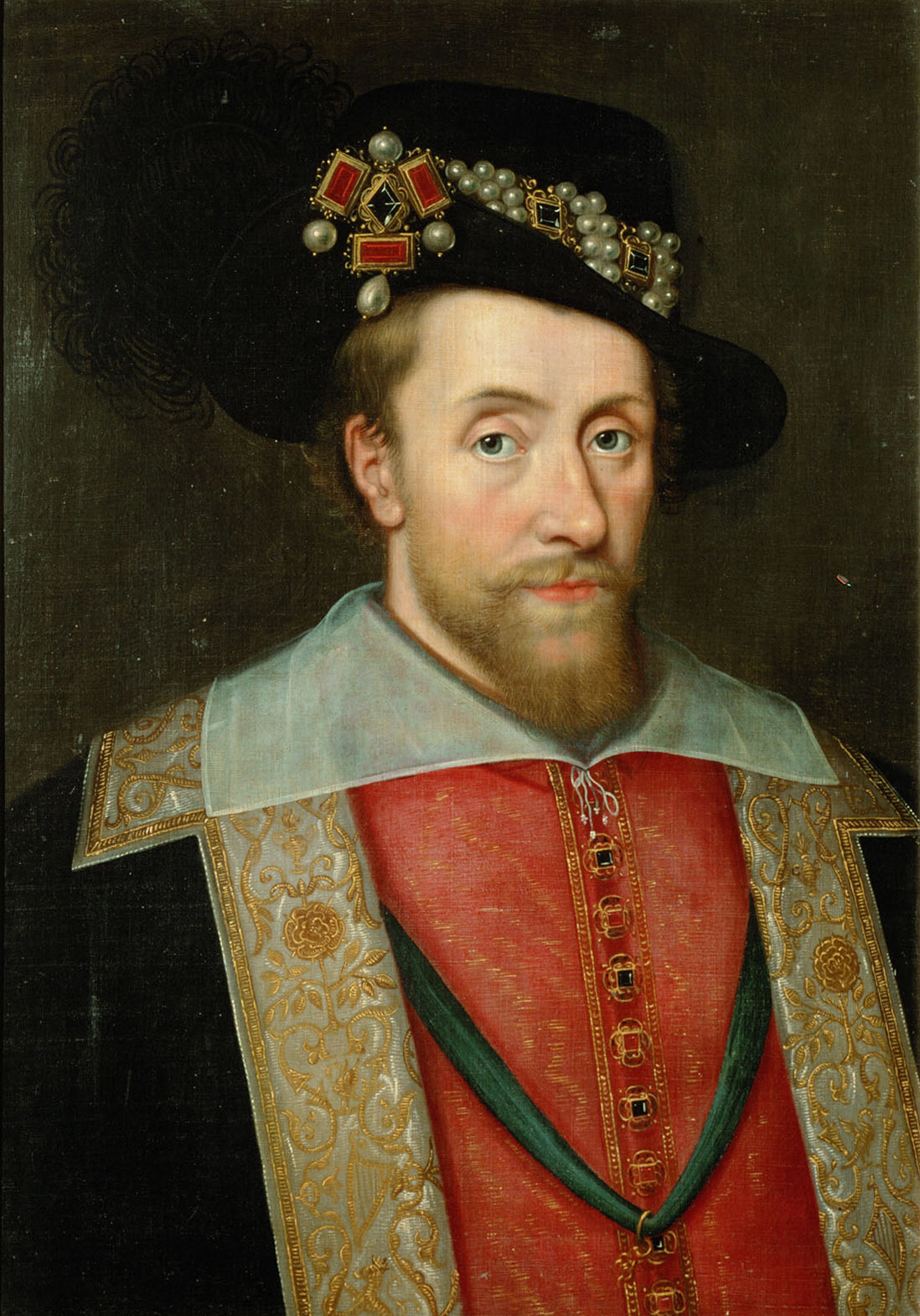 Painting
Primary source
1600
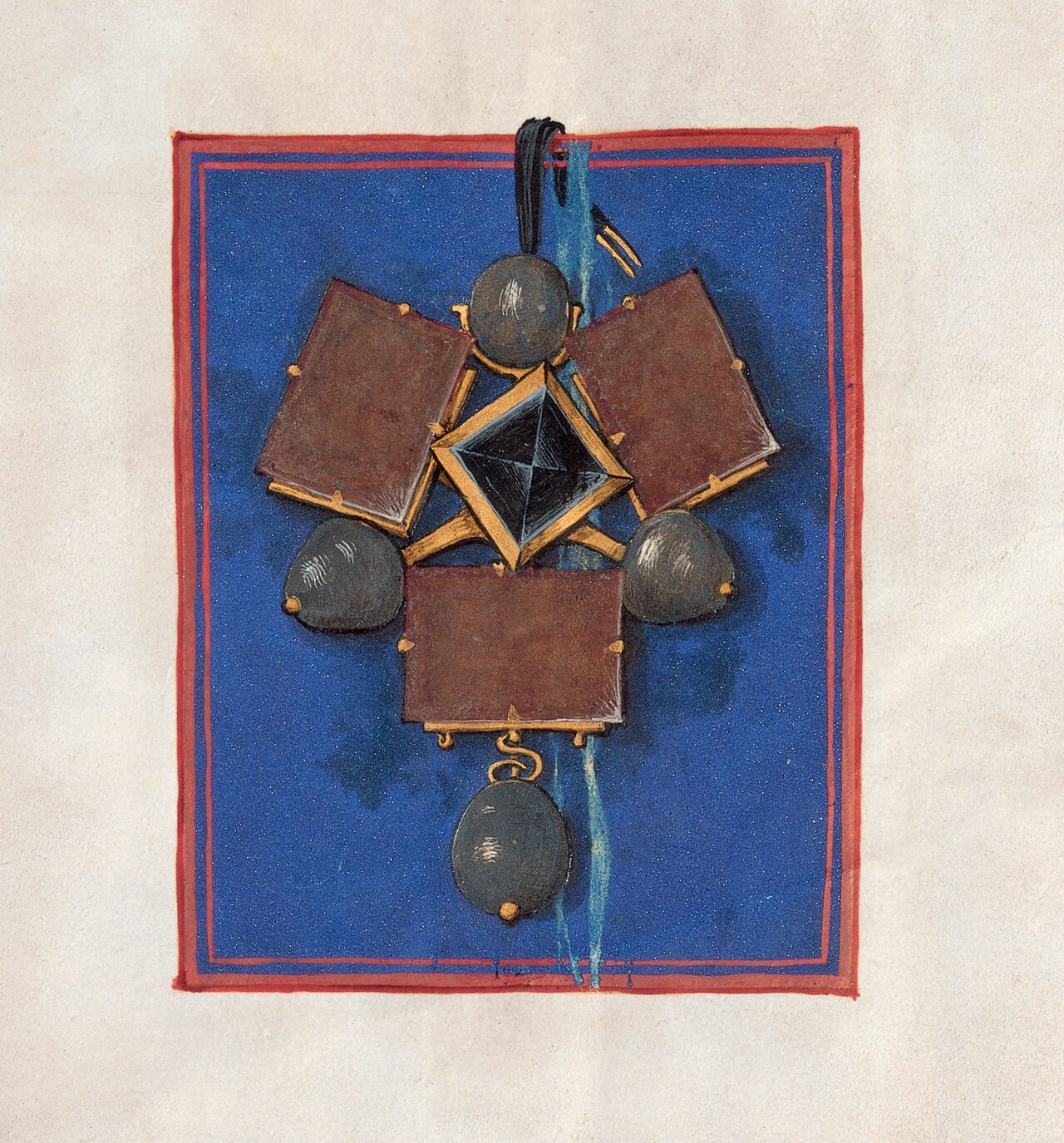 Artifact
Secondary source
Herman Ruissel · late 14th century; made 1389
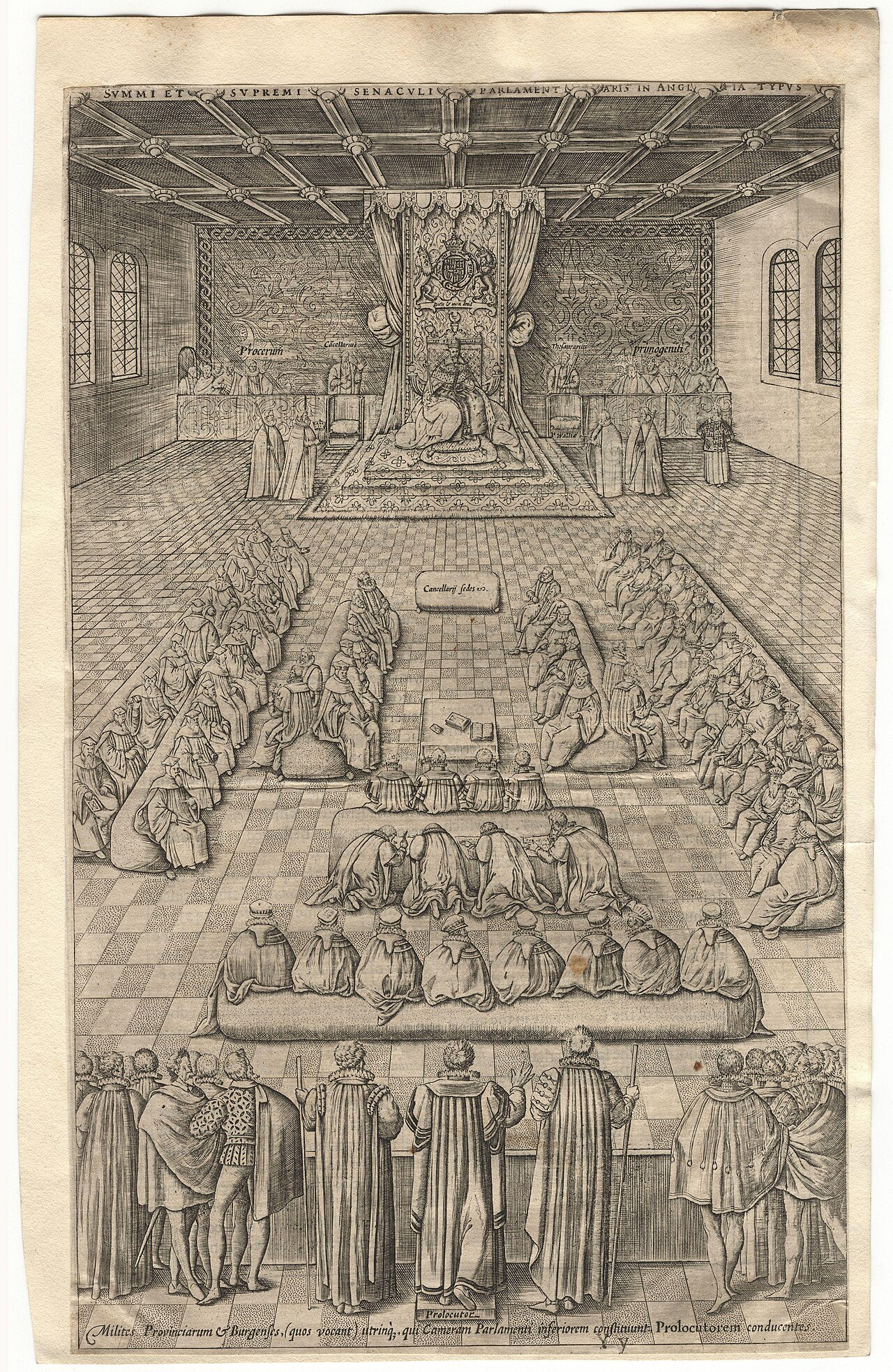 Artifact
Primary source
Renold Elstrack · 1608
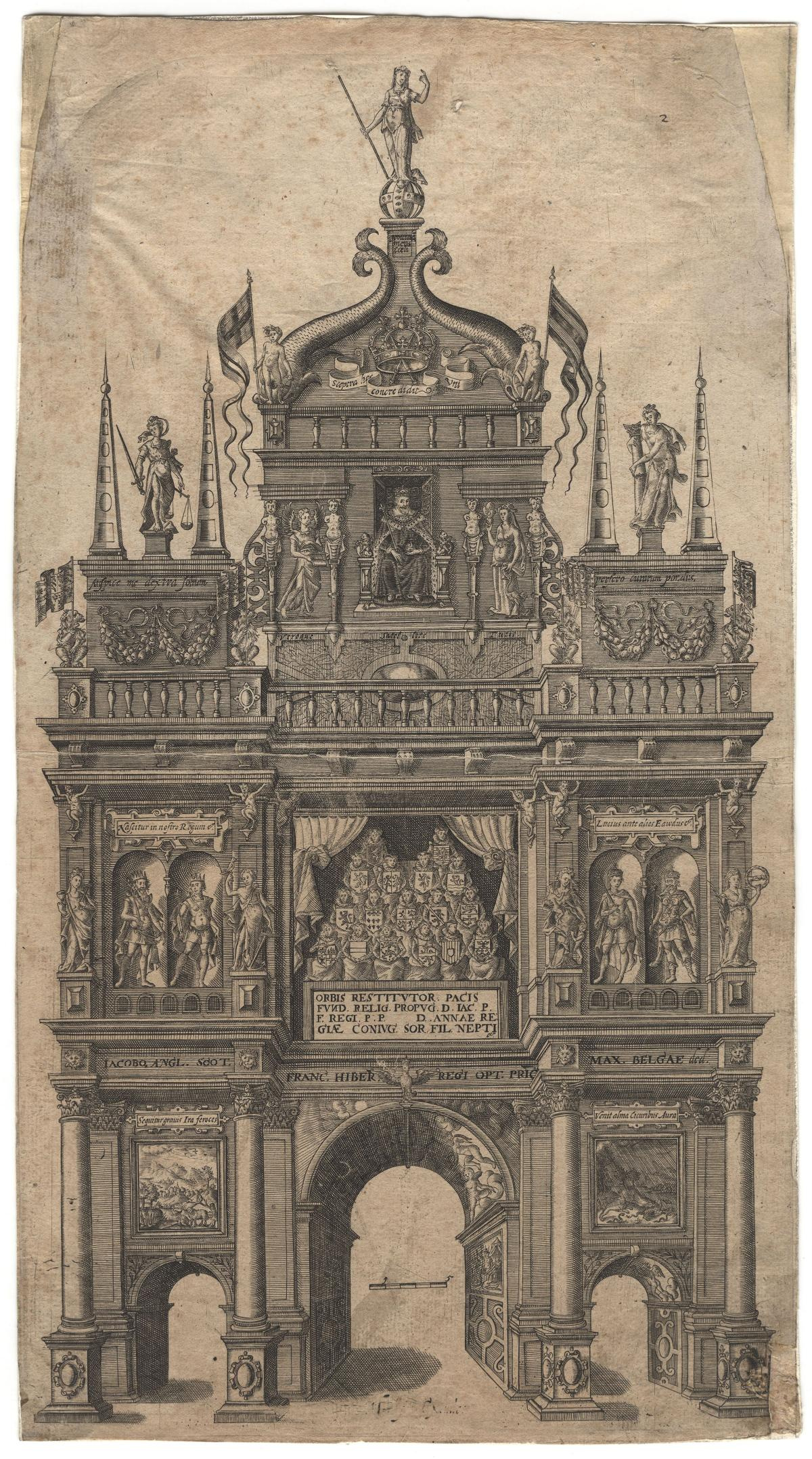 Artifact
Primary source
William Kip · 1604
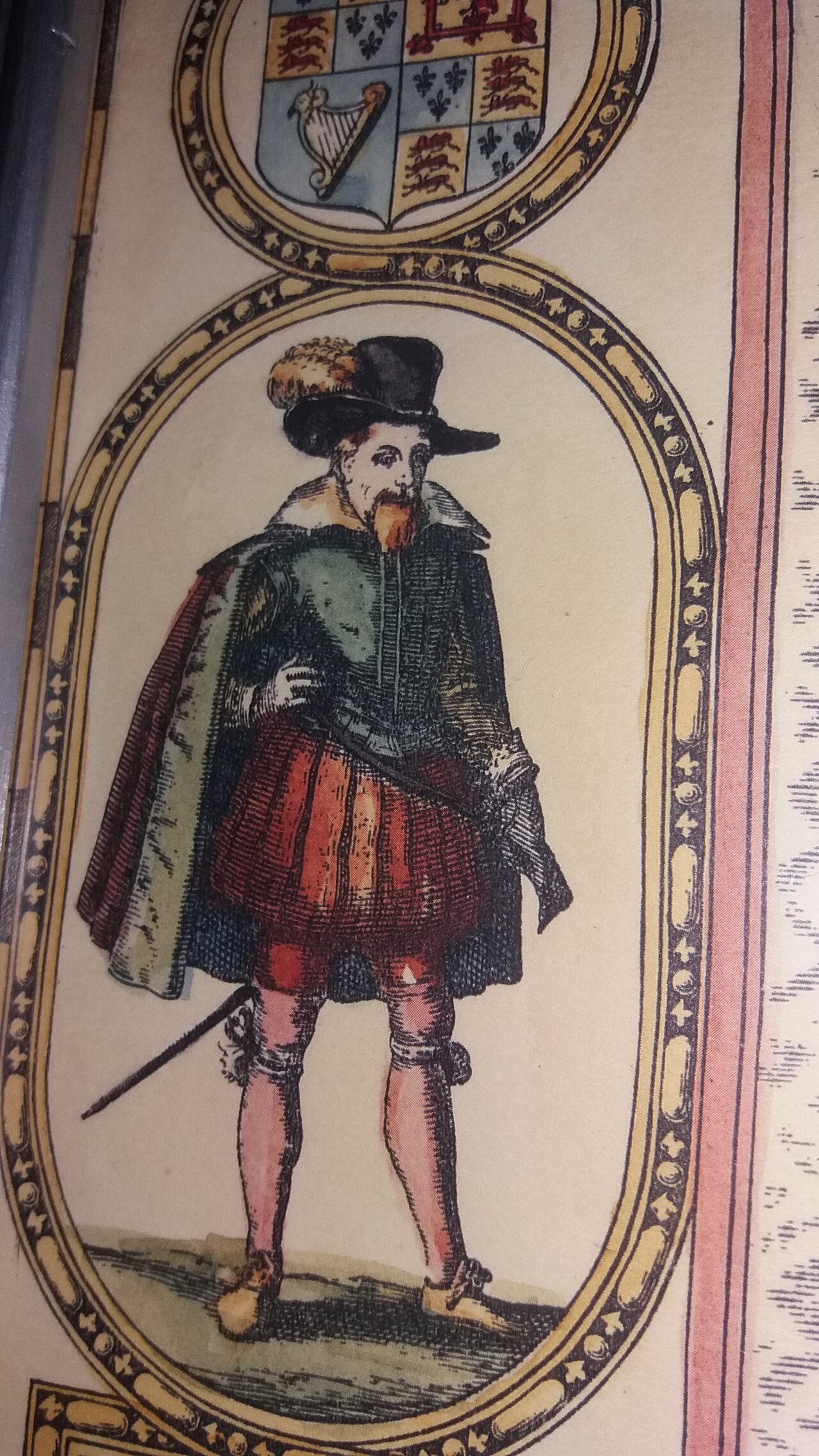 Document
Primary source
John Speed · 1610
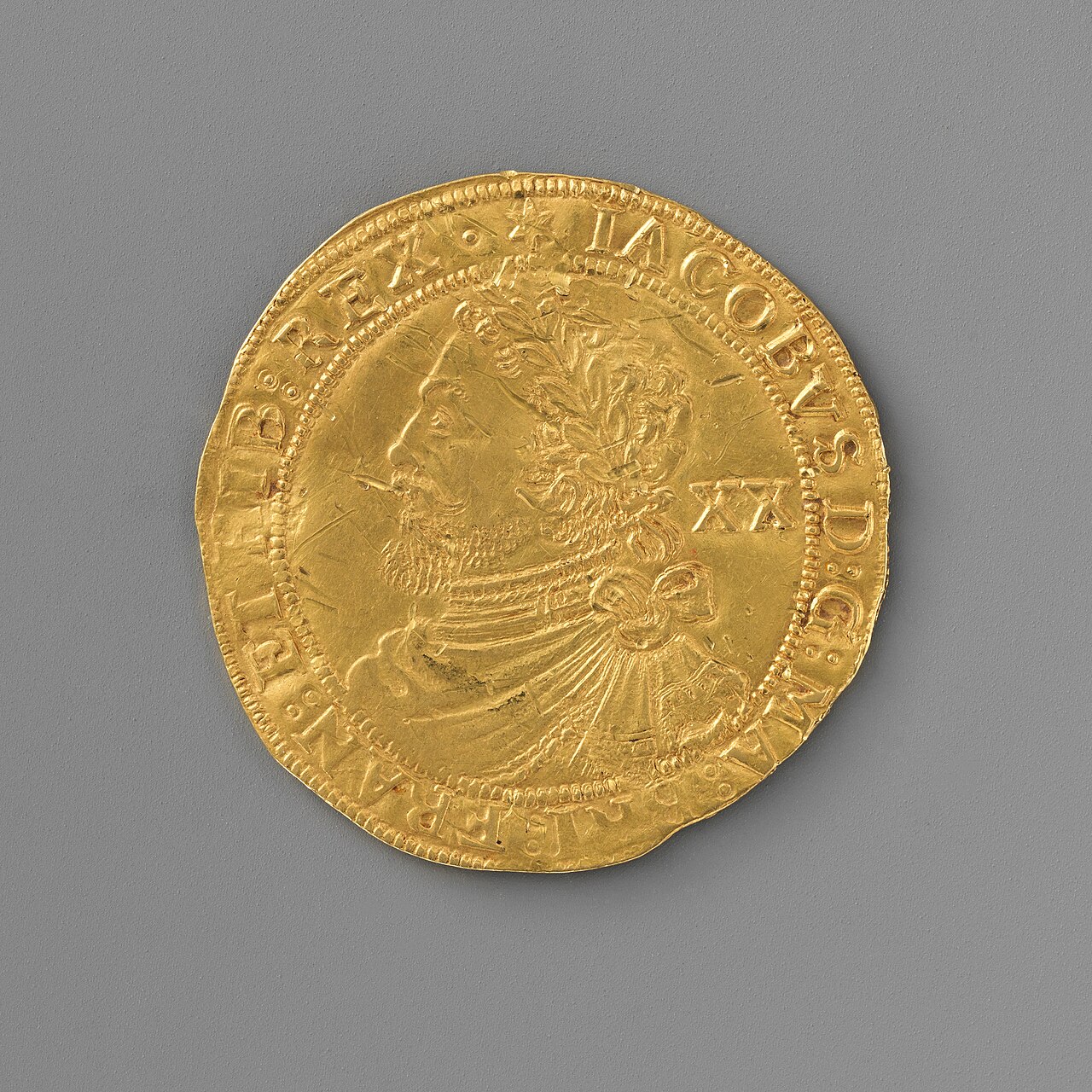 Artifact
Primary source
1619-1625
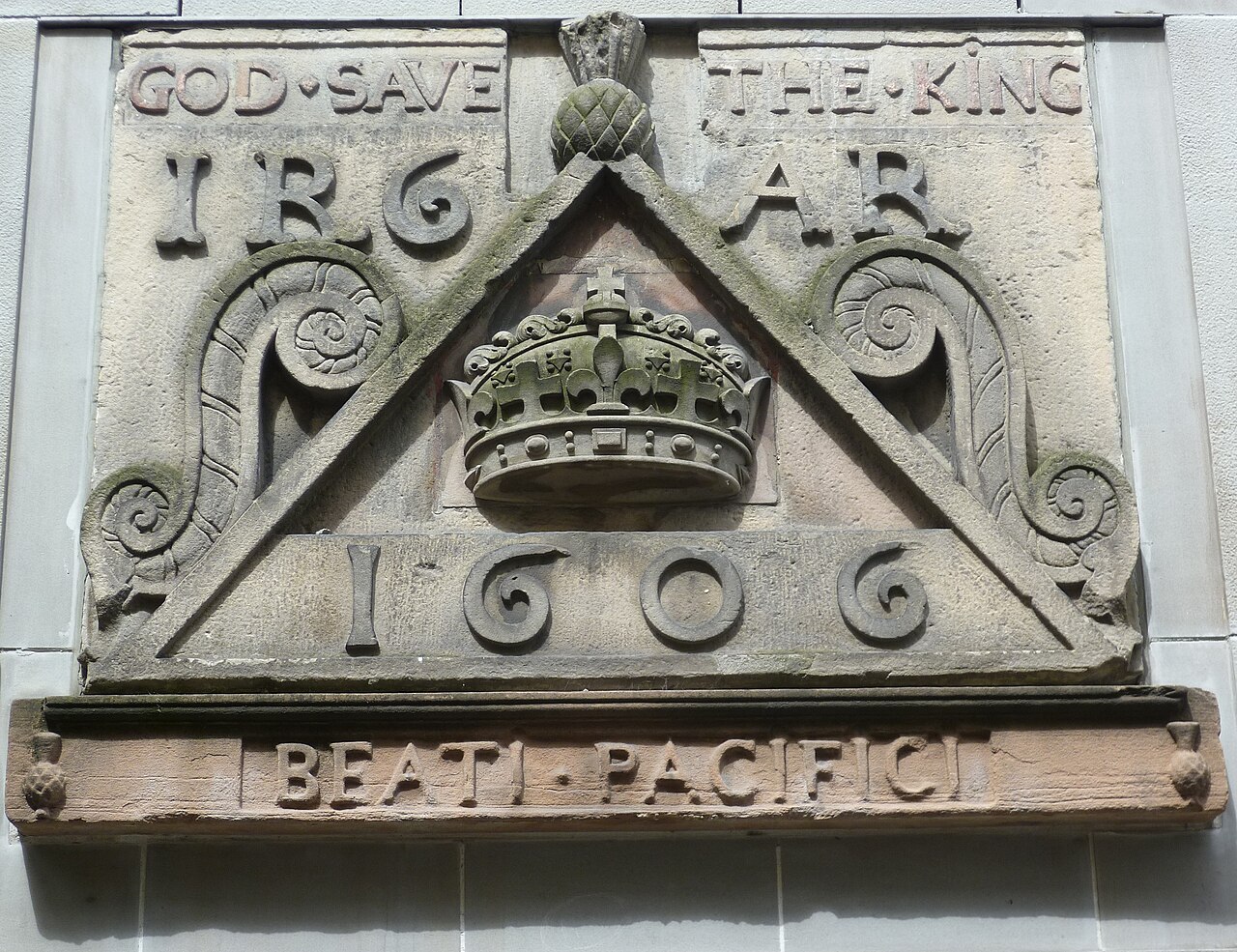 Artifact
Primary source
1606
PaintingSecondary source
1604
Primary source
1620
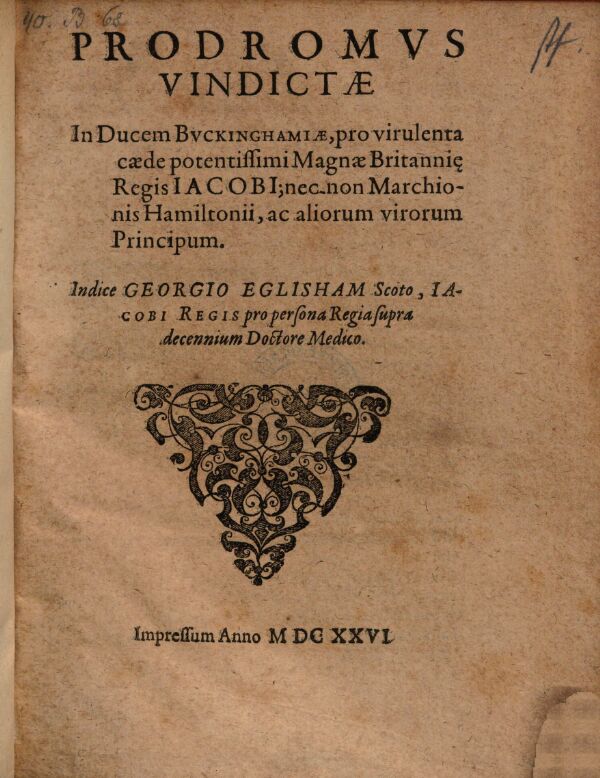 Book
Primary source
George Eglisham · 1626
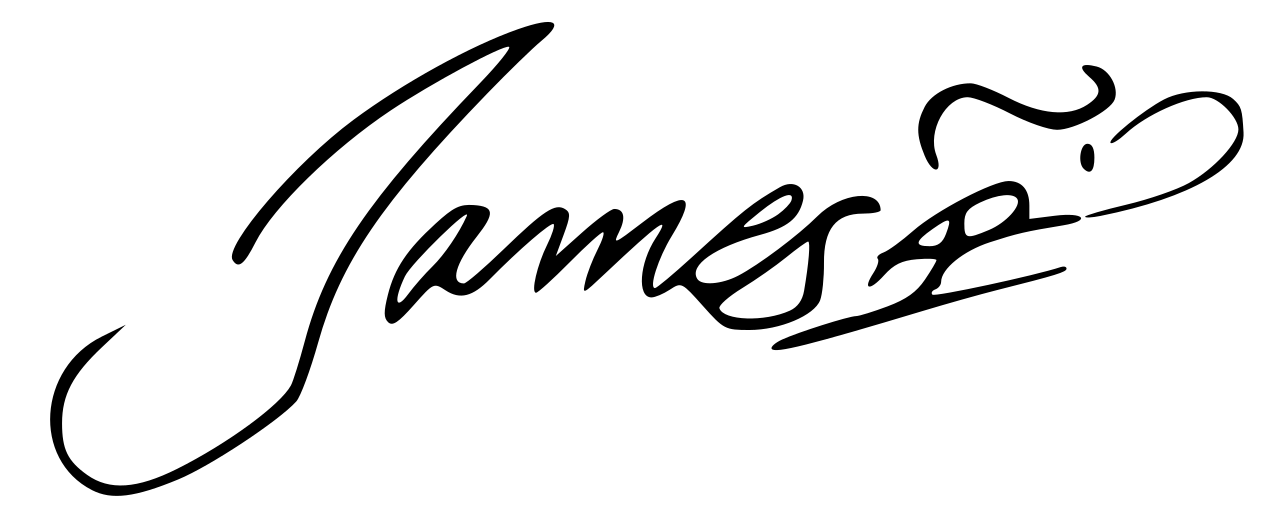 Document
Secondary source
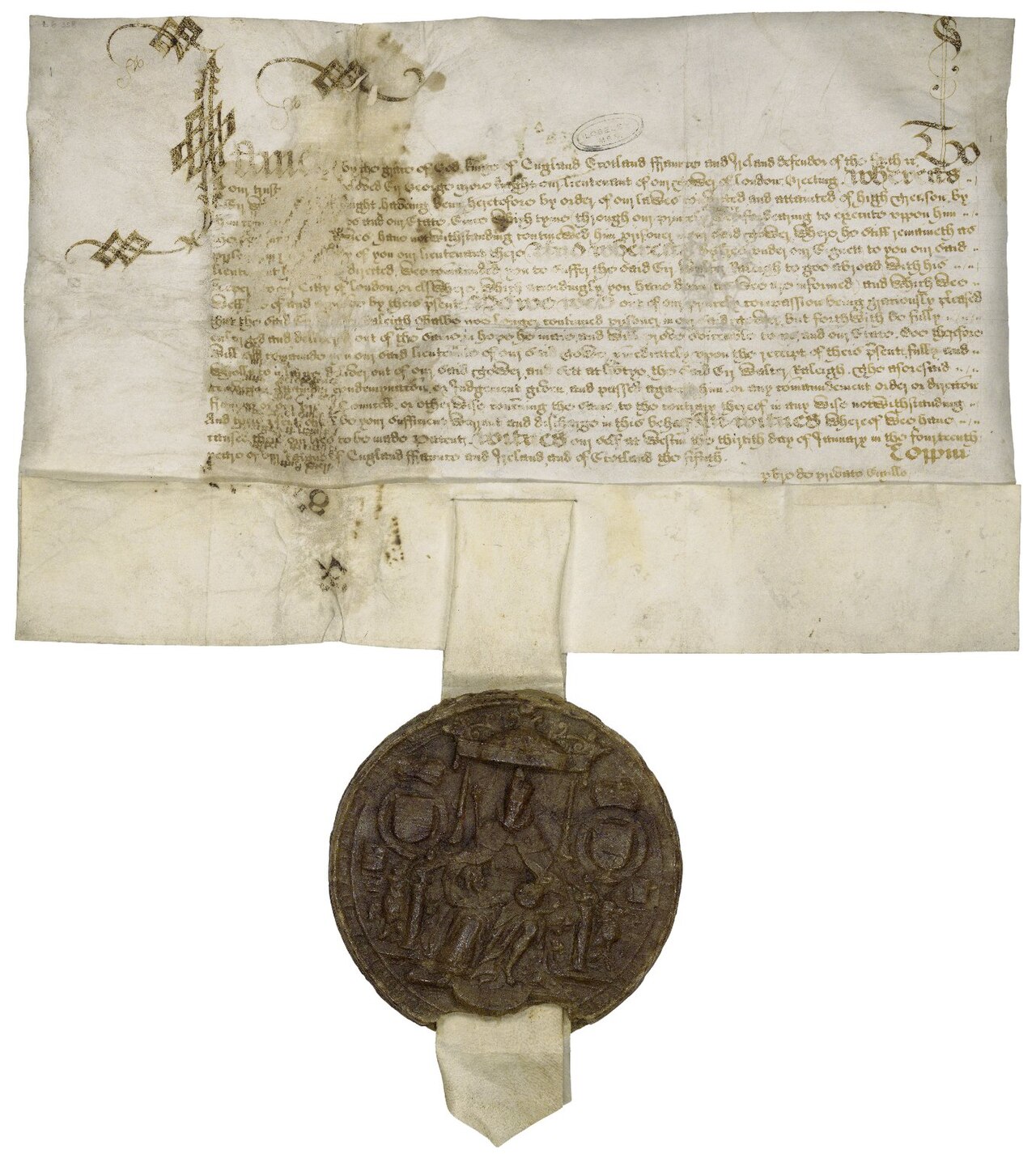 Document
Primary source
James I of England and VI of Scotland · 1617
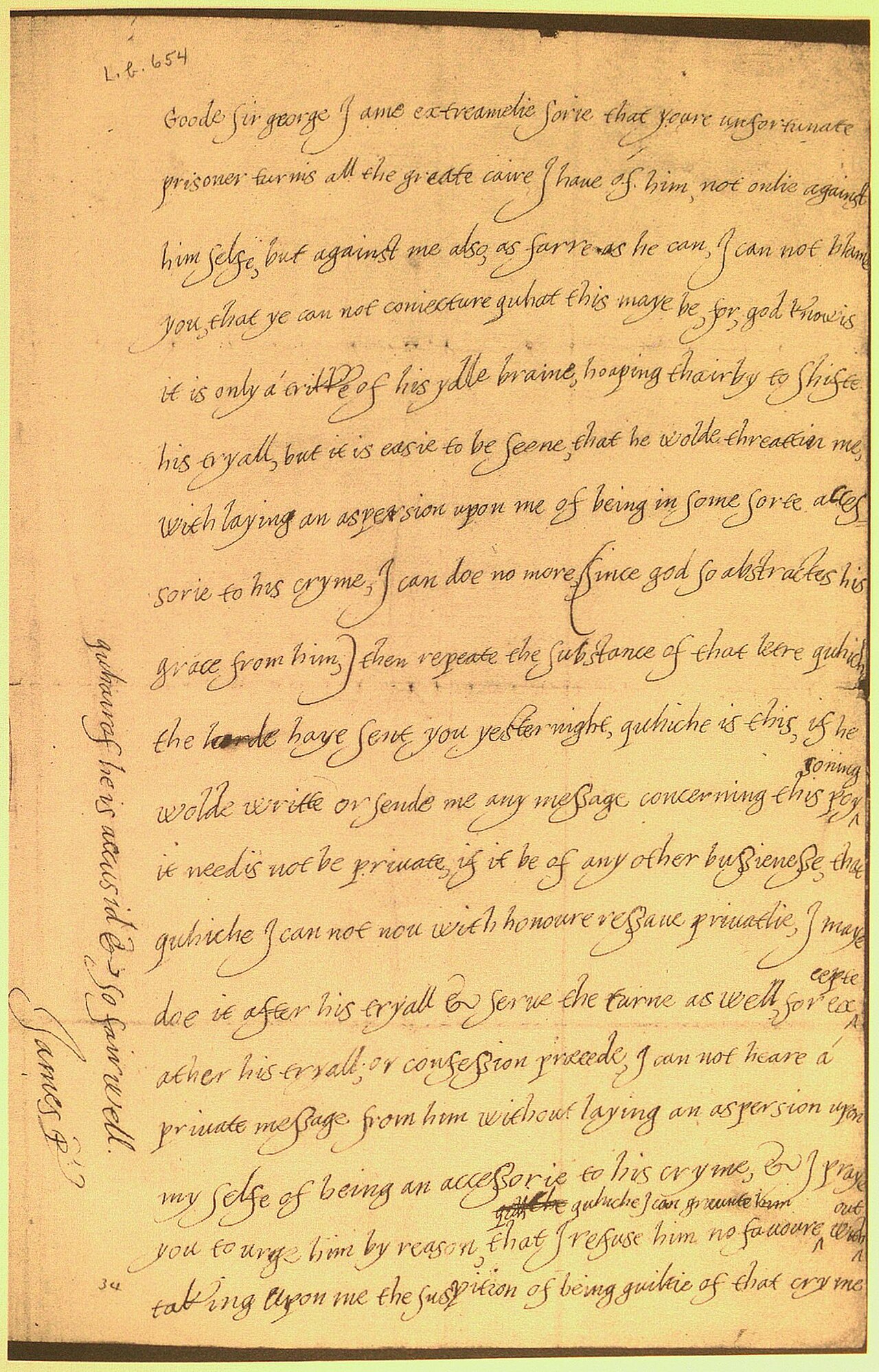 Letter
Primary source
James VI and I · May 1616
 Book
Secondary source
T. F. Henderson · 1904
Primary source
James VI and I · 1 July 1605
Primary source
James VI and I · 1621
Primary source
James VI and I · 1621
 Book
Secondary source
Allan Ferguson Westcott · 15 January 1911
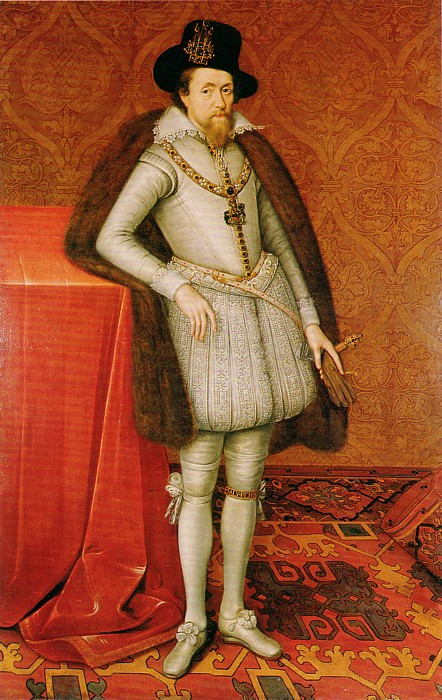 Painting
Primary source
John de Critz · c. 1606
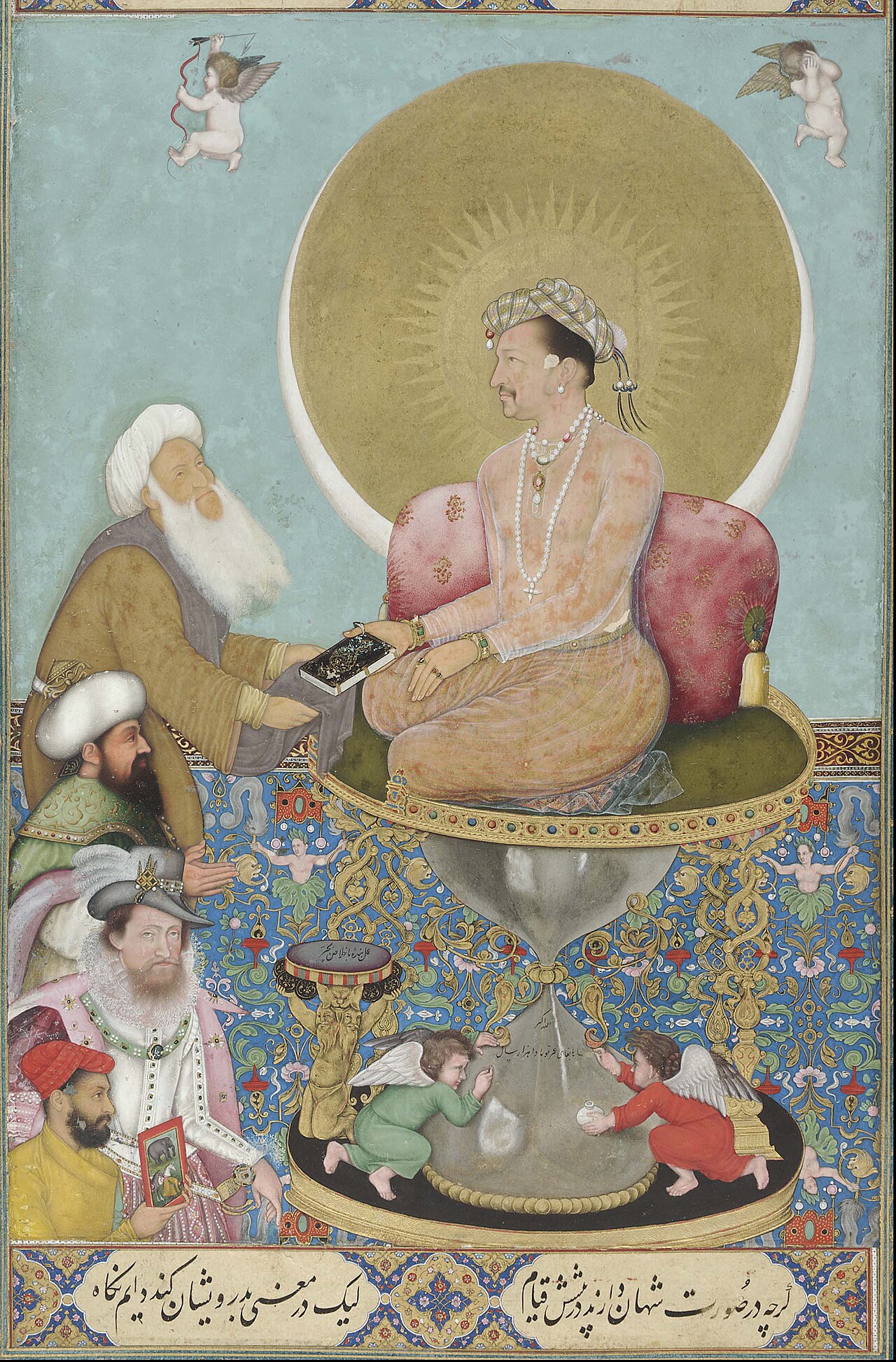 Painting
Primary source
Bichitr · c. 1615-1620
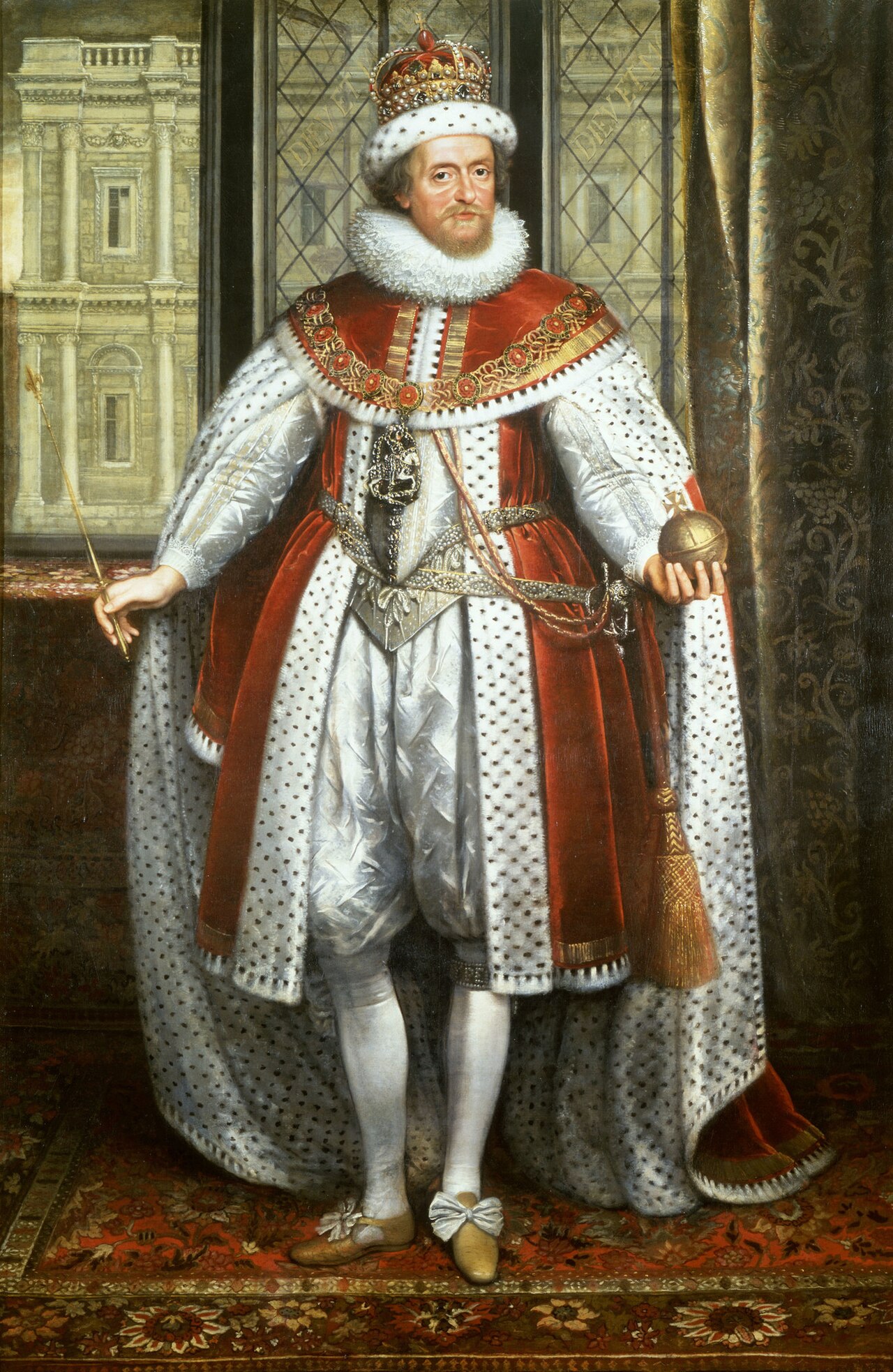 Painting
Primary source
Paul van Somer I · 1620
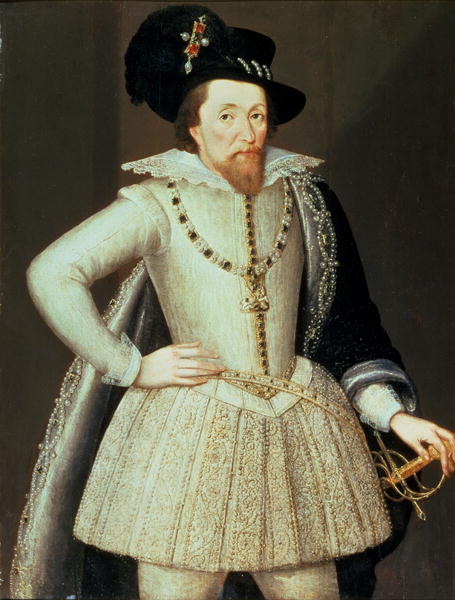 Painting
Primary source
John de Critz · between 1566 and 1625
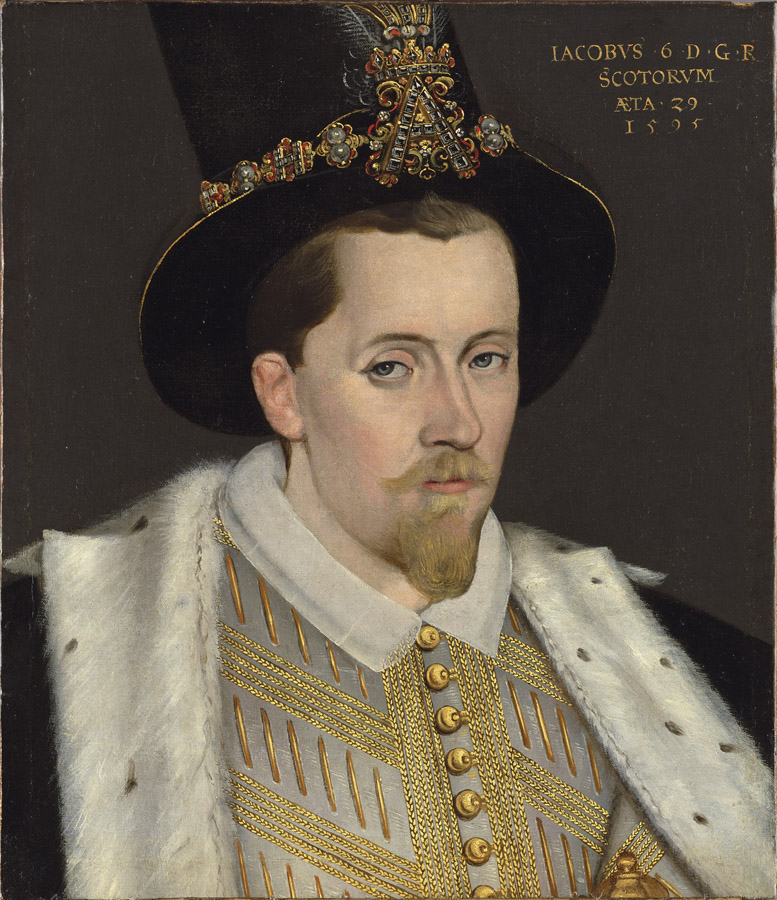 Painting
Primary source
Adrian Vanson · 1595
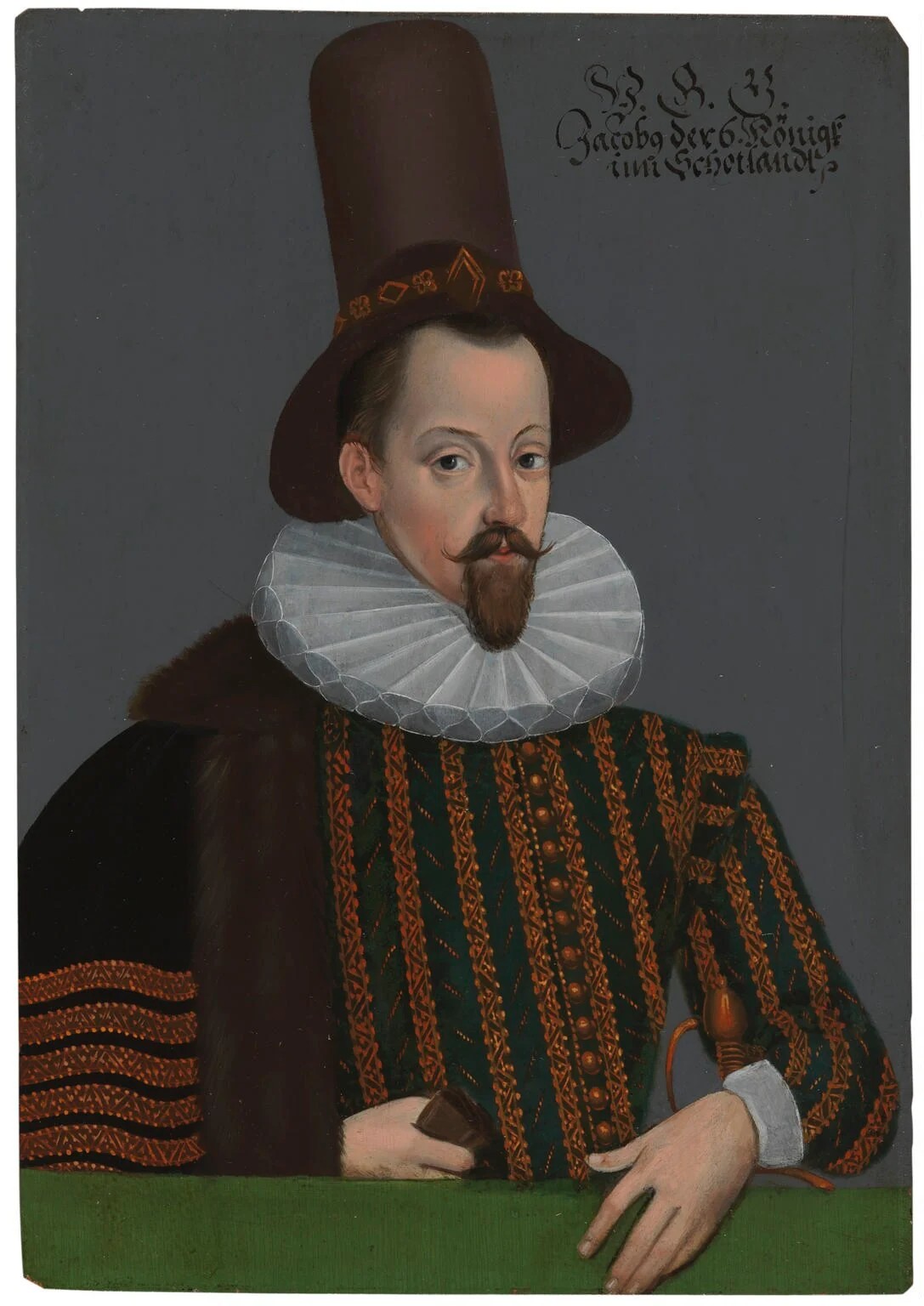 Painting
Primary source
Unknown · 1590
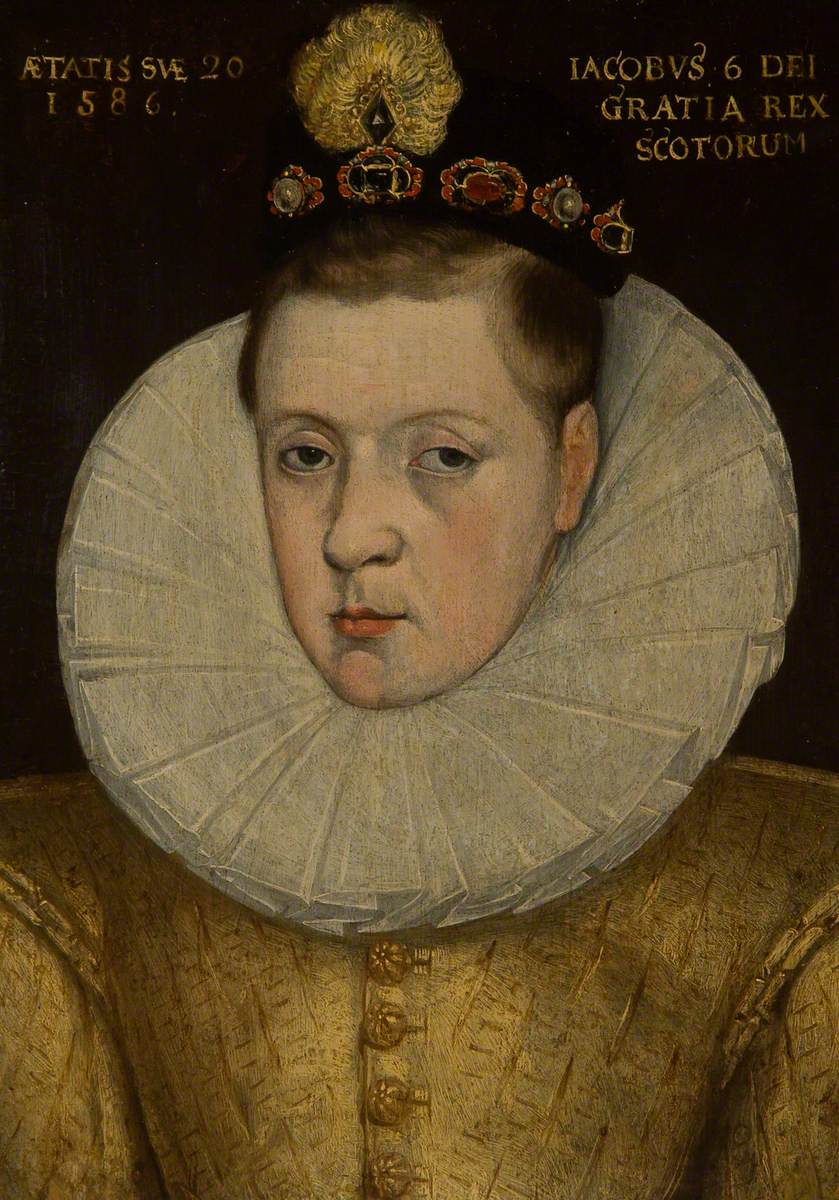 Painting
Primary source
Unknown artist of the Scottish school · 1586
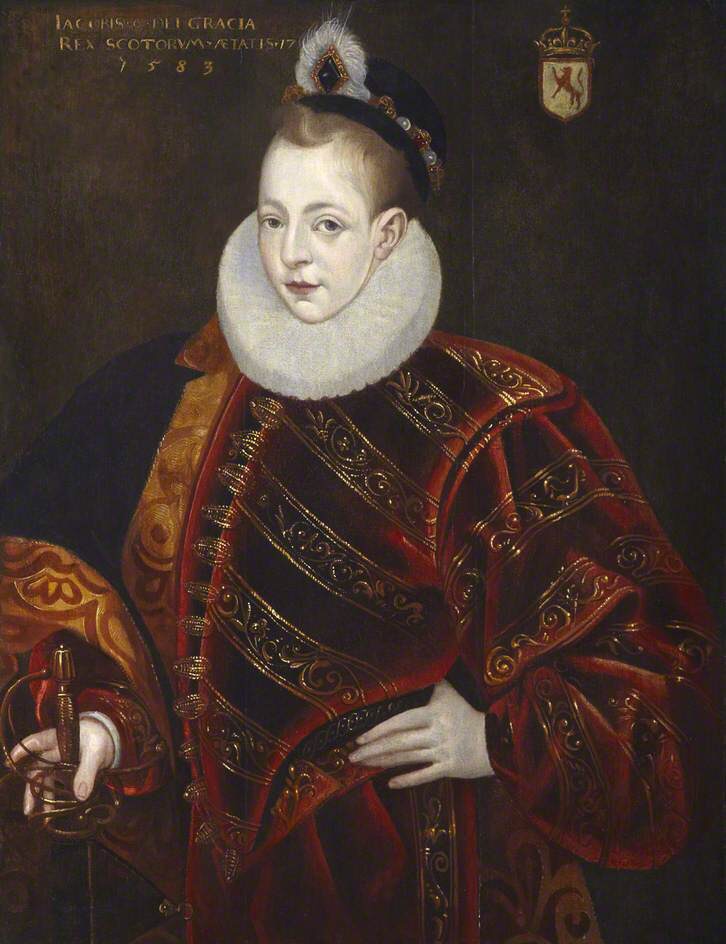 Painting
Primary source
Possibly Adrian Vanson or Arnold Bronckorst · c. 1580
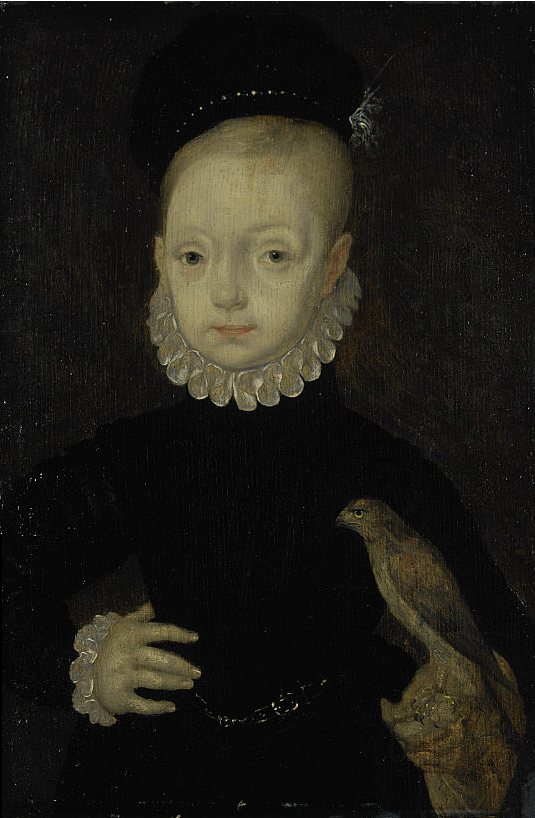 Painting
Primary source
Arnold Bronckorst · c. 1574
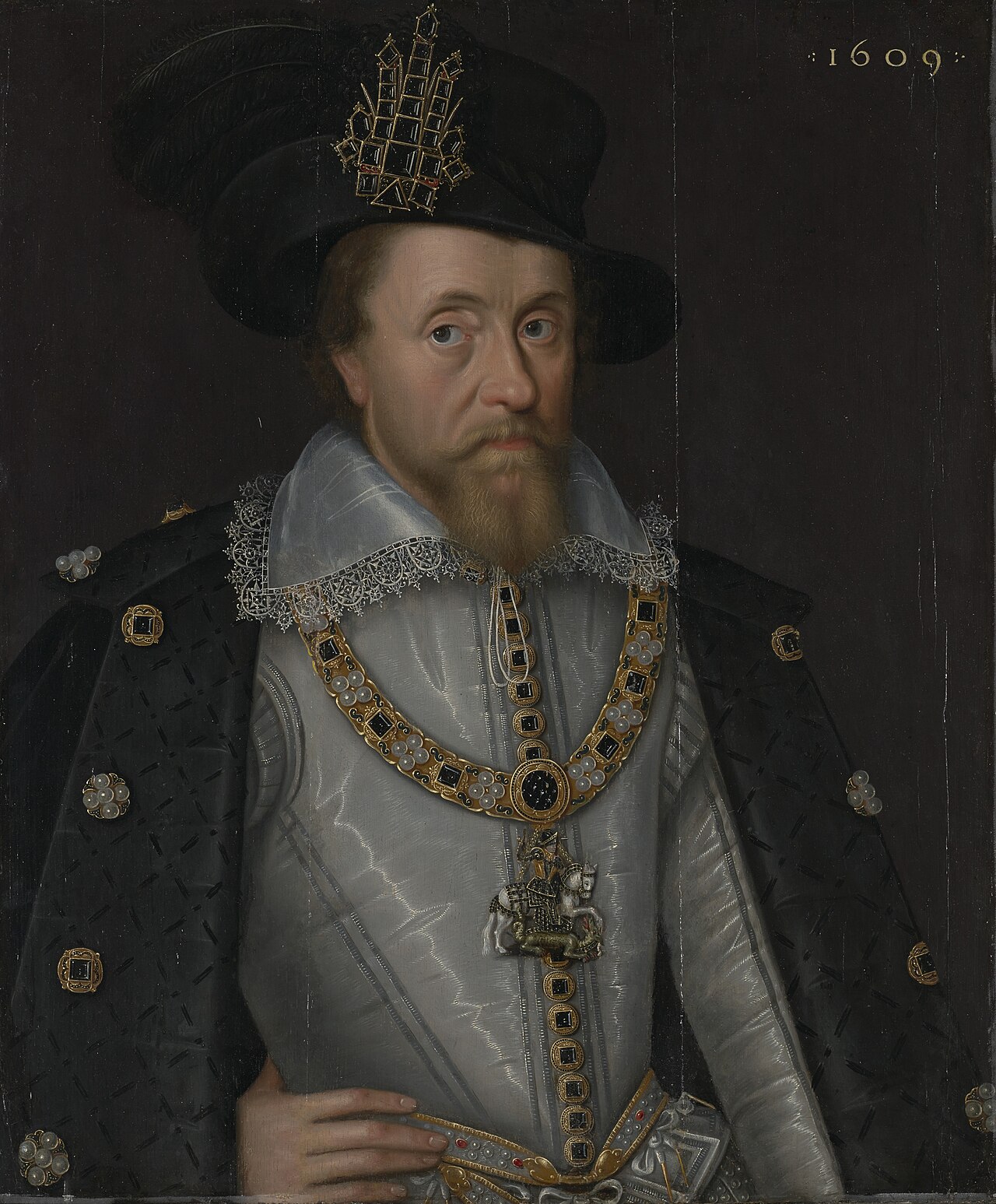 Painting
Primary source
John de Critz · 1609
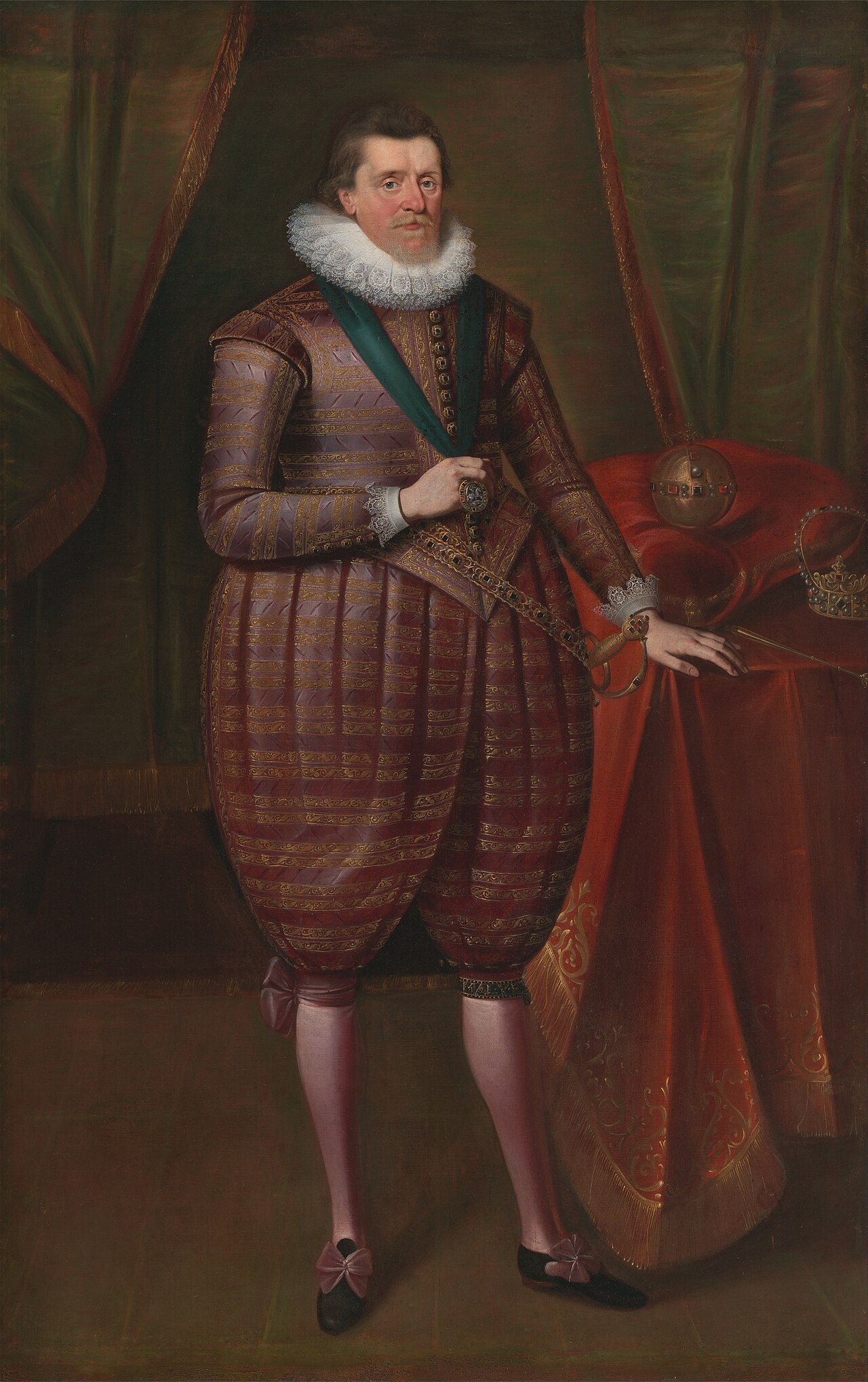 Painting
Primary source
Paul van Somer I · c. 1618
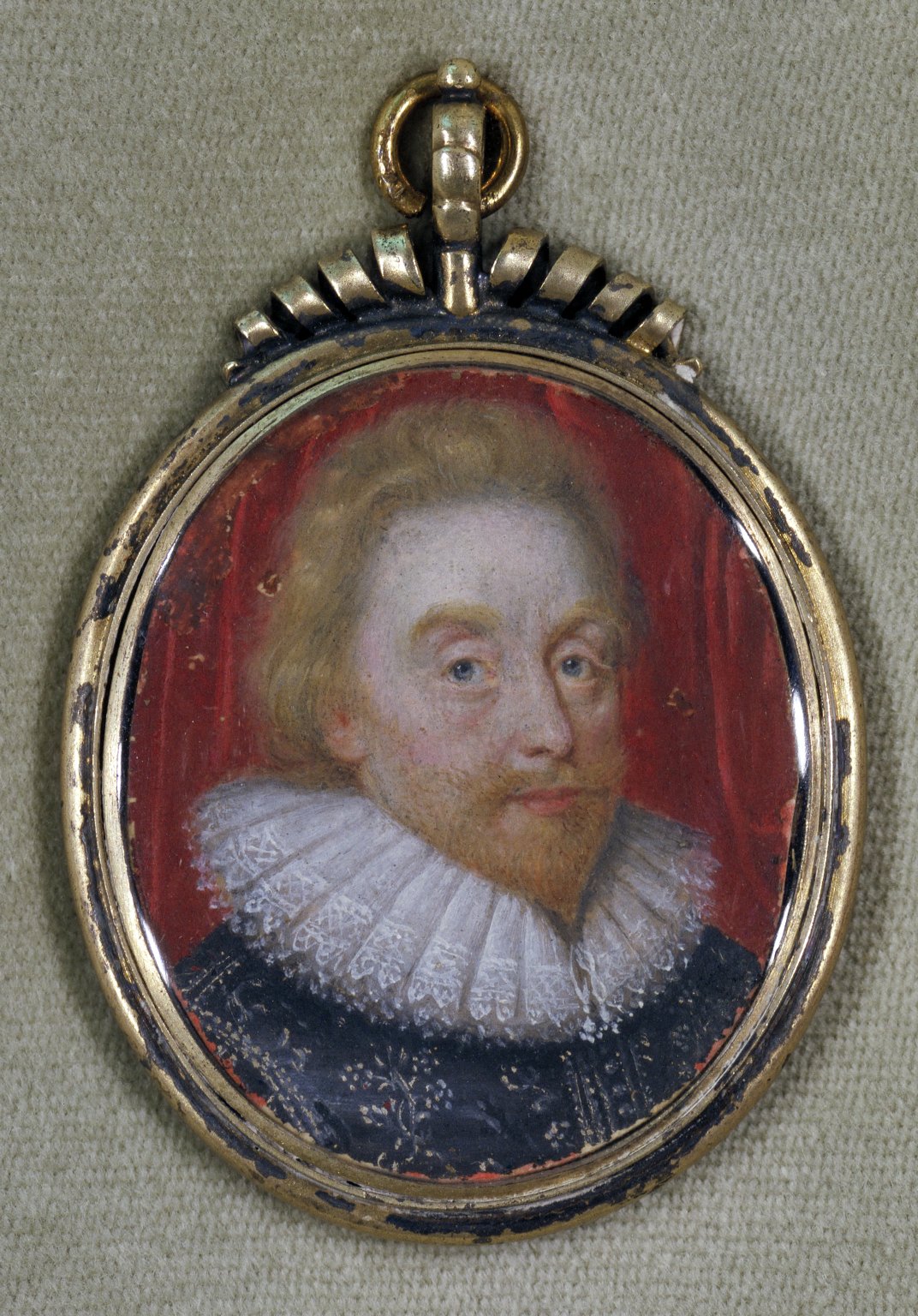 Painting
Primary source
Nicholas Hilliard · c. 1620
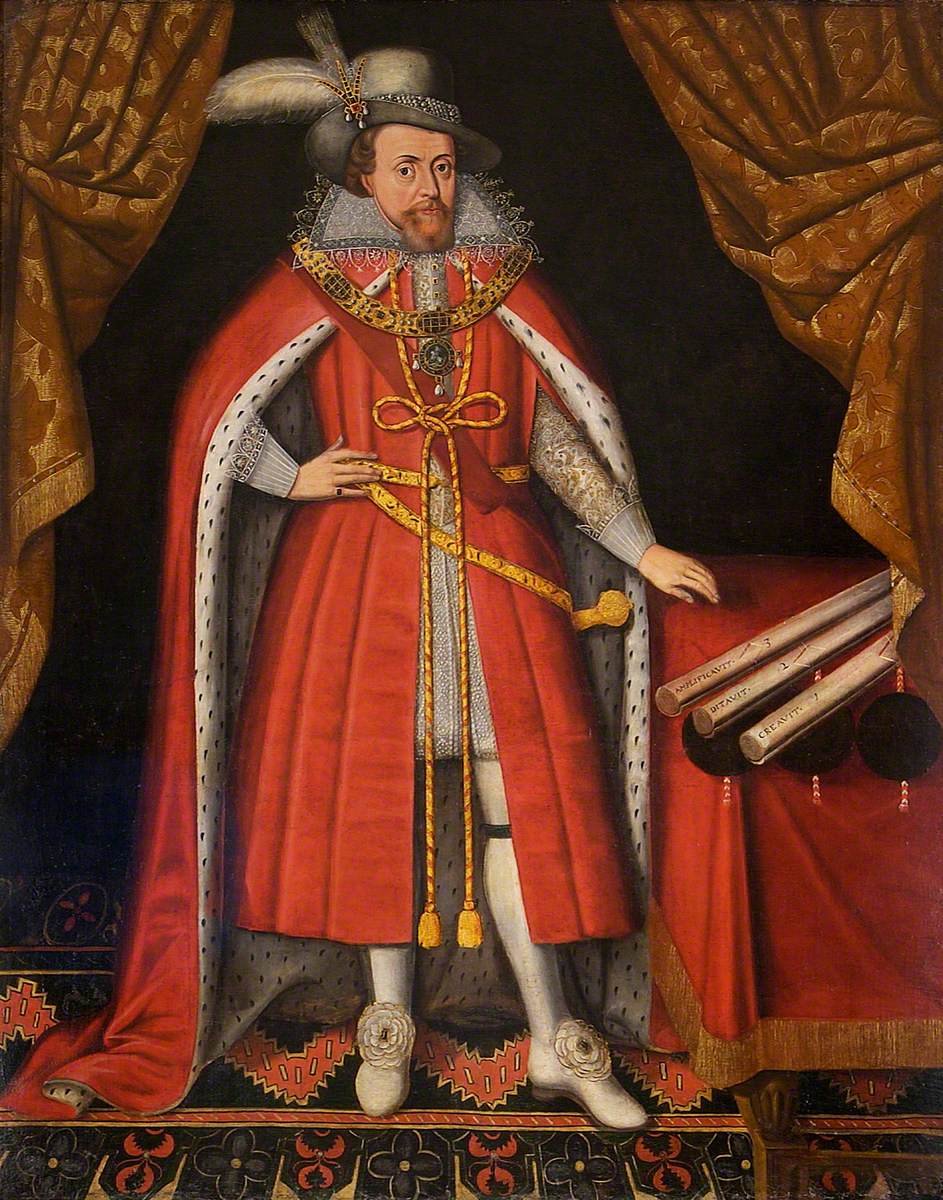 Painting
Primary source
1610
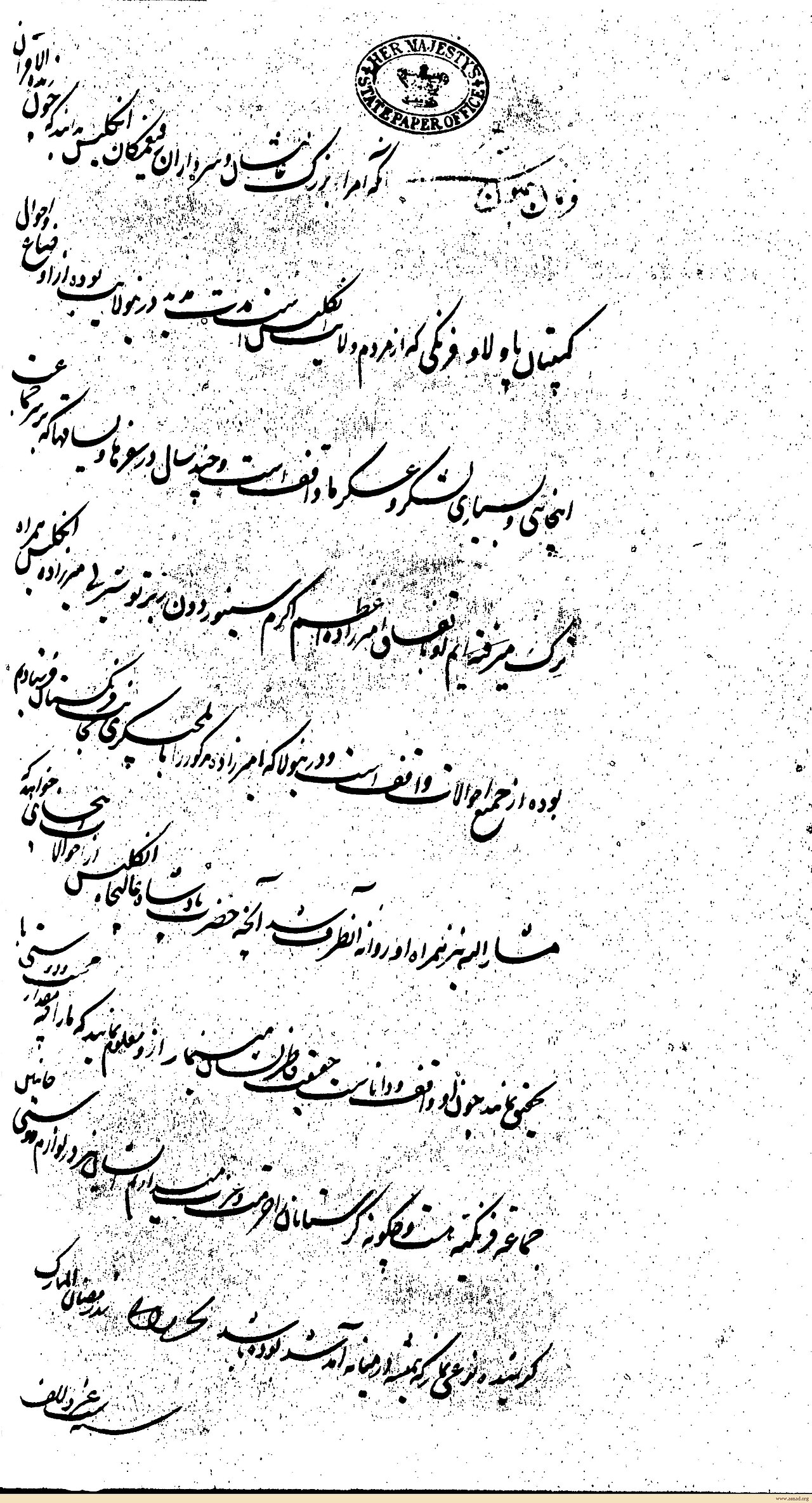 Document
Primary source
Shah Abbas I of Persia · 20 December 1607 - 18 January 1608
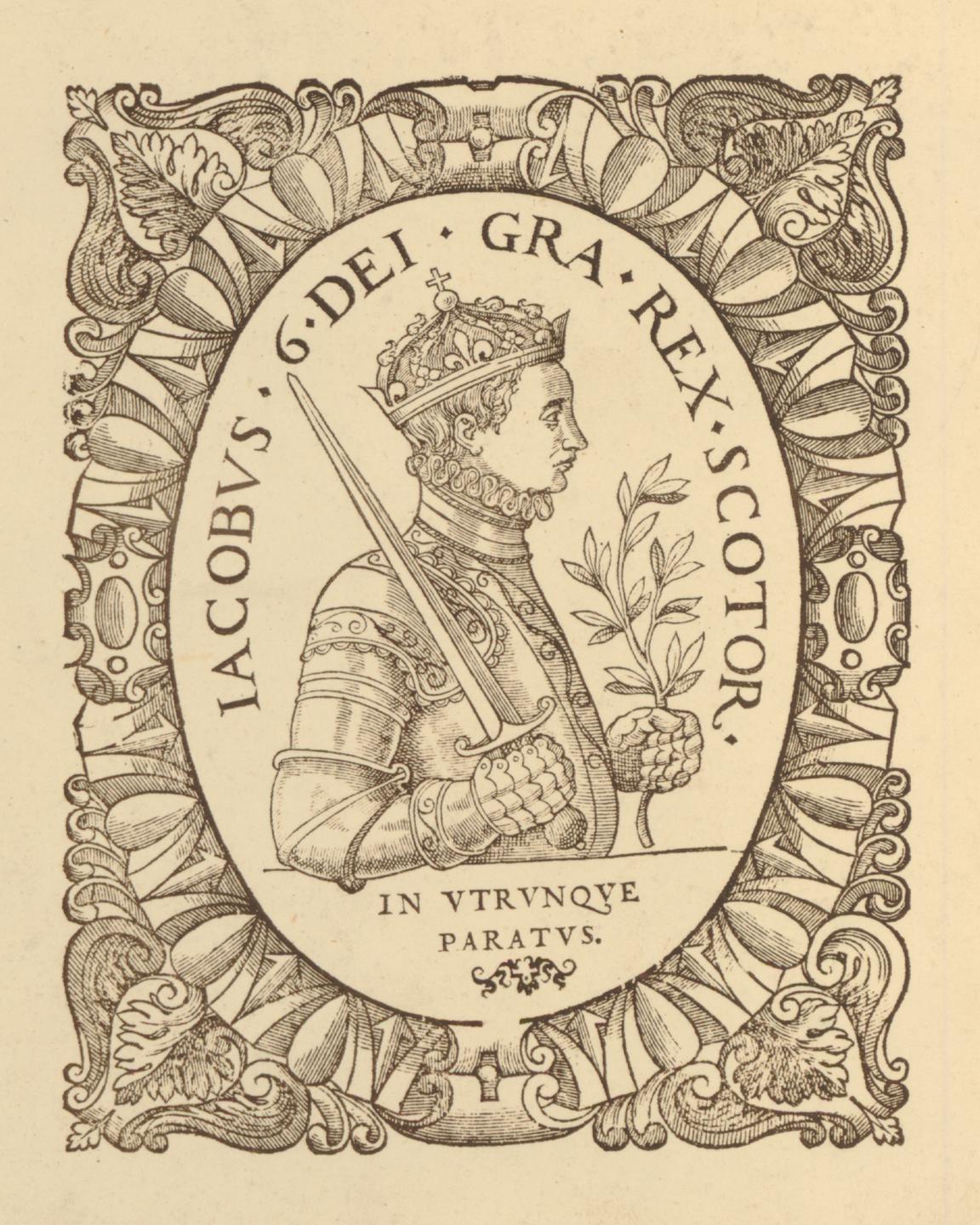 Painting
Primary source
1580
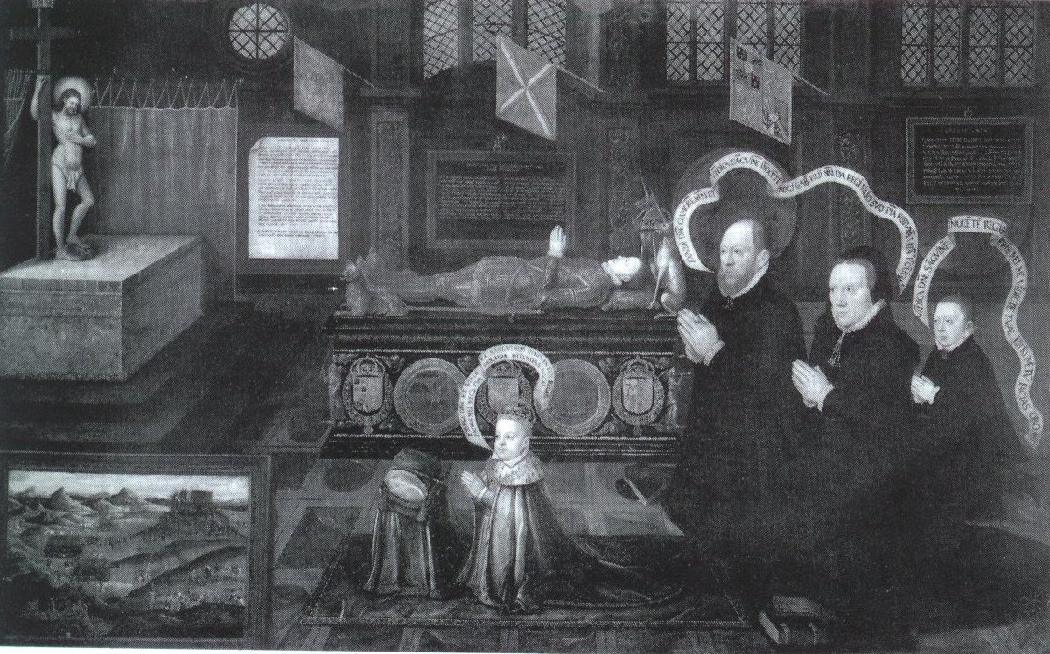 Painting
Primary source
c. 1567
Secondary source
Lucy Aikin · 1822
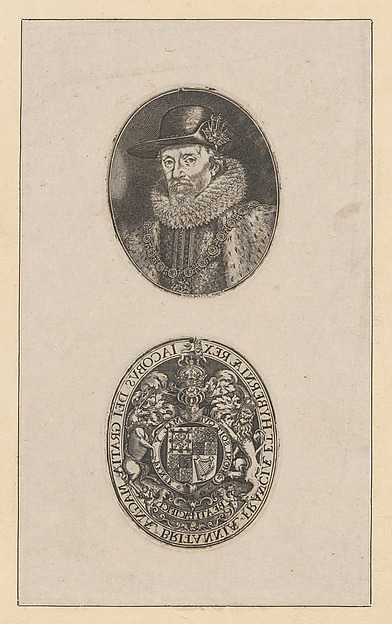 Painting
Primary source
Simon de Passe · c. 1616
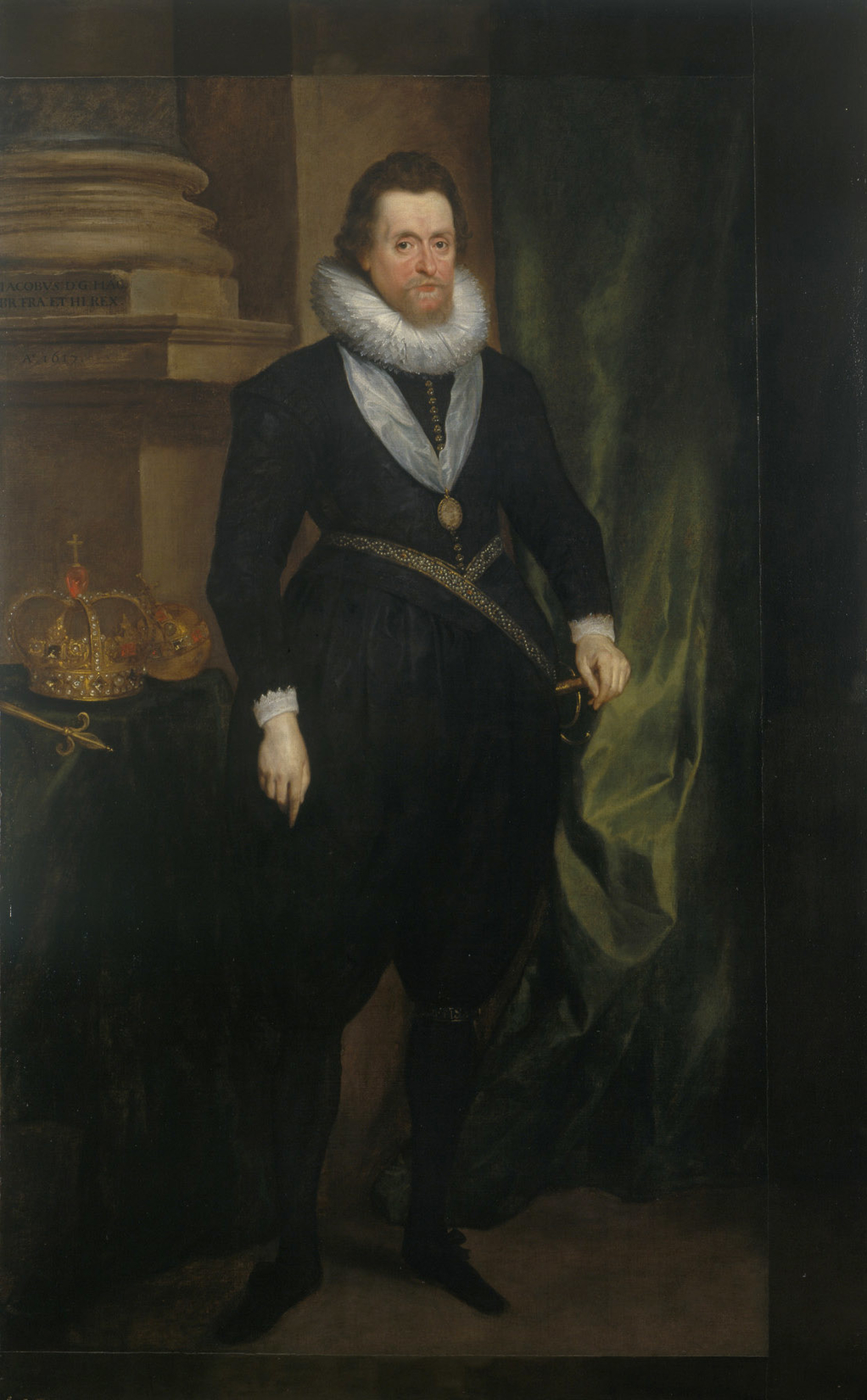 Painting
Secondary source
Anthony van Dyck · 1632
Tertiary source
1885
Secondary source
1911
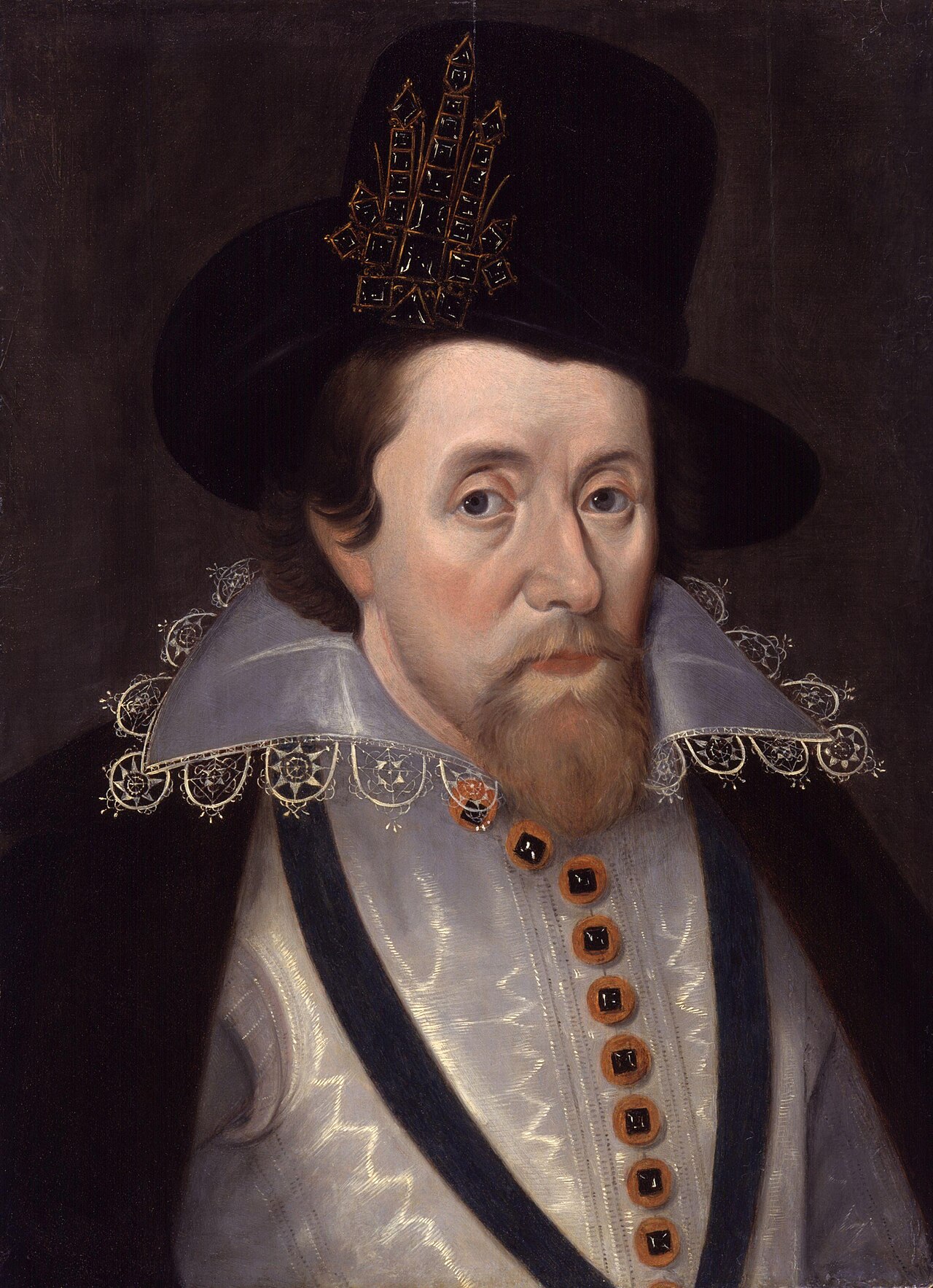 Painting
Primary source
John de Critz the Elder · early 17th-century copy of a circa 1606 original
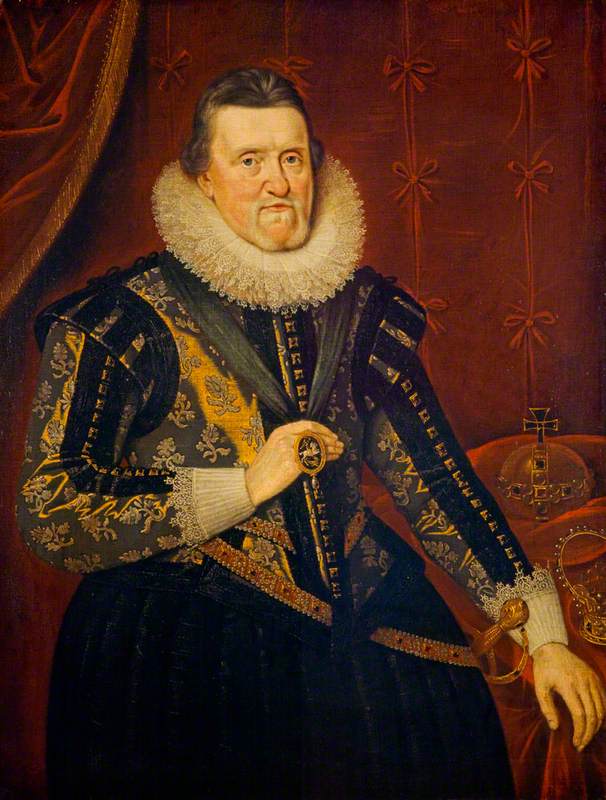 Painting
Primary source
Adam de Colone · after 1622
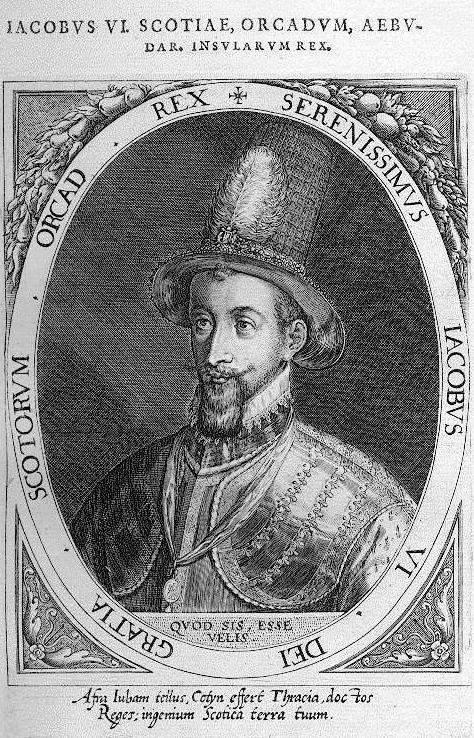 Painting
Primary source
Dominicus Custos · between 1600 and 1602
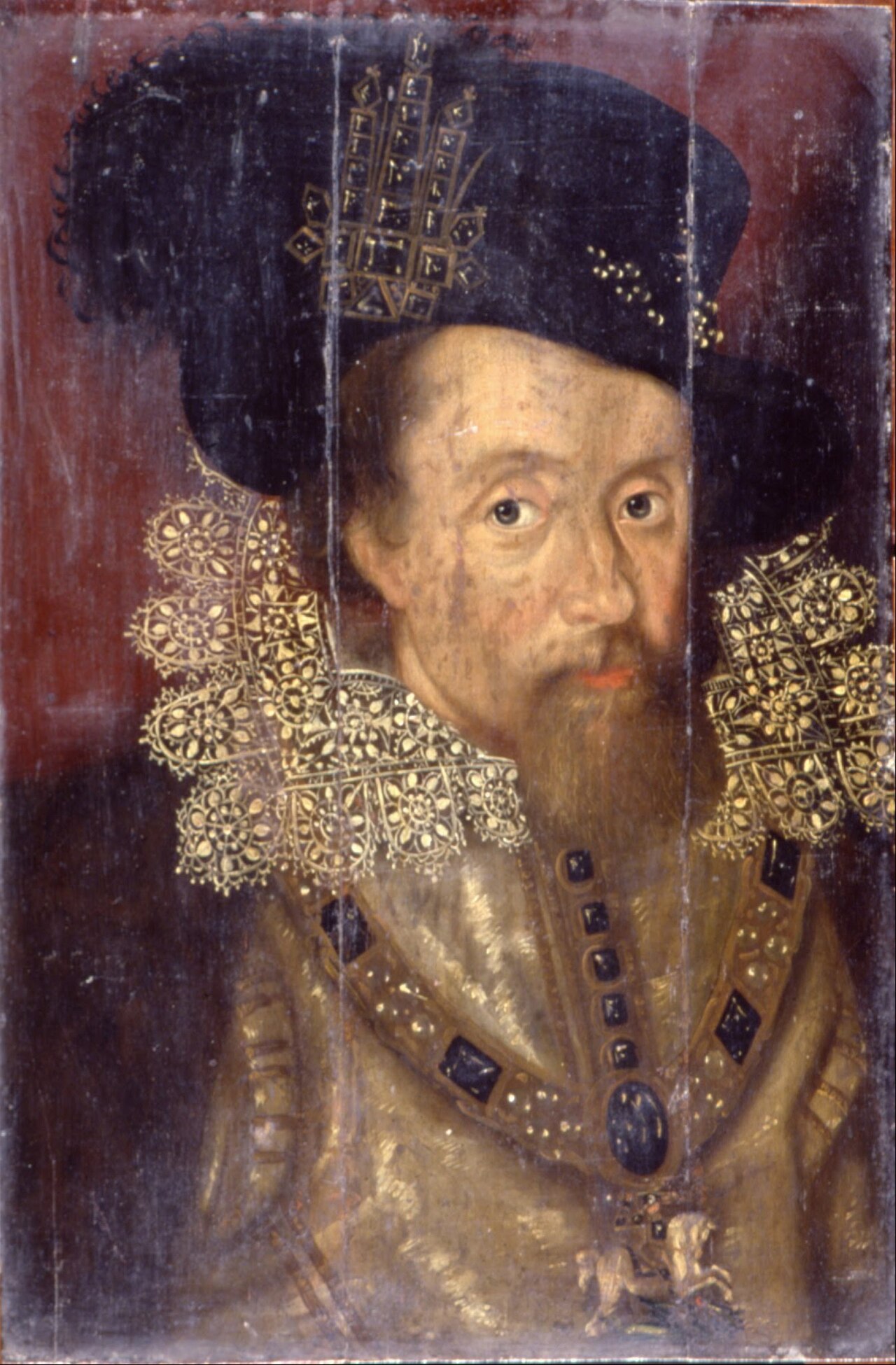 Painting
Primary source
John de Critz the elder · before 1626
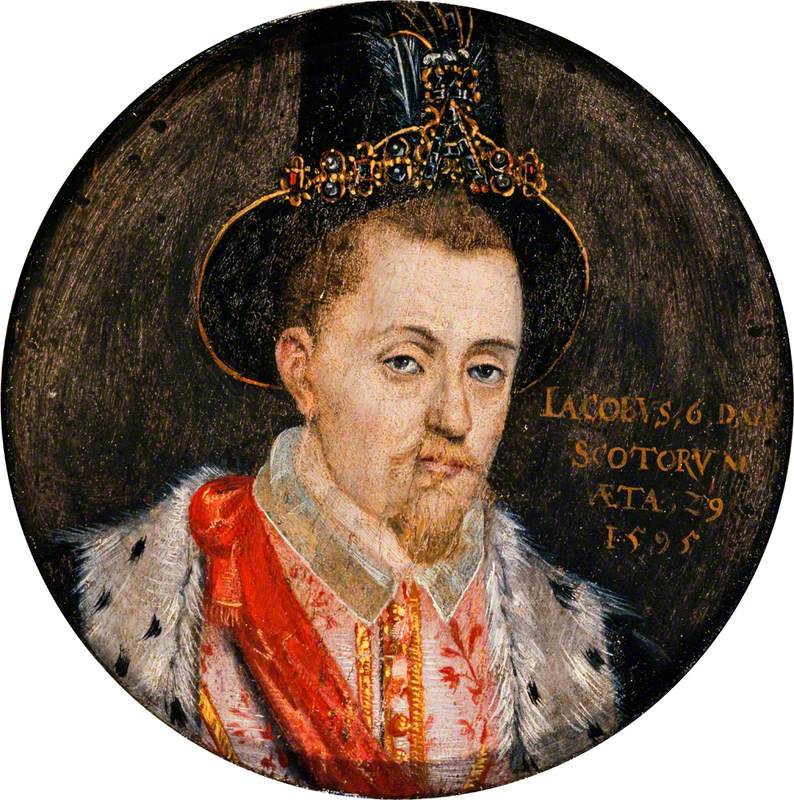 Painting
Primary source
Possibly Adrian Vanson · 1595
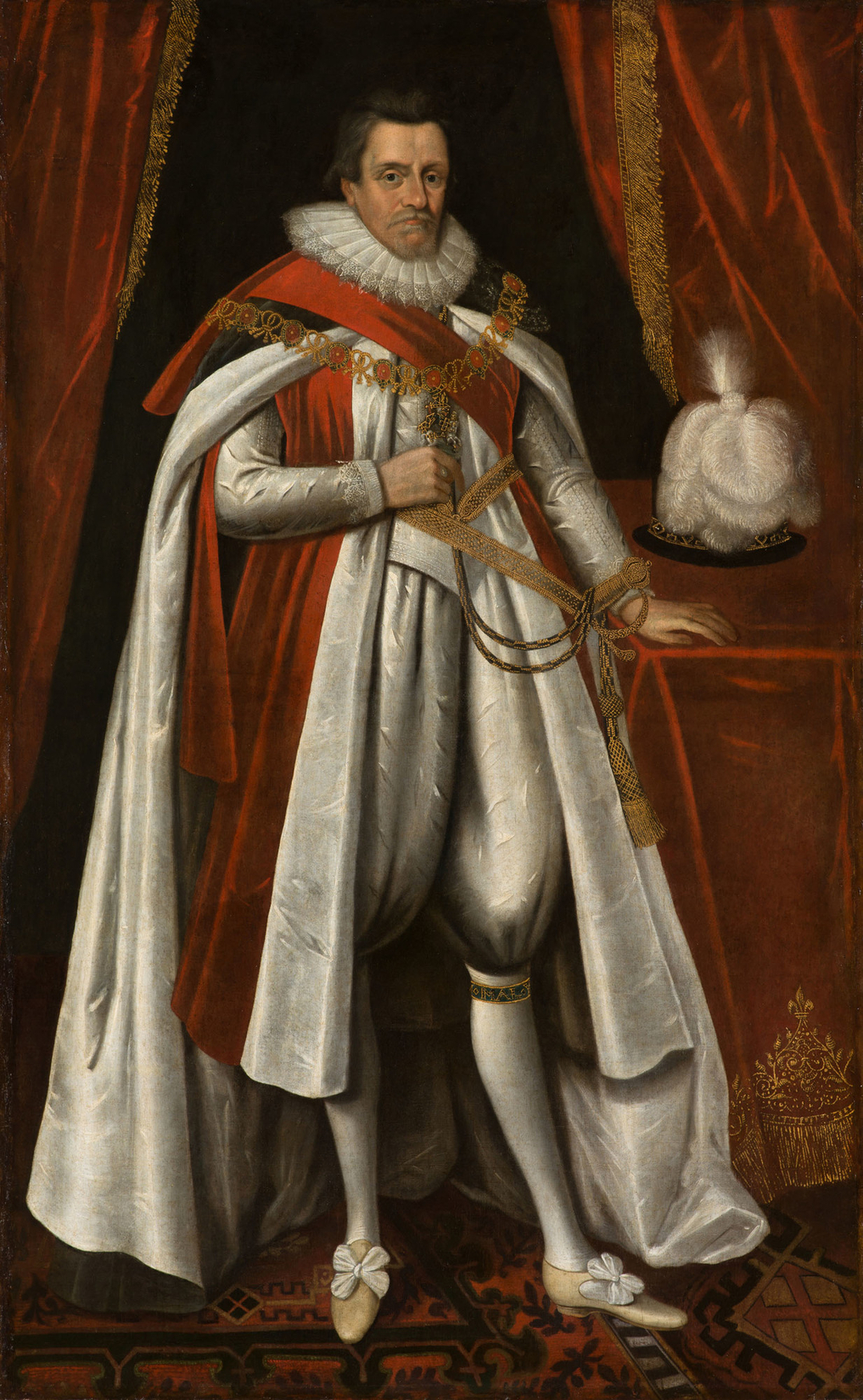 Painting
Primary source
1620
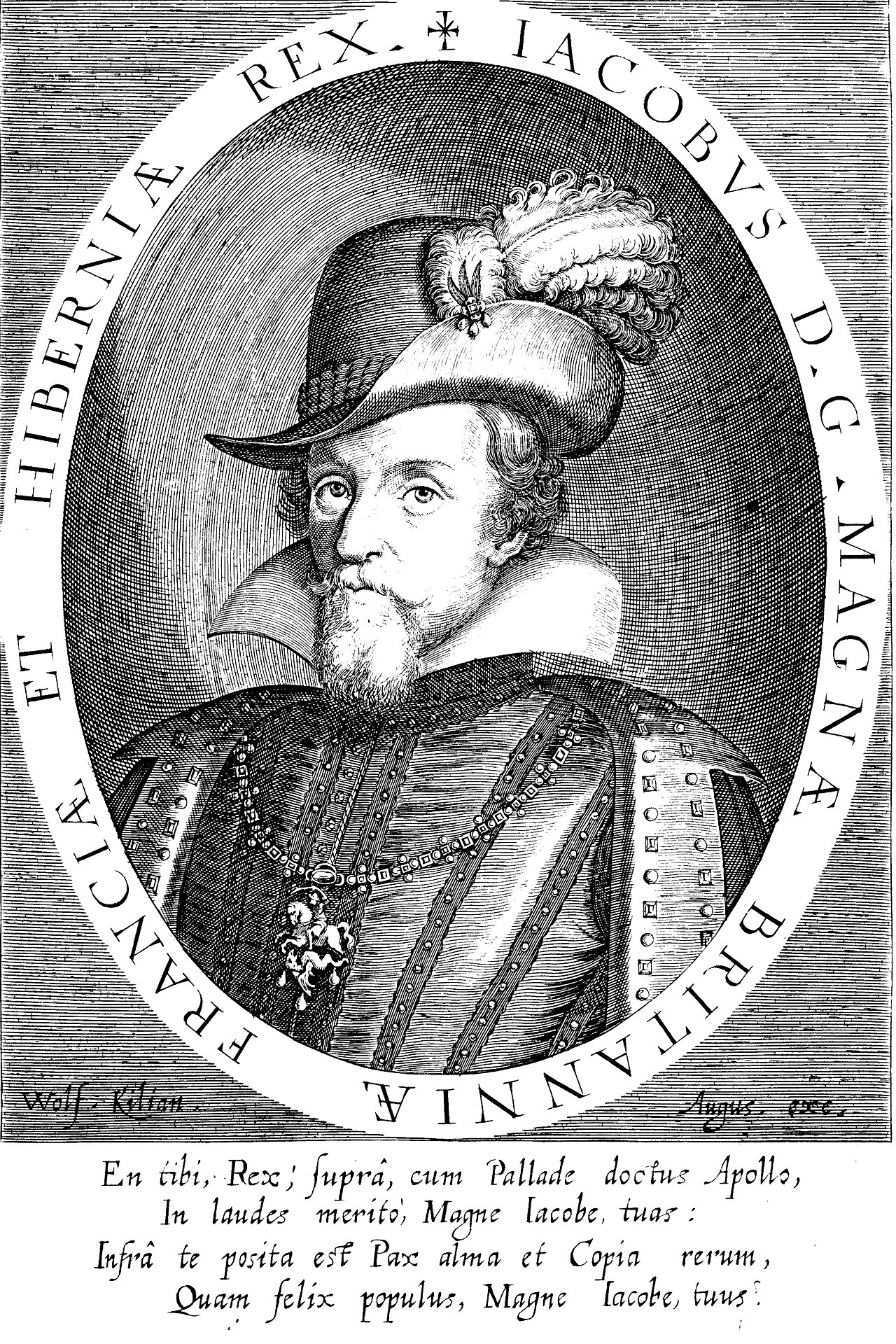 Painting
Primary source
Wolfgang Kilian · c. 1610-1630
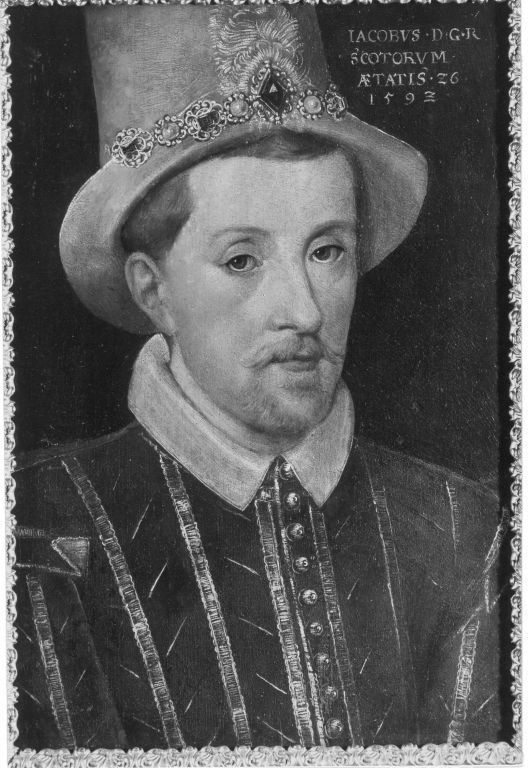 Painting
Primary source
1592
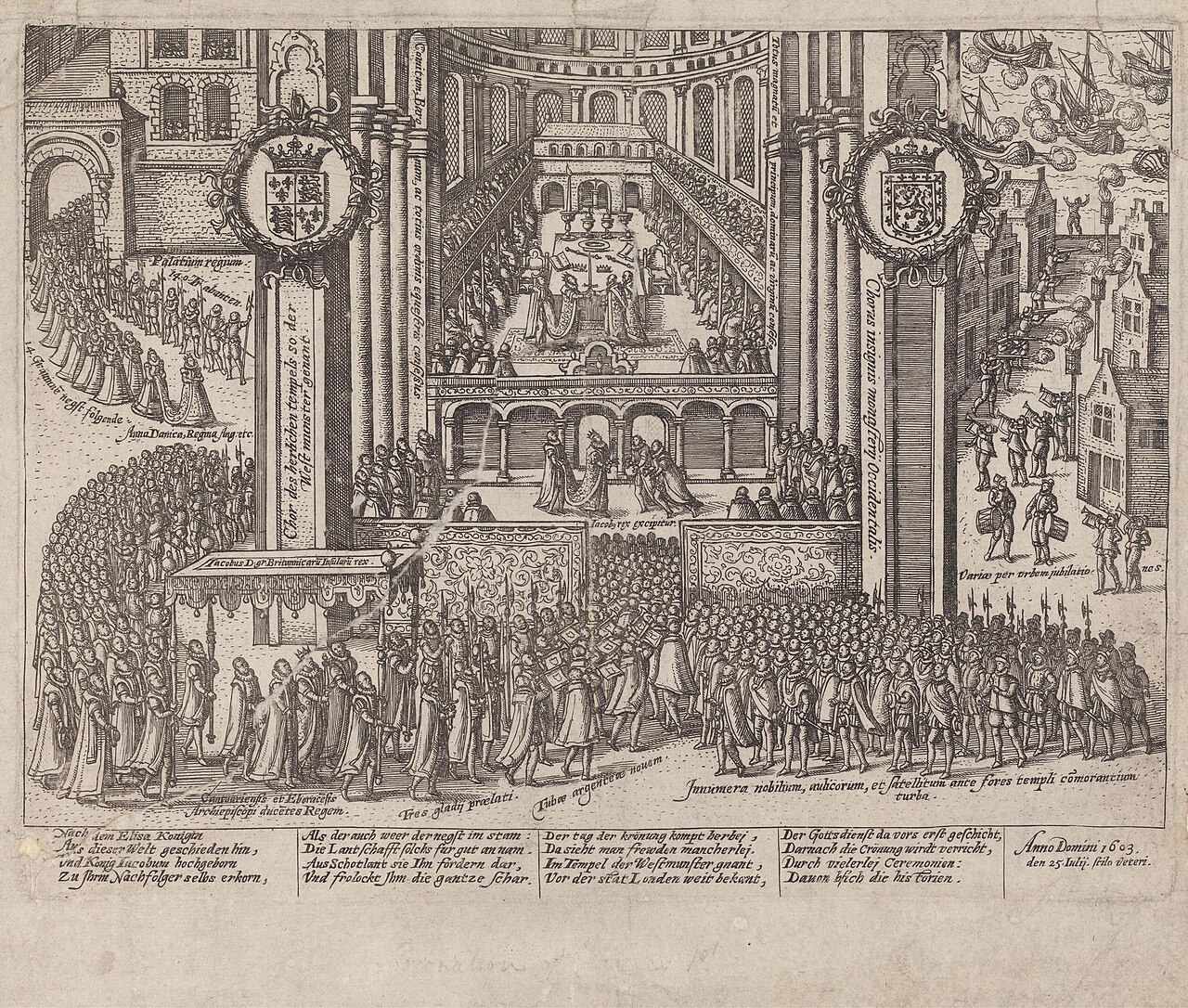 Painting
Primary source
1603
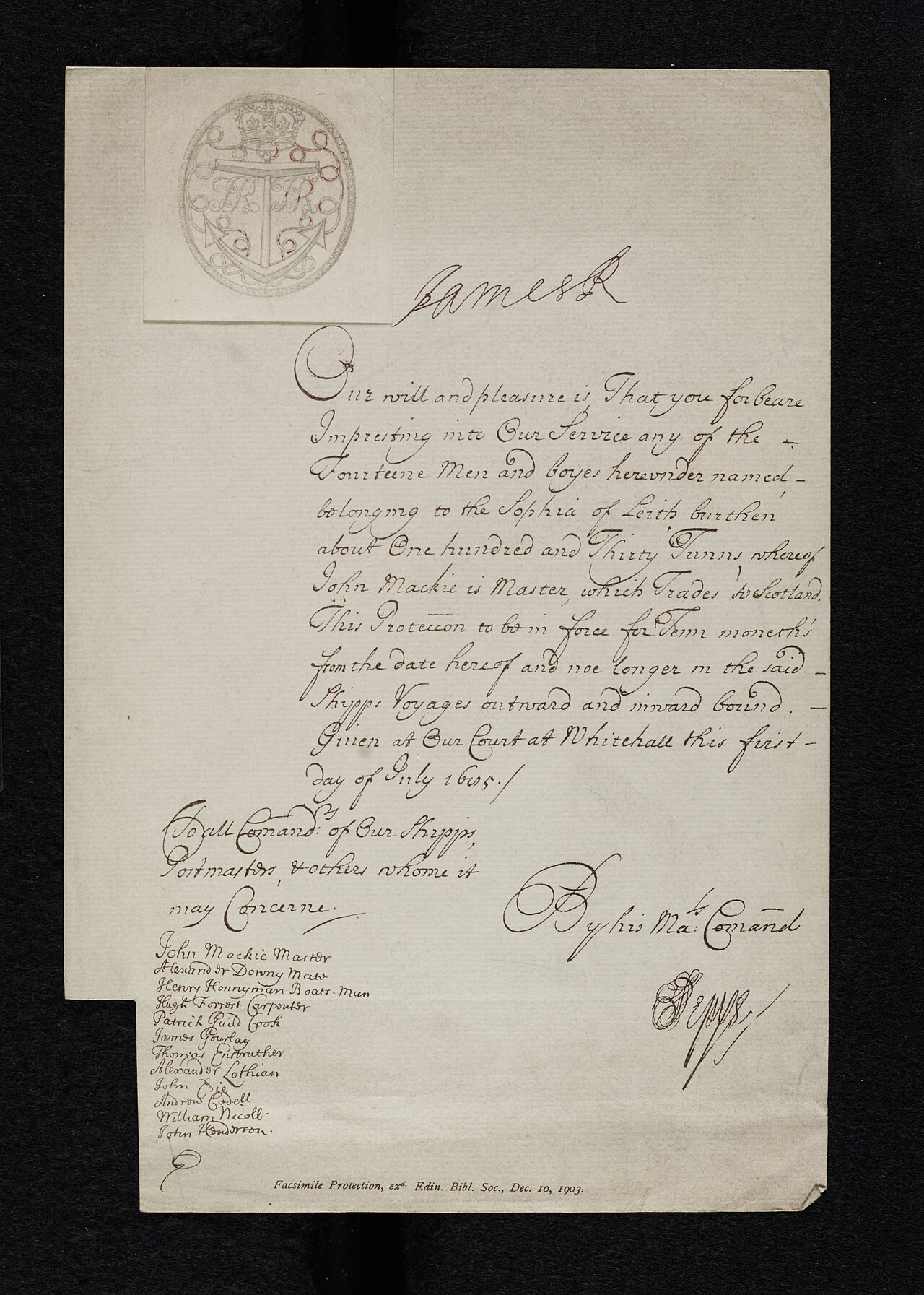 Letter
Primary source
James VI and I · 1 July 1605
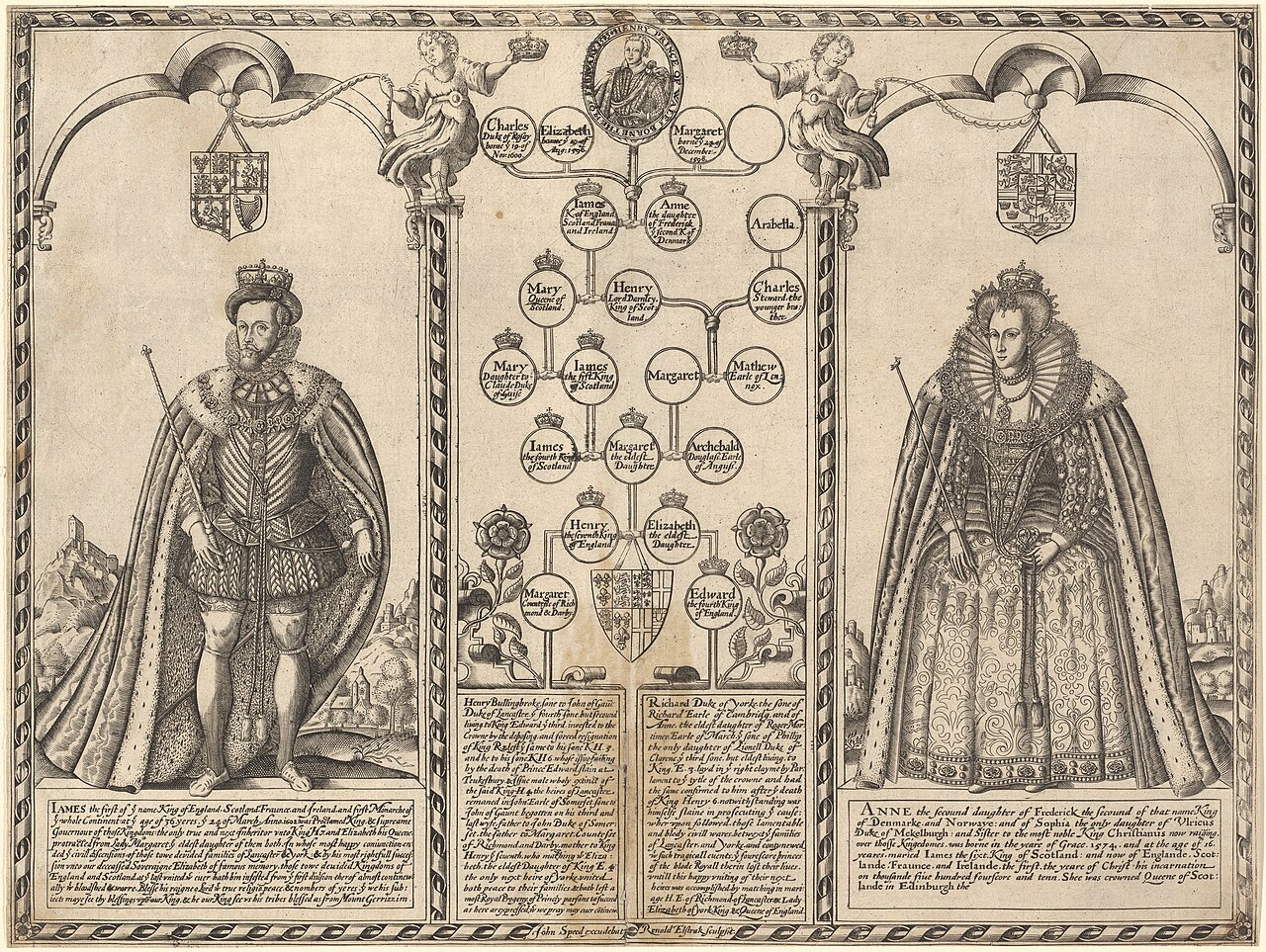 Painting
Primary source
Renold Elstrack · post 1603
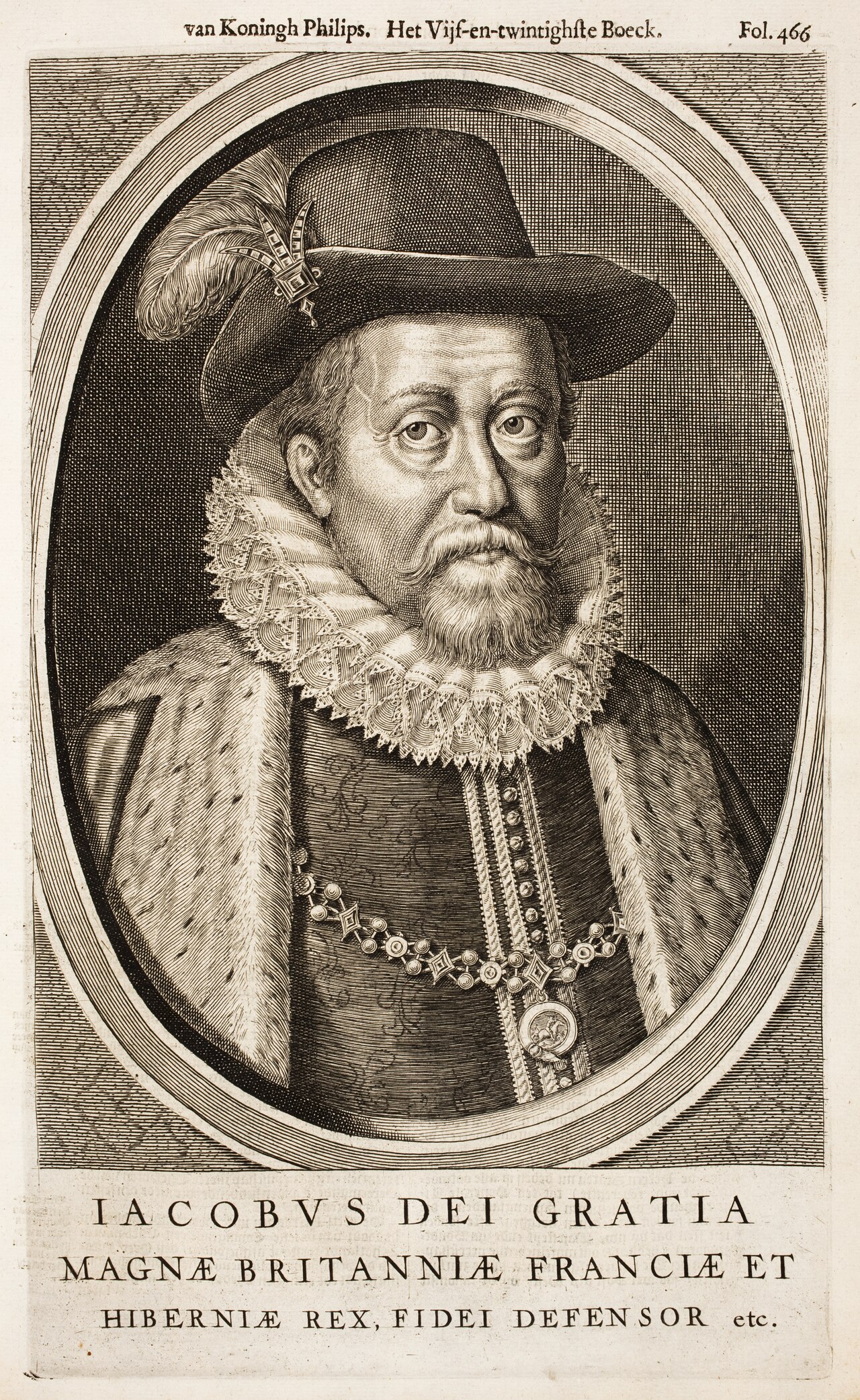 Painting
Secondary source
1652
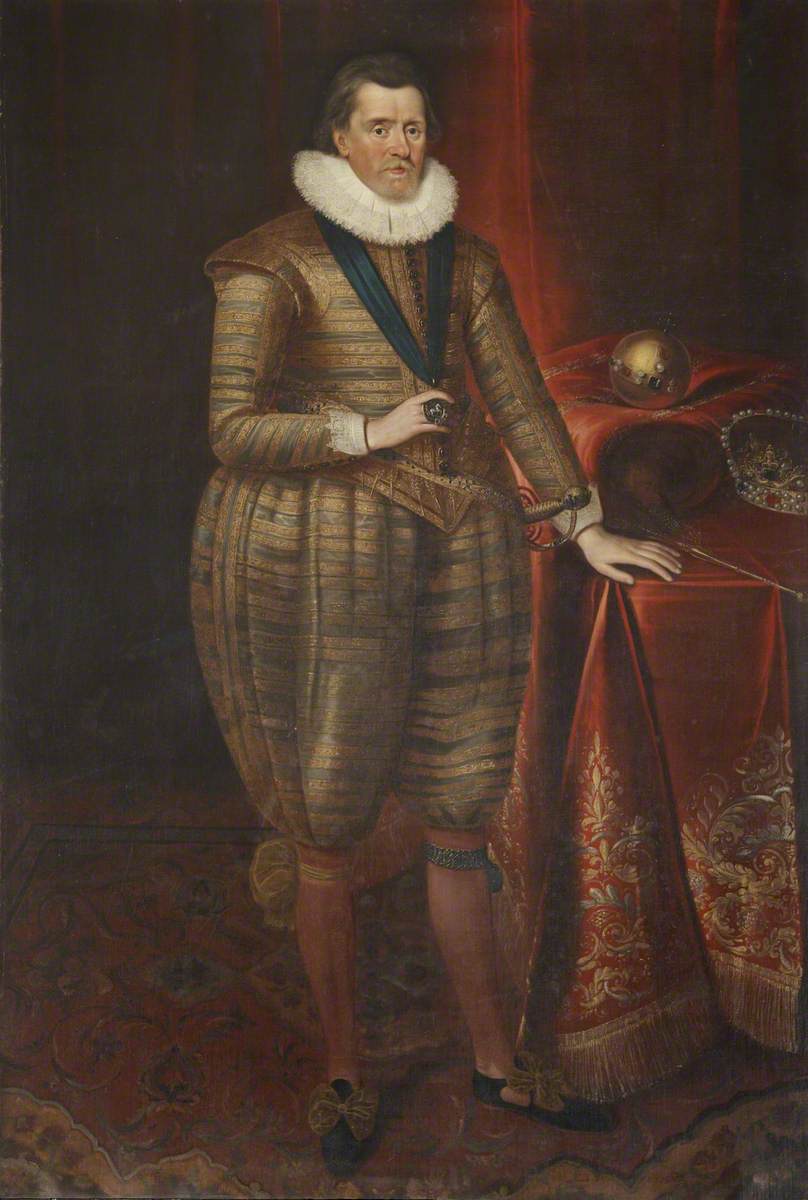 Painting
Primary source
Paulus van Somer
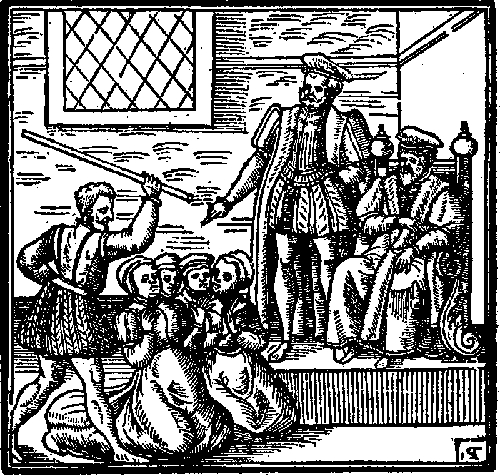 Artifact
Primary source
James VI and I · 1597
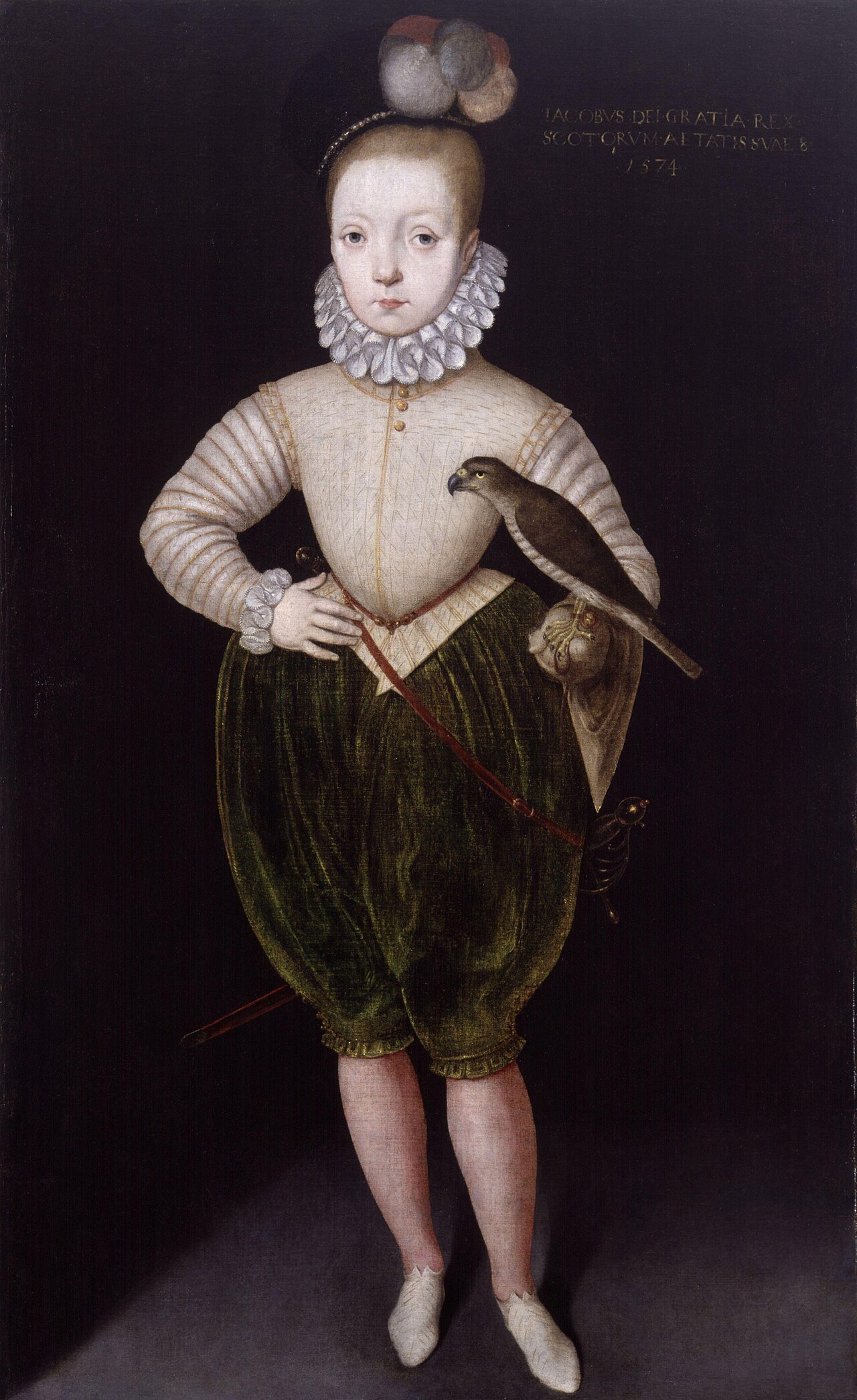 Painting
Secondary source
Rowland Lockey (attributed) · Copy after an original of c. 1574
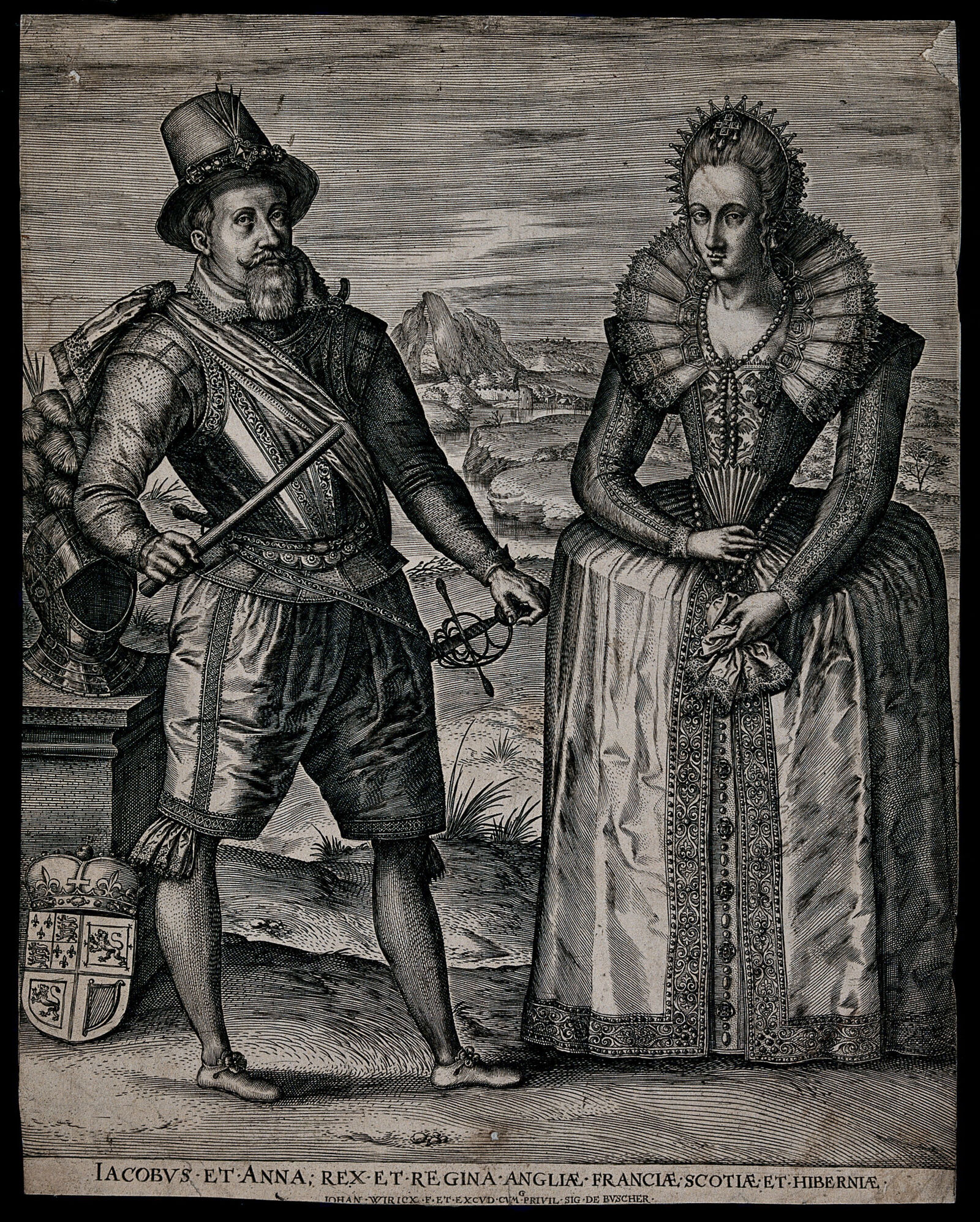 Painting
Primary source
Johannes Wierix · c. 1610-1619
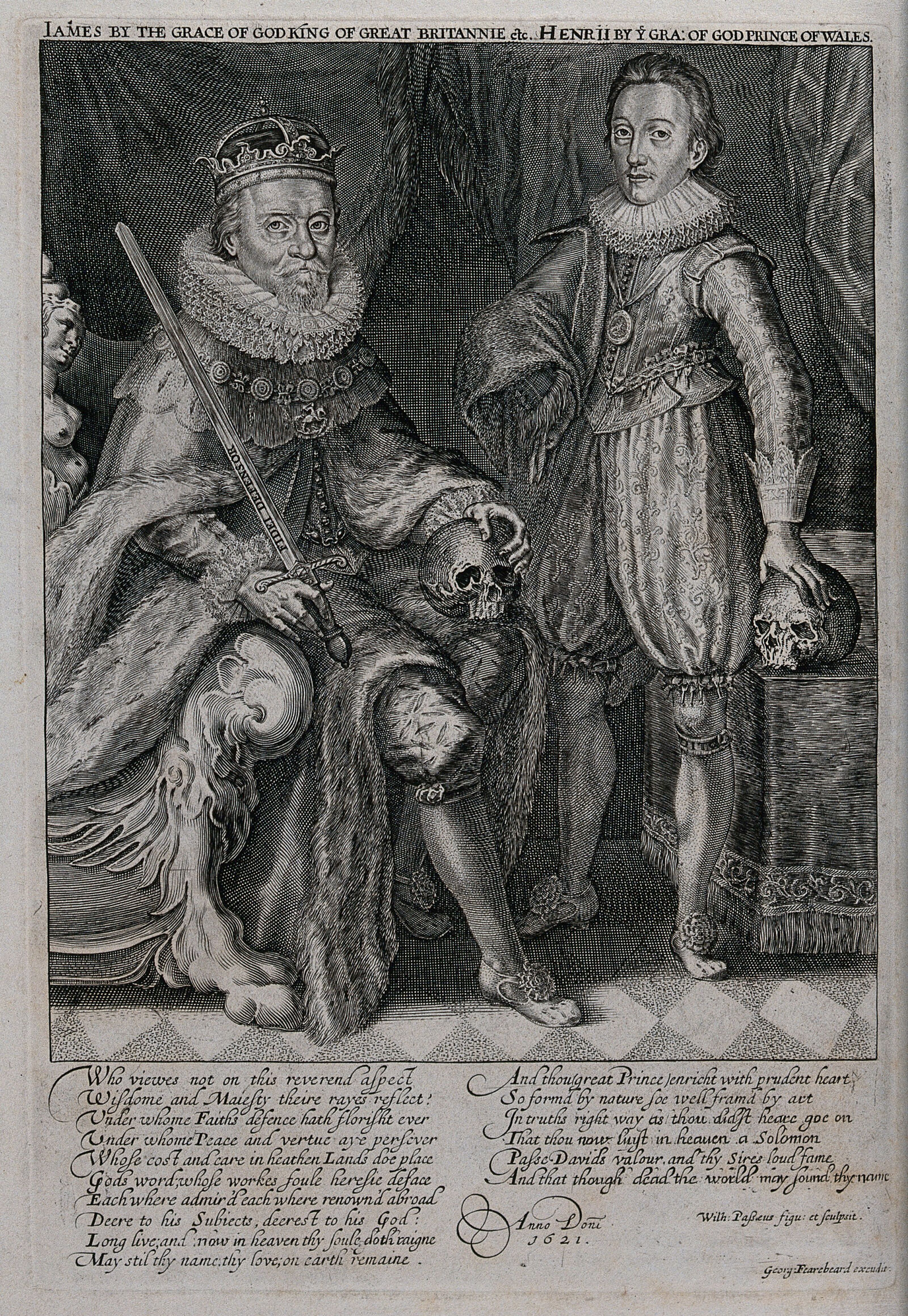 Painting
Primary source
Willem van de Passe · 1621 (this state c. 1625)
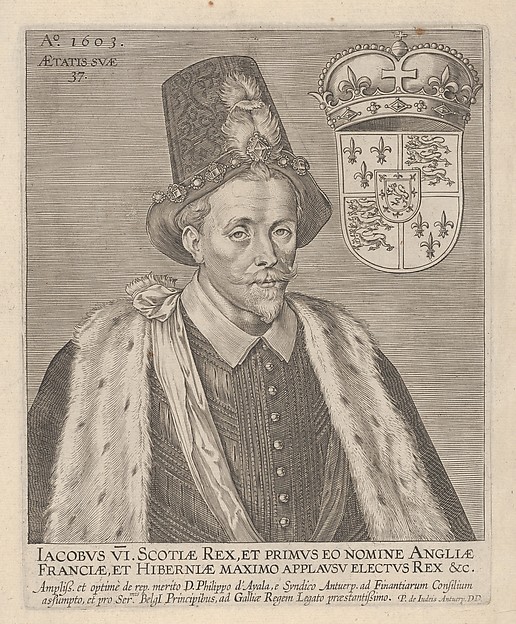 Painting
Primary source
Pieter de Jode I · 1603
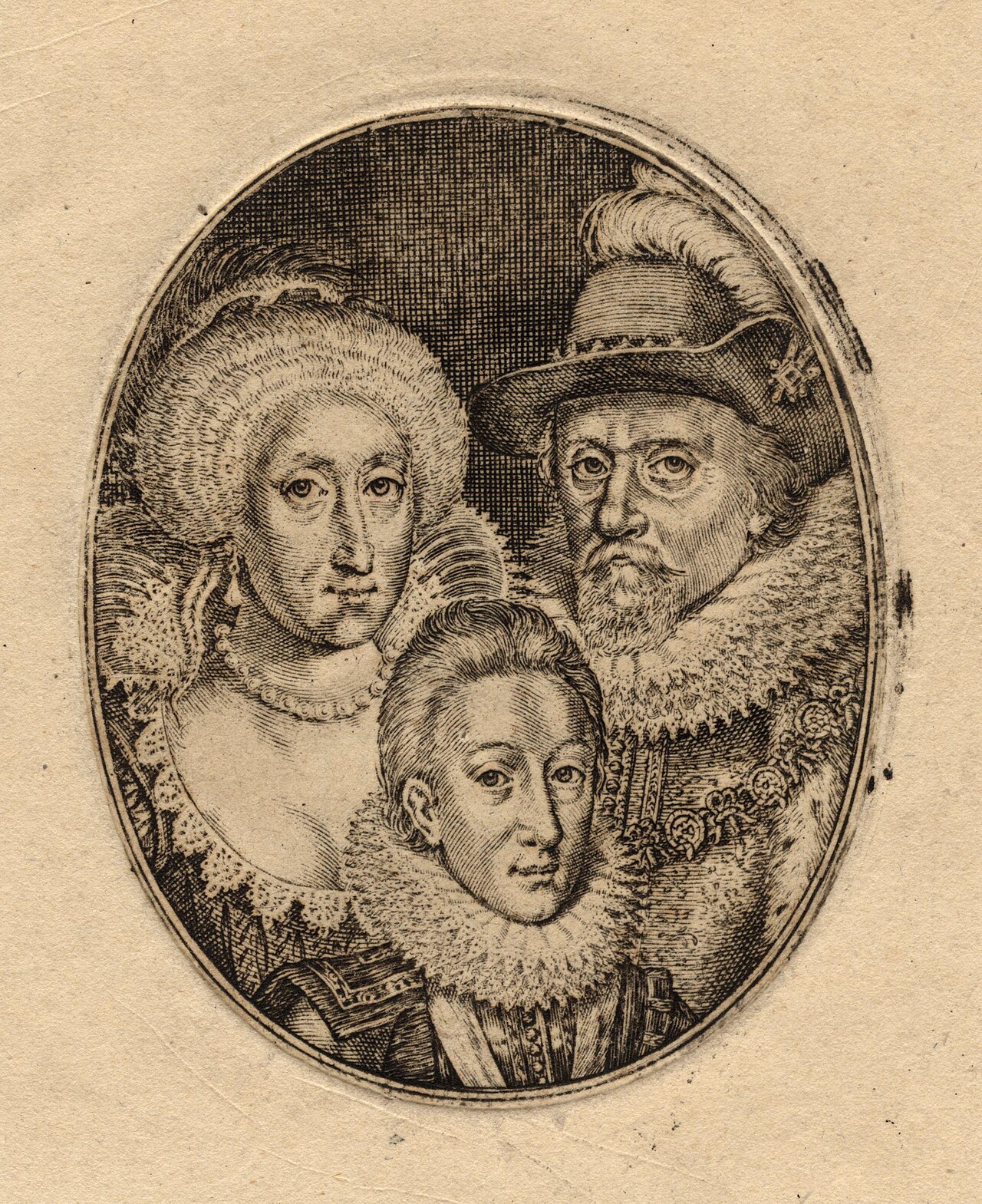 Painting
Secondary source
Simon van de Passe · after 1612
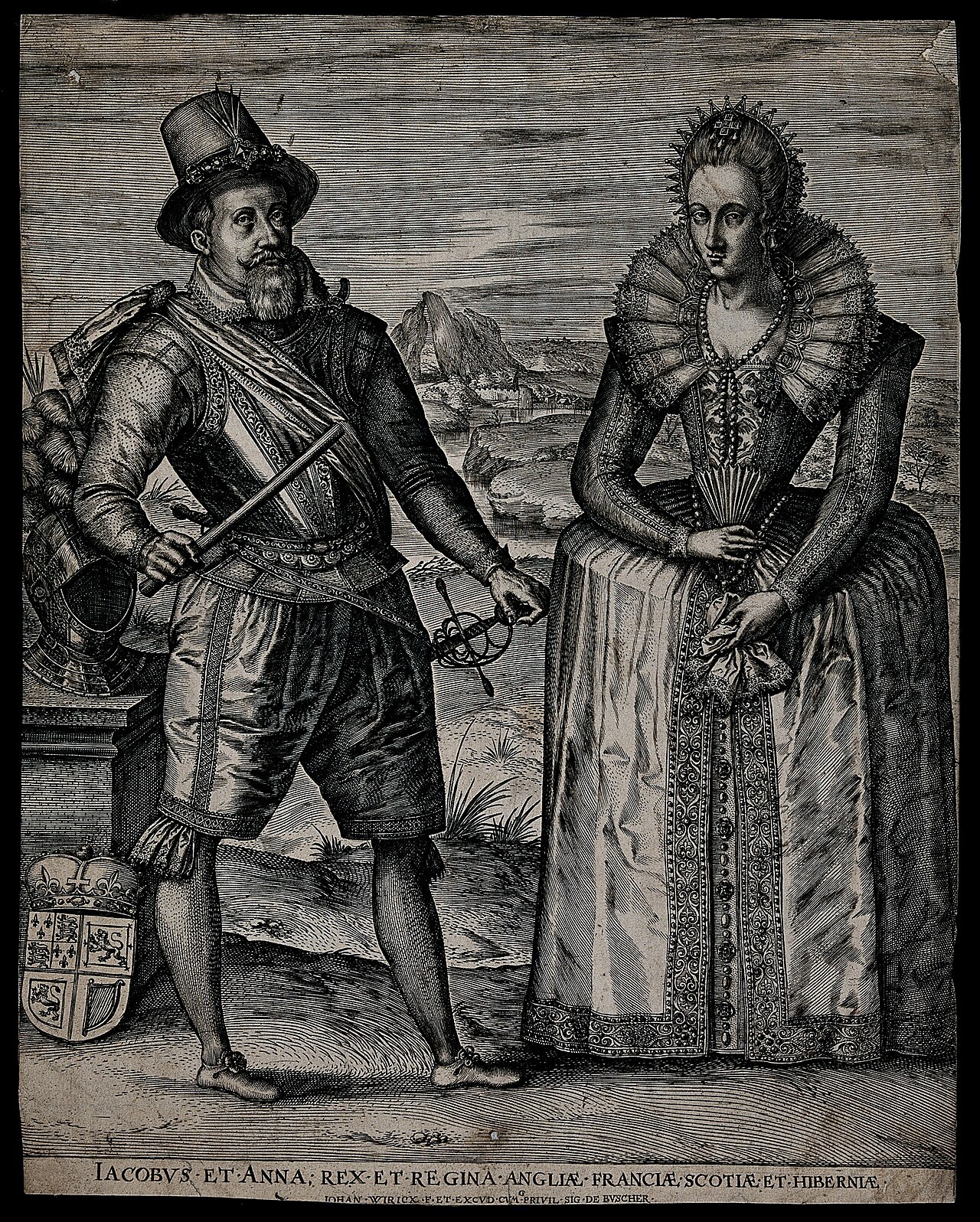
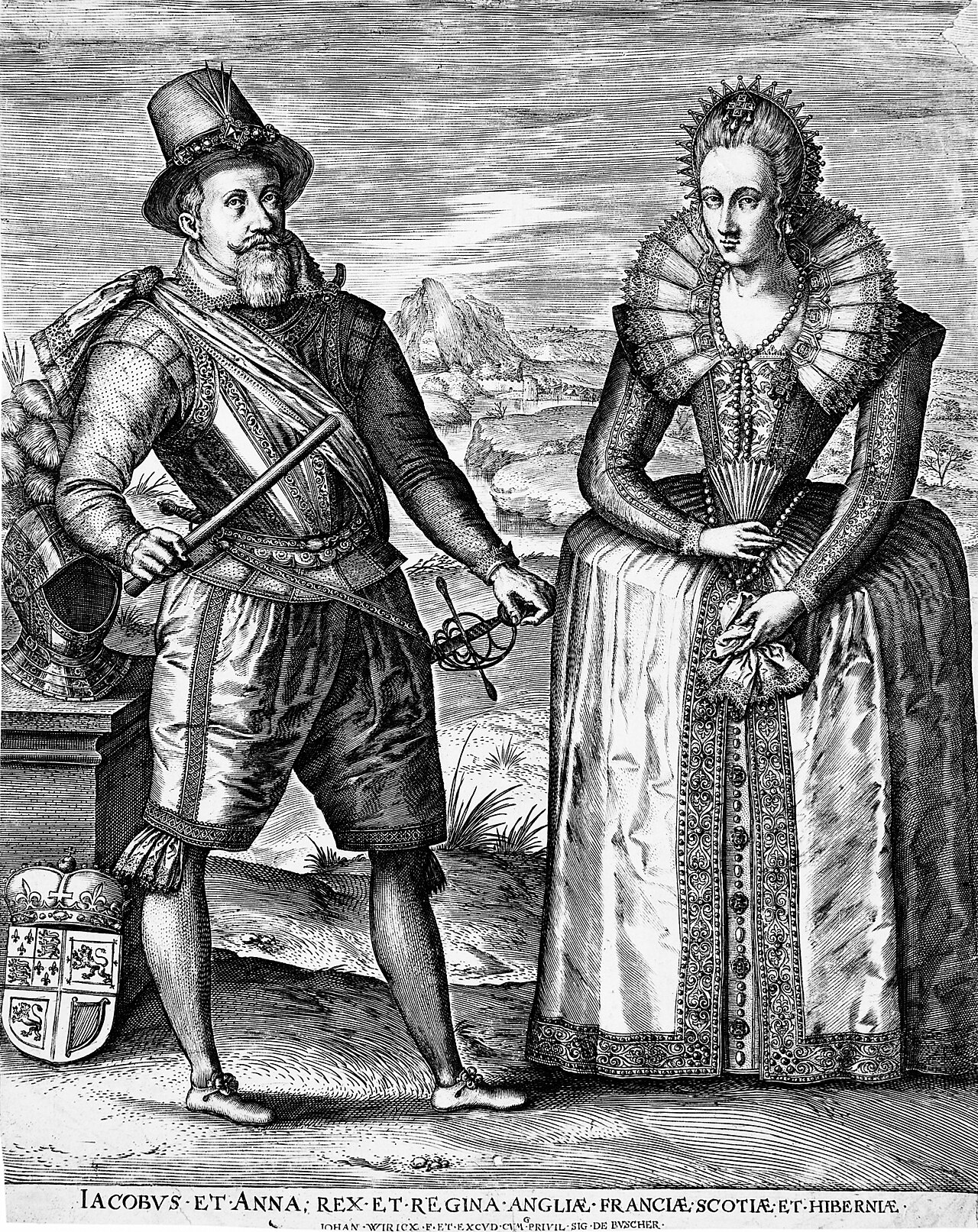 Painting
Secondary source
Hieronymus Wierix
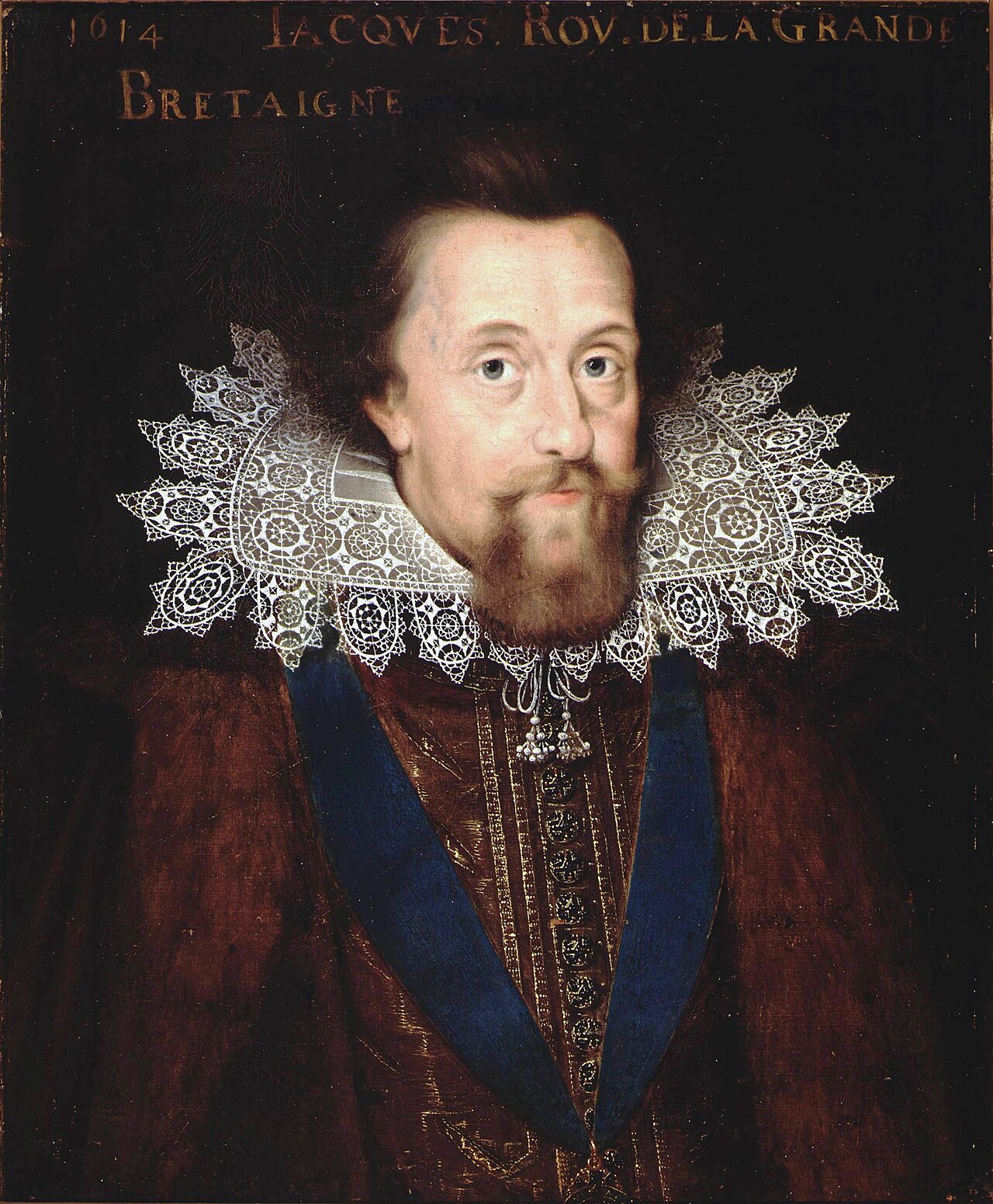 Painting
Secondary source
1614
 Painting
Secondary source
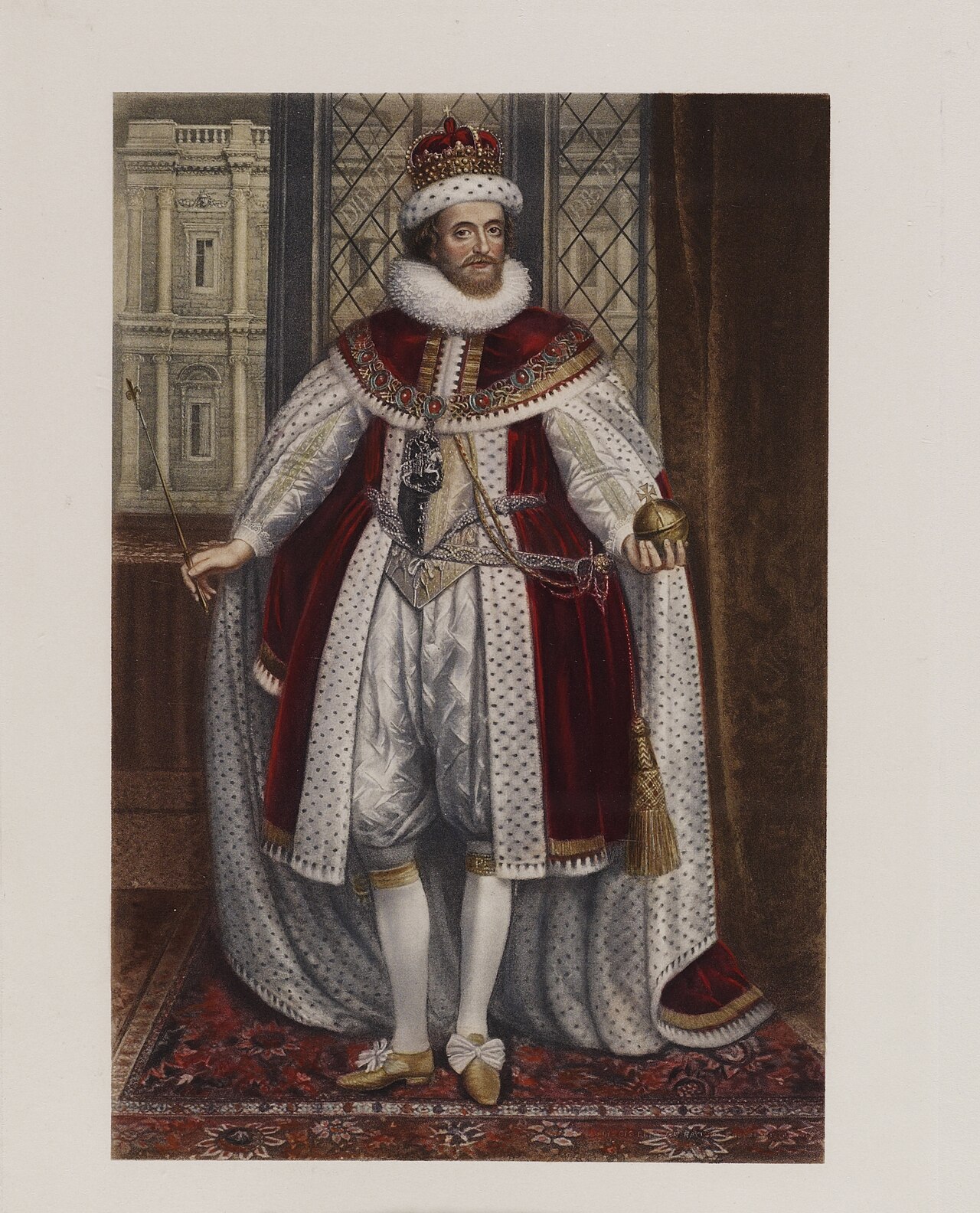 Painting
Secondary source
1715; 1745 - 1746
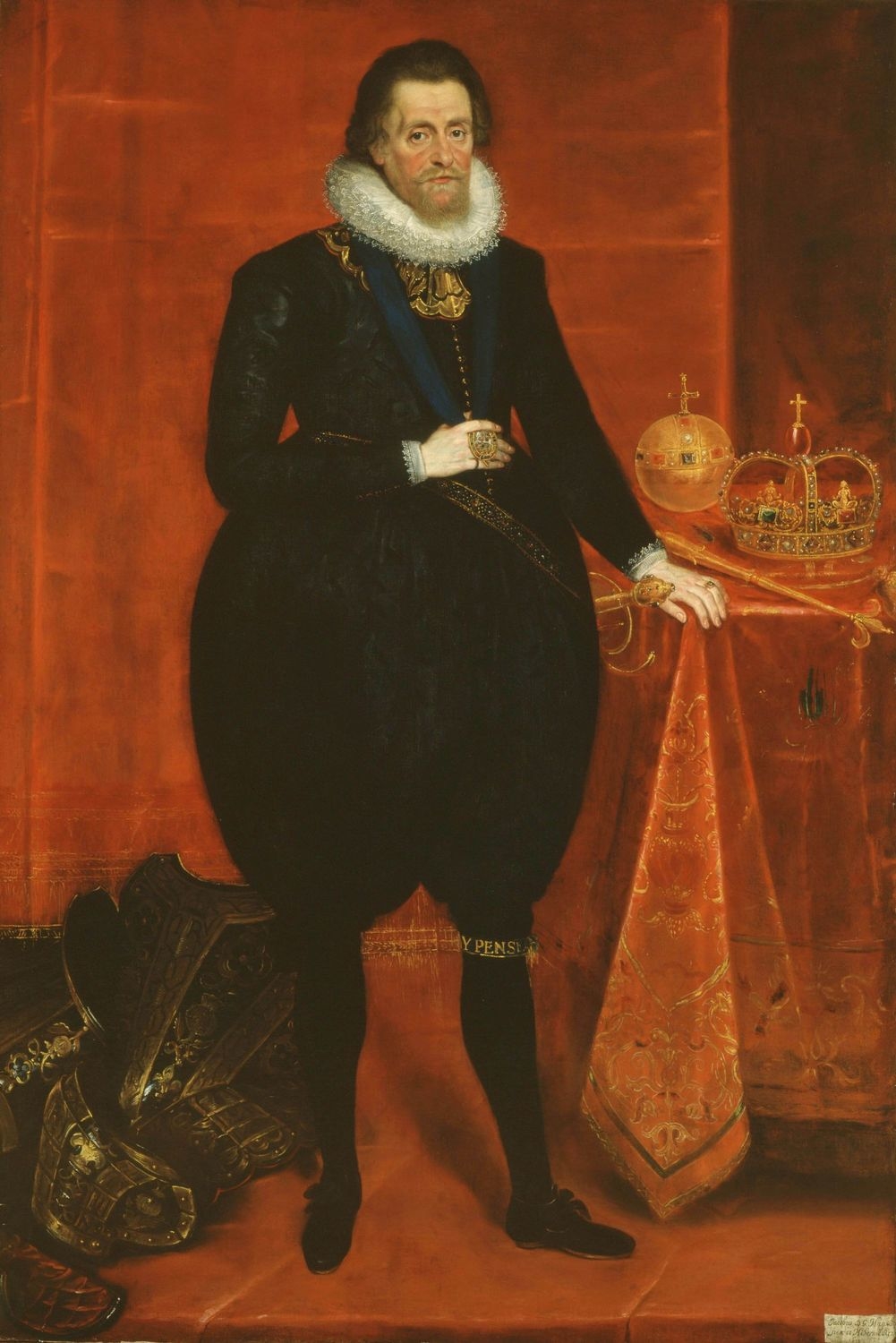 Painting
Secondary source
Paul van Somer I
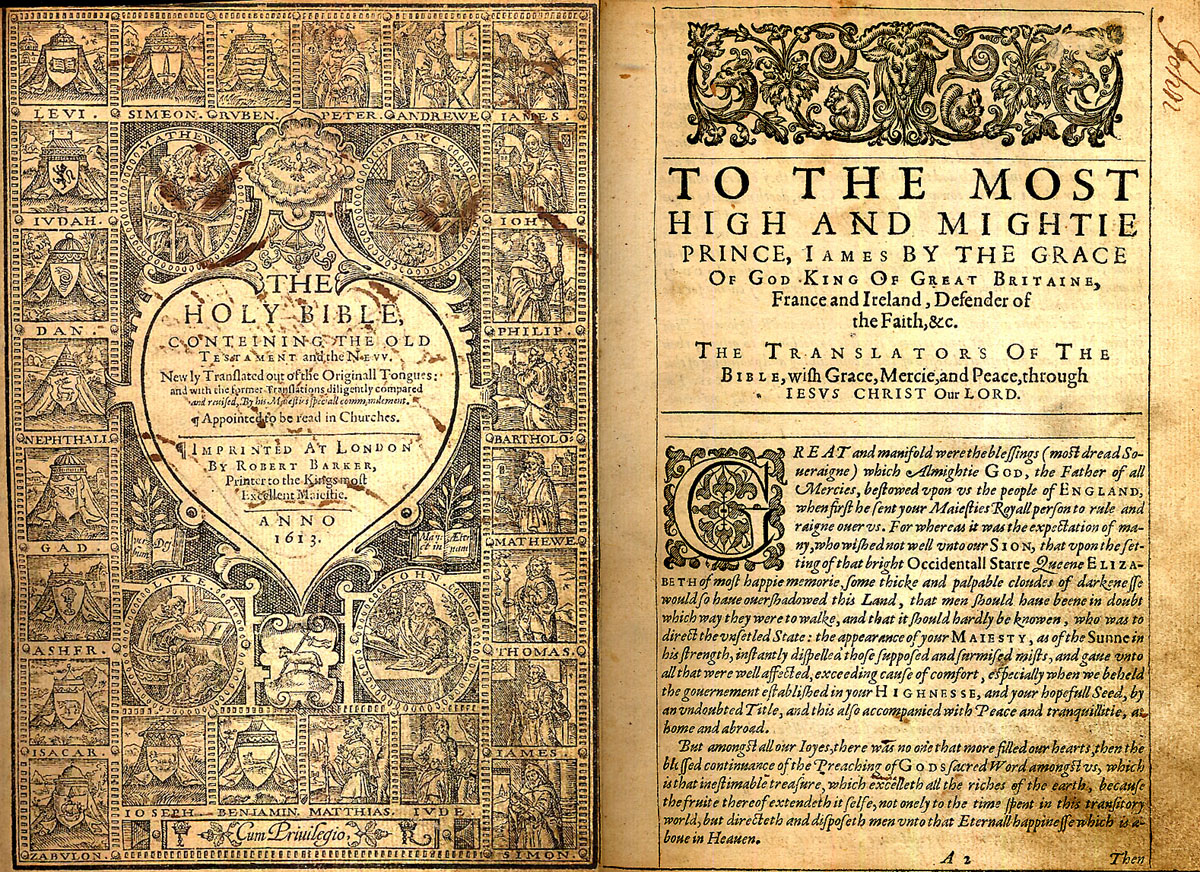 Document
Primary source
Evangelists and Early 17th-Century Translators · 1613
Tertiary source
1911
Primary source
John Spottiswood · 1851
Want the full shelf? Chat with James I in the app and open the Sources panel — every quote links back to the original.
2 collections
Ready-made collections from the Humy team that feature James I. Preview any of them, then try it free.
Paying customers



























Dr. Michael Calvert
Assistant Superintendent, South Allegheny School District, Pennsylvania
Been using Humy in his district since 2024
“We enjoyed the program last year and used it frequently.”

Jacob Chisom
World and American History, Monticello High School, Arkansas
Been using Humy in his classroom since 2024
“My students say it’s a welcome change of pace. I’m not a fan of the “sage on the stage” model, so I try to incorporate research-oriented and self-paced activities. With Humy, students have to take charge of their learning. They’ve become more adept at critical thinking, forming better questions, and improving their reading comprehension. The interview feature has been my go-to tool. I create assignments where students must ask historical figures a set number of questions, then summarize the responses to ensure they’re truly absorbing the material. This approach lets them actively explore the past rather than passively consuming information.”
Roger Campbell
7th-grade World History, Lancaster County, Pennsylvania
Been using Humy in his classroom since 2024
“Humy has helped me bring historical figures, sometimes long past, to life. When my students interact with these figures in real-time, it eliminates some of the perceived “ancient” characteristics of my curriculum. This has shifted my students’ thinking away from viewing history as abstract or irrelevant. Real-time interactions make historical figures relatable, even allowing students to ask off-topic questions that help put historical lives in a more relevant context for 13-year-olds. The feature I use the most is the interview feature. After teaching a topic, most recently Gandhi and Joan of Arc, I have the students ask pointed, focused questions. We practice good conversation techniques beforehand, teaching them to listen (or read) carefully and formulate thoughtful follow-up questions rather than just interrogating. It helps students practice effective conversation skills.”
Dr. Michael Calvert
Assistant Superintendent, South Allegheny School District, Pennsylvania
Been using Humy in his district since 2024
“We enjoyed the program last year and used it frequently.”
Jacob Chisom
World and American History, Monticello High School, Arkansas
Been using Humy in his classroom since 2024
“My students say it’s a welcome change of pace. I’m not a fan of the “sage on the stage” model, so I try to incorporate research-oriented and self-paced activities. With Humy, students have to take charge of their learning. They’ve become more adept at critical thinking, forming better questions, and improving their reading comprehension. The interview feature has been my go-to tool. I create assignments where students must ask historical figures a set number of questions, then summarize the responses to ensure they’re truly absorbing the material. This approach lets them actively explore the past rather than passively consuming information.”
Roger Campbell
7th-grade World History, Lancaster County, Pennsylvania
Been using Humy in his classroom since 2024
“Humy has helped me bring historical figures, sometimes long past, to life. When my students interact with these figures in real-time, it eliminates some of the perceived “ancient” characteristics of my curriculum. This has shifted my students’ thinking away from viewing history as abstract or irrelevant. Real-time interactions make historical figures relatable, even allowing students to ask off-topic questions that help put historical lives in a more relevant context for 13-year-olds. The feature I use the most is the interview feature. After teaching a topic, most recently Gandhi and Joan of Arc, I have the students ask pointed, focused questions. We practice good conversation techniques beforehand, teaching them to listen (or read) carefully and formulate thoughtful follow-up questions rather than just interrogating. It helps students practice effective conversation skills.”
FAQ
Like any LLM, the AI version of James I can get details wrong. Open one of these sources in a new tab to verify what you’ve read.

English noblewoman and de facto monarch for nine days.

Influential queen consort of Henry VIII.

Tudor monarch known for his six marriages and the English Reformation.

King of England, Scotland, and Ireland from 1685 to 1688, deposed during the Glorious Revolution.

The last German Emperor and King of Prussia.

Queen of England and Ireland, also known as "Bloody Mary" for her persecution of Protestants.
Ready when you are
20 messages free · No credit card · Available in 50+ languages.