


Primary sourceDocument1606
Charter of 1606
James VI and I · 1606
The letters patent by which King James authorised the Virginia Company to settle Jamestown, beginning lasting English colonisation of America.
James issued this charter authorising the Jamestown settlement, launching England's colonisation of North America under his rule.
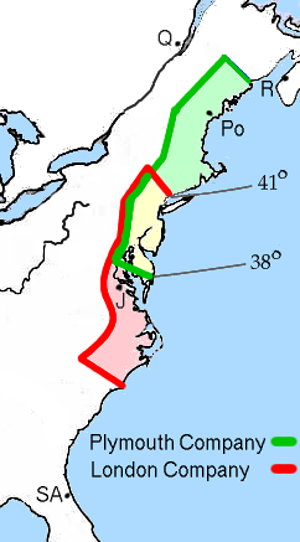
About this source
What it is
The First Charter of Virginia, also called the Charter of 1606, is a document issued by King James I granting land rights to the Virginia Company for a settlement on the coast of North America, from present-day South Carolina to Maine.
Why it matters
The charter set up the London Company and Plymouth Company as the king's tenants, with James entitled to a share of any profit. It framed the settlers' task partly as bringing Christianity to Indigenous peoples, described in the charter as living in "darkness" and "ignorance." This document began England's permanent colonisation of North America and shows how James combined royal profit, religious justification and overseas expansion.
Look closer
- What does the charter's language about "Infidels and Savages" reveal about how the English viewed Indigenous peoples?
- Who benefits most from the arrangements described in the charter?
- What is left out of this document about the people already living on this land?
This document is part of the curated material that grounds the AI version of James I on Humy.ai — when students ask about related events, the AI can quote it and cite it.
More James I sources
Meet the AI James I →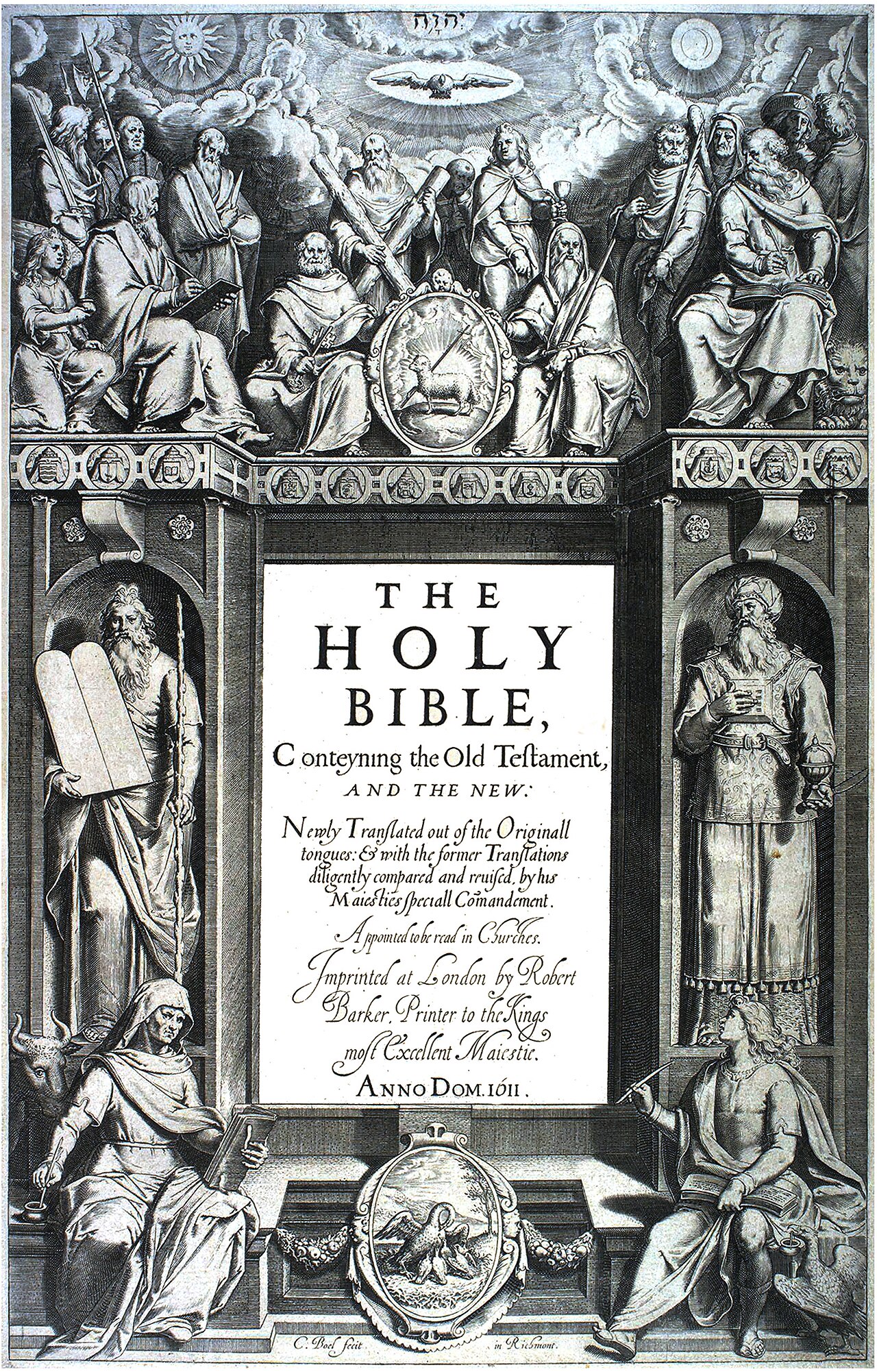 Book
Secondary source
King James Version
1611
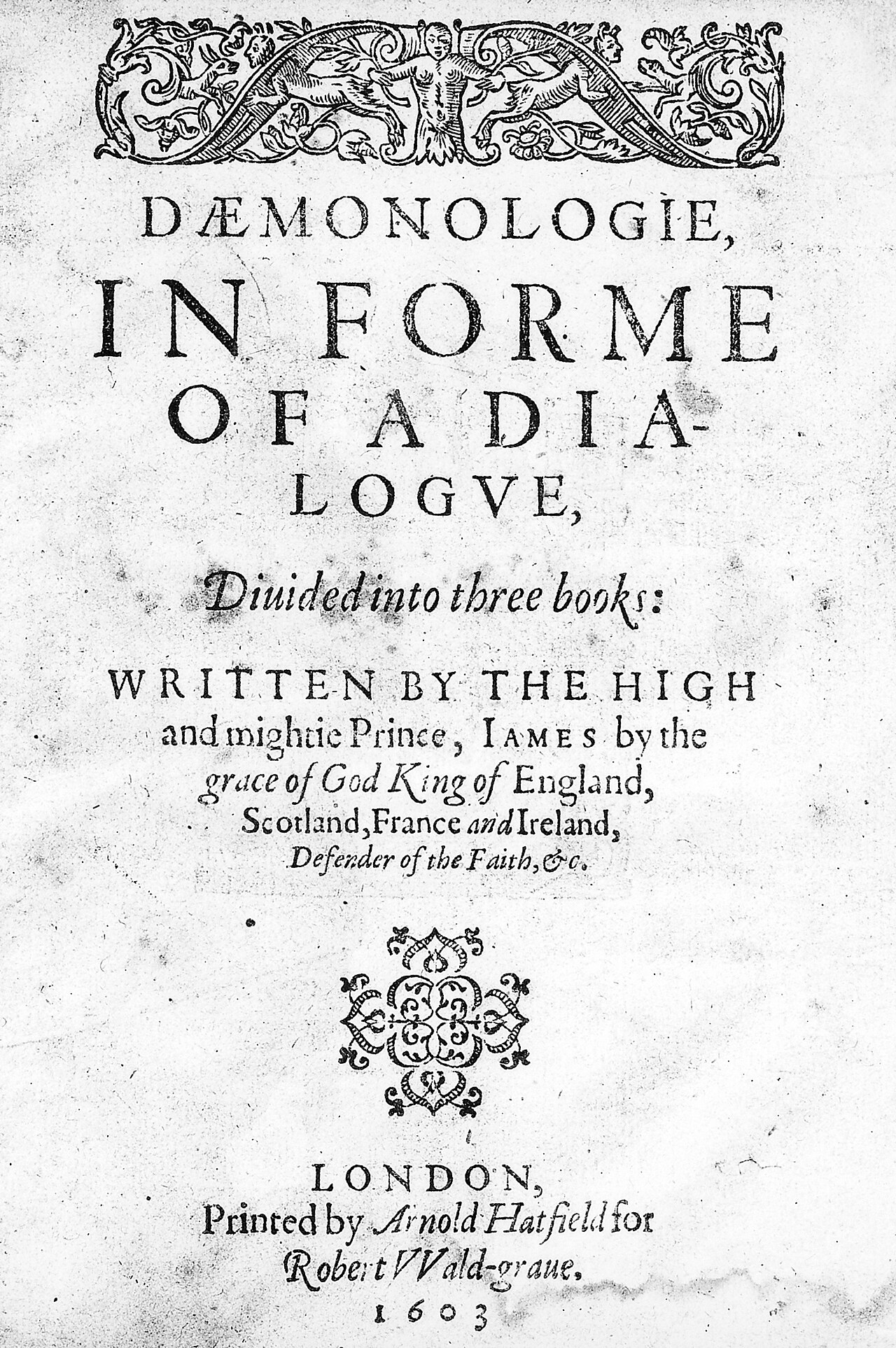 Book
Primary source
Daemonologie
James VI and I · 1597 (reprinted 1603)
 Book
Primary source
The True Law of Free Monarchies
James VI and I · 1598
 Book
Primary source
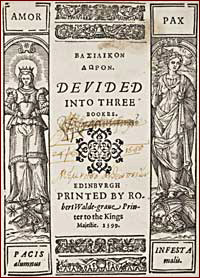
Basilikon Doron
James VI and I · 1599 (published 1603)
 Letter
Primary source
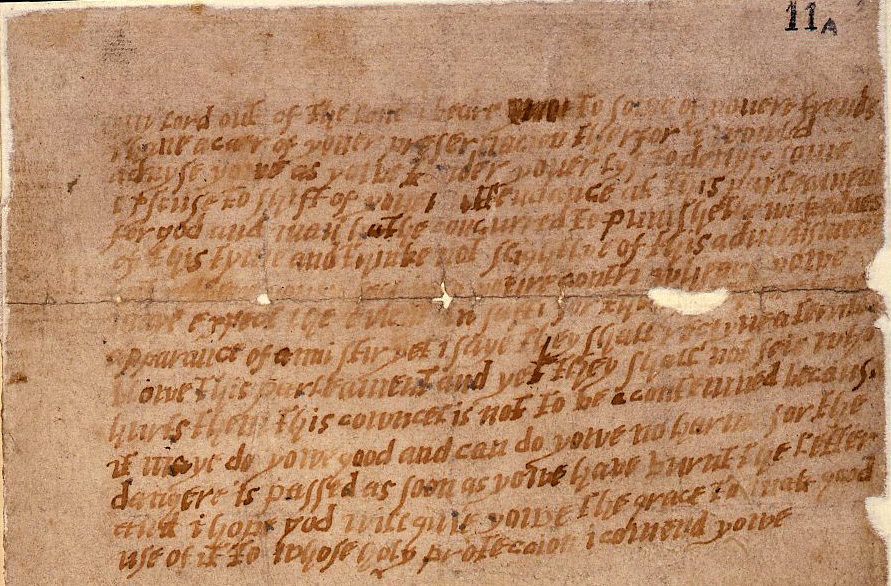
The Monteagle Letter
Unknown · 1605
Ready when you are
Start chatting with James I now.
20 messages free · No credit card · Available in 50+ languages.