


Primary sourcePaintingc. 1615-1620
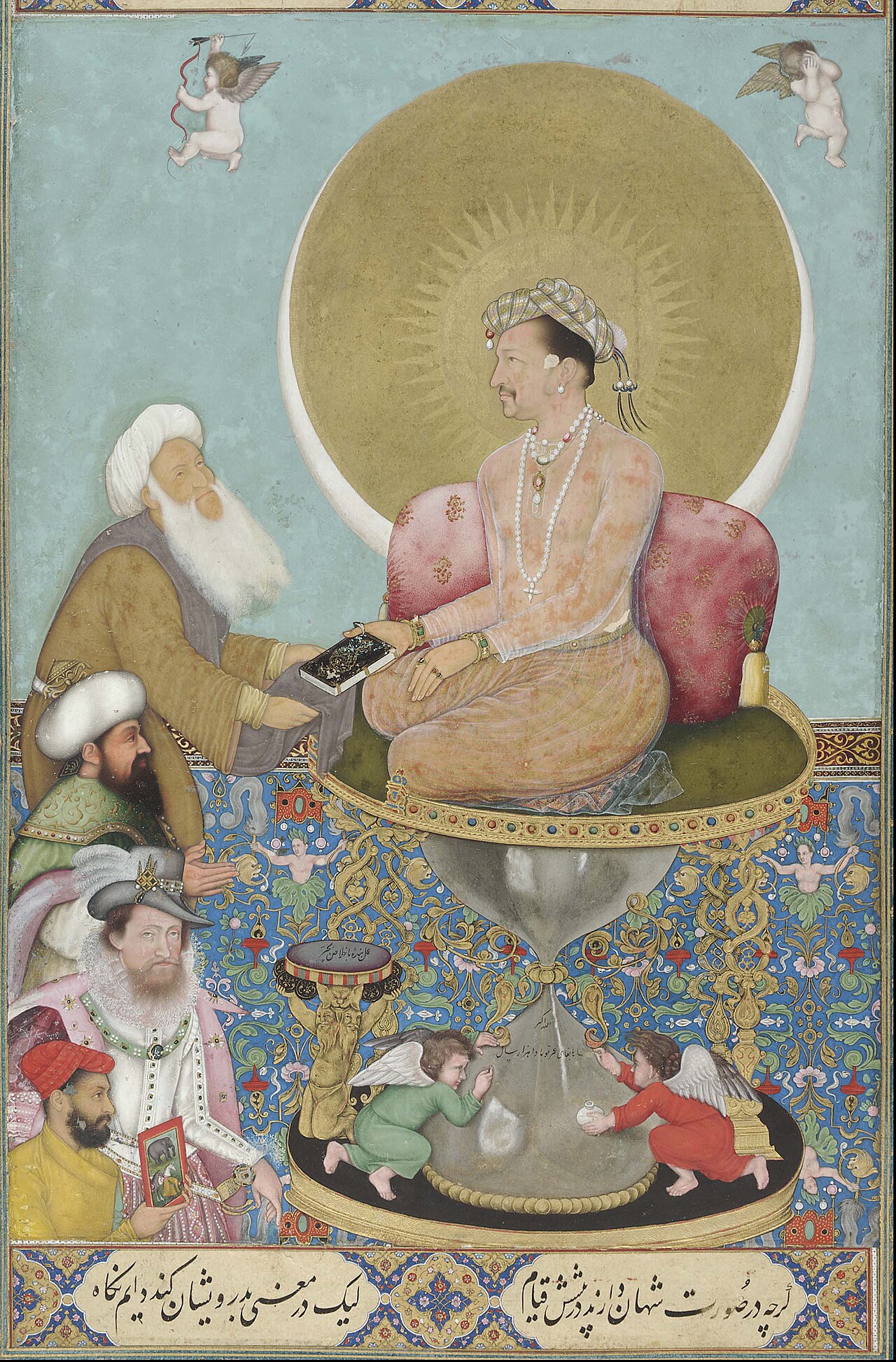
Jahangir Preferring a Sufi Shaikh to Kings
Bichitr · c. 1615-1620
A Mughal miniature painting from around 1615-1620 by artist Bichitr, in which a European king resembling James appears among rulers favored less than a Sufi holy man.
A European king thought to represent James appears among rulers in this Mughal court painting, showing his international image.
About this source
What it is
This miniature painting, made around 1615-1620 by the Mughal court artist Bichitr, shows the emperor Jahangir turning his attention to a Sufi shaikh instead of the kings gathered below him, one of whom is a European figure in a ruff and hat.
Why it matters
This image reflects how James I was seen and represented far beyond England, in the Mughal court of India. It shows how European monarchs like James were part of a wider world of diplomacy and image-making, even appearing in art made by artists who served entirely different rulers.
Look closer
- Why might a Mughal artist choose to include a European king in this scene?
- What does the placement of the figures—Jahangir above, the kings below—suggest about the painting's message?
- How reliable do you think this image is as evidence of what James actually looked like?
This painting is part of the curated material that grounds the AI version of James I on Humy.ai — when students ask about related events, the AI can quote it and cite it.
More James I sources
Meet the AI James I →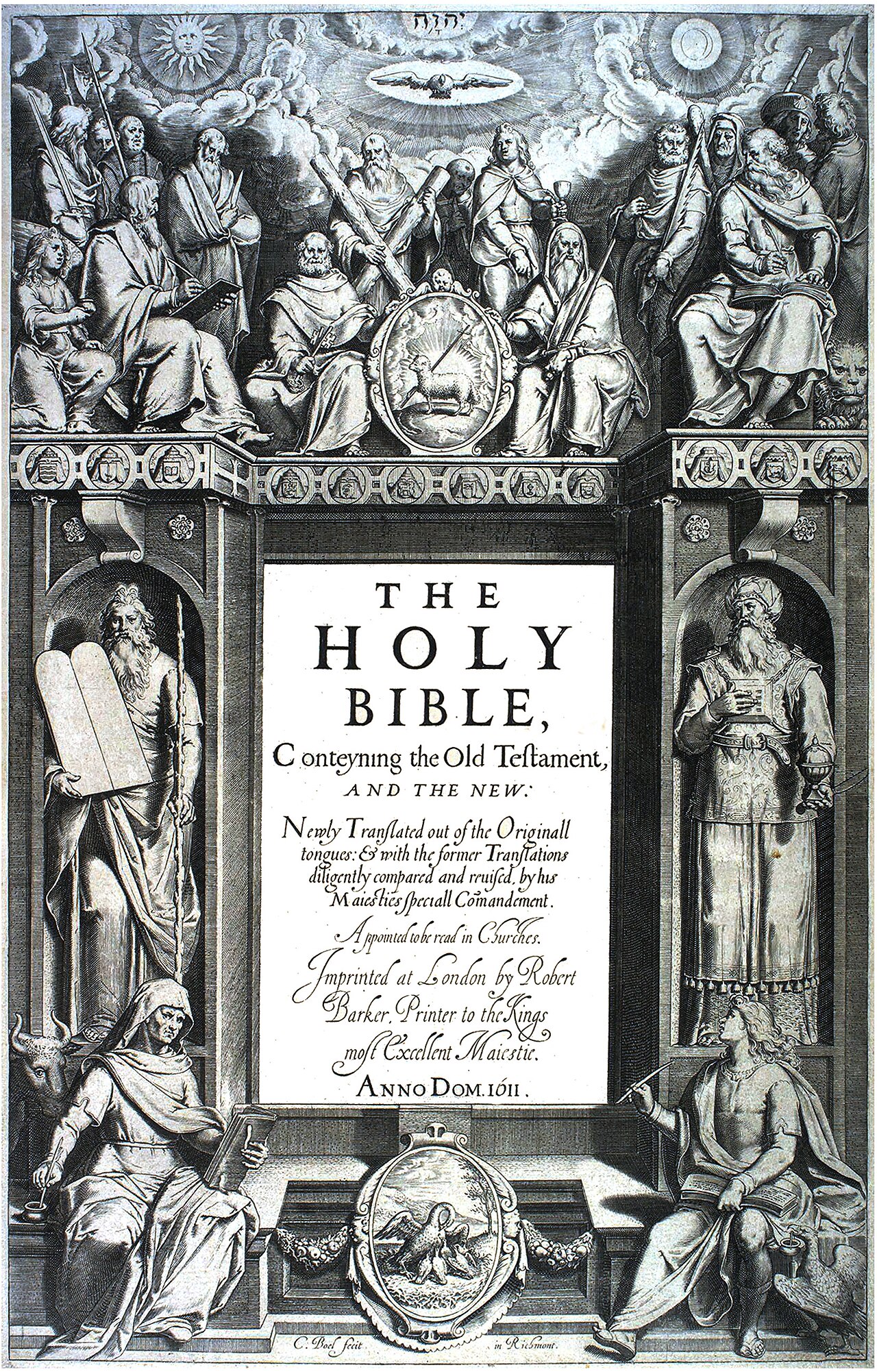 Book
Secondary source
King James Version
1611
 Book
Primary source
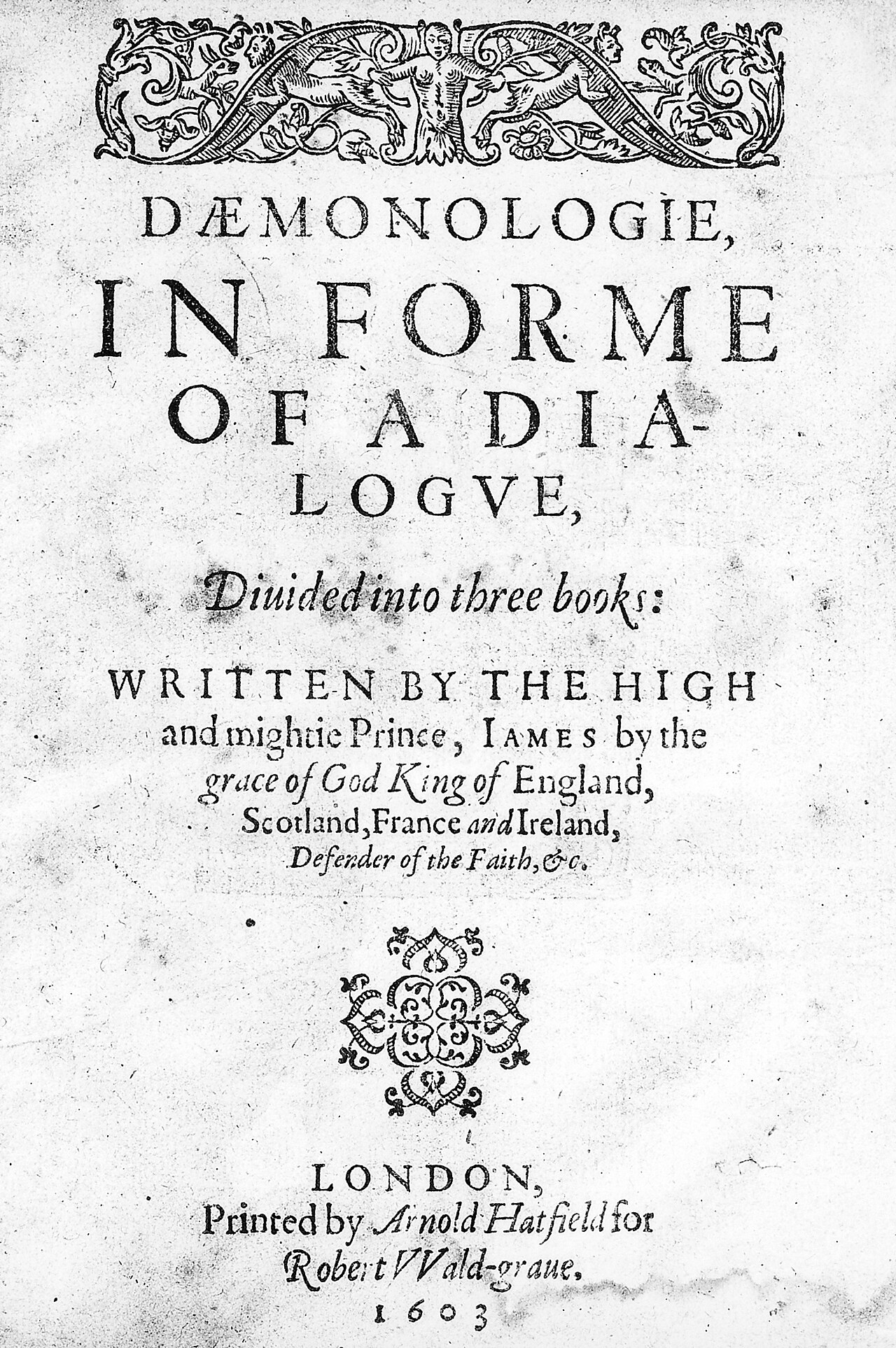
Daemonologie
James VI and I · 1597 (reprinted 1603)
 Book
Primary source
The True Law of Free Monarchies
James VI and I · 1598
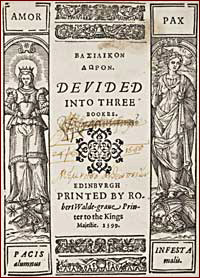 Book
Primary source
Basilikon Doron
James VI and I · 1599 (published 1603)
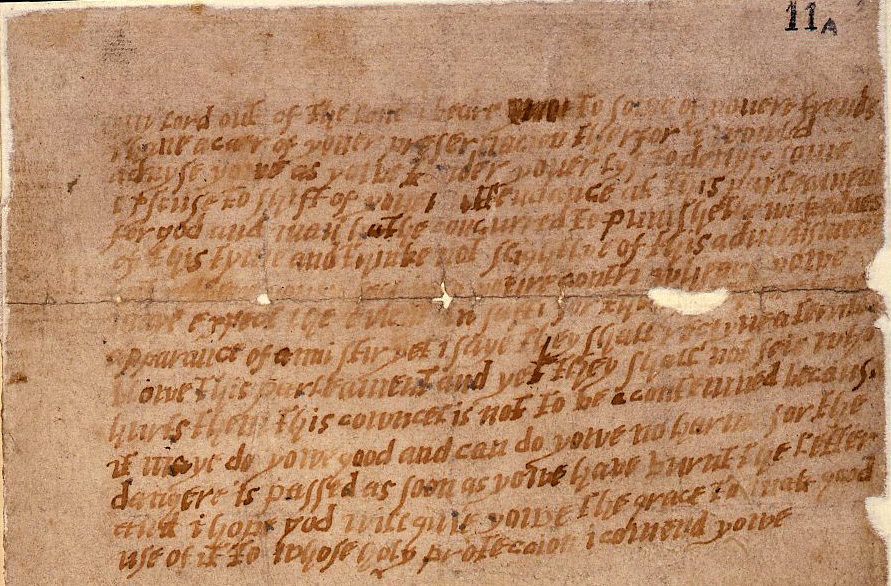 Letter
Primary source
The Monteagle Letter
Unknown · 1605
Ready when you are
Start chatting with James I now.
20 messages free · No credit card · Available in 50+ languages.