


Primary sourceDocument1617
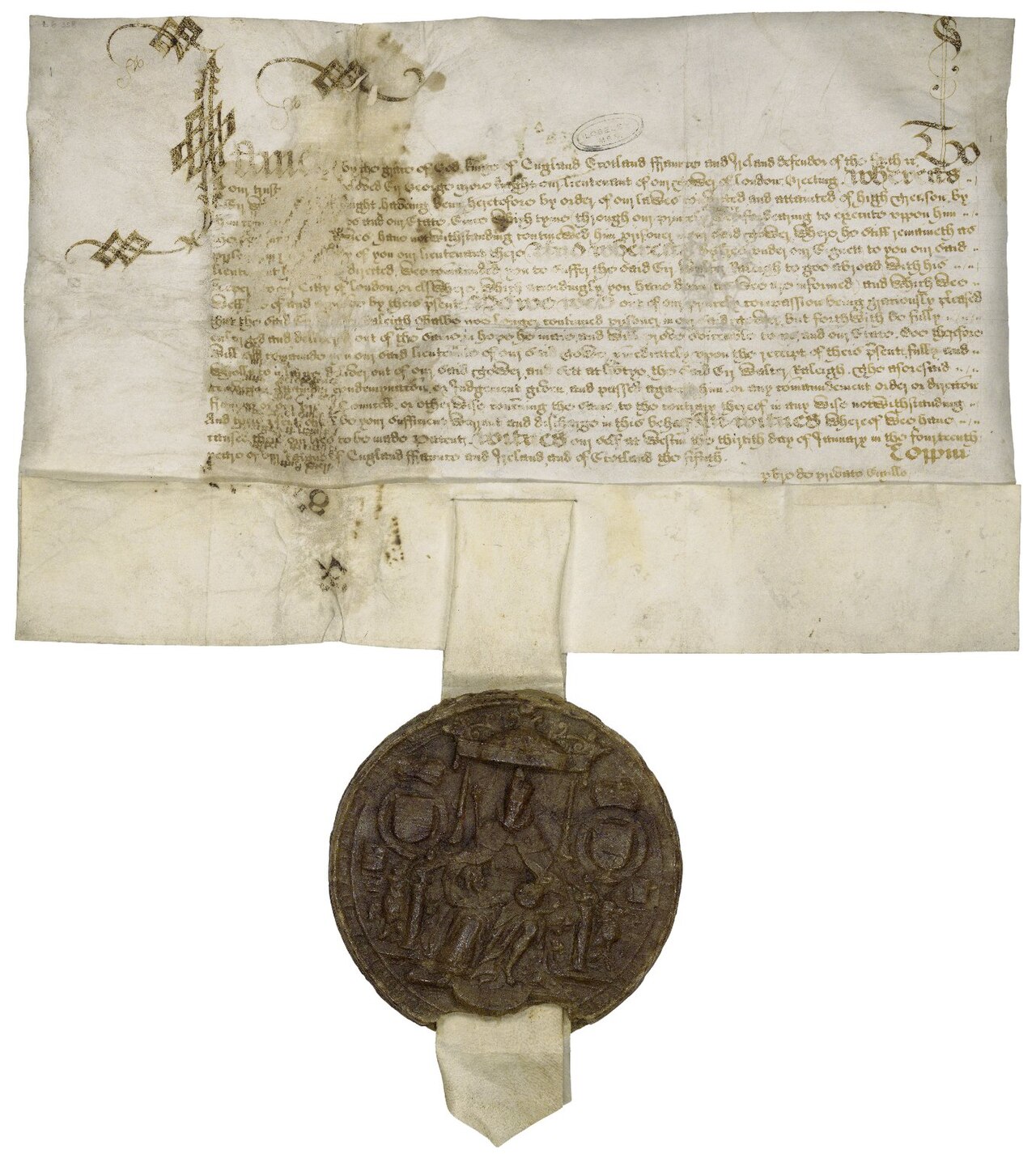
Royal Pardon of Walter Raleigh
James I of England and VI of Scotland · 1617
A 1617 royal warrant by James I freeing Raleigh from imprisonment so he could lead his final expedition to Guiana.
This royal warrant freed Raleigh for his final voyage, whose broken terms led to his execution.
About this source
What it is
This is a handwritten parchment warrant issued by King James I in 1617, decorated with illuminated initials and sealed with a large wax seal showing an equestrian royal image. It released Walter Raleigh so he could lead one last voyage to Guiana.
Why it matters
The pardon shows how fragile Raleigh's freedom was. James I's terms for the voyage were strict, and when Raleigh broke them during the expedition, the pardon's failure led directly to his execution. It reveals the power a king held over a subject's life, and how a single document could both grant freedom and set the stage for death.
Look closer
- What does the elaborate decoration of the document suggest about royal authority?
- Why might a king attach strict conditions to a pardon?
- What does the later outcome tell you about the risks Raleigh was taking by accepting this pardon?
This document is part of the curated material that grounds the AI version of Sir Walter Raleigh and James I on Humy.ai — when students ask about related events, the AI can quote it and cite it.
More Sir Walter Raleigh sources
Meet the AI Sir Walter Raleigh →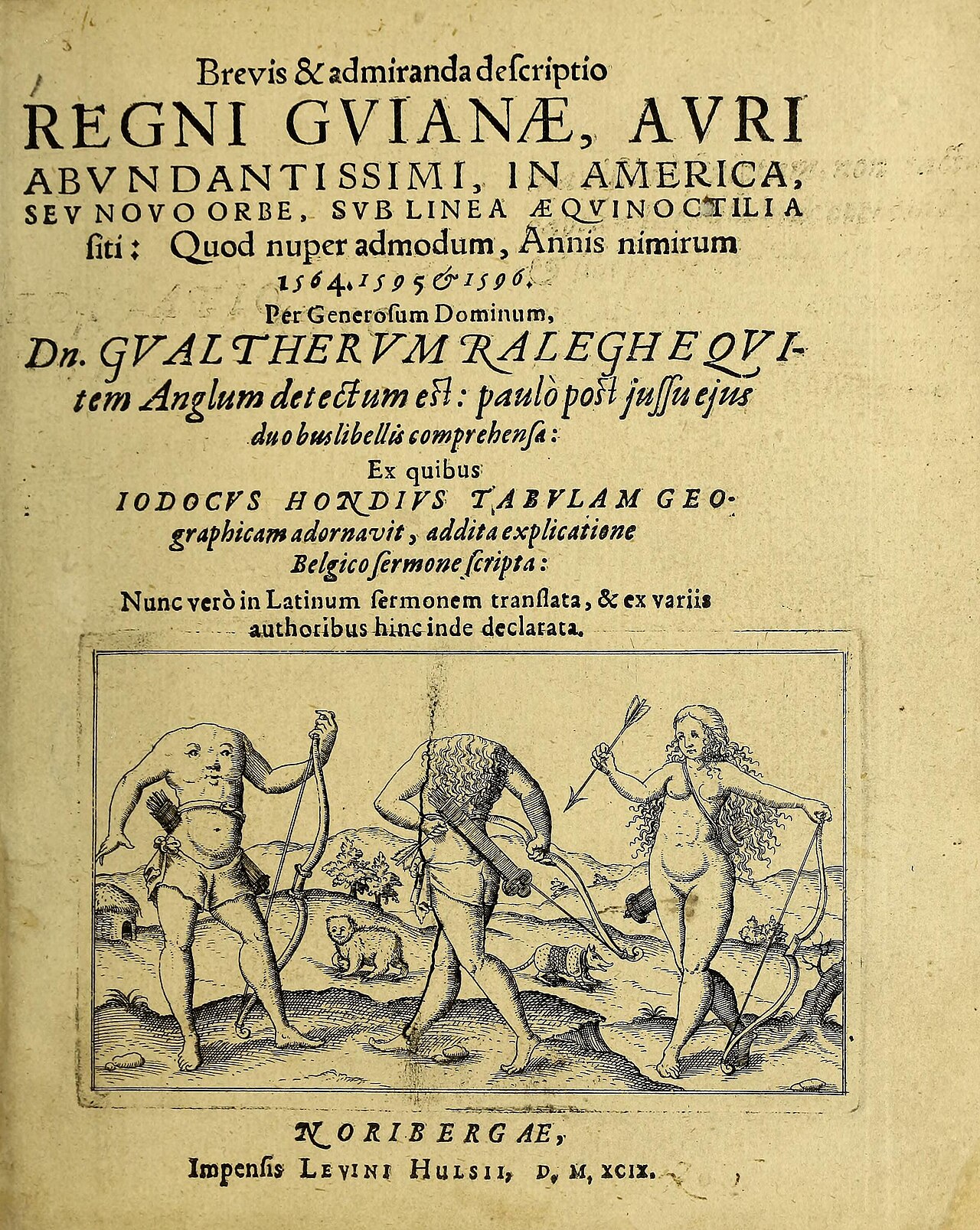 Book
Primary source
The Discovery of Guiana
Walter Raleigh · 1596
Primary source
Charter to Sir Walter Raleigh
Elizabeth I · 1584
 Book
Primary source
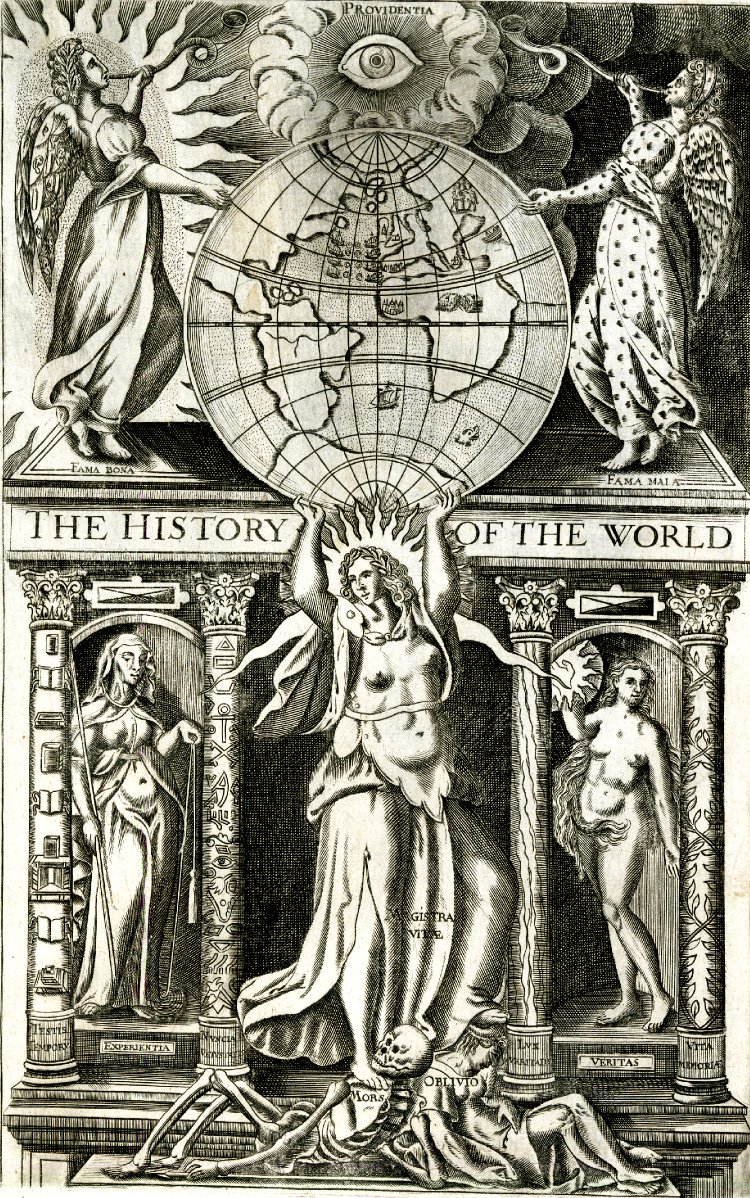
The History of the World
Walter Raleigh · 1614
 Painting
Primary source
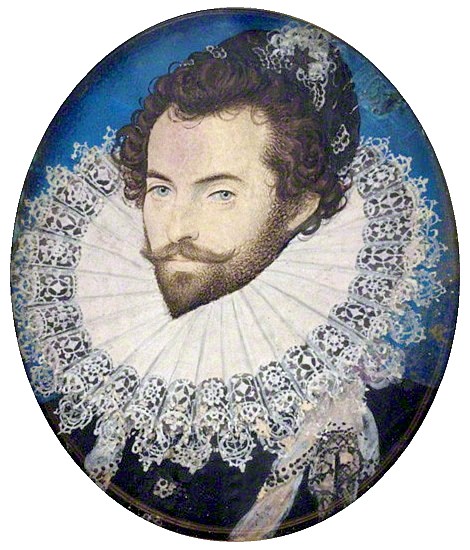
Sir Walter Raleigh
Nicholas Hilliard · c. 1585
 Painting
Primary source
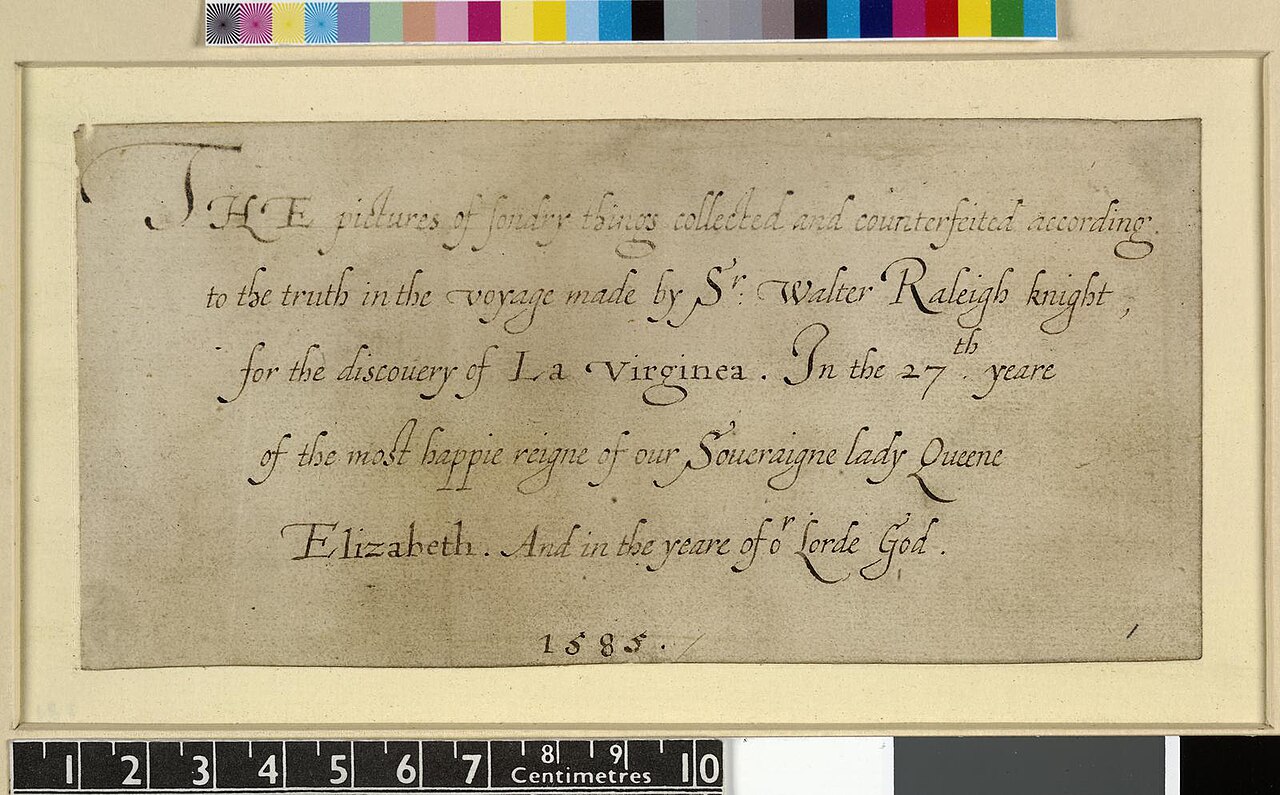
John White's watercolours of the Roanoke voyage
John White · 1585-1586
Ready when you are
Start chatting with Sir Walter Raleigh now.
20 messages free · No credit card · Available in 50+ languages.