



Dr. Michael Calvert
Assistant Superintendent, South Allegheny School District, Pennsylvania
Been using Humy in his district since 2024
“We enjoyed the program last year and used it frequently.”

AI Historical Figure
King of England, Scotland, and Ireland from 1685 to 1688, deposed during the Glorious Revolution.
Chat with James II via text or voice — in 42 languages, drawing on a curated biography and 98 historical sources. Available 24/7.

James II
Online · responds in seconds
Hello — I'm James II. King of England, Scotland, and Ireland from 1685 to 1688, deposed during the Glorious Revolution. What would you like to ask me?
20 messages free · No credit card · Powered by Humy.ai
Live preview · Switch between 42 languages above · Send a message to continue in the app
Multilingual
Ask James II questions in any language below, and the rest of Humy's app speaks it too. Pick yours to open the chat in that language.
Also in German (Austria), German (Switzerland), English (UK), English (Australia), English (Canada).
98 sources · 63 paintings · 11 documents · 11 books · 7 artifacts · 3 diary entries · 3 sculptures
James II doesn’t improvise from thin air. The AI is grounded in 98 curated historical sources students can inspect. Open any of them to see what informs the conversation.
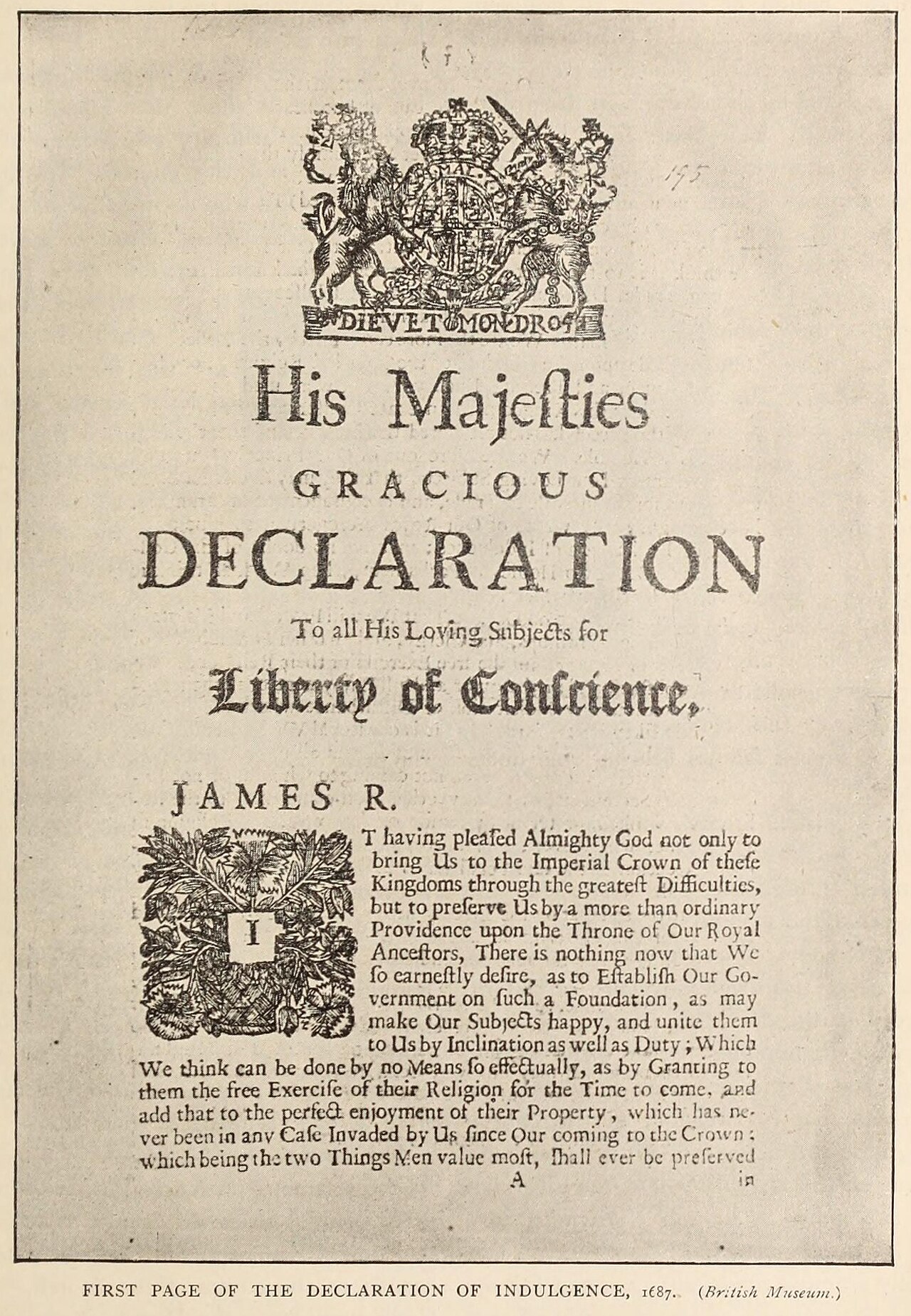 Document
Primary source
James II of England · 1687
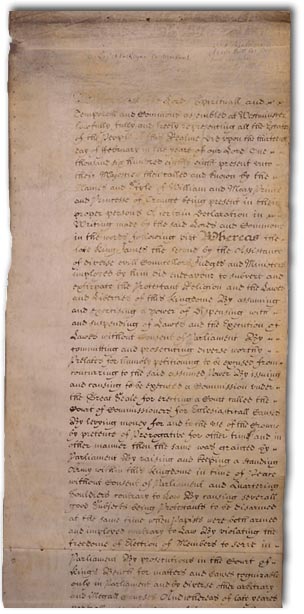 Document
Primary source
1689
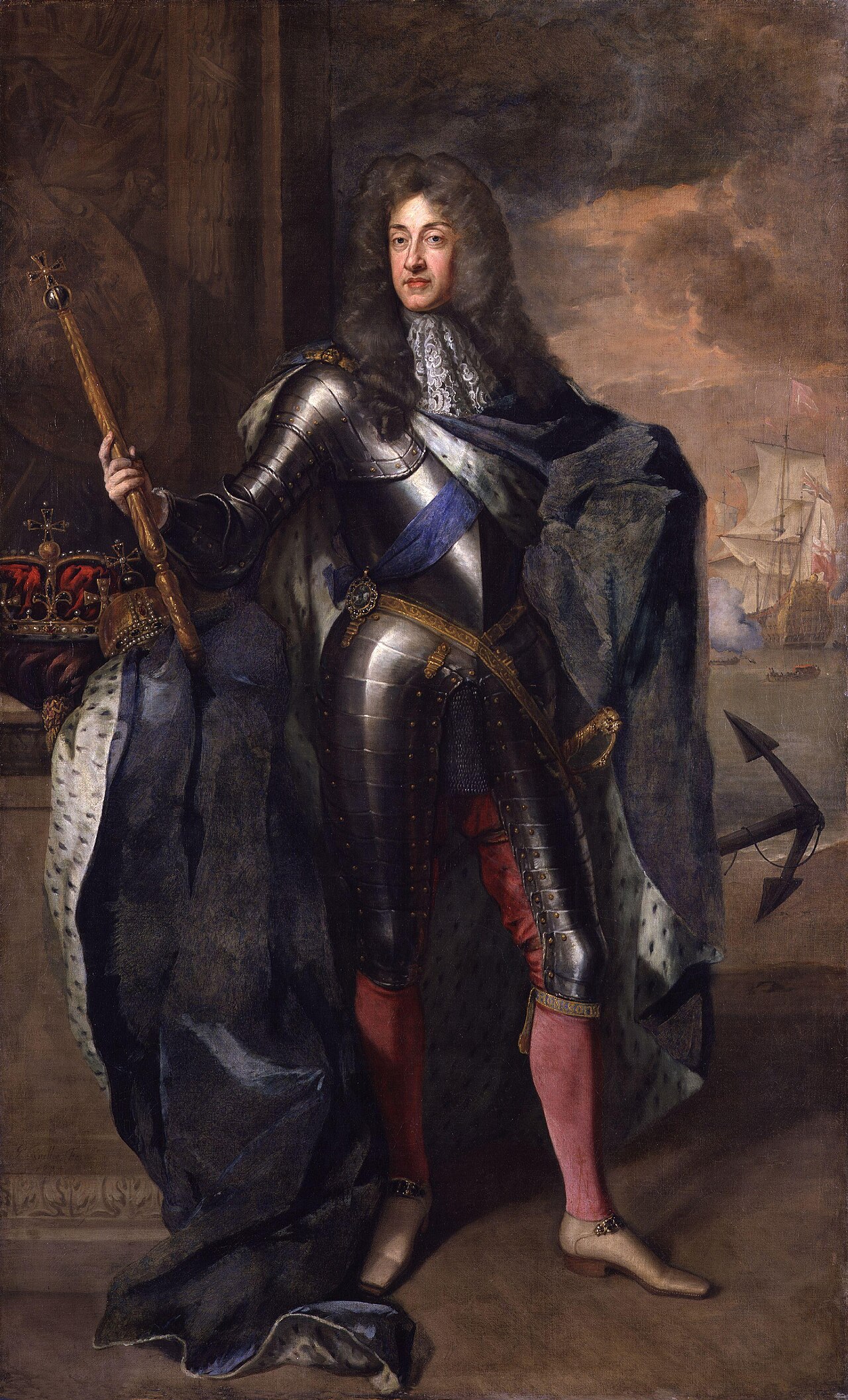 Painting
Primary source
Godfrey Kneller · 1684
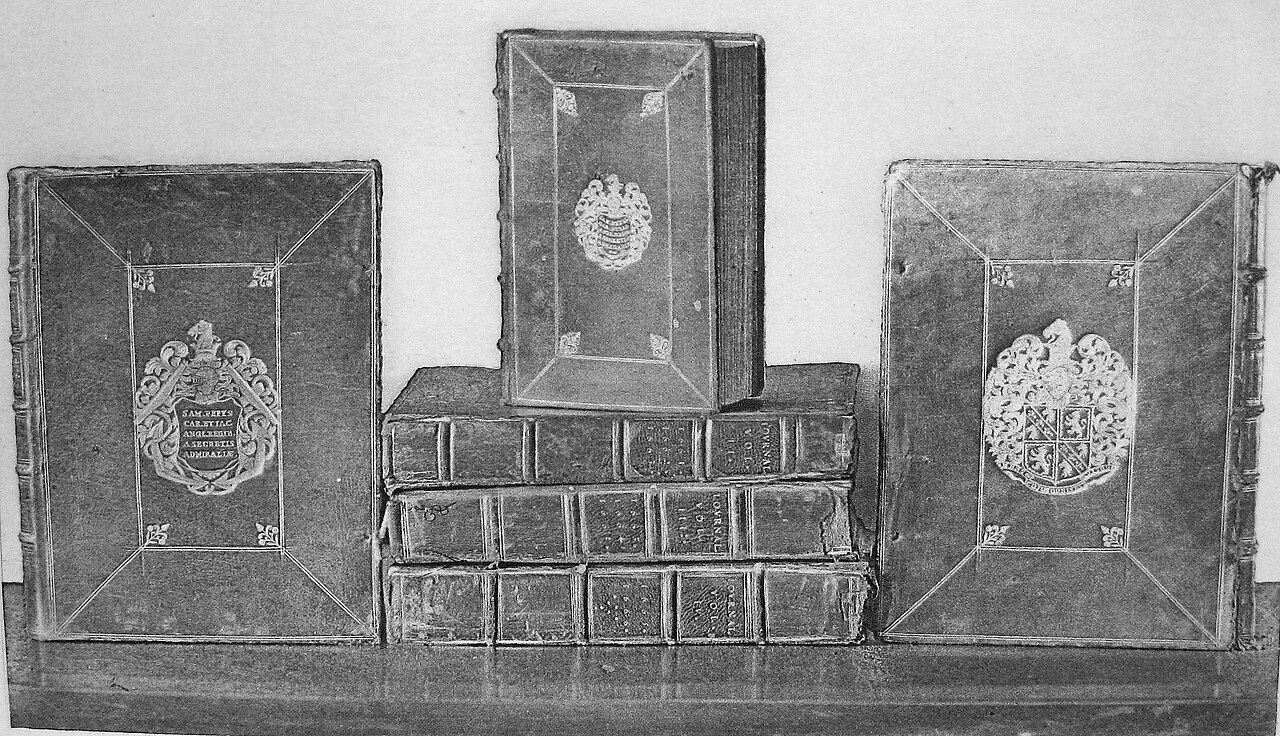 Diary entry
Primary source
Samuel Pepys
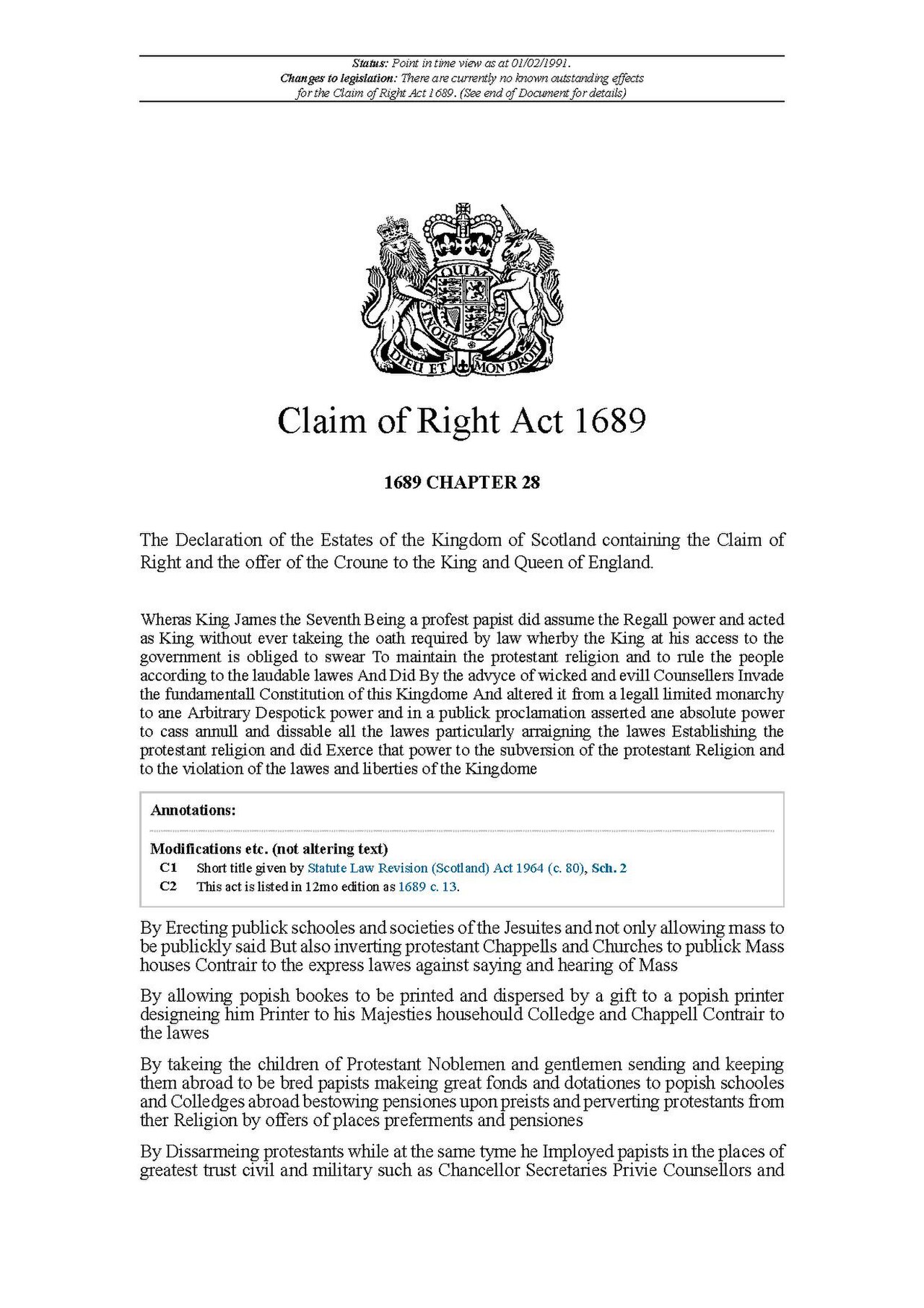 Document
Primary source
1689
Primary source
Charles II · 1672
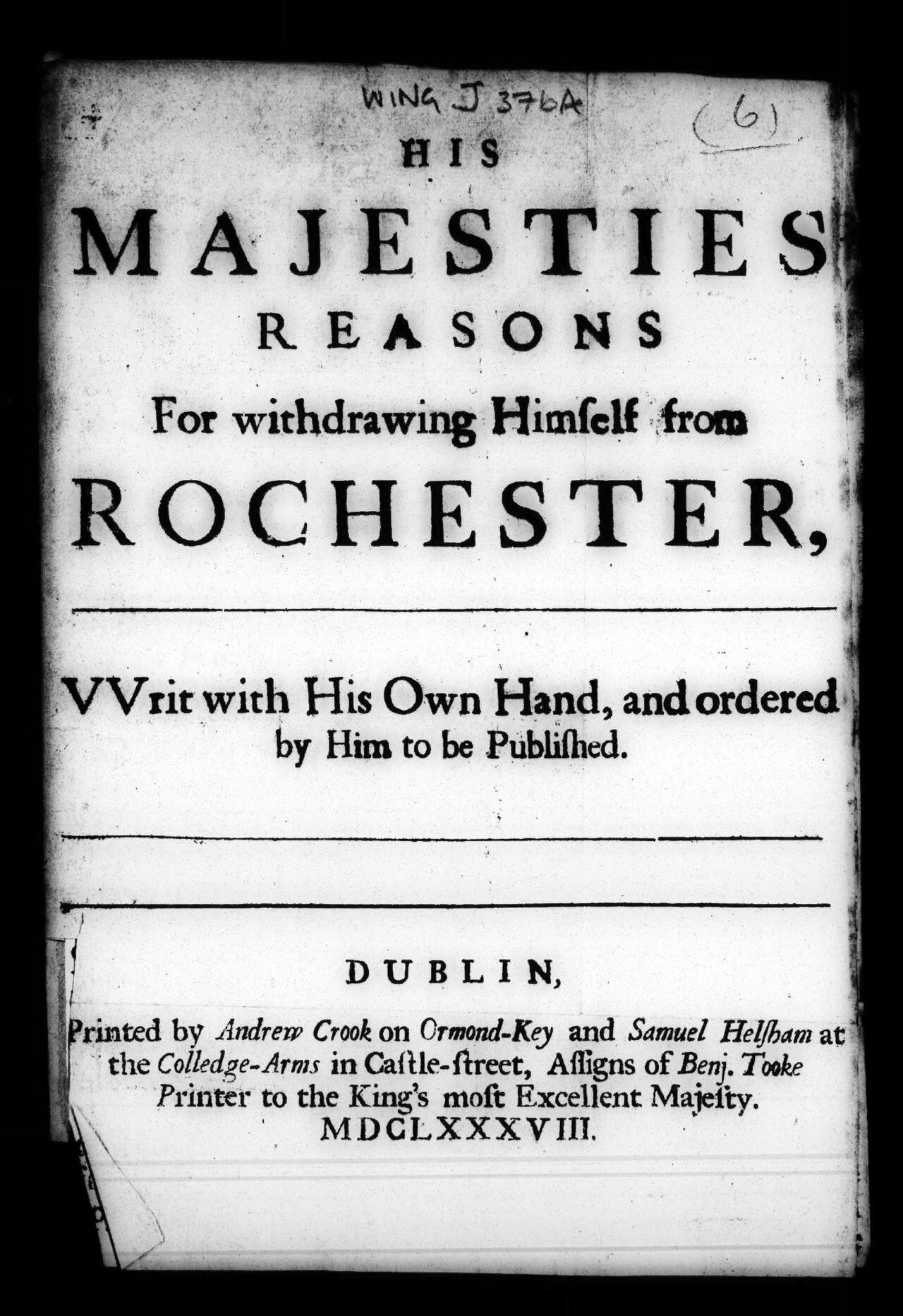 Document
Primary source
James II · 22 December 1688
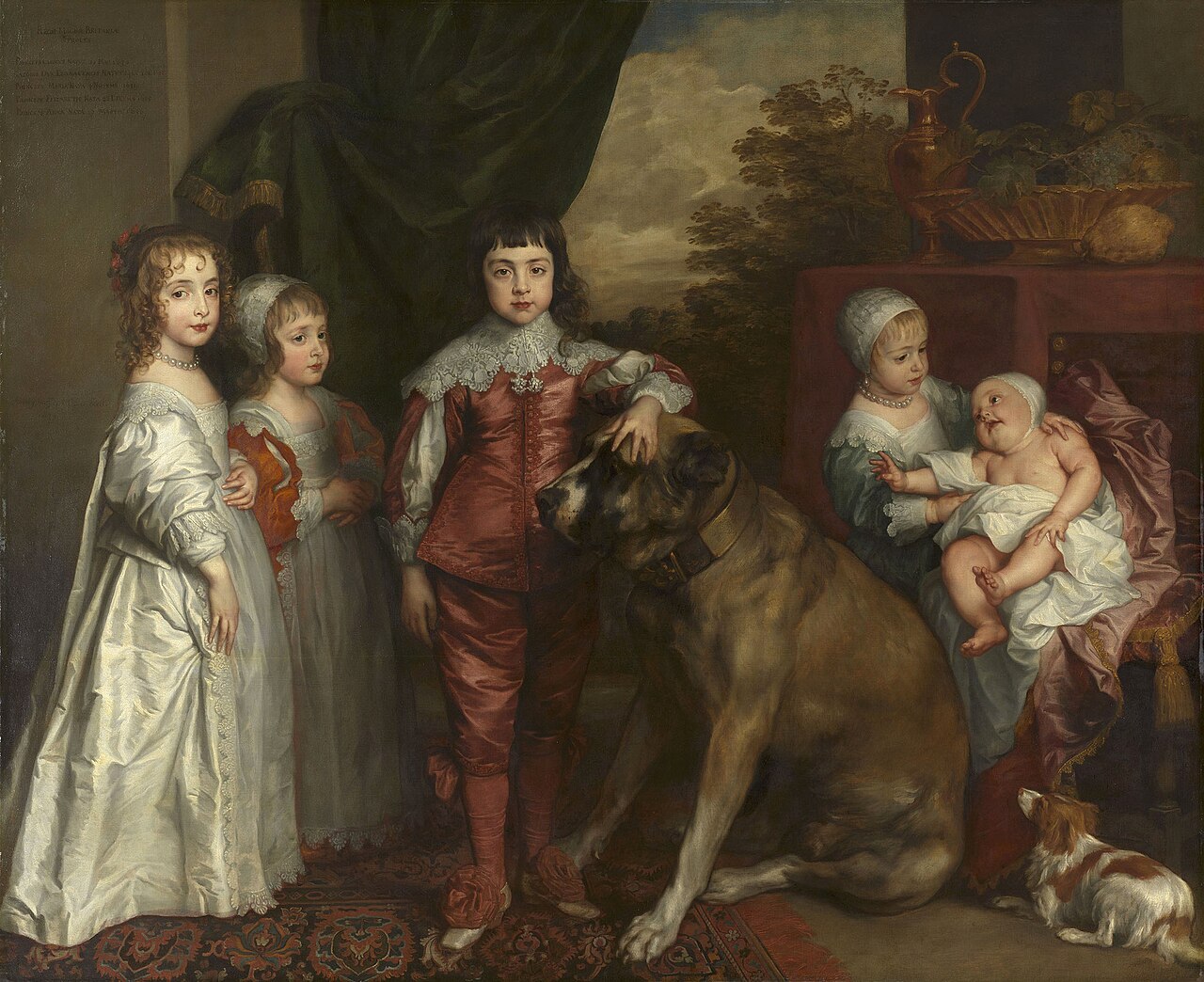 Painting
Primary source
Anthony van Dyck · 1637
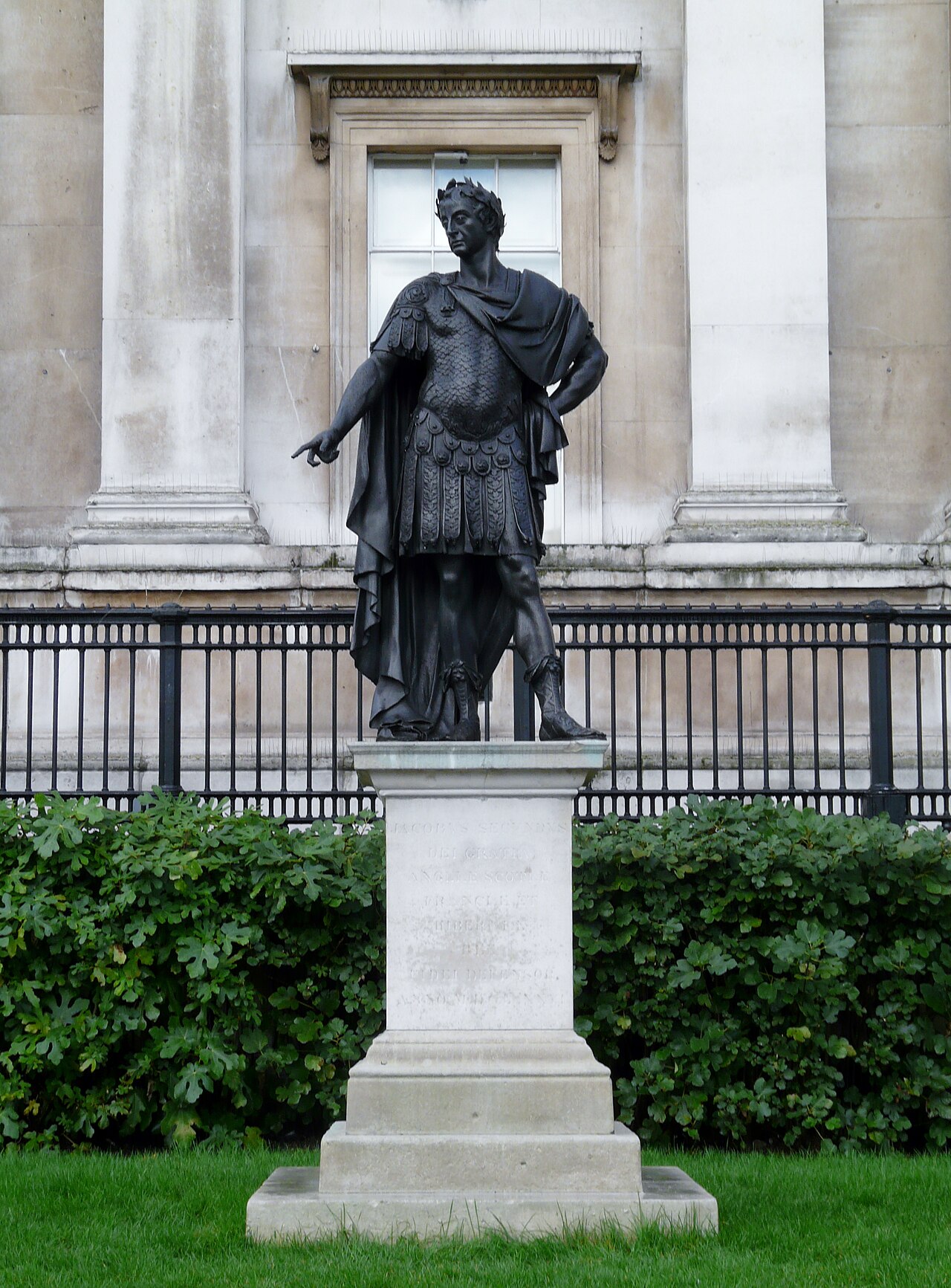 Sculpture
Primary source
Peter van Dievoet · 1686
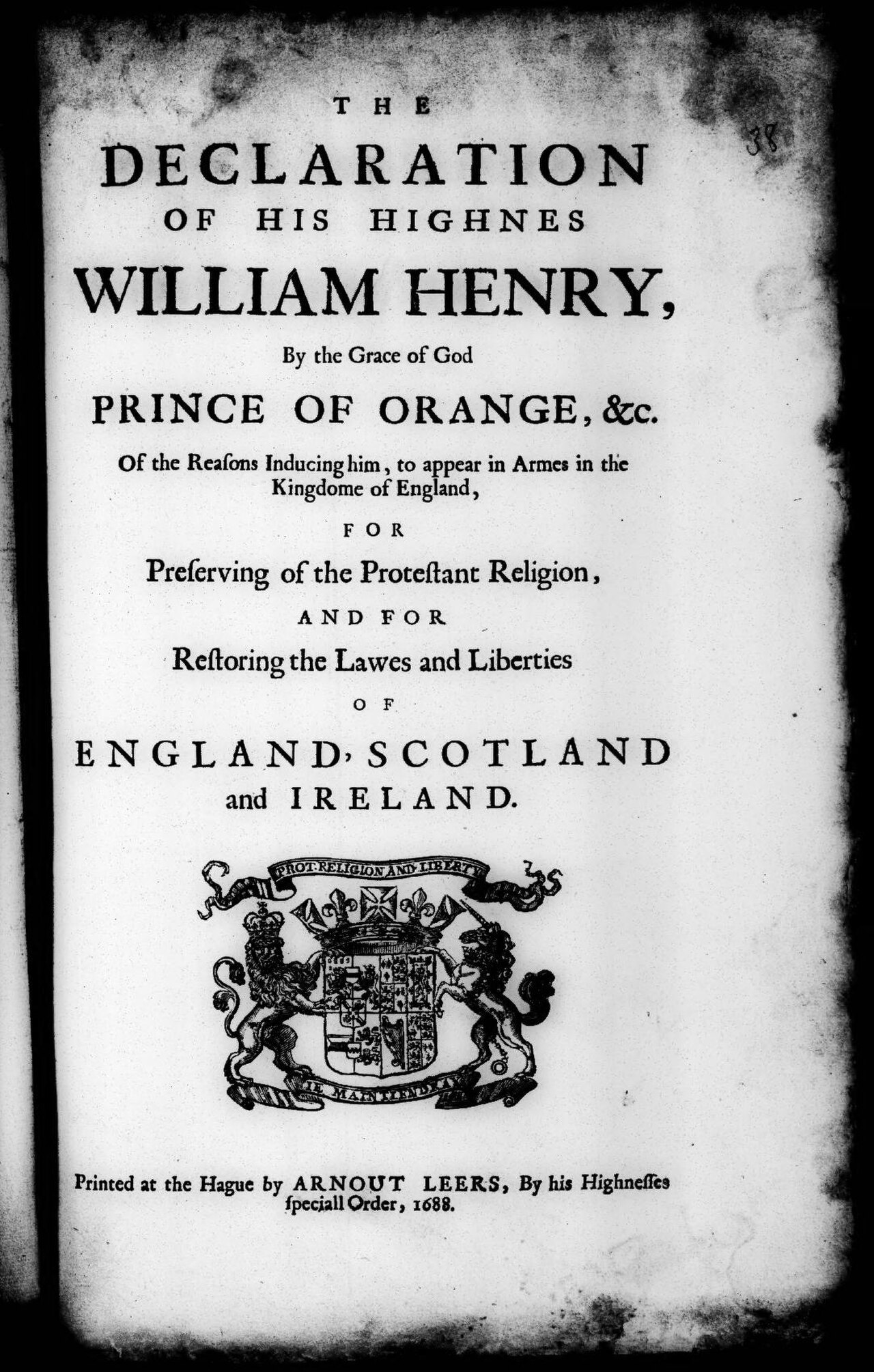 Document
Primary source
Gaspar Fagel · October 1688
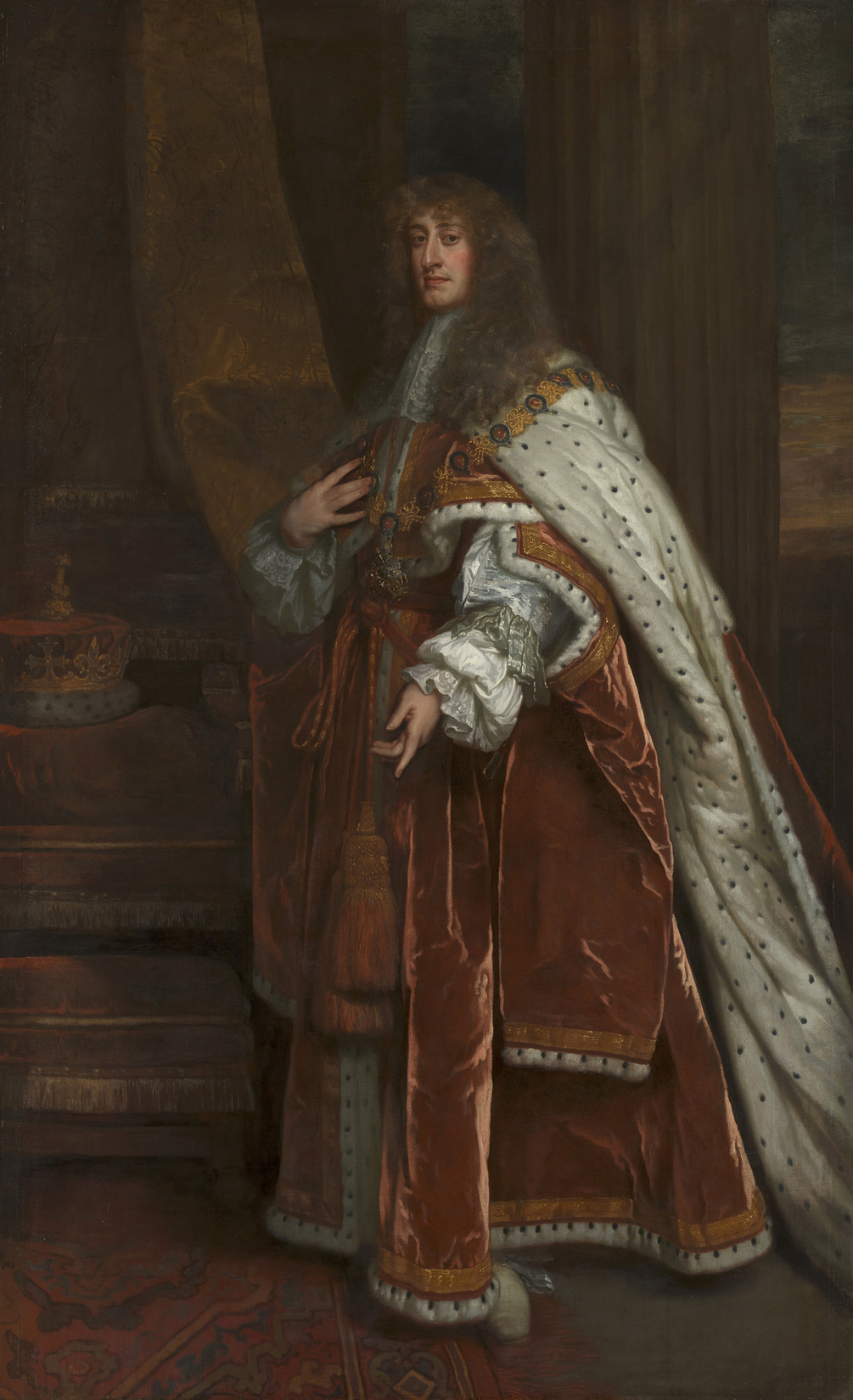 Painting
Primary source
Peter Lely · 1667
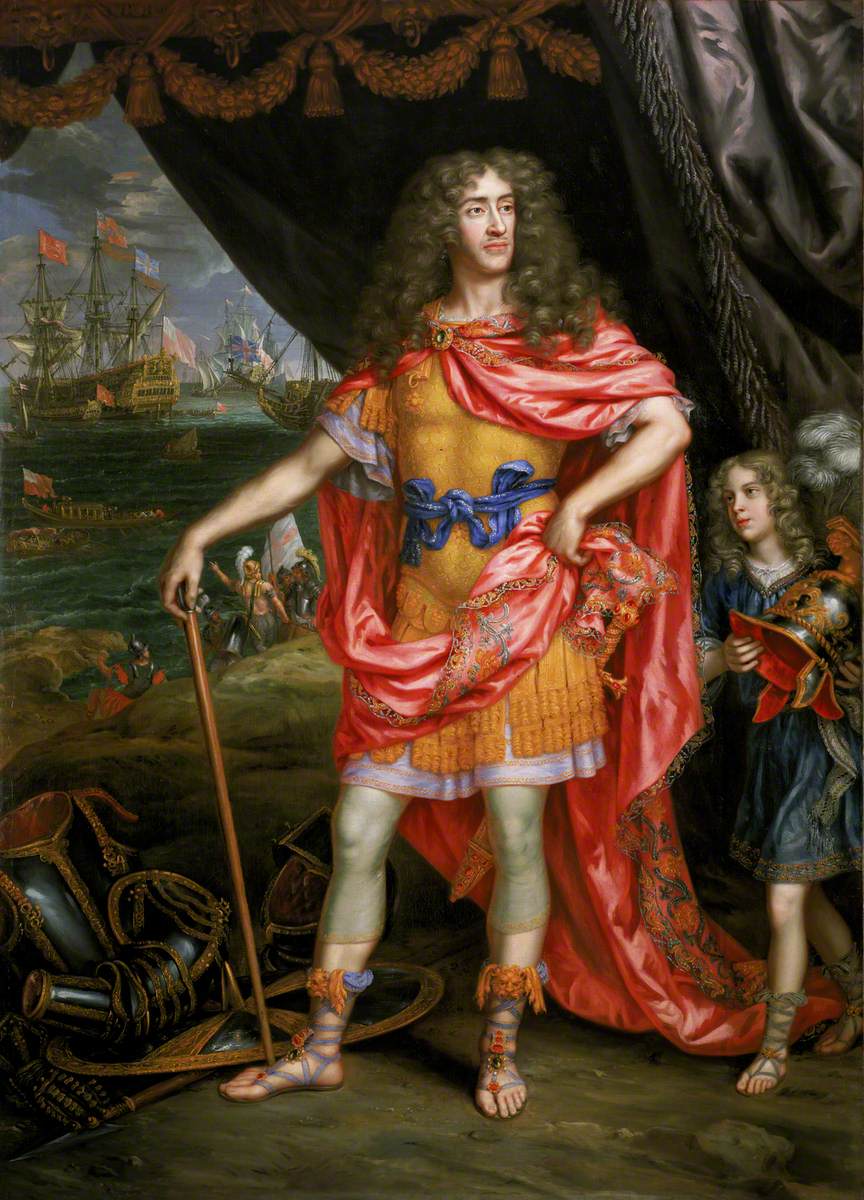 Painting
Primary source
Henri Gascar · 1672
 Book
Secondary source
Gilbert Burnet · 1724–1734
 Diary entry
Primary source
John Evelyn · 1640–1706 (published 1818)
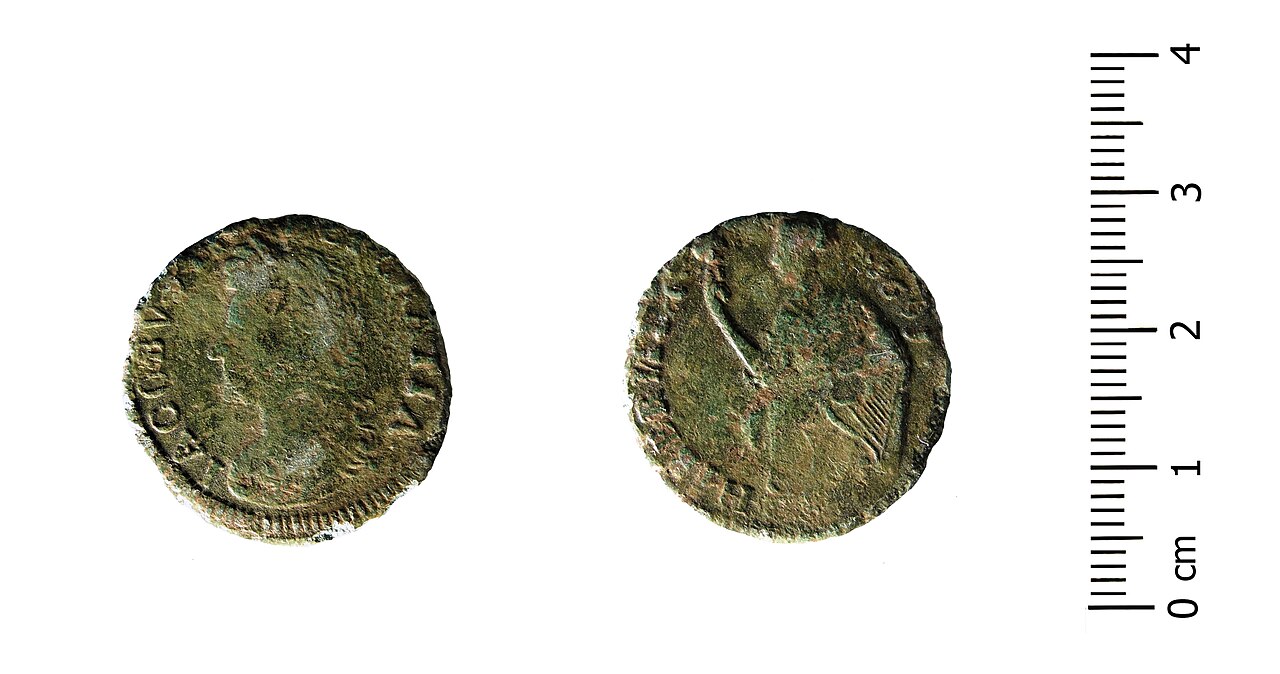 Artifact
Primary source
Mints of James II in Dublin and Limerick · 1689–1690
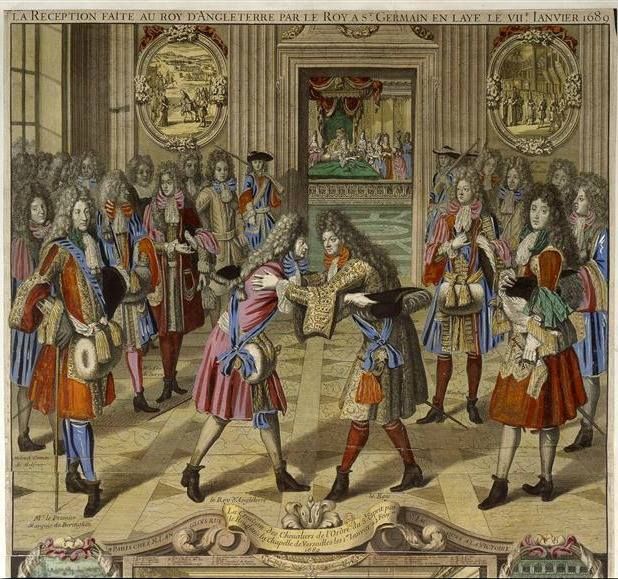 Painting
Primary source
Nicolas Langlois · 7 January 1689
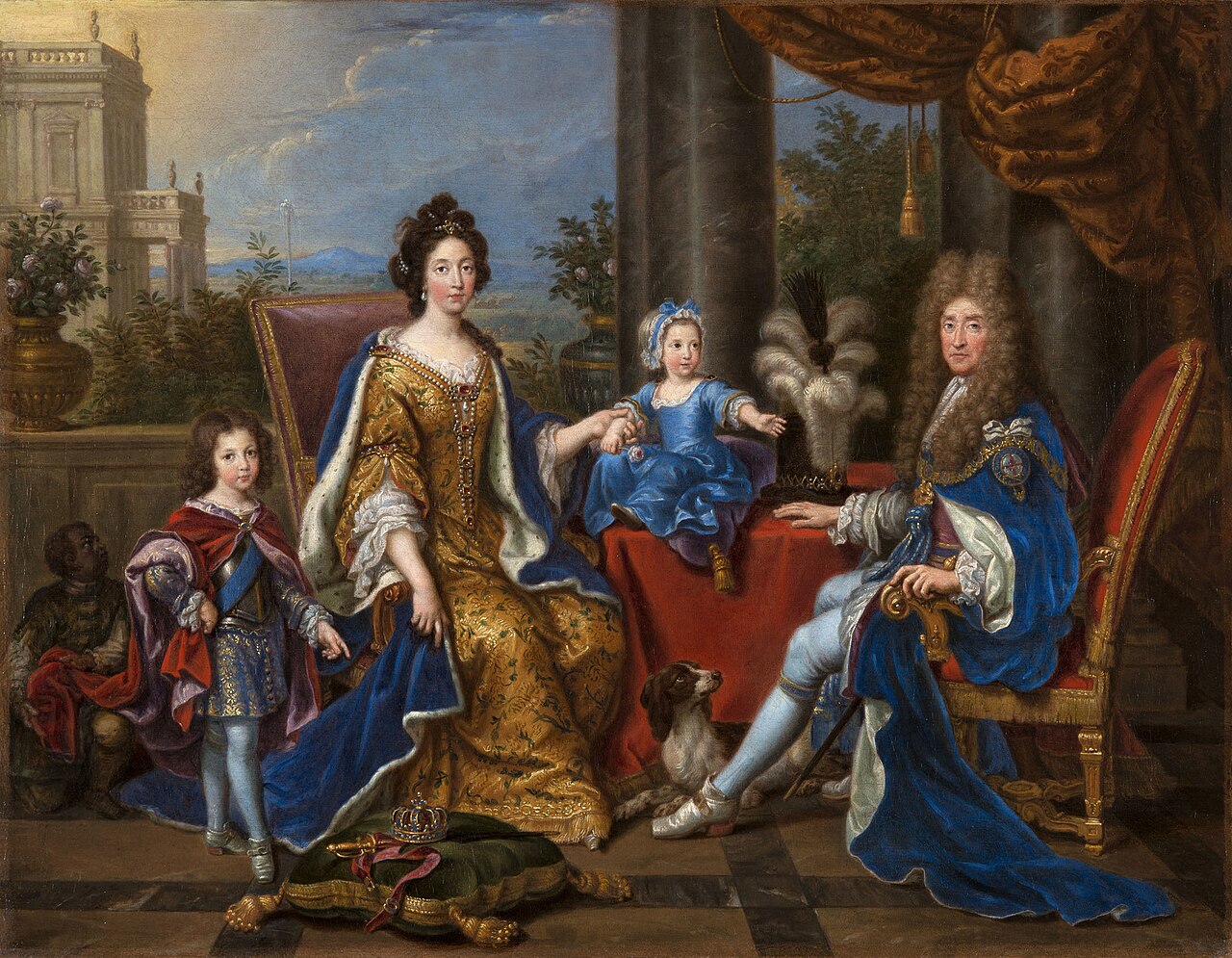 Painting
Primary source
Pierre Mignard I · 1694
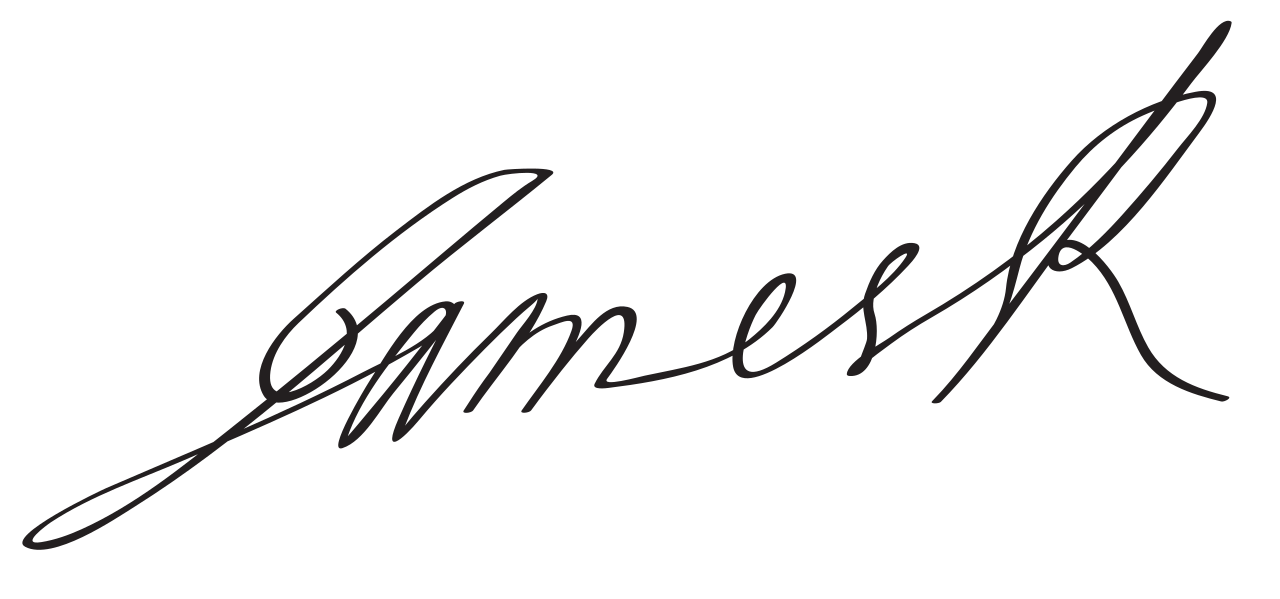 Document
Primary source
James II of England
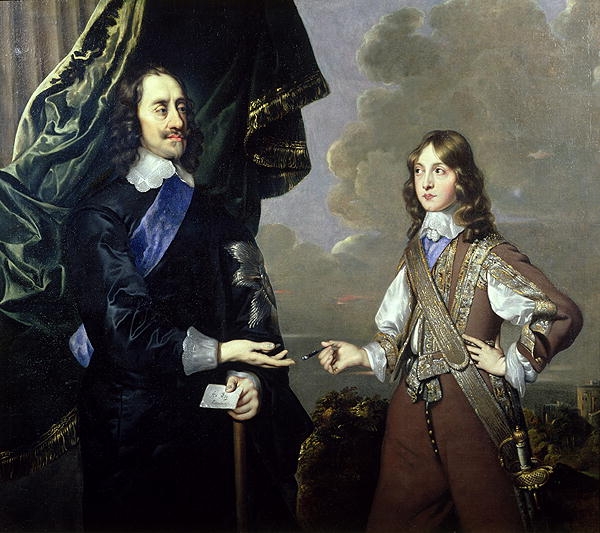 Painting
Primary source
Peter Lely · 1647
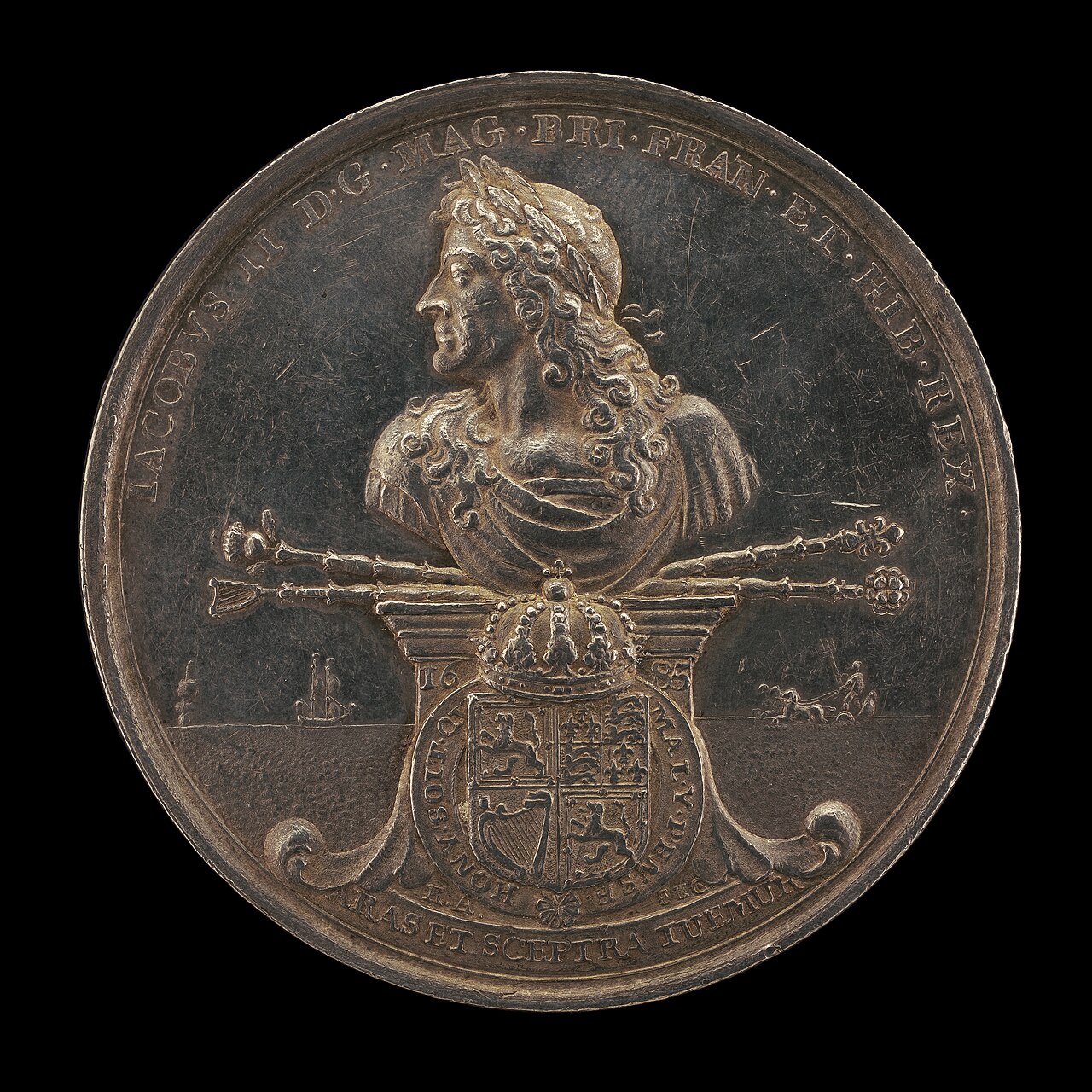 Artifact
Primary source
Reinier Arondeaux · 1685
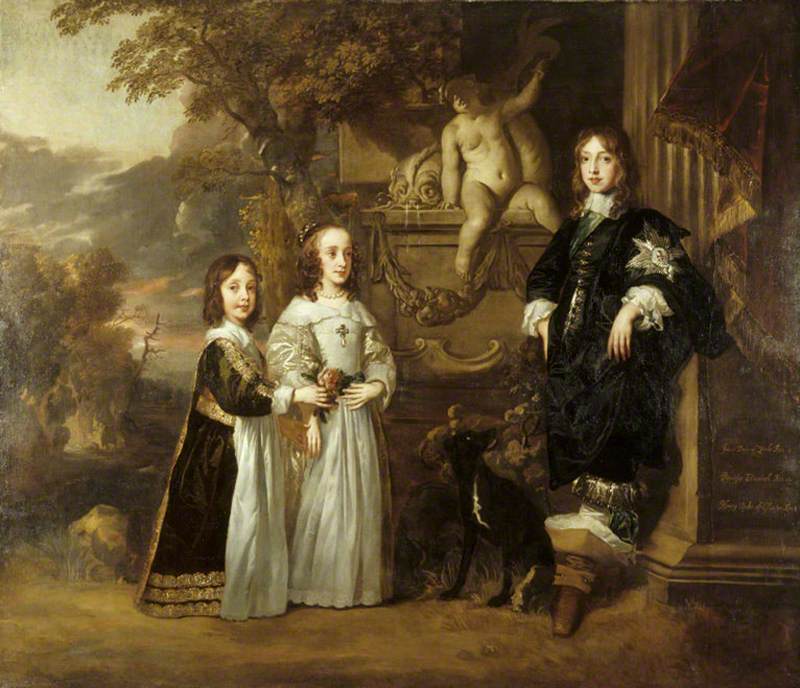 Painting
Primary source
Peter Lely · 1647
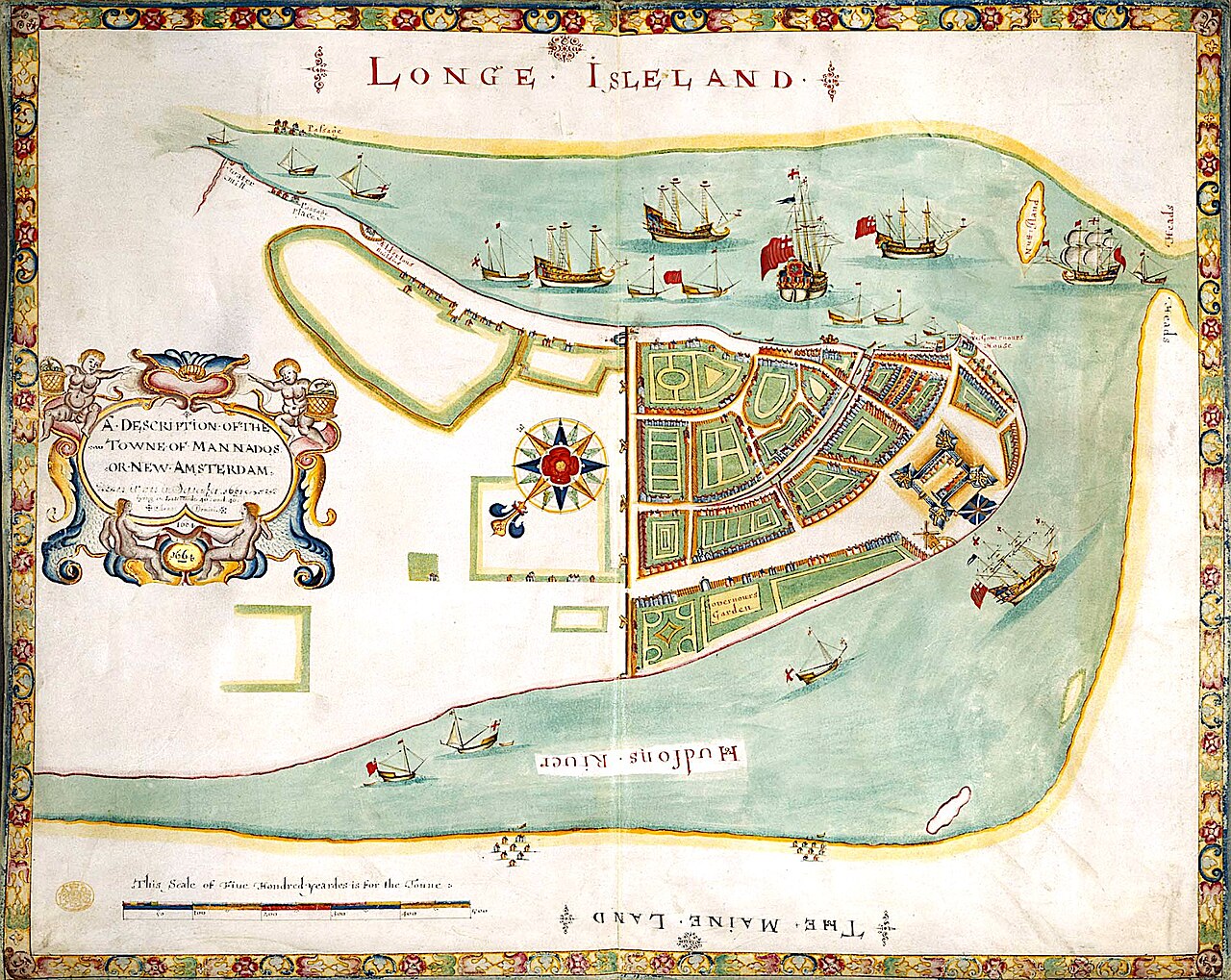 Document
Primary source
Unknown English surveyor (after Jacques Cortelyou survey) · 1664
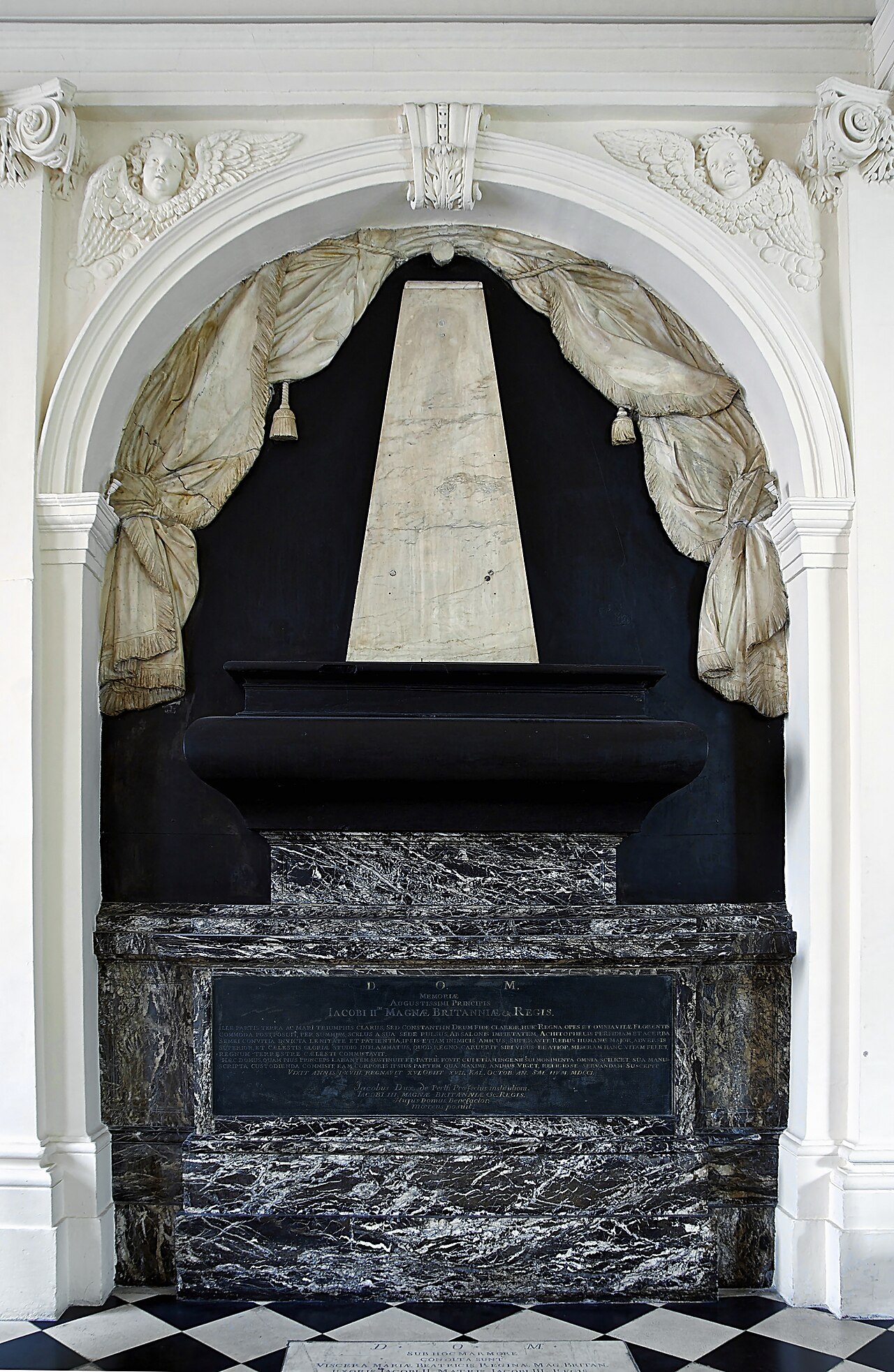 Sculpture
Secondary source
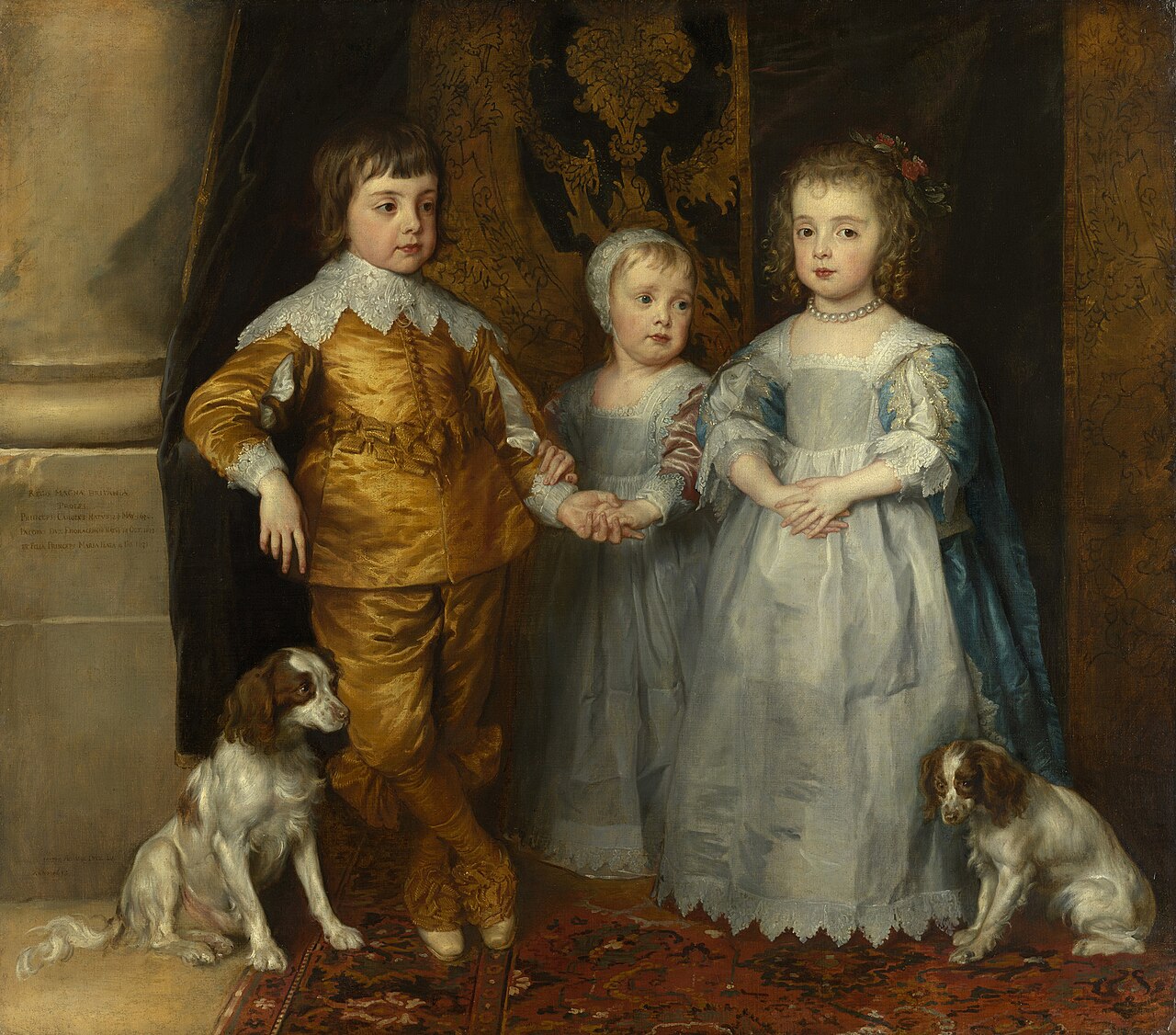 Painting
Primary source
Anthony van Dyck · 1635-1636
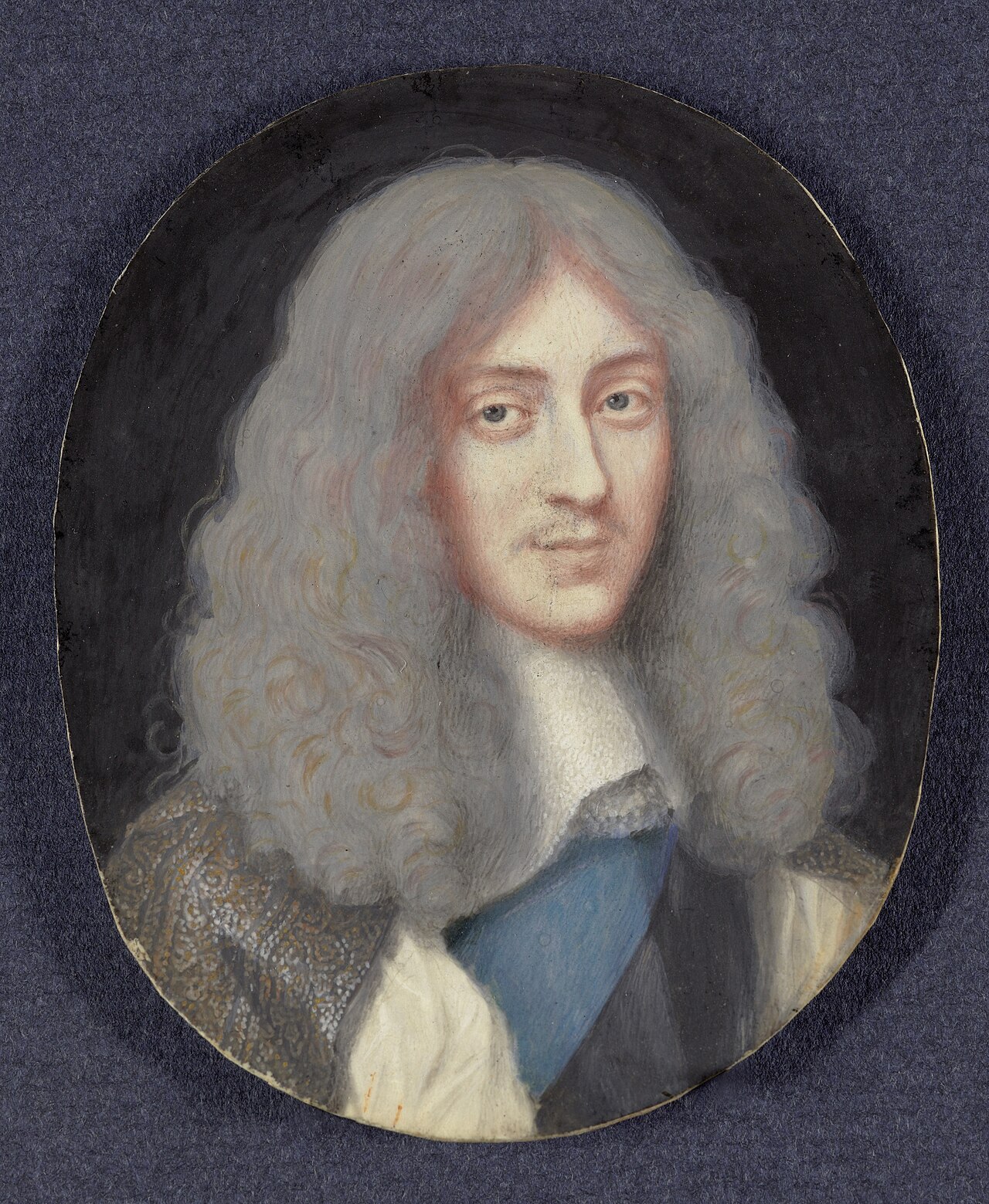 Painting
Primary source
Louis du Guernier · 1656
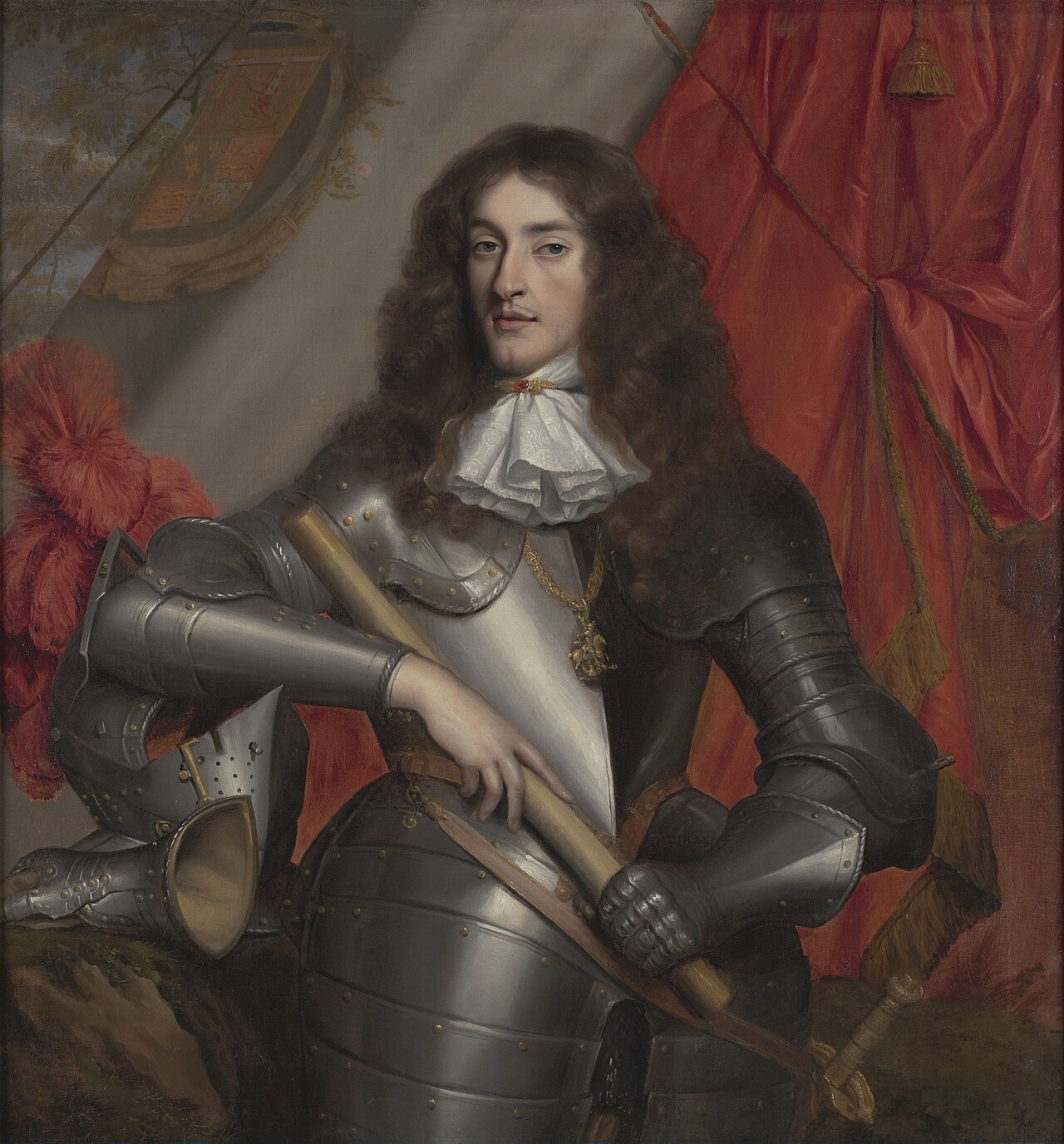 Painting
Primary source
John Michael Wright · c. 1660
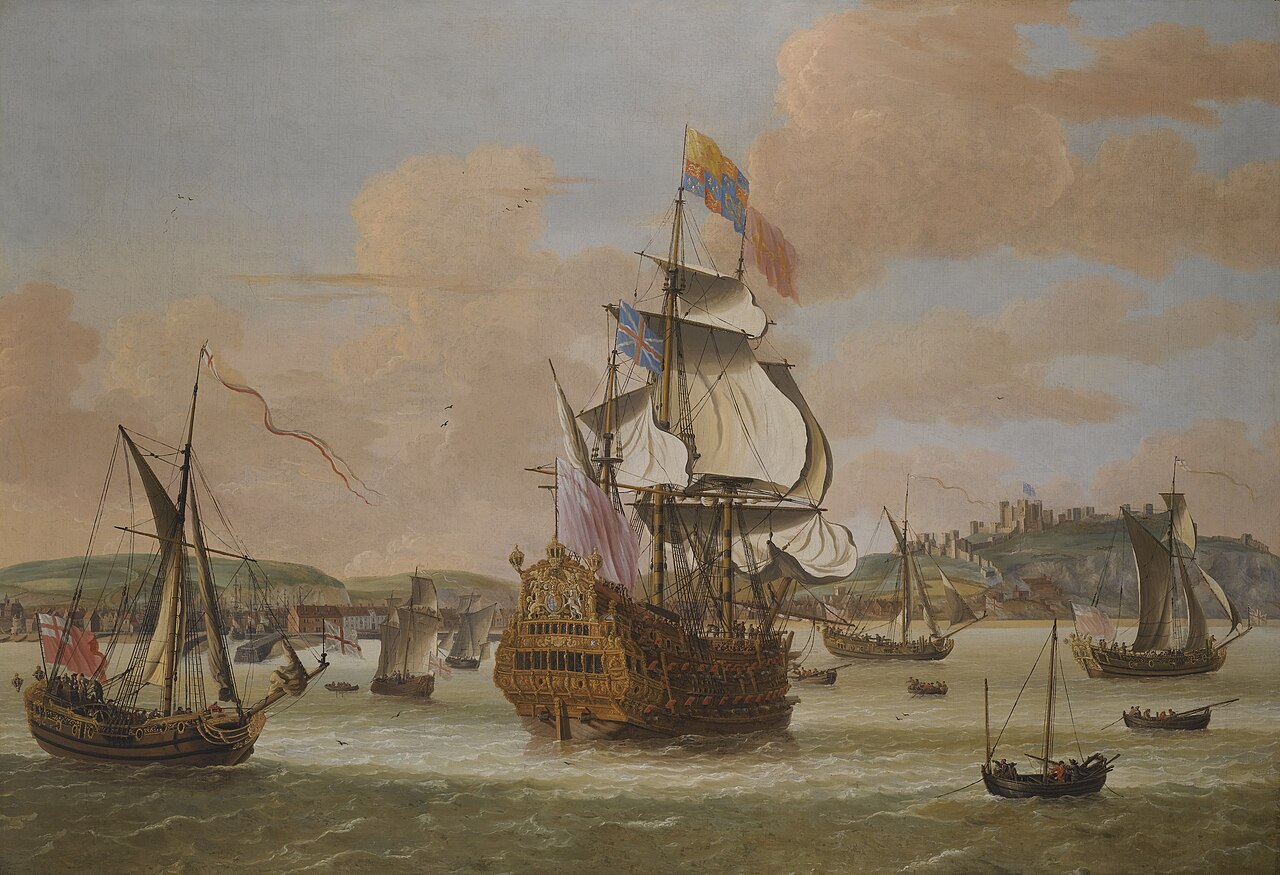 Painting
Primary source
Jacob Knijff
 Painting
Primary source
Isaac Sailmaker · 6 May 1682
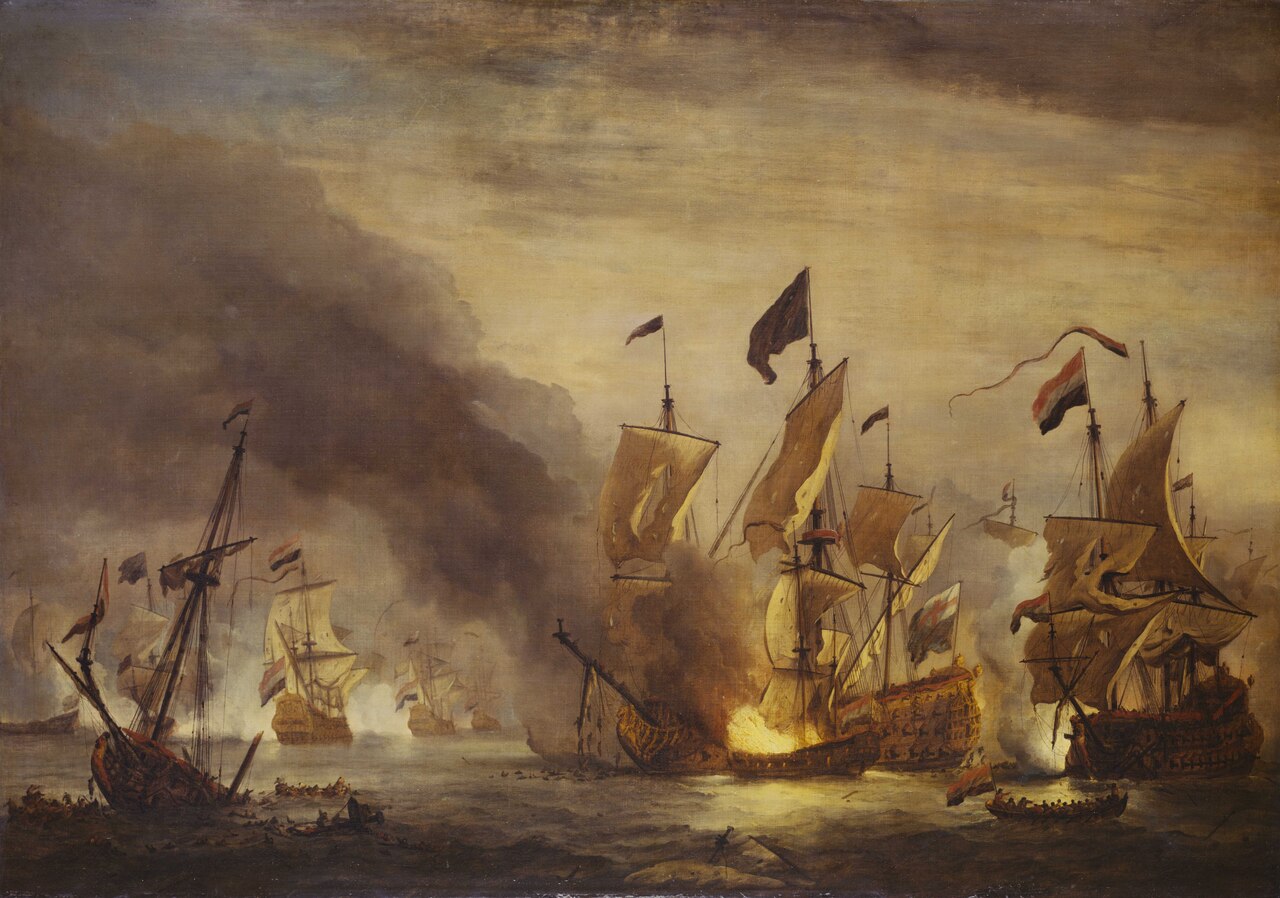
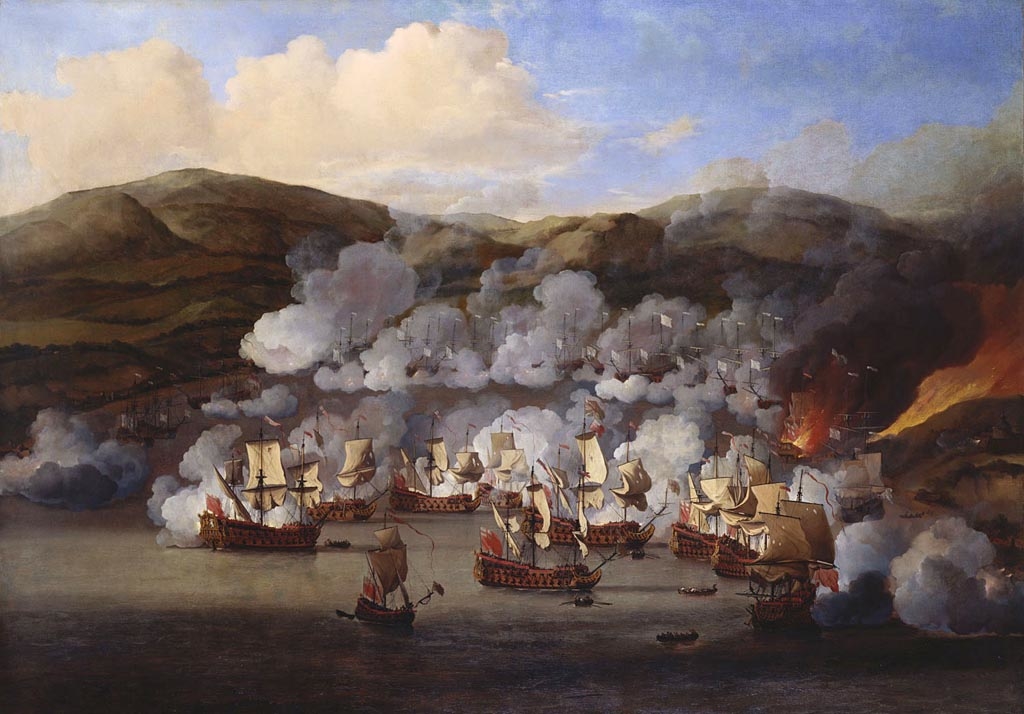 Painting
Primary source
Willem van de Velde the Younger · 1675
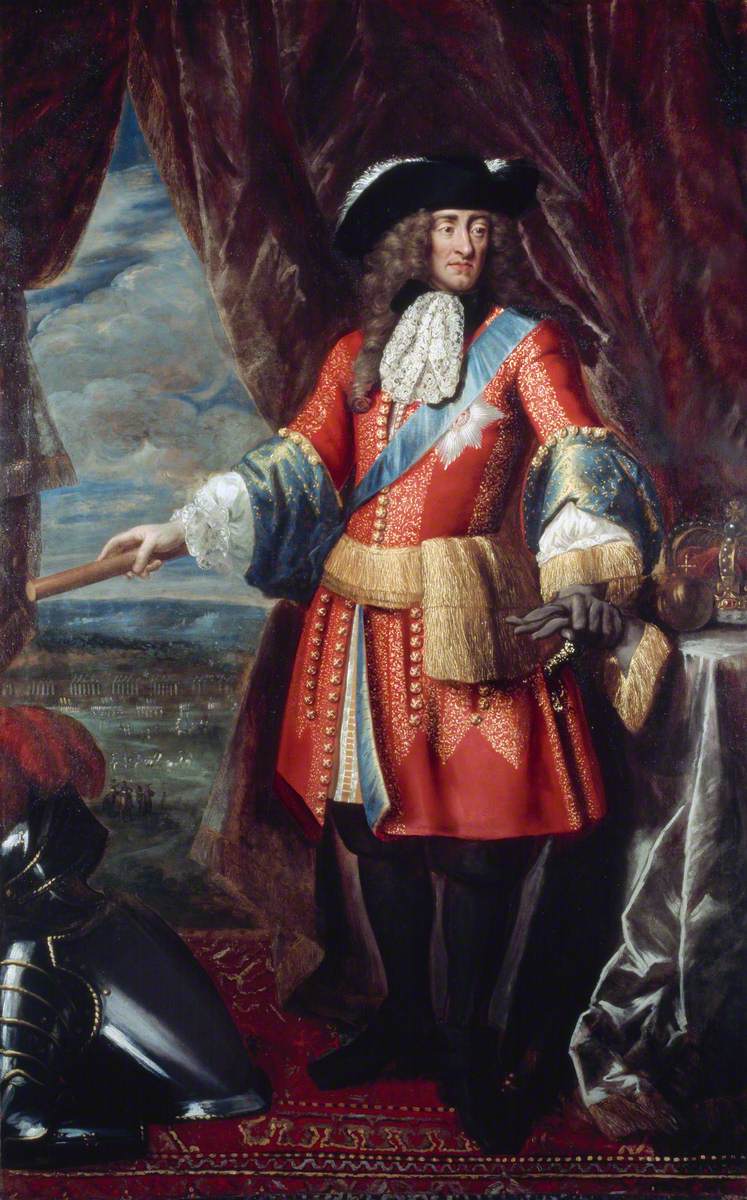
 Painting
Secondary source
Willem van de Velde the Younger · c. 1687
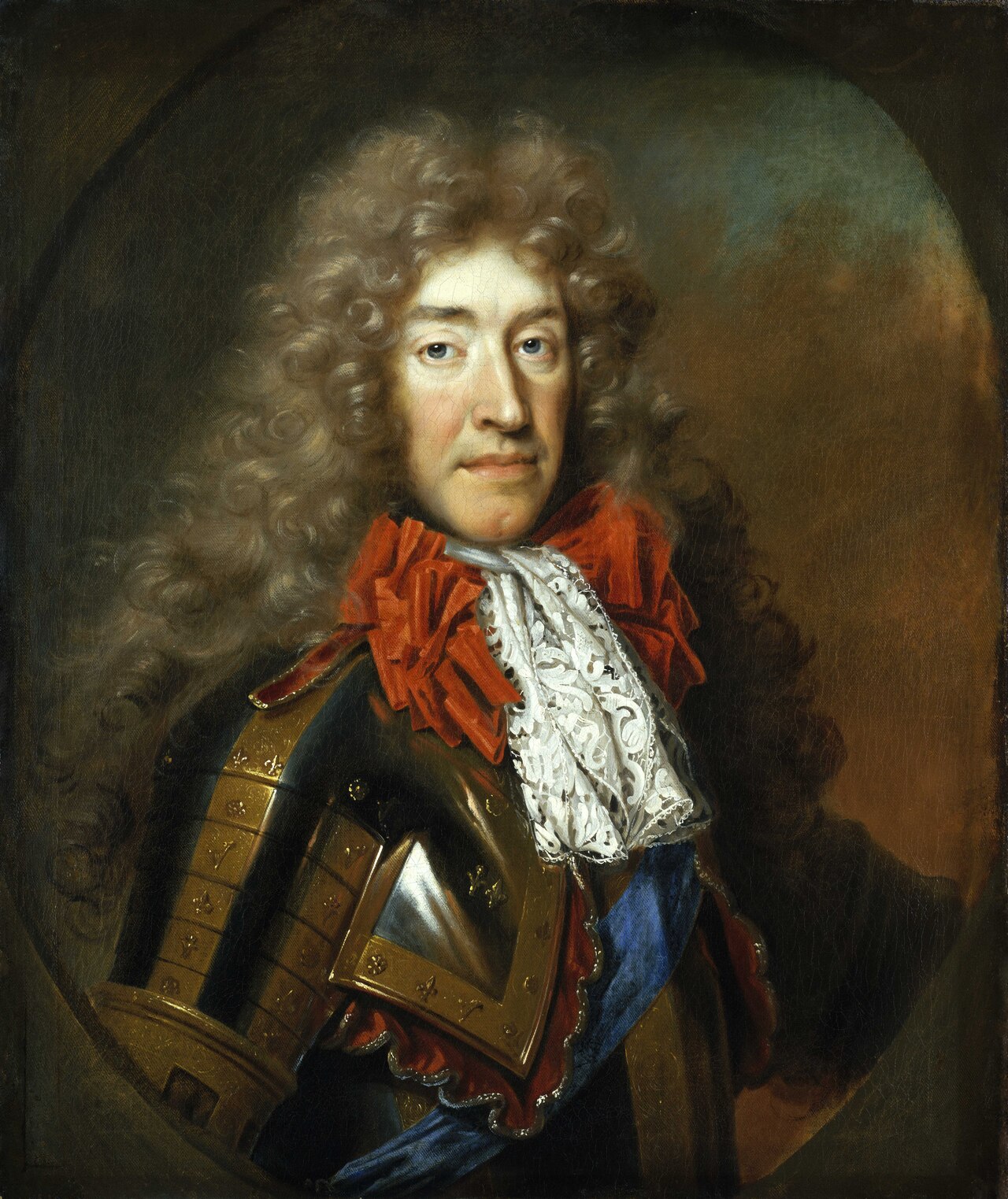
 Painting
Primary source
Benedetto Gennari II · 1685
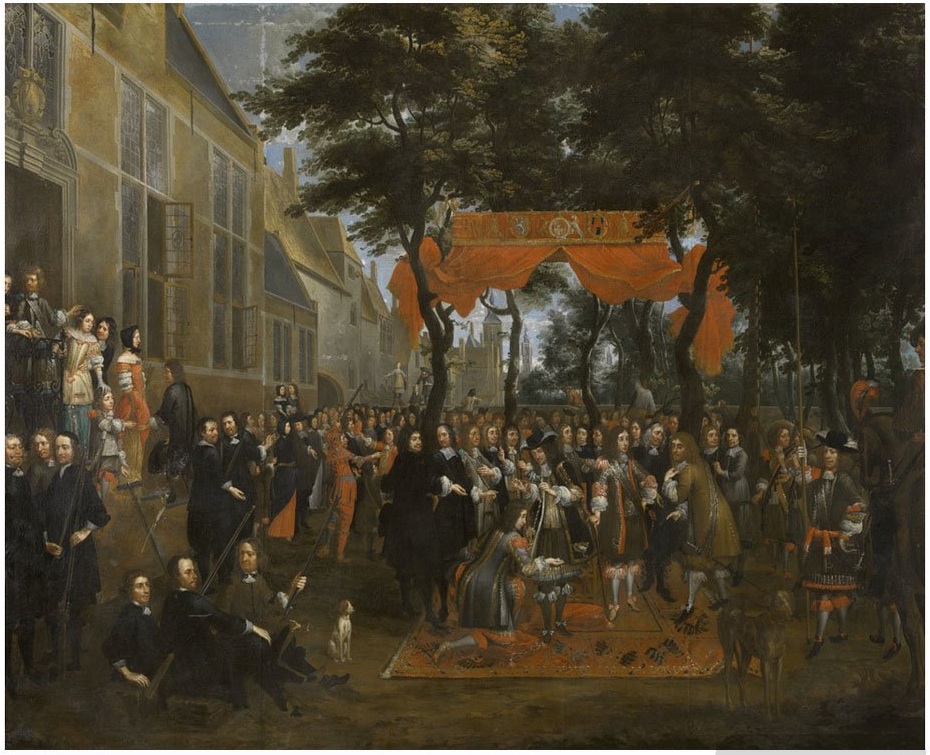
 Painting
Primary source
Nicolas de Largillière · c. 1685
 Painting
Secondary source
Jan Baptist van Meunincxhove · 1671
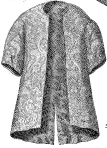 Artifact
Primary source
Francis Sandford · 1685
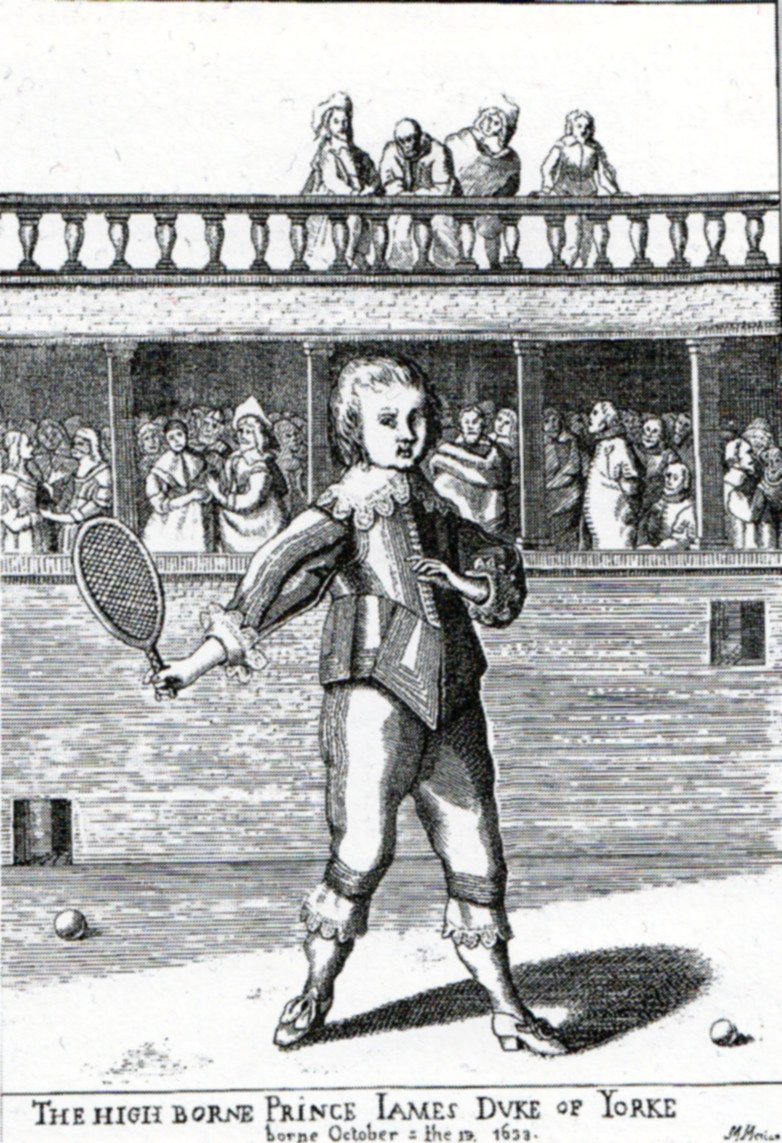 Painting
Primary source
Unknown
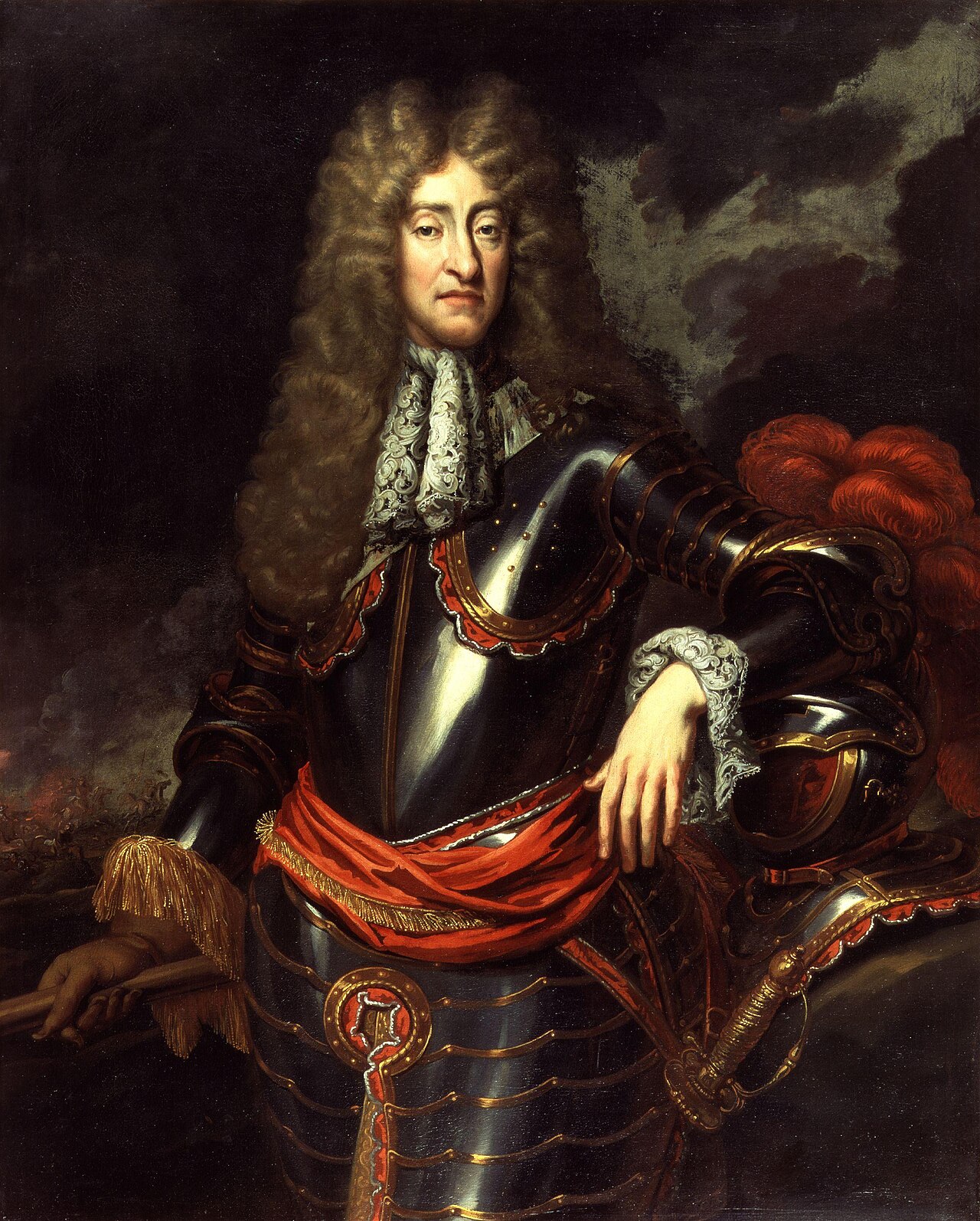 Painting
Primary source
c. 1690
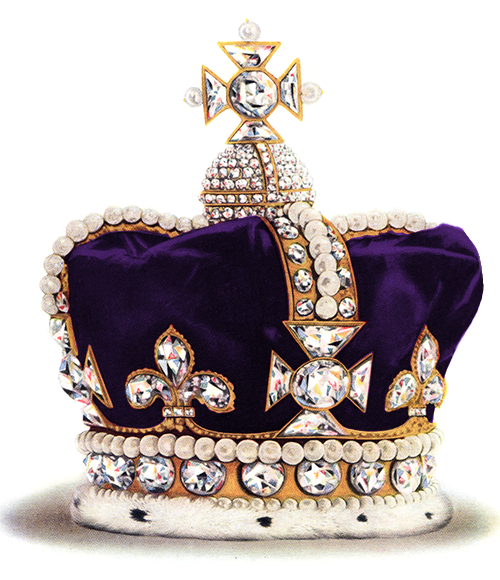 Artifact
Primary source
Richard de Beauvoir · 1685
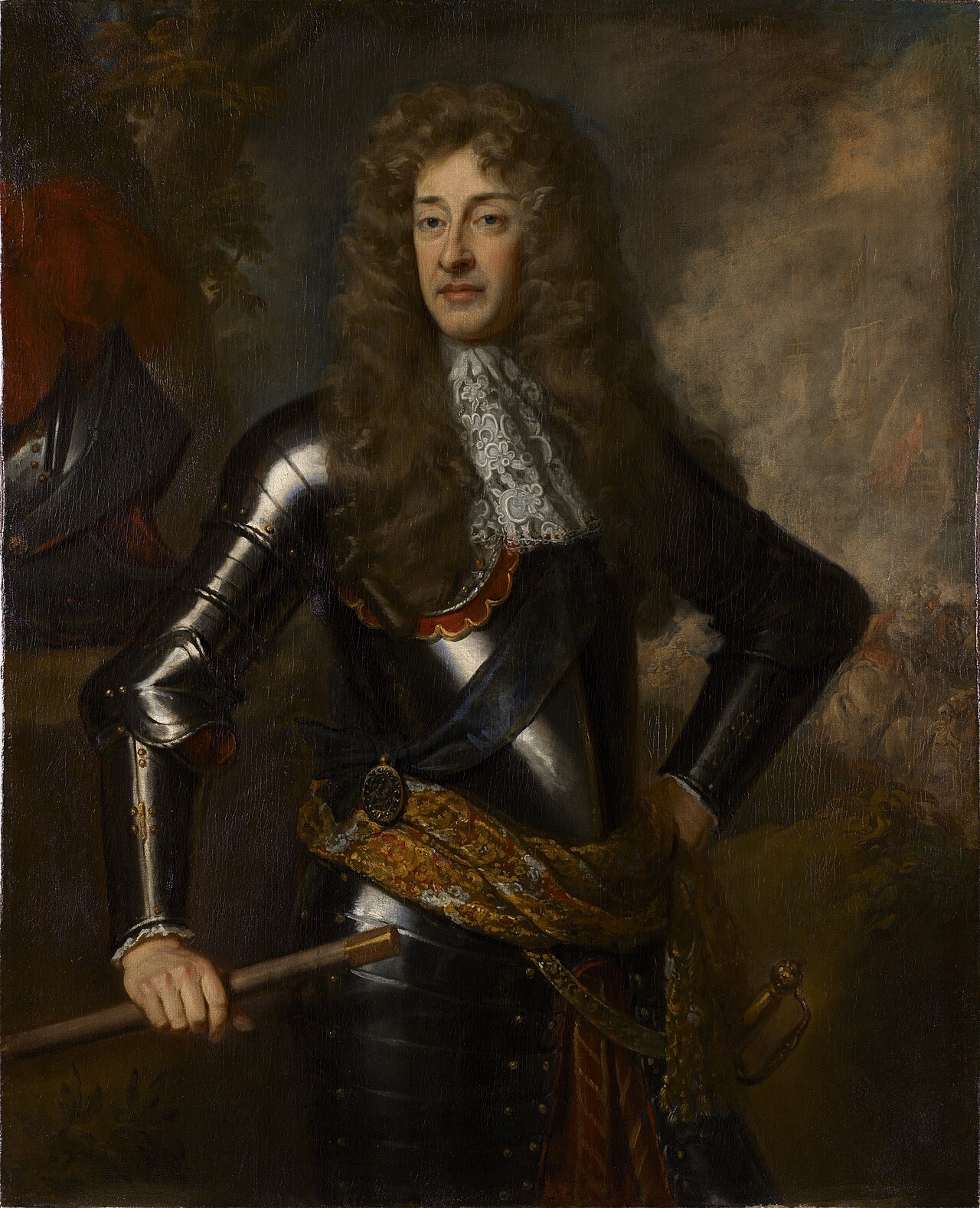 Painting
Primary source
Godfrey Kneller · 1684
Primary source
James II (attributed), published by Lewis Innes and J. S. Clarke · 1816 (written earlier, from James's own manuscripts)
Secondary source
Thomas Longueville · 1904
Primary source
James II of England · 1687
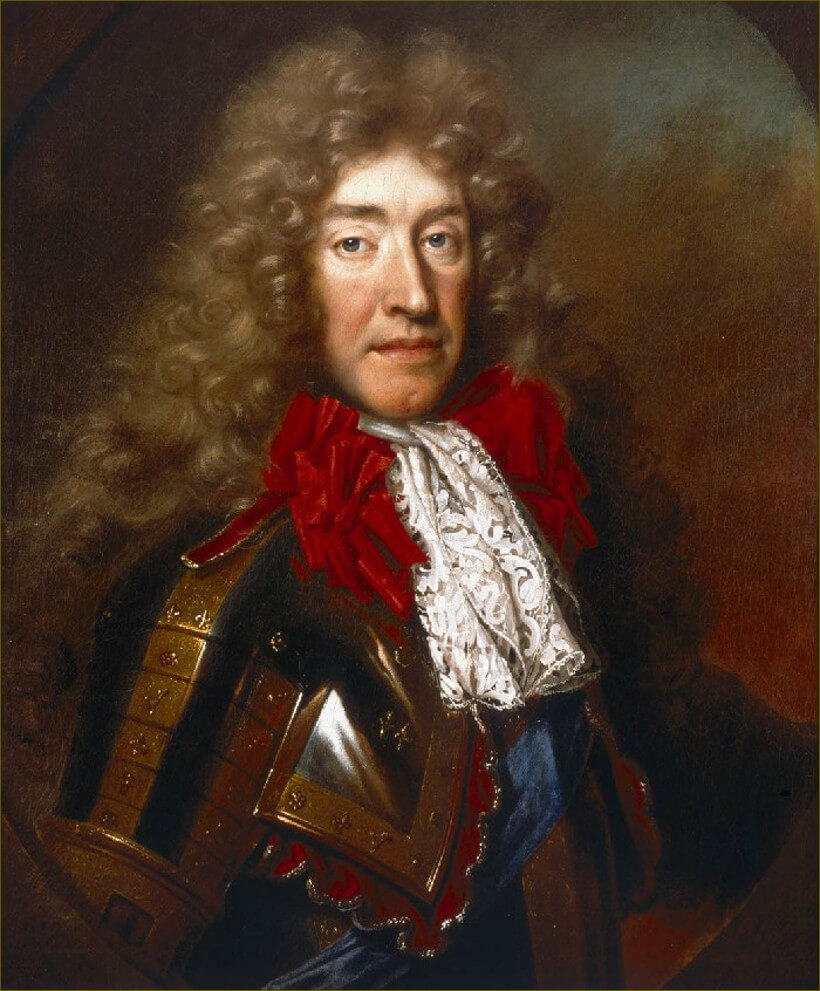 Painting
Primary source
Nicolas de Largillière · c. 1686
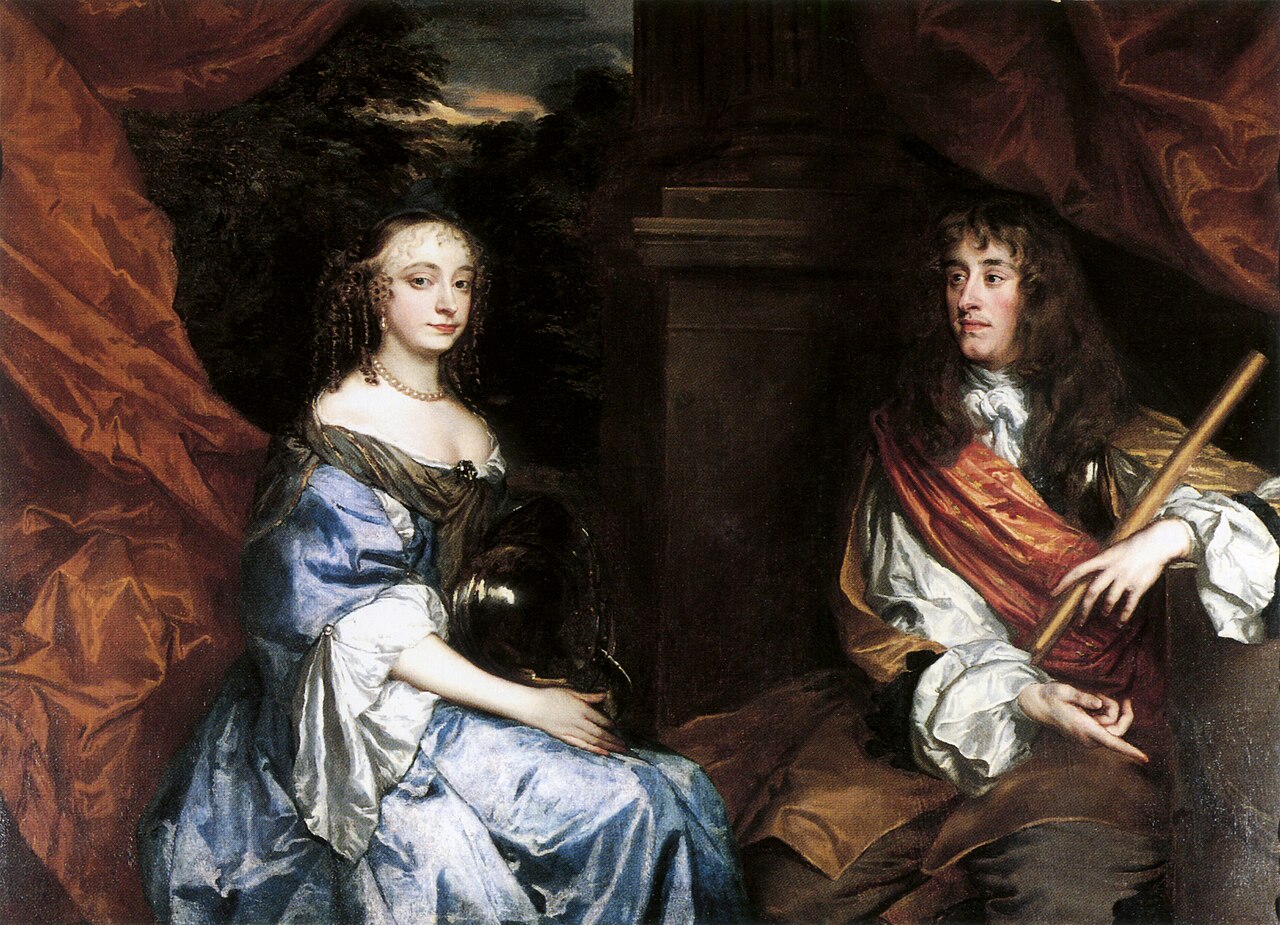 Painting
Primary source
Peter Lely · 1660s
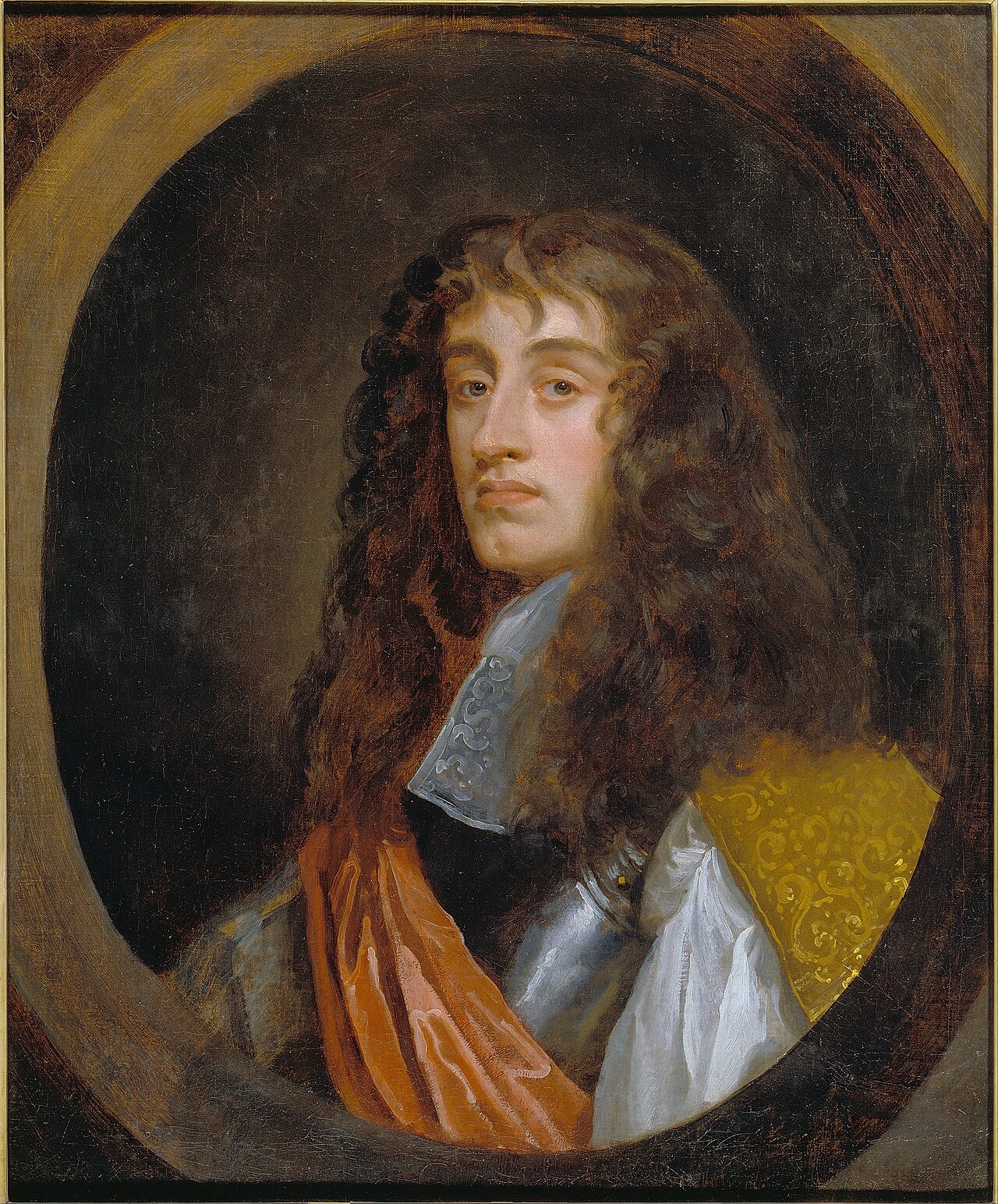 Painting
Primary source
John Greenhill · early 1660s
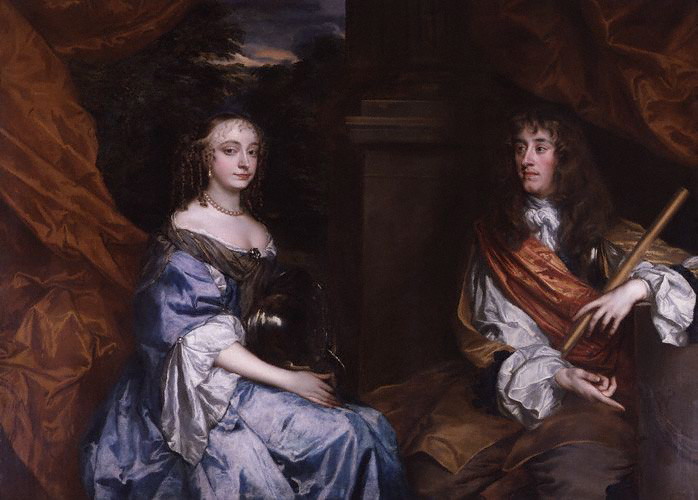 Painting
Primary source
Peter Lely · 1660s
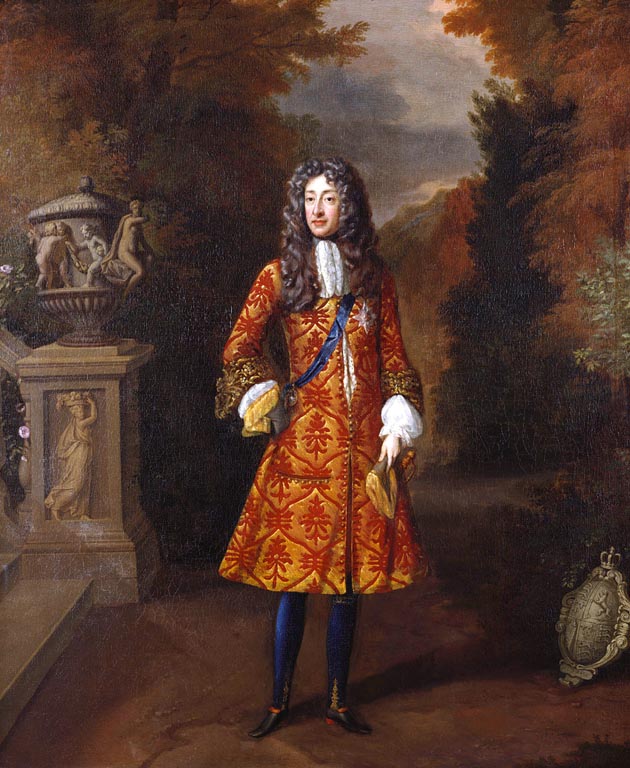 Painting
Primary source
Anne Killigrew · 1685
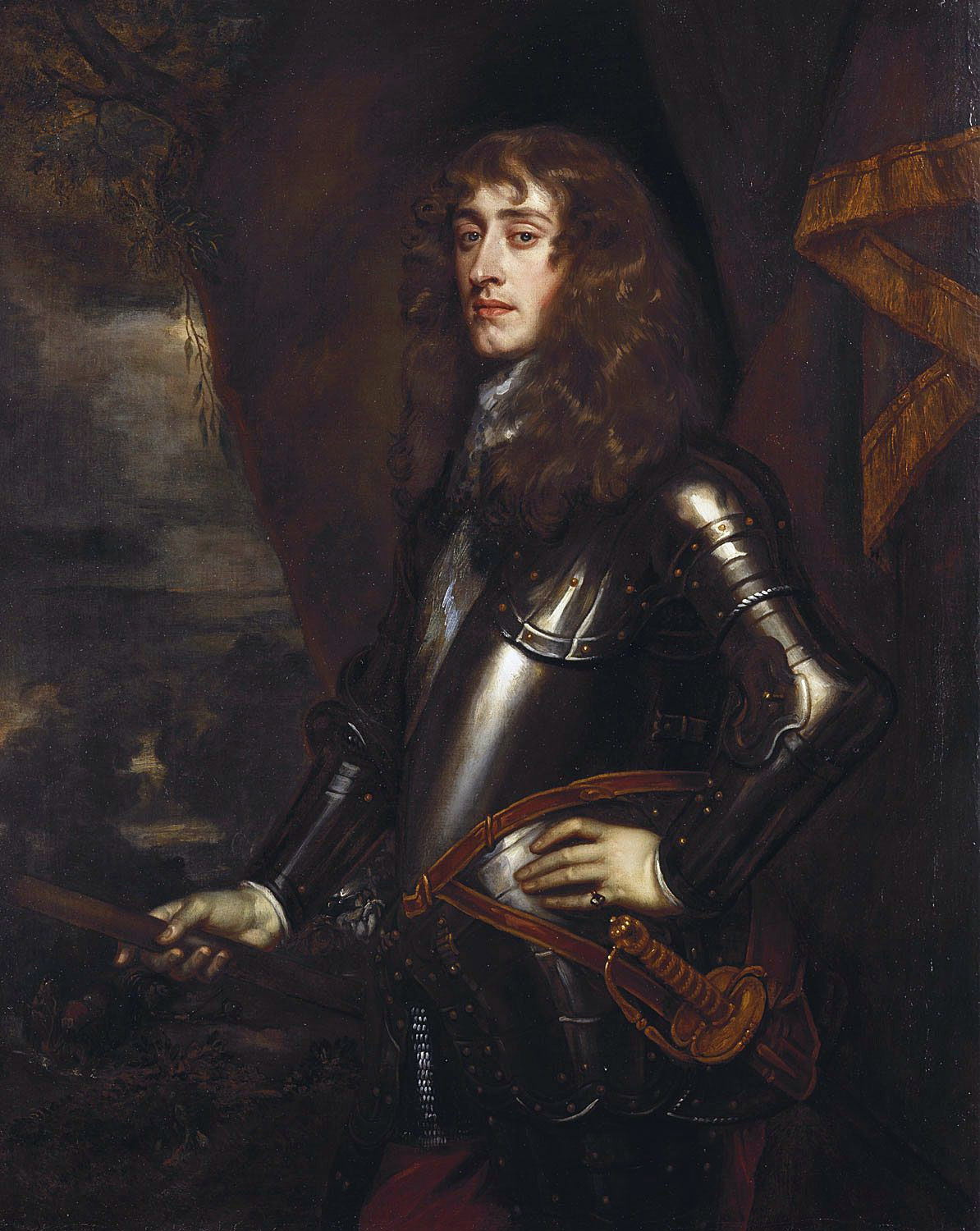 Painting
Primary source
Peter Lely · circa 1665
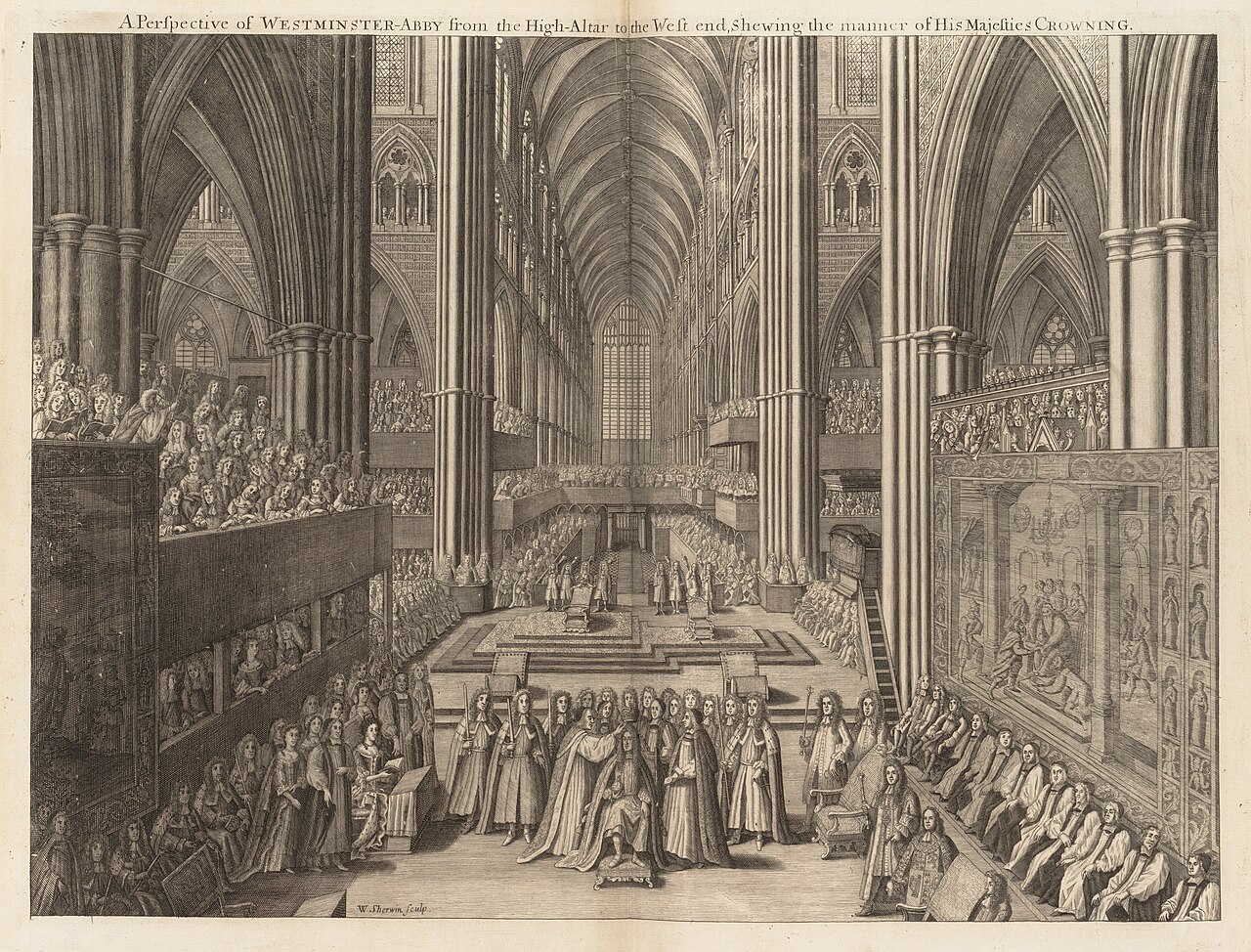 Book
Primary source
Francis Sandford · 1687
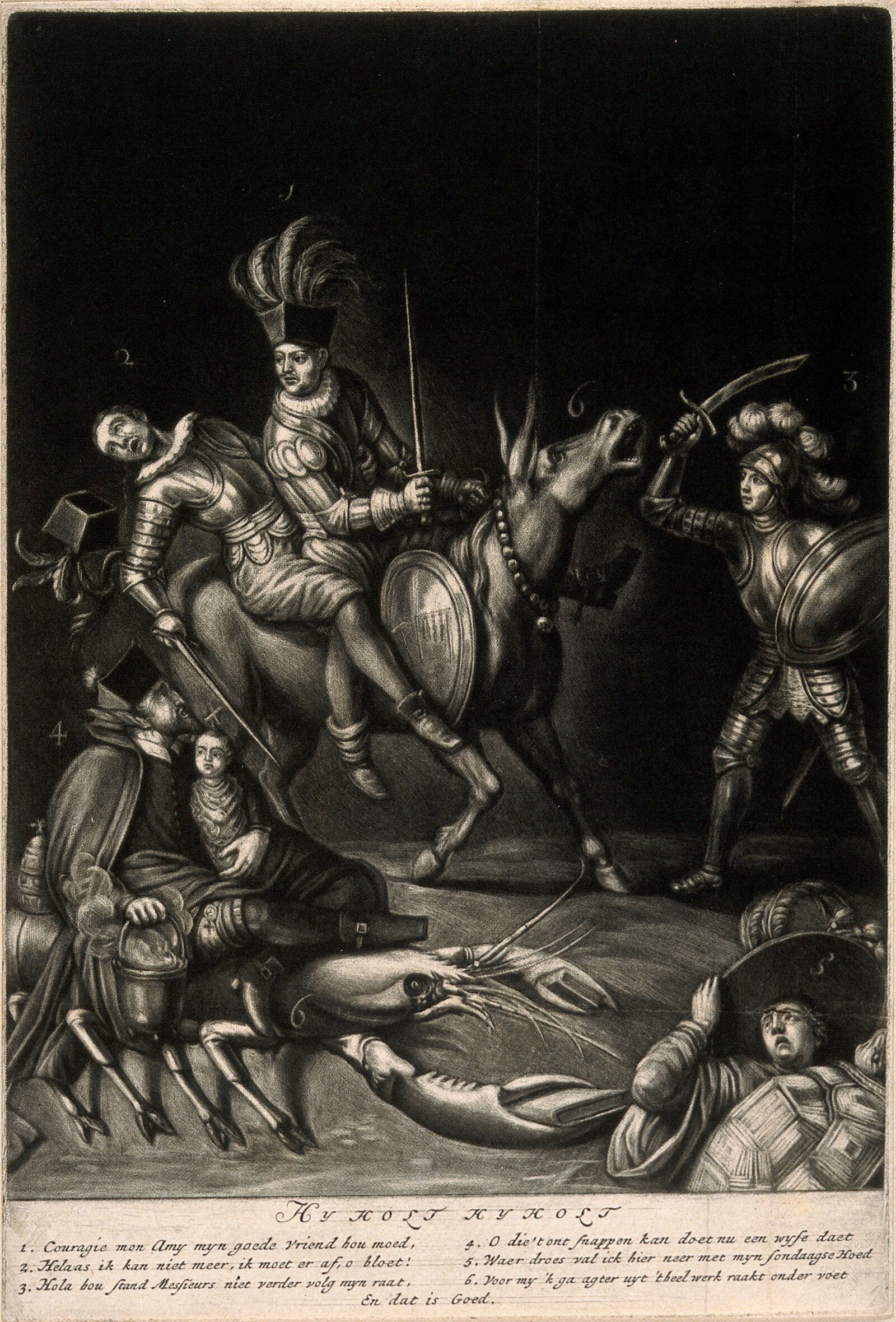 Painting
Primary source
Peter Schenk the Elder · c. 1689
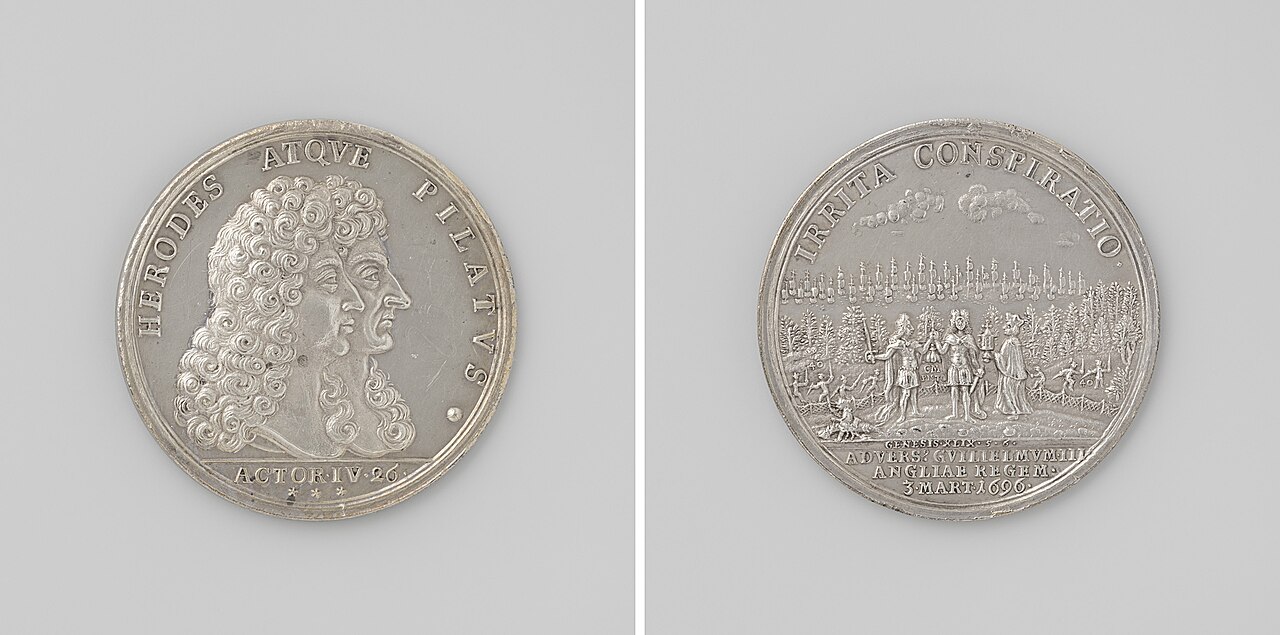 Artifact
Primary source
1696
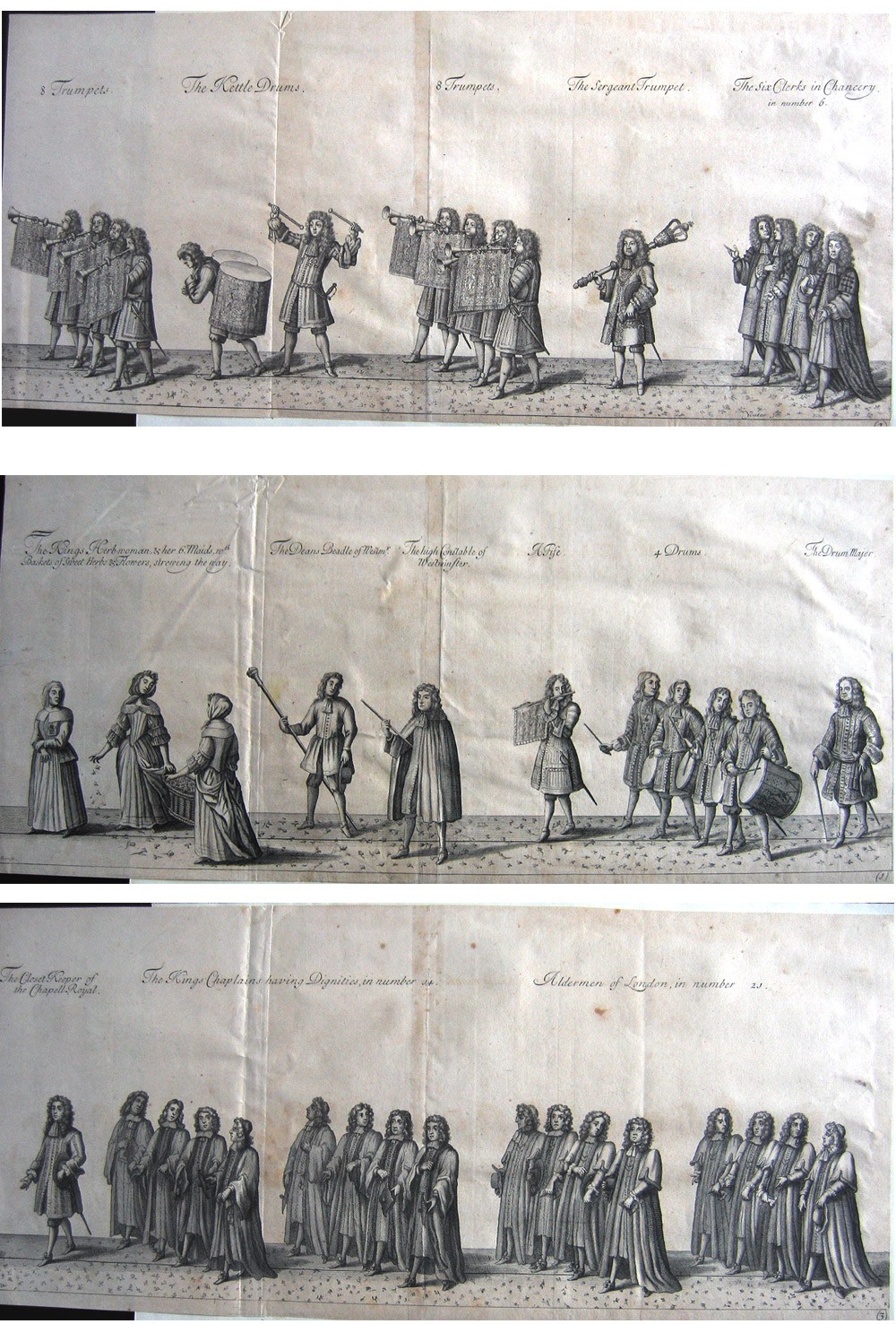 Painting
Primary source
William Sherwin · c. 1685
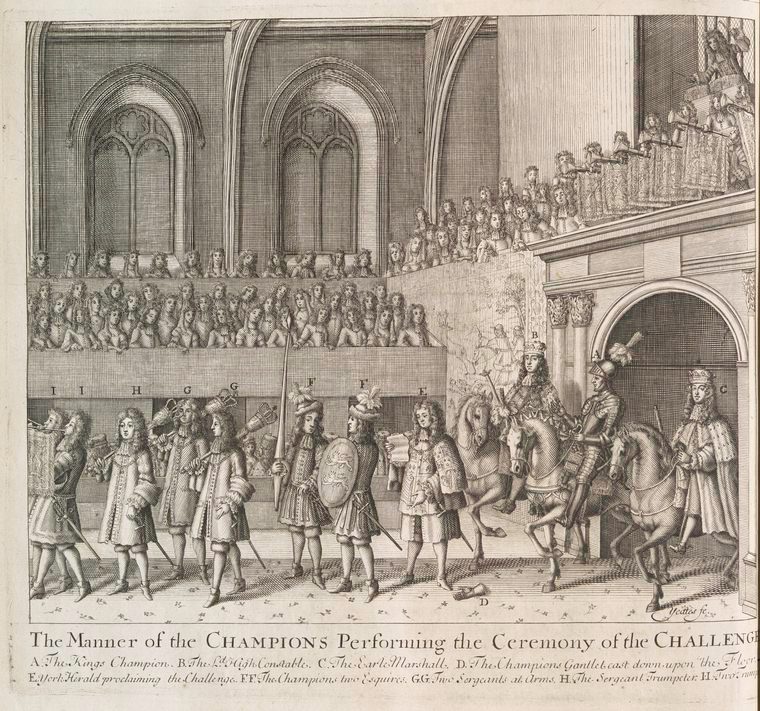 Painting
Primary source
William Sherwin · 1687
Primary source
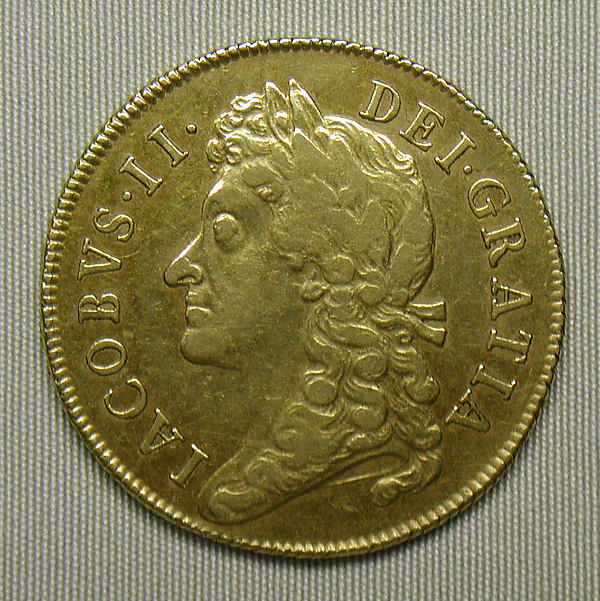 Artifact
Primary source
John Roettier · 1687
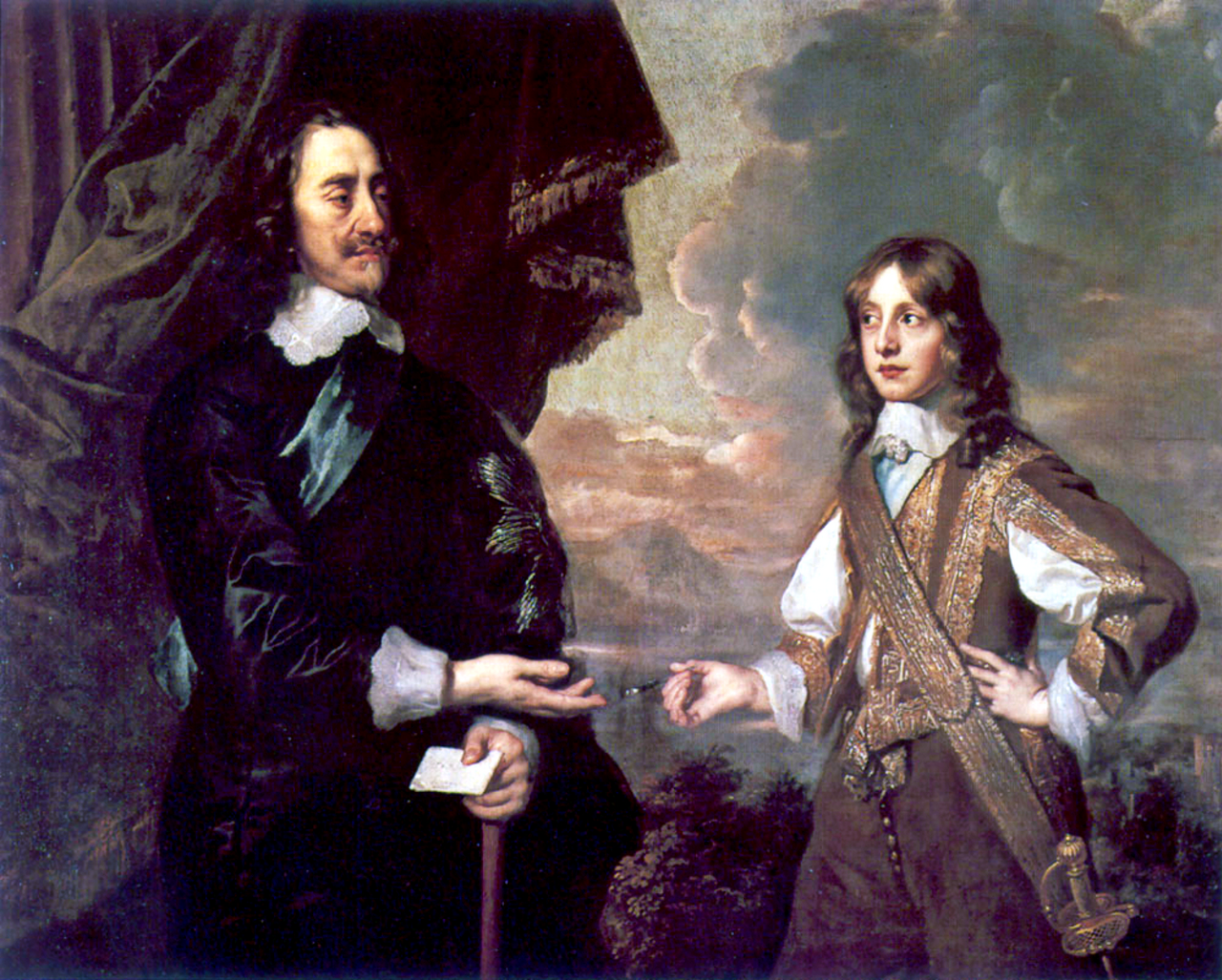 Painting
Primary source
Peter Lely · 1647
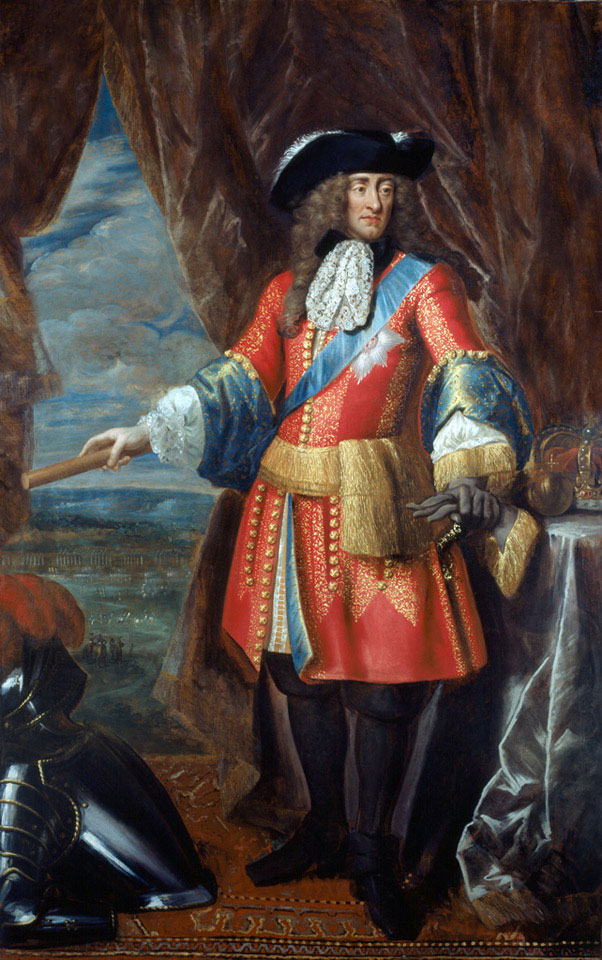 Painting
Primary source
Benedetto Gennari II (attributed) · c. 1685
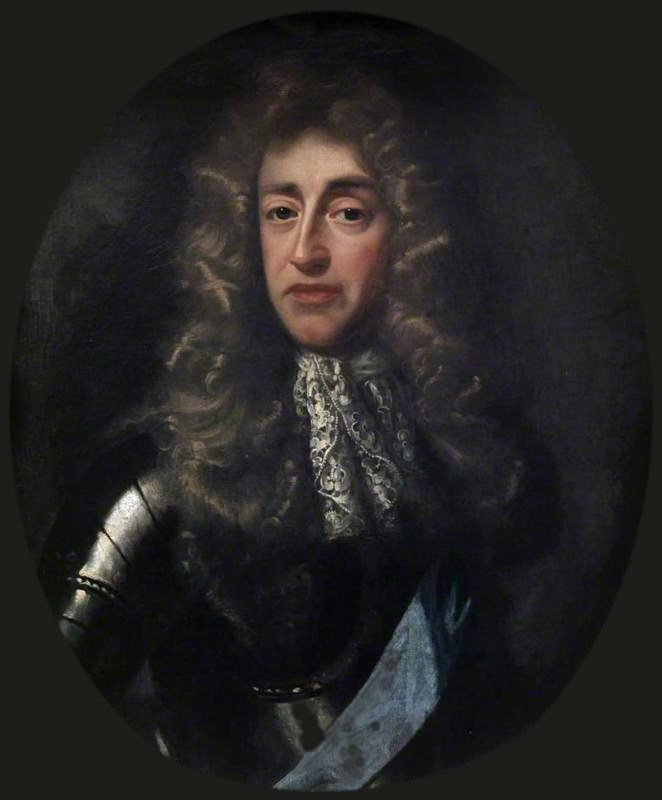 Painting
Primary source
John Riley · 1660s
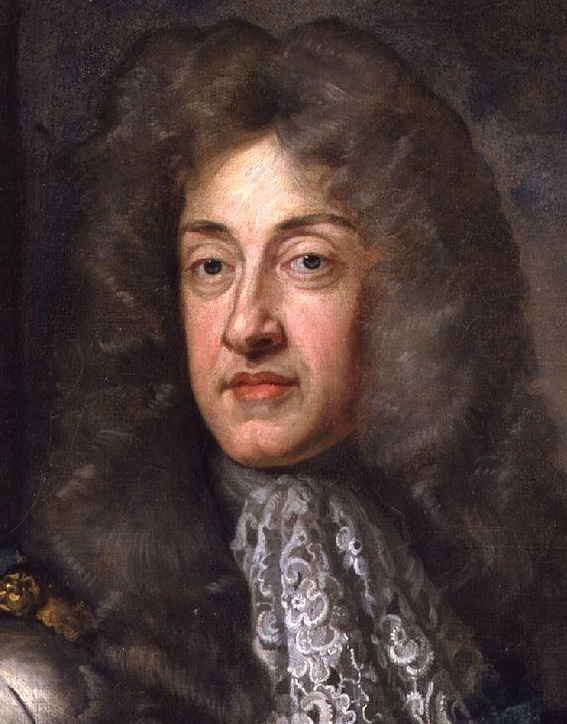 Painting
Primary source
Godfrey Kneller · 1600s
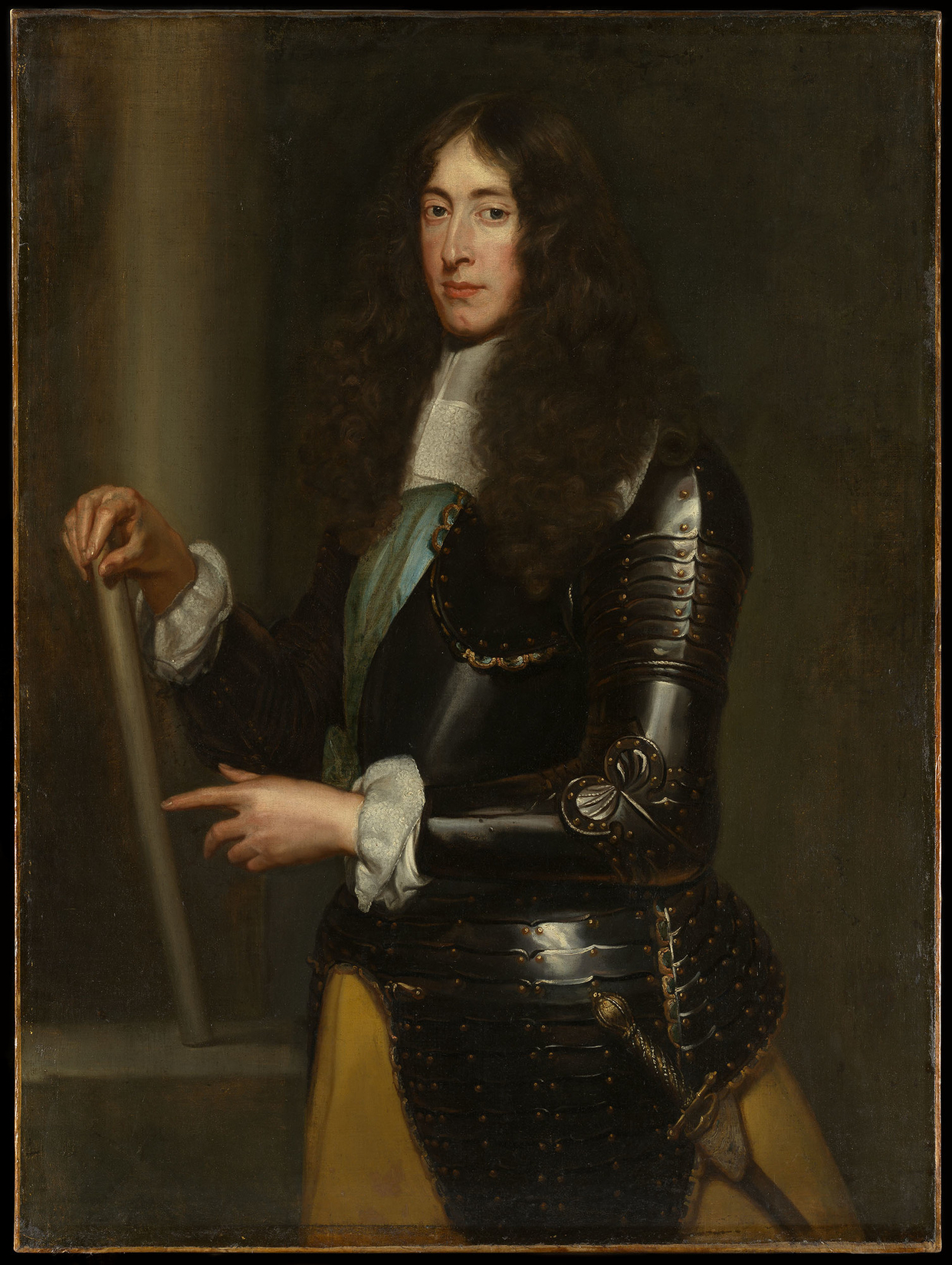 Painting
Primary source
Charles Wautier · 1656
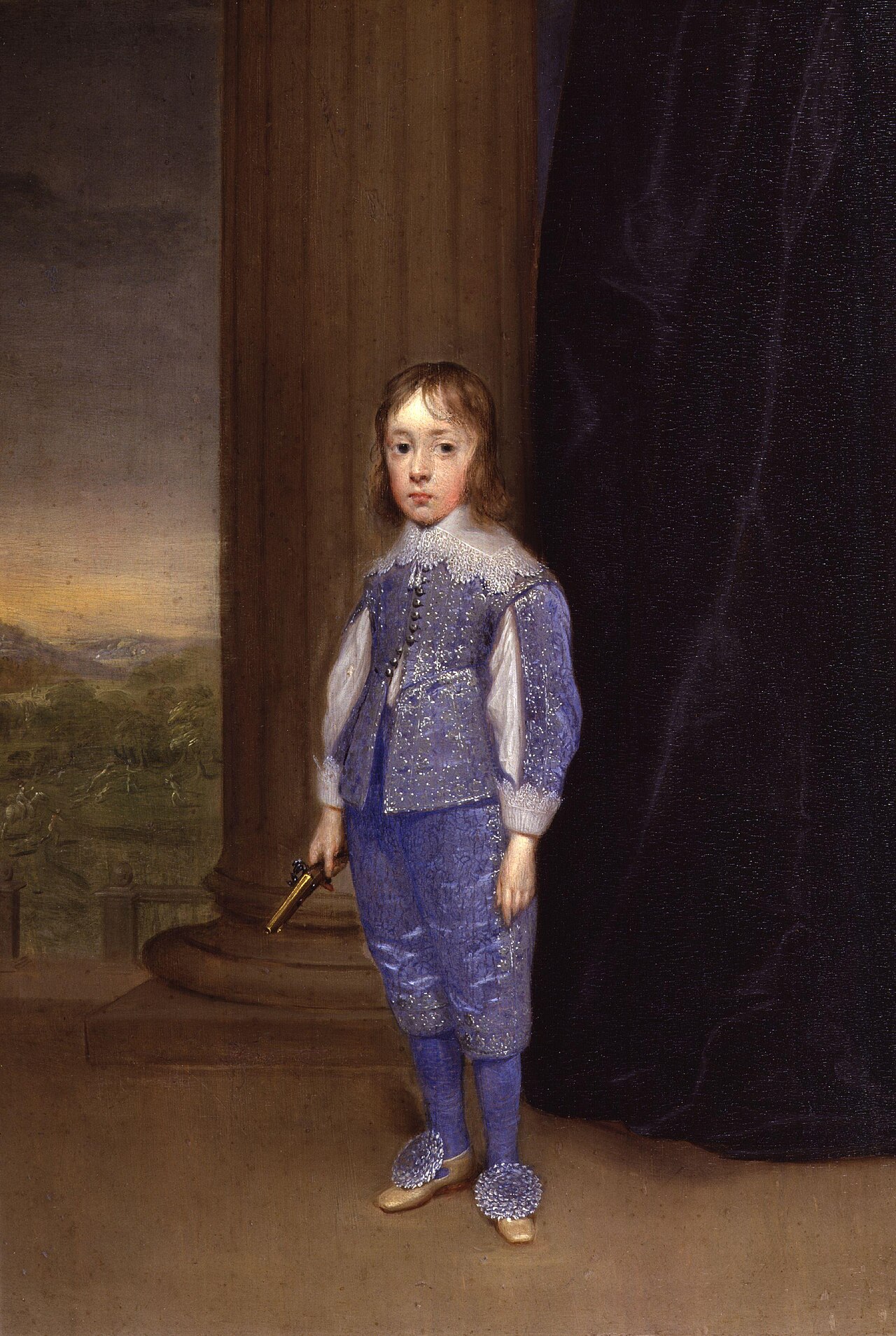 Painting
Primary source
Cornelis Janssens van Ceulen · Unknown date, painter died 1661
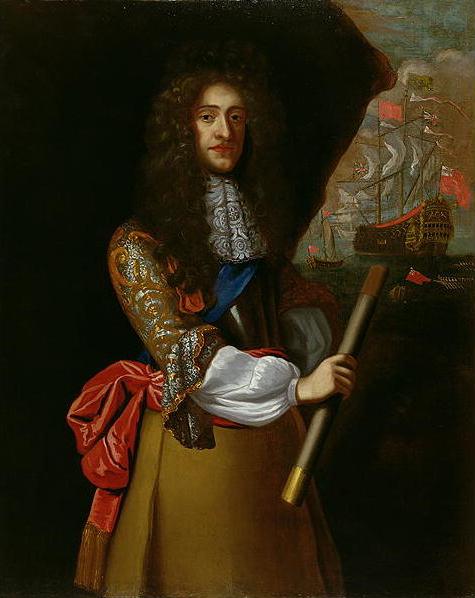 Painting
Primary source
John Baptist de Medina · 1670
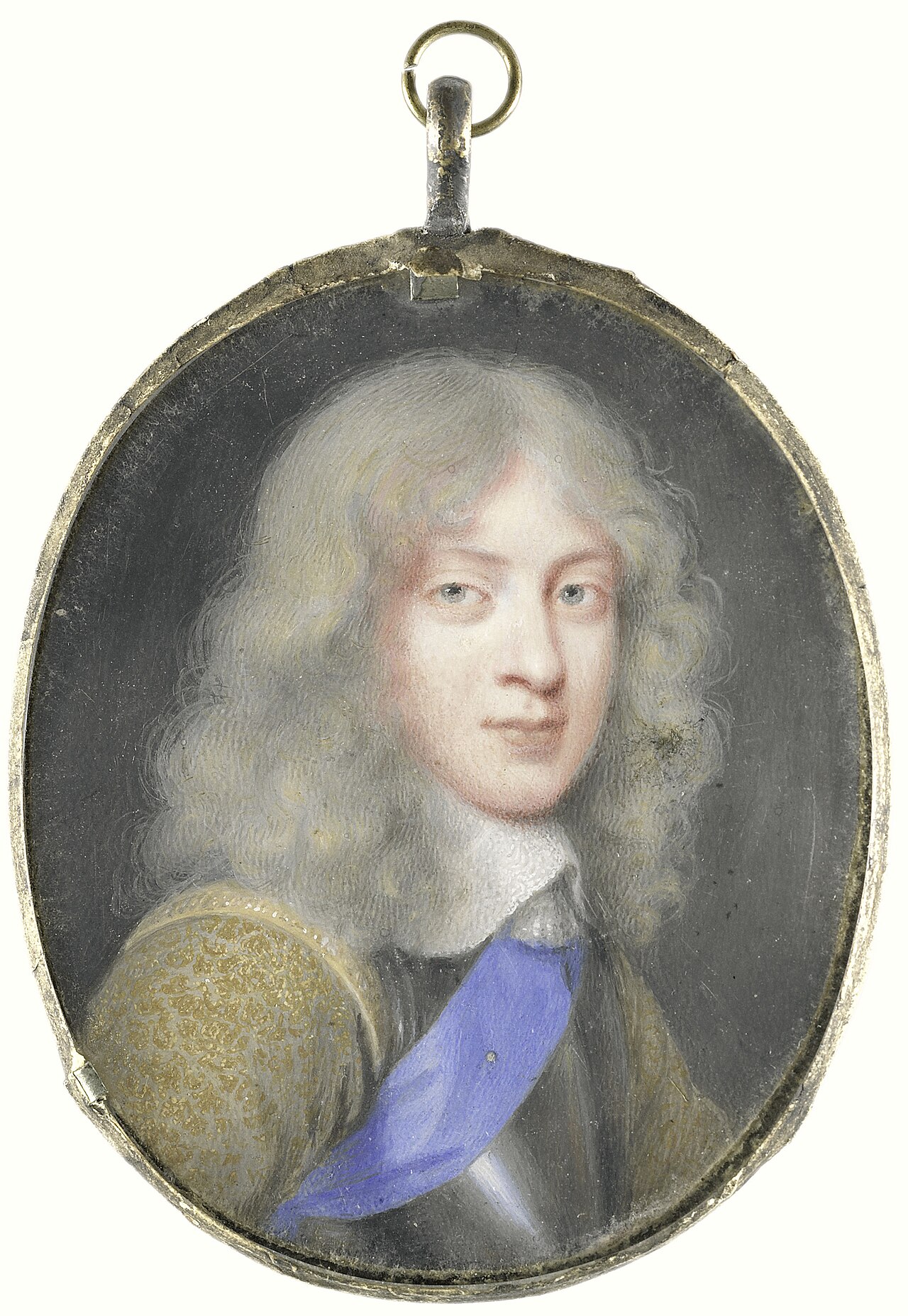 Painting
Primary source
Louis du Guernier (attributed) · between 1645 and 1655
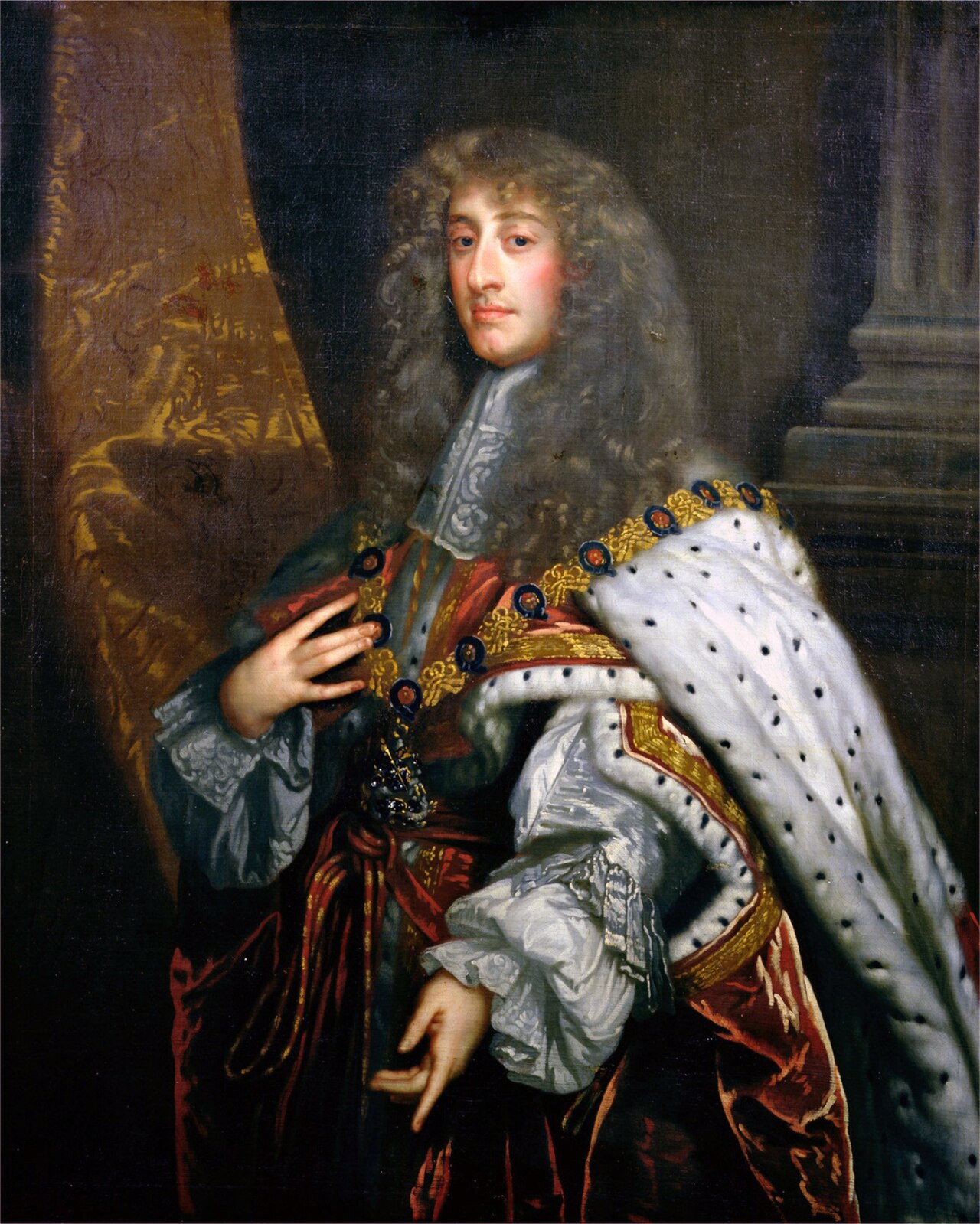 Painting
Secondary source
School of Peter Lely · between 1650 and 1675
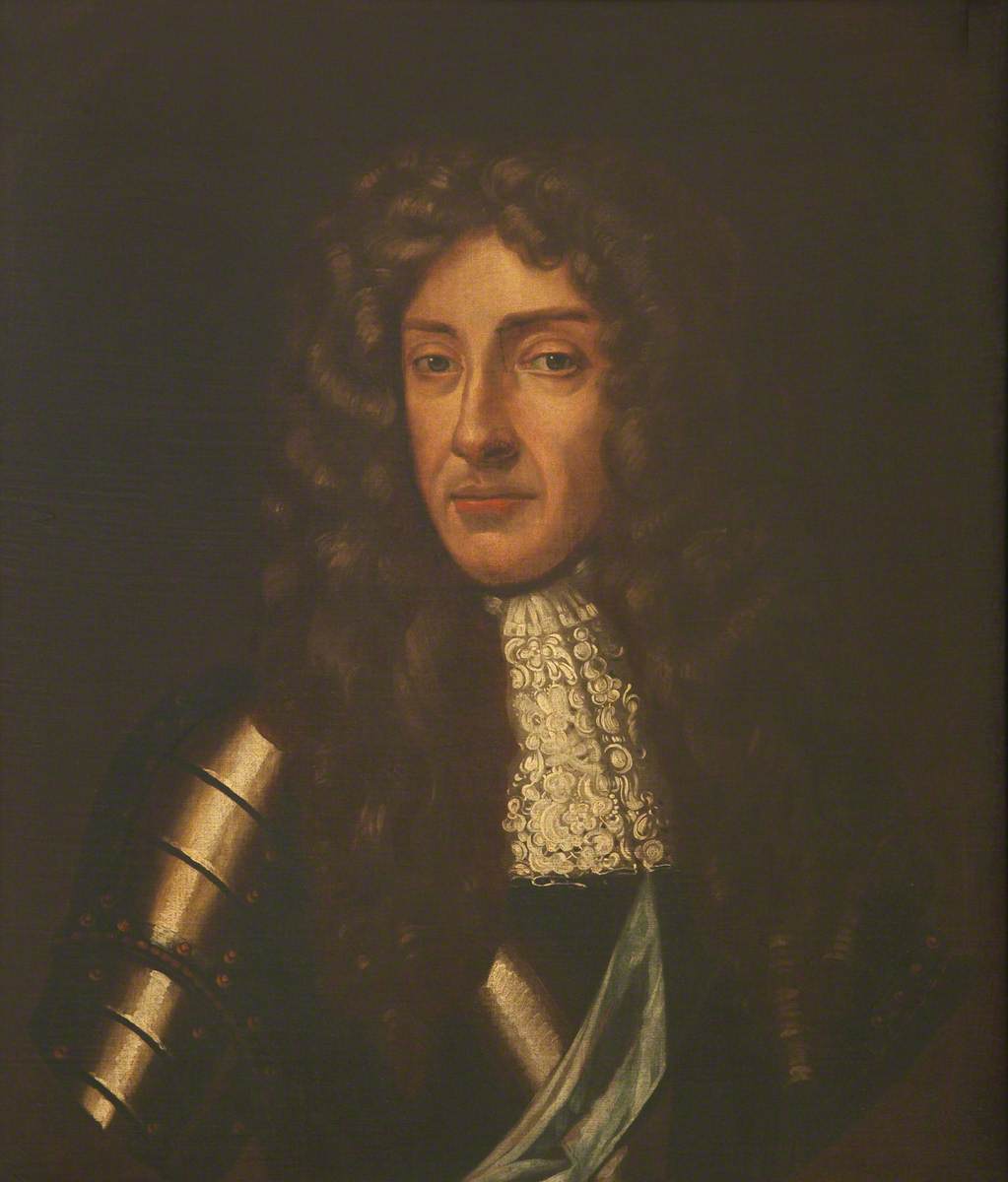 Painting
Primary source
After Godfrey Kneller · after 1684
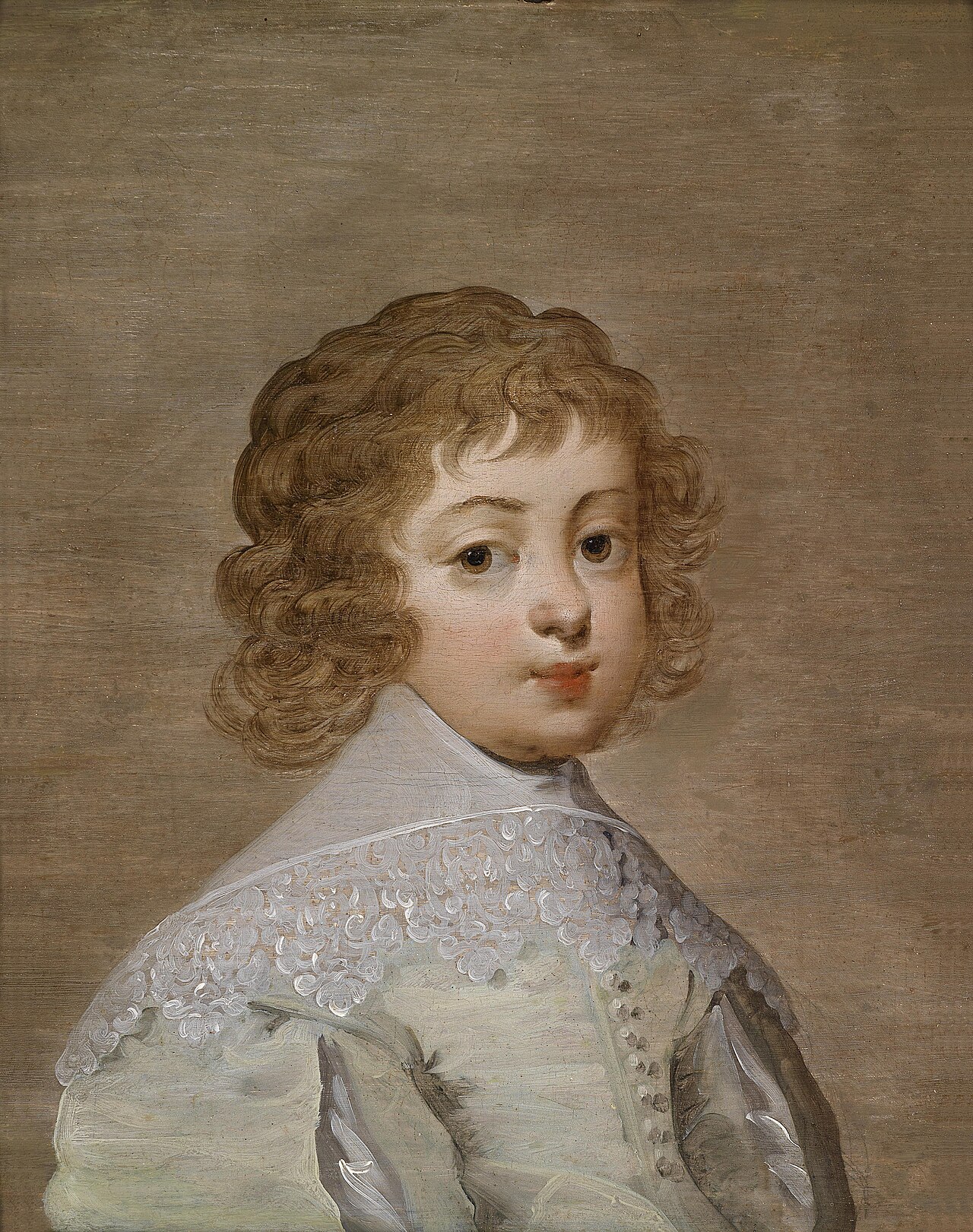 Painting
Primary source
Workshop of Anthony van Dyck · mid 17th century
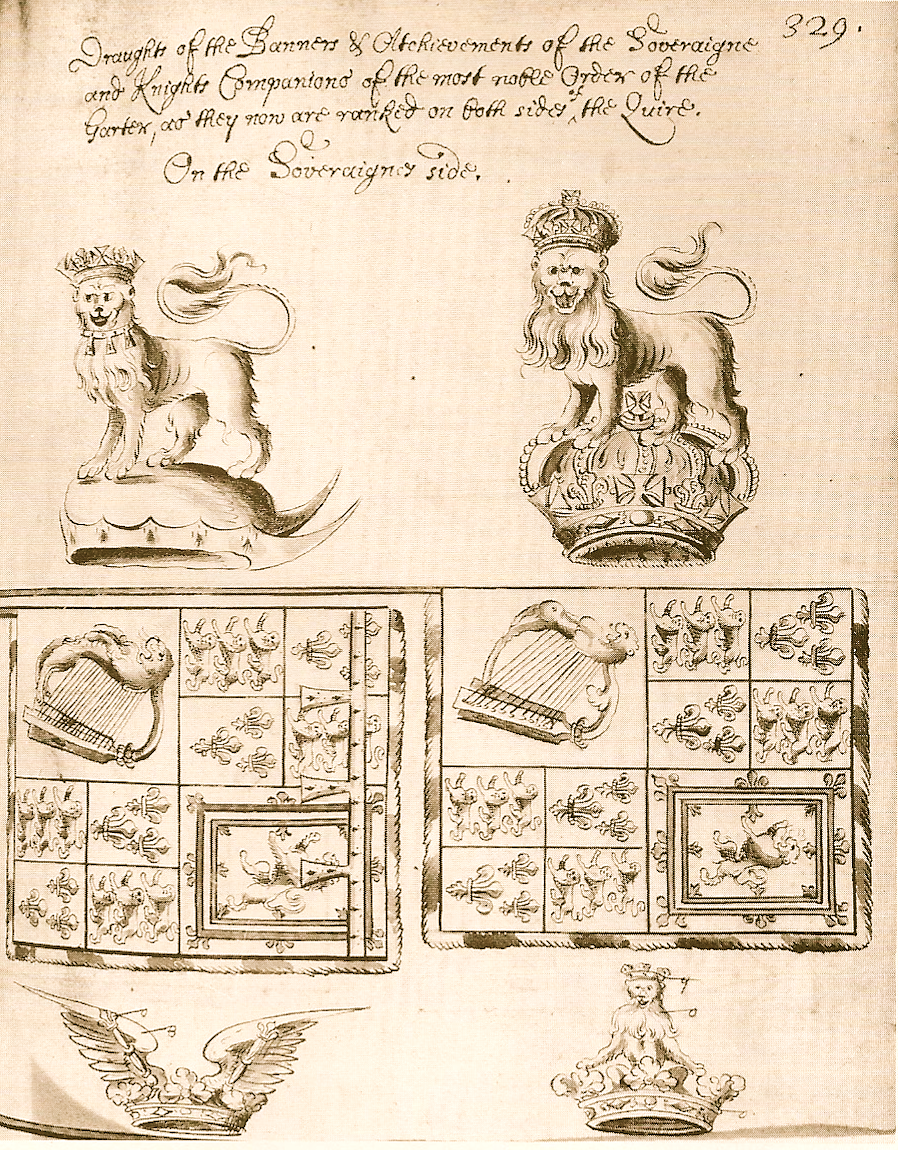 Painting
Primary source
Elias Ashmole · between 1664 and 1666
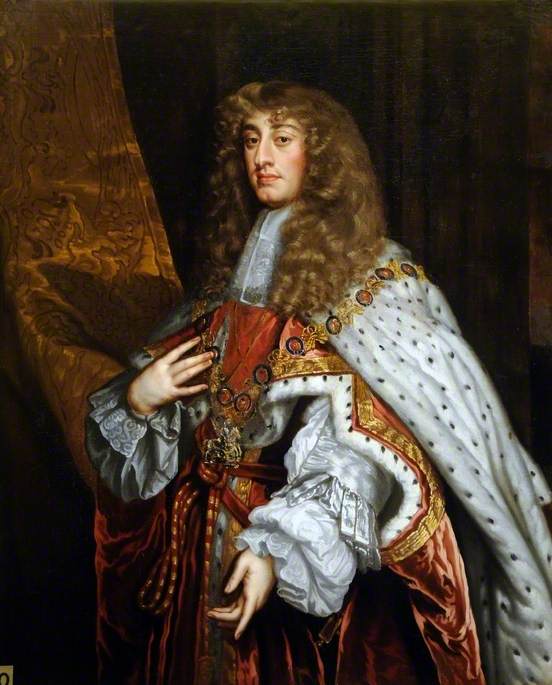 Painting
Primary source
Peter Lely
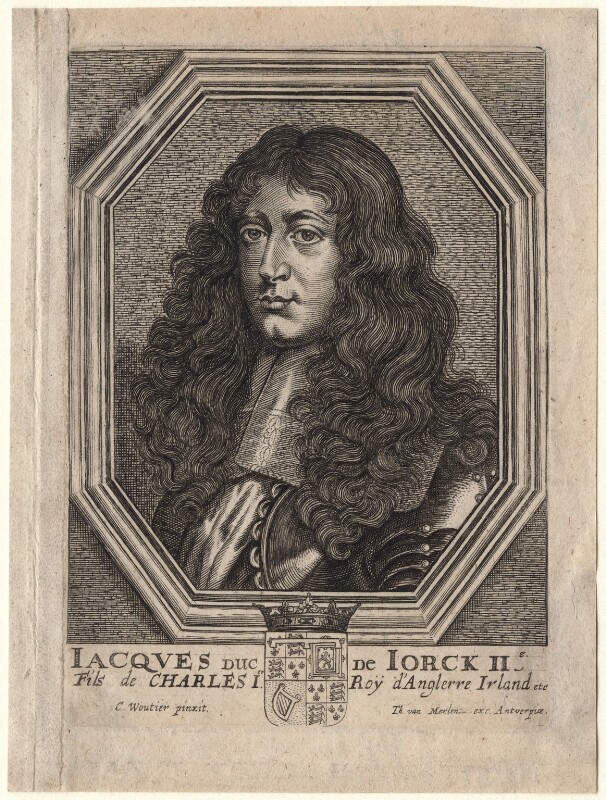 Painting
Secondary source
Charles Wautier · 1650s
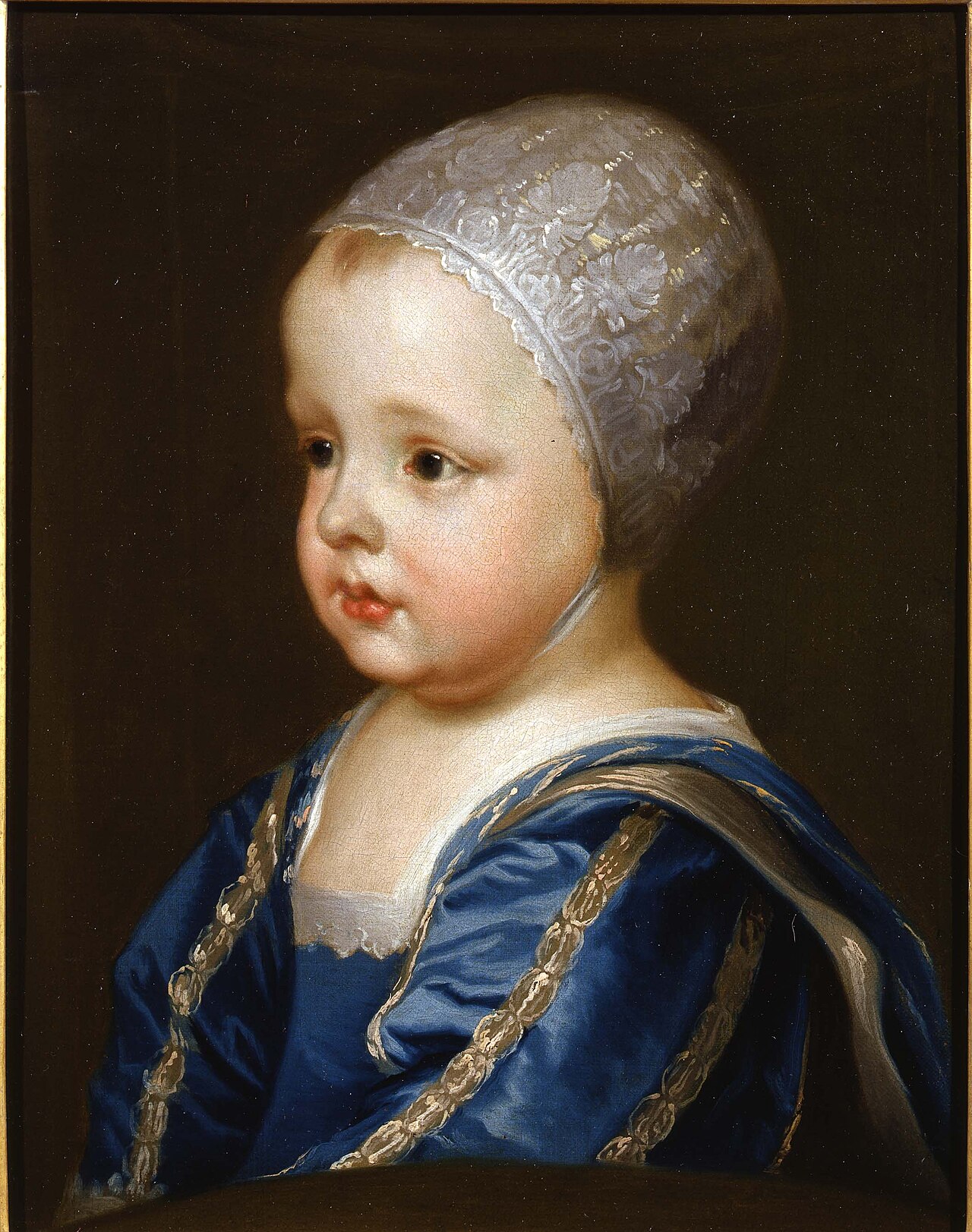 Painting
Secondary source
Circle of Anthony van Dyck · circa 1636
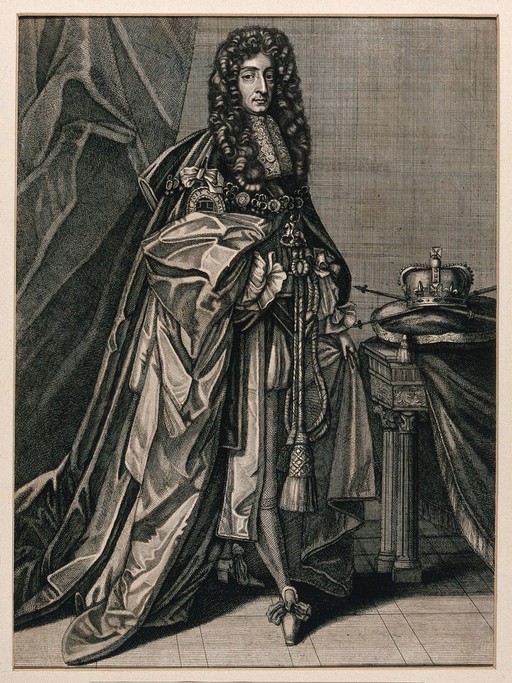 Painting
Secondary source
Pierre Landry · 1693
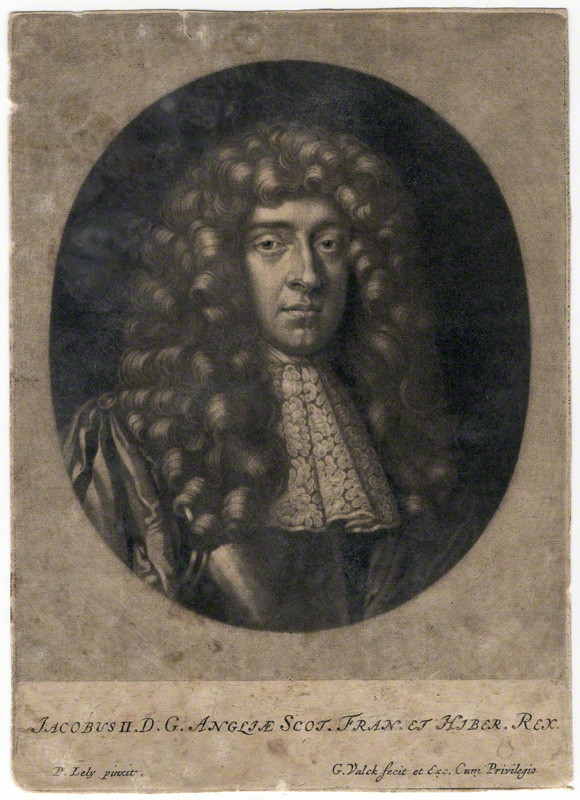 Painting
Secondary source
Gerard Valck · circa 1685-1688
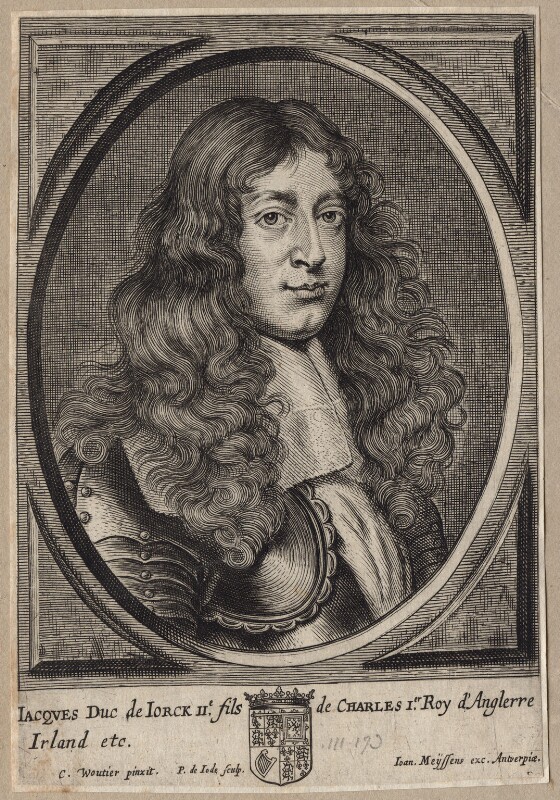 Painting
Secondary source
Pieter de Jode II · 1650s
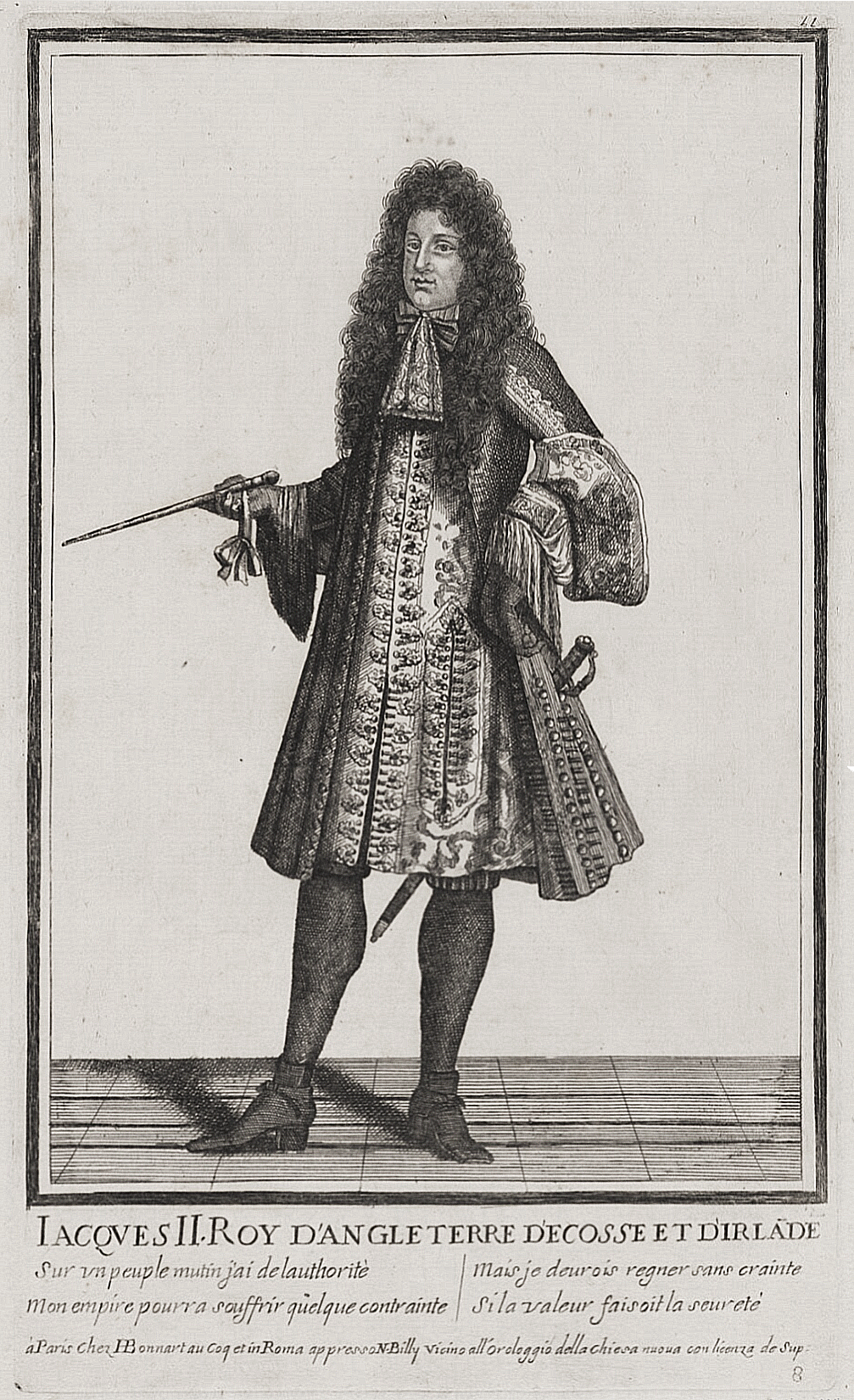 Painting
Secondary source
Henri Bonnart · between 1685 and 1688
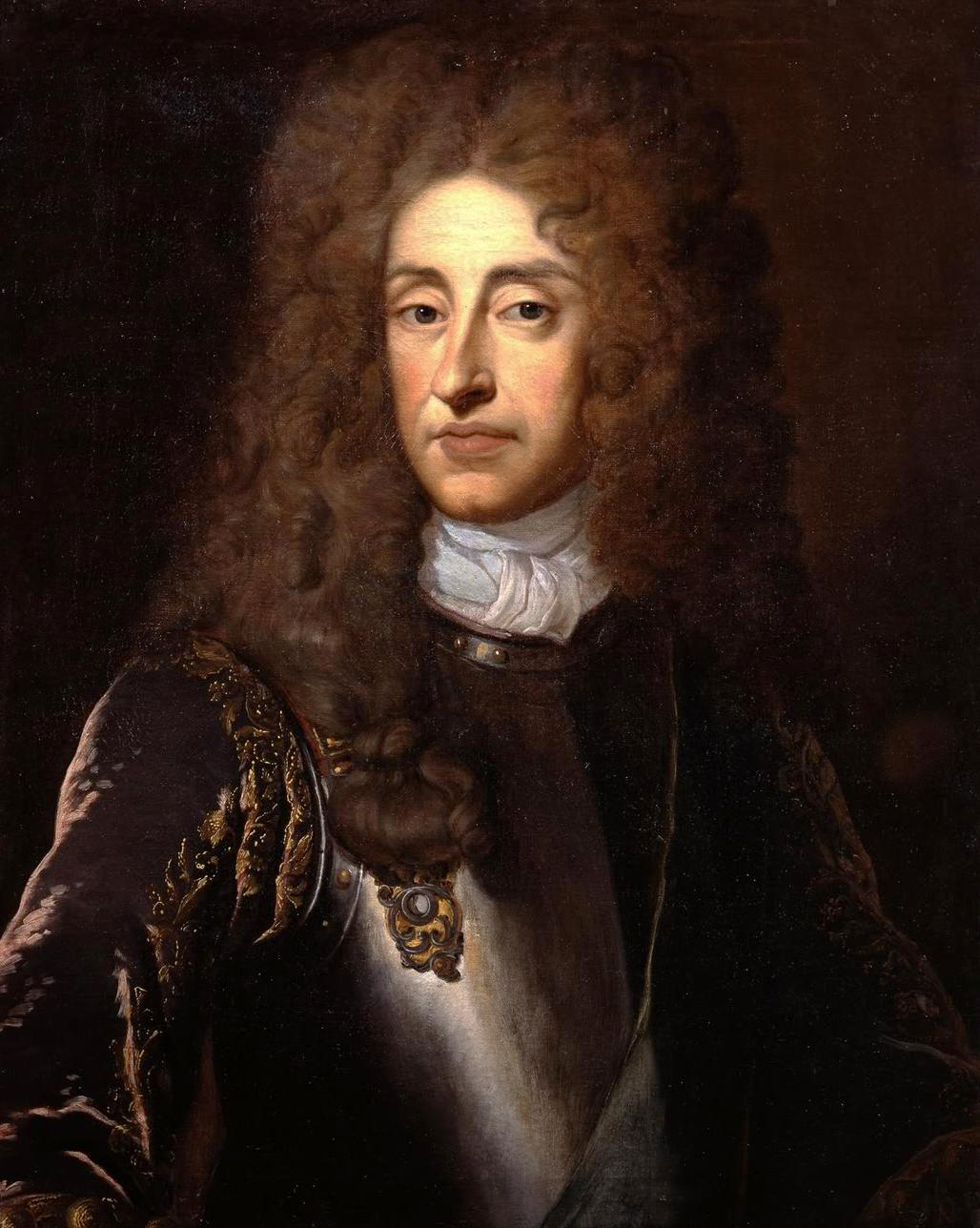 Painting
Primary source
Studio of Godfrey Kneller · 1680s
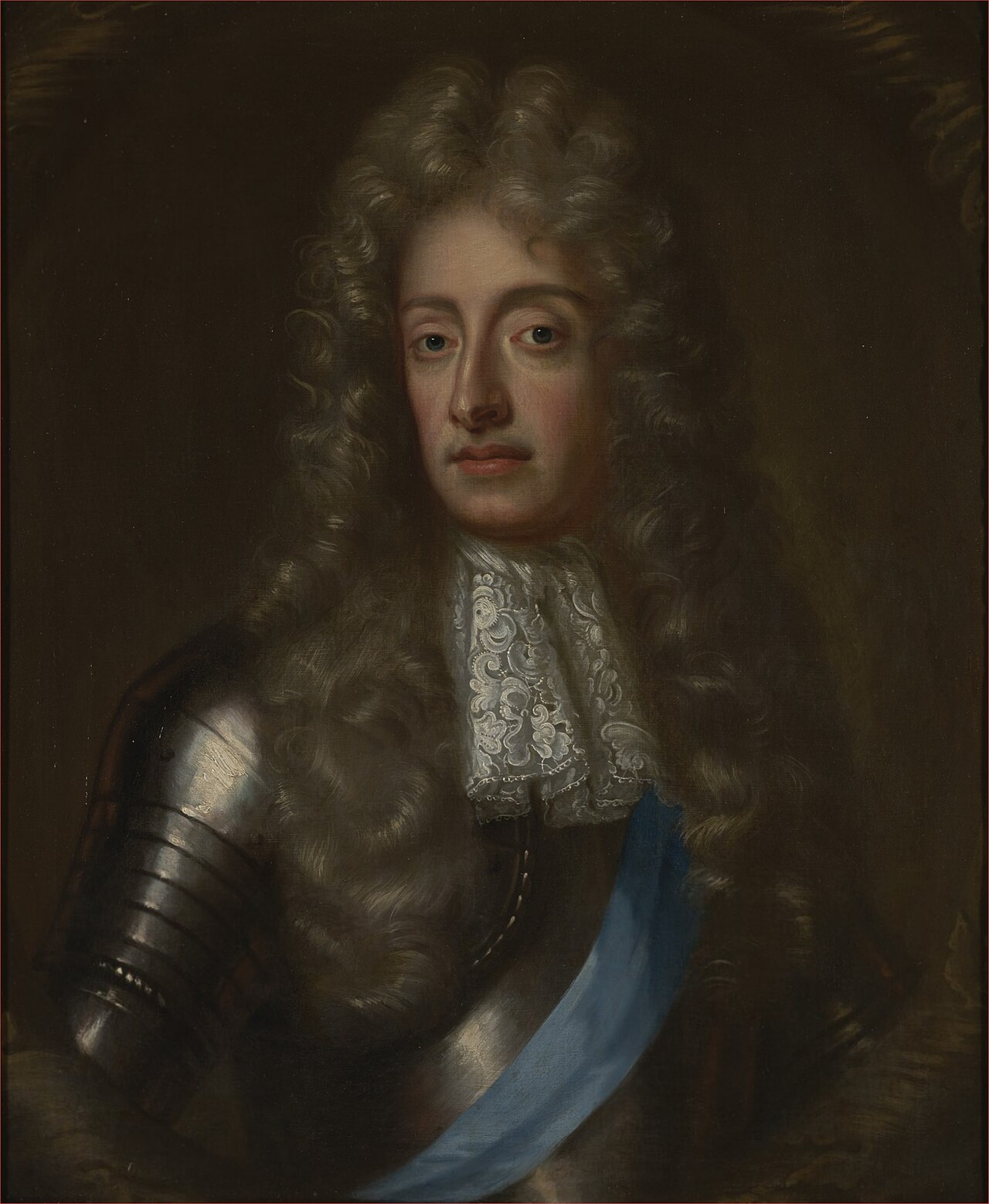 Painting
Primary source
John Riley · c. 1685-1686
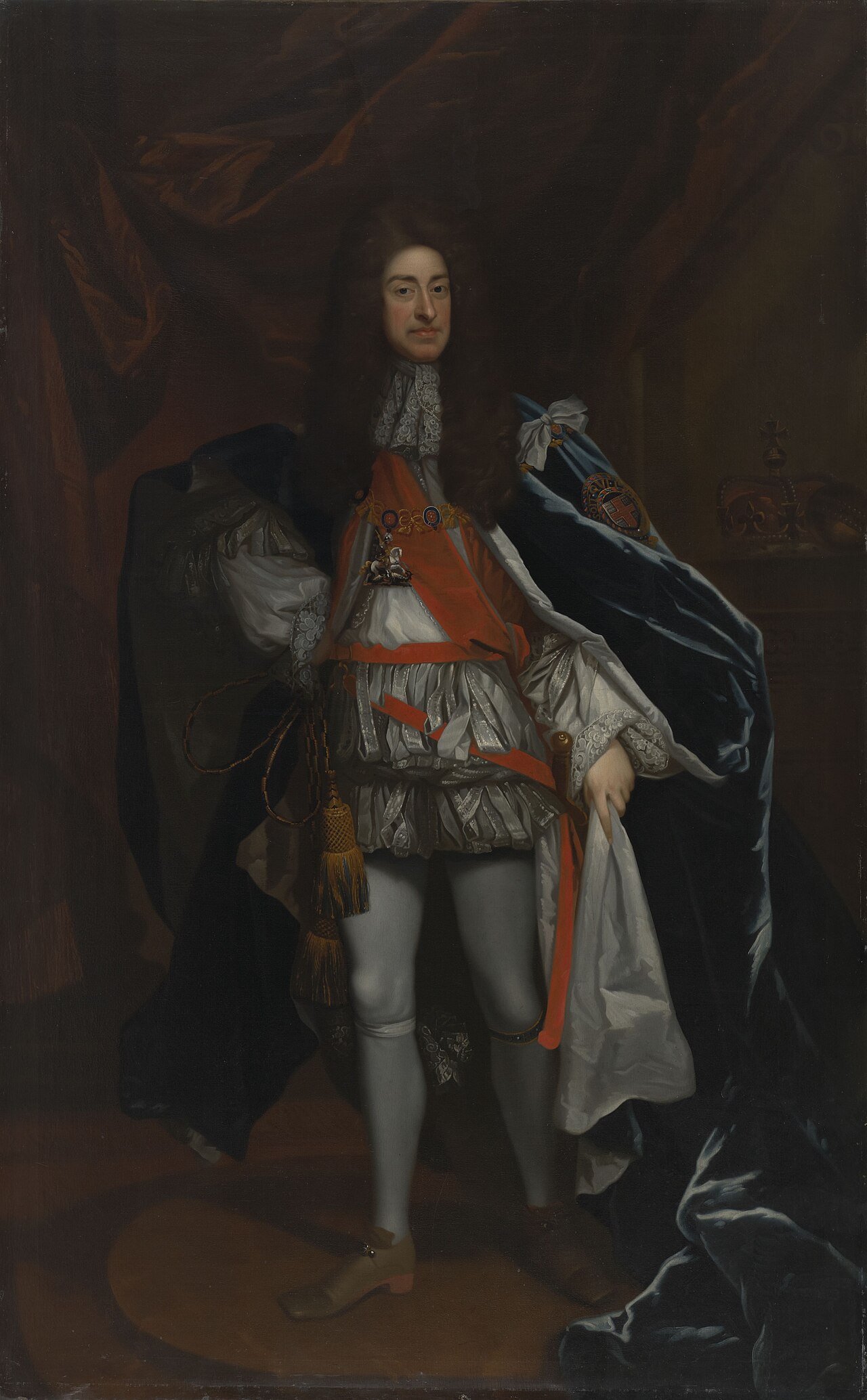 Painting
Primary source
School of Godfrey Kneller · between 1685 and 1688
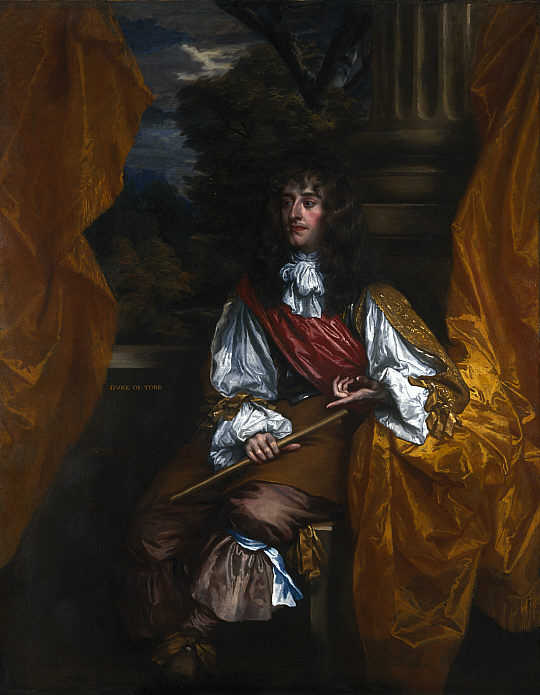 Painting
Primary source
Peter Lely · 1661
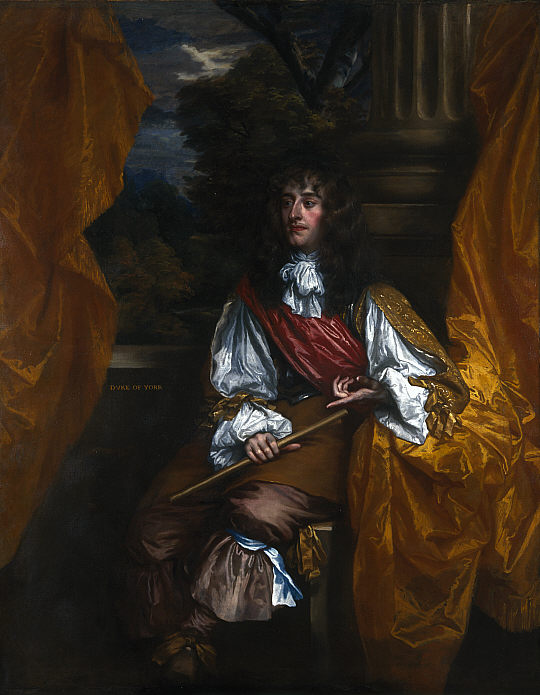 Painting
Primary source
Peter Lely · between 1633 and 1680 (catalogue date range)
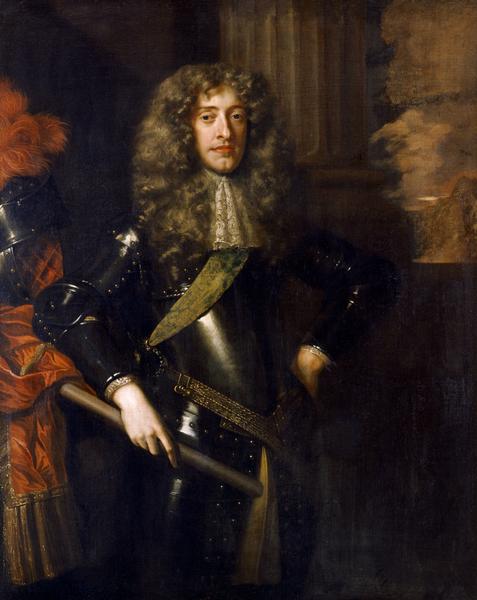 Painting
Primary source
Peter Lely · between 1660 and 1670
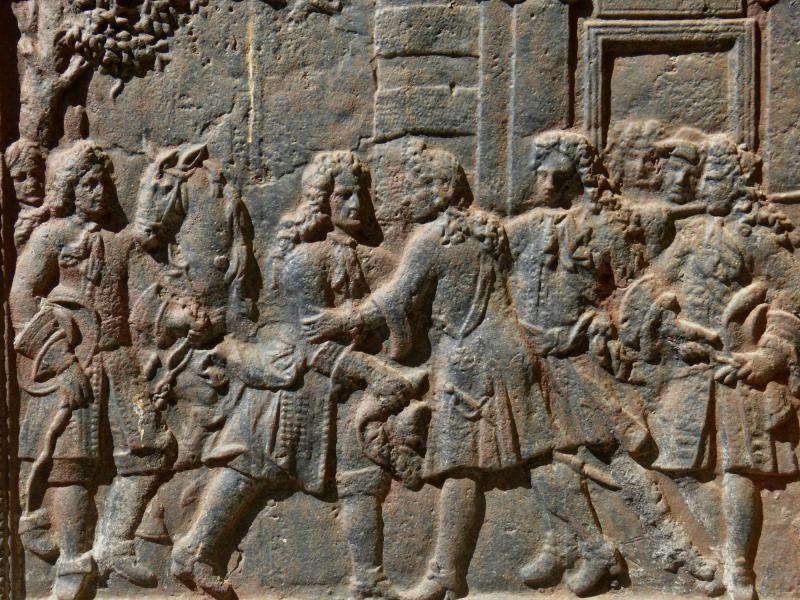 Artifact
Primary source
1689
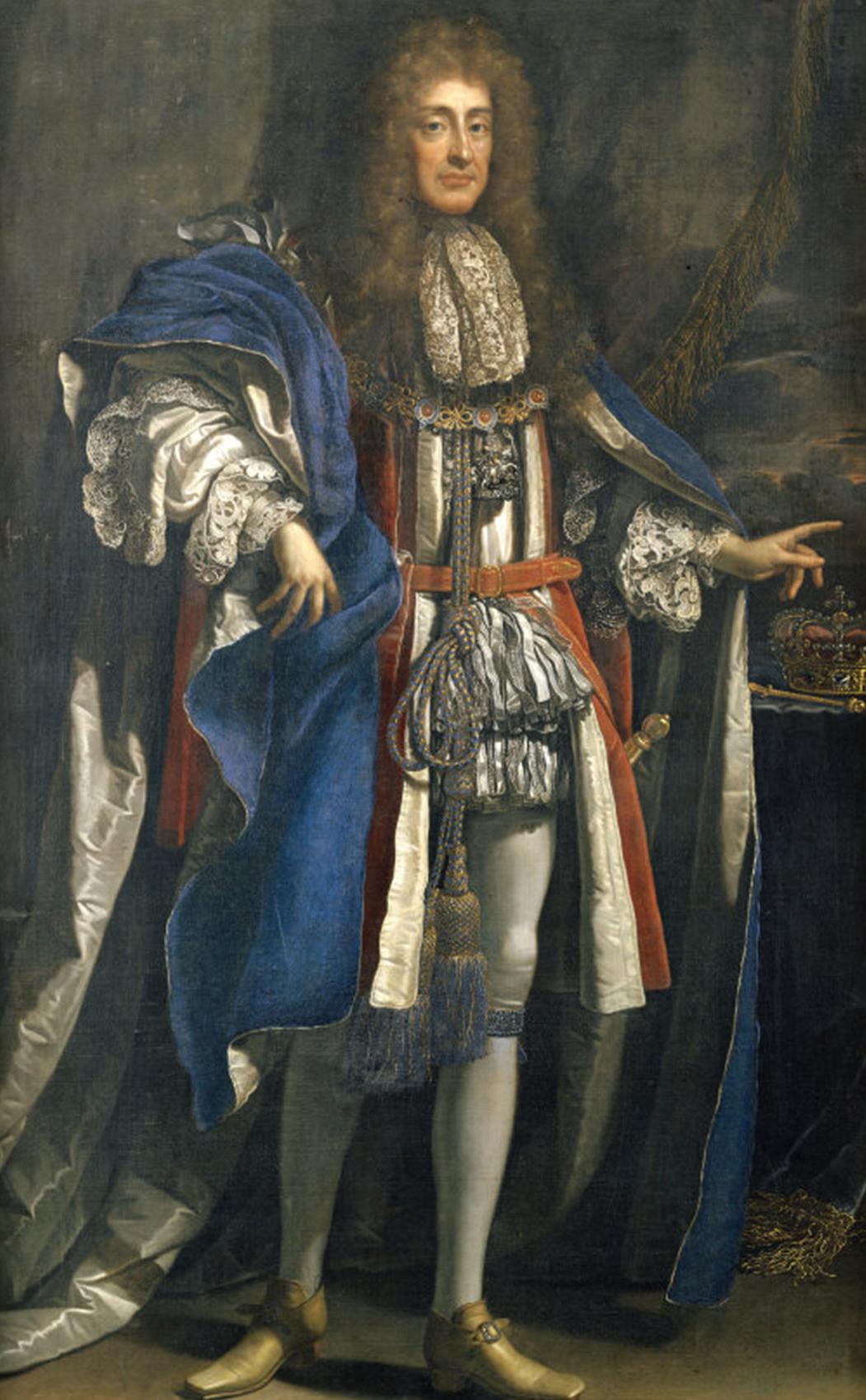 Painting
Secondary source
Benedetto Gennari II · before 1715
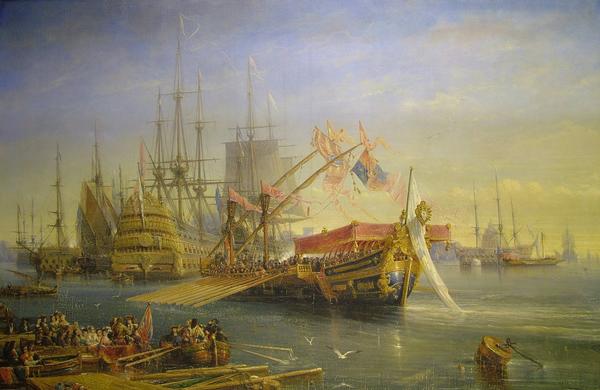 Painting
Secondary source
18th century (French school)
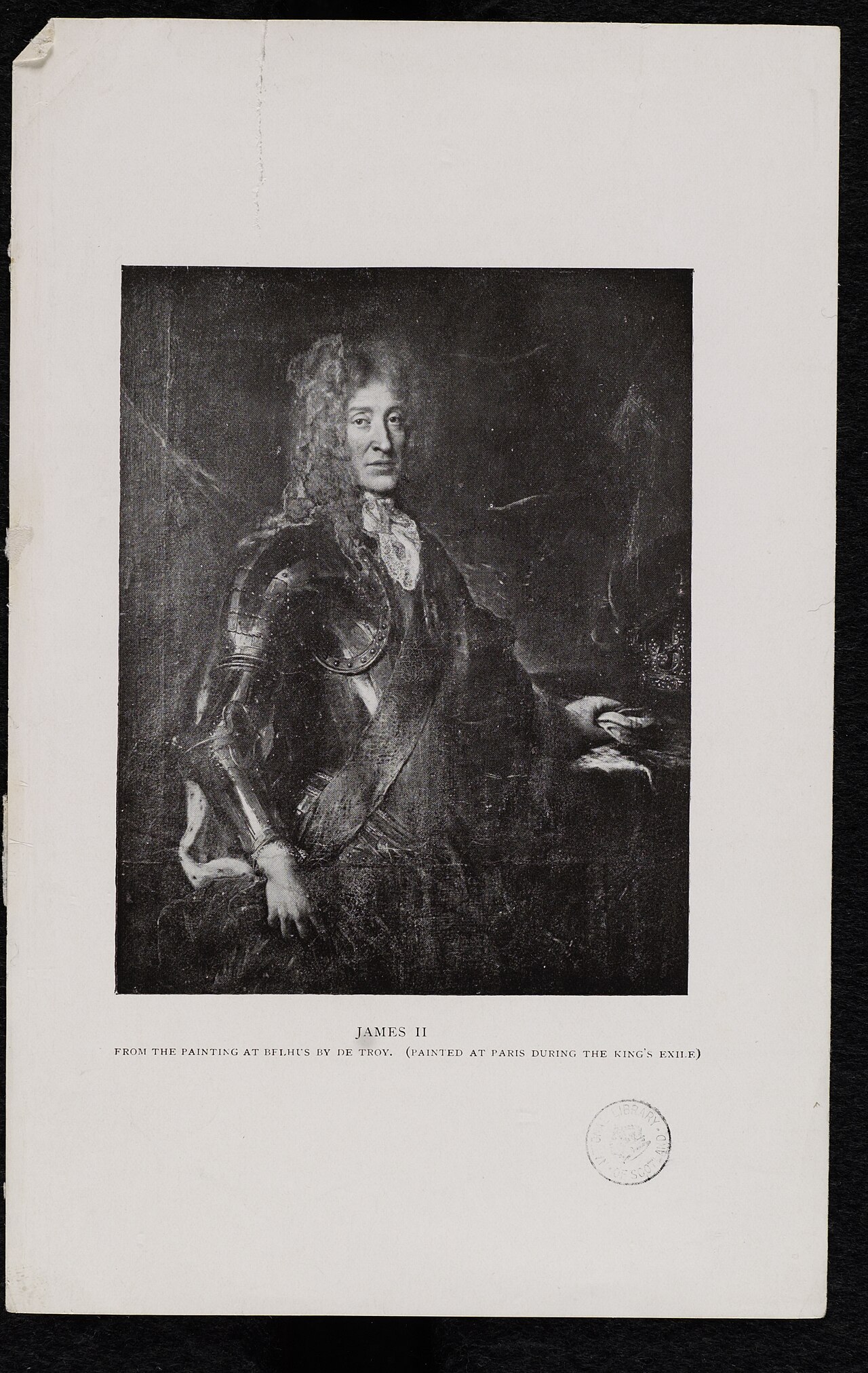 Painting
Secondary source
Unknown printer, after a painting by De Troy · 1745-1746
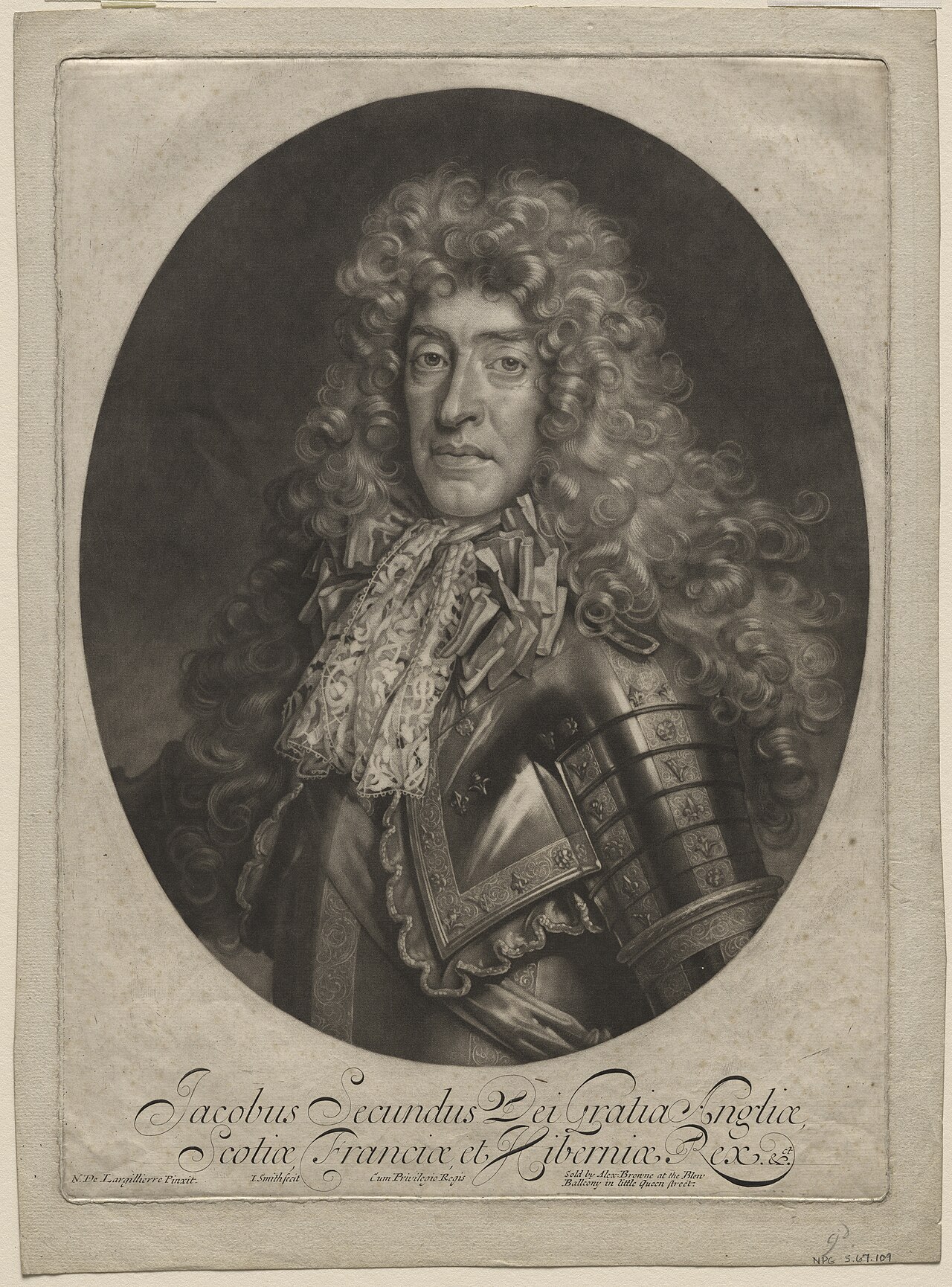 Painting
Secondary source
John Smith, after Nicolas de Largillière
Primary source
Gilbert Burnet · 1897
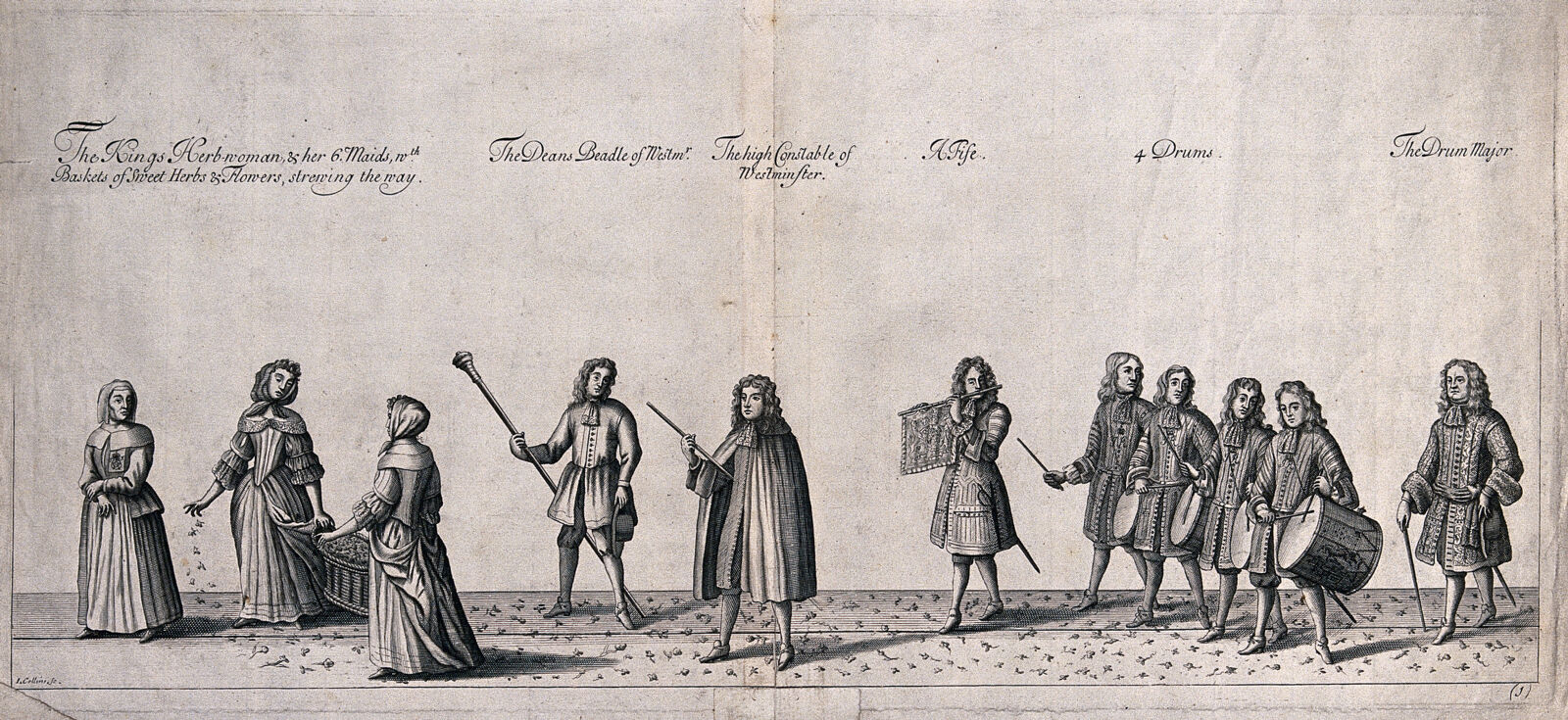 Painting
Primary source
Collins James · 1685
Secondary source
G. M. Trevelyan · 1912
 Book
Secondary source
Edward Hale · 1887
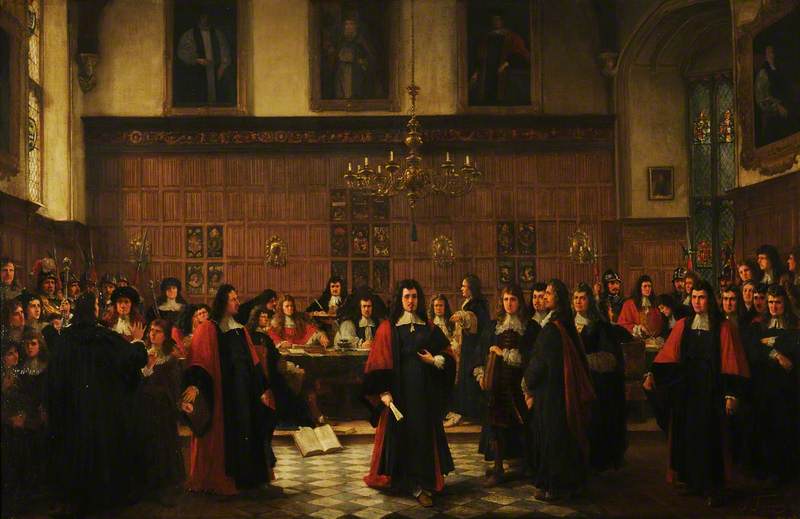 Painting
Secondary source
Pierre Francois Joseph Tonneau · 1884
Primary source
John Evelyn
Tertiary source
1885
Tertiary source
1911
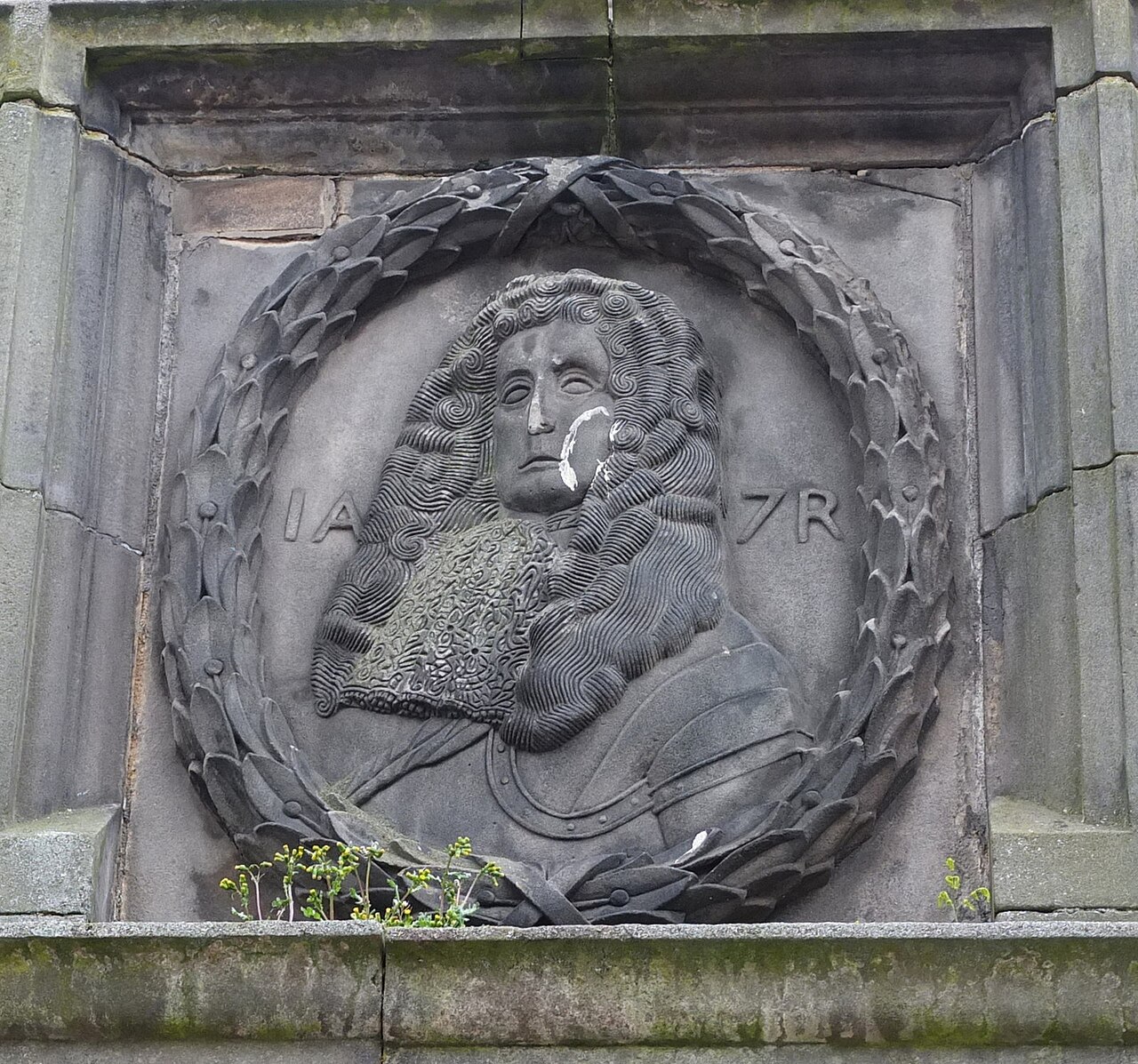 Sculpture
Secondary source
Bill Harrison · 12 May 2013 (photograph date)
 Book
Primary source
Arnold van Westerhout · 1687
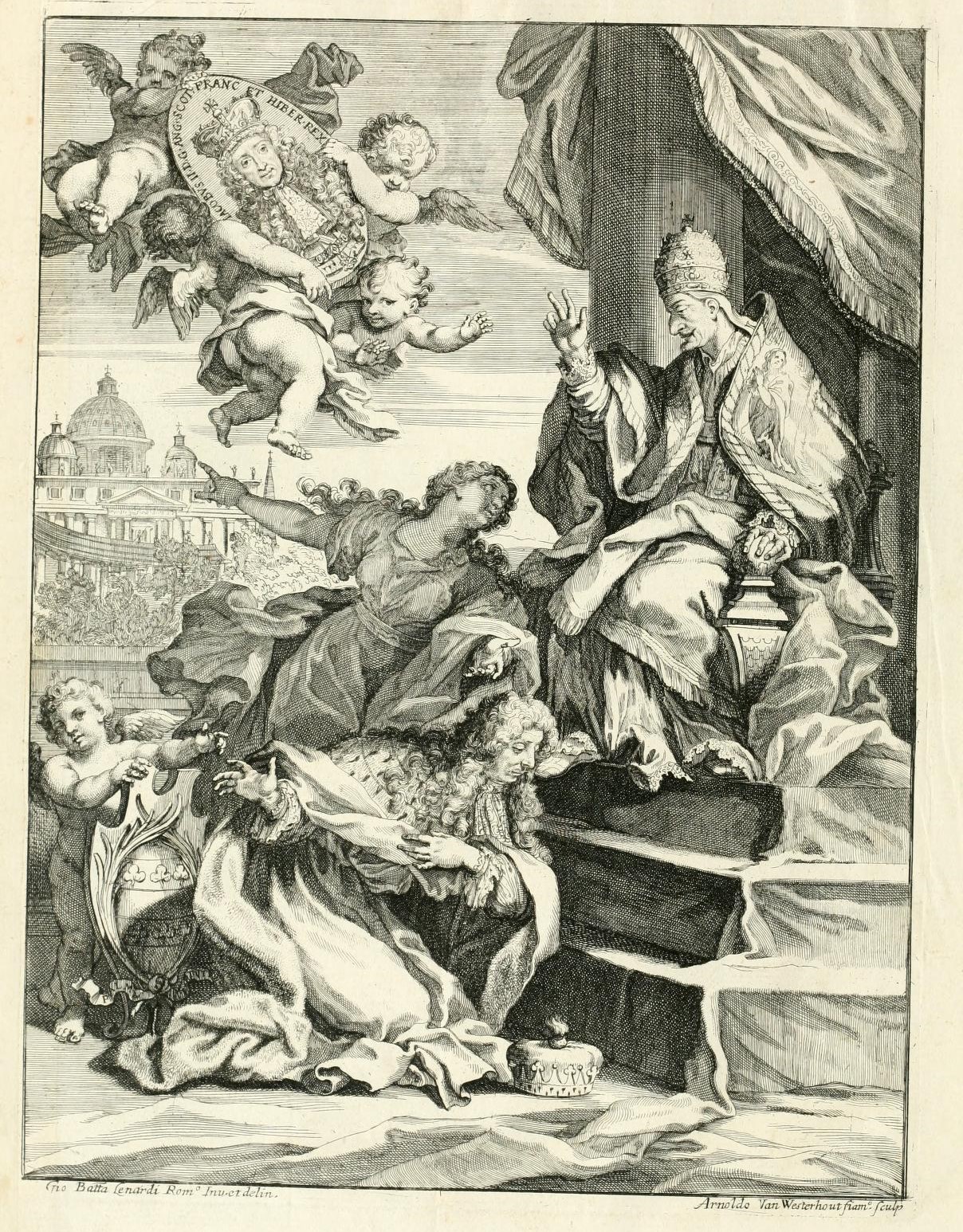 Book
Primary source
Arnold van Westerhout · 1687
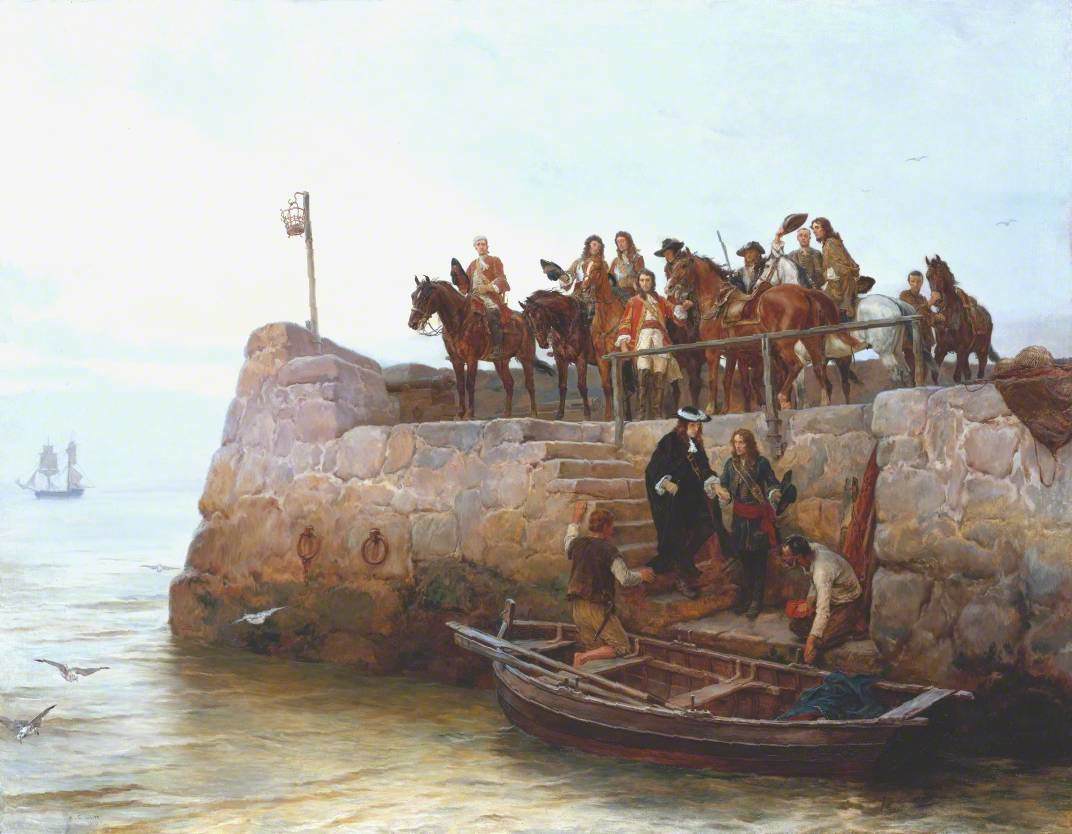 Painting
Secondary source
Andrew Carrick Gow · 1888
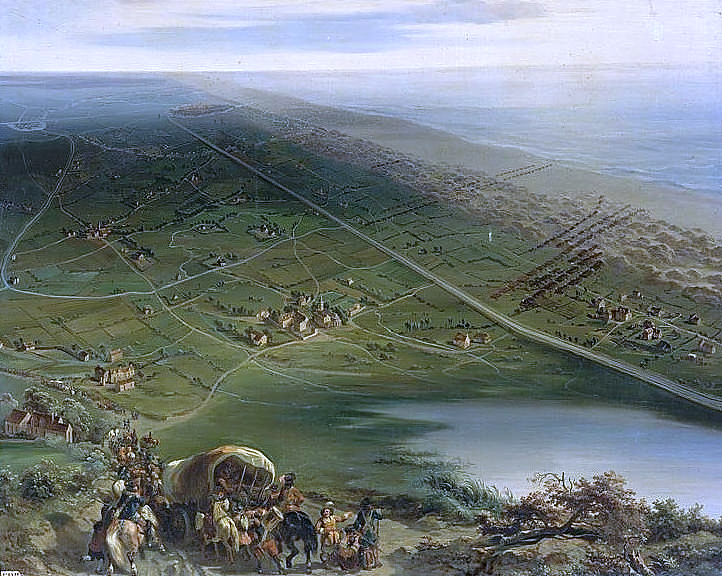 Painting
Secondary source
Jean-Antoine-Siméon Fort · 19th century
 Document
Secondary source
18th century
Want the full shelf? Chat with James II in the app and open the Sources panel — every quote links back to the original.
1 collection
A ready-made collection from the Humy team that features James II. Preview it, then try it free.
Paying customers



























Dr. Michael Calvert
Assistant Superintendent, South Allegheny School District, Pennsylvania
Been using Humy in his district since 2024
“We enjoyed the program last year and used it frequently.”

Jacob Chisom
World and American History, Monticello High School, Arkansas
Been using Humy in his classroom since 2024
“My students say it’s a welcome change of pace. I’m not a fan of the “sage on the stage” model, so I try to incorporate research-oriented and self-paced activities. With Humy, students have to take charge of their learning. They’ve become more adept at critical thinking, forming better questions, and improving their reading comprehension. The interview feature has been my go-to tool. I create assignments where students must ask historical figures a set number of questions, then summarize the responses to ensure they’re truly absorbing the material. This approach lets them actively explore the past rather than passively consuming information.”
Roger Campbell
7th-grade World History, Lancaster County, Pennsylvania
Been using Humy in his classroom since 2024
“Humy has helped me bring historical figures, sometimes long past, to life. When my students interact with these figures in real-time, it eliminates some of the perceived “ancient” characteristics of my curriculum. This has shifted my students’ thinking away from viewing history as abstract or irrelevant. Real-time interactions make historical figures relatable, even allowing students to ask off-topic questions that help put historical lives in a more relevant context for 13-year-olds. The feature I use the most is the interview feature. After teaching a topic, most recently Gandhi and Joan of Arc, I have the students ask pointed, focused questions. We practice good conversation techniques beforehand, teaching them to listen (or read) carefully and formulate thoughtful follow-up questions rather than just interrogating. It helps students practice effective conversation skills.”
Dr. Michael Calvert
Assistant Superintendent, South Allegheny School District, Pennsylvania
Been using Humy in his district since 2024
“We enjoyed the program last year and used it frequently.”
Jacob Chisom
World and American History, Monticello High School, Arkansas
Been using Humy in his classroom since 2024
“My students say it’s a welcome change of pace. I’m not a fan of the “sage on the stage” model, so I try to incorporate research-oriented and self-paced activities. With Humy, students have to take charge of their learning. They’ve become more adept at critical thinking, forming better questions, and improving their reading comprehension. The interview feature has been my go-to tool. I create assignments where students must ask historical figures a set number of questions, then summarize the responses to ensure they’re truly absorbing the material. This approach lets them actively explore the past rather than passively consuming information.”
Roger Campbell
7th-grade World History, Lancaster County, Pennsylvania
Been using Humy in his classroom since 2024
“Humy has helped me bring historical figures, sometimes long past, to life. When my students interact with these figures in real-time, it eliminates some of the perceived “ancient” characteristics of my curriculum. This has shifted my students’ thinking away from viewing history as abstract or irrelevant. Real-time interactions make historical figures relatable, even allowing students to ask off-topic questions that help put historical lives in a more relevant context for 13-year-olds. The feature I use the most is the interview feature. After teaching a topic, most recently Gandhi and Joan of Arc, I have the students ask pointed, focused questions. We practice good conversation techniques beforehand, teaching them to listen (or read) carefully and formulate thoughtful follow-up questions rather than just interrogating. It helps students practice effective conversation skills.”
FAQ
Like any LLM, the AI version of James II can get details wrong. Open one of these sources in a new tab to verify what you’ve read.

The last German Emperor and King of Prussia.

English noblewoman and de facto monarch for nine days.

Queen of England and Ireland, also known as "Bloody Mary" for her persecution of Protestants.

Queen of England, Scotland, and Ireland in the late 17th century, who co-ruled with her husband, William III, after the Glorious Revolution.

Long-reigning British monarch.

King of England from 1483 until his death in 1485.
Ready when you are
20 messages free · No credit card · Available in 50+ languages.