


Primary sourceDocument1689
Bill of Rights 1689
1689
An act of the English Parliament from 1689 limiting royal power, often taught alongside Magna Carta as part of England's constitutional tradition.
Often taught as the successor to Magna Carta, this 1689 act continued the project of limiting the crown by law.
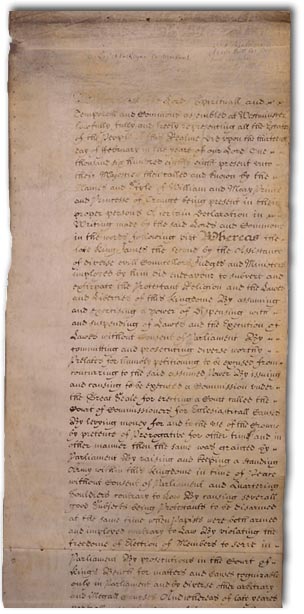
About this source
What it is
The Bill of Rights 1689 is an act of the Parliament of England that set out civil rights and changed the royal succession following the Glorious Revolution. It received royal assent in December 1689 and restated an earlier Declaration of Right presented to William III and Mary II.
Why it matters
The Bill limited the monarch's powers, established parliamentary rights, and listed individual protections such as freedom from cruel punishment and from taxation without Parliament's consent. It is considered one of the basic documents of the British constitution alongside Magna Carta and the Petition of Right, showing a long chain of documents used to check royal authority over centuries.
Look closer
- What specific abuses of King James II does the document list, and why might that matter to the people who wrote it?
- How does this document build on ideas from Magna Carta nearly 500 years earlier?
- Who gets to claim these rights, and who might have been excluded?
This document is part of the curated material that grounds the AI version of Magna Carta on Humy.ai — when students ask about related events, the AI can quote it and cite it.
More Magna Carta sources
Meet the AI Magna Carta →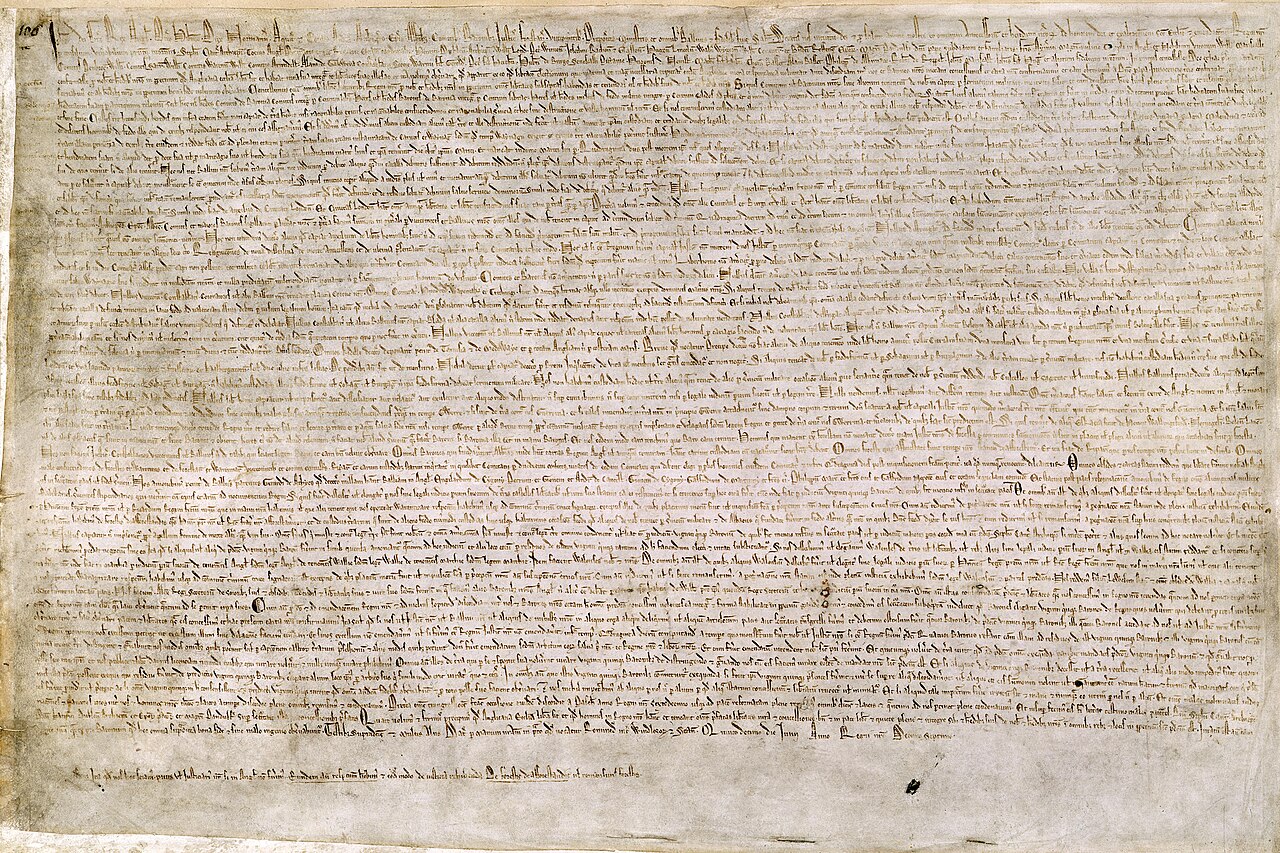 Document
Primary source
Magna Carta (1215 Exemplification)
1215
 Document
Primary source
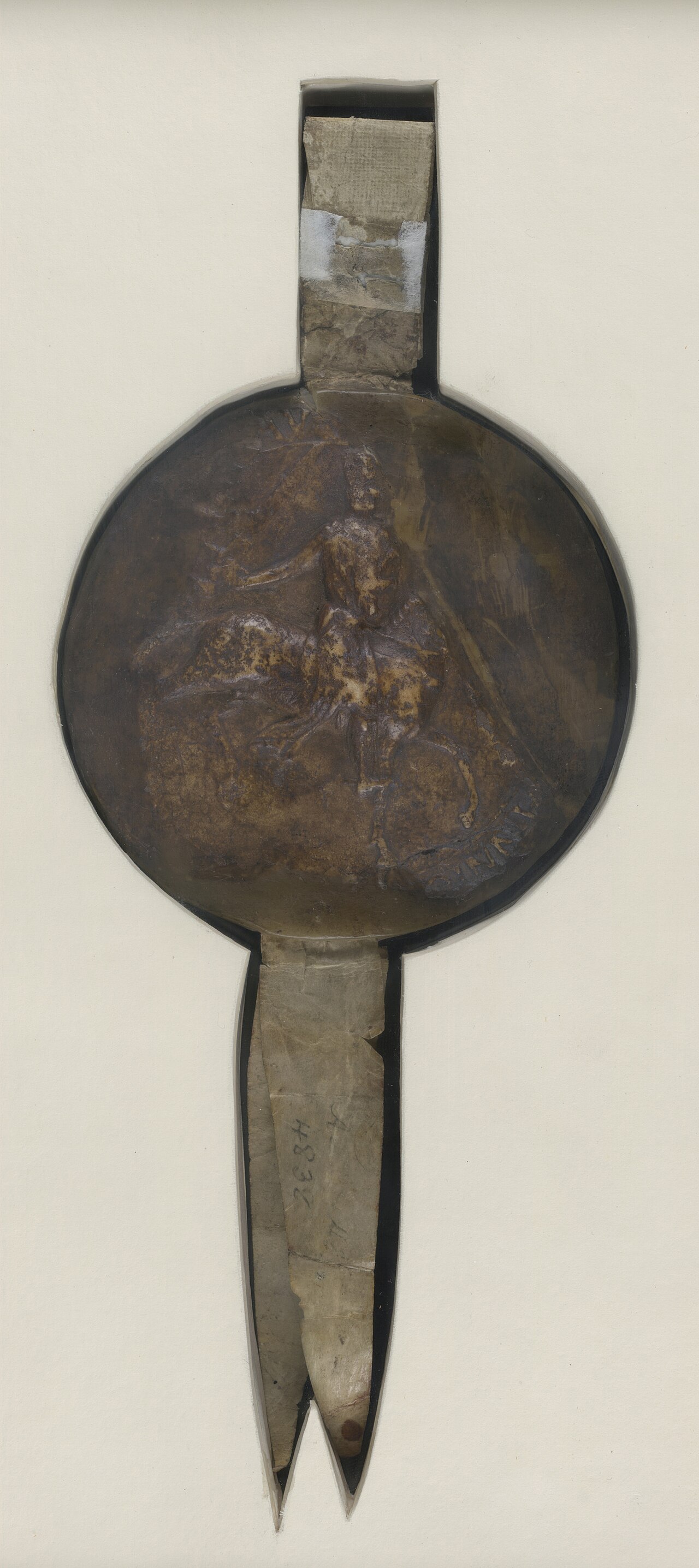
Articles of the Barons
1215
 Document
Primary source
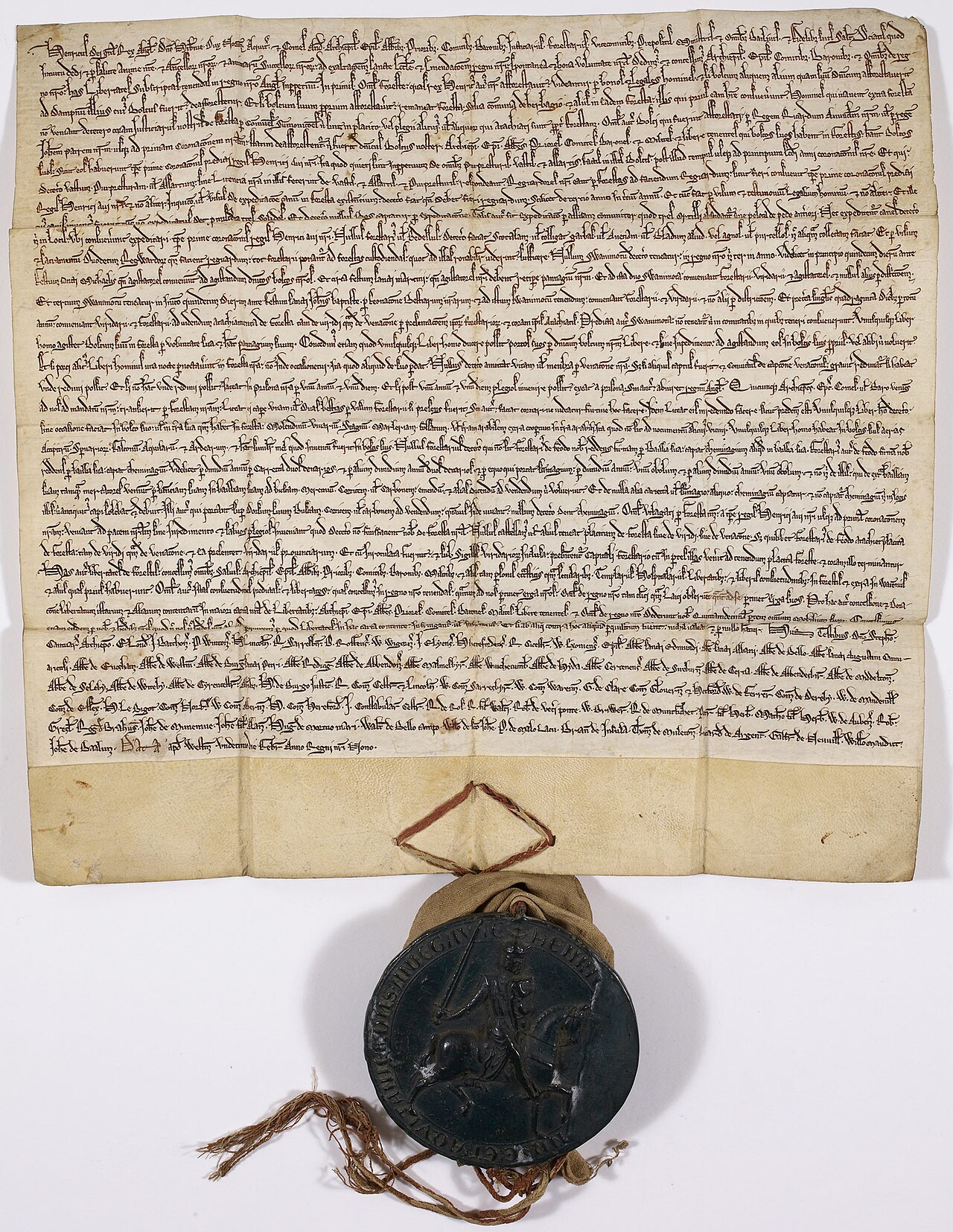
Charter of the Forest
1217
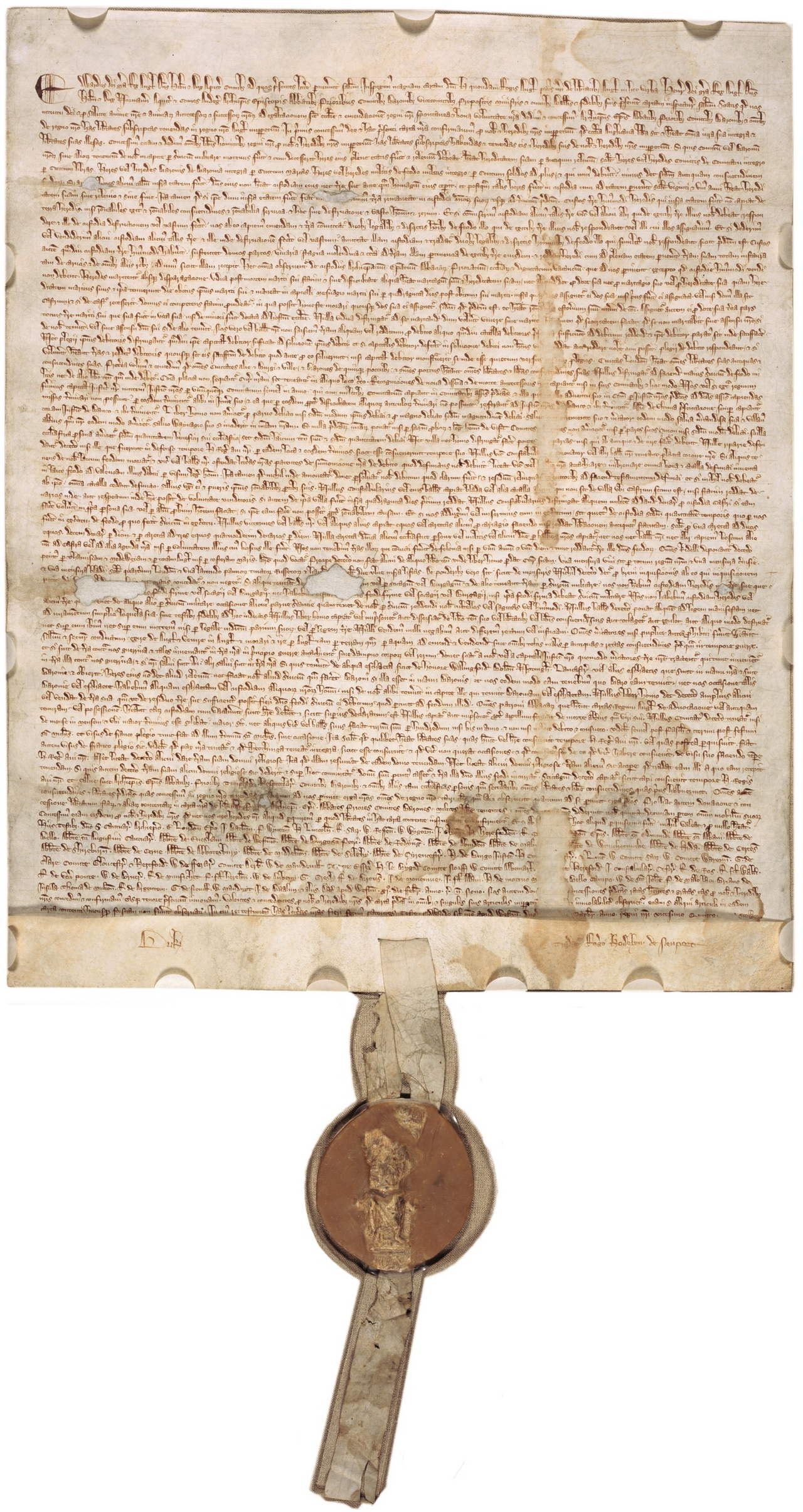 Document
Primary source
Magna Carta 1297 (National Archives, Washington)
Edward I of England · 1297
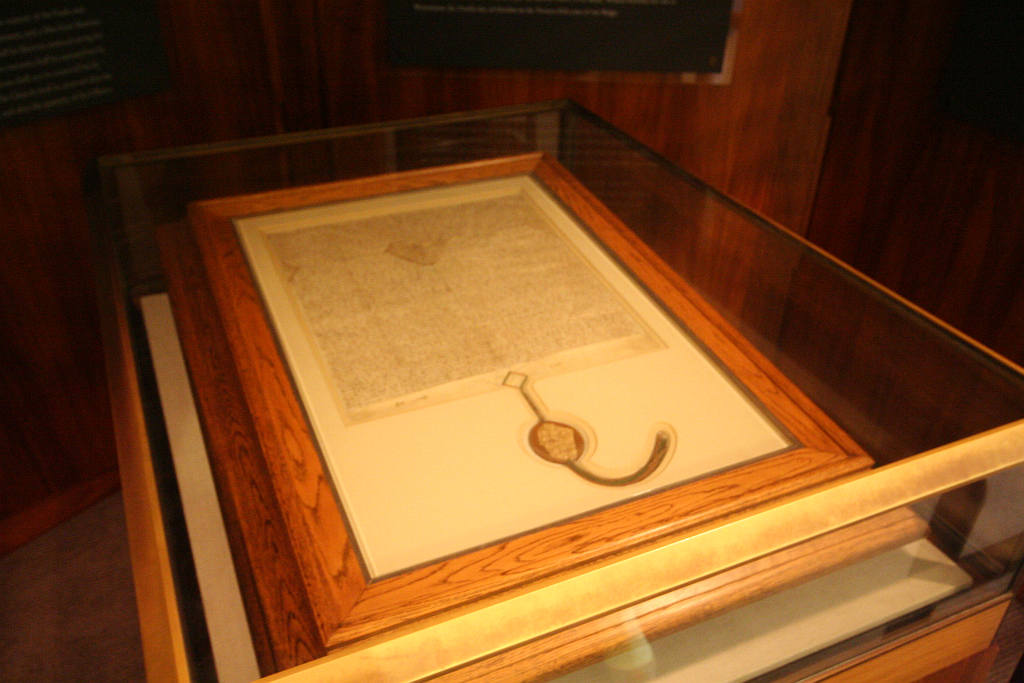 Document
Primary source
Magna Carta 1297 (Parliament House, Canberra)
Edward I of England · 1297
Ready when you are
Start chatting with Magna Carta now.
20 messages free · No credit card · Available in 50+ languages.