


Primary sourceDocument1215
Magna Carta (1215 Exemplification)
1215
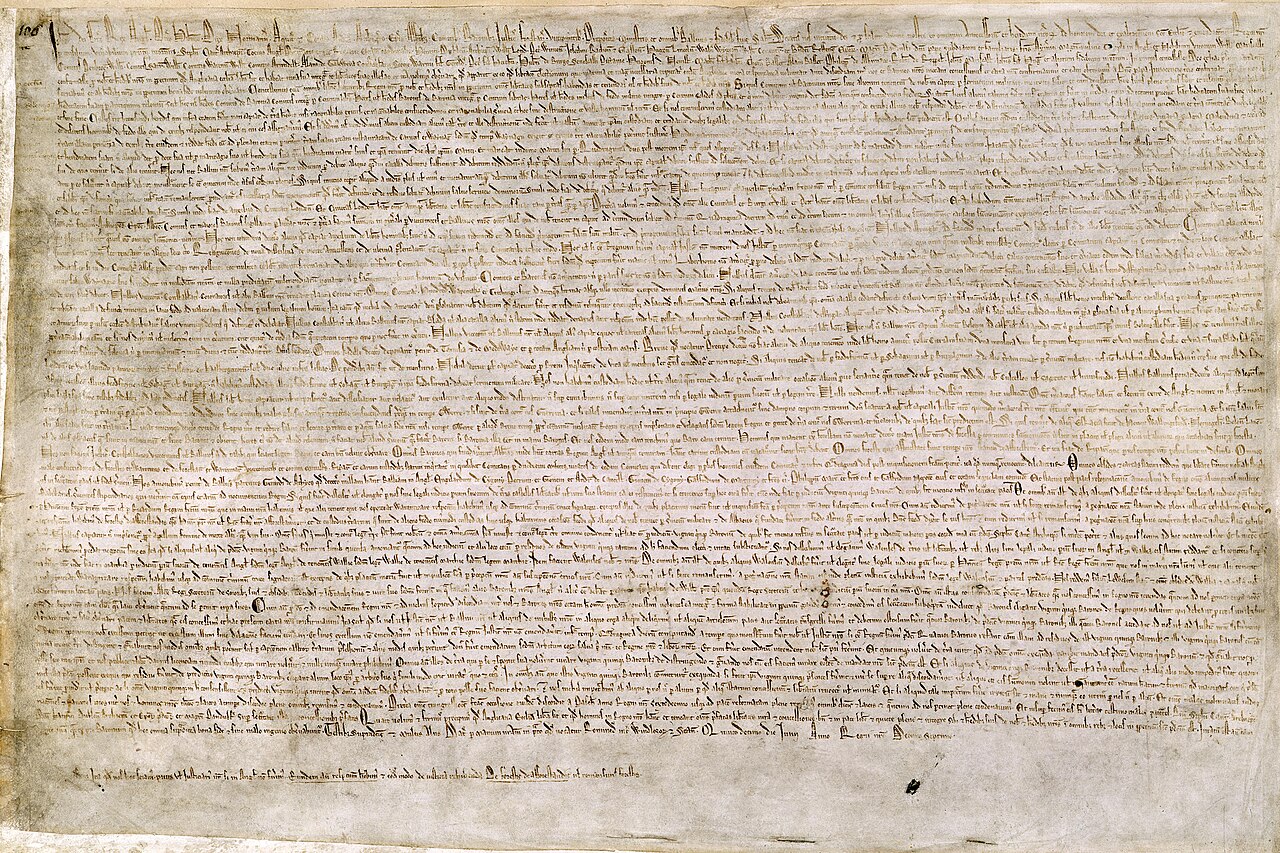
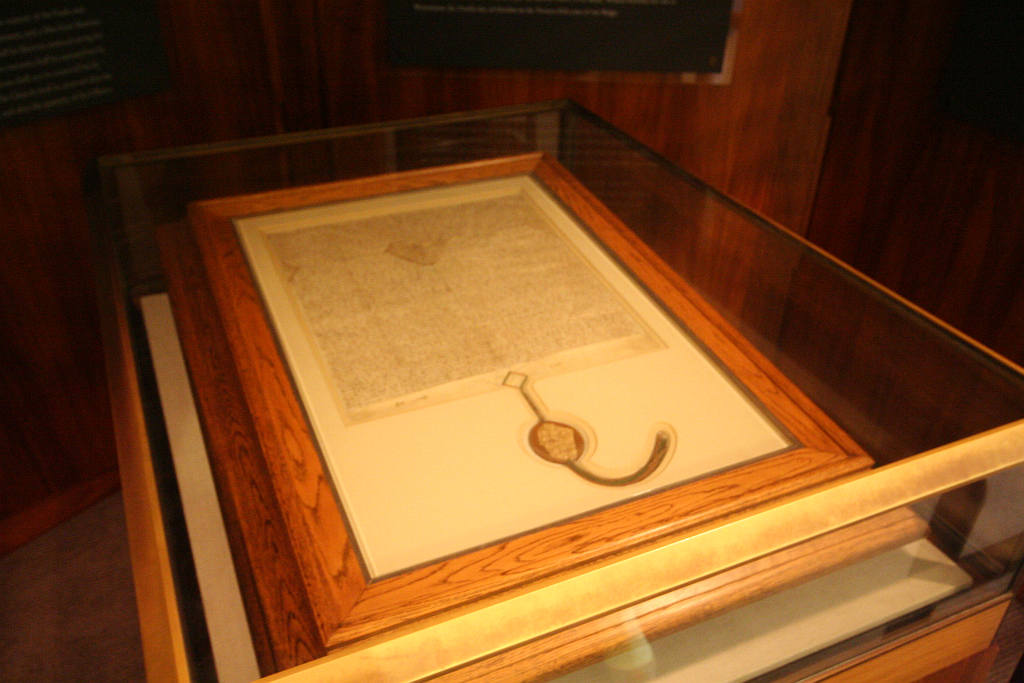
One of the original 1215 parchment copies of Magna Carta, the charter of rights agreed between King John and his barons.
This is the actual 1215 parchment exemplification of Magna Carta itself, the charter being studied.
About this source
What it is
This is one of the original 1215 copies of Magna Carta, written in medieval Latin on parchment with iron gall ink. It was authenticated with King John's Great Seal, though the wax seal itself has since been lost. It is held today at the British Library as Cotton MS Augustus II.106.
Why it matters
This document records the agreement forced on King John by his rebellious barons in 1215. It limited royal power and set out legal protections, becoming a foundation stone for later ideas about the rule of law and the rights of subjects against a ruler.
Look closer
- What does the dense handwriting and use of abbreviations tell you about how documents were produced in 1215?
- Why might the original wax seal have been lost over the centuries?
- What does the survival of this physical parchment add to our understanding, compared with just reading the text?
This document is part of the curated material that grounds the AI version of Magna Carta on Humy.ai — when students ask about related events, the AI can quote it and cite it.
More Magna Carta sources
Meet the AI Magna Carta →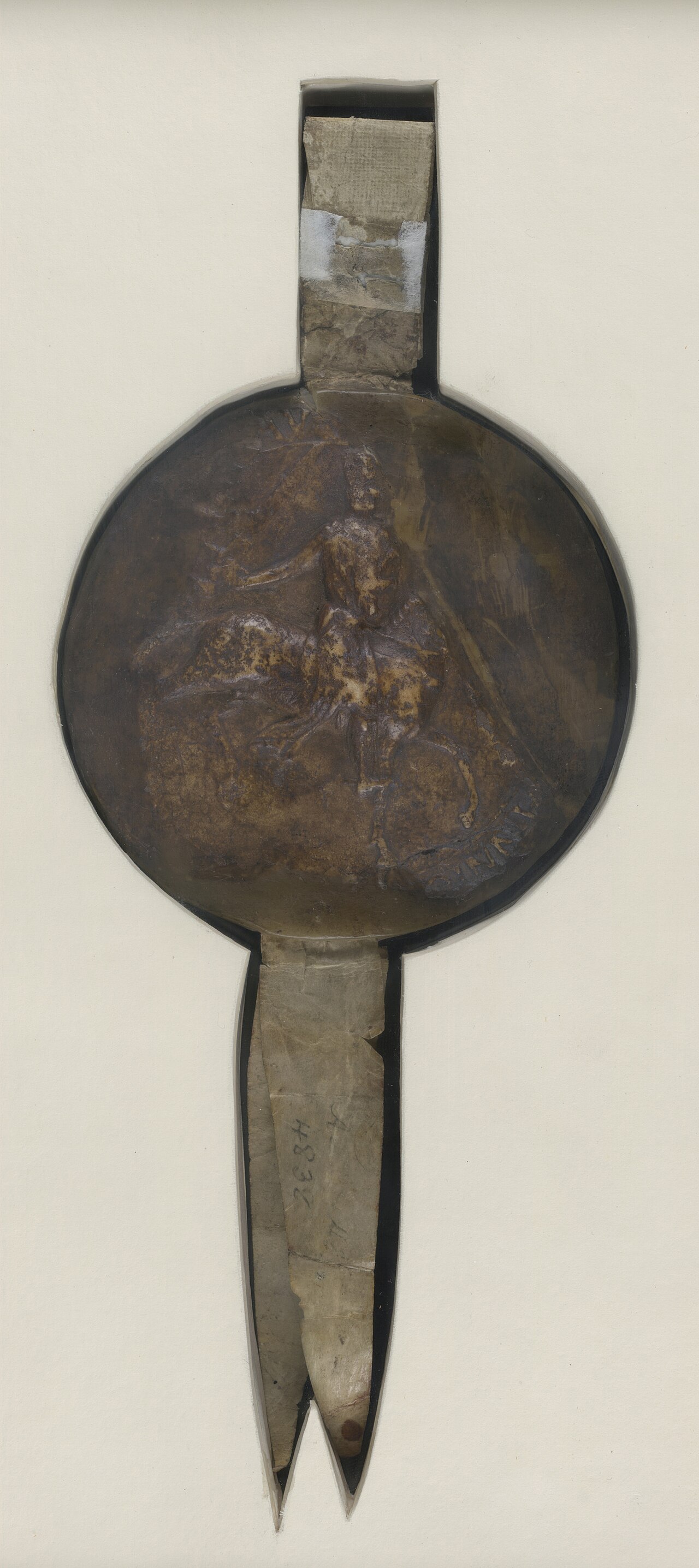 Document
Primary source
Articles of the Barons
1215
 Document
Primary source
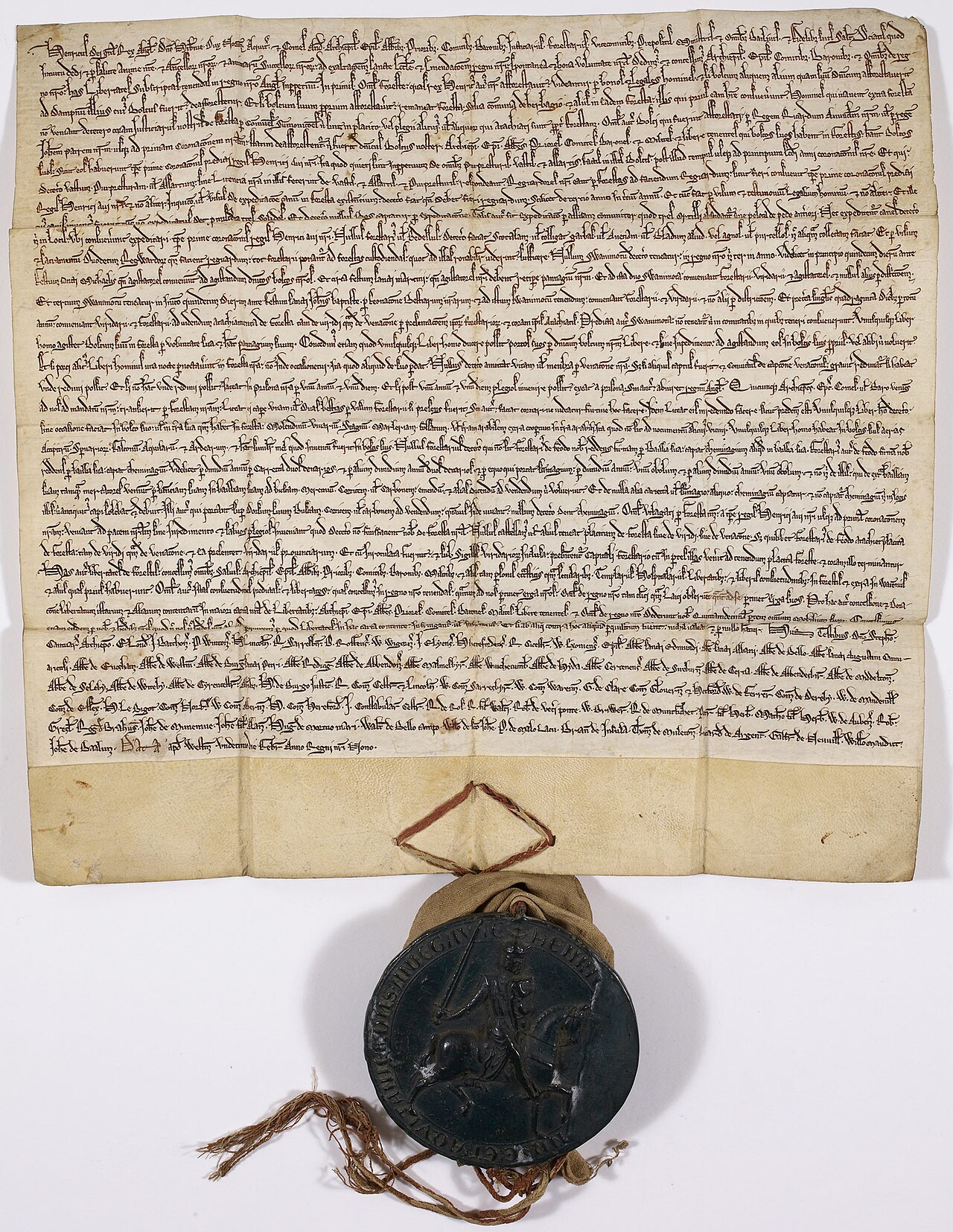
Charter of the Forest
1217
 Document
Primary source
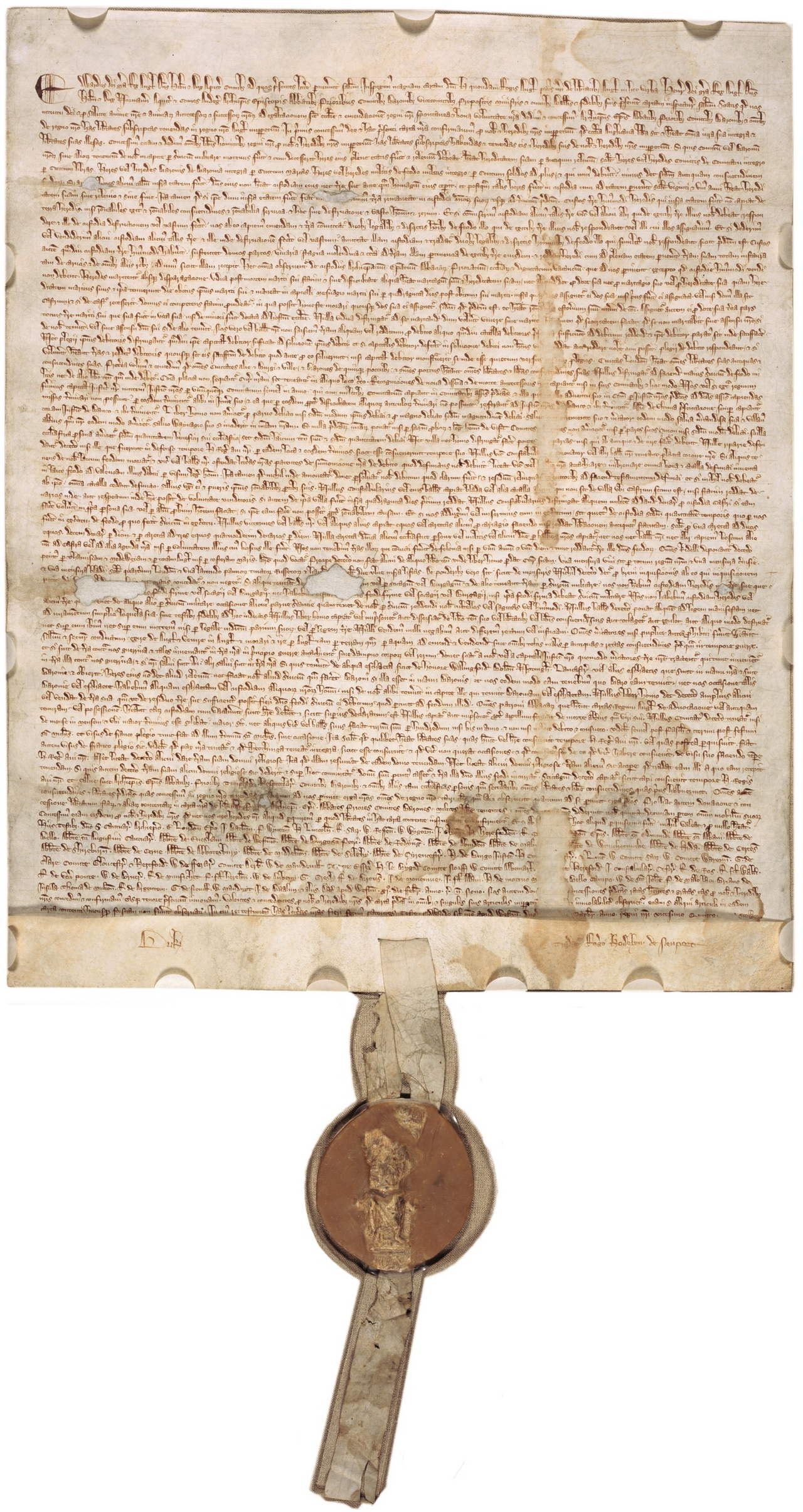
Magna Carta 1297 (National Archives, Washington)
Edward I of England · 1297
 Document
Primary source
Magna Carta 1297 (Parliament House, Canberra)
Edward I of England · 1297
 Book
Secondary source
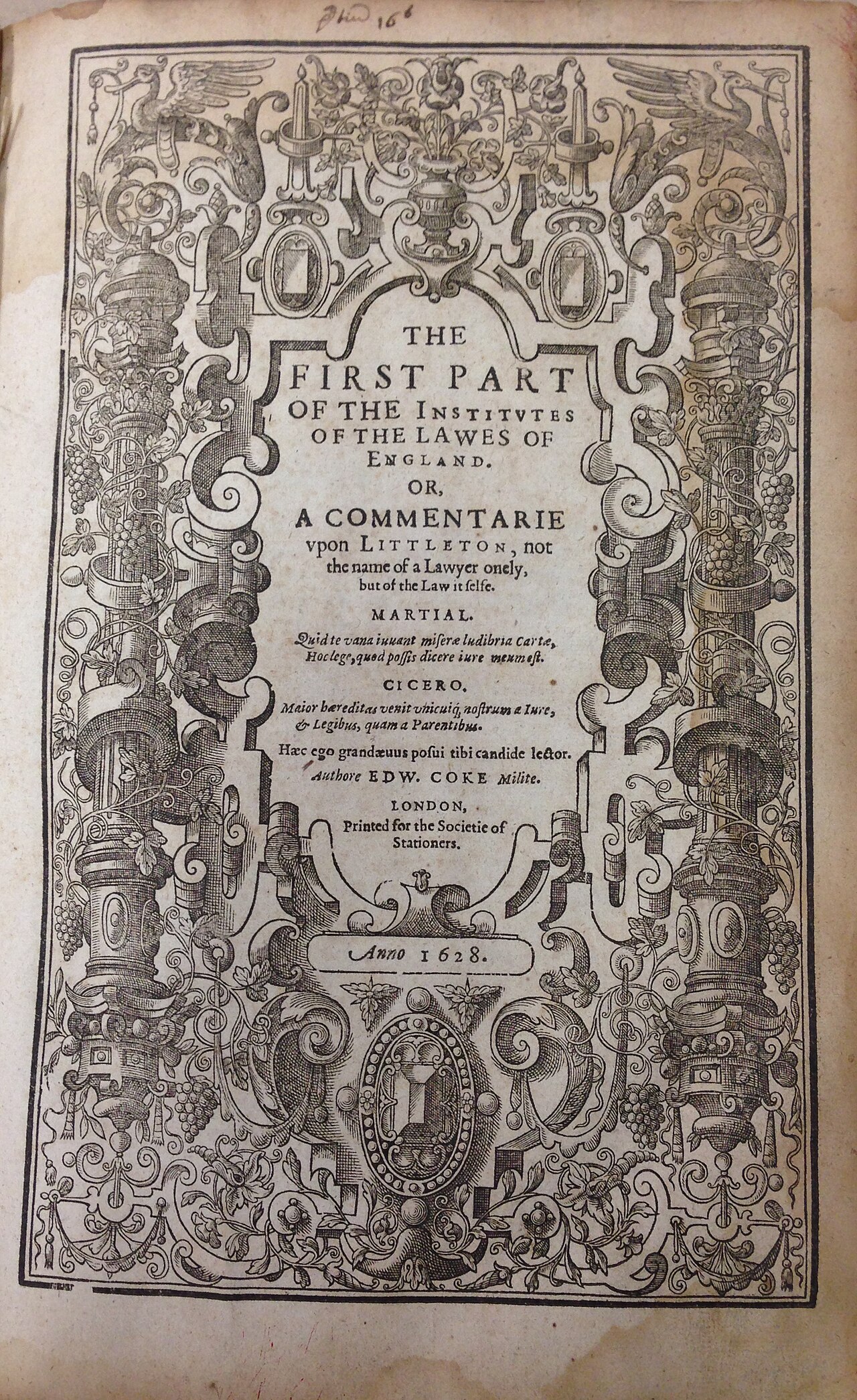
Institutes of the Lawes of England
Edward Coke · 1628
Ready when you are
Start chatting with Magna Carta now.
20 messages free · No credit card · Available in 50+ languages.