


Primary sourceDocument1217
Charter of the Forest
1217
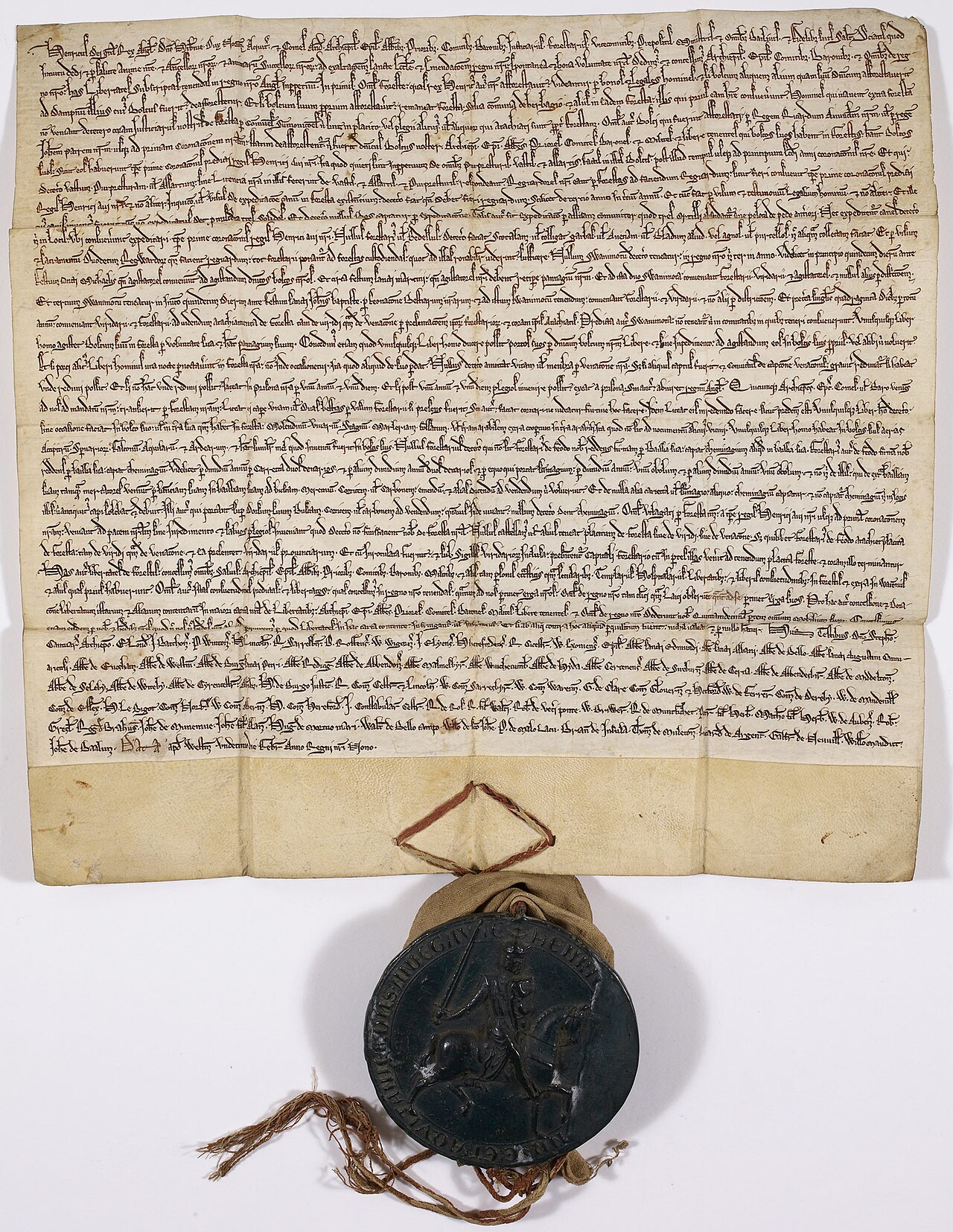
A 1217 companion charter to Magna Carta that restored commoners' rights to use royal forests, giving rise to the name 'Magna' (Great) Carta.
This companion charter explains why the 1215 document became known as the 'Great' Charter, or Magna Carta.
About this source
What it is
The Charter of the Forest was first issued in 1217, sealed under the regency of William Marshal during the minority of King Henry III. It restored rights of access to royal forests for free men, rights that had been eroded by earlier kings. It was reissued in 1225 and later joined with Magna Carta in a confirmation of charters.
Why it matters
This charter is the reason the original 1215 charter came to be called 'Magna' (Great) Carta, to distinguish the two documents. While Magna Carta mainly protected the rights of barons, the Charter of the Forest restored practical, everyday rights to ordinary free people, such as grazing livestock and gathering firewood, and ended the death penalty for poaching deer.
Look closer
- Why might ordinary people have needed a separate charter protecting their use of forests?
- What does ending the death penalty for taking deer suggest about how harsh forest law had been before?
- How does this document change the picture of Magna Carta as a charter only for nobles?
This document is part of the curated material that grounds the AI version of Magna Carta on Humy.ai — when students ask about related events, the AI can quote it and cite it.
More Magna Carta sources
Meet the AI Magna Carta →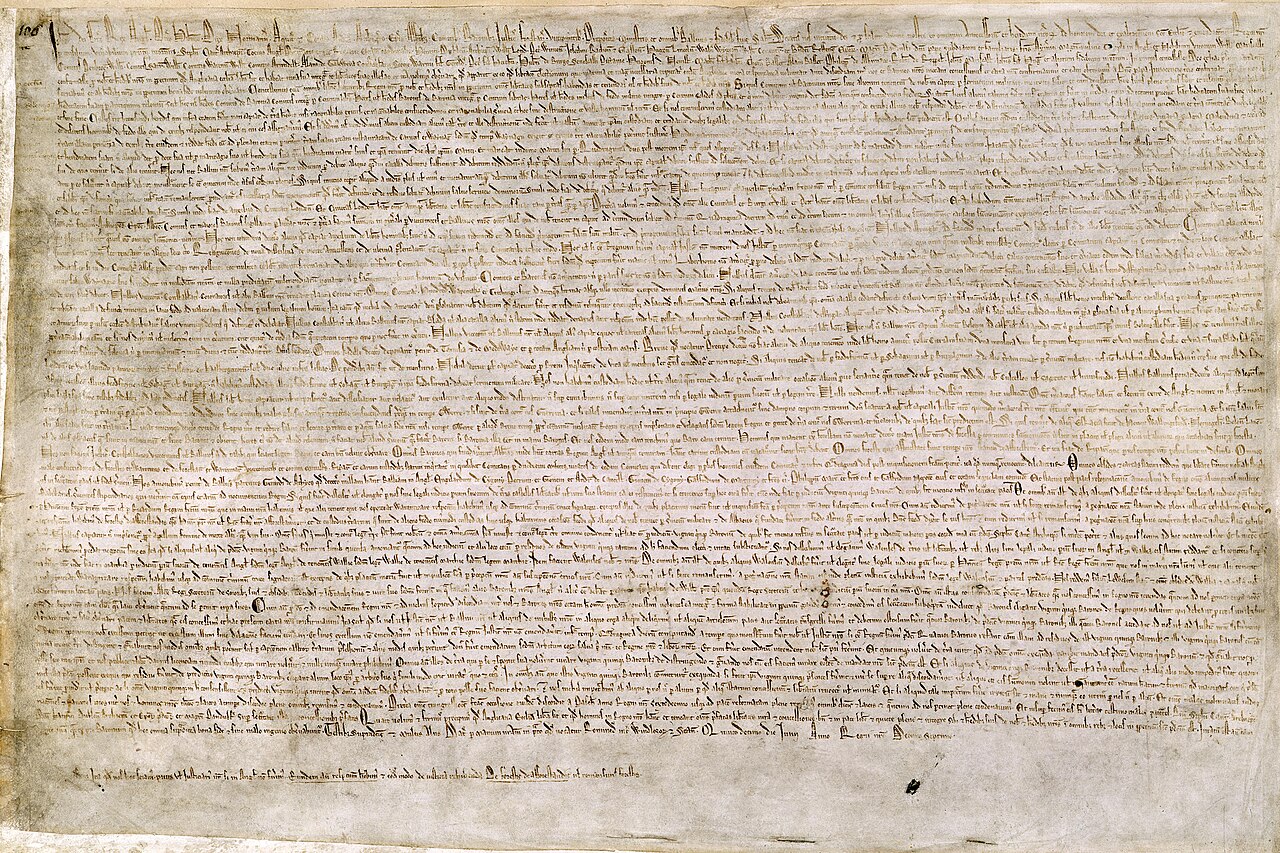 Document
Primary source
Magna Carta (1215 Exemplification)
1215
 Document
Primary source
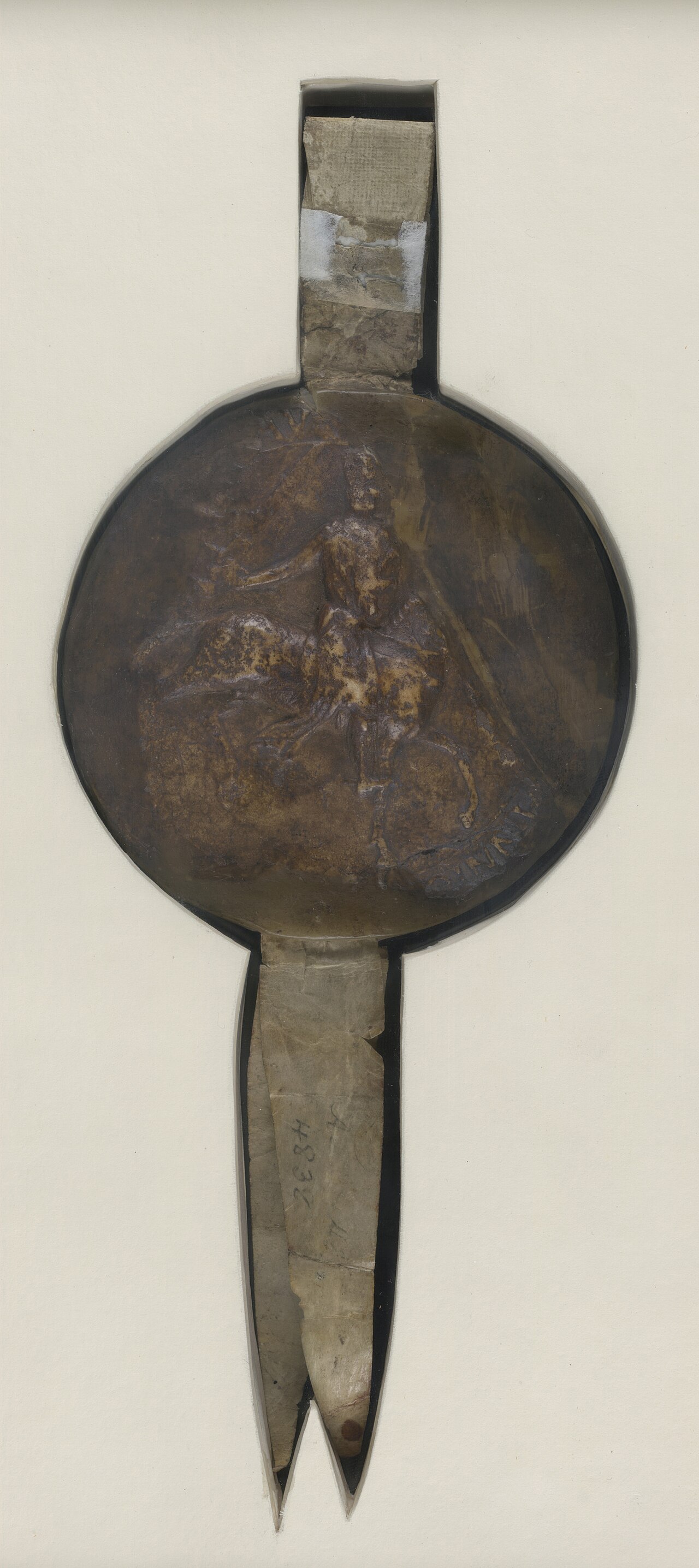
Articles of the Barons
1215
 Document
Primary source
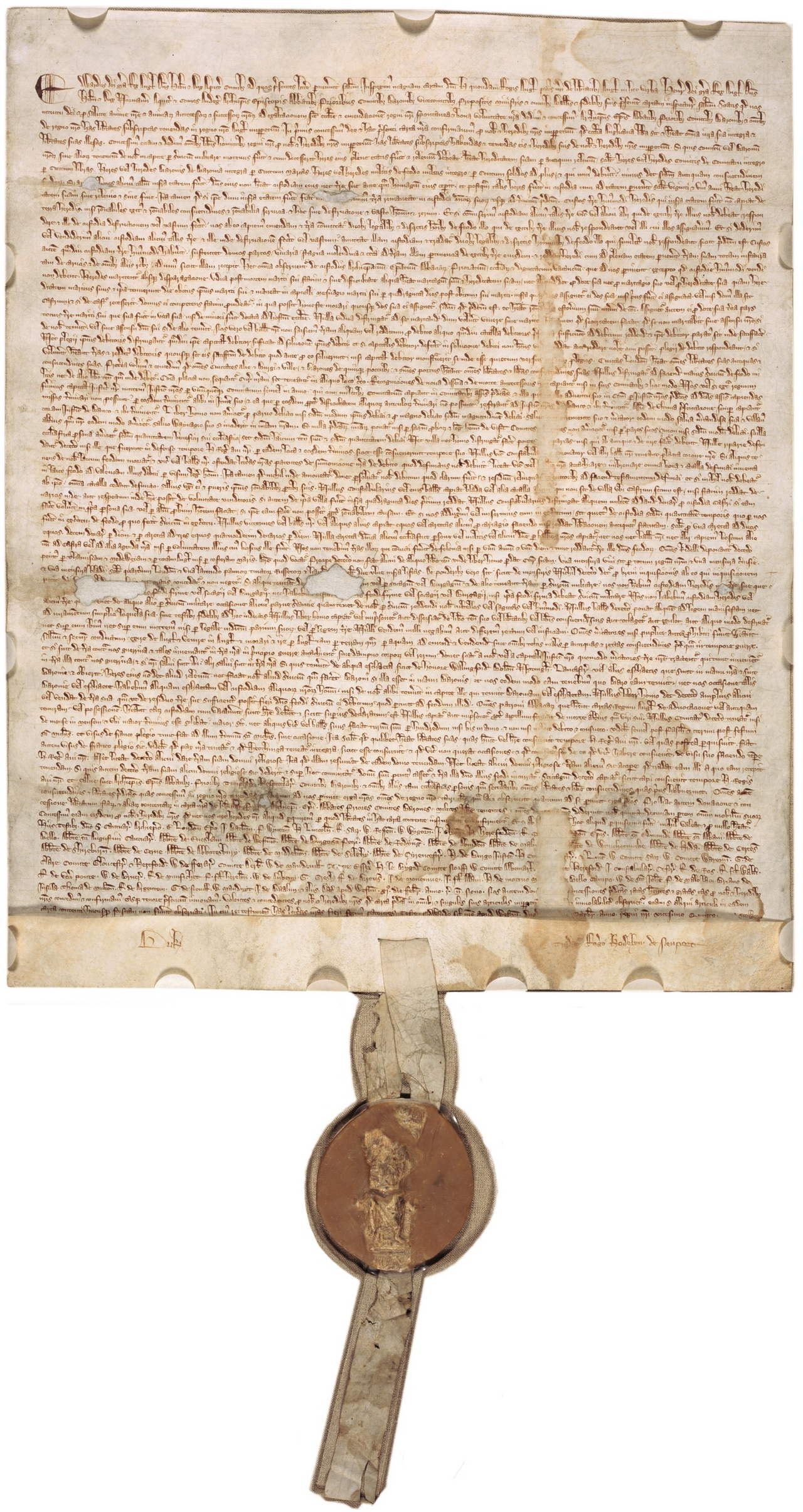
Magna Carta 1297 (National Archives, Washington)
Edward I of England · 1297
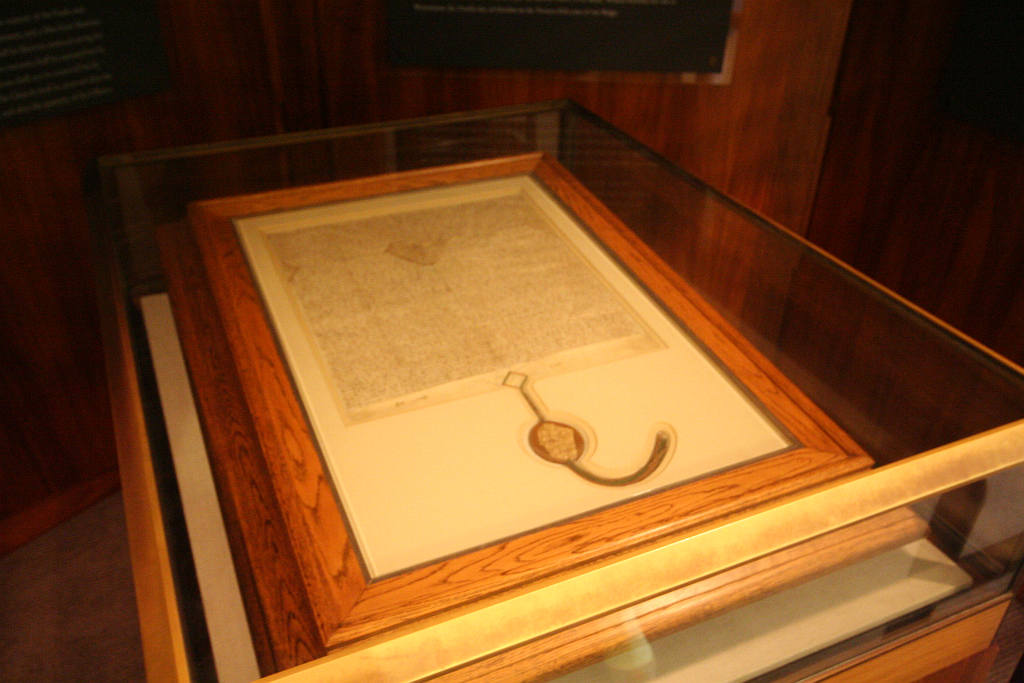 Document
Primary source
Magna Carta 1297 (Parliament House, Canberra)
Edward I of England · 1297
 Book
Secondary source
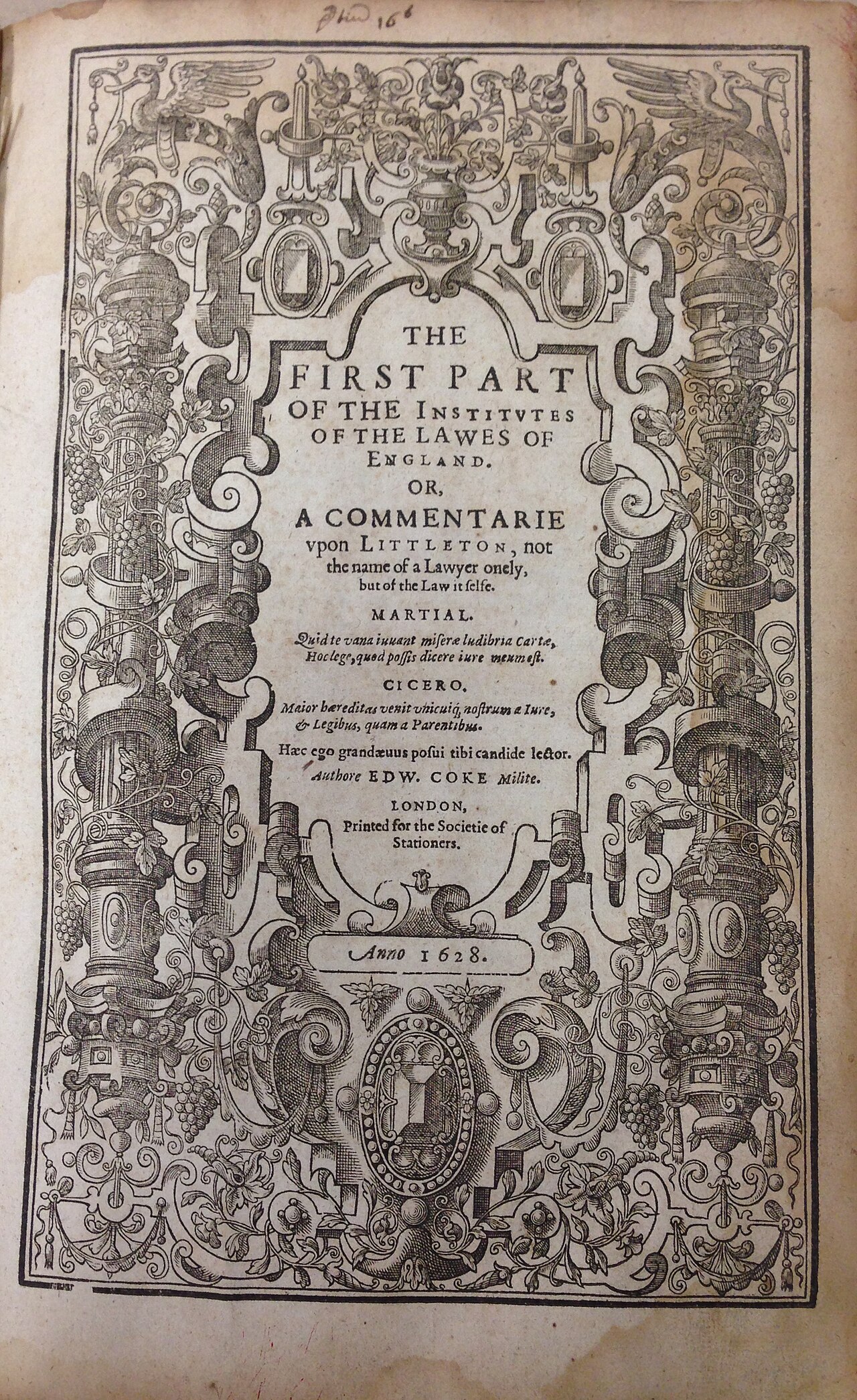
Institutes of the Lawes of England
Edward Coke · 1628
Ready when you are
Start chatting with Magna Carta now.
20 messages free · No credit card · Available in 50+ languages.