


Primary sourceDocument1687
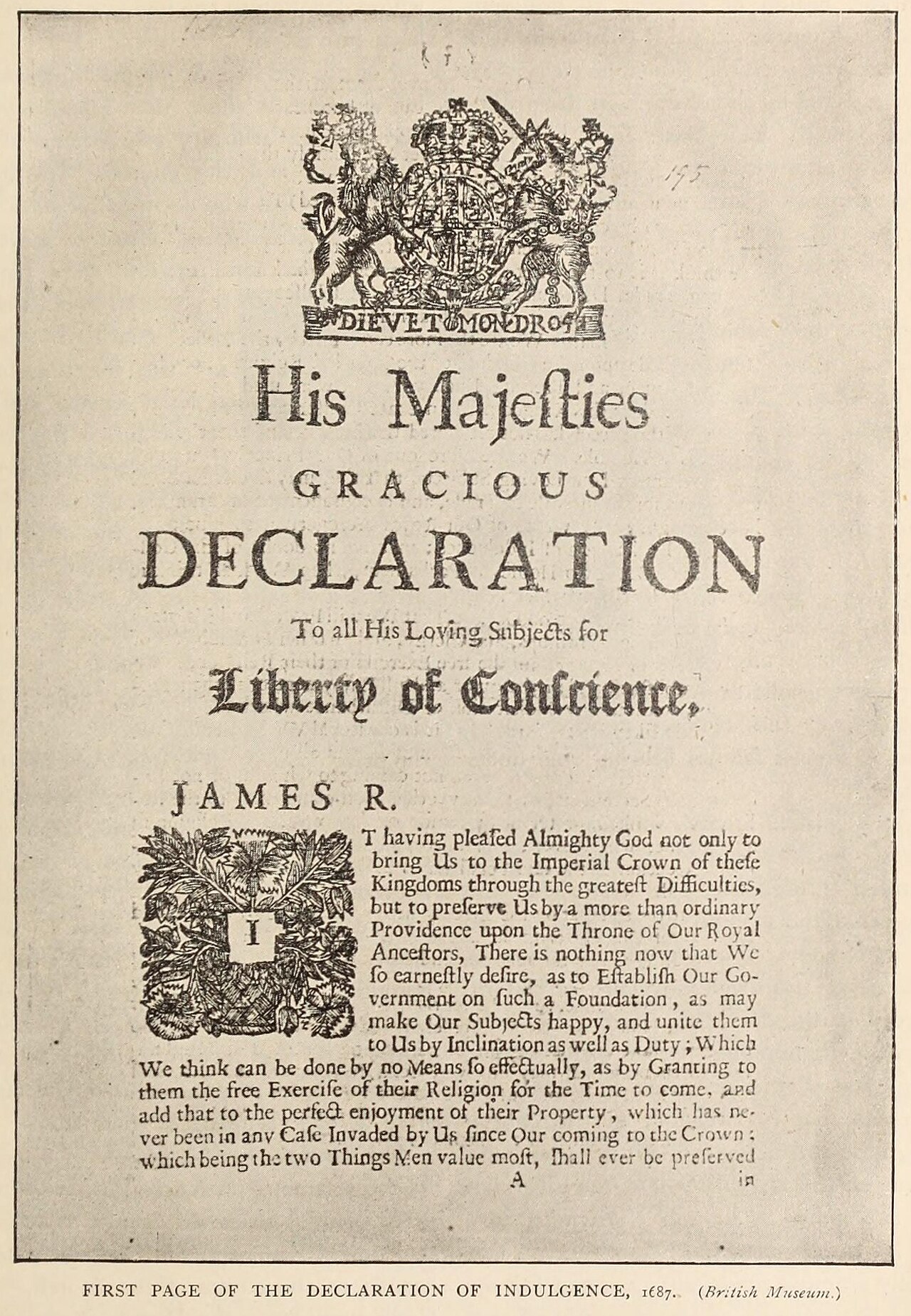
Declaration of Indulgence
James II of England · 1687
James II's 1687 proclamation granting religious toleration, which William Penn supported and was widely seen as having inspired.
This is James II's own decree, showing him using royal power to override Parliament's laws on religion.
About this source
What it is
The Declaration of Indulgence was a pair of proclamations issued by King James II in 1687, first for Scotland and then for England. It suspended laws requiring conformity to the Church of England and allowed people to worship as they chose, also removing religious oaths as a requirement for government jobs.
Why it matters
William Penn supported the Declaration and was widely believed to have encouraged the king to issue it. It shows Penn's close ties to James II, a Catholic king, which later brought him suspicion of treason after James was deposed in 1688. The document reveals the tension between granting religious freedom and the king's use of absolute royal power to do so.
Look closer
- Why might Anglicans in England have opposed a declaration that granted more religious freedom?
- What does the king's language about his
This document is part of the curated material that grounds the AI version of James II and William Penn on Humy.ai — when students ask about related events, the AI can quote it and cite it.
More James II sources
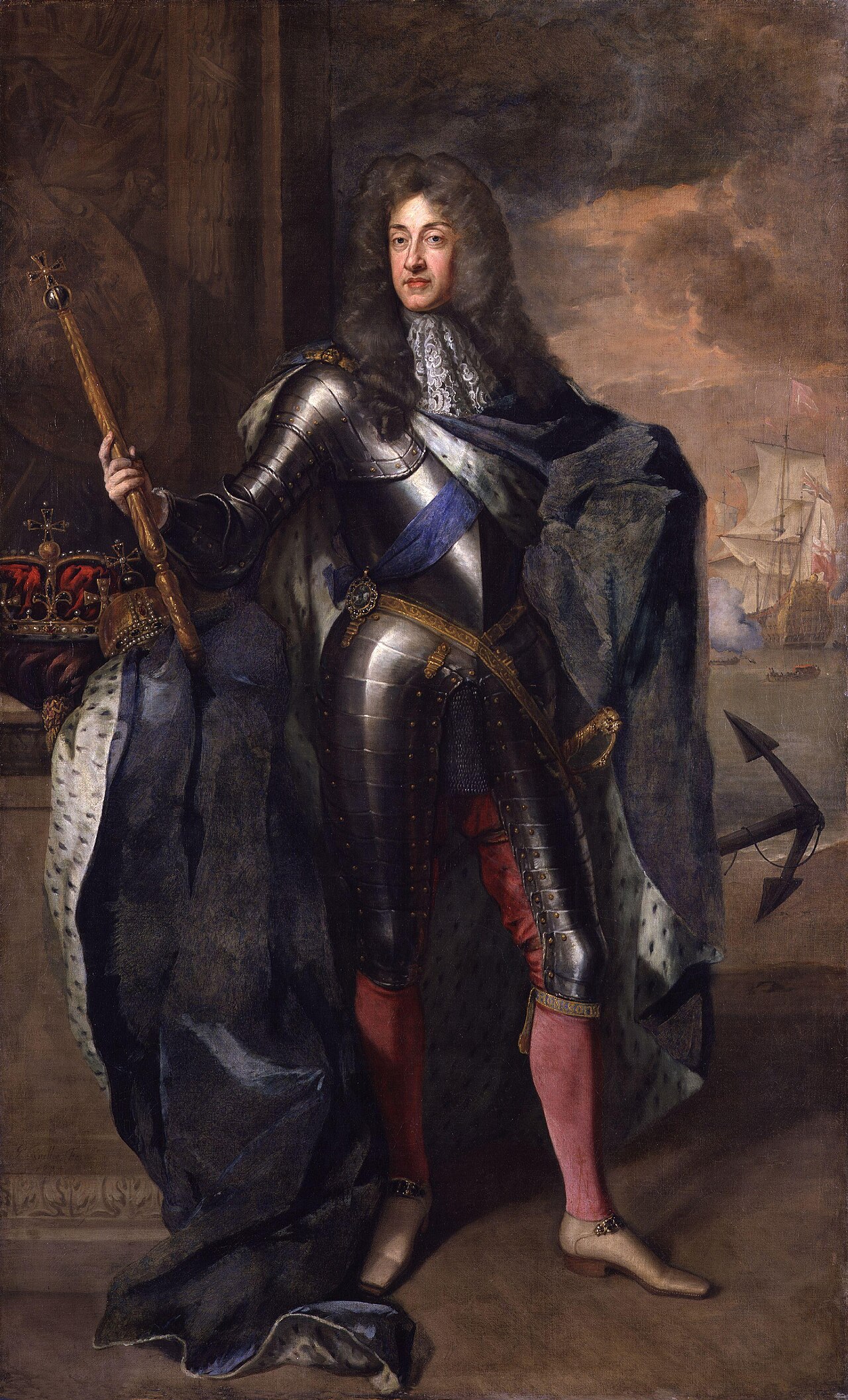
Meet the AI James II →
Ready when you are
Start chatting with James II now.
20 messages free · No credit card · Available in 50+ languages.