



Dr. Michael Calvert
Assistant Superintendent, South Allegheny School District, Pennsylvania
Been using Humy in his district since 2024
“We enjoyed the program last year and used it frequently.”
AI Historical Figure
King of England from 1483 until his death in 1485.
Chat with Richard III via text or voice — in 42 languages, drawing on a curated biography and 94 historical sources. Available 24/7.

Richard III
Online · responds in seconds
Hello — I'm Richard III. King of England from 1483 until his death in 1485. What would you like to ask me?
20 messages free · No credit card · Powered by Humy.ai
Live preview · Switch between 42 languages above · Send a message to continue in the app
Multilingual
Ask Richard III questions in any language below, and the rest of Humy's app speaks it too. Pick yours to open the chat in that language.
Also in German (Austria), German (Switzerland), English (UK), English (Australia), English (Canada).
94 sources · 35 paintings · 24 artifacts · 19 books · 8 documents · 7 photographs · 1 sculpture
Richard III doesn’t improvise from thin air. The AI is grounded in 94 curated historical sources students can inspect. Open any of them to see what informs the conversation.
 Book
Secondary source
Thomas More
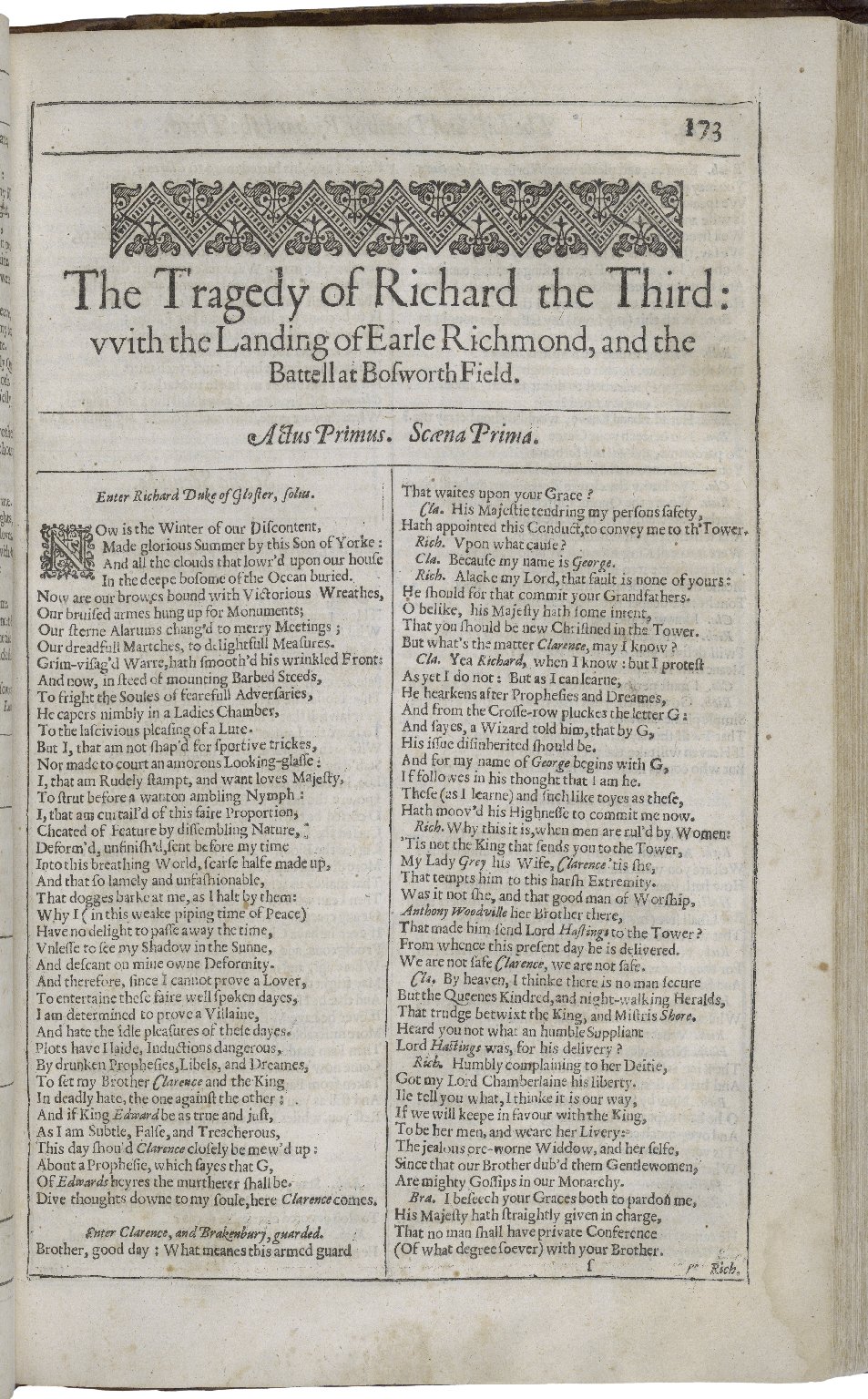 Book
Primary source
William Shakespeare · c. 1592-1594; printed 1632
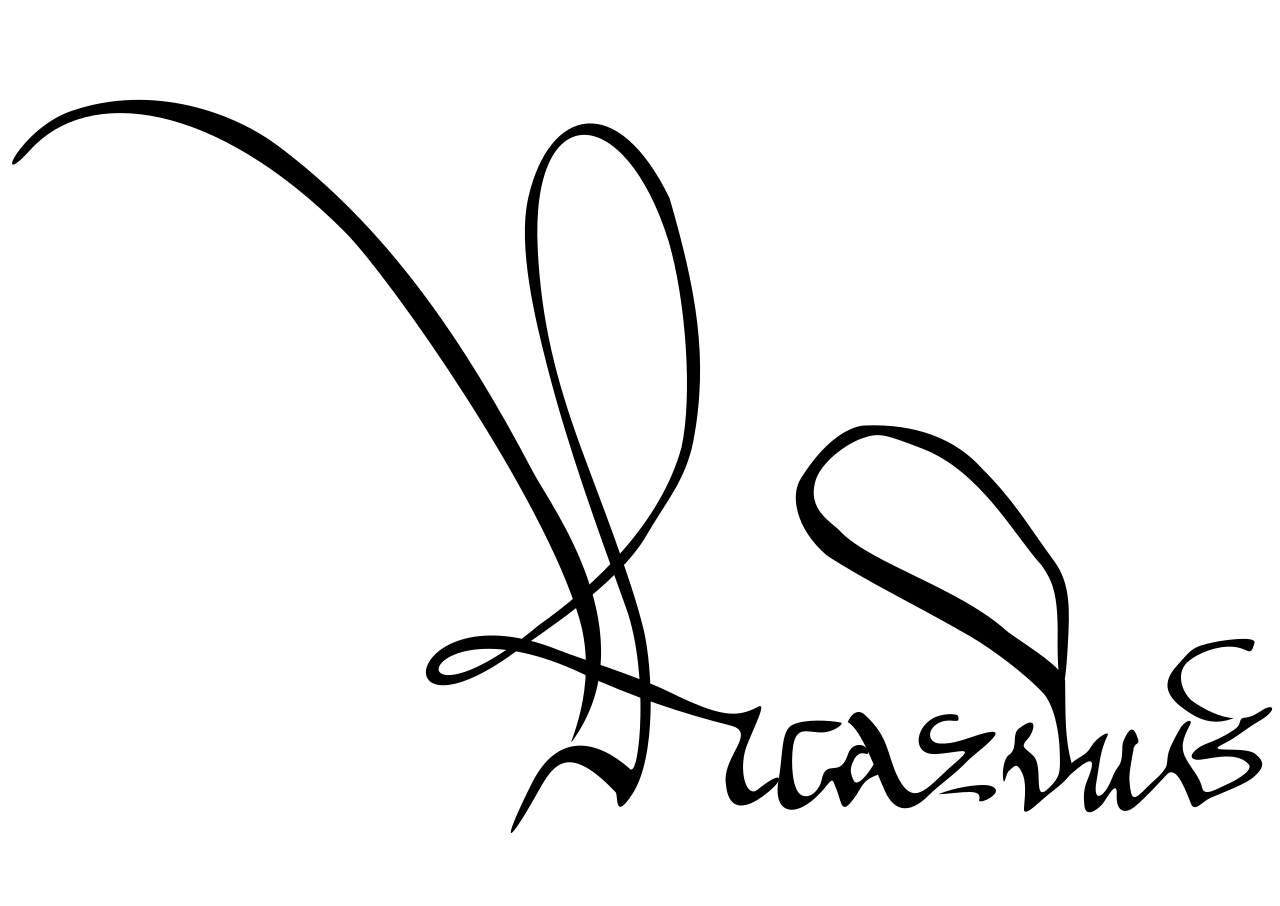 Document
Primary source
Richard III of England · 1484
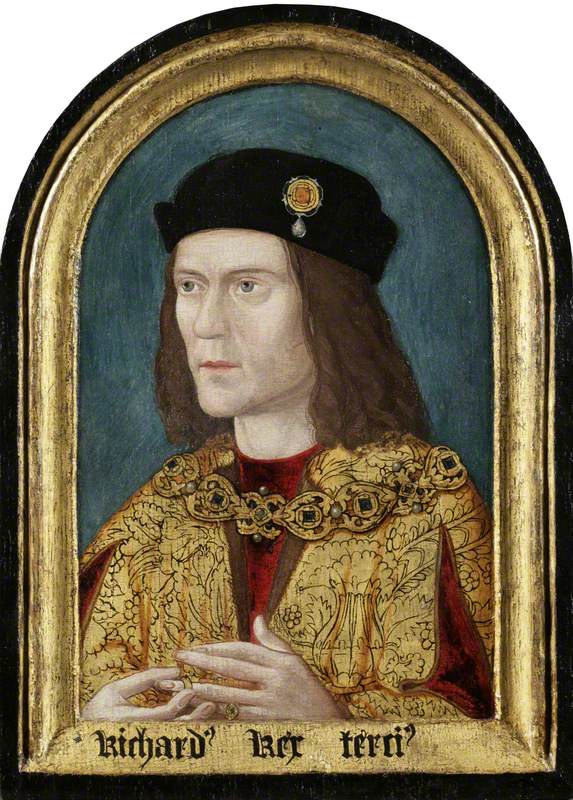 Painting
Secondary source
British (English) School (possibly) · c. 1510
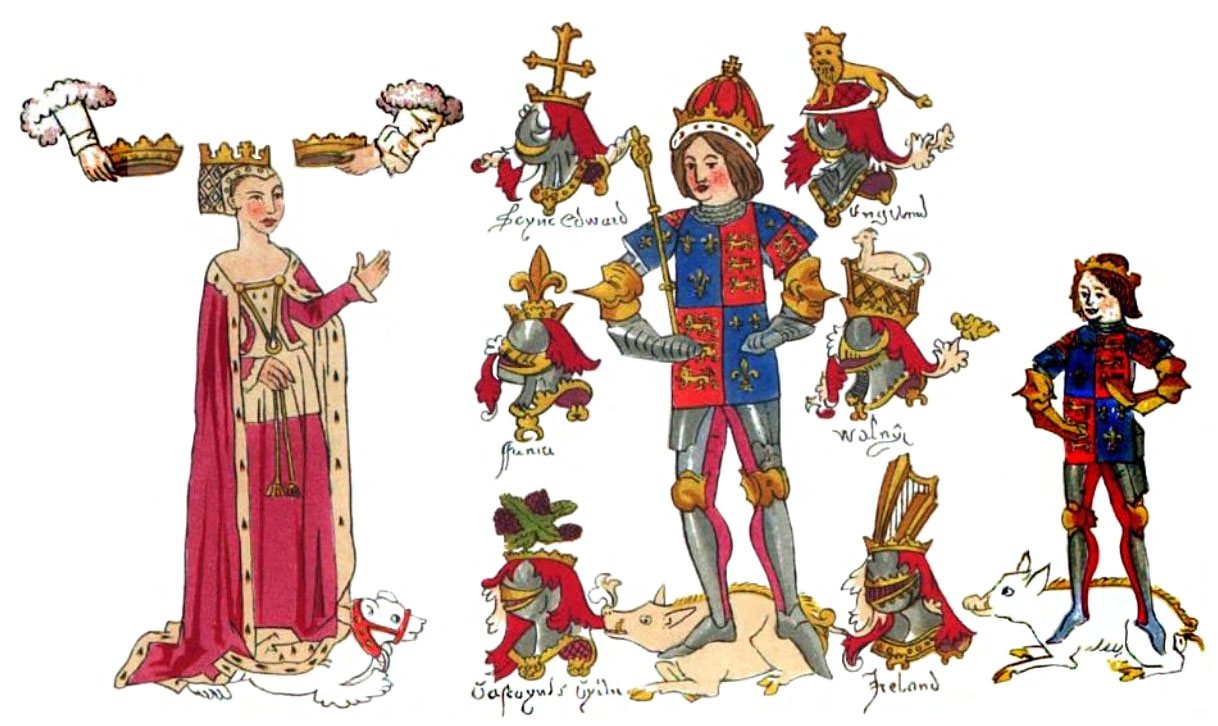 Painting
Primary source
John Rous · c. 1483–1485
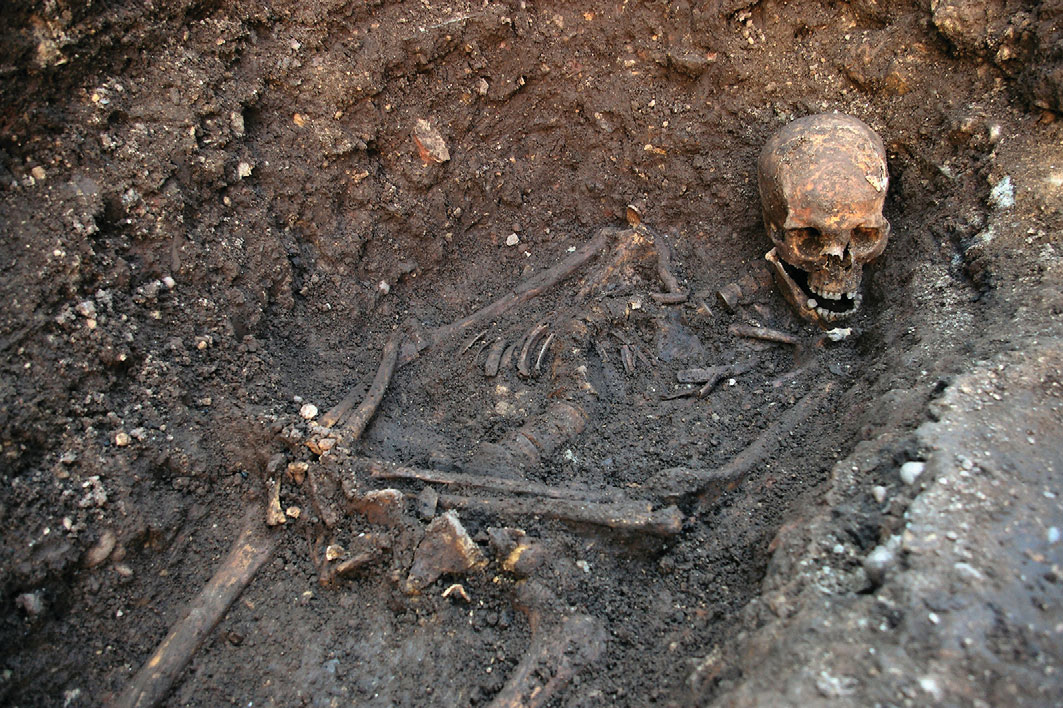 Artifact
Primary source
2012
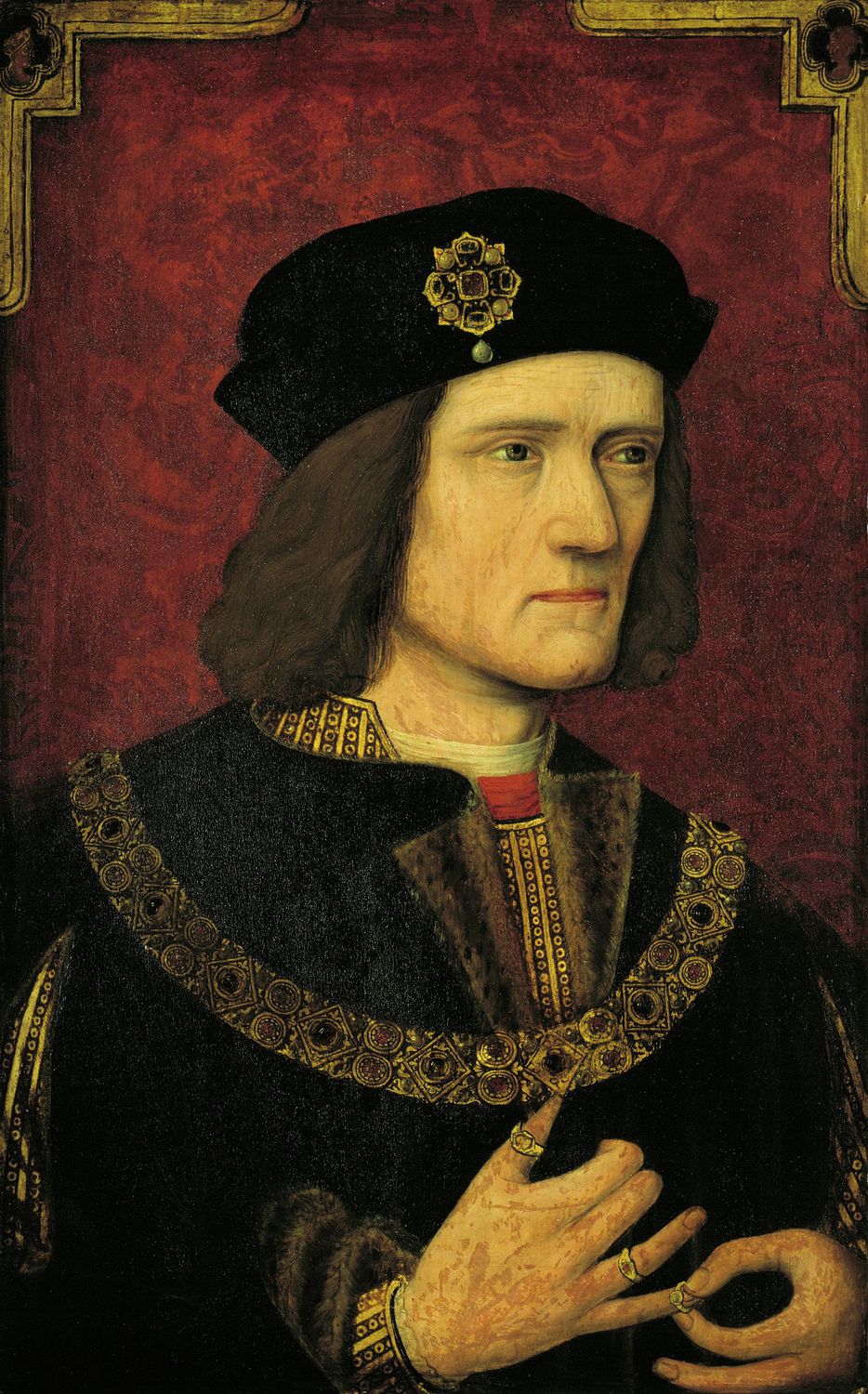 Painting
Secondary source
British School, 16th century · c. 1520
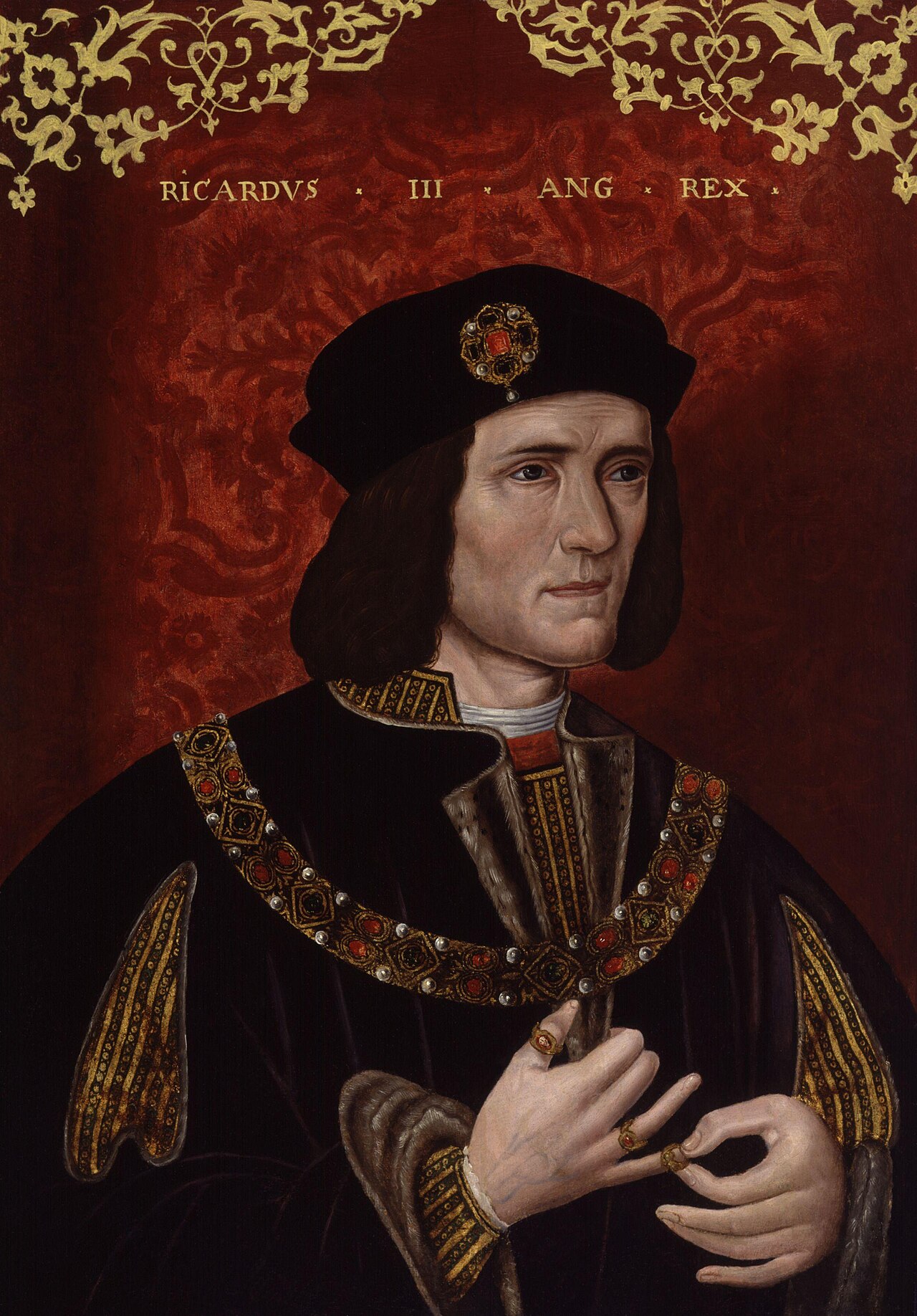 Painting
Secondary source
Anonymous · c. 1550
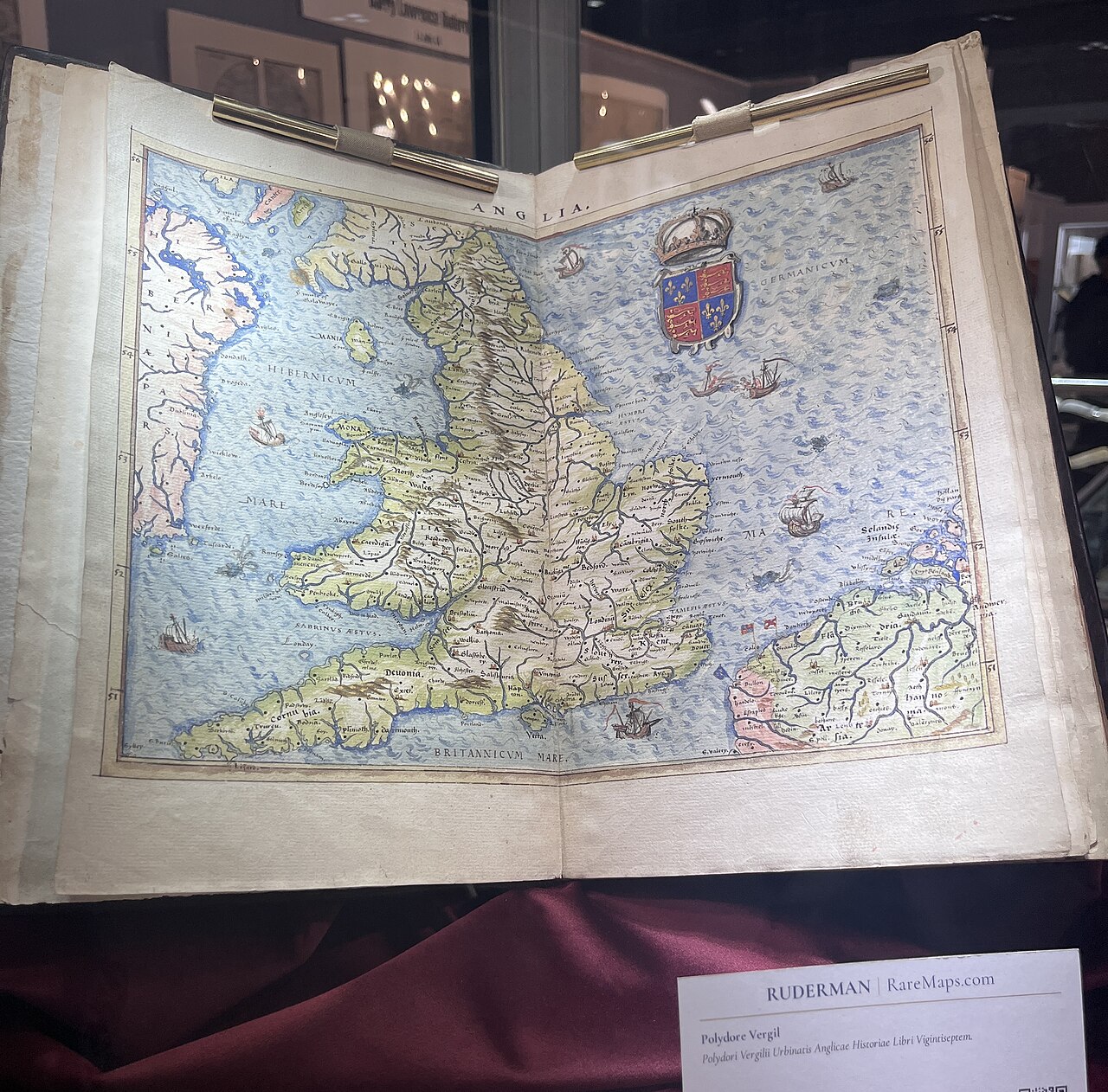 Book
Secondary source
Polydore Vergil · c. 1512-1534
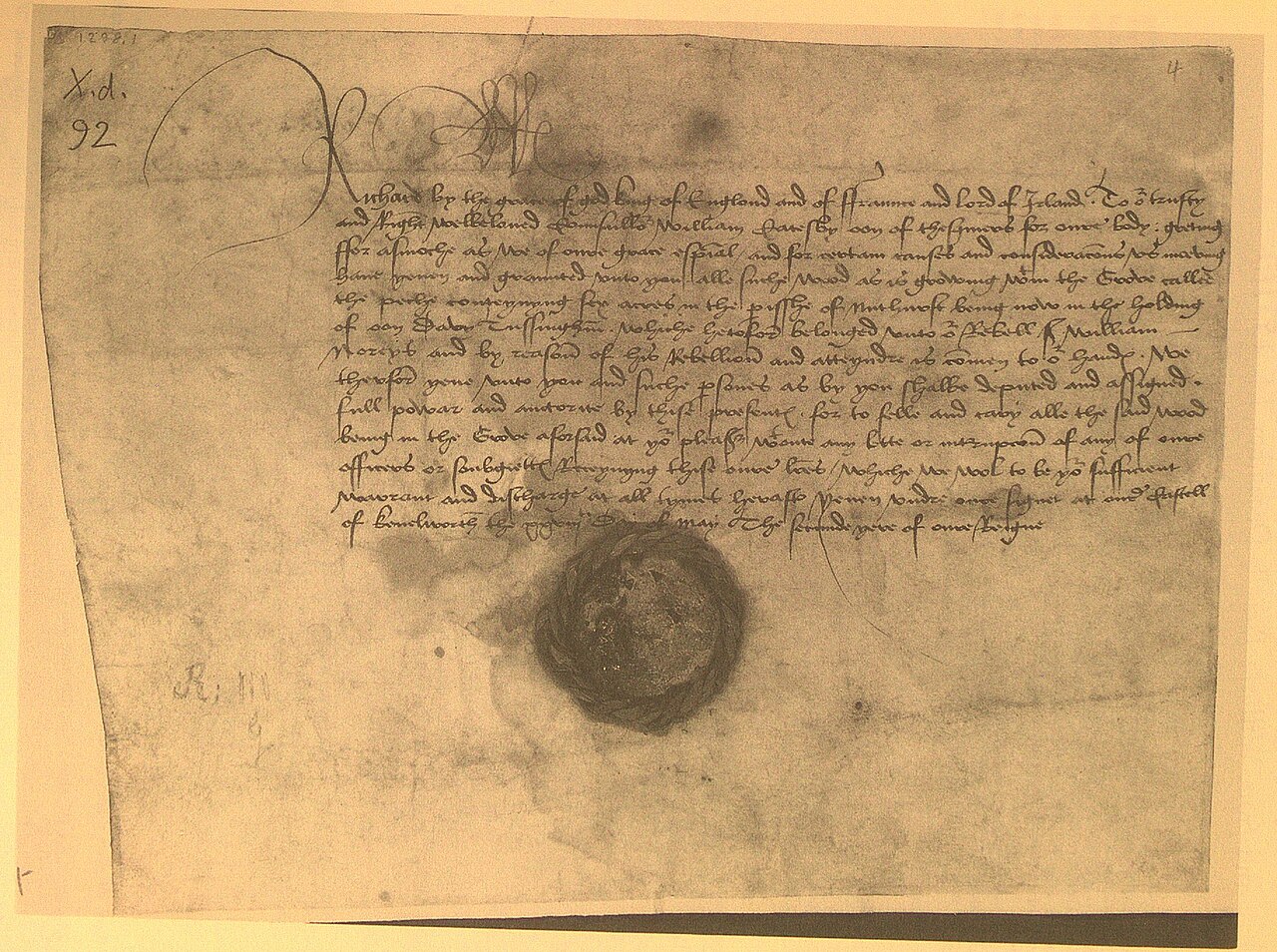 Document
Primary source
Richard III of England · 1485
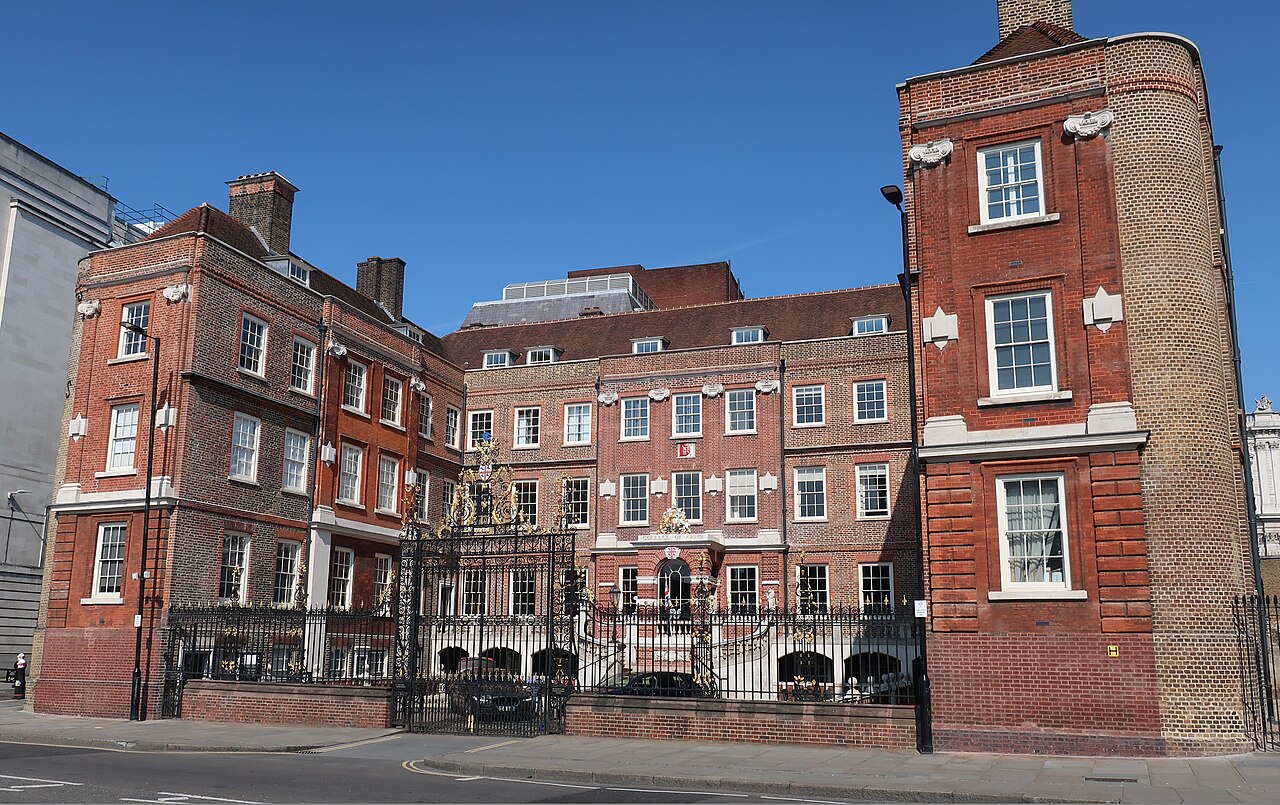 Document
Primary source
Richard III of England · 2 March 1484
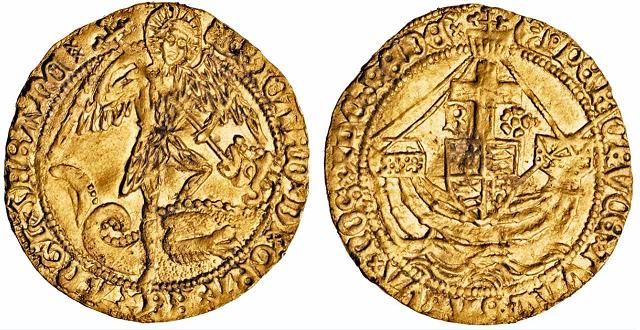 Artifact
Primary source
Royal Mint (Tower of London) · 1483–1485
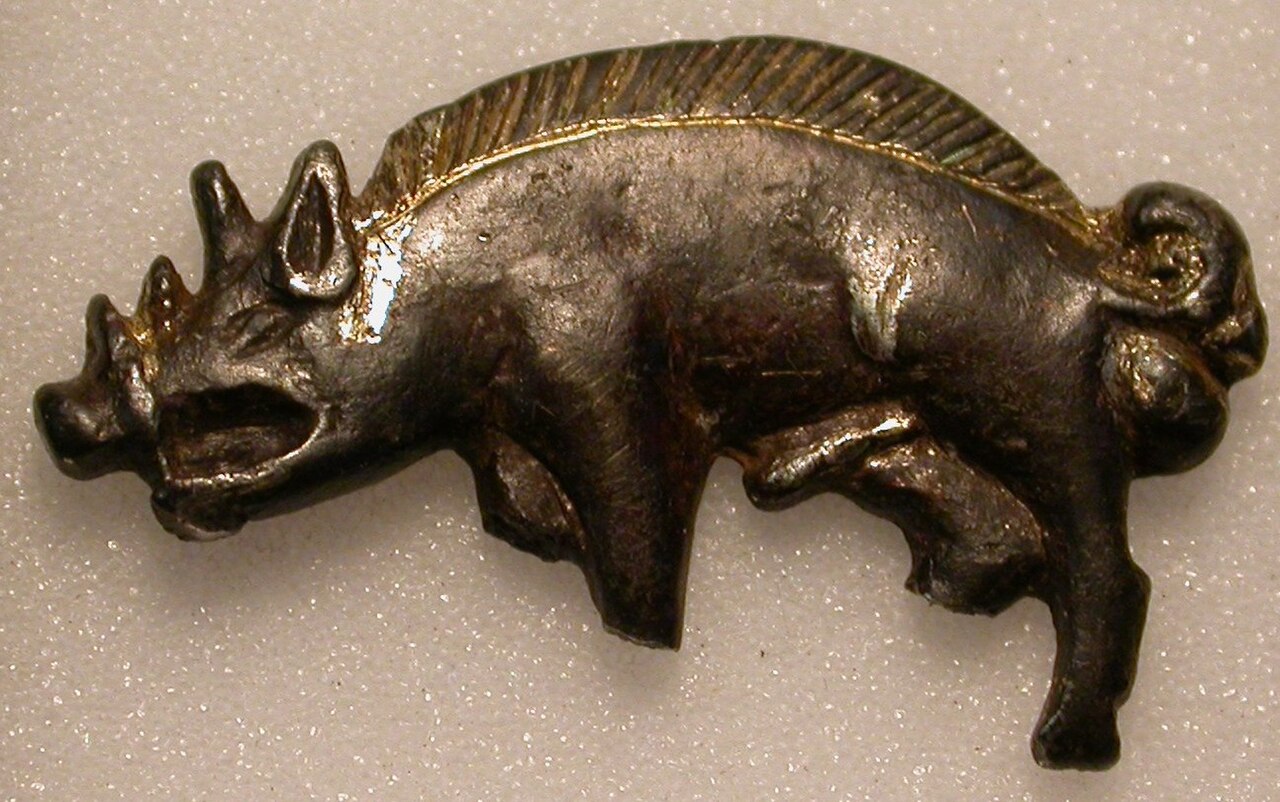 Artifact
Primary source
c. 1483–1485
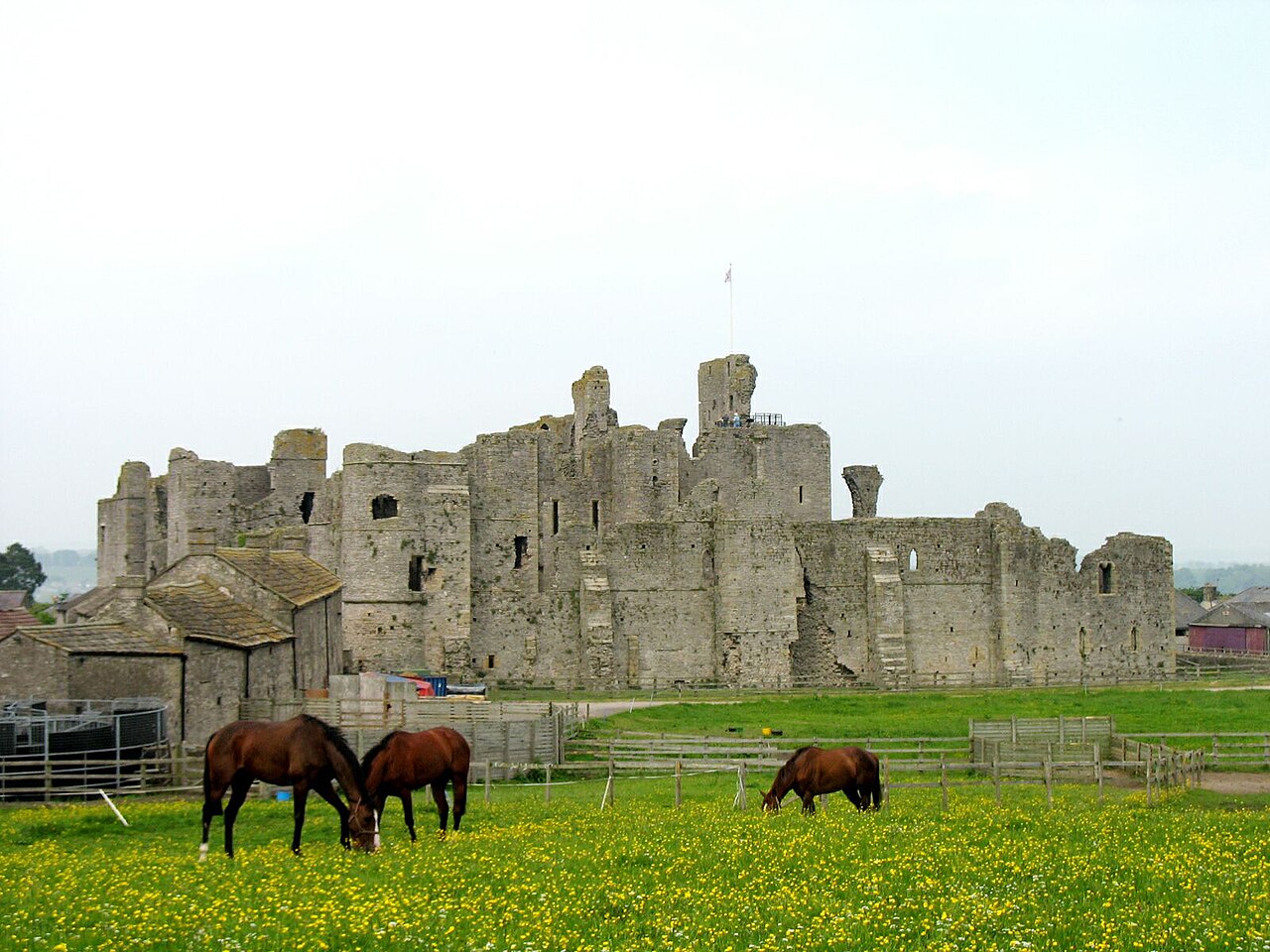 Artifact
Primary source
1190 (built); occupied by Richard III c. 1460s–1480s
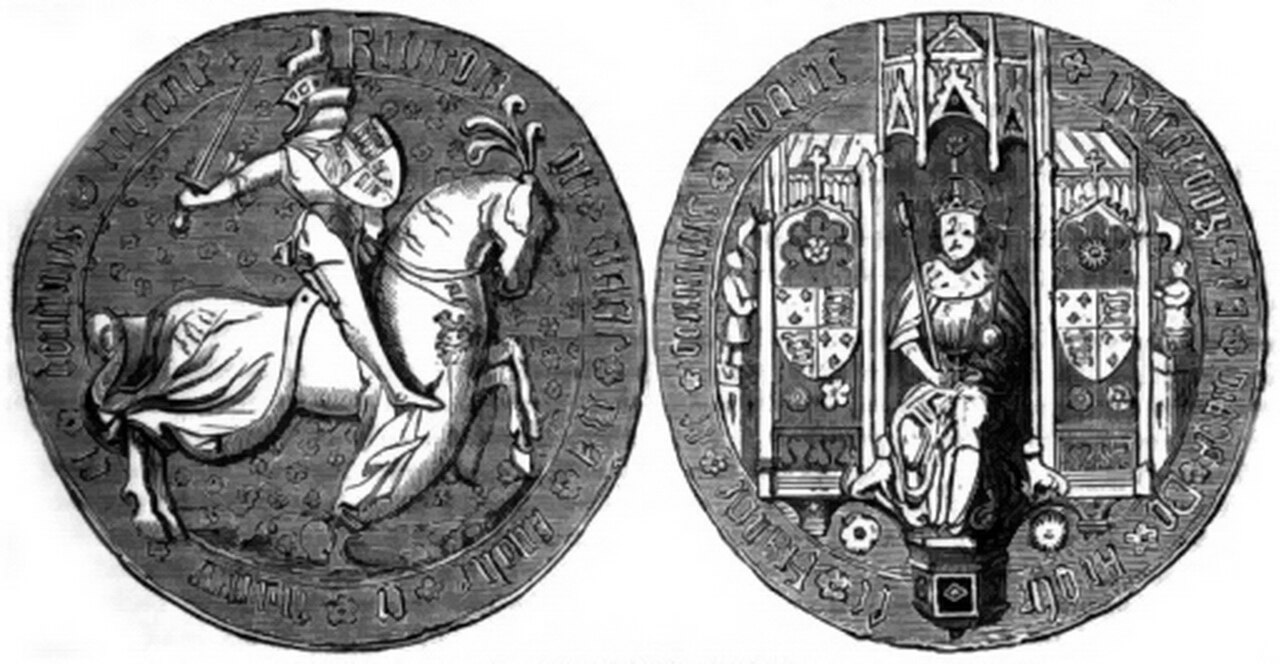 Document
Primary source
1483–1485
 Book
Secondary source
Unknown (servant of Edward IV) · c. 1500
 Book
Secondary source
Philippe de Commynes · c. 1489–1498
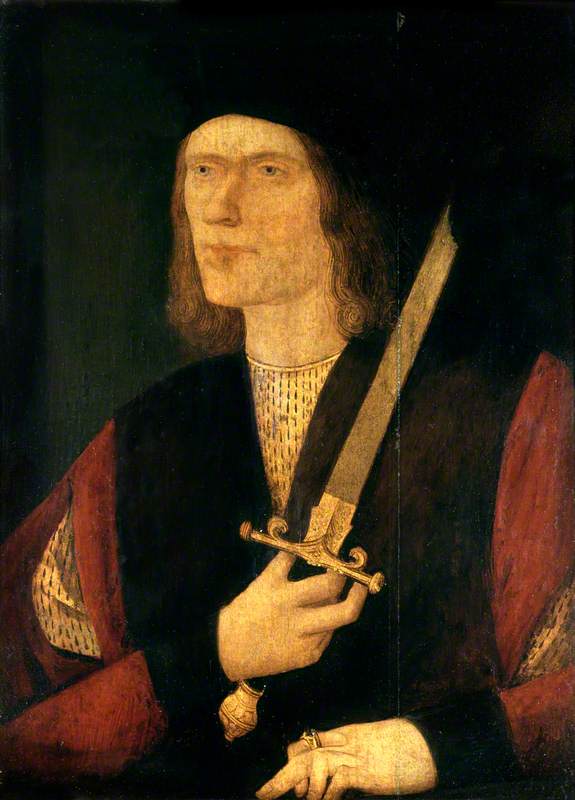 Painting
Secondary source
Unknown artist · 1539
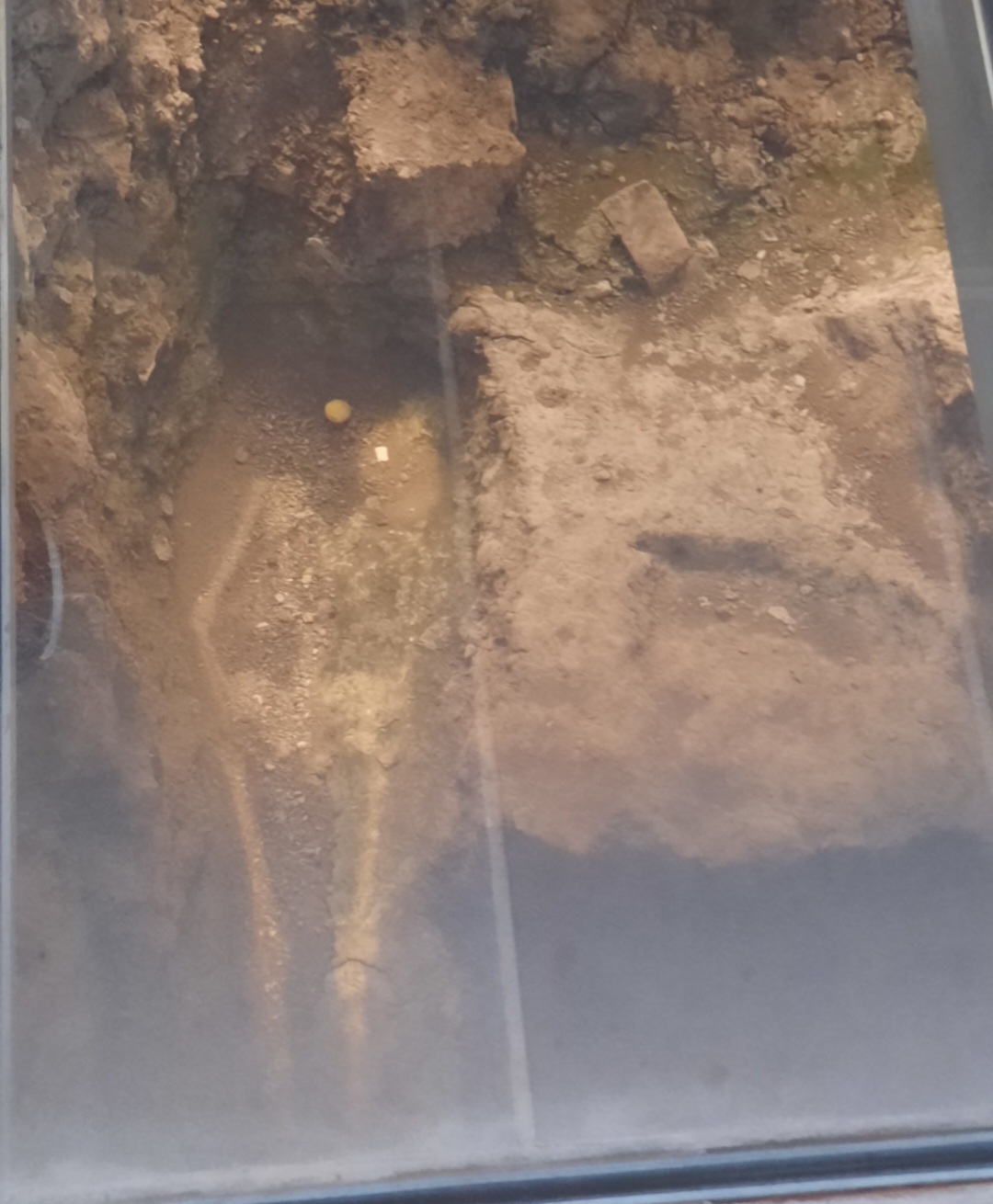 Artifact
Primary source
1485; rediscovered 2012
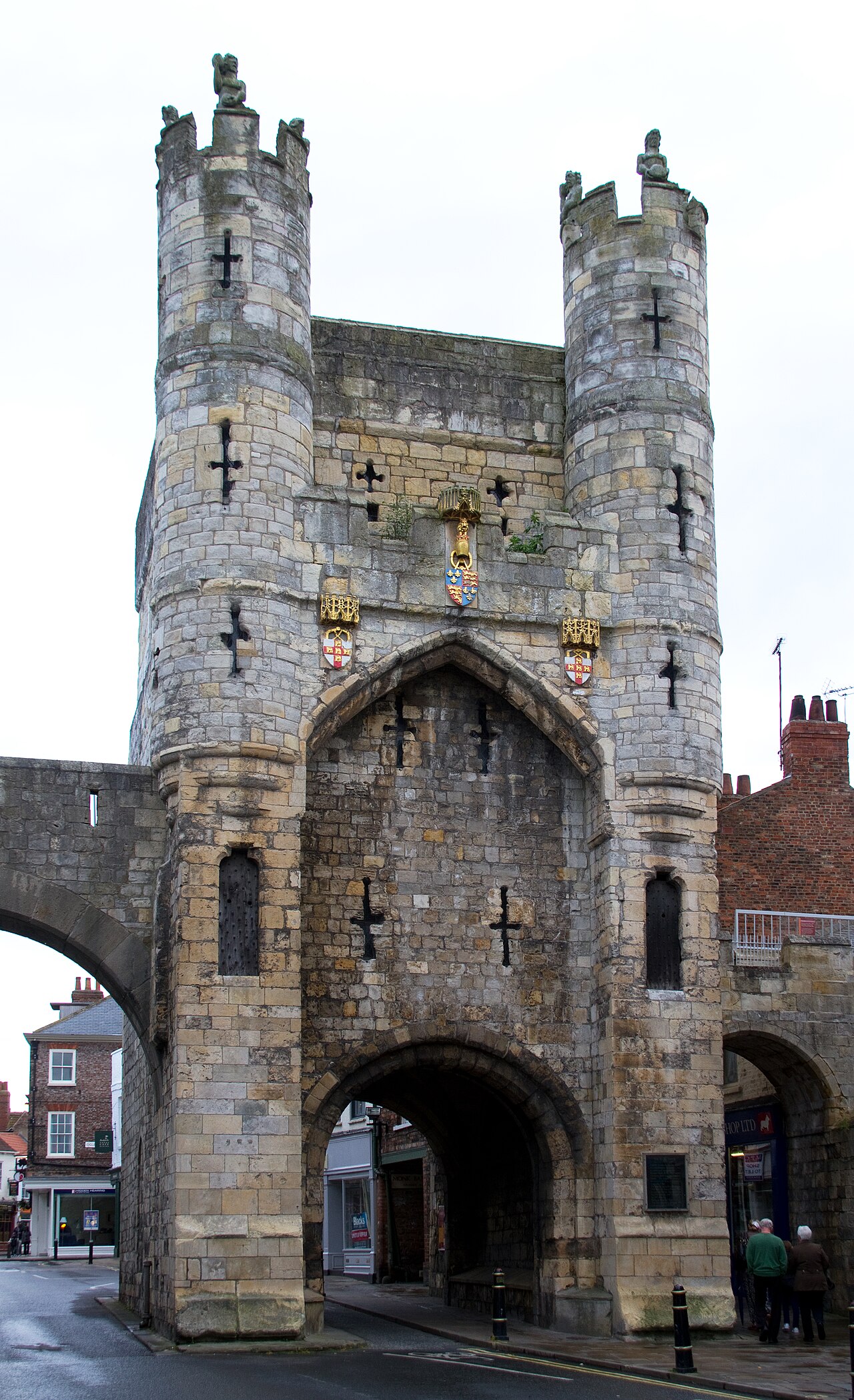 Artifact
Primary source
1484
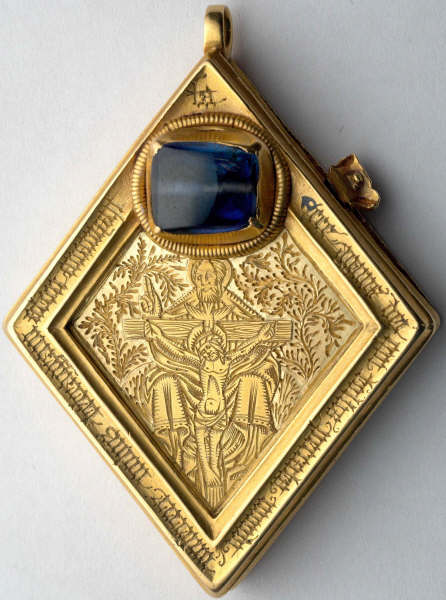 Artifact
Primary source
Unknown English goldsmith · c. 1460
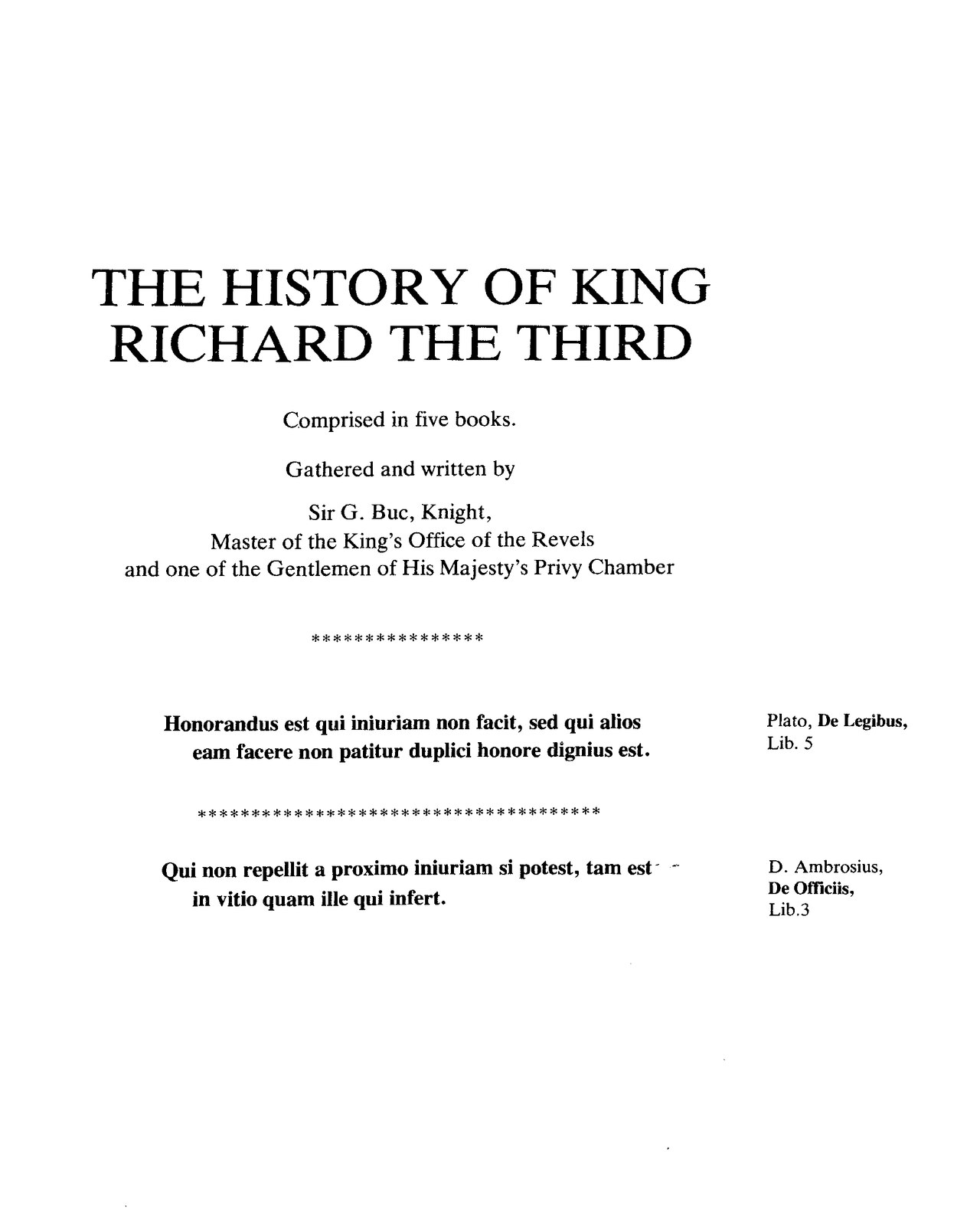 Book
Secondary source
George Buck · 1619
 Book
Secondary source
Robert Fabyan · 1516
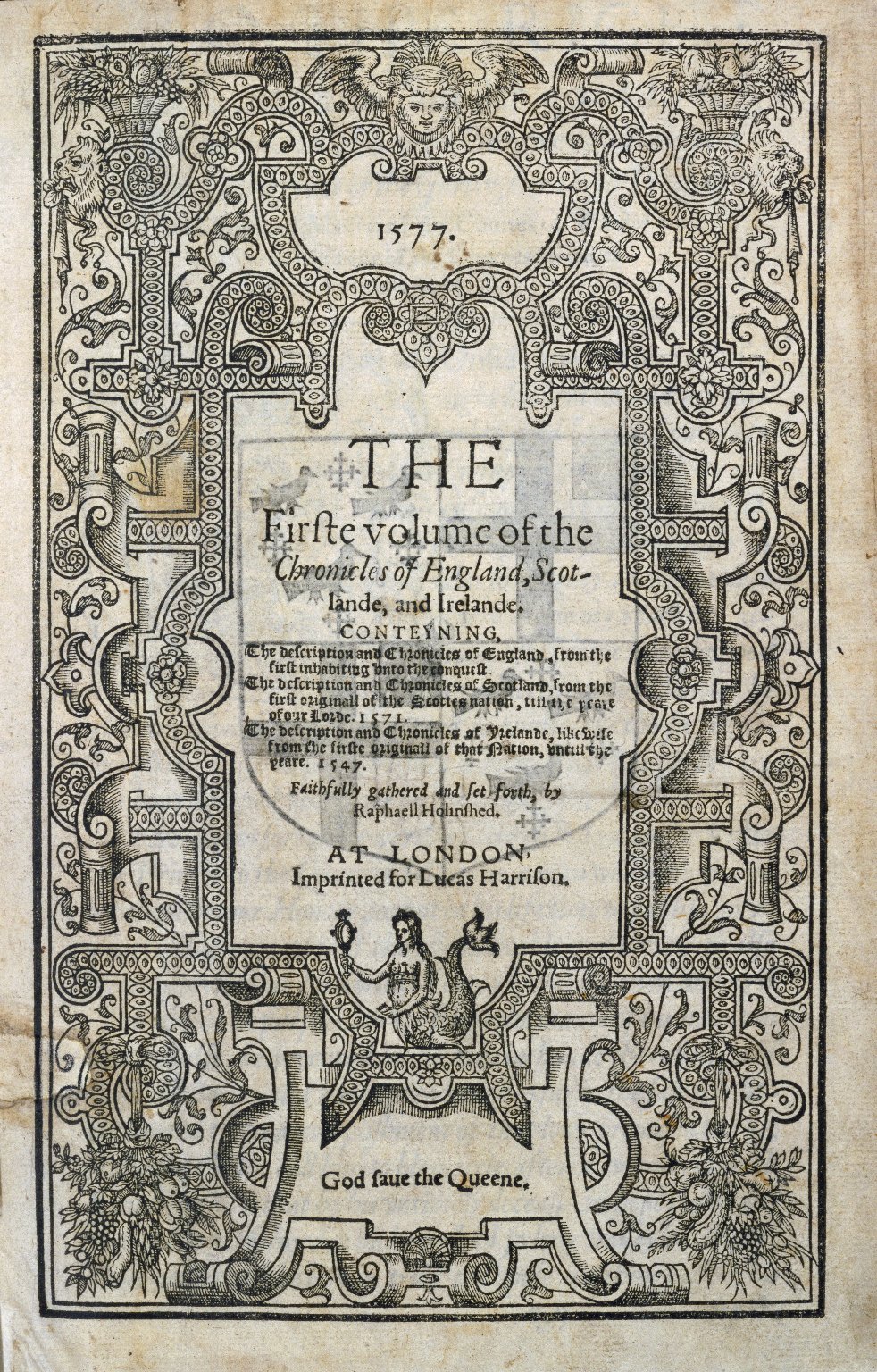 Book
Secondary source
William Harrison · 1577
 Artifact
Primary source
1466
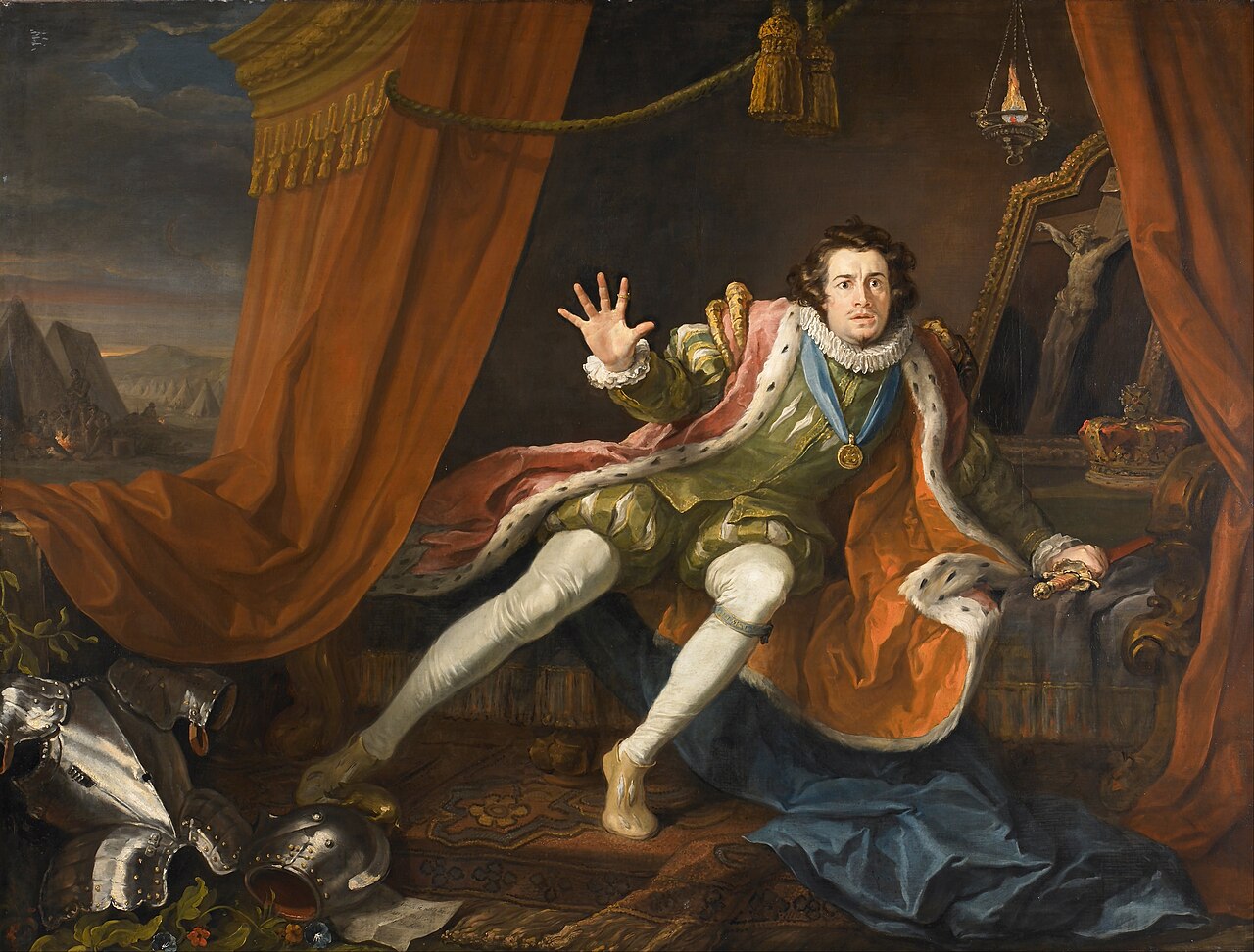 Painting
Secondary source
William Hogarth · 1745
Secondary source
Horace Walpole · 1768
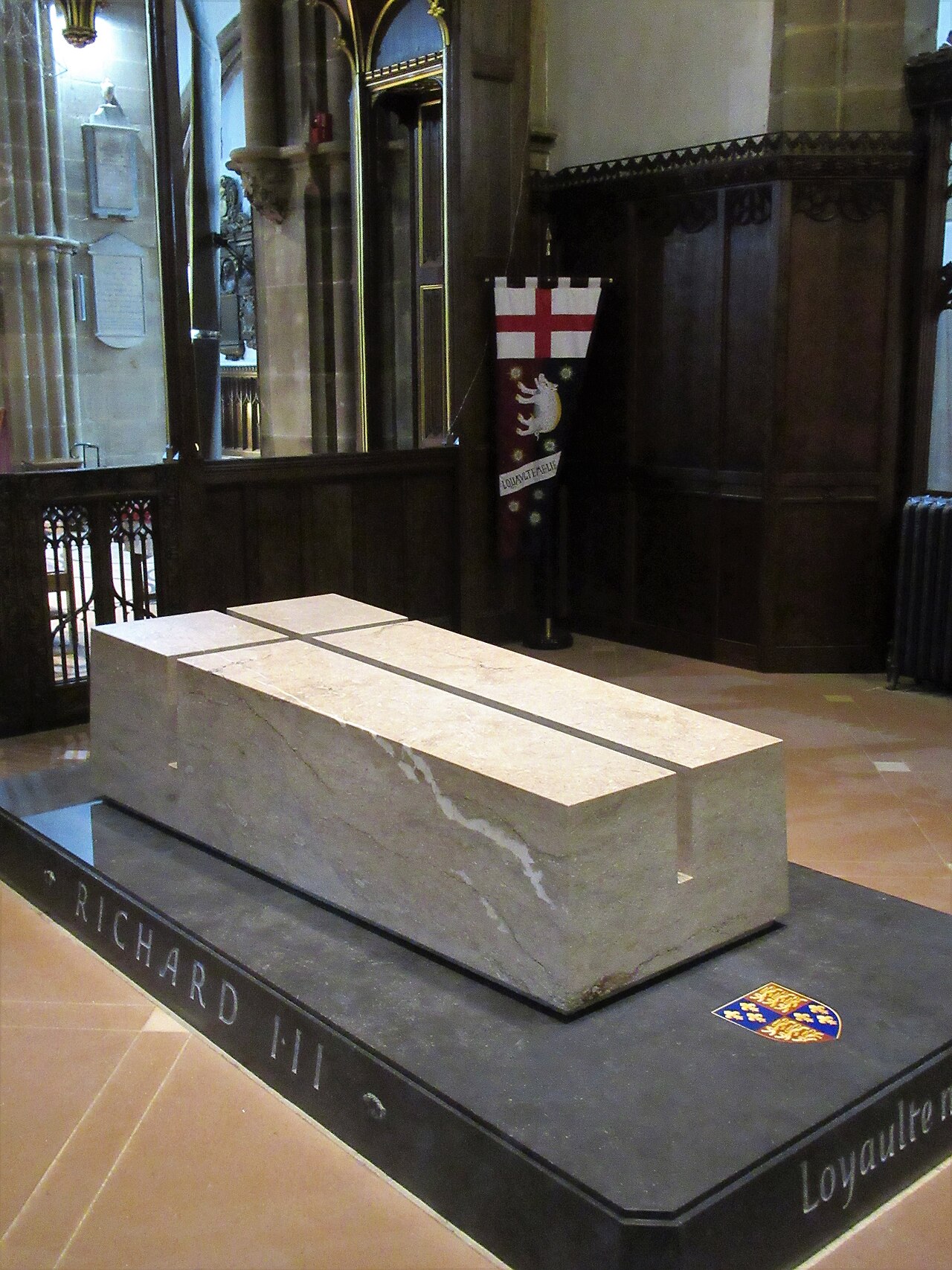 Sculpture
Secondary source
 Book
Secondary source
Polydore Vergil · 1844 (printing of early translation)
Secondary source
James Gairdner · 1898
Secondary source
James Gairdner · 1896
Secondary source
Clements R. Markham · 1906
 Book
Secondary source
John Heneage Jesse · 1862
Secondary source
Alfred Owen Legge · 1885
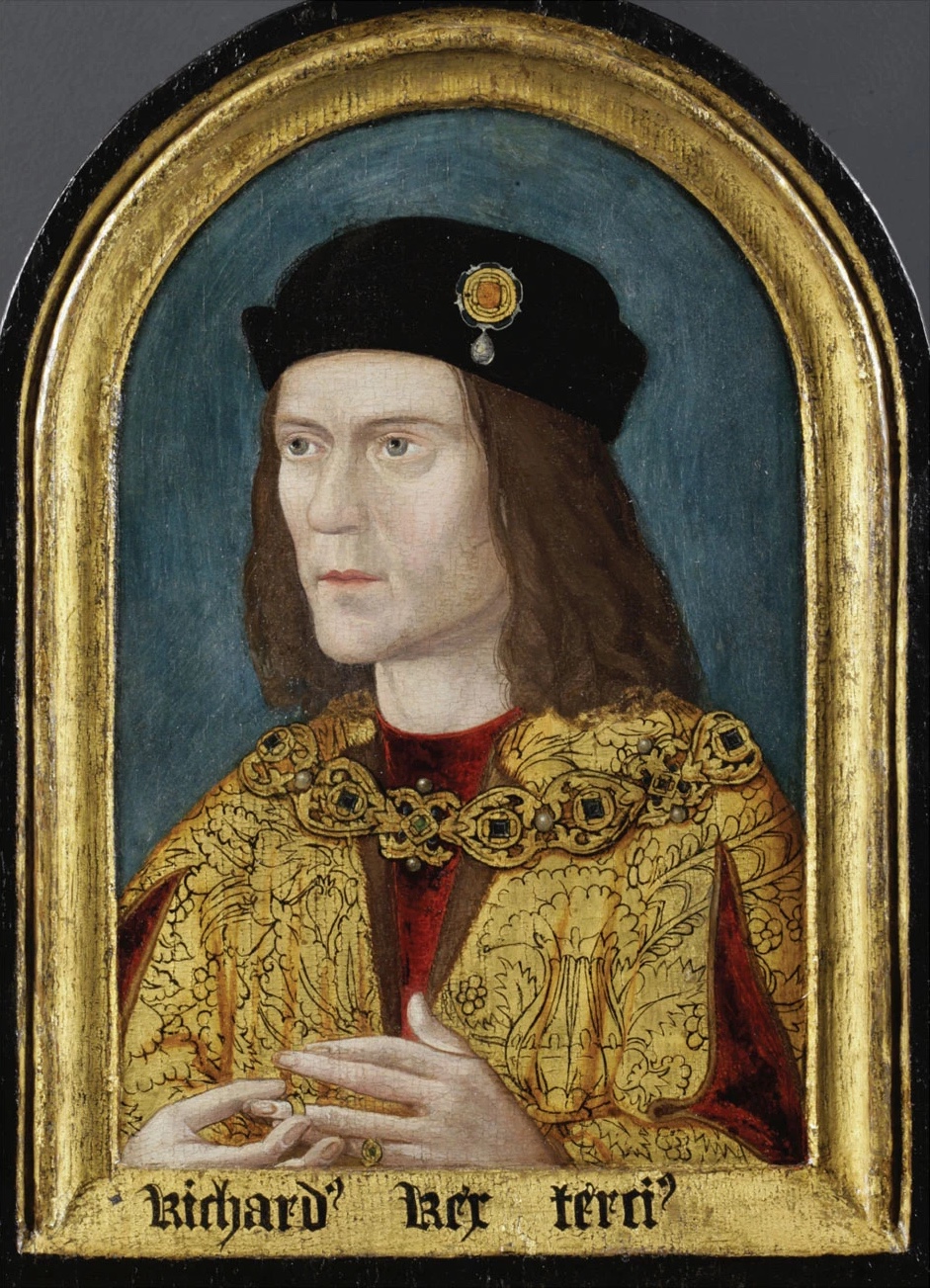 Painting
Secondary source
Barthel ii · c. 1520s
 Book
Secondary source
Caroline A. Halsted
Primary source
James Gairdner · 1861
Tertiary source
1911
Secondary source
1920
Secondary source
Jacob Abbott · 1901 (text copyrighted 1886)
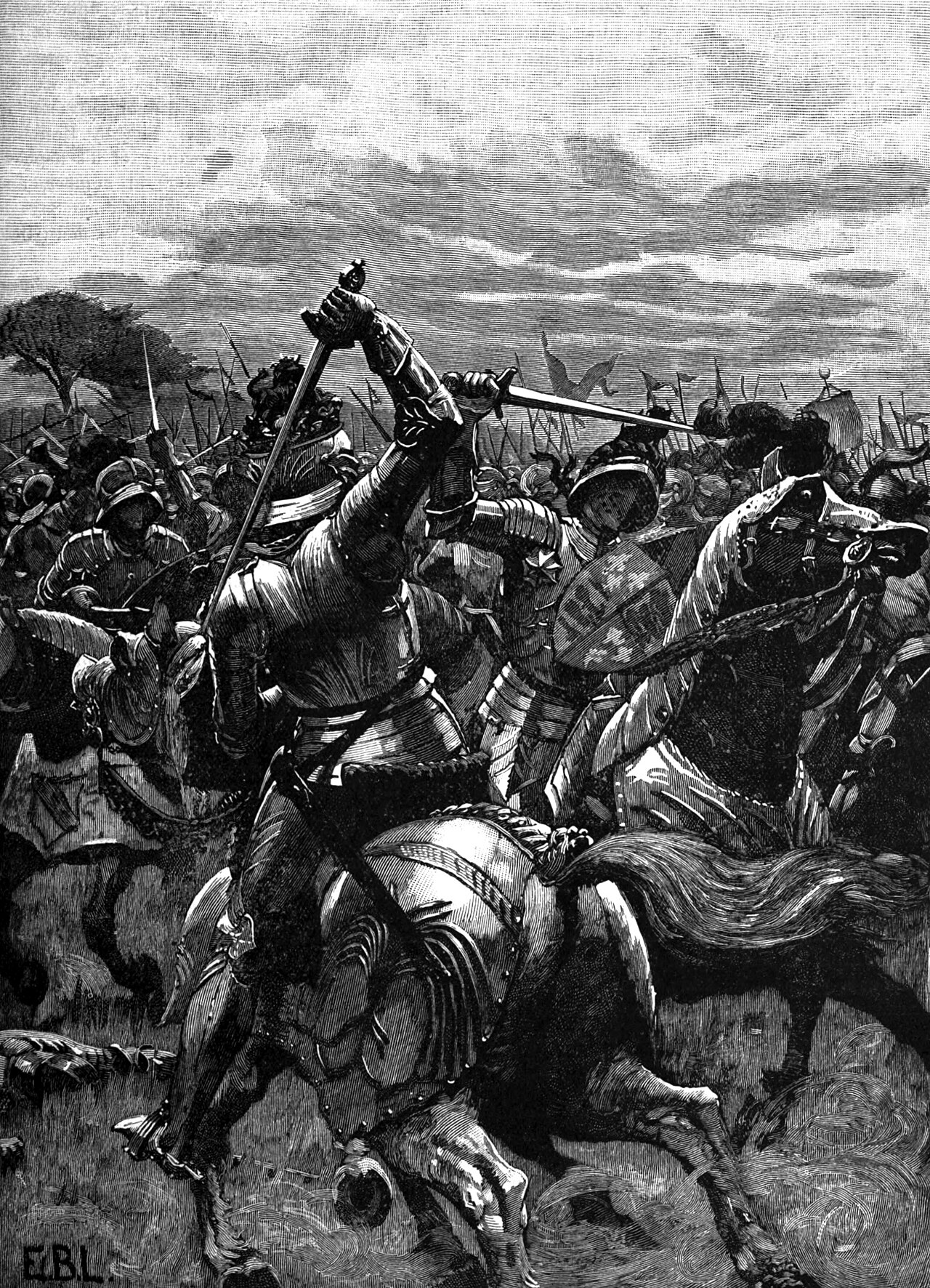 Painting
Secondary source
Edmund Blair Leighton · before 1907
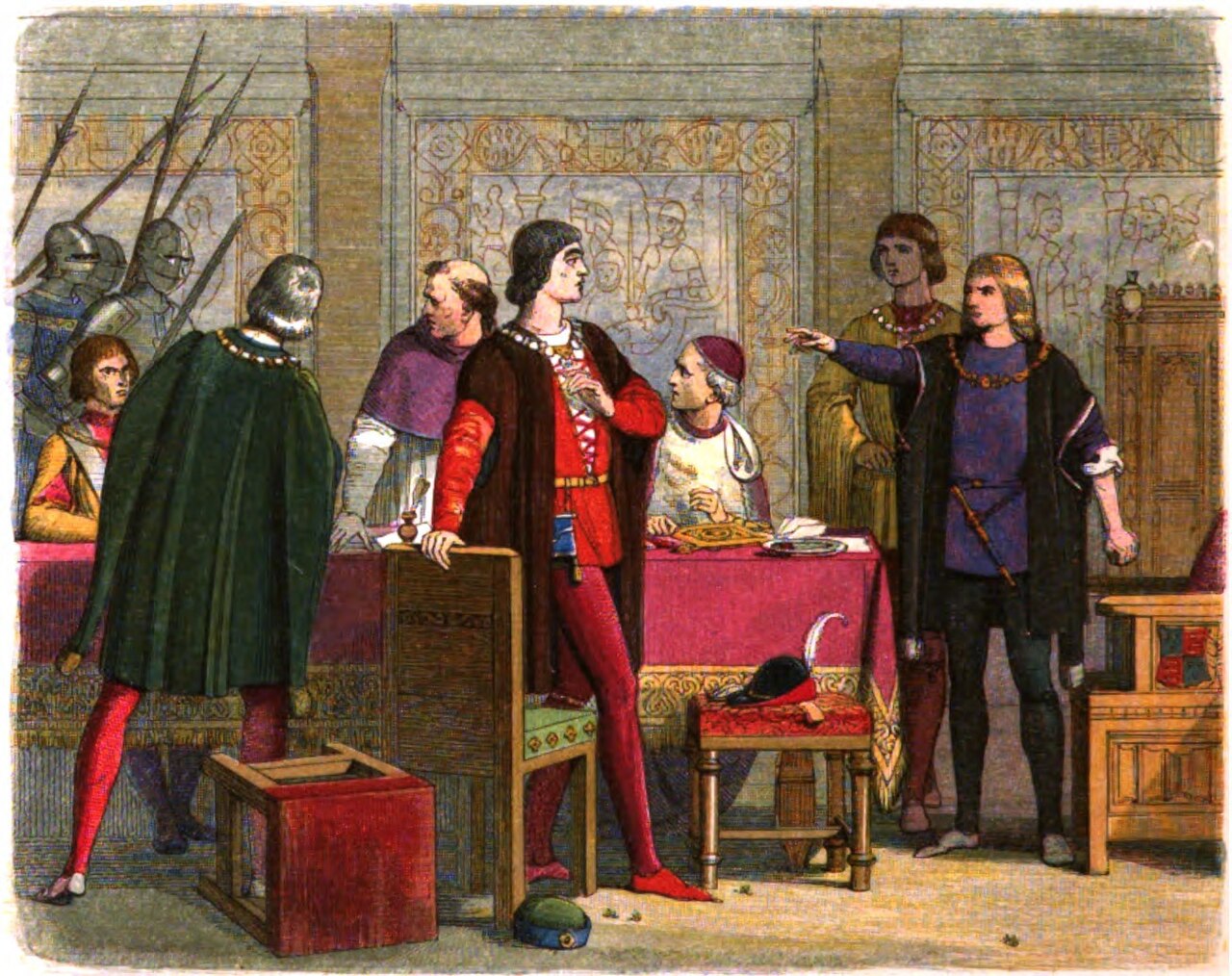 Painting
Secondary source
Edmund Evans · 1864
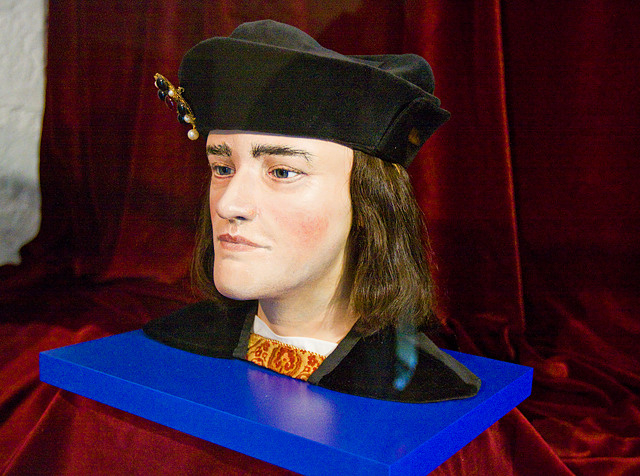 Artifact
Secondary source
Mike Searle · 11 April 2014
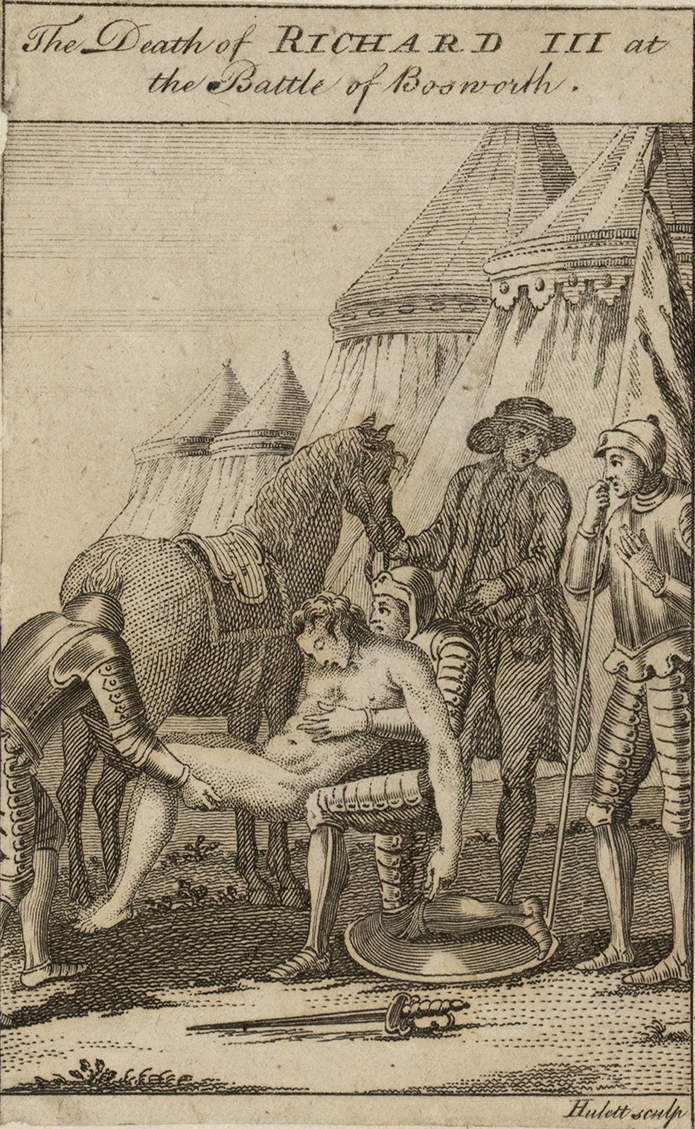 Painting
Secondary source
Thomas Pennant · 1781
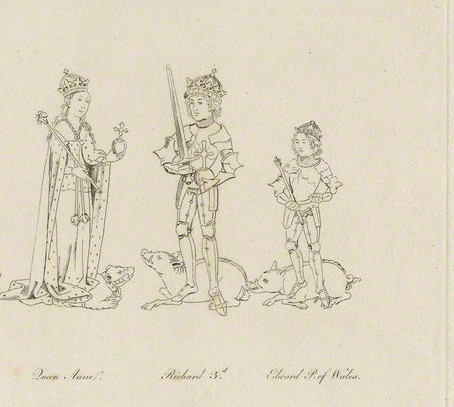 Painting
Secondary source
19th century
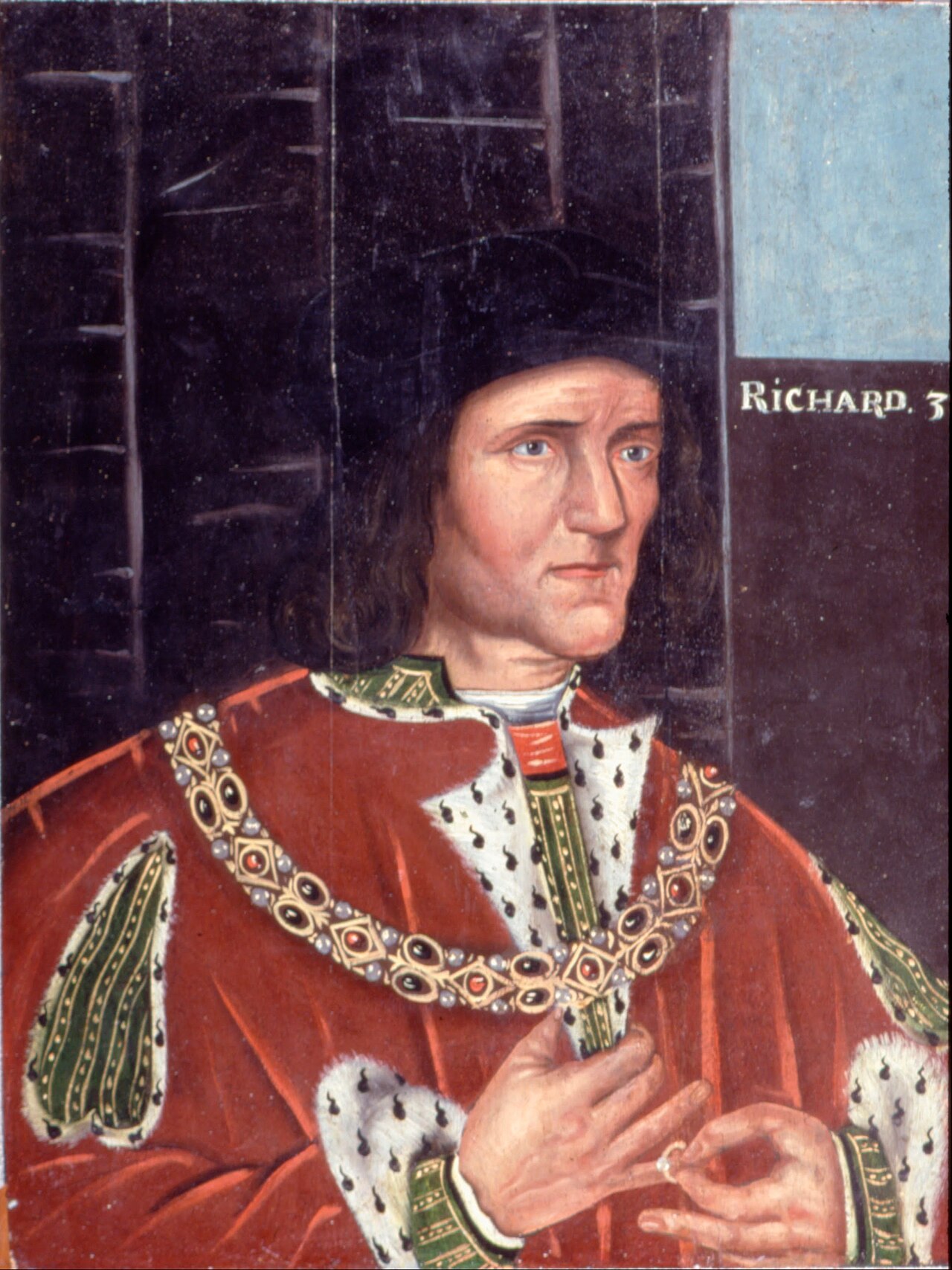 Painting
Secondary source
British School · Before 1626
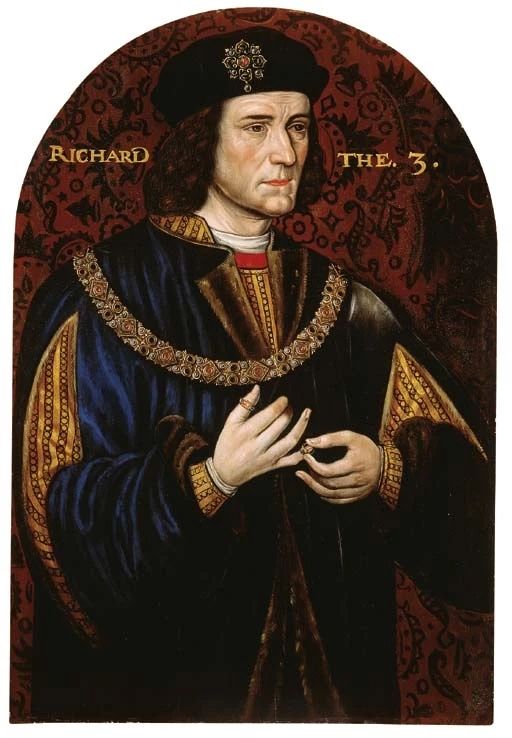
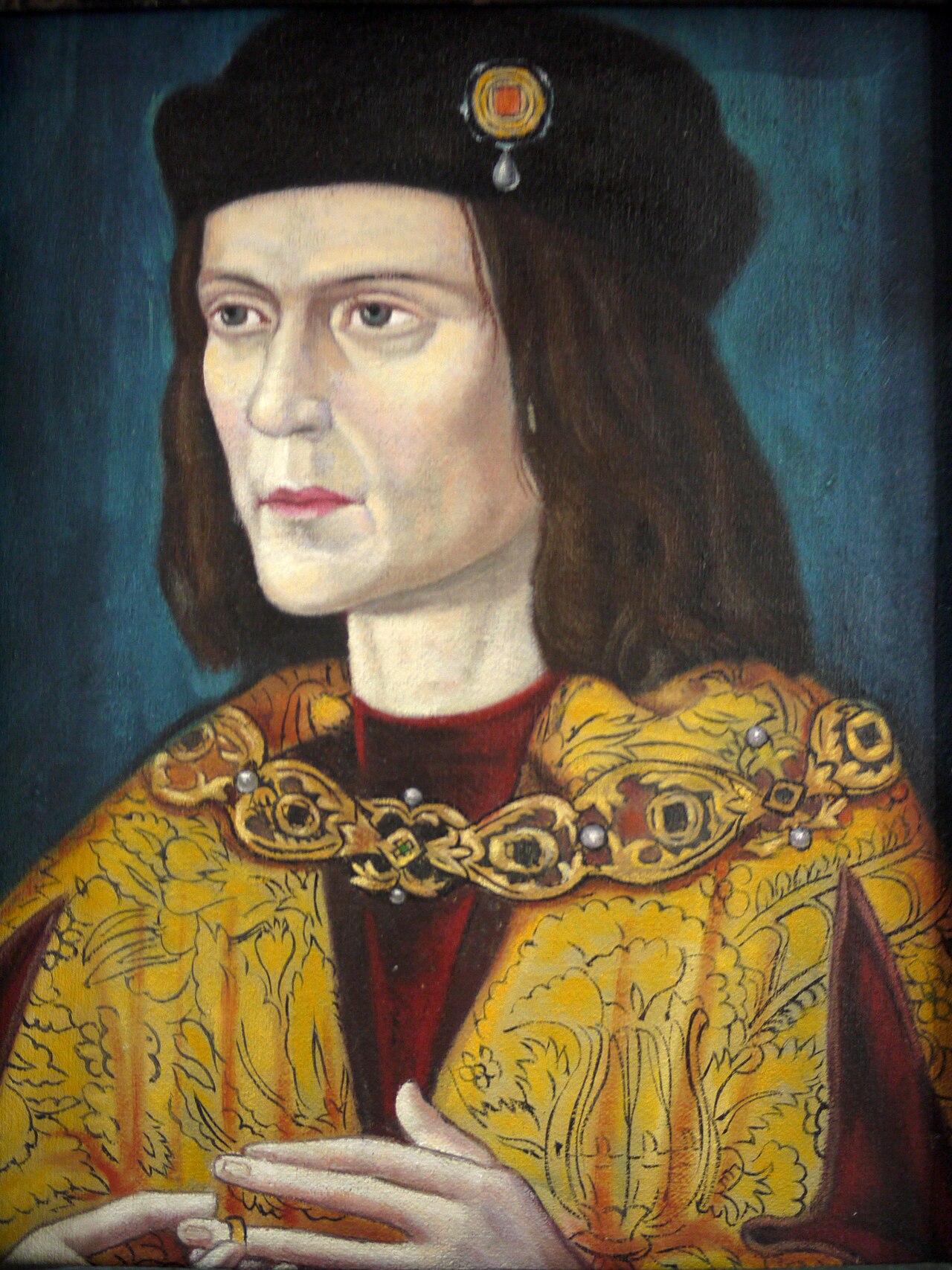 Painting
Secondary source
Barthel ii · 16th century (original); photograph uploaded 18 April 2011
 Painting
Secondary source
Attributed to the Sheldon Master · 1590s
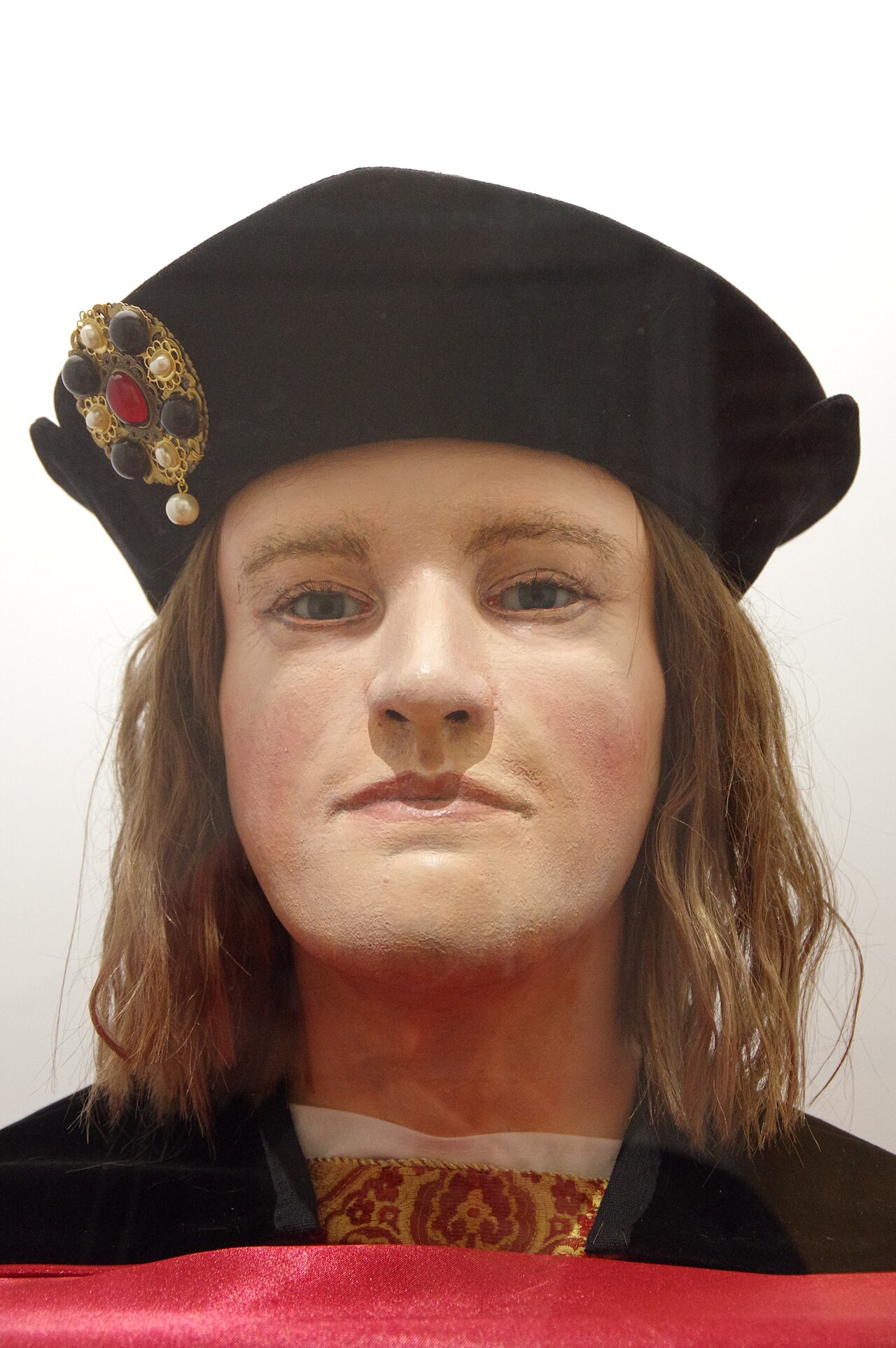 Artifact
Secondary source
David Merrett · 2016-04-13
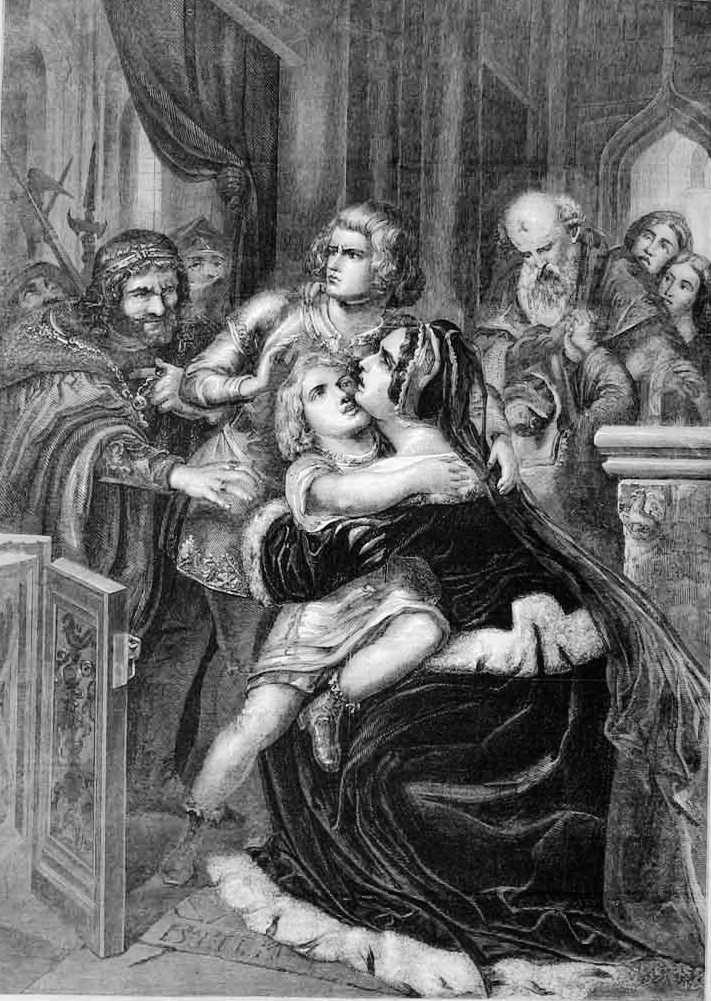 Painting
Secondary source
Hermann Stilke · 1 December 1860
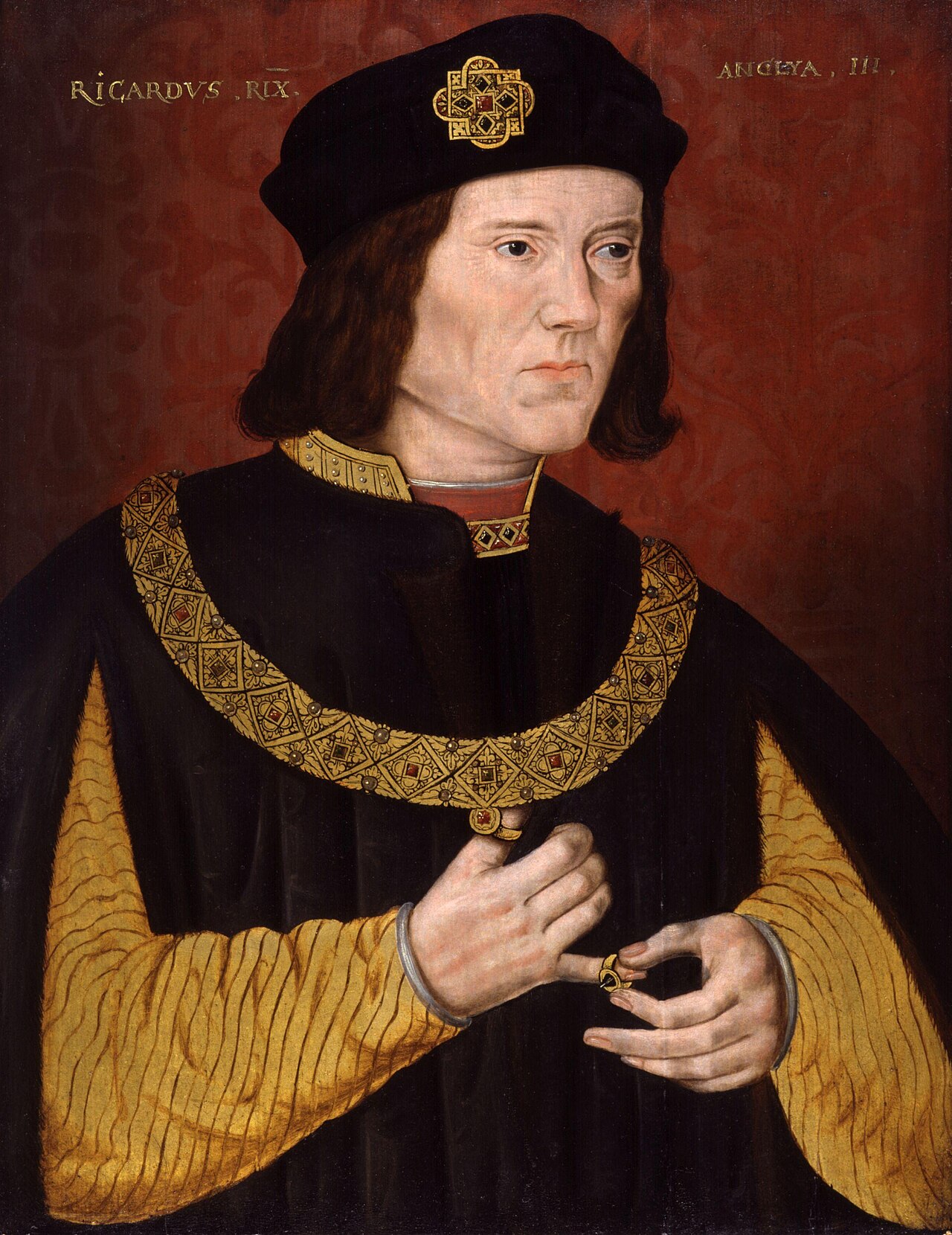 Painting
Secondary source
Late 16th century
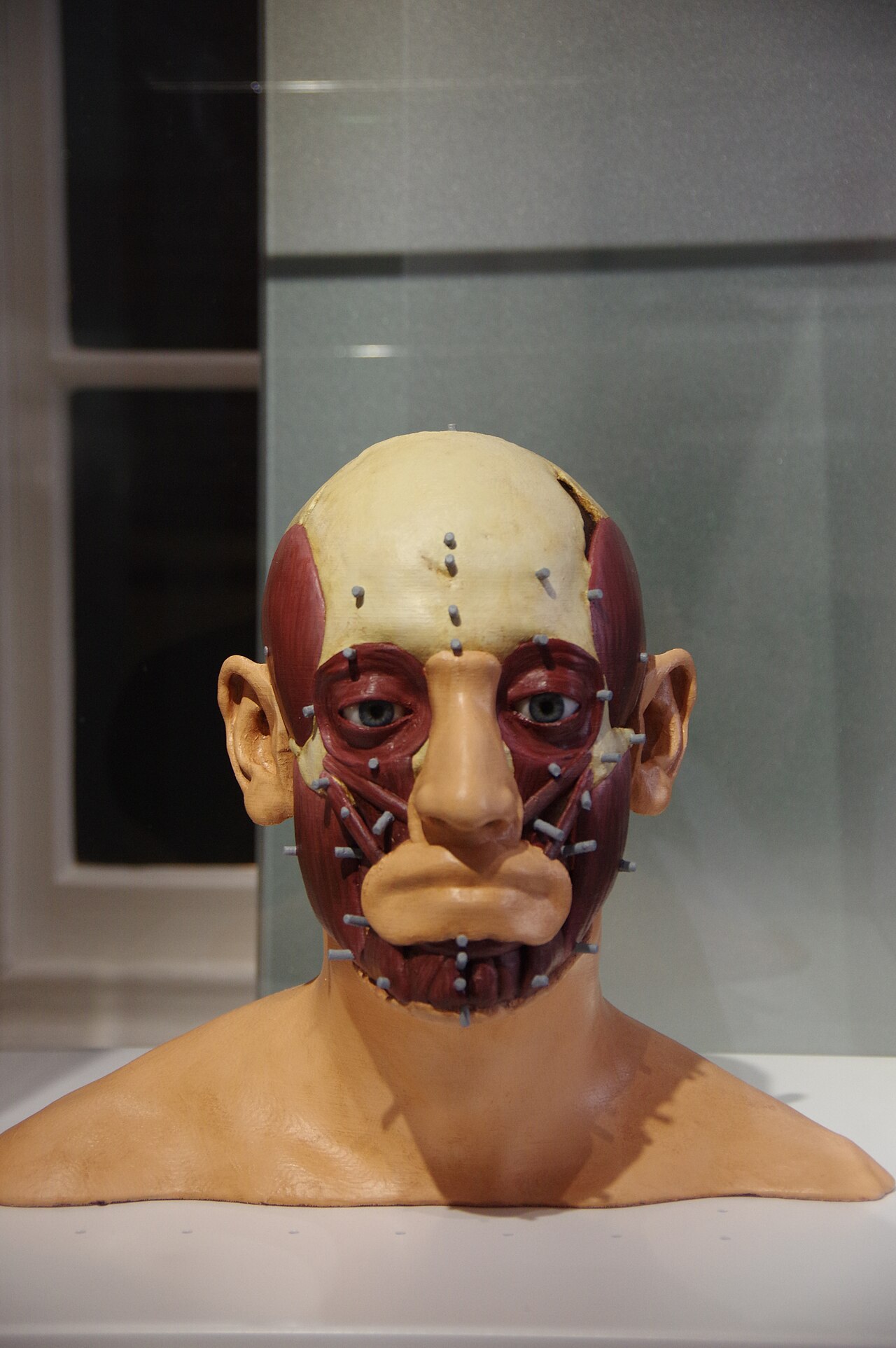 Artifact
Secondary source
David Merrett · 2016-04-13
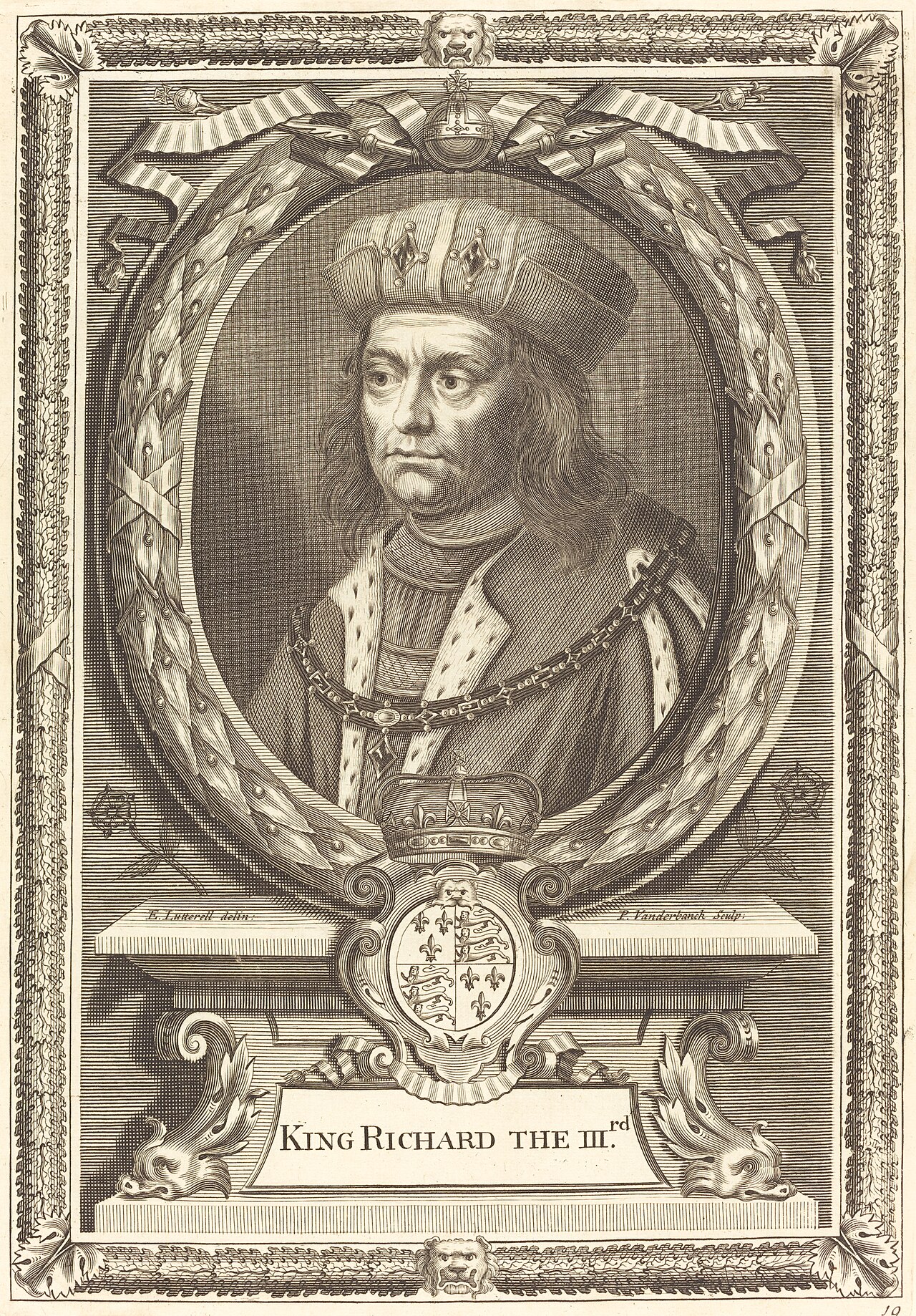 Painting
Secondary source
Pieter van der Banck after Edward Lutterell
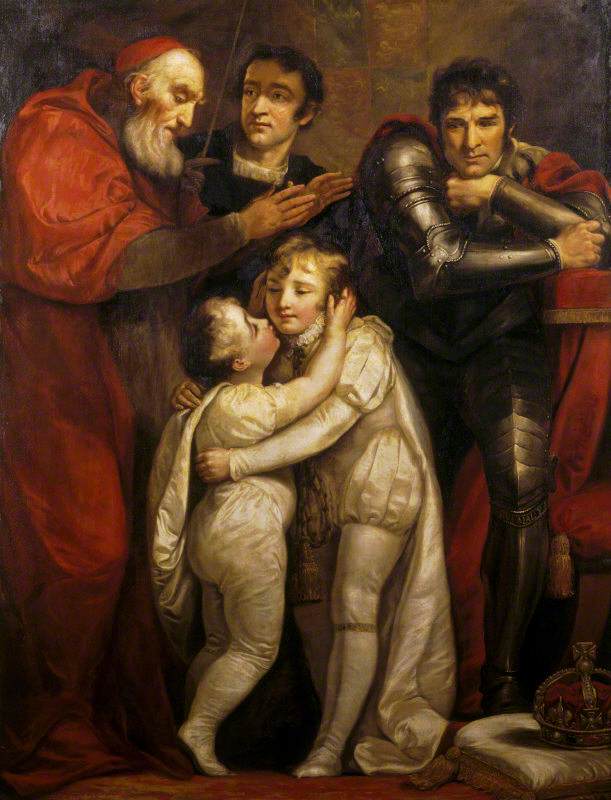 Painting
Secondary source
James Northcote · 1799
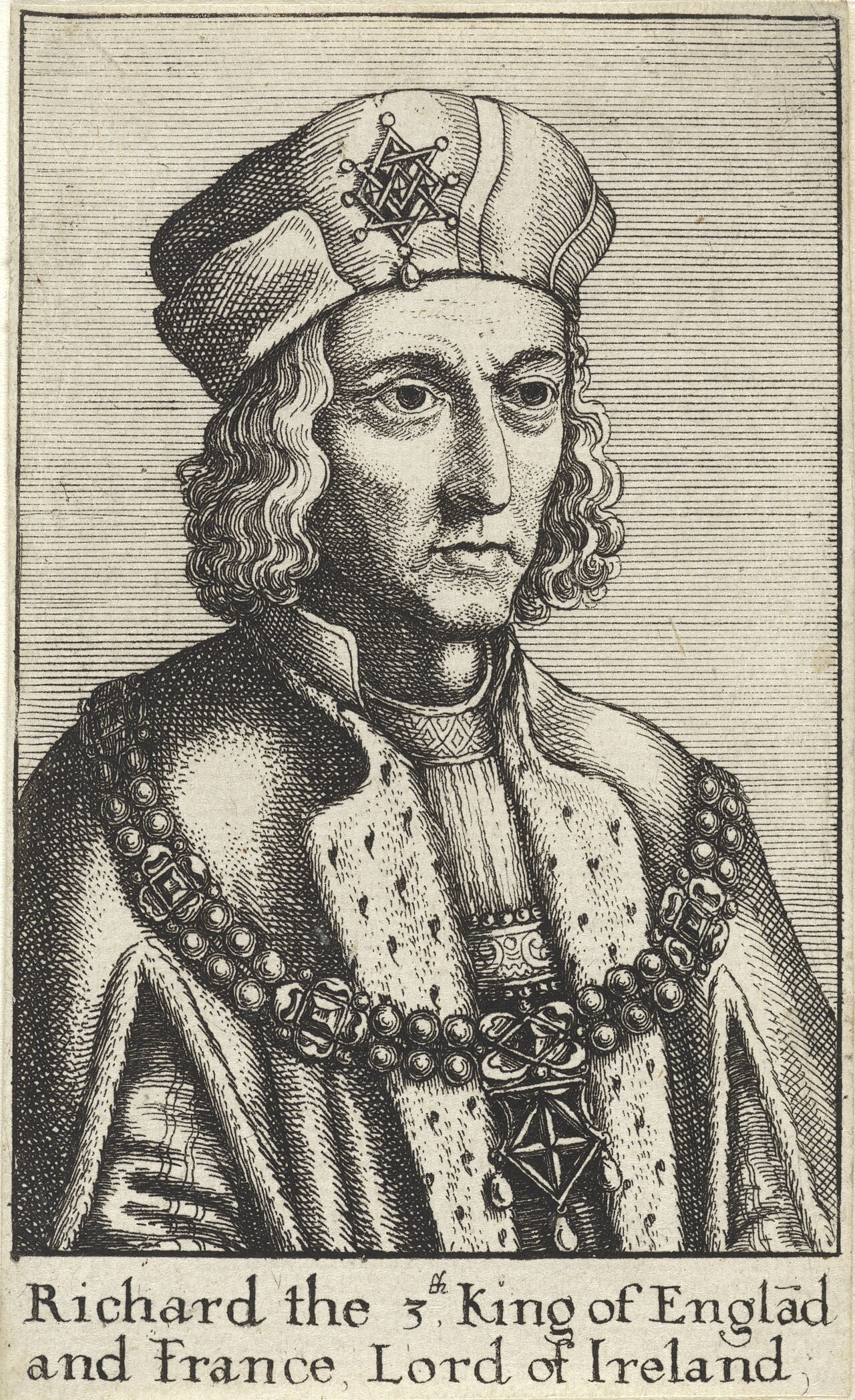 Artifact
Secondary source
Wenceslaus Hollar · 1641
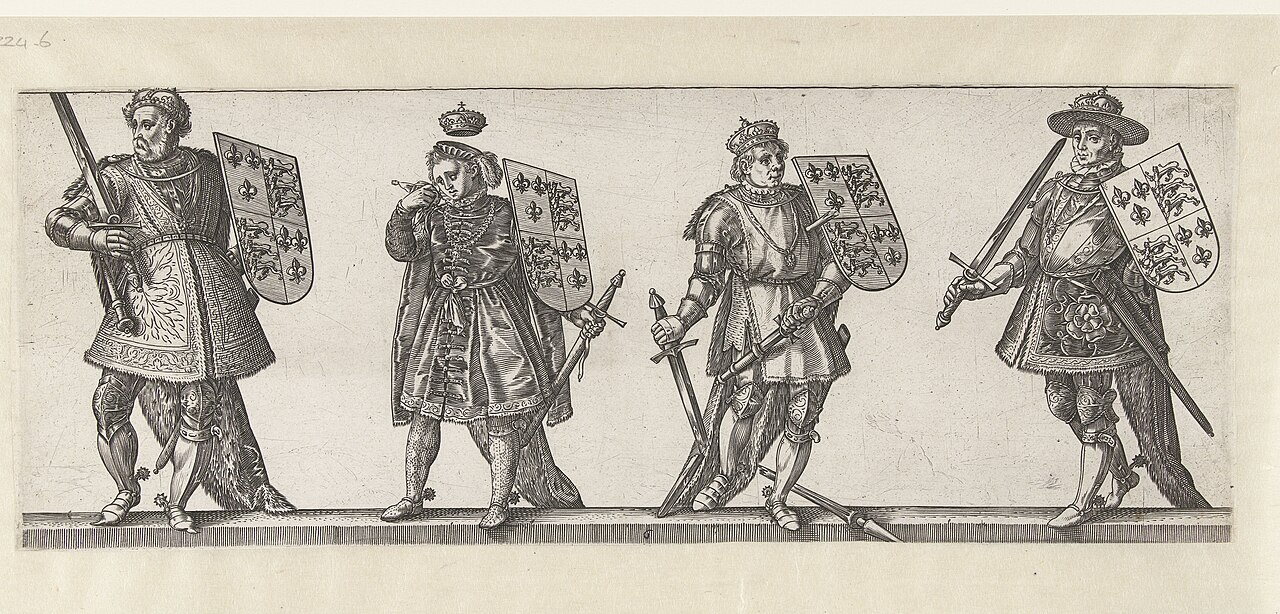 Artifact
Secondary source
Hendrick Goltzius · 1584
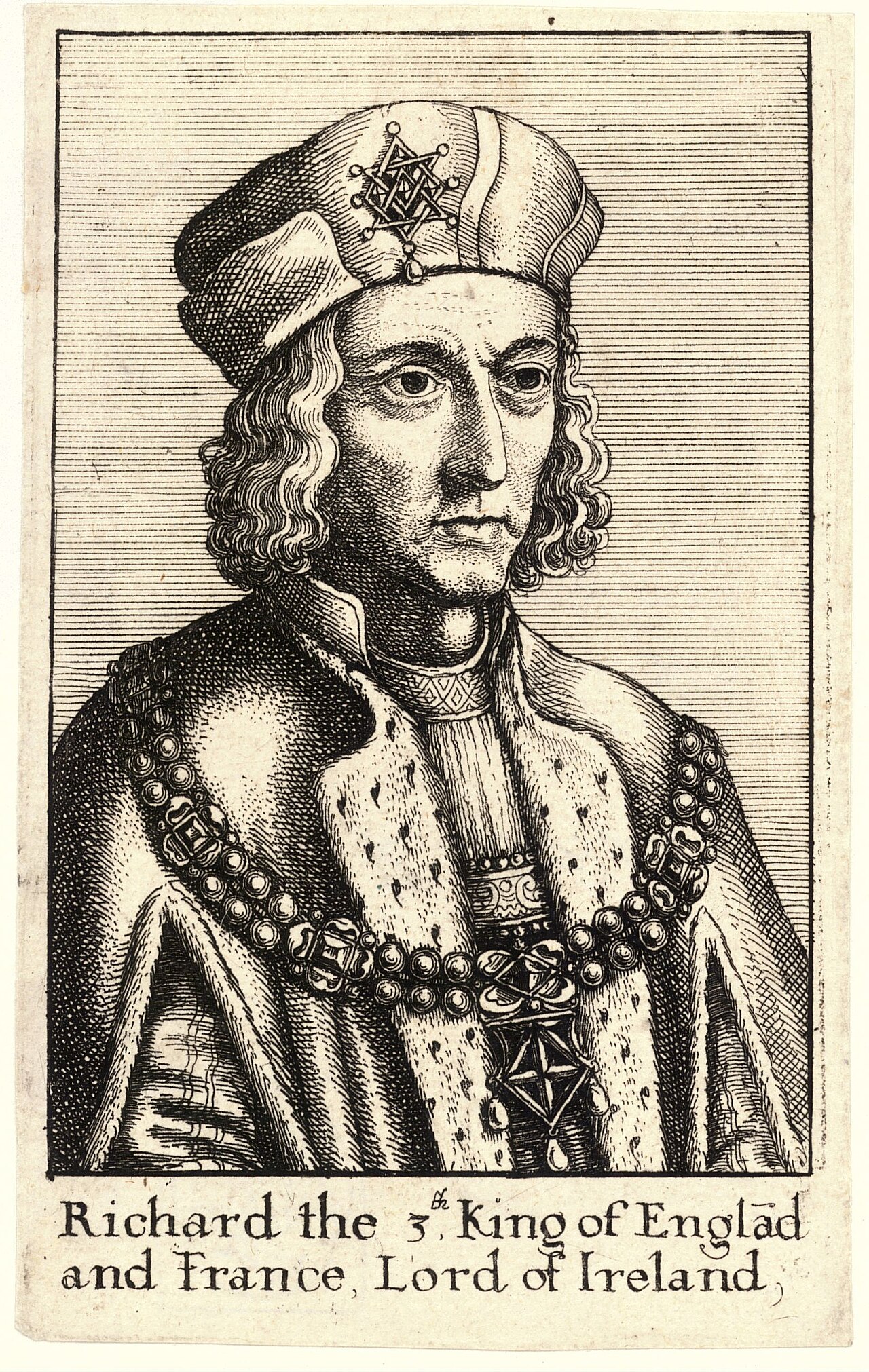 Artifact
Secondary source
Wenceslaus Hollar
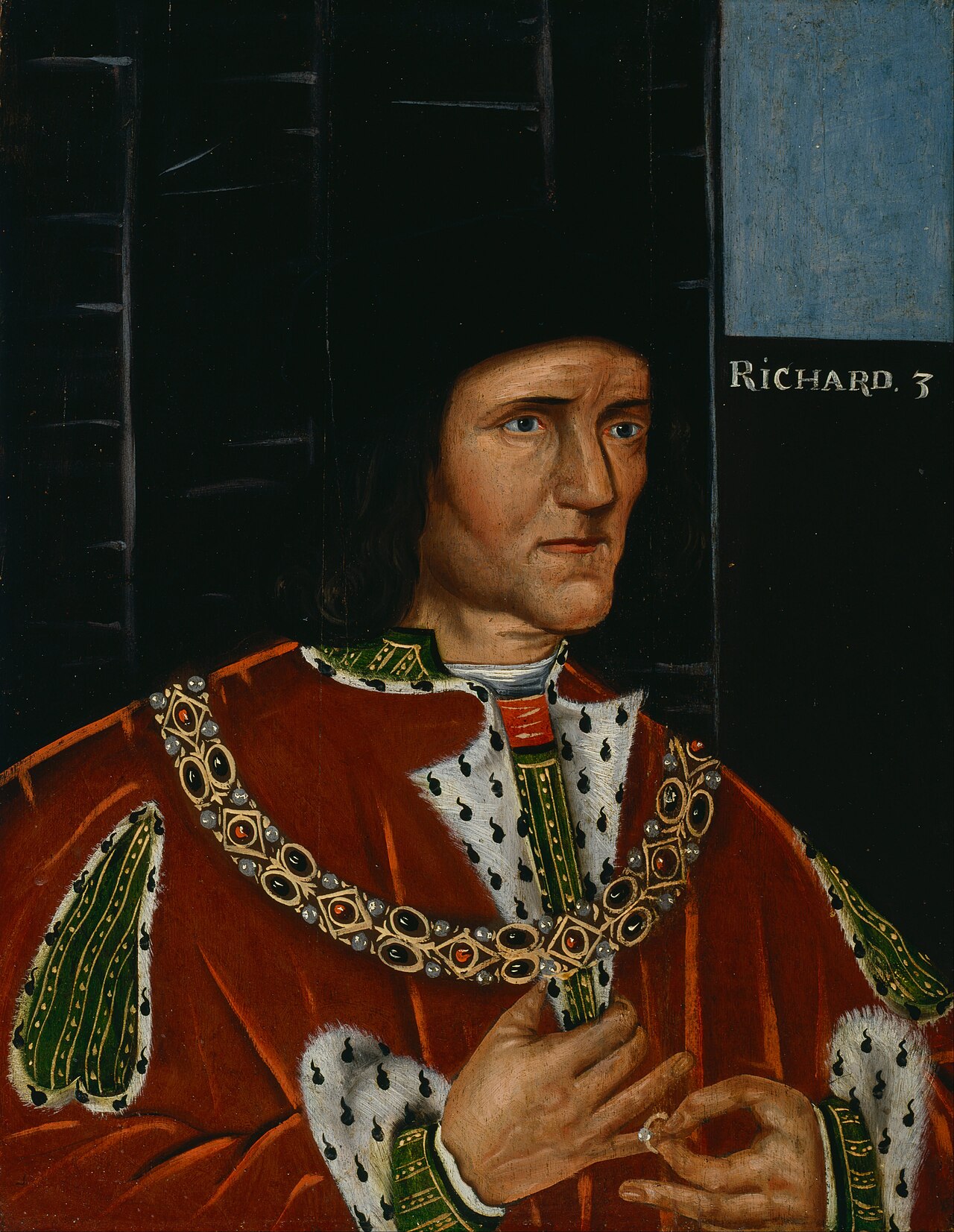 Painting
Secondary source
before 1626
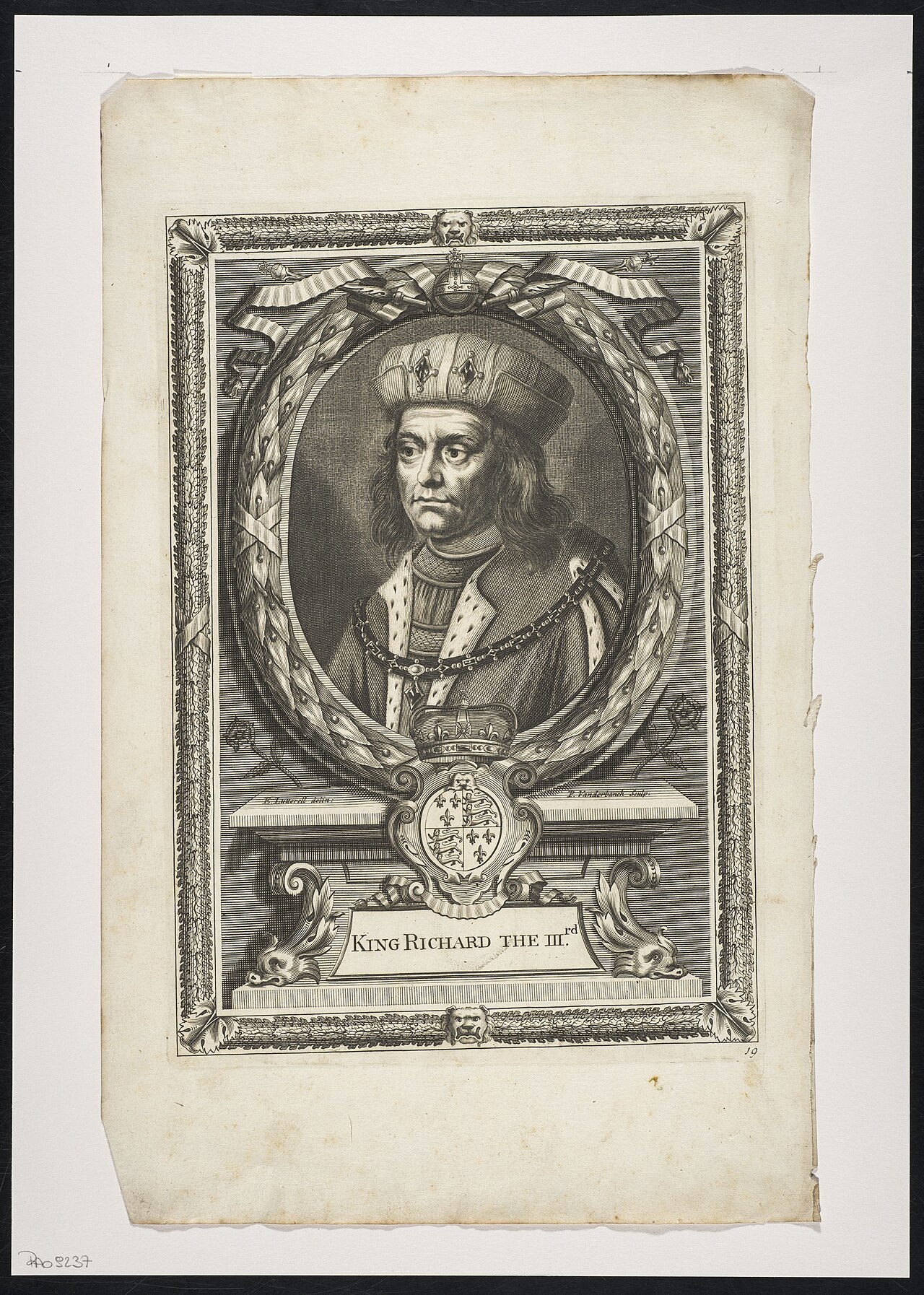 Artifact
Secondary source
Edward Luttrell · Unknown date (publisher active c. 1680-1730)
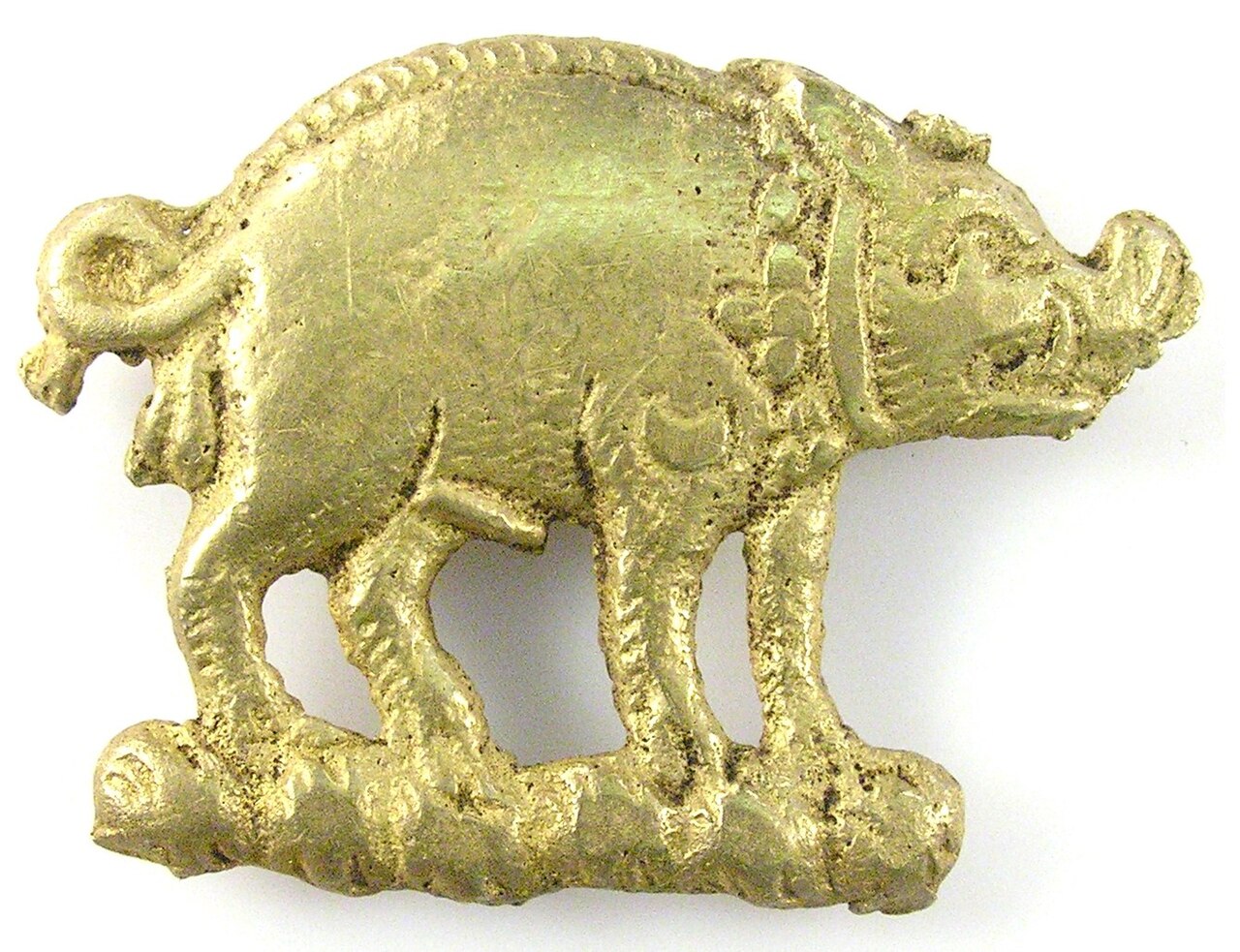 Artifact
Primary source
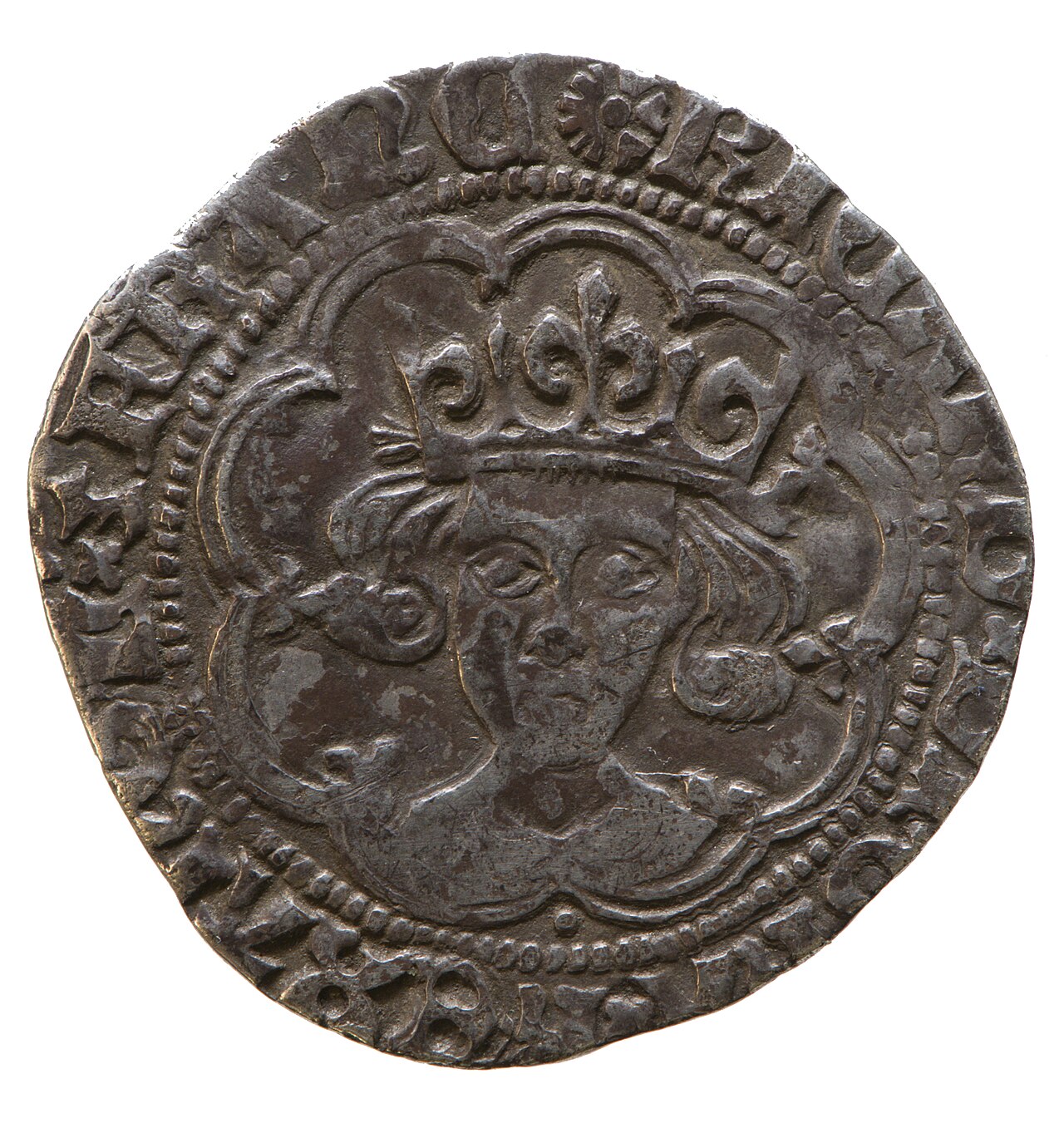 Artifact
Primary source
1483
Tertiary source
1921
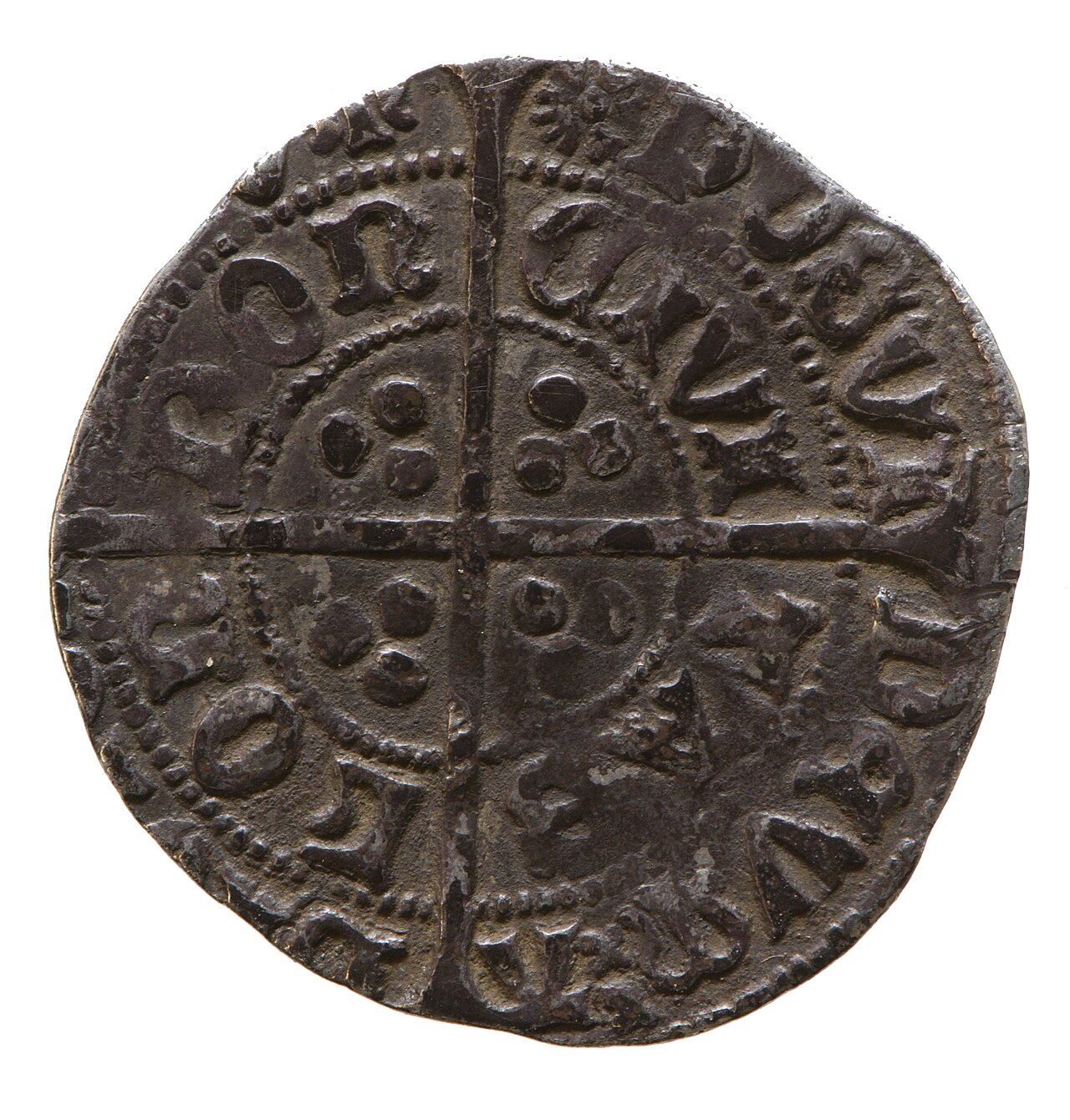 Artifact
Primary source
1483
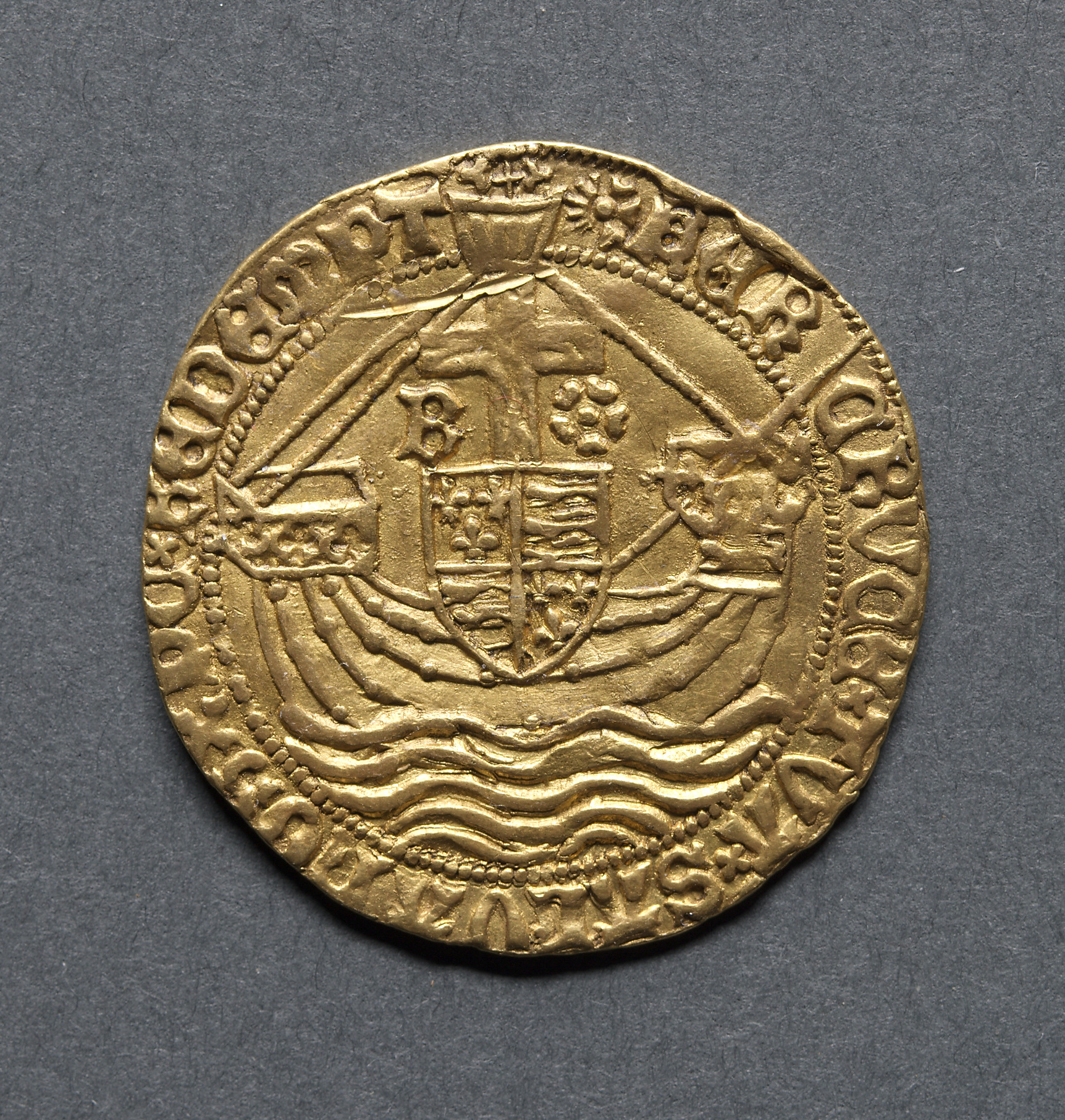 Artifact
Primary source
1483-1485
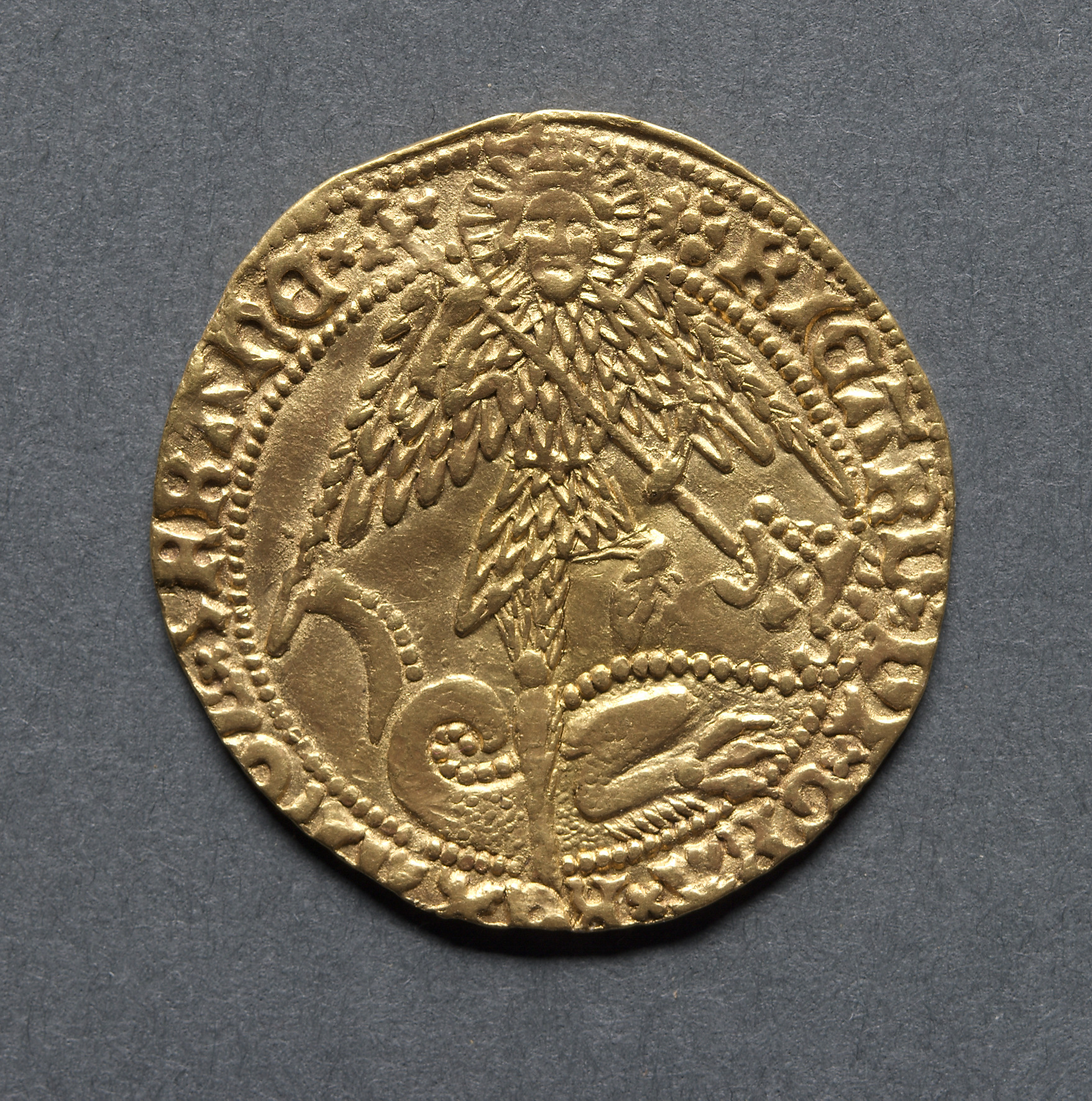 Artifact
Primary source
1483-1485
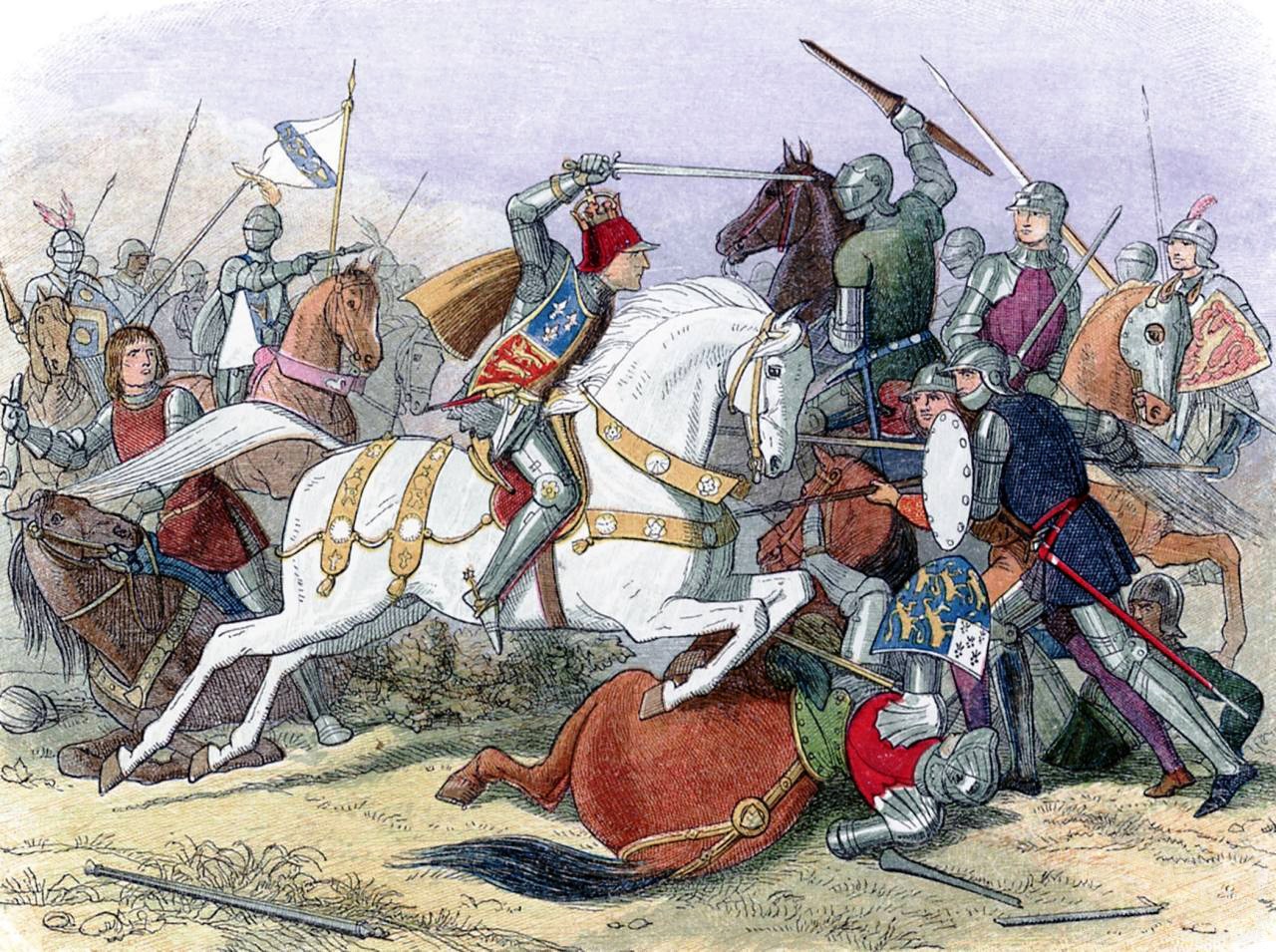 Painting
Secondary source
James William Edmund Doyle · 1864
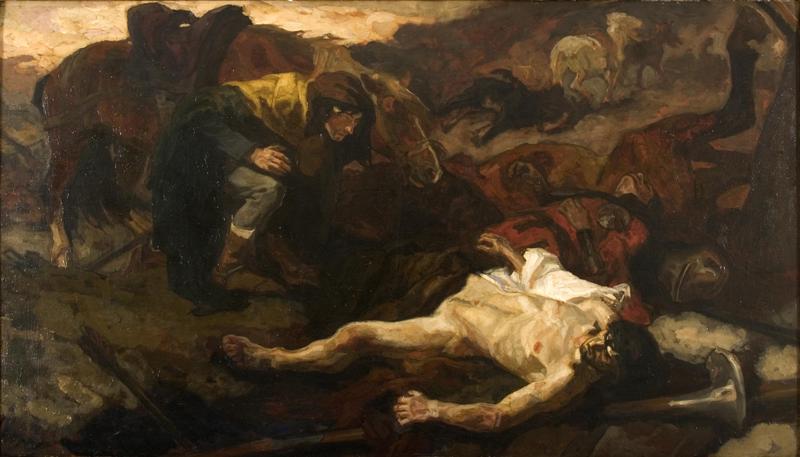 Painting
Secondary source
Johannes Hendricus Jurres · 1912
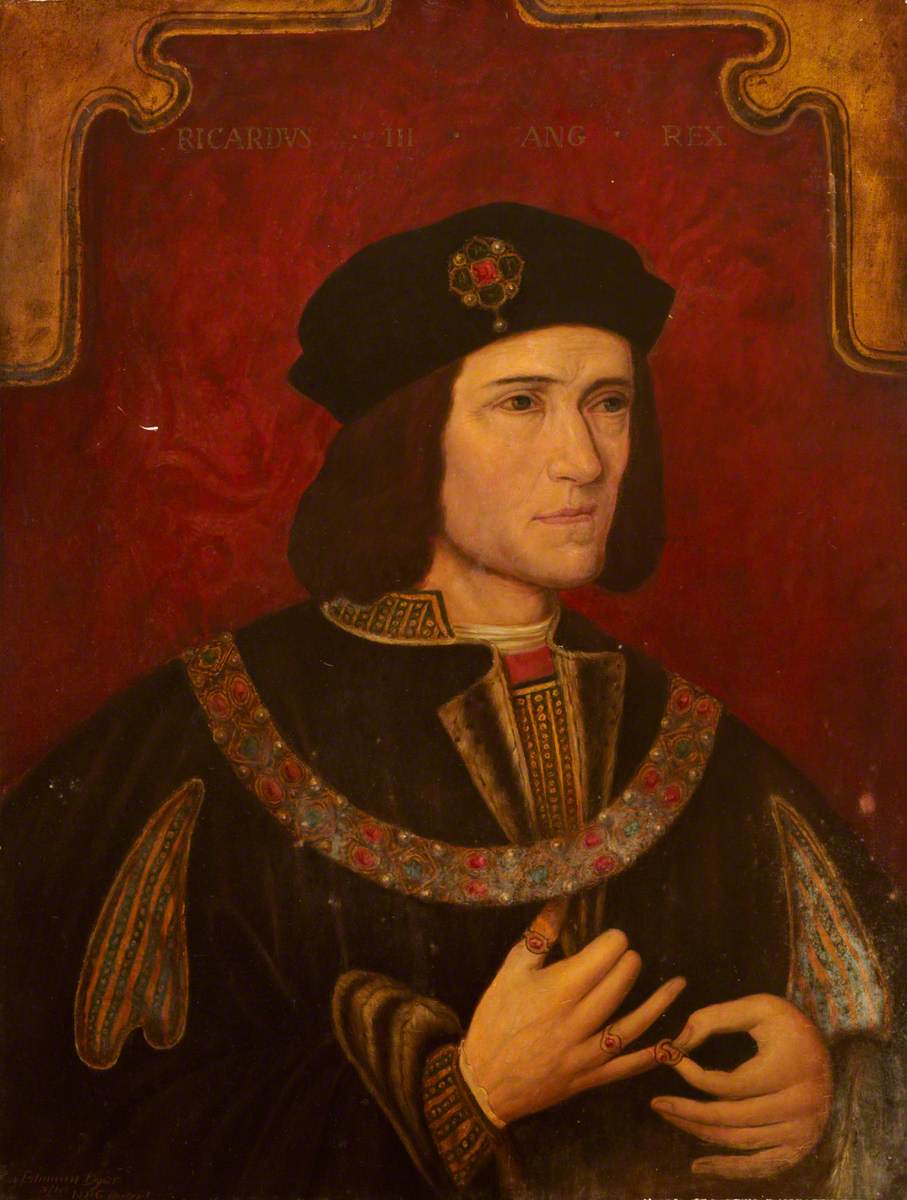 Painting
Secondary source
between 1700 and 1799
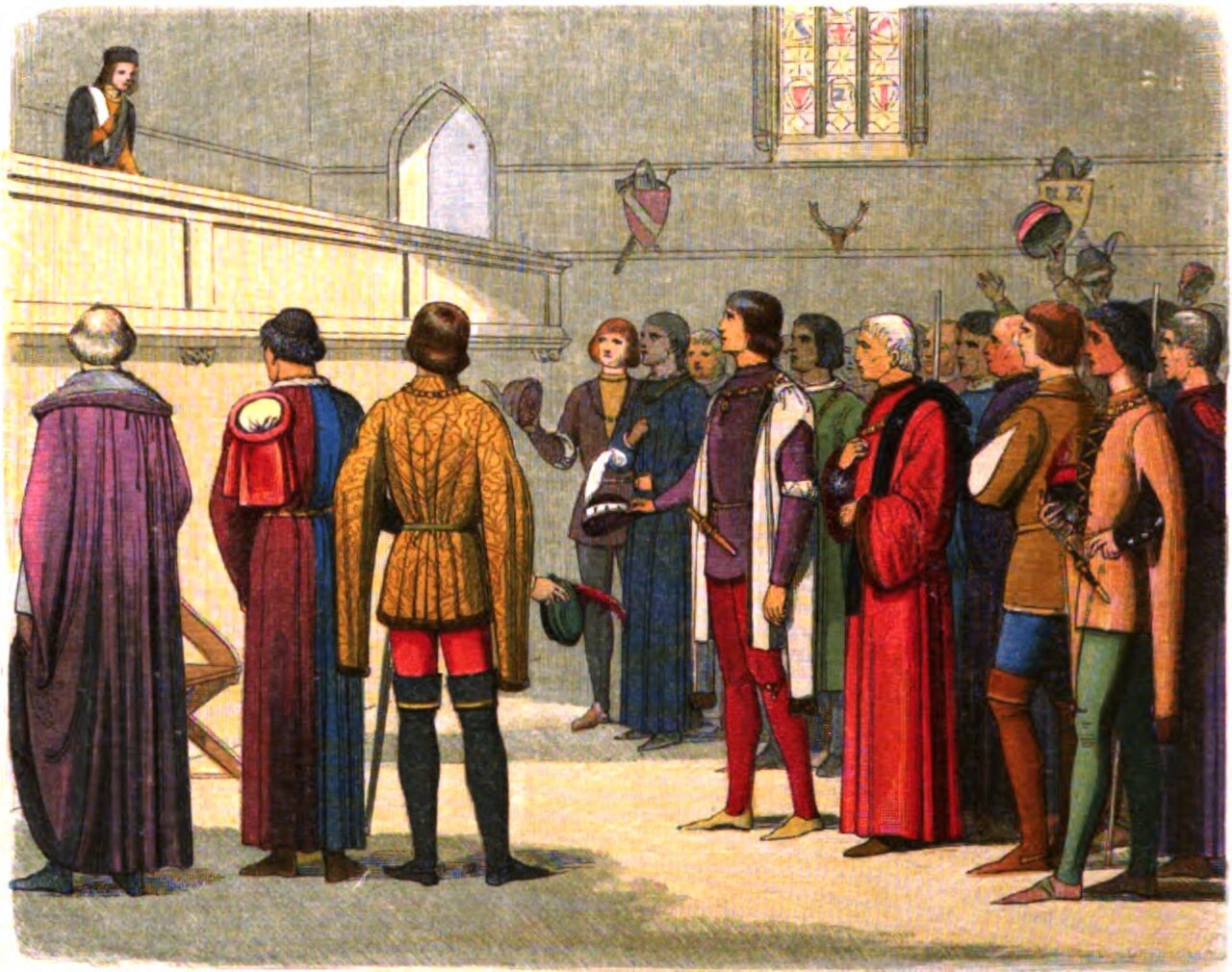 Painting
Secondary source
Edmund Evans · 1864
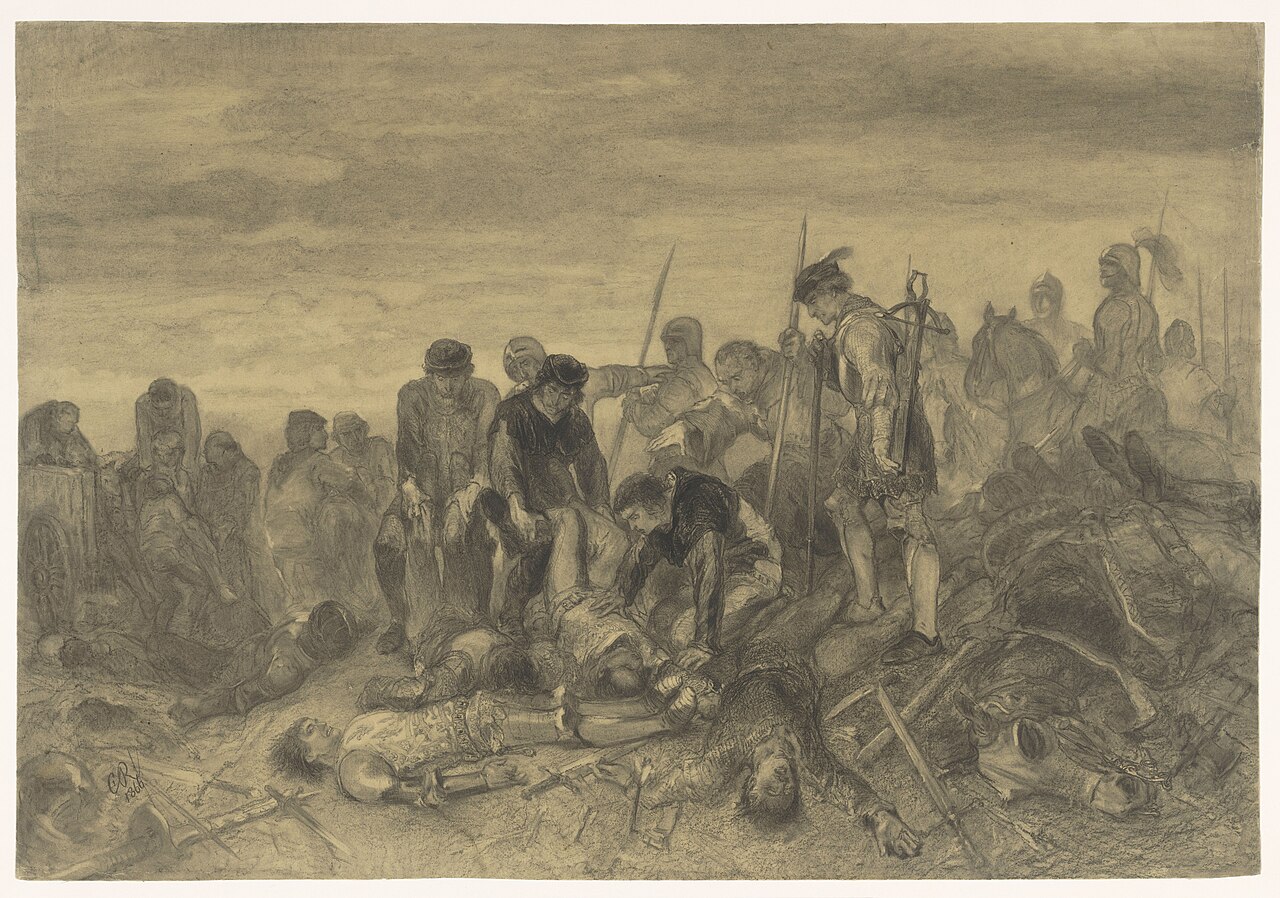 Painting
Secondary source
Charles Rochussen · 1866
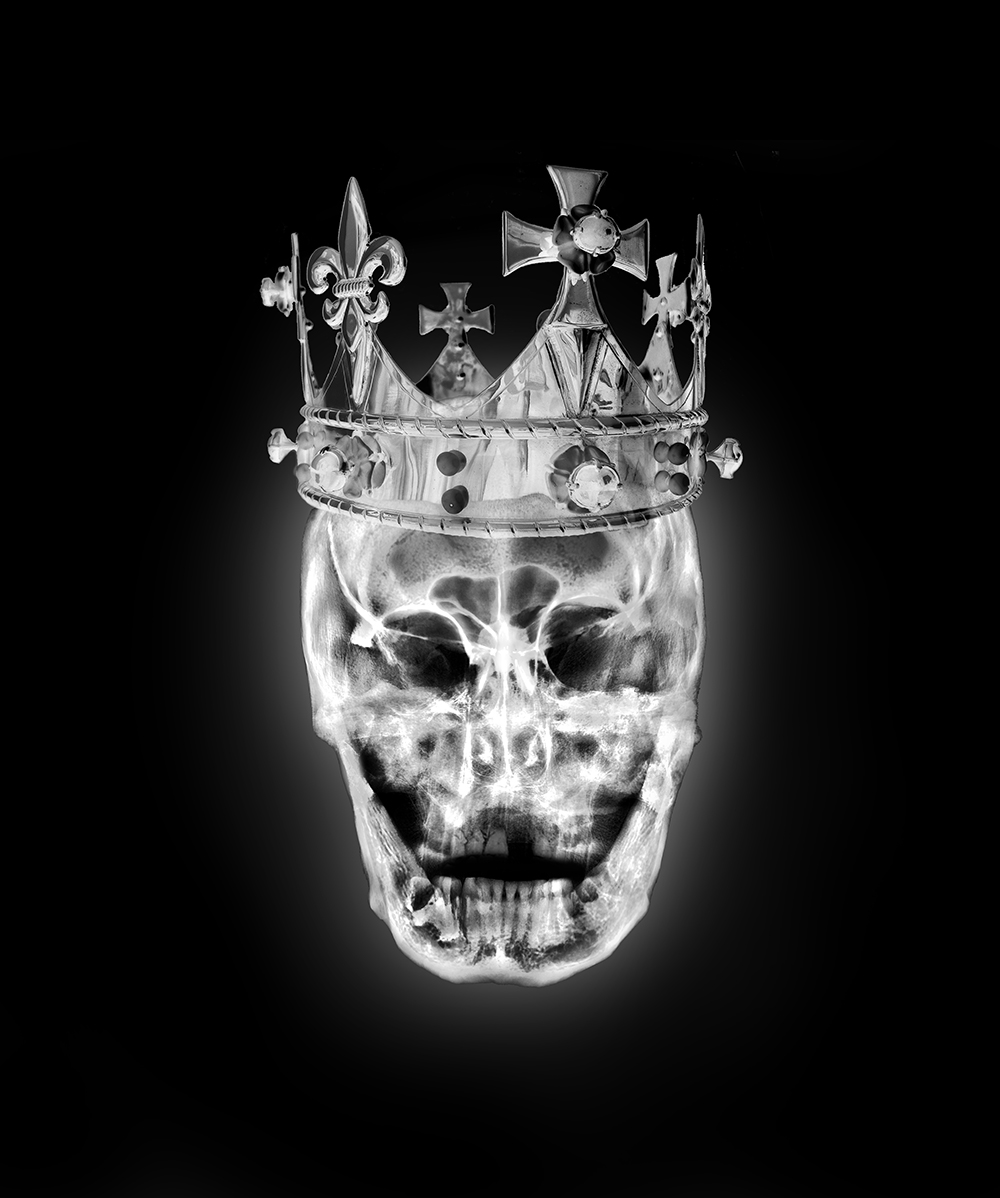 Painting
Secondary source
Saffarelli · 2016
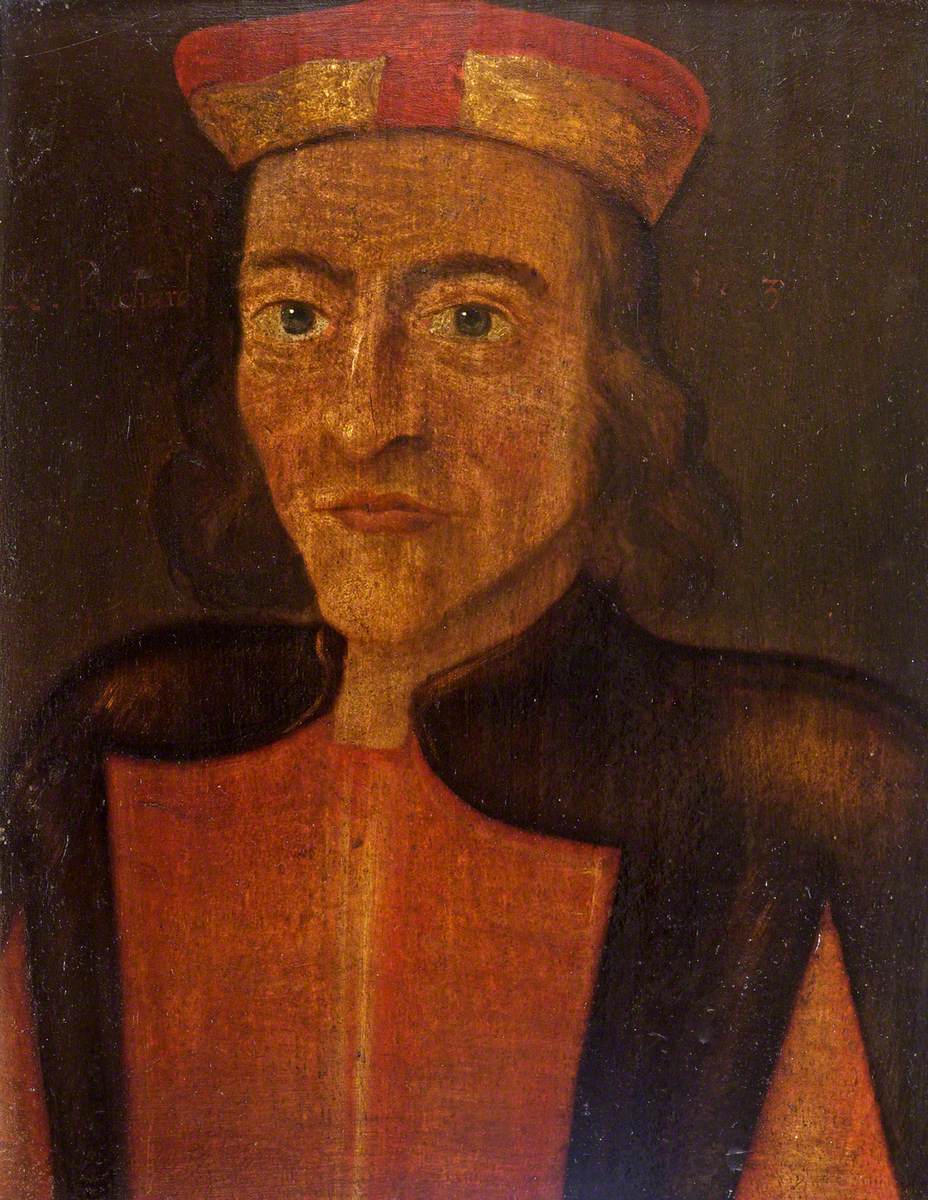 Painting
Secondary source
1650
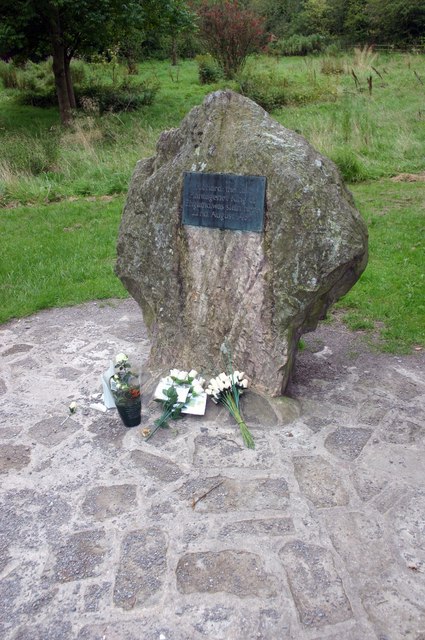 Photograph
Secondary source
Bill Sibley · photographed 30 August 2007
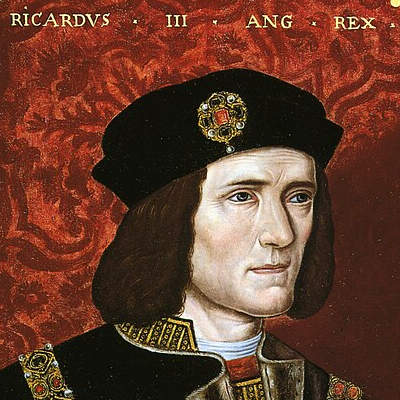 Painting
Secondary source
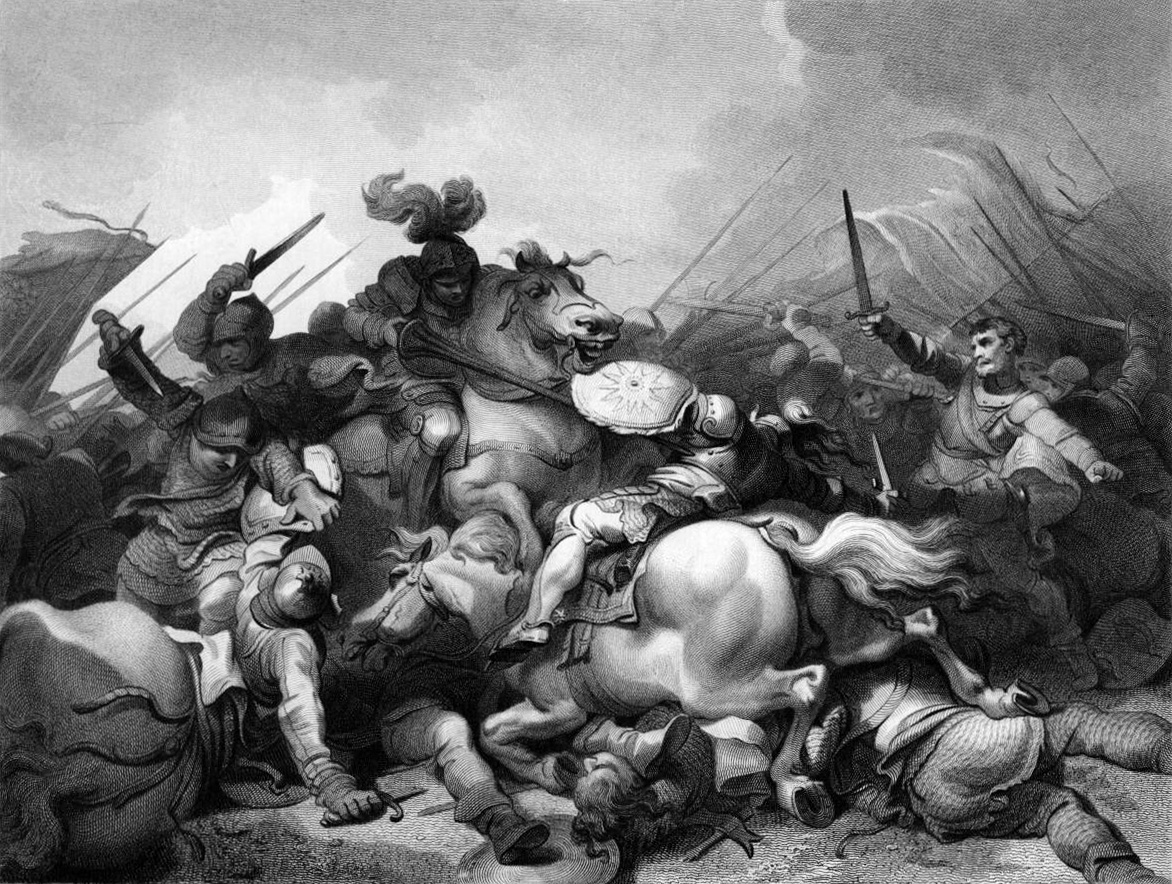 Painting
Secondary source
Philip James de Loutherbourg · 1804 (painting); engraving c. 1857
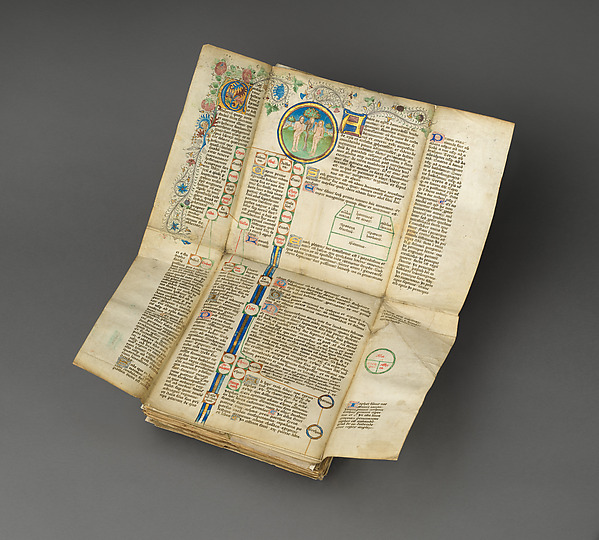 Book
Primary source
1466-67
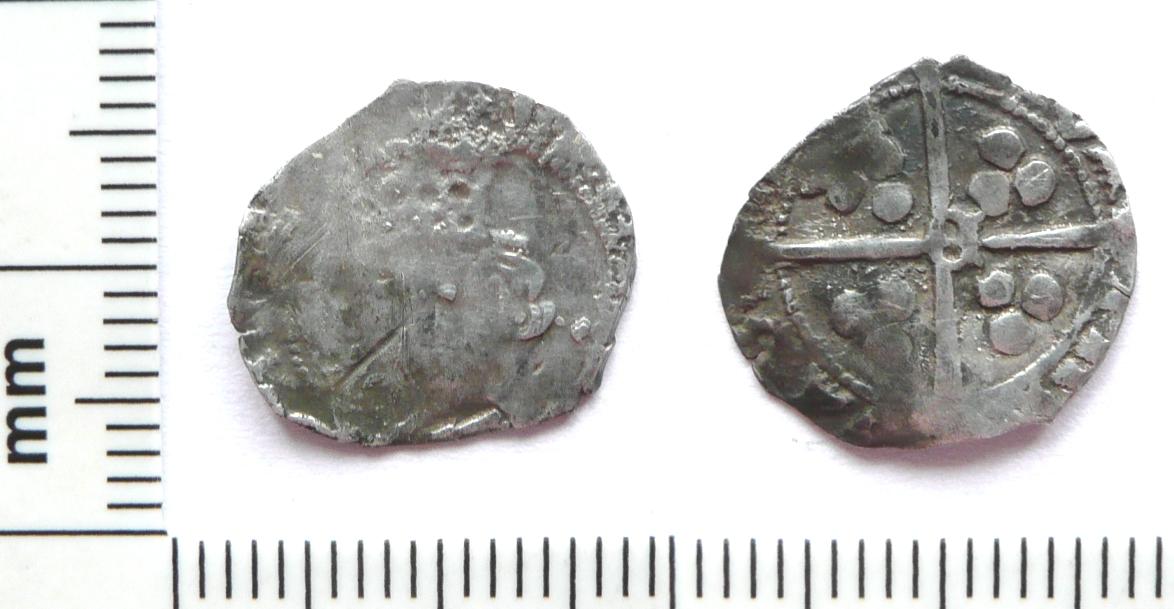 Artifact
Primary source
between 1483 and 1509
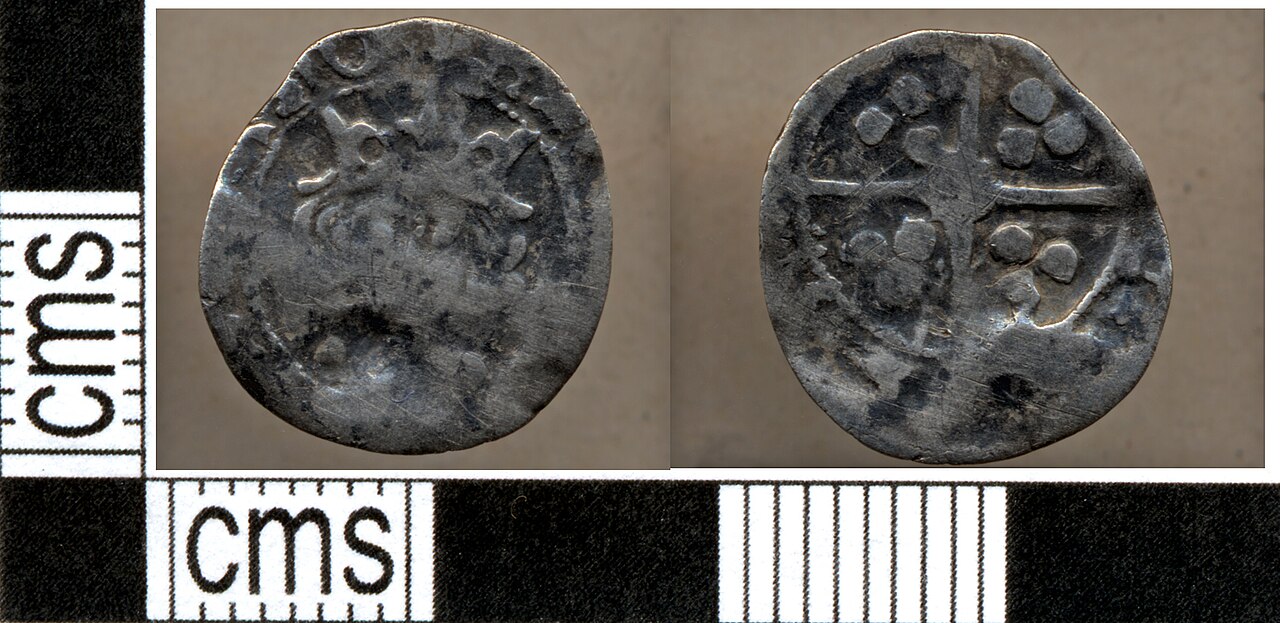 Artifact
Primary source
between 1483 and 1485
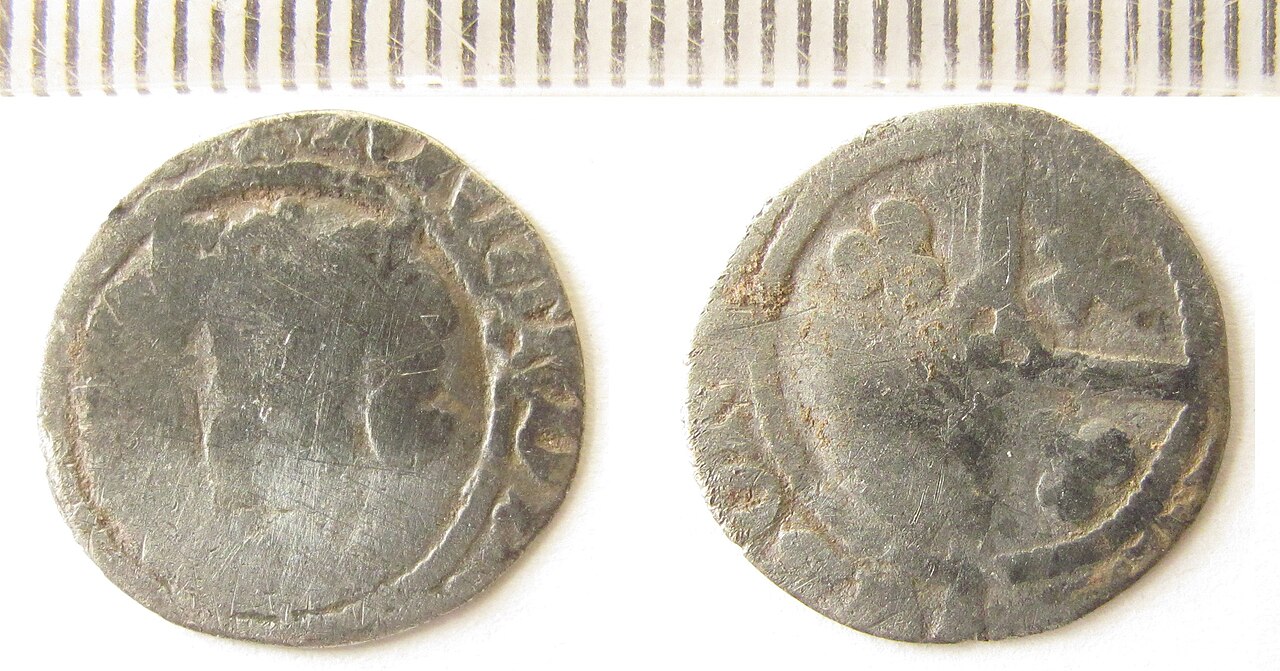 Artifact
Primary source
between 1483 and 1485
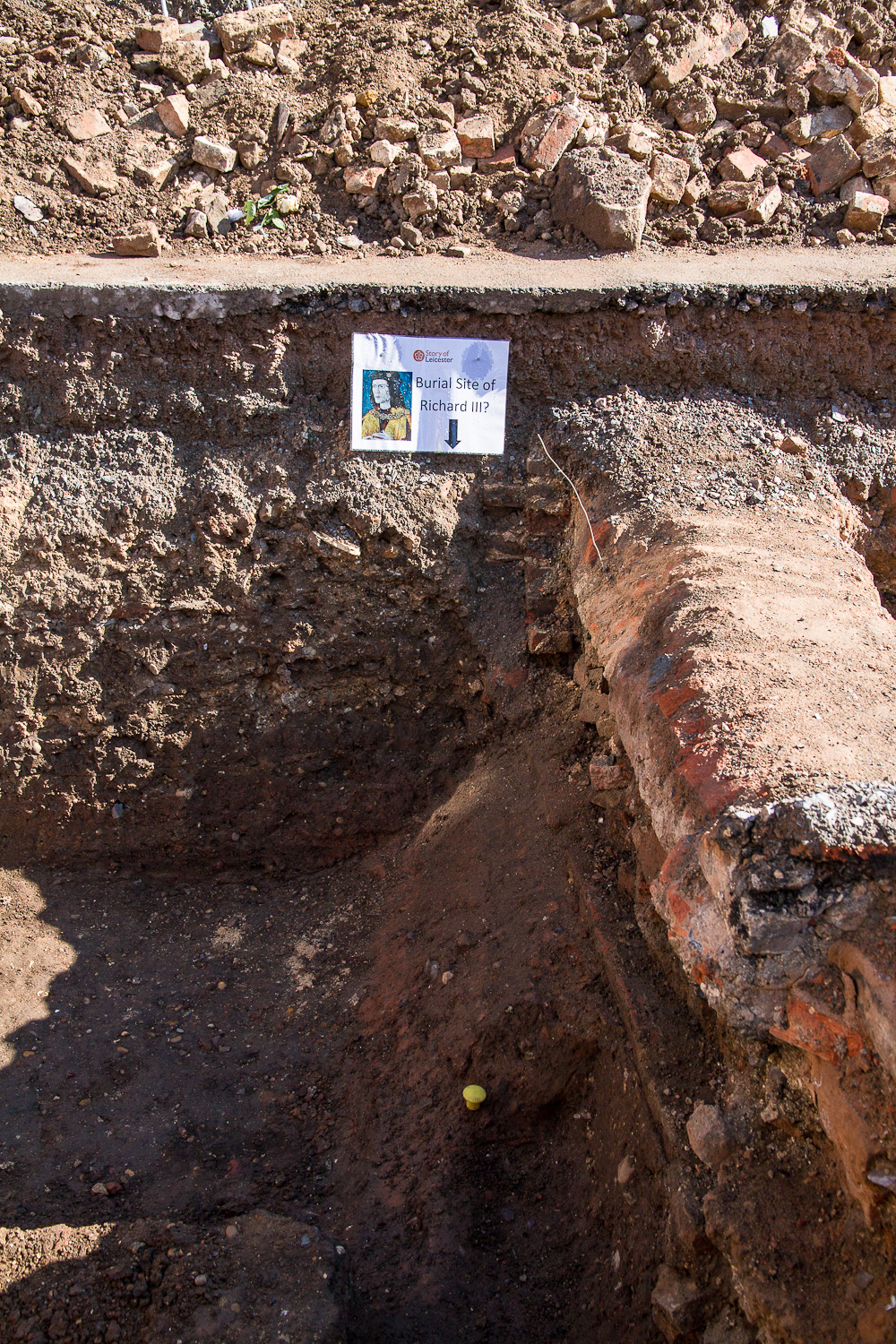 Photograph
Secondary source
Chris Tweed · 2012-09-22
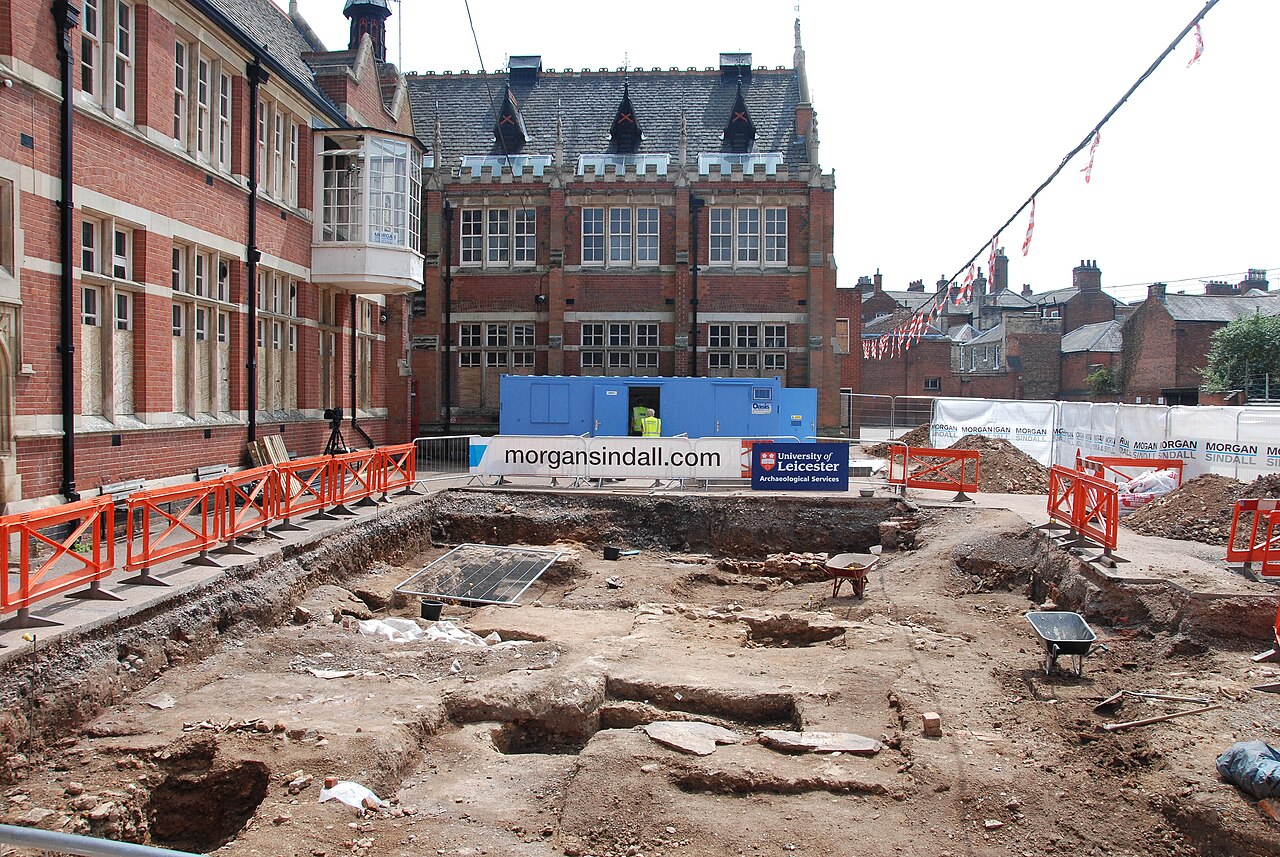 Photograph
Secondary source
snapperQ · July 2013
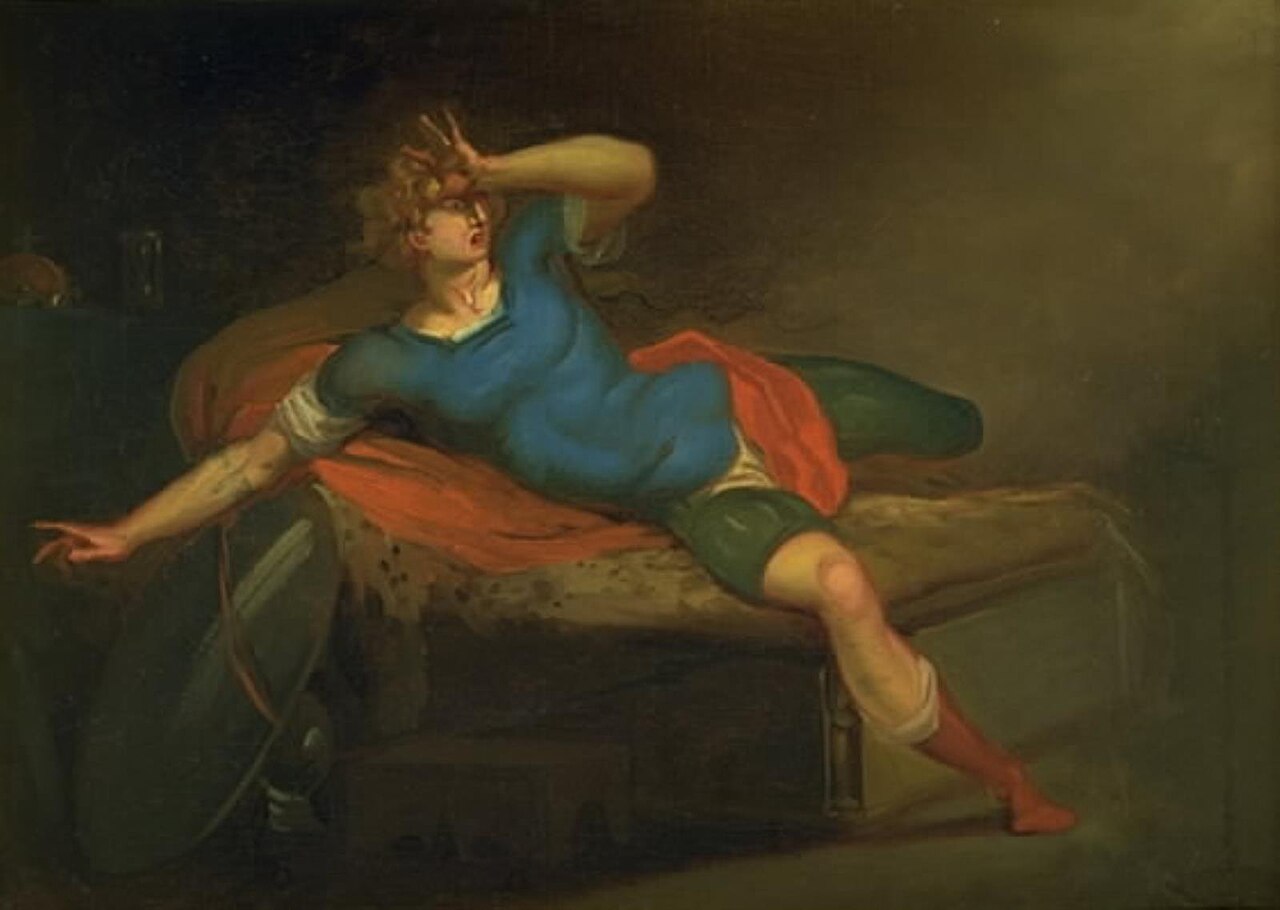 Painting
Secondary source
Nicolai Abildgaard · 1785
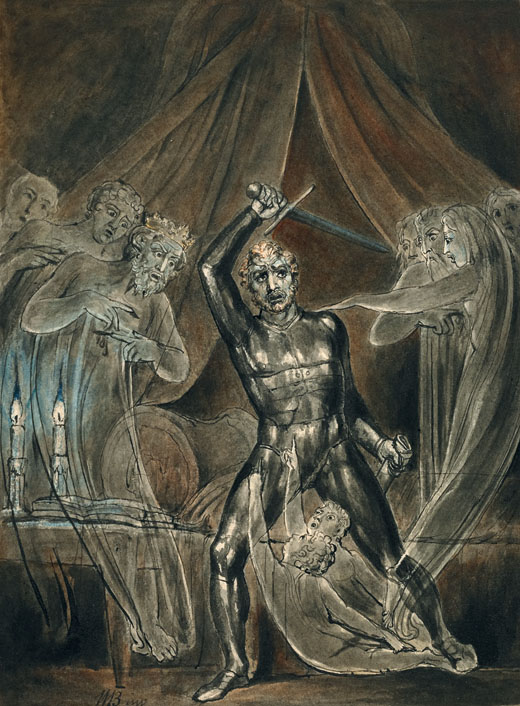 Painting
Secondary source
William Blake · circa 1806
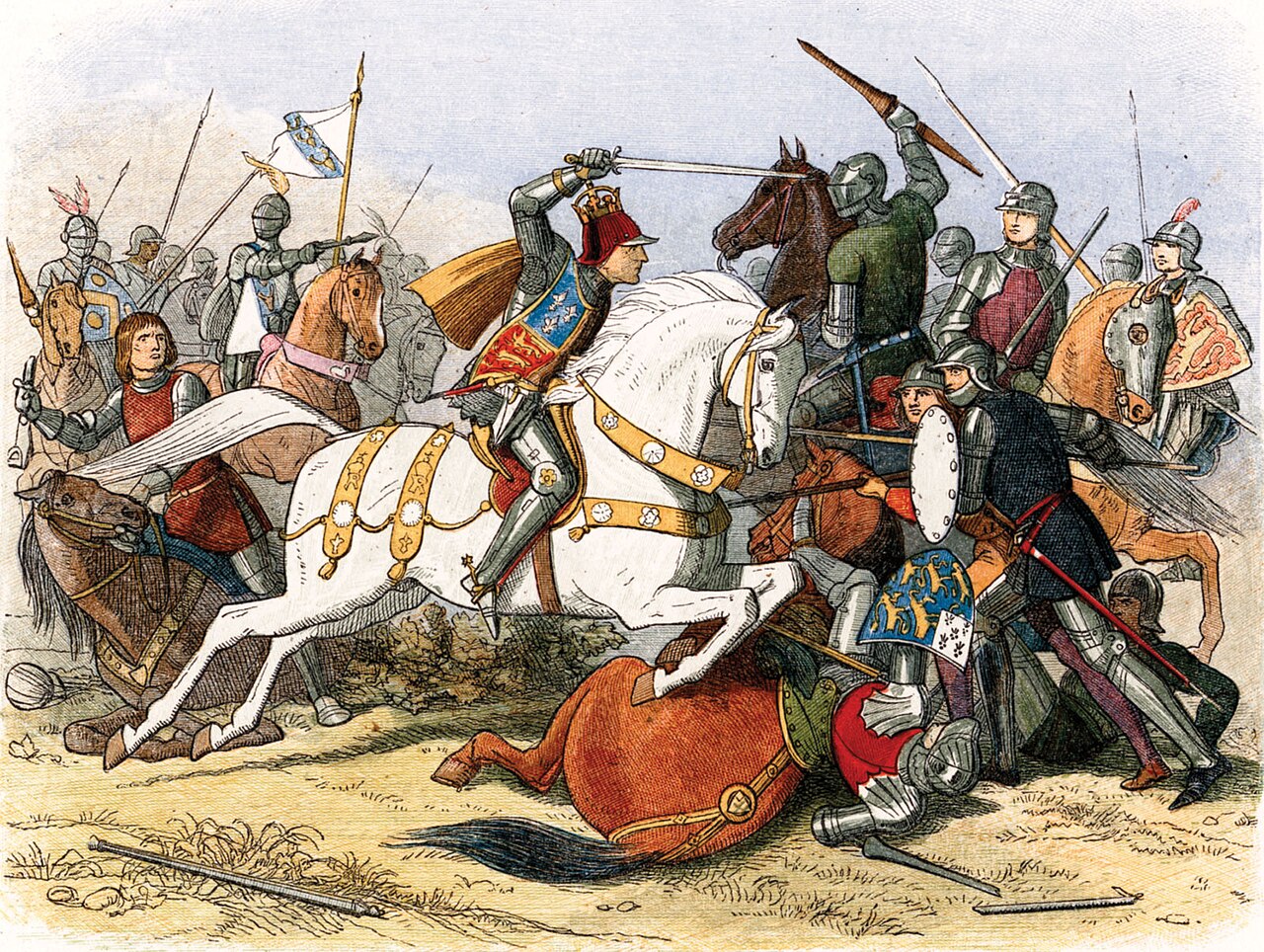 Painting
Secondary source
James William Edmund Doyle · 1864
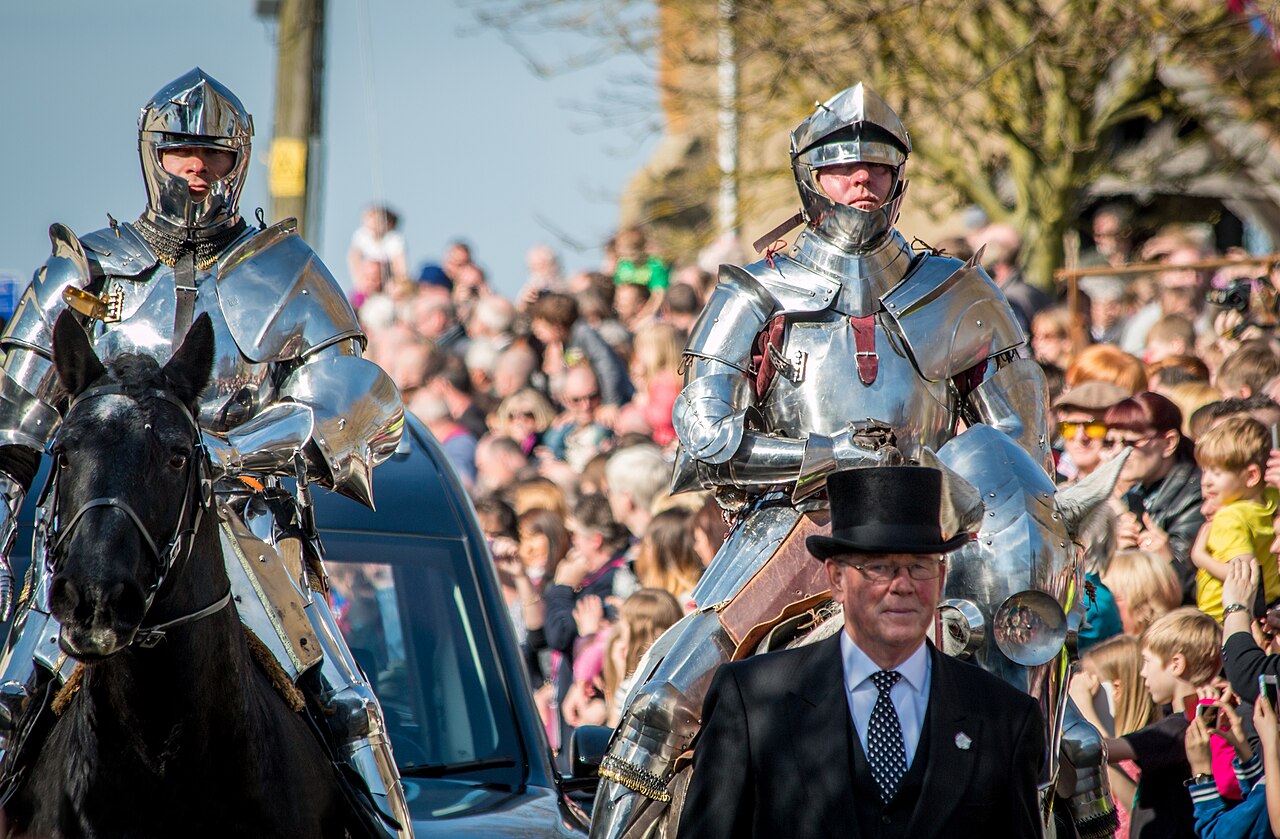 Photograph
Secondary source
Digital-Designs · 22 March 2015
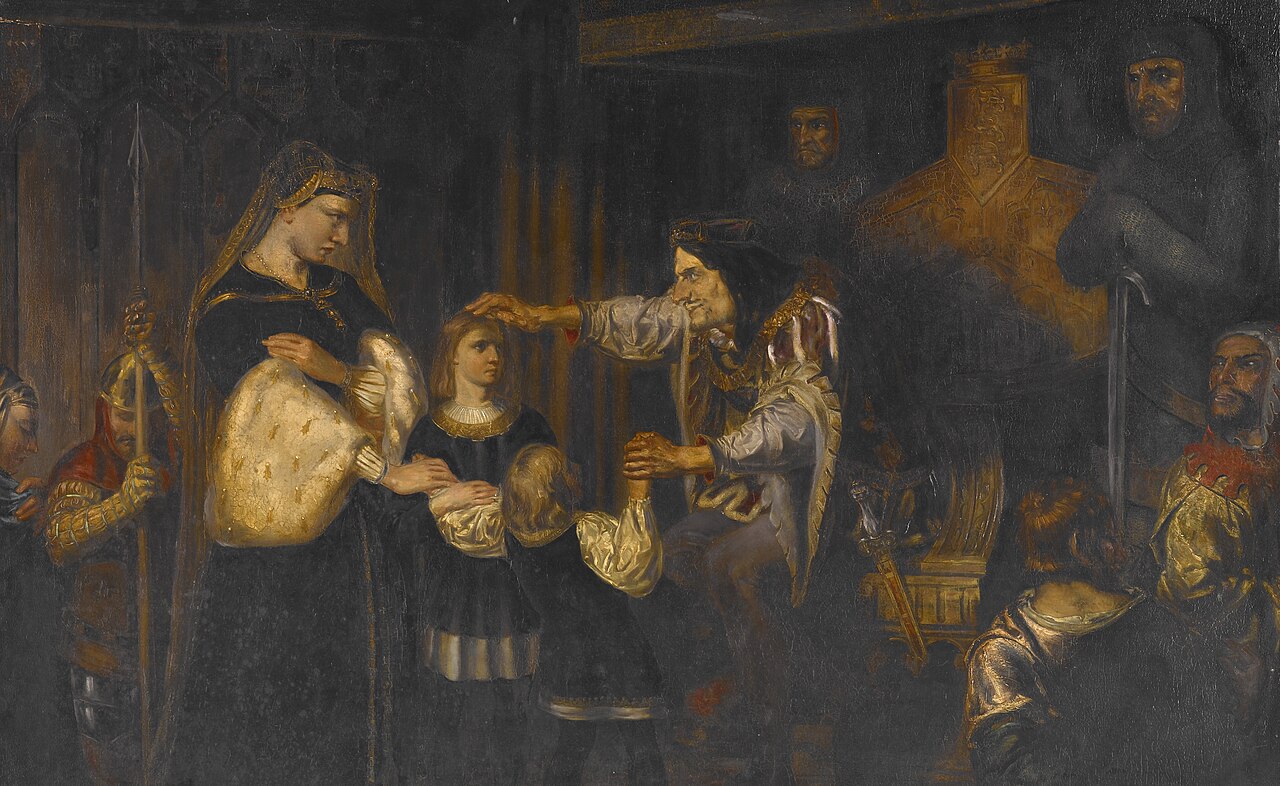 Painting
Secondary source
David Scott · 1826
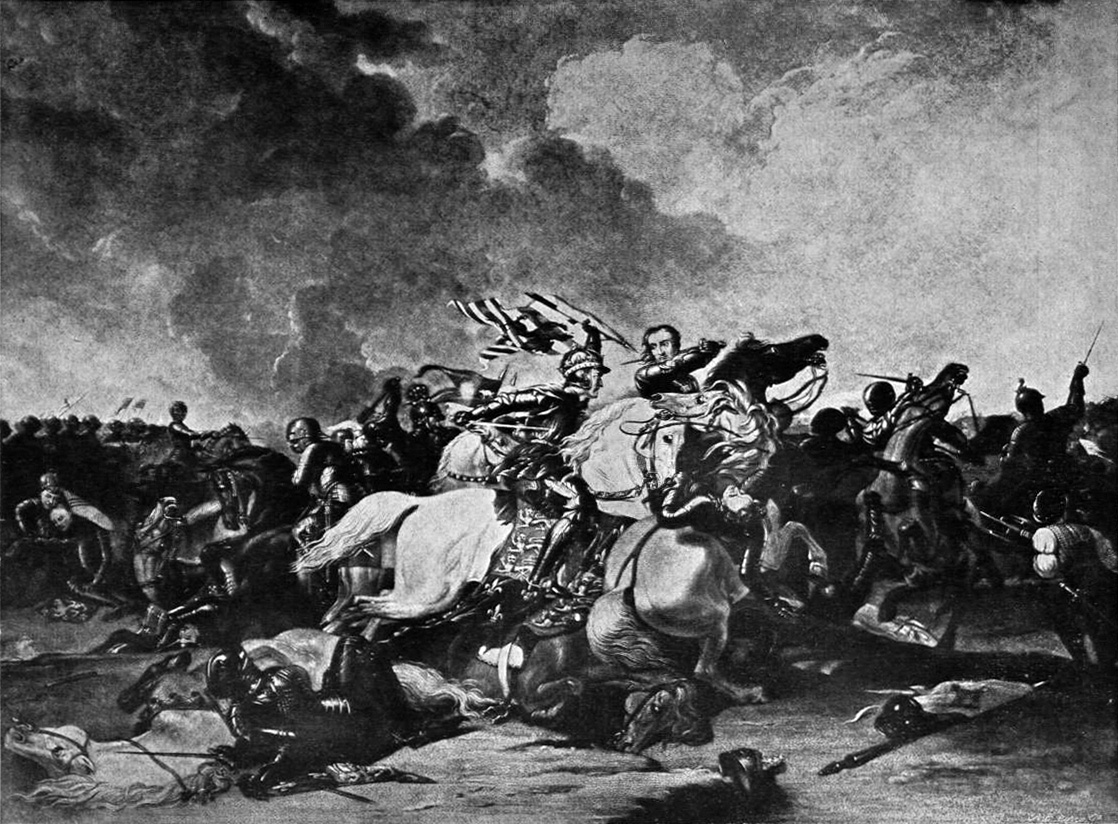 Painting
Secondary source
Abraham Cooper · 1825
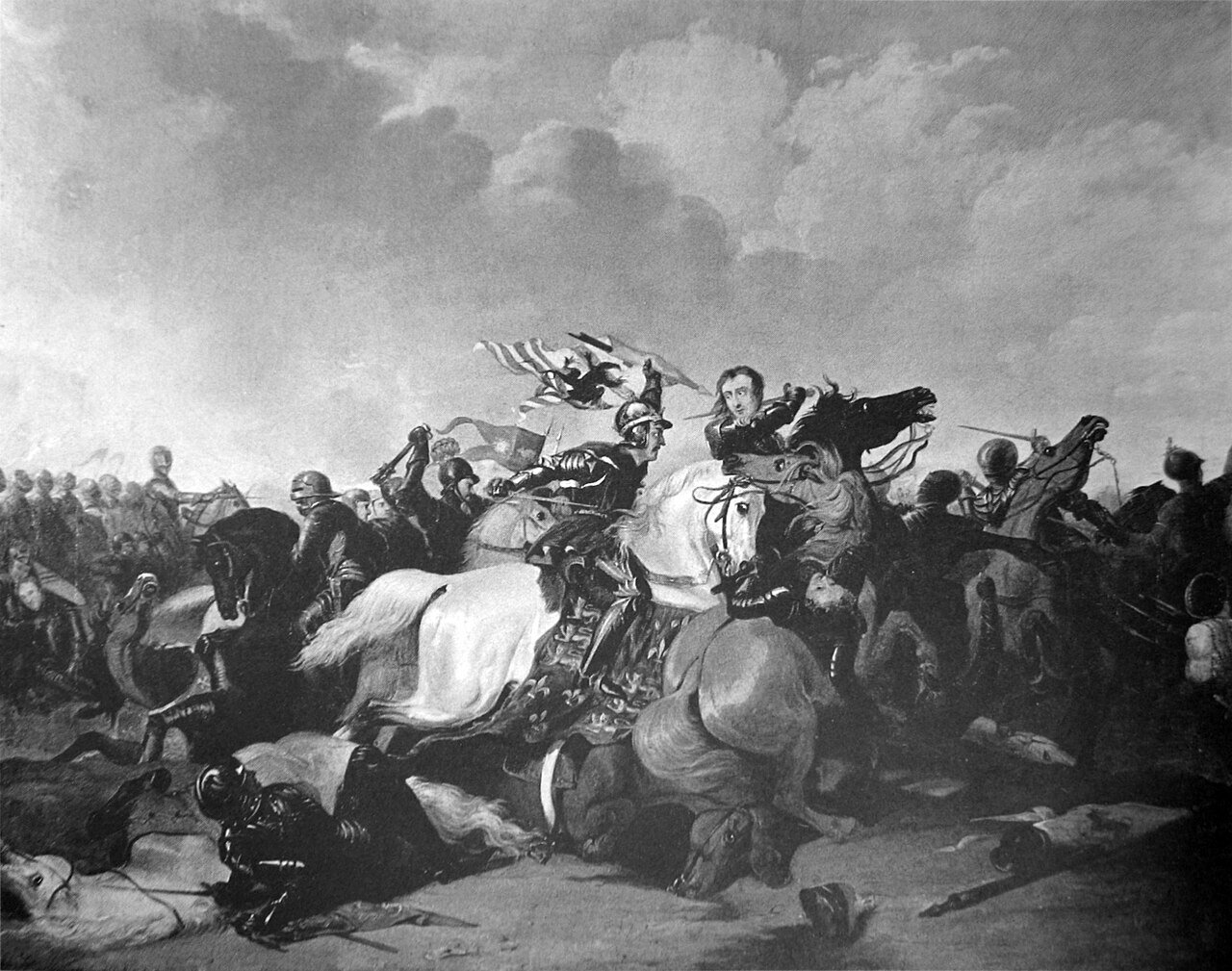 Painting
Secondary source
Abraham Cooper · 1825
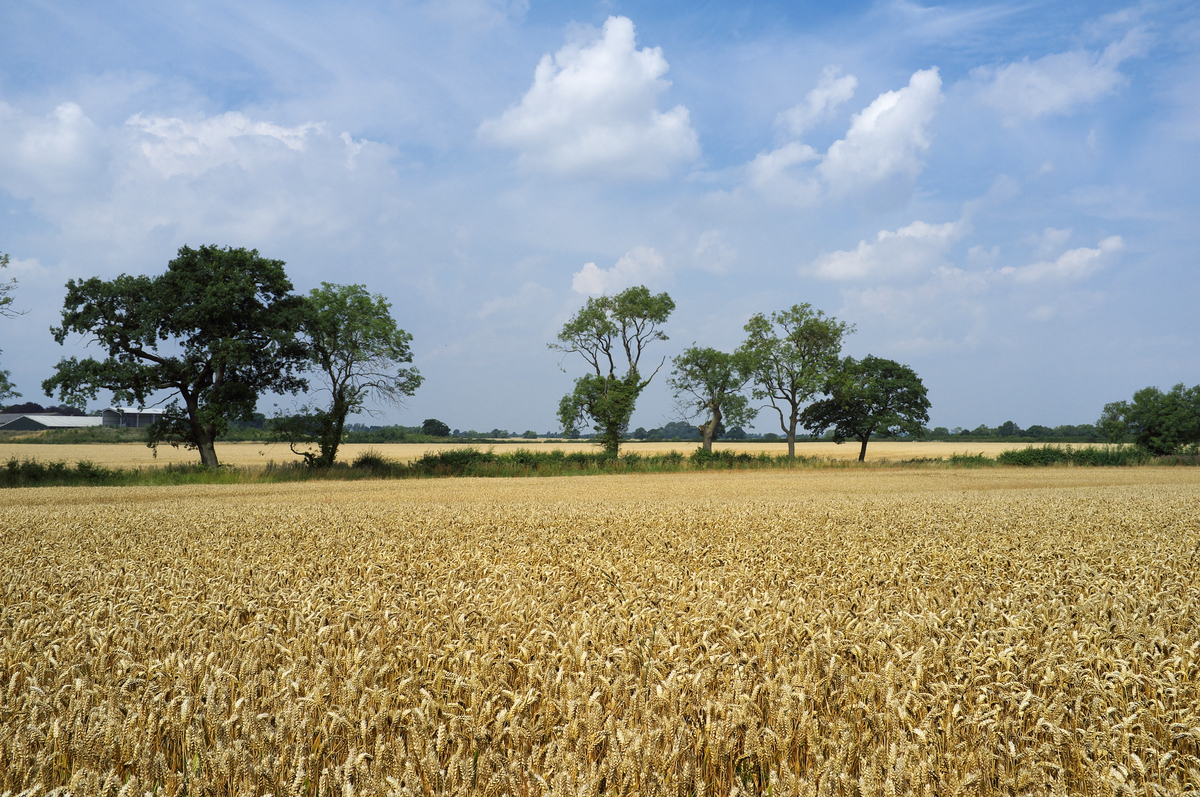 Photograph
Secondary source
Daveleicuk · 8 August 2013
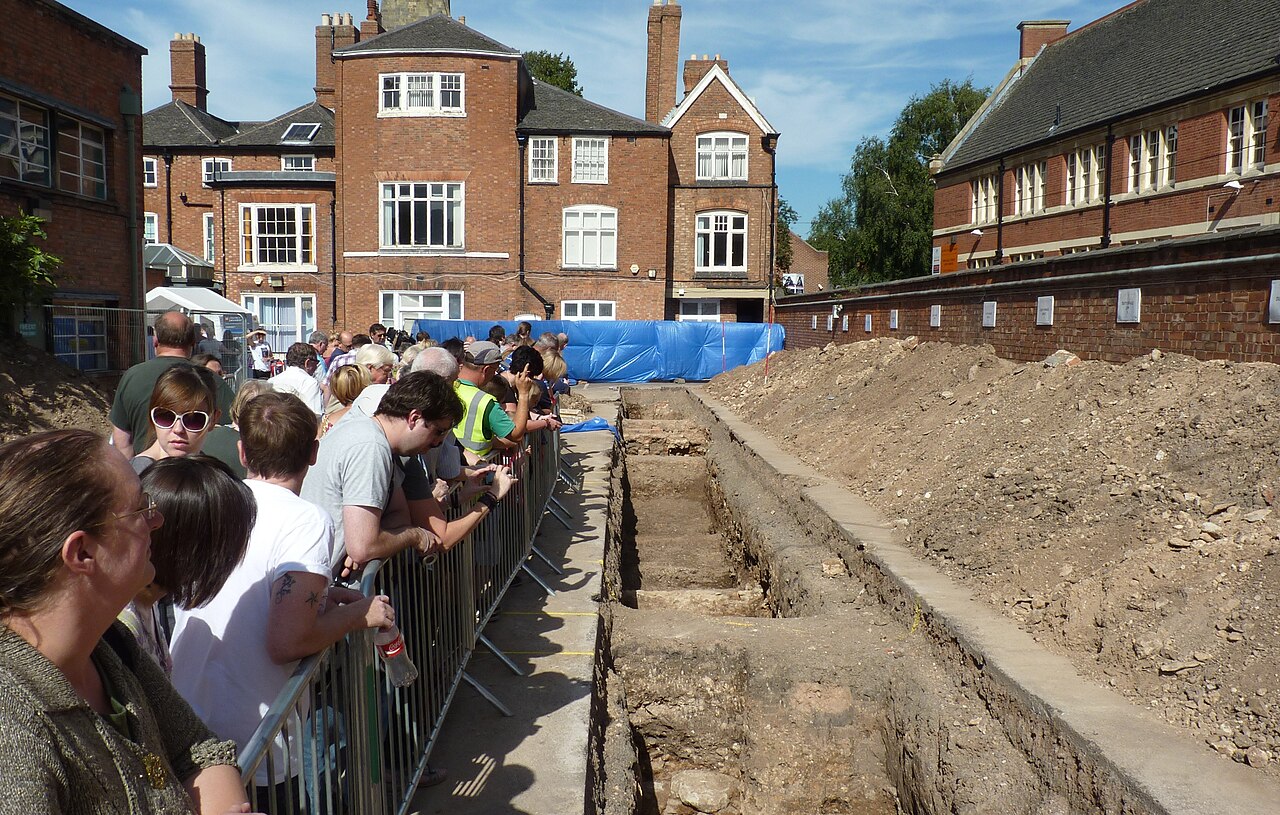 Photograph
Secondary source
RobinLeicester · 8 September 2012
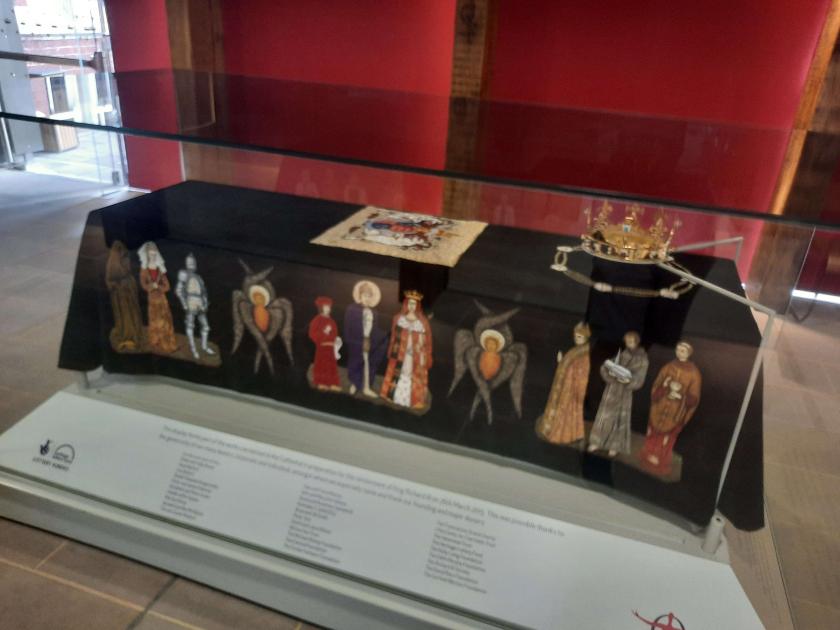 Artifact
Secondary source
2015
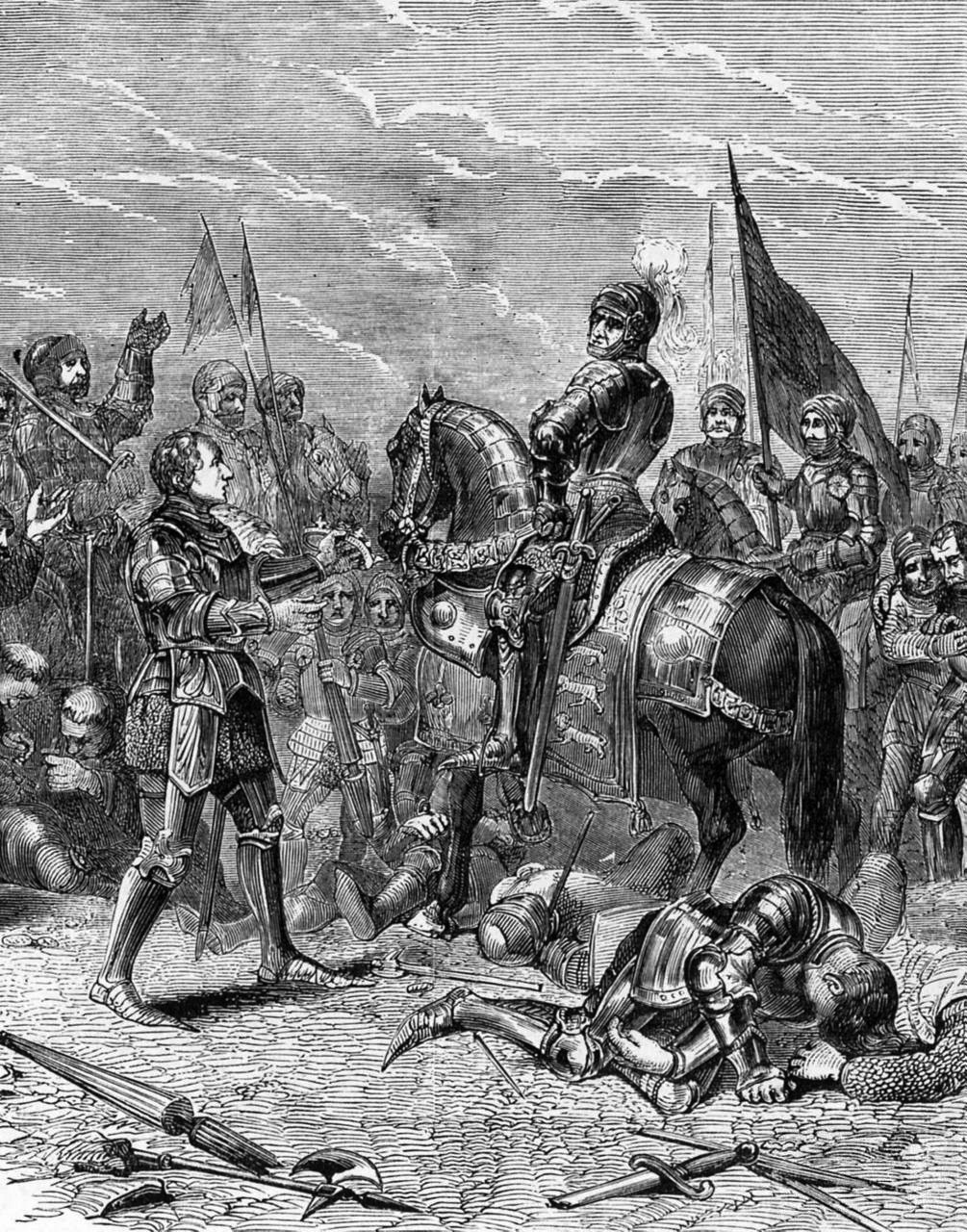 Painting
Secondary source
circa 1858
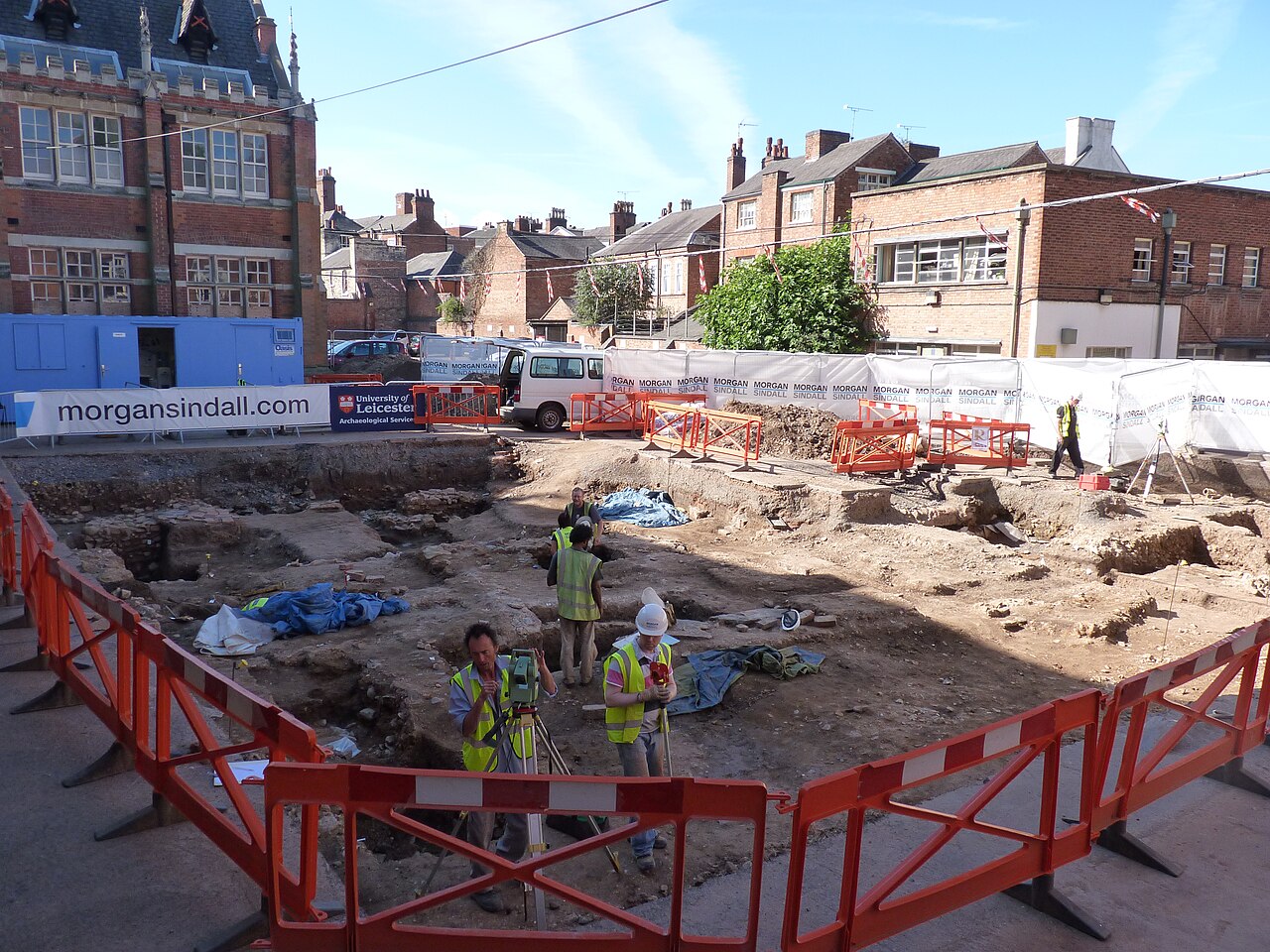 Photograph
Secondary source
RobinLeicester · 26 July 2013
Secondary source
1483
Want the full shelf? Chat with Richard III in the app and open the Sources panel — every quote links back to the original.
2 collections
Ready-made collections from the Humy team that feature Richard III. Preview any of them, then try it free.
Paying customers



























Dr. Michael Calvert
Assistant Superintendent, South Allegheny School District, Pennsylvania
Been using Humy in his district since 2024
“We enjoyed the program last year and used it frequently.”

Jacob Chisom
World and American History, Monticello High School, Arkansas
Been using Humy in his classroom since 2024
“My students say it’s a welcome change of pace. I’m not a fan of the “sage on the stage” model, so I try to incorporate research-oriented and self-paced activities. With Humy, students have to take charge of their learning. They’ve become more adept at critical thinking, forming better questions, and improving their reading comprehension. The interview feature has been my go-to tool. I create assignments where students must ask historical figures a set number of questions, then summarize the responses to ensure they’re truly absorbing the material. This approach lets them actively explore the past rather than passively consuming information.”
Roger Campbell
7th-grade World History, Lancaster County, Pennsylvania
Been using Humy in his classroom since 2024
“Humy has helped me bring historical figures, sometimes long past, to life. When my students interact with these figures in real-time, it eliminates some of the perceived “ancient” characteristics of my curriculum. This has shifted my students’ thinking away from viewing history as abstract or irrelevant. Real-time interactions make historical figures relatable, even allowing students to ask off-topic questions that help put historical lives in a more relevant context for 13-year-olds. The feature I use the most is the interview feature. After teaching a topic, most recently Gandhi and Joan of Arc, I have the students ask pointed, focused questions. We practice good conversation techniques beforehand, teaching them to listen (or read) carefully and formulate thoughtful follow-up questions rather than just interrogating. It helps students practice effective conversation skills.”
Dr. Michael Calvert
Assistant Superintendent, South Allegheny School District, Pennsylvania
Been using Humy in his district since 2024
“We enjoyed the program last year and used it frequently.”
Jacob Chisom
World and American History, Monticello High School, Arkansas
Been using Humy in his classroom since 2024
“My students say it’s a welcome change of pace. I’m not a fan of the “sage on the stage” model, so I try to incorporate research-oriented and self-paced activities. With Humy, students have to take charge of their learning. They’ve become more adept at critical thinking, forming better questions, and improving their reading comprehension. The interview feature has been my go-to tool. I create assignments where students must ask historical figures a set number of questions, then summarize the responses to ensure they’re truly absorbing the material. This approach lets them actively explore the past rather than passively consuming information.”
Roger Campbell
7th-grade World History, Lancaster County, Pennsylvania
Been using Humy in his classroom since 2024
“Humy has helped me bring historical figures, sometimes long past, to life. When my students interact with these figures in real-time, it eliminates some of the perceived “ancient” characteristics of my curriculum. This has shifted my students’ thinking away from viewing history as abstract or irrelevant. Real-time interactions make historical figures relatable, even allowing students to ask off-topic questions that help put historical lives in a more relevant context for 13-year-olds. The feature I use the most is the interview feature. After teaching a topic, most recently Gandhi and Joan of Arc, I have the students ask pointed, focused questions. We practice good conversation techniques beforehand, teaching them to listen (or read) carefully and formulate thoughtful follow-up questions rather than just interrogating. It helps students practice effective conversation skills.”
FAQ
Like any LLM, the AI version of Richard III can get details wrong. Open one of these sources in a new tab to verify what you’ve read.

King of England during the Wars of the Roses.

Prince of Wales who was one of the Princes in the Tower, disappeared under mysterious circumstances.

William III was a King of England, Scotland, and Ireland who is best known for the Glorious Revolution and the establishment of constitutional monarchy in England.

King of the United Kingdom and Hanover from 1830 until 1837.

Norman conqueror who became King of England in 1066 after the Battle of Hastings.

Anglo-Saxon king of England known for his indecisiveness and poor military leadership.
Ready when you are
20 messages free · No credit card · Available in 50+ languages.