


Secondary sourcePainting1745
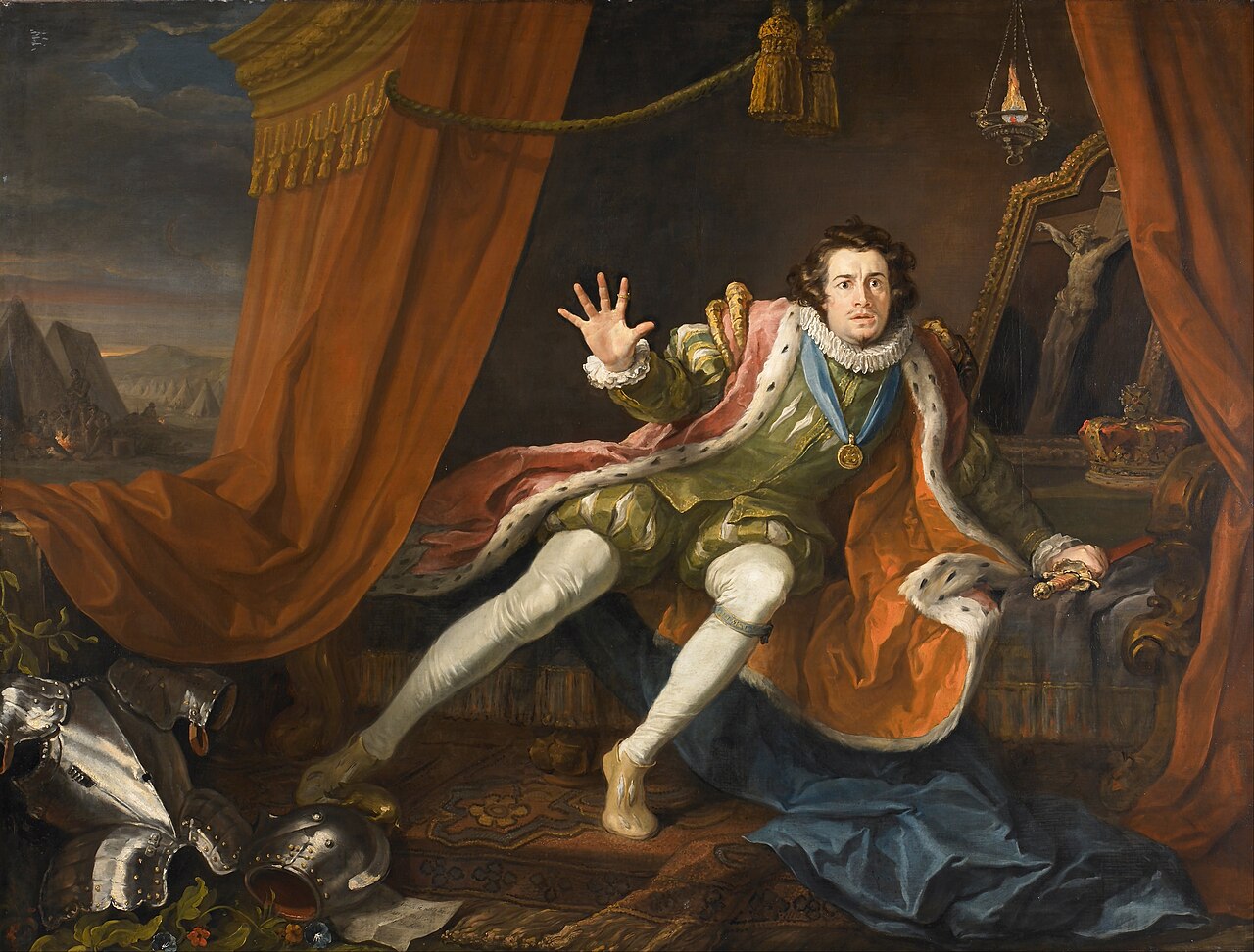
David Garrick as Richard III
William Hogarth · 1745
Hogarth's 1745 painting of actor David Garrick performing Richard III's tent scene before the Battle of Bosworth, showing Richard as Shakespeare's tragic villain.
This painting shows an actor playing Richard III, revealing how Shakespeare's version of the king shaped later memory.
About this source
What it is
This oil painting by William Hogarth, from 1745, shows the actor David Garrick performing the role of Richard III. It depicts the scene on the eve of the Battle of Bosworth in 1485, where the king wakes in his tent from a dream of the ghosts of people he had murdered. It is held in the Walker Art Gallery, Liverpool.
Why it matters
The painting actually records a performance of an adapted version of the play by Colley Cibber, which dominated the stage for nearly two centuries. It shows how Shakespeare's and Cibber's dramatic version of Richard III, rather than the historical king, shaped public memory. Hogarth, known for satire, here helped create a new style of theatrical portraiture.
Look closer
- Is this painting evidence about Richard III, or about how 18th-century audiences imagined him?
- What does Garrick's pose and expression suggest the artist wanted viewers to feel?
- Why might a dramatic adaptation have more influence on popular memory than the historical record?
This painting is part of the curated material that grounds the AI version of Richard III on Humy.ai — when students ask about related events, the AI can quote it and cite it.
More Richard III sources
Meet the AI Richard III → Book
Secondary source
History of King Richard III
Thomas More
 Book
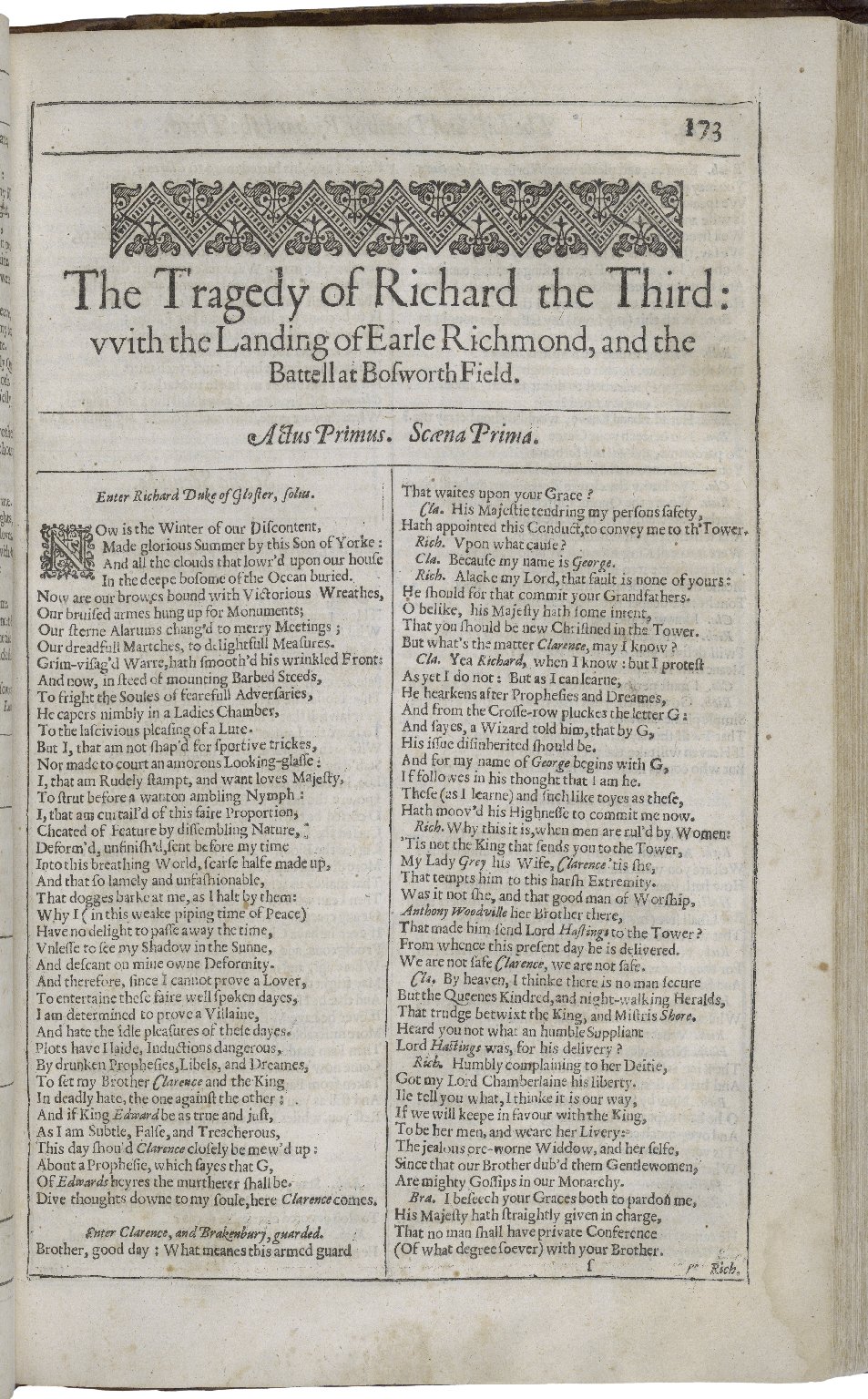
Primary source
Richard III
William Shakespeare · c. 1592-1594; printed 1632
 Document
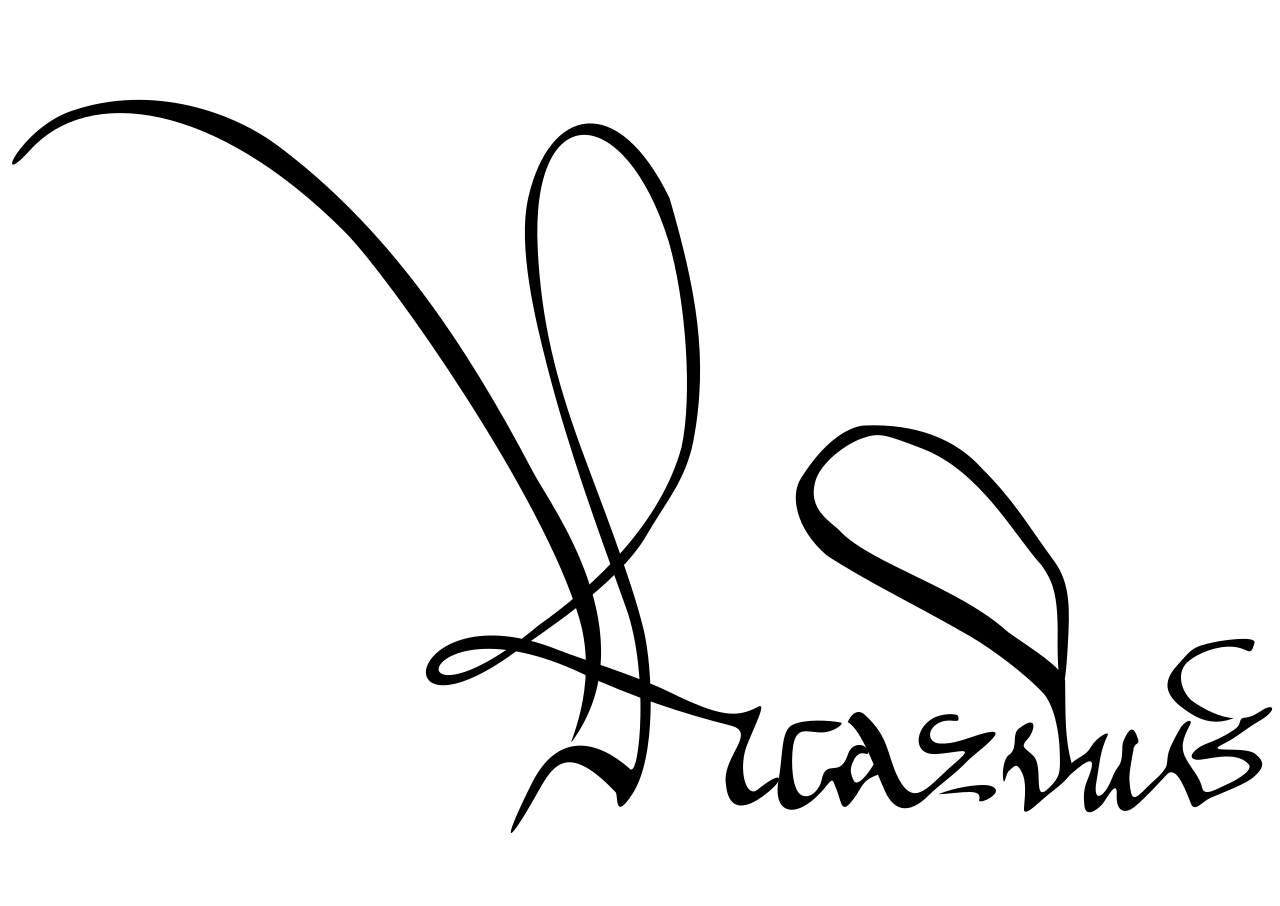
Primary source
Signature of Richard III of England
Richard III of England · 1484
 Painting
Secondary source
Richard III (1452–1485)
British (English) School (possibly) · c. 1510
 Painting
Primary source
Rous Roll
John Rous · c. 1483–1485
Ready when you are
Start chatting with Richard III now.
20 messages free · No credit card · Available in 50+ languages.