


Primary sourceDocument1483–1485
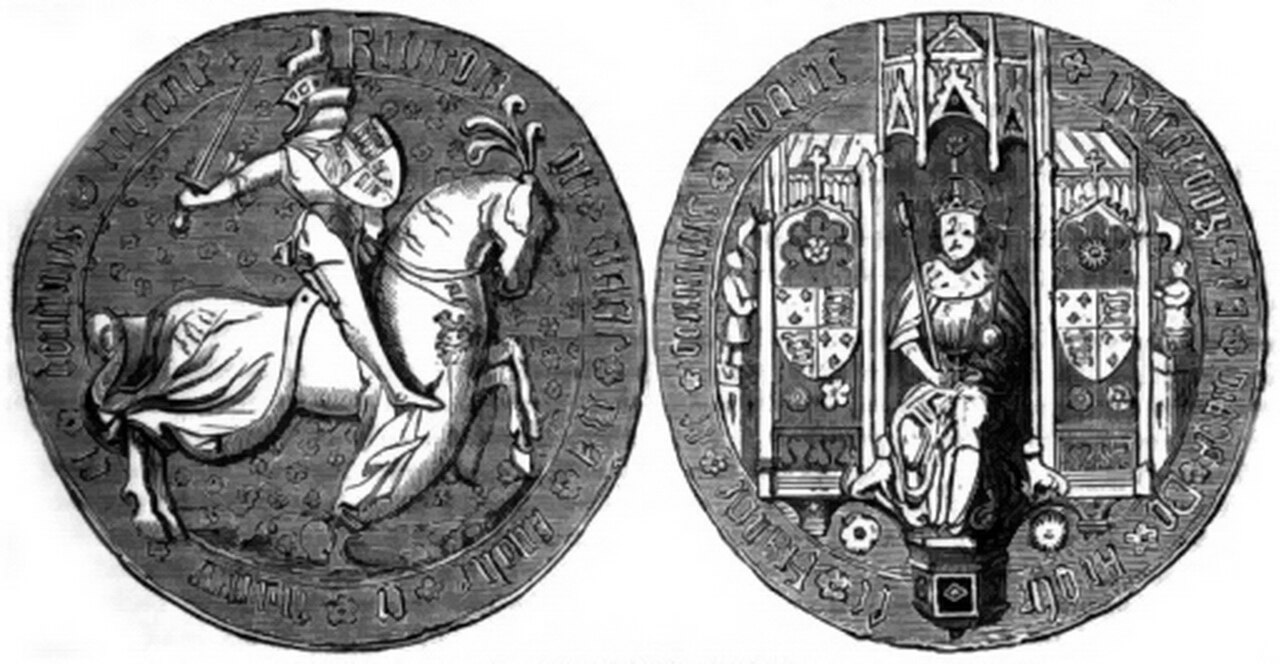
Great Seal of Richard III
1483–1485
The royal seal used to authenticate Richard III's charters and grants, showing him as an enthroned king and armed horseman.
This seal was commissioned by Richard III to authenticate his royal documents and project his legitimacy as king.
About this source
What it is
This is the Great Seal of Richard III, used between 1483 and 1485 to validate his royal charters and grants. Impressions of it survive in The National Archives and the British Library.
One side shows a mounted knight in armour with a raised sword, and the other shows a crowned king enthroned under a Gothic canopy, surrounded by heraldic shields and Latin inscriptions.
Why it matters
Seals like this were the official mark of royal authority on legal documents. The imagery Richard chose — a warrior on horseback and a majestic enthroned king — shows how he worked to present himself as a legitimate and powerful ruler, despite his disputed claim to the crown.
Look closer
- Why would a king need two very different images of himself on the same seal?
- What does the choice of imagery suggest about Richard's need to prove his right to rule?
- What can a seal tell us about power that a letter or chronicle cannot?
This document is part of the curated material that grounds the AI version of Richard III on Humy.ai — when students ask about related events, the AI can quote it and cite it.
More Richard III sources
Meet the AI Richard III → Book
Secondary source
History of King Richard III
Thomas More
 Book
Primary source
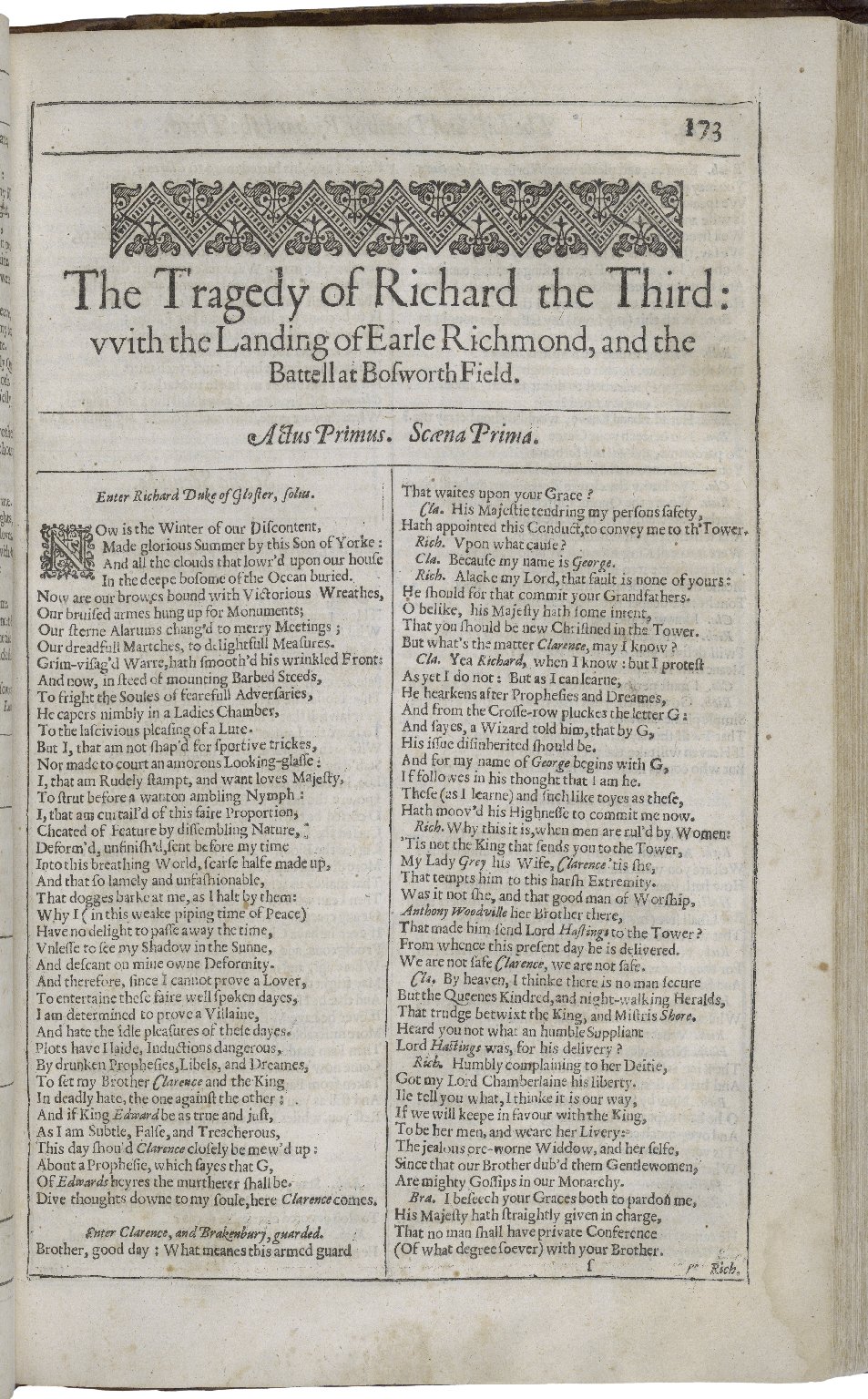
Richard III
William Shakespeare · c. 1592-1594; printed 1632
 Document
Primary source
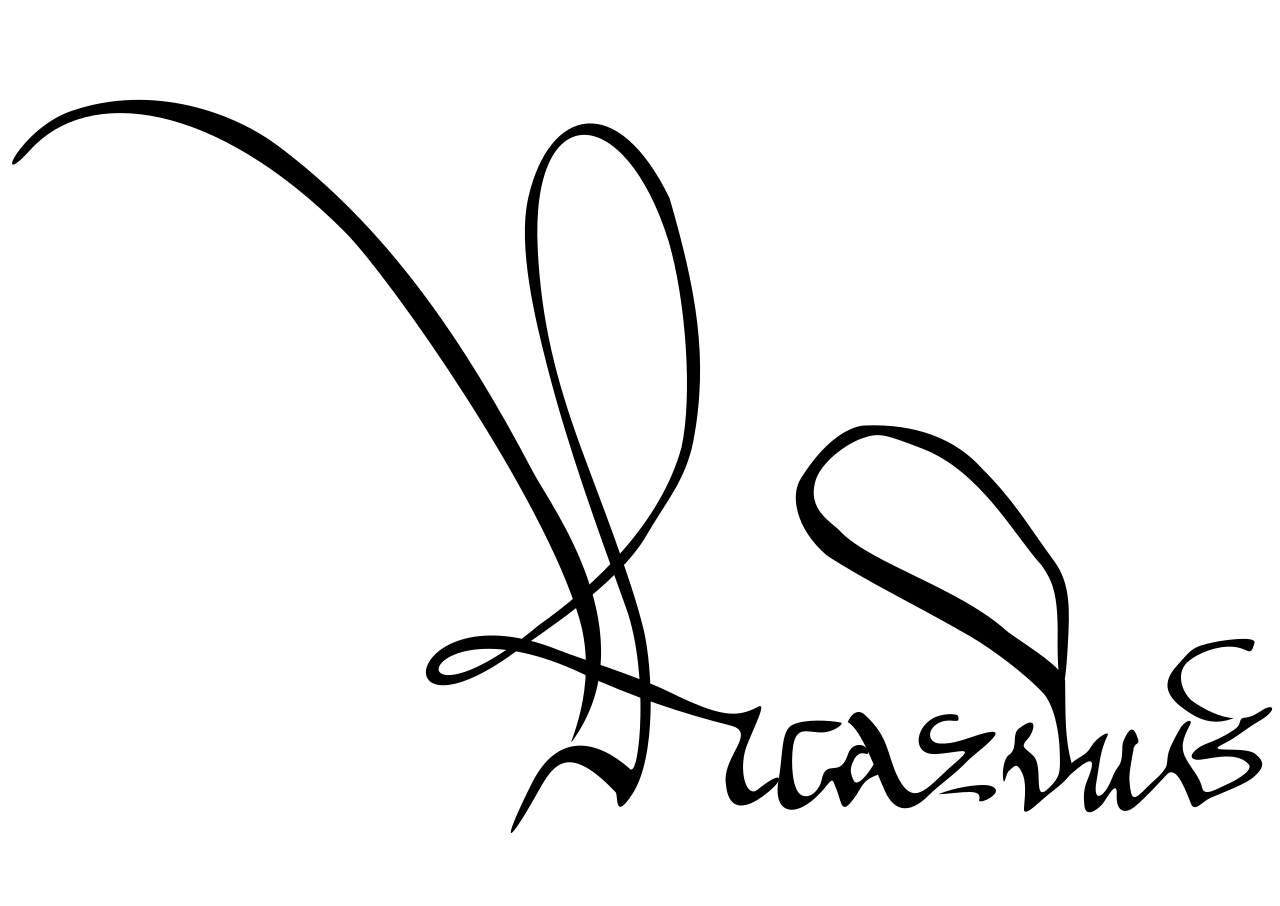
Signature of Richard III of England
Richard III of England · 1484
 Painting
Secondary source
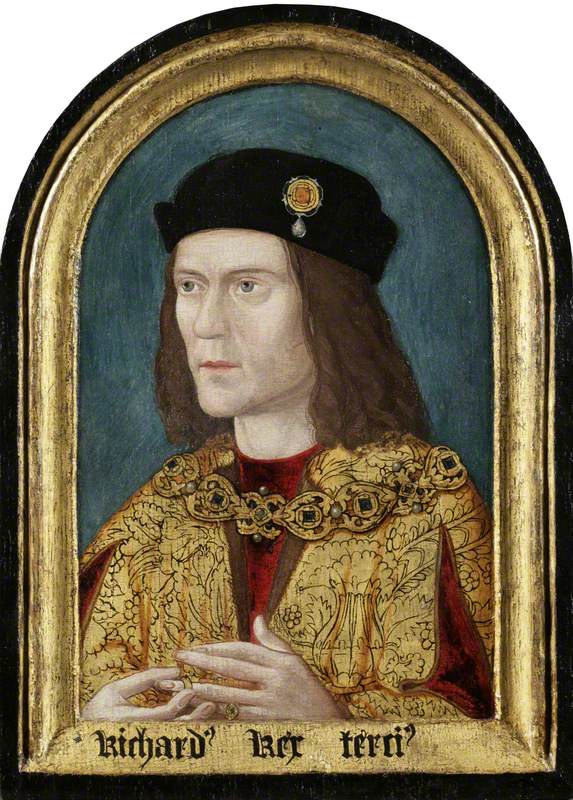
Richard III (1452–1485)
British (English) School (possibly) · c. 1510
 Painting
Primary source
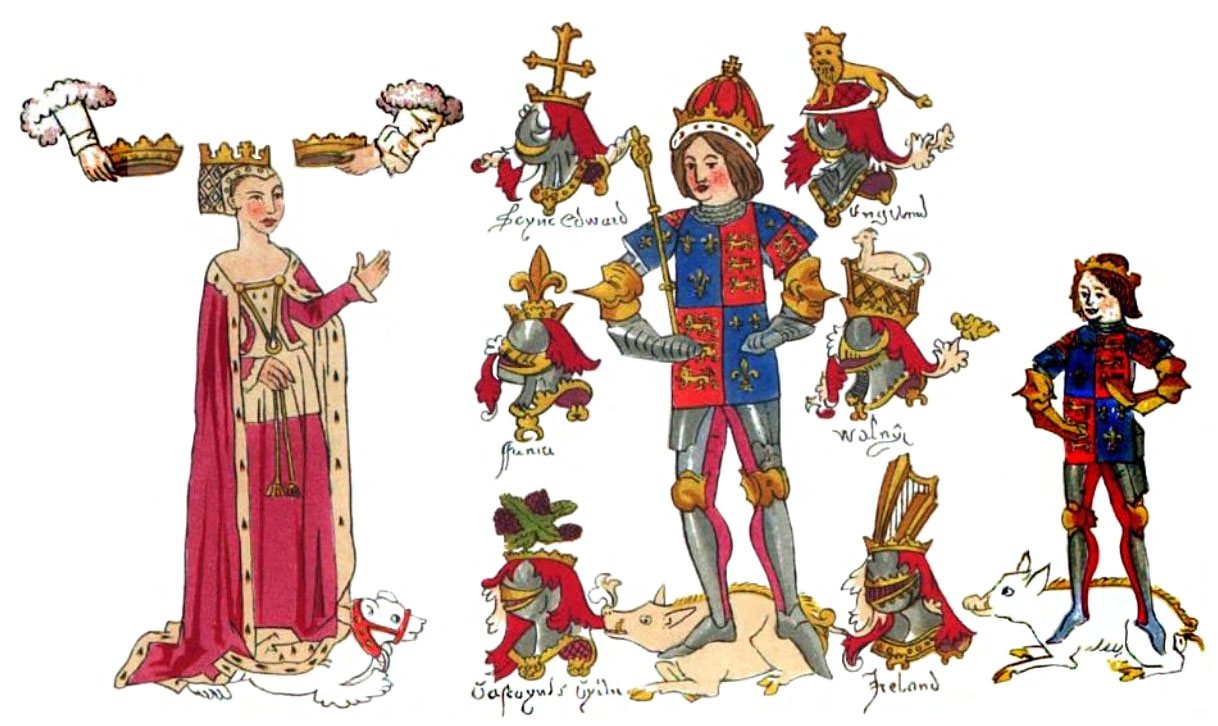
Rous Roll
John Rous · c. 1483–1485
Ready when you are
Start chatting with Richard III now.
20 messages free · No credit card · Available in 50+ languages.