


Secondary sourcePainting1 December 1860
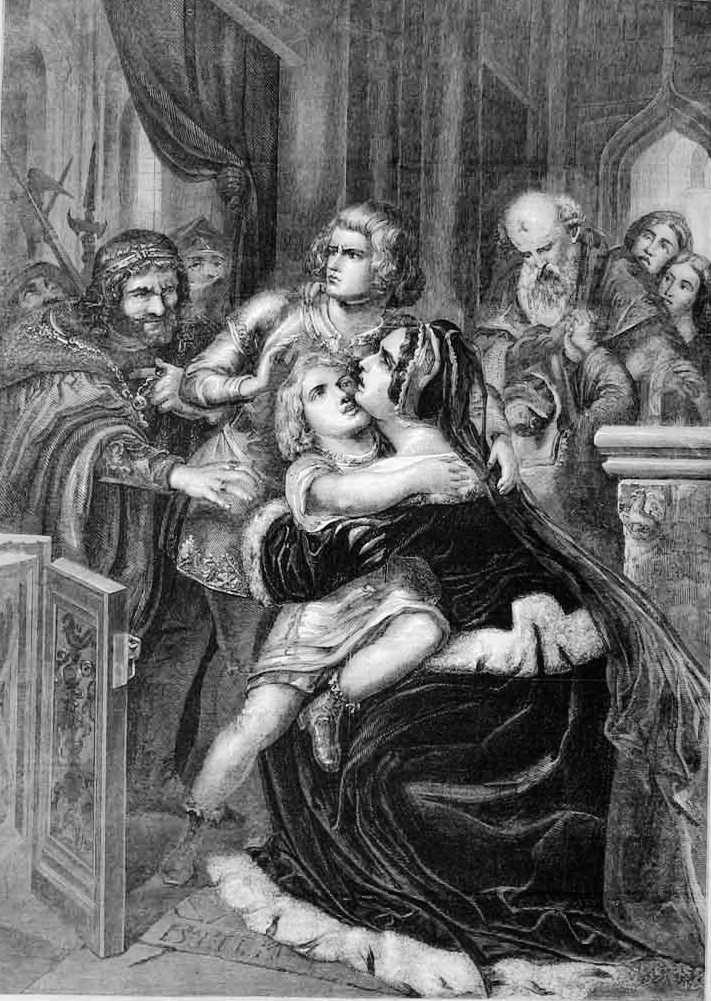
Richard III and the Children of Edward IV
Hermann Stilke · 1 December 1860
An 1860 engraving after a painting by Hermann Stilke, showing a later imagined scene of Richard with the young princes. It was published in The Illustrated London News.
Shows a later imagined scene of Richard III with the young princes, illustrating how his story was retold and dramatized in the 19th century.
About this source
What it is
This is a black and white engraving of a historical scene. A bearded man in a crown-like headdress grips the arm of a young boy, while a woman in a fur-trimmed velvet gown embraces a young child on her lap. A standing youth looks on, and onlookers stand in a stone hall with a curtain and an open wooden door. The print was made after a painting by the German artist Hermann Stilke, a painter of the historical school. It was published as an illustration for The Illustrated London News on 1 December 1860. The scene shows Richard III taking prince Richard from sanctuary.
Why it matters
The engraving is a 19th-century picture of events from the 1480s, so it reveals how Victorian readers imagined the king and the young princes. The scene does not come from a record made at the time. Instead, a painter and an illustrator created a dramatic moment, which helped shape popular ideas about Richard as a villain in the story of the two princes.
Look closer
- How does the artist use posture, gesture and dress to show who is in danger and who is in control?
- Why might a magazine in 1860 have chosen this dramatic moment to illustrate?
- What does the scene leave out about what happened to the princes?
This painting is part of the curated material that grounds the AI version of Richard III on Humy.ai — when students ask about related events, the AI can quote it and cite it.
More Richard III sources
Meet the AI Richard III → Book
Secondary source
History of King Richard III
Thomas More
 Book
Primary source
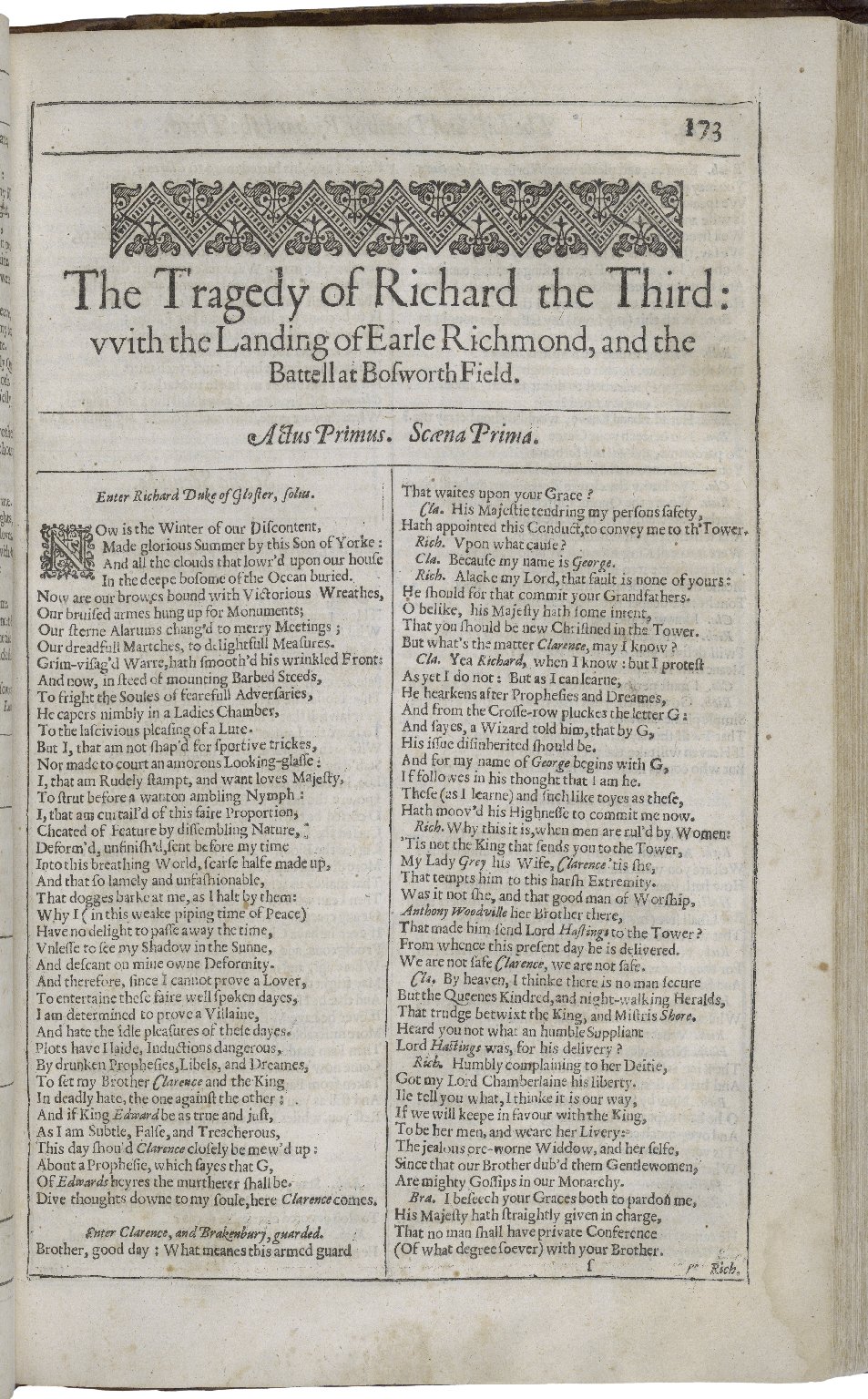
Richard III
William Shakespeare · c. 1592-1594; printed 1632
 Document
Primary source
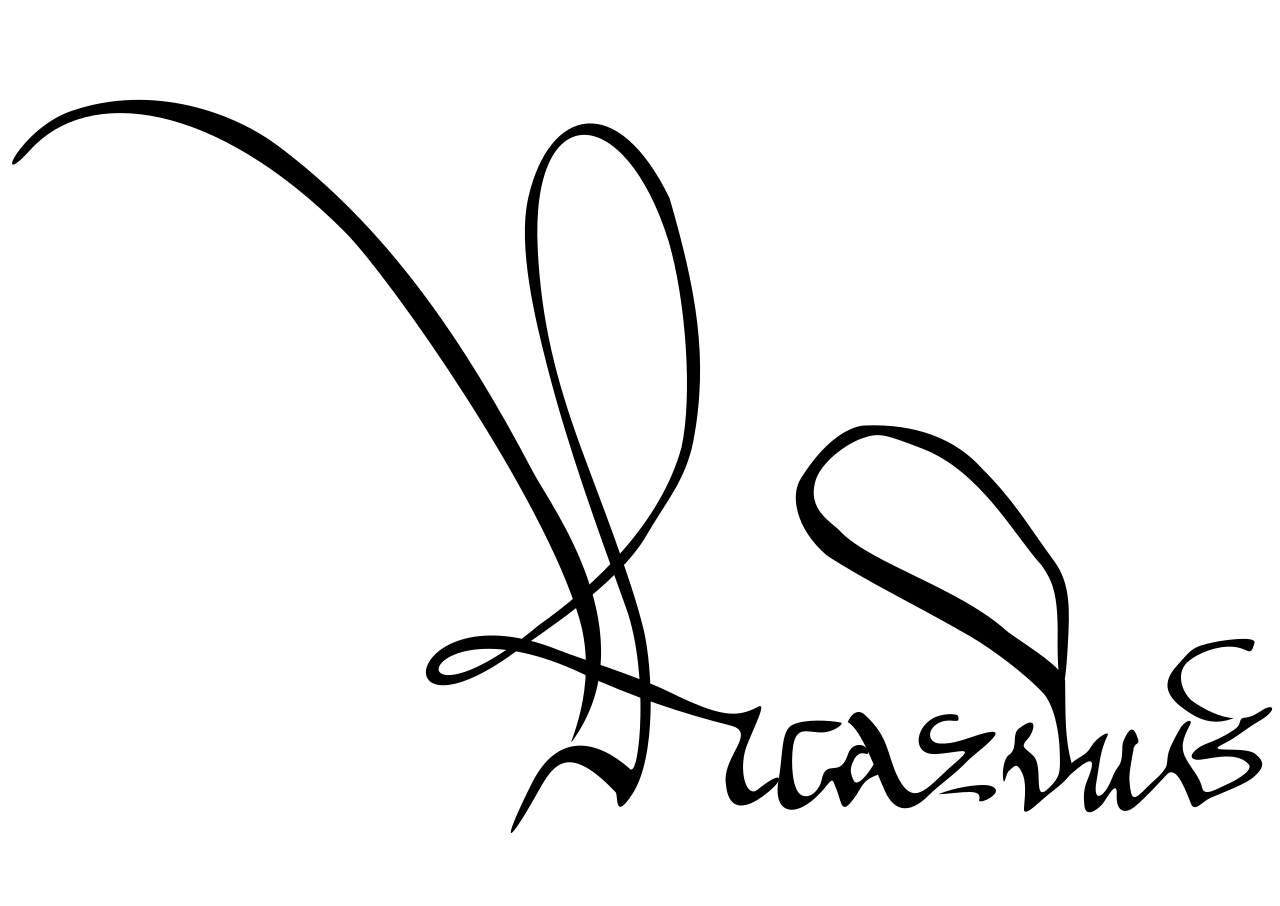
Signature of Richard III of England
Richard III of England · 1484
 Painting
Secondary source
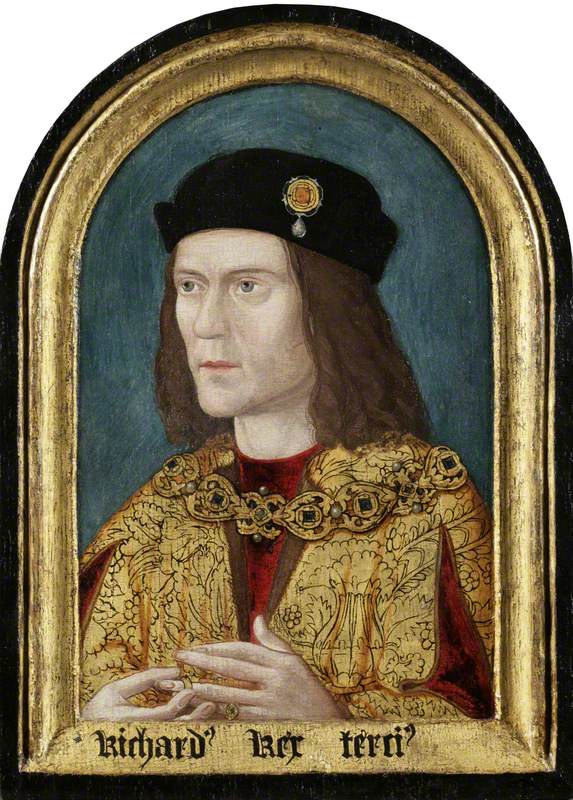
Richard III (1452–1485)
British (English) School (possibly) · c. 1510
 Painting
Primary source
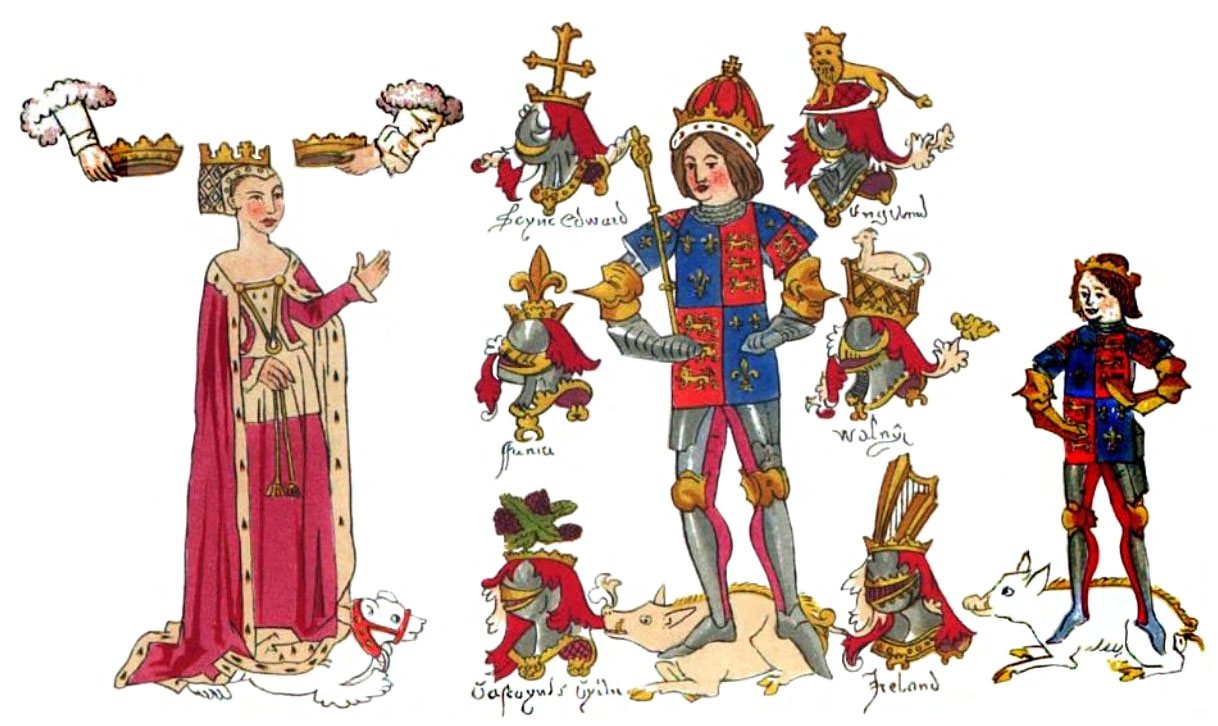
Rous Roll
John Rous · c. 1483–1485
Ready when you are
Start chatting with Richard III now.
20 messages free · No credit card · Available in 50+ languages.