


Primary sourceBook1466-67
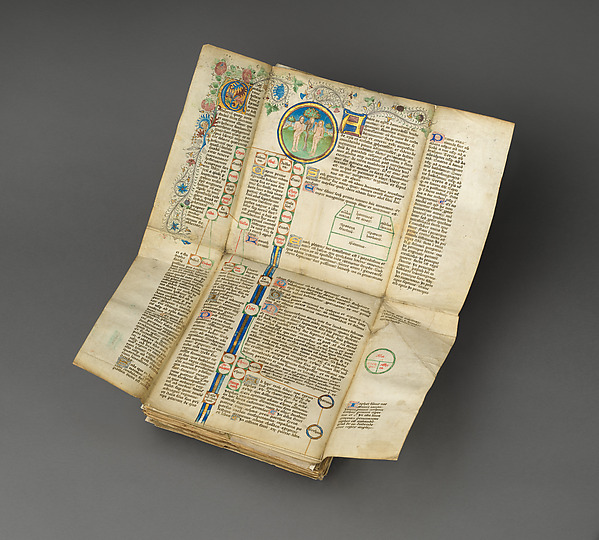
Genealogical Chronicle of the Kings of England
1466-67
An illuminated English manuscript made in 1466-67, during Richard III's lifetime, showing the royal line he belonged to.
It shows the Yorkist royal line Richard III belonged to, as recorded during his lifetime, which is why it belongs in his archive.
About this source
What it is
This is a manuscript of the Genealogical Chronicle of the Kings of England, dated 1466-67. It is made of ink, gold and opaque watercolour on parchment. The Metropolitan Museum of Art holds it, in The Cloisters Collection, where it was acquired in 2018. The photograph in this archive shows an open manuscript with black gothic script, coloured initials, a roundel with a painted figure group, a diagram, and red and blue decorated borders.
Why it matters
The chronicle was made while Richard was still a young man, and it presents the kings of England as a family line. Richard belonged to the Yorkist branch of that line, so the book shows the royal family tree that he claimed a place in. Manuscripts like this were often made for wealthy readers who valued history and lineage.
Look closer
- What do the roundel and diagram show about how the writer wanted kings to be understood?
- Why would coloured initials and gold be used in a book of history?
- Whose names and stories are most prominent, and whose might be missing?
This book is part of the curated material that grounds the AI version of Richard III on Humy.ai — when students ask about related events, the AI can quote it and cite it.
More Richard III sources
Meet the AI Richard III → Book
Secondary source
History of King Richard III
Thomas More
 Book
Primary source
Richard III
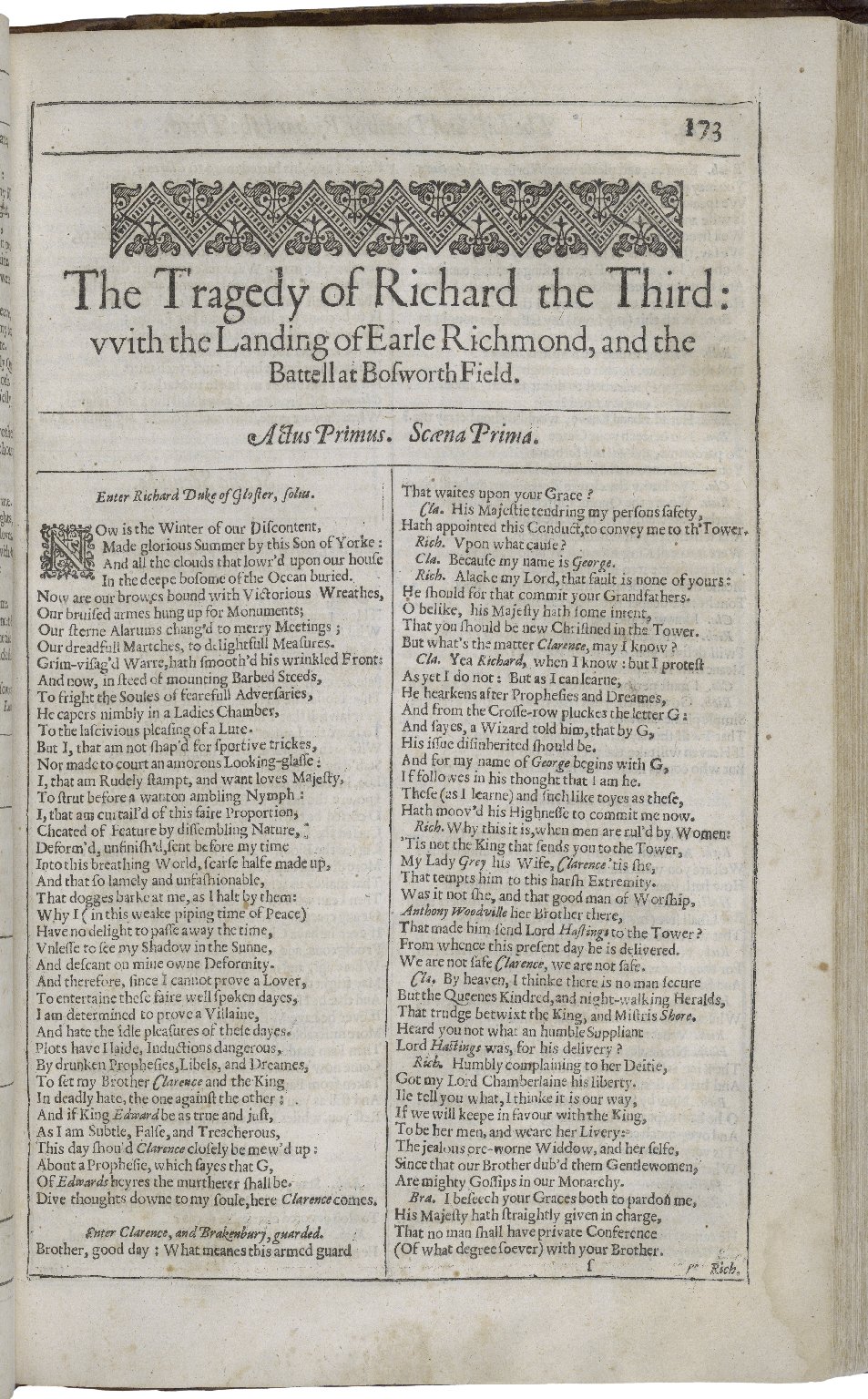
William Shakespeare · c. 1592-1594; printed 1632
 Document
Primary source
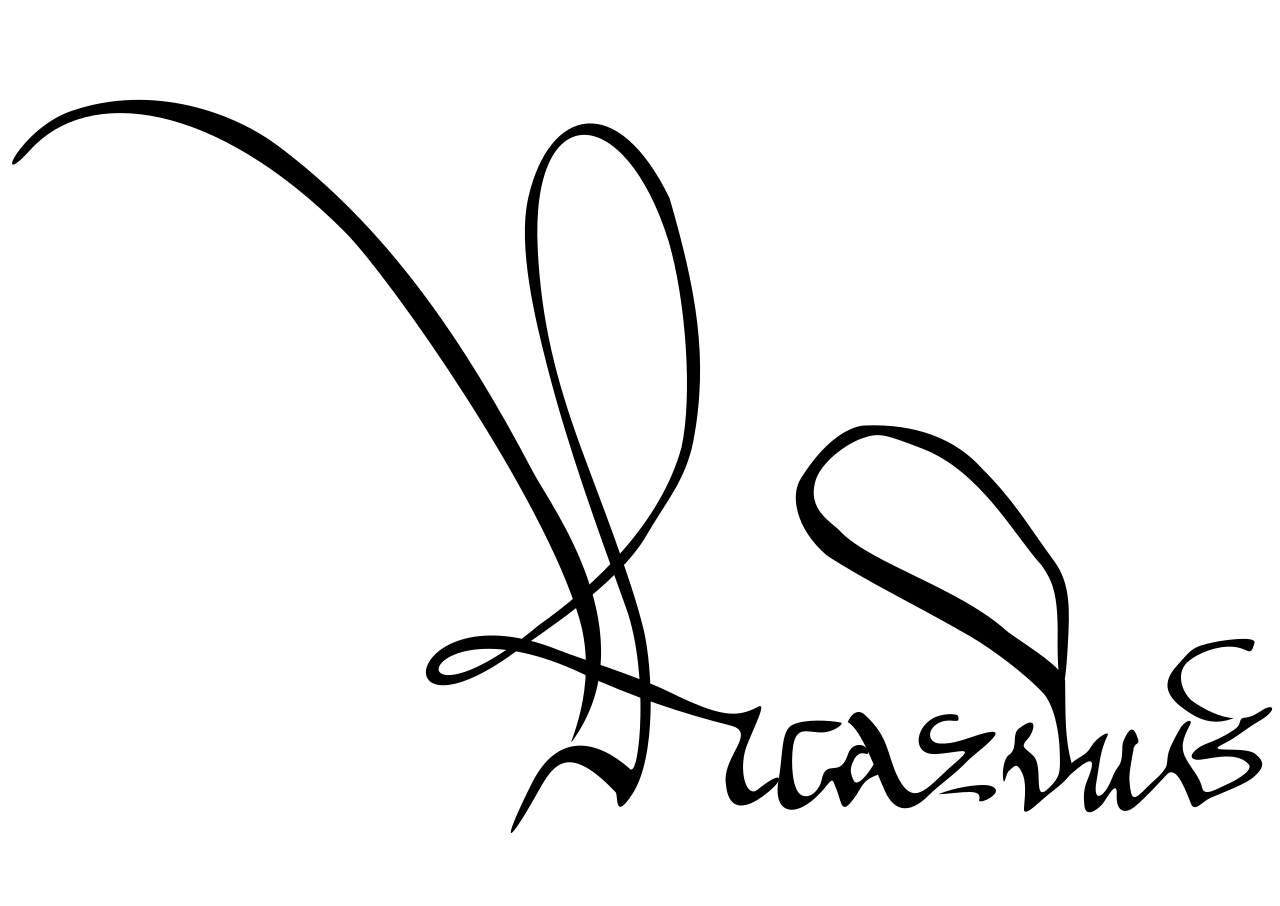
Signature of Richard III of England
Richard III of England · 1484
 Painting
Secondary source
Richard III (1452–1485)
British (English) School (possibly) · c. 1510
 Painting
Primary source
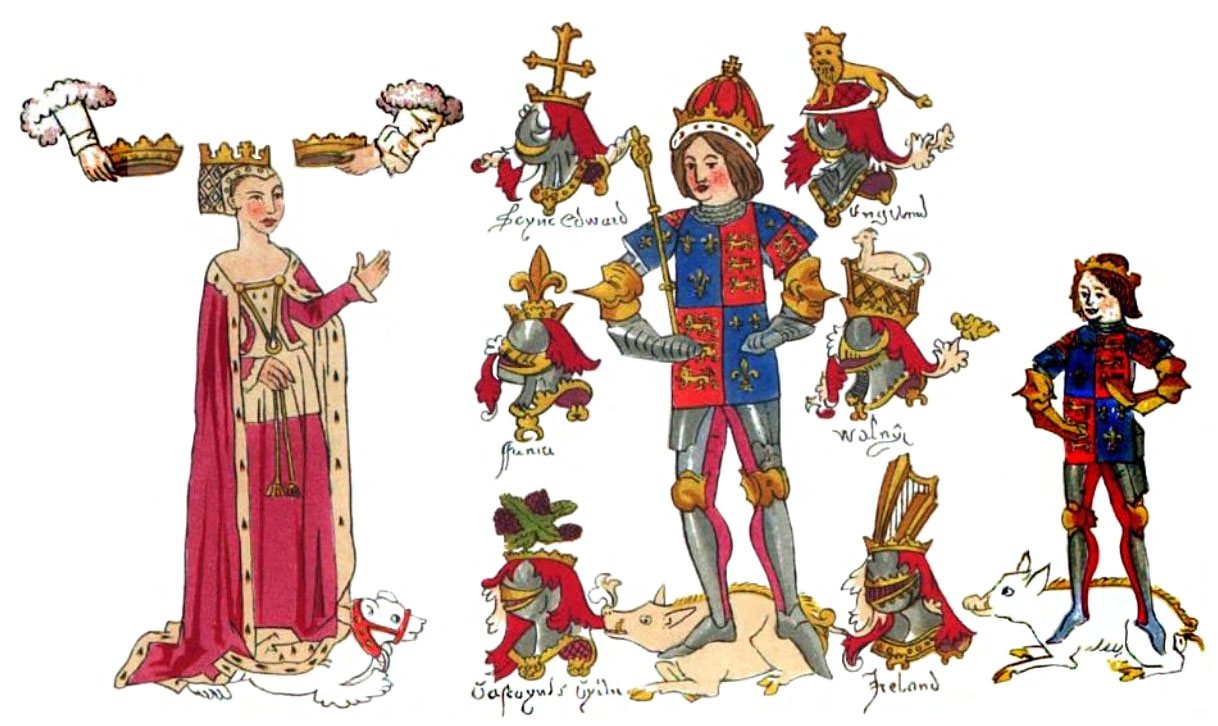
Rous Roll
John Rous · c. 1483–1485
Ready when you are
Start chatting with Richard III now.
20 messages free · No credit card · Available in 50+ languages.