


Primary sourceArtifact1485; rediscovered 2012
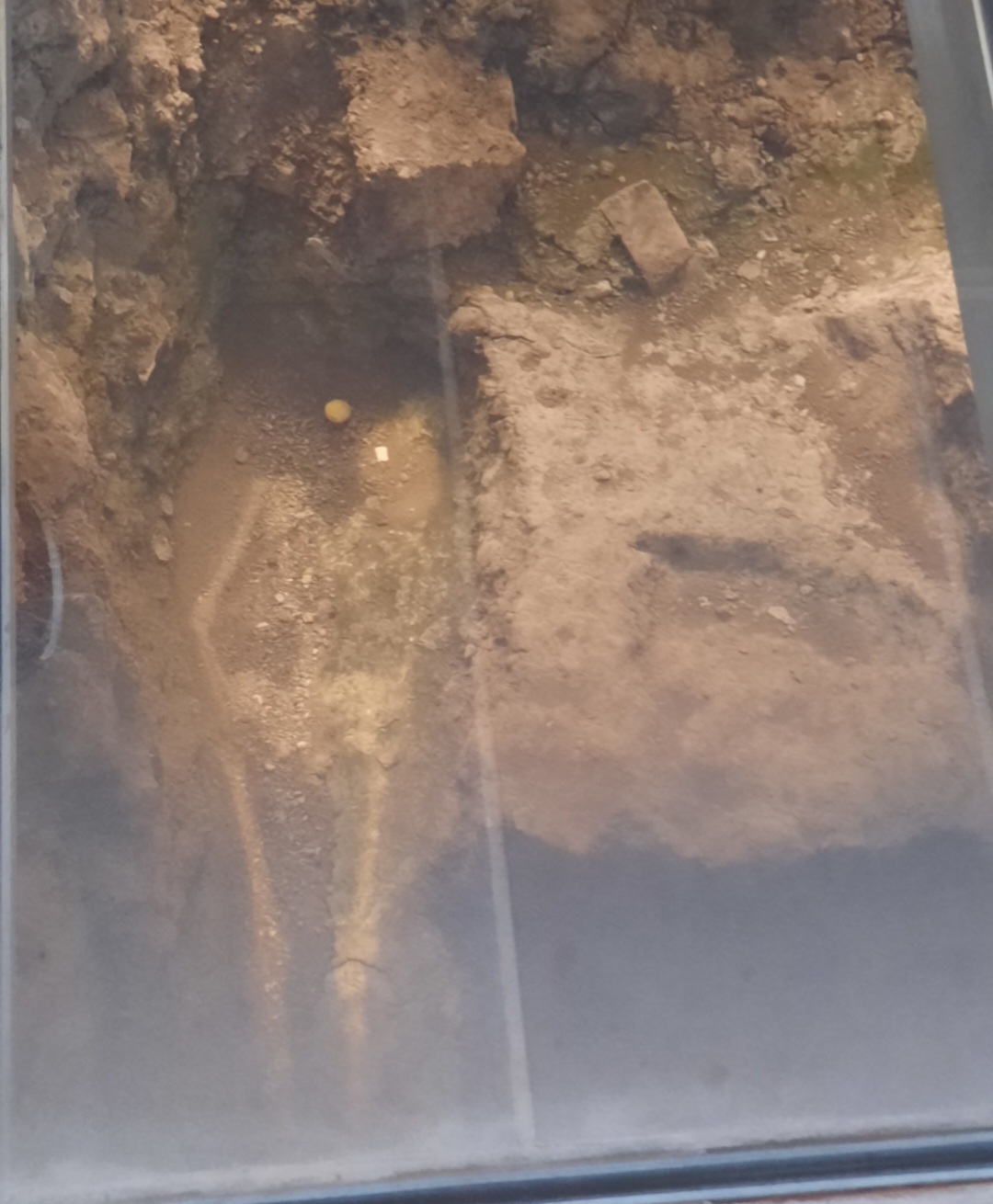
Original grave of Richard III
1485; rediscovered 2012
The excavated grave beneath Greyfriars, Leicester, where Richard III's skeleton was found in 2012, confirming his hurried, unceremonious burial.
The actual grave in which Richard III's body was buried after his death and defeat in battle.
About this source
What it is
This photograph shows the original grave of Richard III, dug just 6-8 inches beneath the choir of Greyfriars church in Leicester shortly after his death in 1485. The grave was rediscovered in 2012, and the image shows an illuminated outline marking where his skeleton lay.
Why it matters
The curator's note explains that the shallow, hastily dug grave confirms historical accounts that Richard was buried without ceremony after his death. This physical evidence connects directly to written records about how the defeated king was treated by the victors, giving modern historians a rare case where archaeology and documents can be compared.
Look closer
- What does the shallowness and roughness of the grave suggest about how Richard's body was treated?
- Why might archaeologists use markers and barriers when excavating a grave like this?
- How does physical evidence like this change or support what written sources say?
This artifact is part of the curated material that grounds the AI version of Richard III on Humy.ai — when students ask about related events, the AI can quote it and cite it.
More Richard III sources
Meet the AI Richard III → Book
Secondary source
History of King Richard III
Thomas More
 Book
Primary source
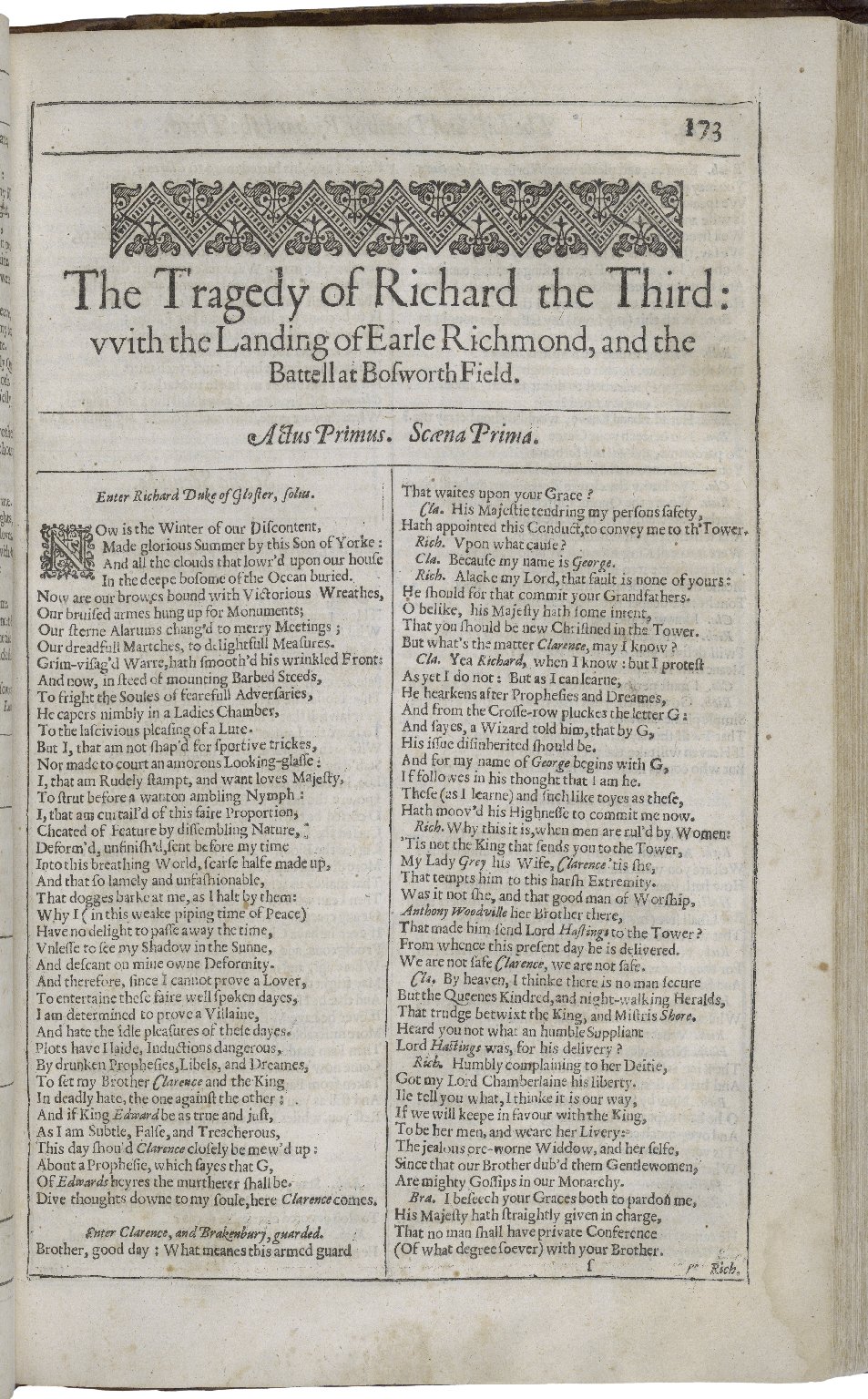
Richard III
William Shakespeare · c. 1592-1594; printed 1632
 Document
Primary source
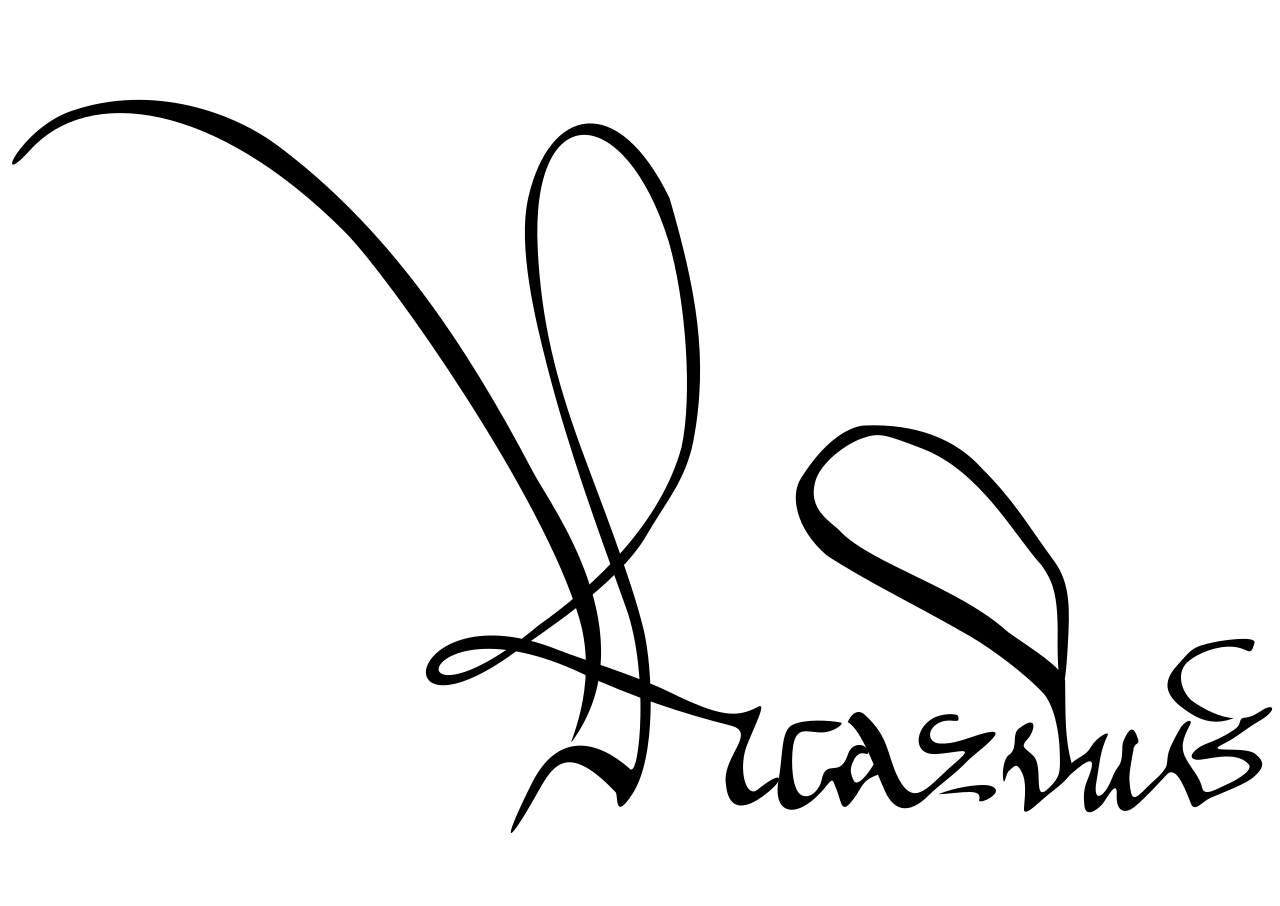
Signature of Richard III of England
Richard III of England · 1484
 Painting
Secondary source
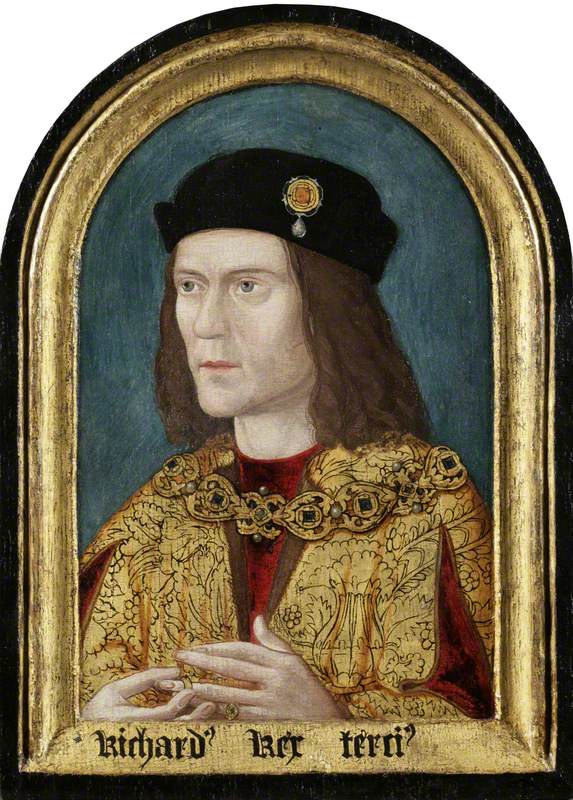
Richard III (1452–1485)
British (English) School (possibly) · c. 1510
 Painting
Primary source
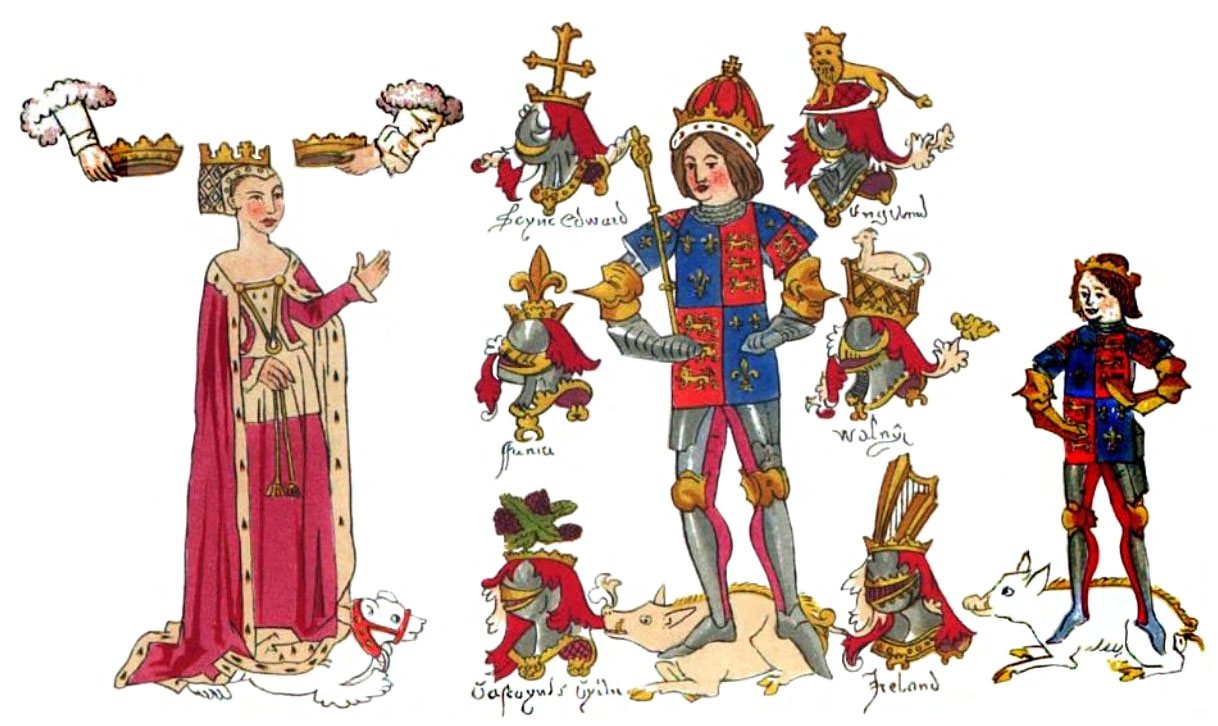
Rous Roll
John Rous · c. 1483–1485
Ready when you are
Start chatting with Richard III now.
20 messages free · No credit card · Available in 50+ languages.