


Secondary sourcePaintingbetween 1700 and 1799
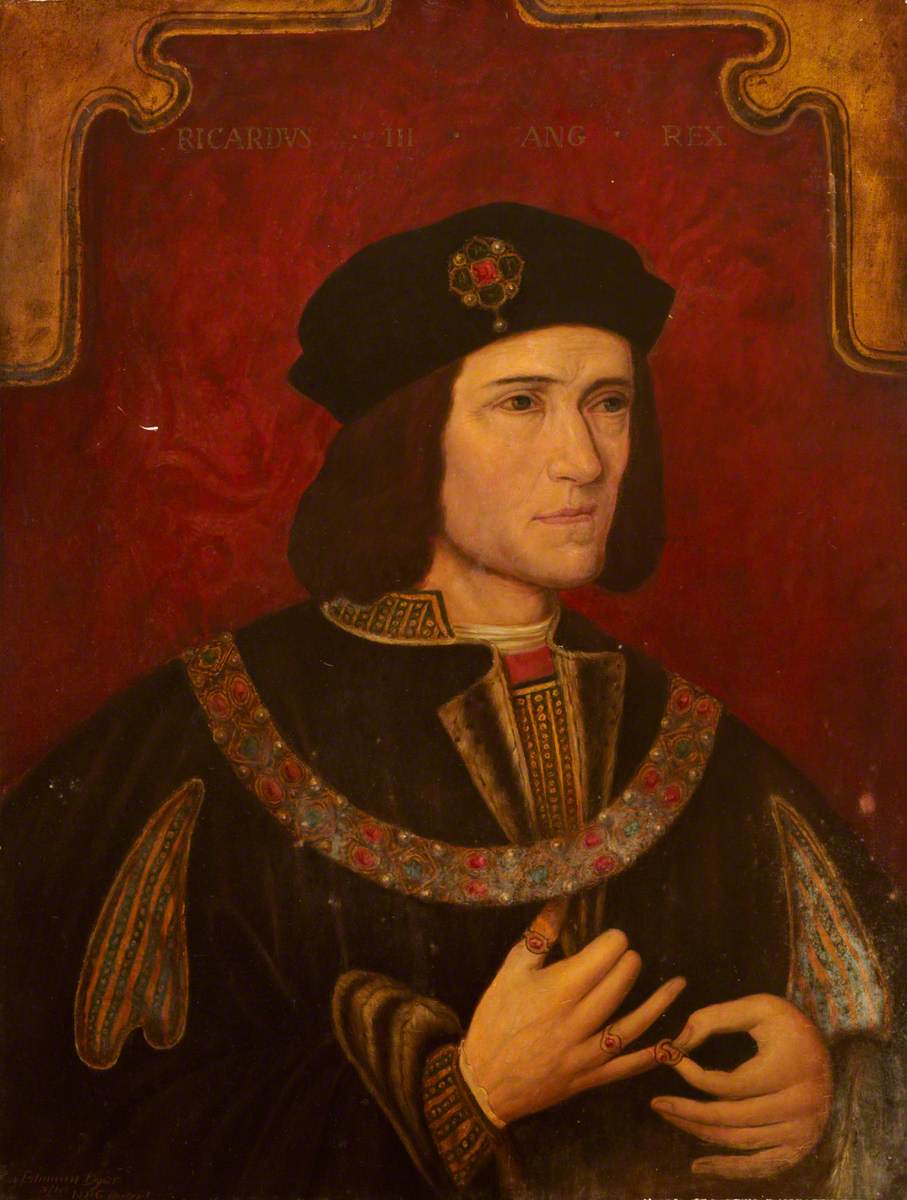
King Richard III (anonymous portrait)
between 1700 and 1799
An anonymous 18th-century painting of Richard III, shown in a black cap and dark robe against a red background. It is a later imagined likeness, not a portrait made from life.
This anonymous portrait shows how 18th-century artists pictured Richard III as a king, though it is not a record of his real face.
About this source
What it is
This is an oil painting of King Richard III made by an unknown artist sometime between 1700 and 1799. The man wears a black cap with a jeweled brooch, a dark robe with a jeweled collar and gold-striped sleeves, and his hands are clasped with rings. The background is red. The inscription reads RICARDVS III ANG REX, which is Latin for Richard III, King of England.
Why it matters
The portrait was painted more than two centuries after Richard died, so it is a later generic likeness rather than a record of his appearance. Portraits like this were often made to show a monarch's rank and to place him in a line of English kings. Looking at it can show students how later generations chose to present a medieval king.
Look closer
- Which objects in the painting signal the king's status, and what message do they send?
- Why might the artist have used a plain red background?
- How could we tell whether this face is a real likeness or a general image of a king?
This painting is part of the curated material that grounds the AI version of Richard III on Humy.ai — when students ask about related events, the AI can quote it and cite it.
More Richard III sources
Meet the AI Richard III → Book
Secondary source
History of King Richard III
Thomas More
 Book
Primary source
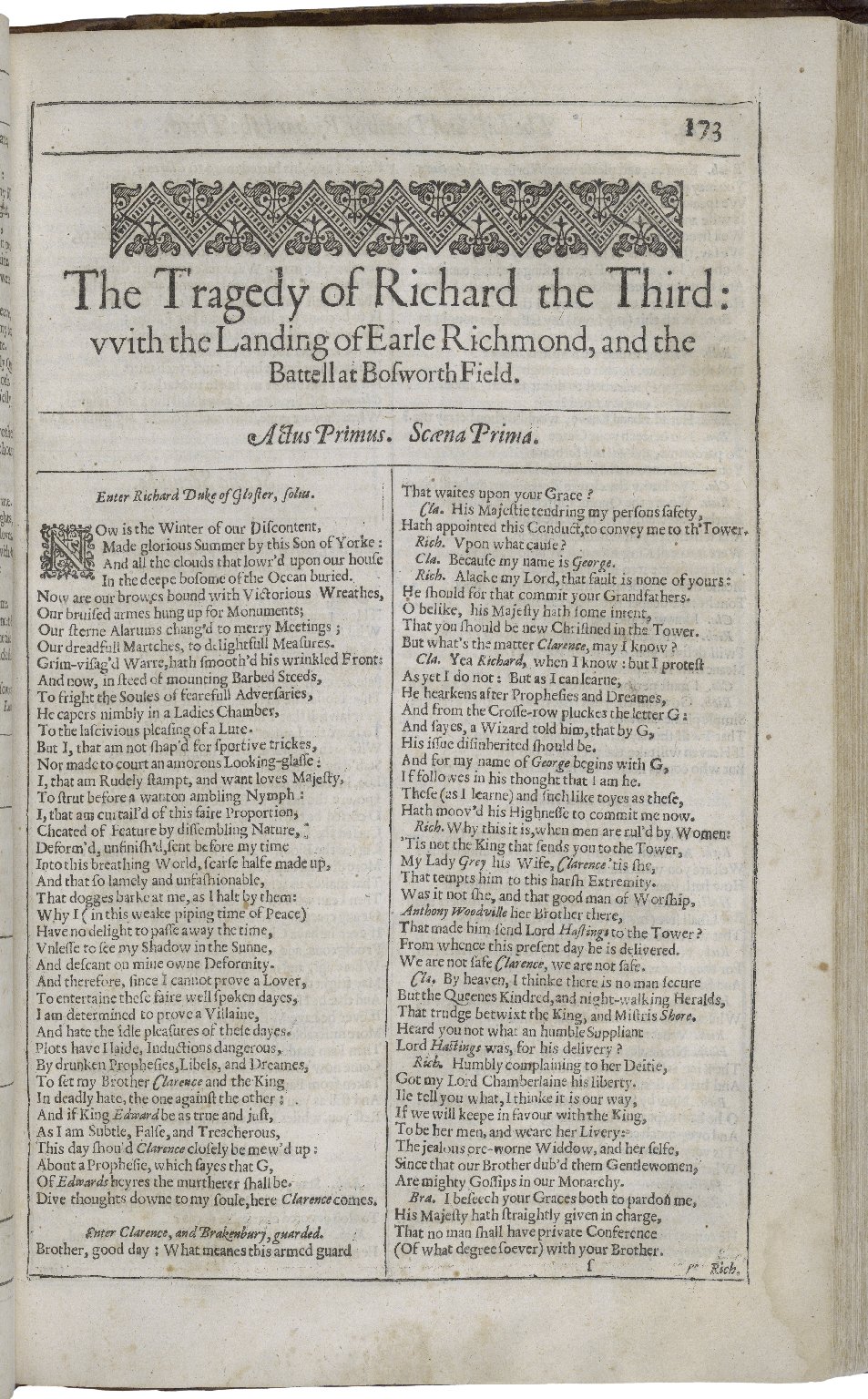
Richard III
William Shakespeare · c. 1592-1594; printed 1632
 Document
Primary source
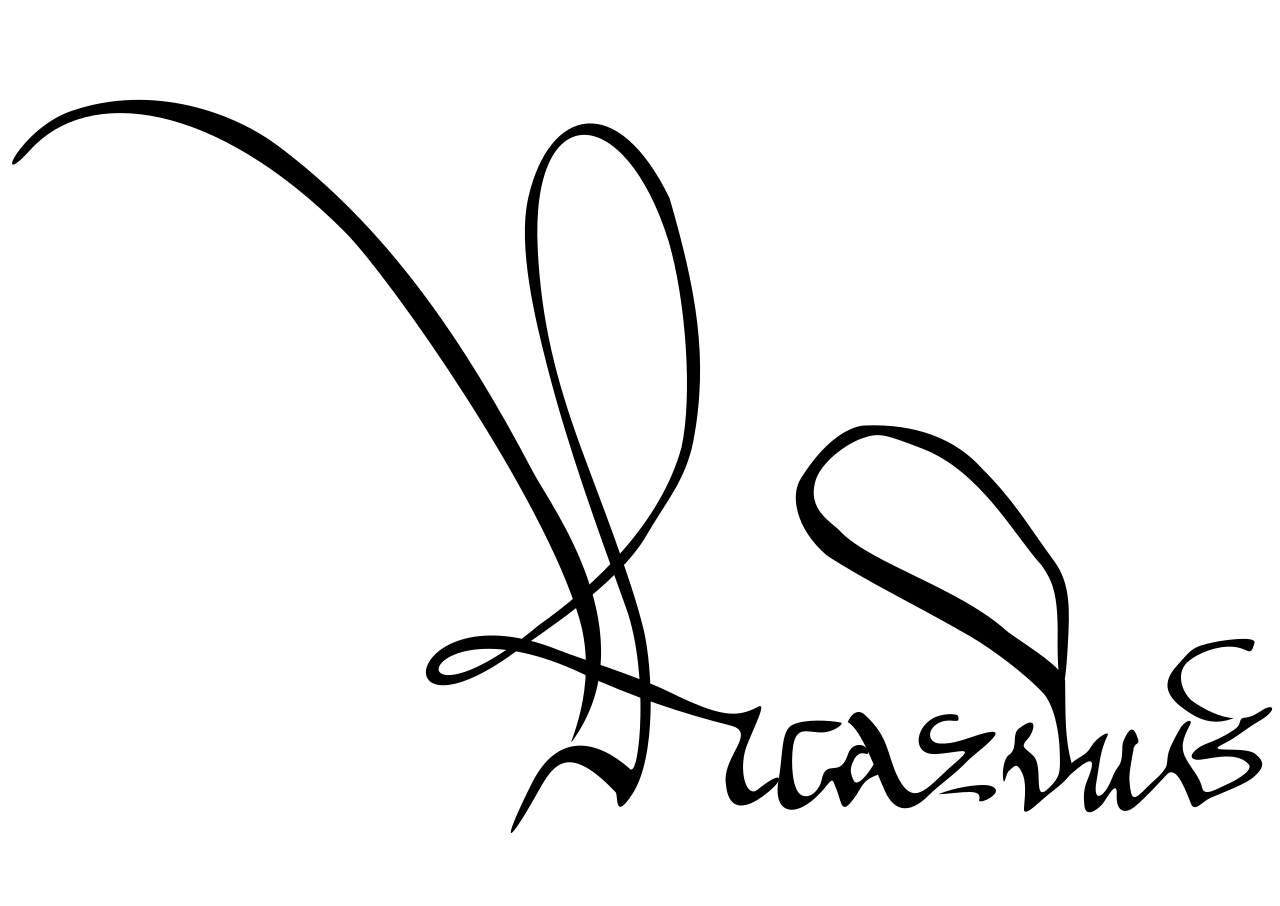
Signature of Richard III of England
Richard III of England · 1484
 Painting
Secondary source
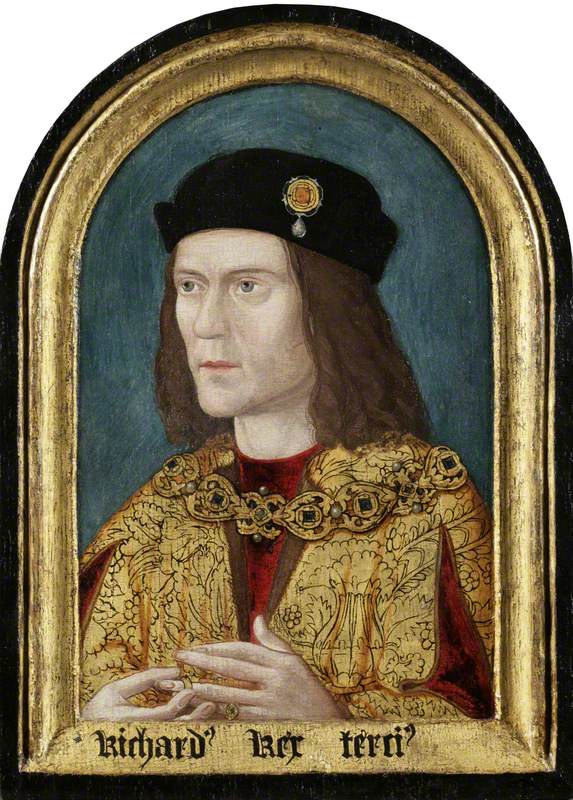
Richard III (1452–1485)
British (English) School (possibly) · c. 1510
 Painting
Primary source
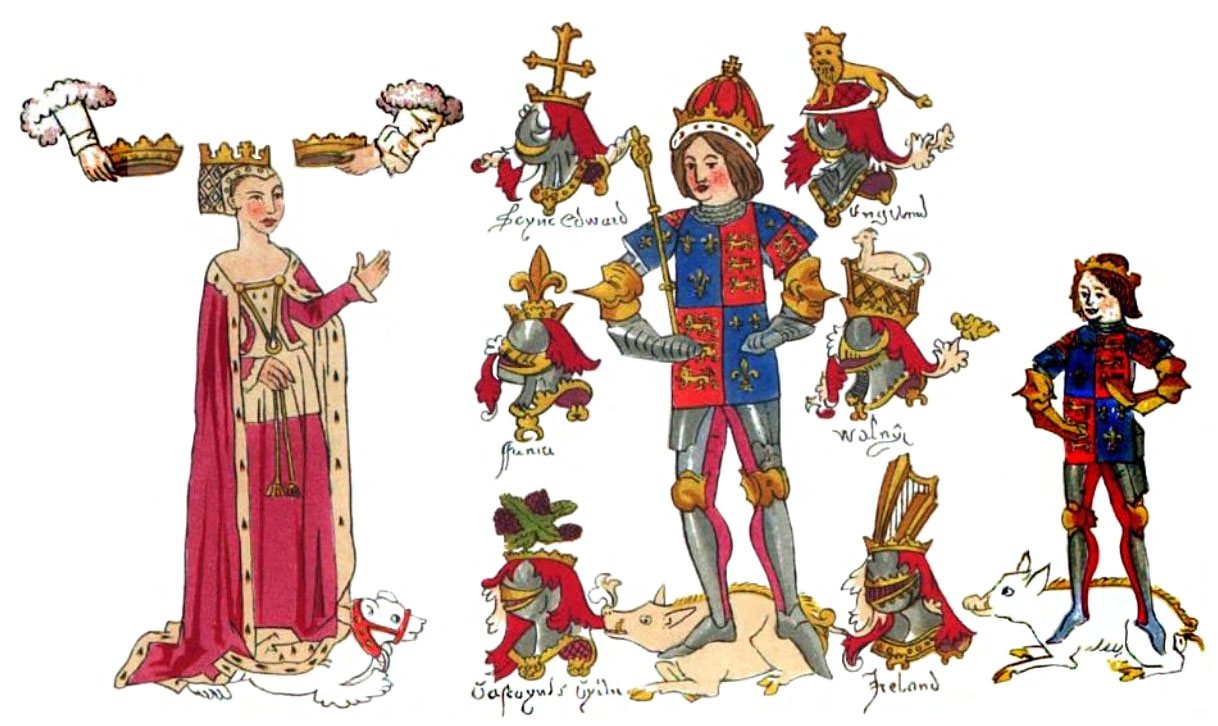
Rous Roll
John Rous · c. 1483–1485
Ready when you are
Start chatting with Richard III now.
20 messages free · No credit card · Available in 50+ languages.