


Primary sourceArtifact1483
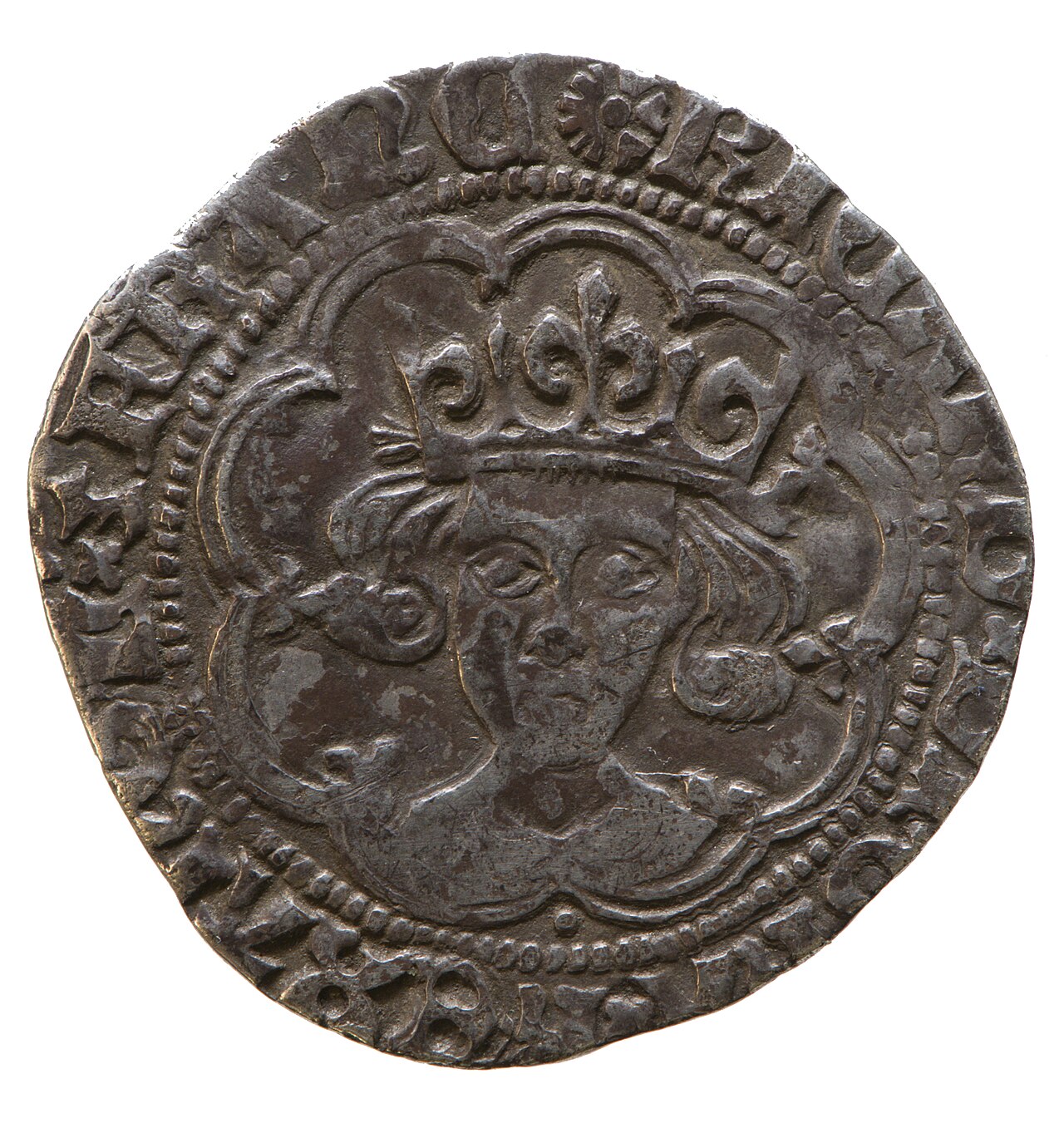
Silver groat of Richard III, obverse
1483
The front of a worn silver groat issued during Richard III's reign, showing a crowned head facing forward. It shows how the king's image appeared on money.
A coin issued in Richard III's reign that shows his crowned head, a direct sign of his royal authority.
About this source
What it is
This is the front, or obverse, of a silver groat, a coin issued during the reign of Richard III, which the record dates to 1483. The coin shows a crowned head facing forward in the centre, with a ring of lettering and a beaded border around the edge. The photograph was taken by staff of York Museums Trust. The coin is worn, so some of its detail has been lost over time.
Why it matters
Coins were used every day across the kingdom, so a royal portrait on money reached many people who never saw the king in person. The crowned head presents the ruler as the authority behind the currency. Coins like this one connect Richard III to the ordinary economy of his time, and they show the state's power in a form that people handled daily.
Look closer
- What does the crown and the forward-facing head suggest about how the ruler wanted to be seen?
- Why might a coin be a more widespread form of royal image than a painting or statue?
- What is hard to read on this worn coin, and what might be lost when a coin wears down?
This artifact is part of the curated material that grounds the AI version of Richard III on Humy.ai — when students ask about related events, the AI can quote it and cite it.
More Richard III sources
Meet the AI Richard III → Book
Secondary source
History of King Richard III
Thomas More
 Book
Primary source
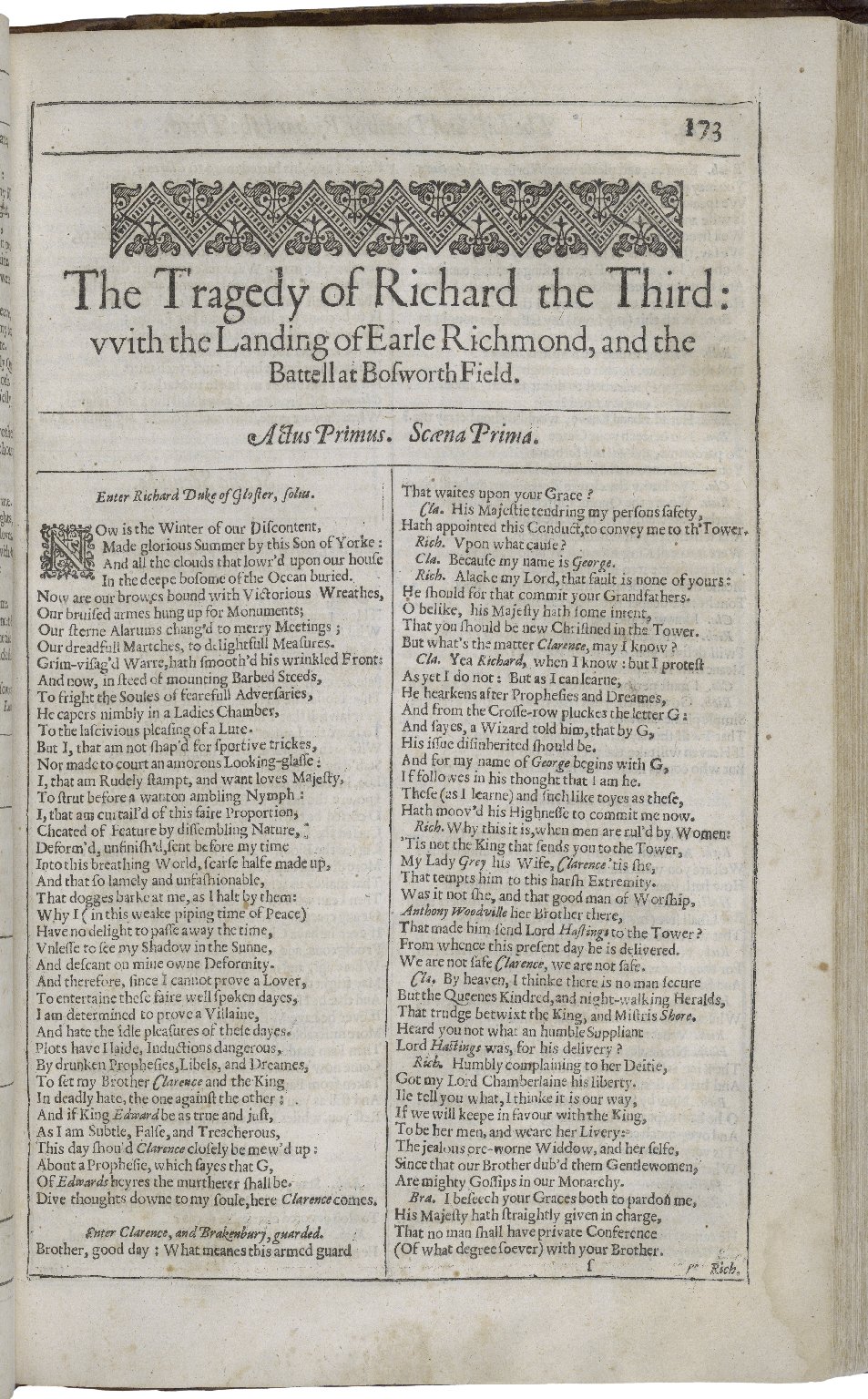
Richard III
William Shakespeare · c. 1592-1594; printed 1632
 Document
Primary source
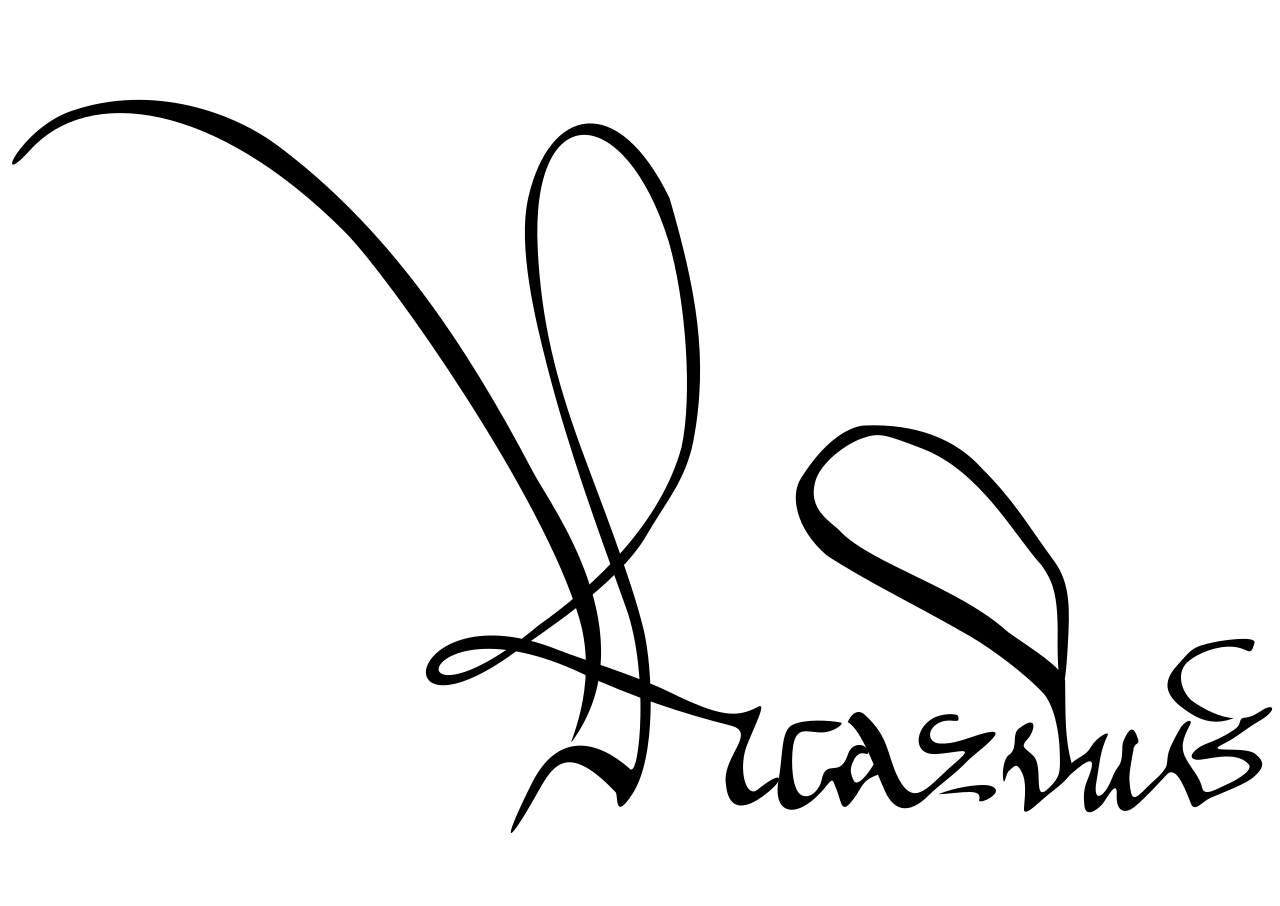
Signature of Richard III of England
Richard III of England · 1484
 Painting
Secondary source
Richard III (1452–1485)
British (English) School (possibly) · c. 1510
 Painting
Primary source
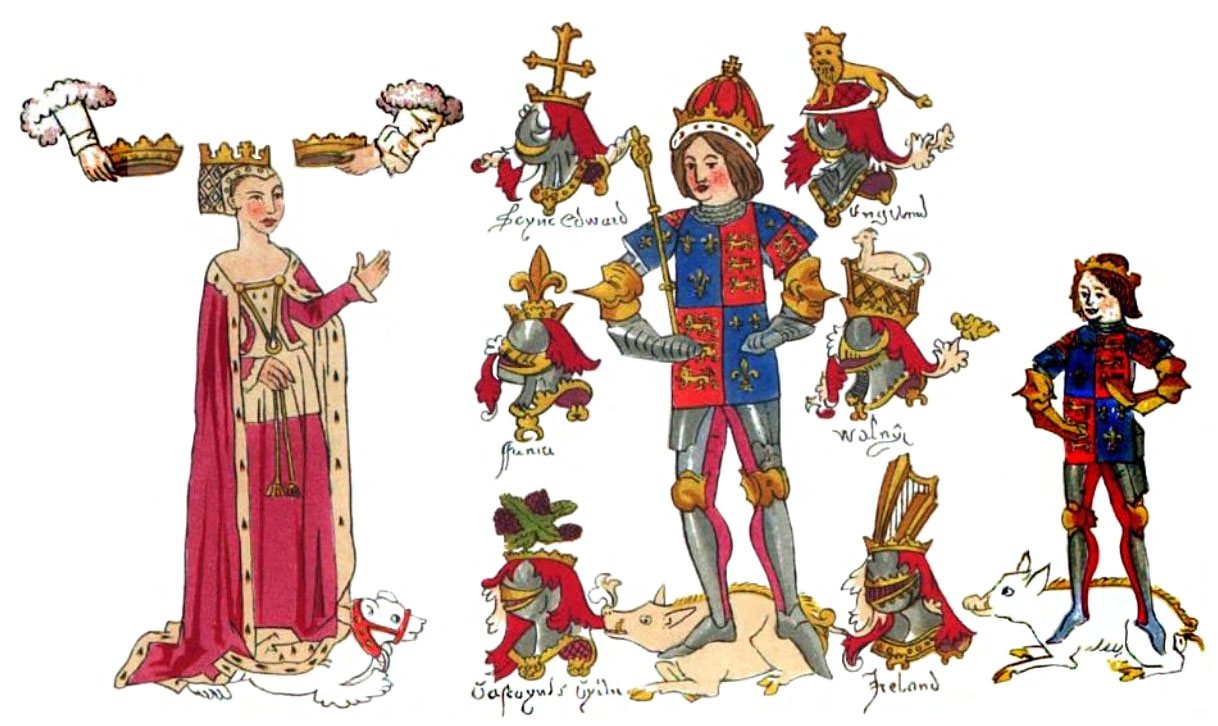
Rous Roll
John Rous · c. 1483–1485
Ready when you are
Start chatting with Richard III now.
20 messages free · No credit card · Available in 50+ languages.