


Primary sourceArtifact1466
Crosby Hall
1466
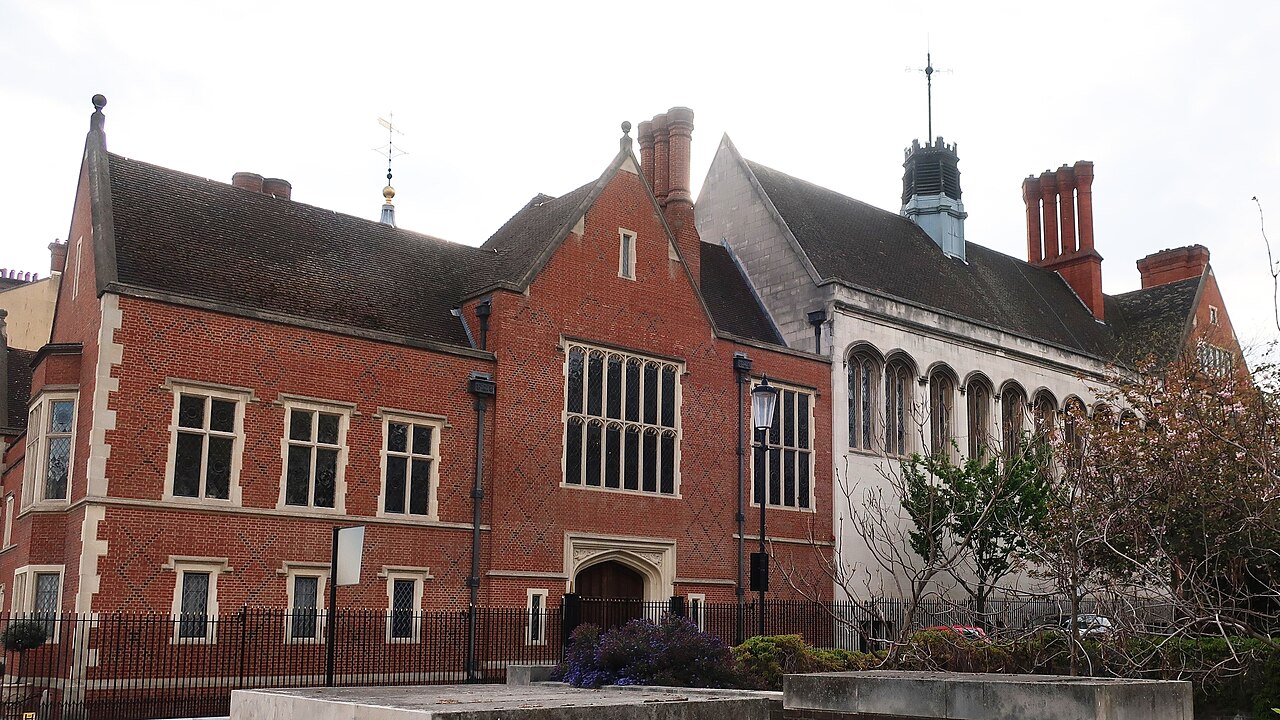
A surviving medieval merchant's hall in London where Richard, then Duke of Gloucester, lodged in 1483 while seizing the throne.
Richard occupied this hall as his London residence in 1483, during his seizure of the throne.
About this source
What it is
Crosby Hall is the Great Hall of a London merchant's mansion built between 1466 and 1475 by the wool merchant Sir John Crosby. Originally on Bishopsgate in the City of London, it was moved in 1910 to Cheyne Walk, Chelsea, where it still stands as part of a private residence.
Why it matters
In 1483 the Duke of Gloucester, soon to become Richard III, took over the property and used it as his London base during the period when the Princes in the Tower were in his custody and later disappeared. Chroniclers reported that political life shifted away from the Tower toward Crosby's household, and the hall later featured in Shakespeare's play about him. It also later belonged to Thomas More.
Look closer
- Why would a king-to-be choose a merchant's house rather than a royal palace as his base?
- What does it suggest that contemporaries noticed power moving to wherever Richard lodged?
- How does a building that has been moved and rebuilt still count as historical evidence?
This artifact is part of the curated material that grounds the AI version of Richard III on Humy.ai — when students ask about related events, the AI can quote it and cite it.
More Richard III sources
Meet the AI Richard III → Book
Secondary source
History of King Richard III
Thomas More
 Book
Primary source
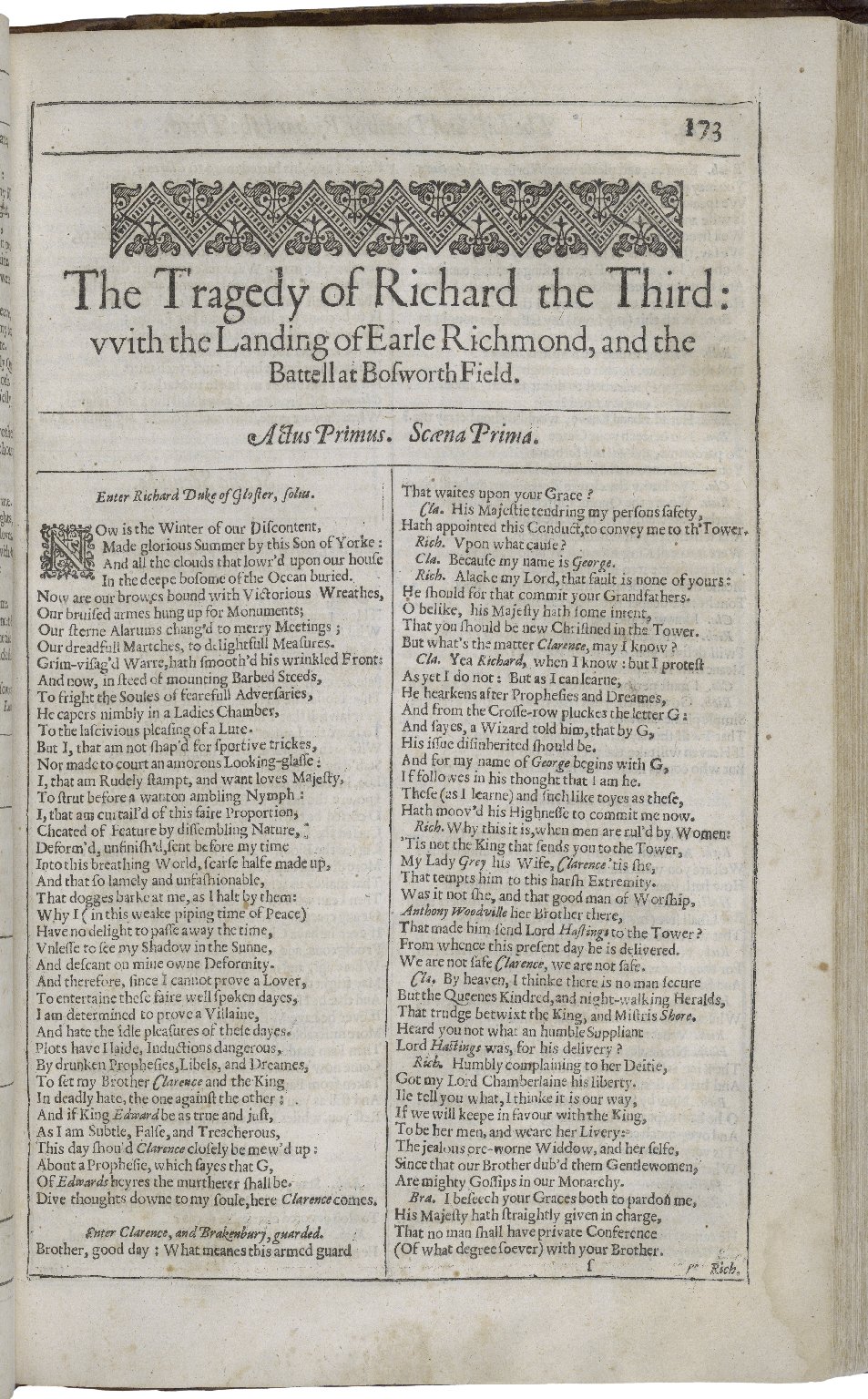
Richard III
William Shakespeare · c. 1592-1594; printed 1632
 Document
Primary source
Signature of Richard III of England
Richard III of England · 1484
 Painting
Secondary source
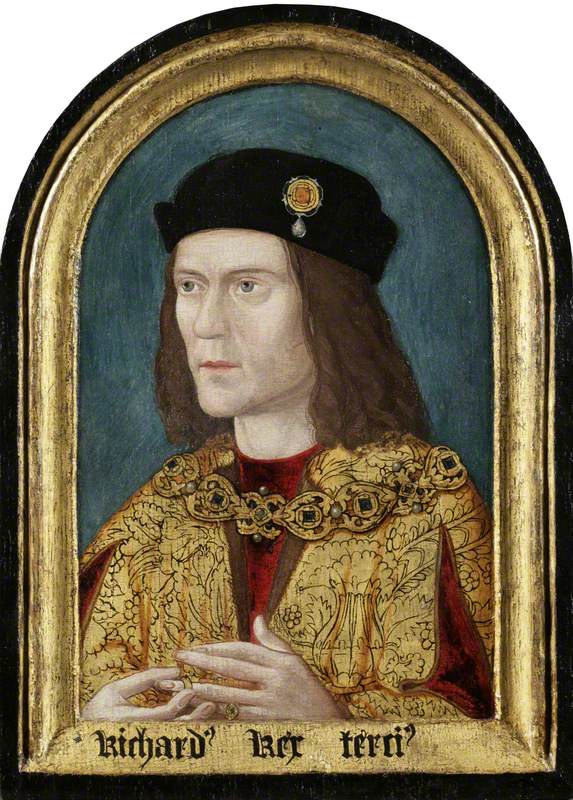
Richard III (1452–1485)
British (English) School (possibly) · c. 1510
 Painting
Primary source
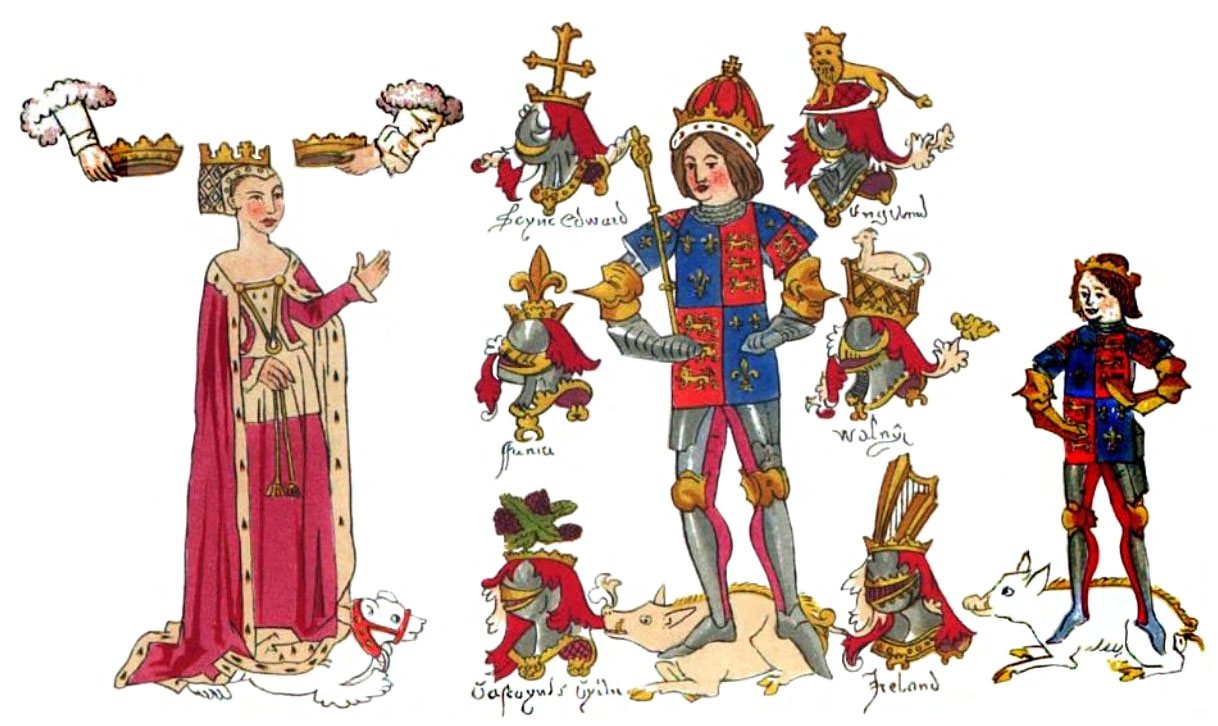
Rous Roll
John Rous · c. 1483–1485
Ready when you are
Start chatting with Richard III now.
20 messages free · No credit card · Available in 50+ languages.