


Secondary sourcePainting1864
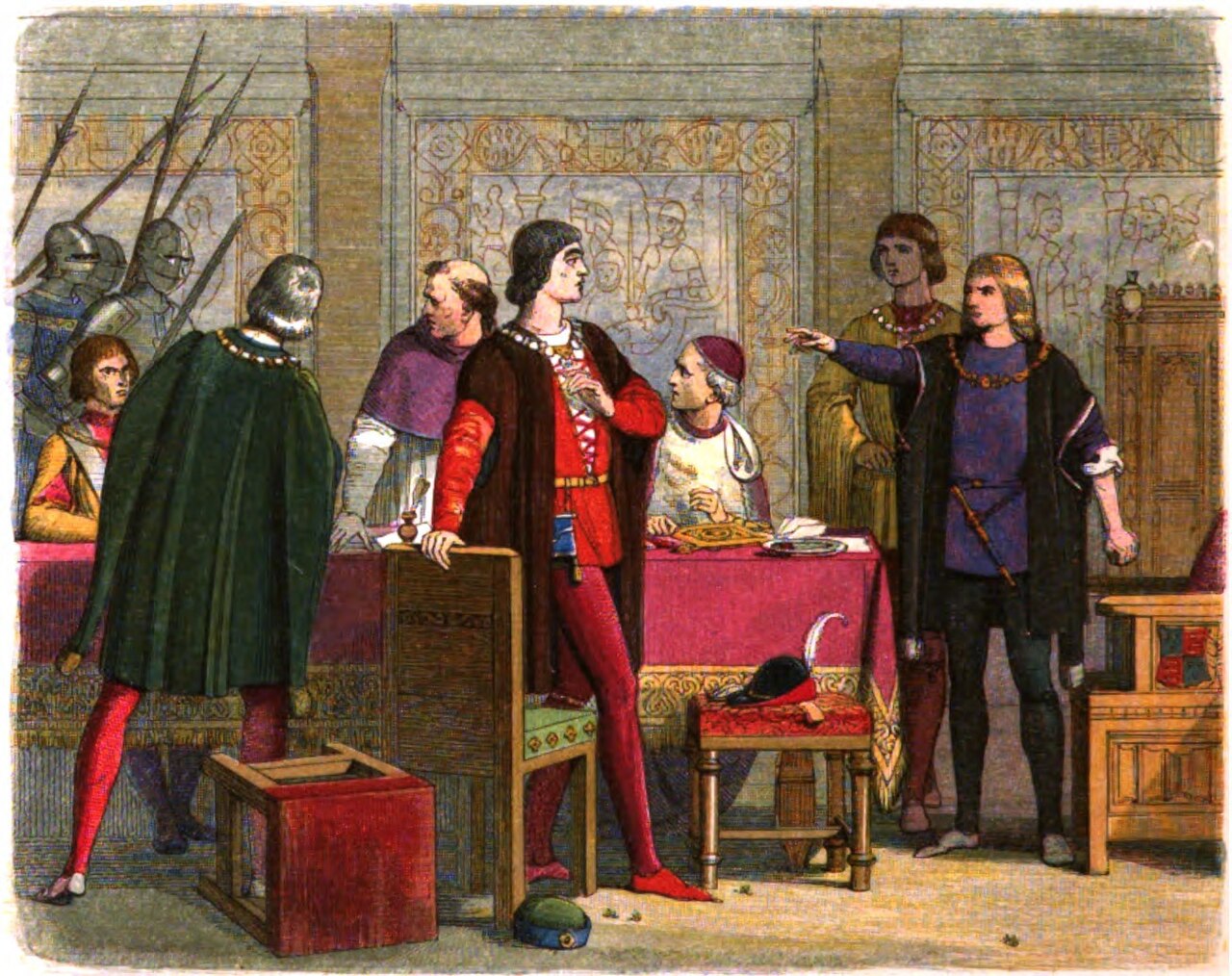
Richard orders the arrest of Lord Hastings
Edmund Evans · 1864
An 1864 hand-colored illustration by Edmund Evans showing Richard, acting as Lord Protector, ordering the arrest of William Hastings, 1st Baron Hastings. It is a later picture of events from 1483.
Shows Richard acting as Lord Protector ordering Hastings's arrest, a key 1483 event in his career, as later imagined.
About this source
What it is
This is a hand-colored illustration made in 1864 by Edmund Evans. It shows Richard, acting as Lord Protector, ordering the arrest of William Hastings, 1st Baron Hastings. A man in a dark robe with a gold collar points sharply at a standing man in a red tunic and red hose, while a seated man at a table with a red cloth looks on. Armored guards with pole weapons stand at the left, and a hat with a white feather lies on a stool. The picture was made more than three centuries after the events it shows.
Why it matters
The scene refers to 1483, when Richard acted as Lord Protector and Hastings was arrested. Because the illustration was made long afterwards, it reveals how the nineteenth century imagined this council meeting, with its costumes, props and dramatic gestures, rather than how it looked at the time. Historians use such images to study how people remembered Richard and the events of his reign.
Look closer
- Who is pointing, who is seated, and what does the body language suggest about power in the room?
- Which details, such as the robes, guards and hat, were chosen by the artist to make the scene look medieval?
- What does this later picture leave out that a record written in 1483 might have included?
This painting is part of the curated material that grounds the AI version of Richard III on Humy.ai — when students ask about related events, the AI can quote it and cite it.
More Richard III sources
Meet the AI Richard III → Book
Secondary source
History of King Richard III
Thomas More
 Book
Primary source
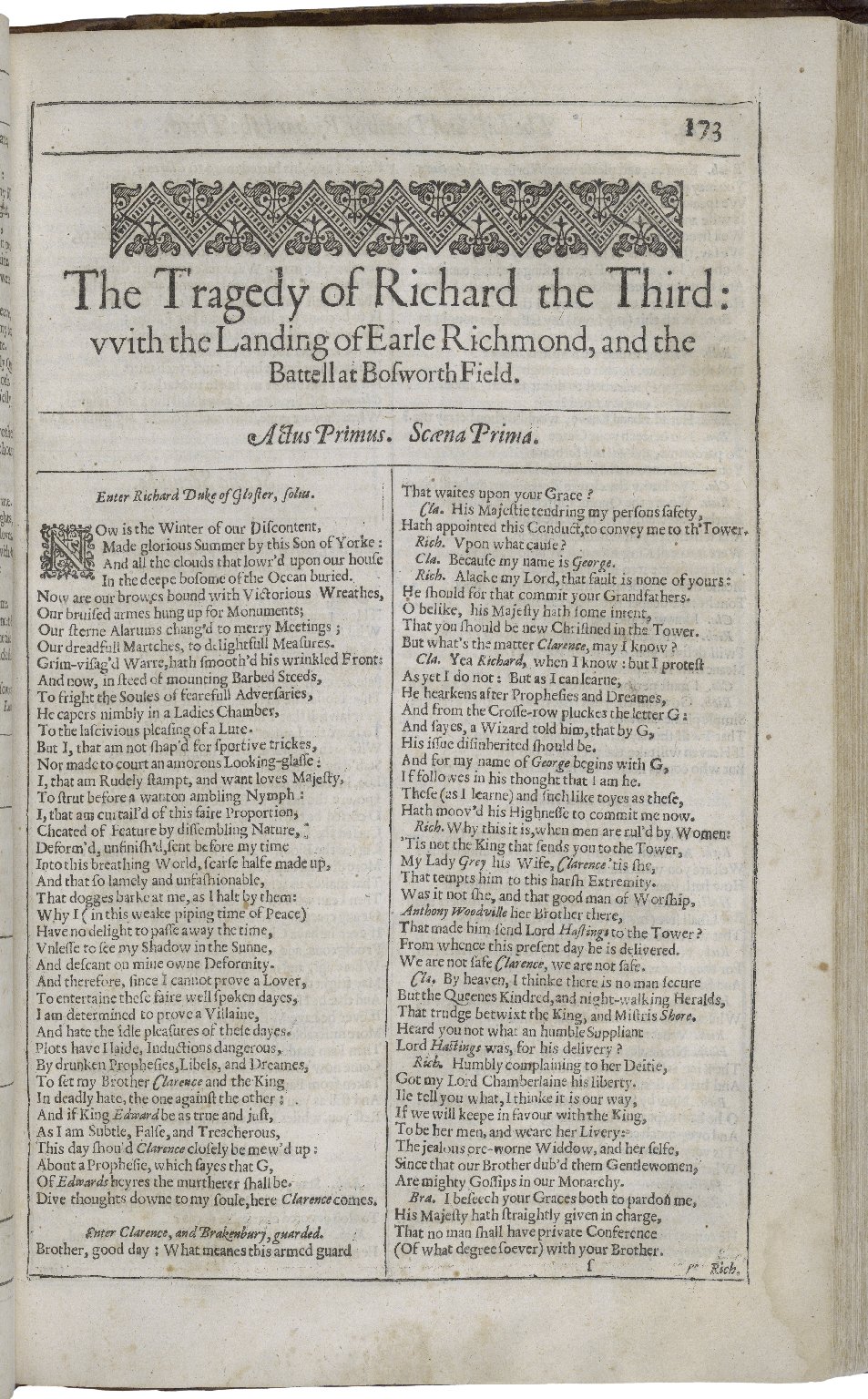
Richard III
William Shakespeare · c. 1592-1594; printed 1632
 Document
Primary source
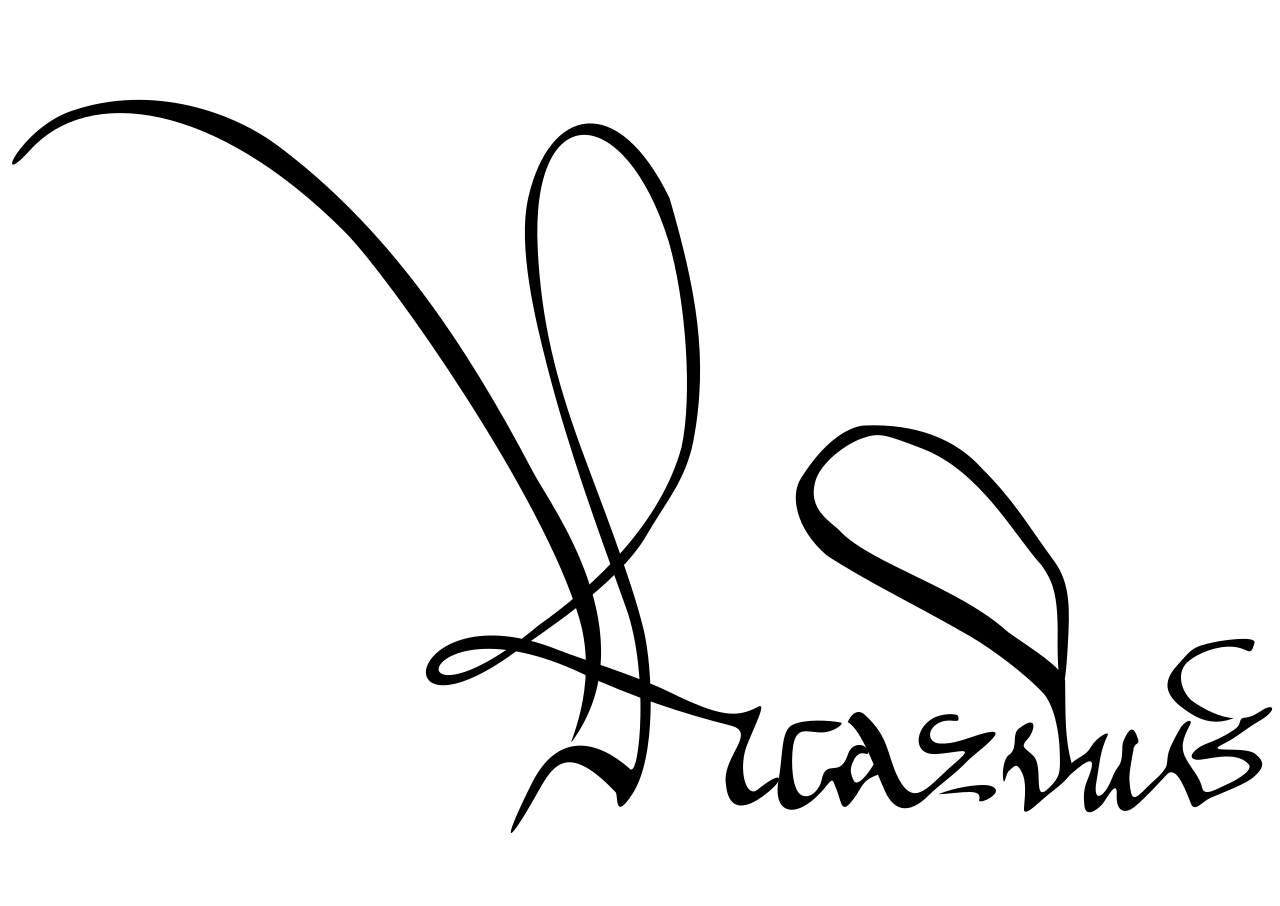
Signature of Richard III of England
Richard III of England · 1484
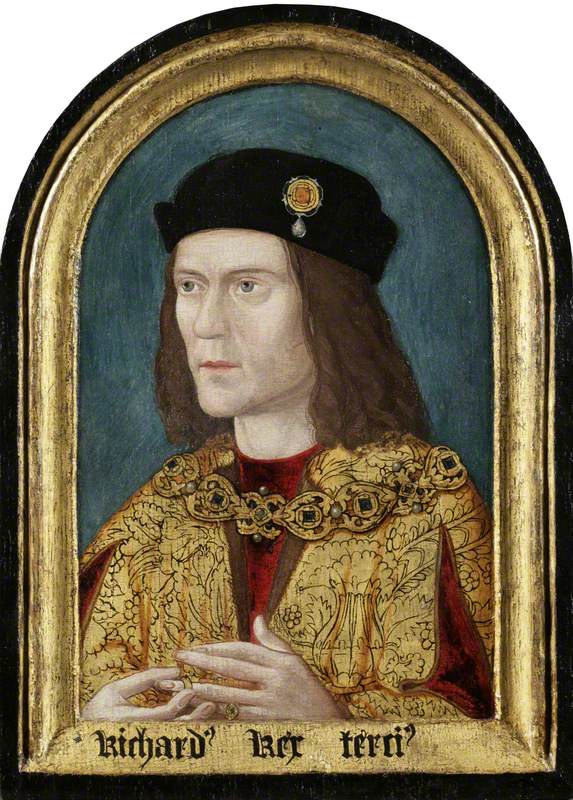 Painting
Secondary source
Richard III (1452–1485)
British (English) School (possibly) · c. 1510
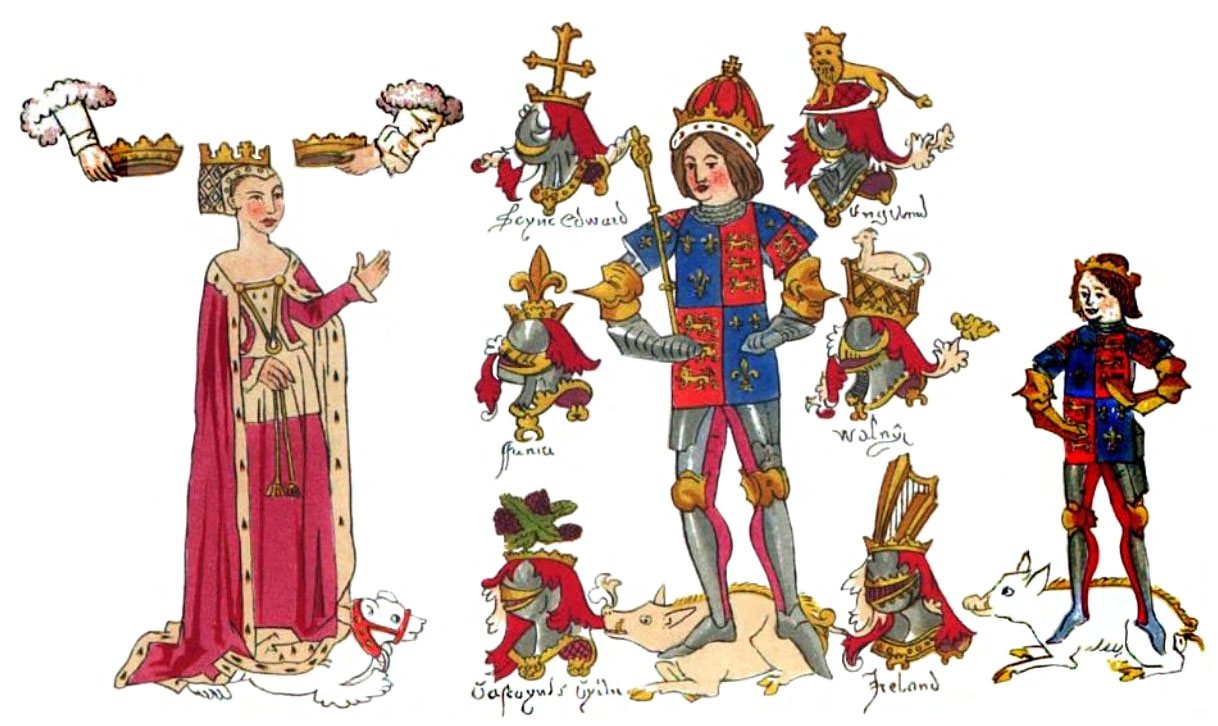 Painting
Primary source
Rous Roll
John Rous · c. 1483–1485
Ready when you are
Start chatting with Richard III now.
20 messages free · No credit card · Available in 50+ languages.