


Secondary sourcePaintingc. 1520
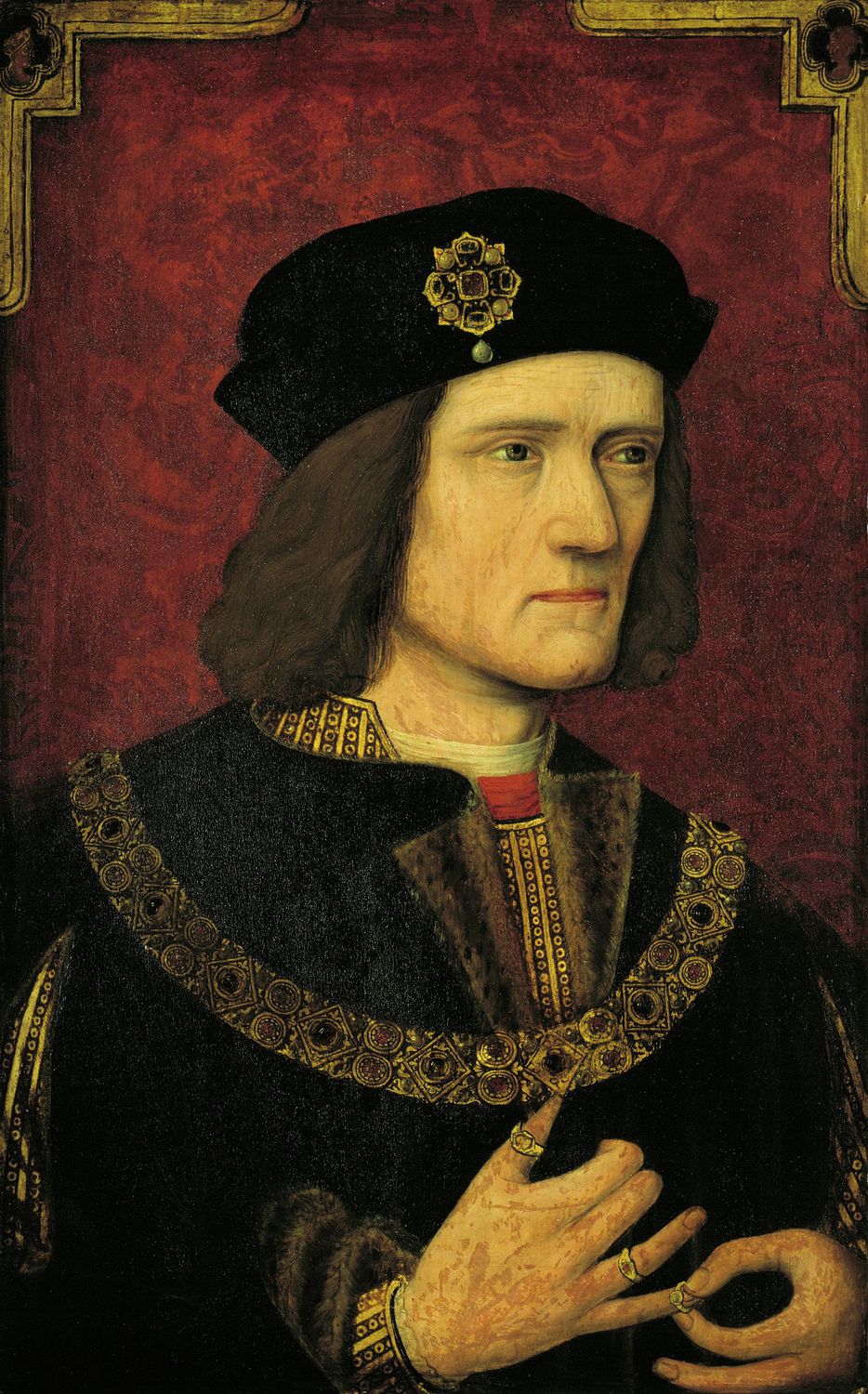
Richard III (Royal Collection Portrait)
British School, 16th century · c. 1520
A panel portrait of Richard III painted around 1520, later altered to exaggerate his appearance and fit the Tudor legend of a deformed king.
This later portrait of Richard III shows how his image was altered after death to fit a hostile Tudor legend.
About this source
What it is
This painting of Richard III dates from around 1520 and is held in the Royal Collection. It is based on a lost contemporary original and shows the king in a fur-trimmed robe with a jewelled collar and hat badge, set against a red damask background.
It was painted by an unknown artist of the British School.
Why it matters
The panel was later altered to raise the height of the right shoulder and narrow the eyes, changes that made Richard look more sinister and physically deformed. This shows how images of Richard were reworked under the Tudor dynasty to support the hostile legend of a wicked, crooked king, a legend which shaped his reputation for centuries.
Look closer
- What details in the portrait seem designed to make Richard look dignified, and which parts were changed later to make him look different?
- Why might later owners or artists want to alter a king's image after his death?
- What does this portrait leave out about who Richard really was?
This painting is part of the curated material that grounds the AI version of Richard III on Humy.ai — when students ask about related events, the AI can quote it and cite it.
More Richard III sources
Meet the AI Richard III → Book
Secondary source
History of King Richard III
Thomas More
 Book
Primary source
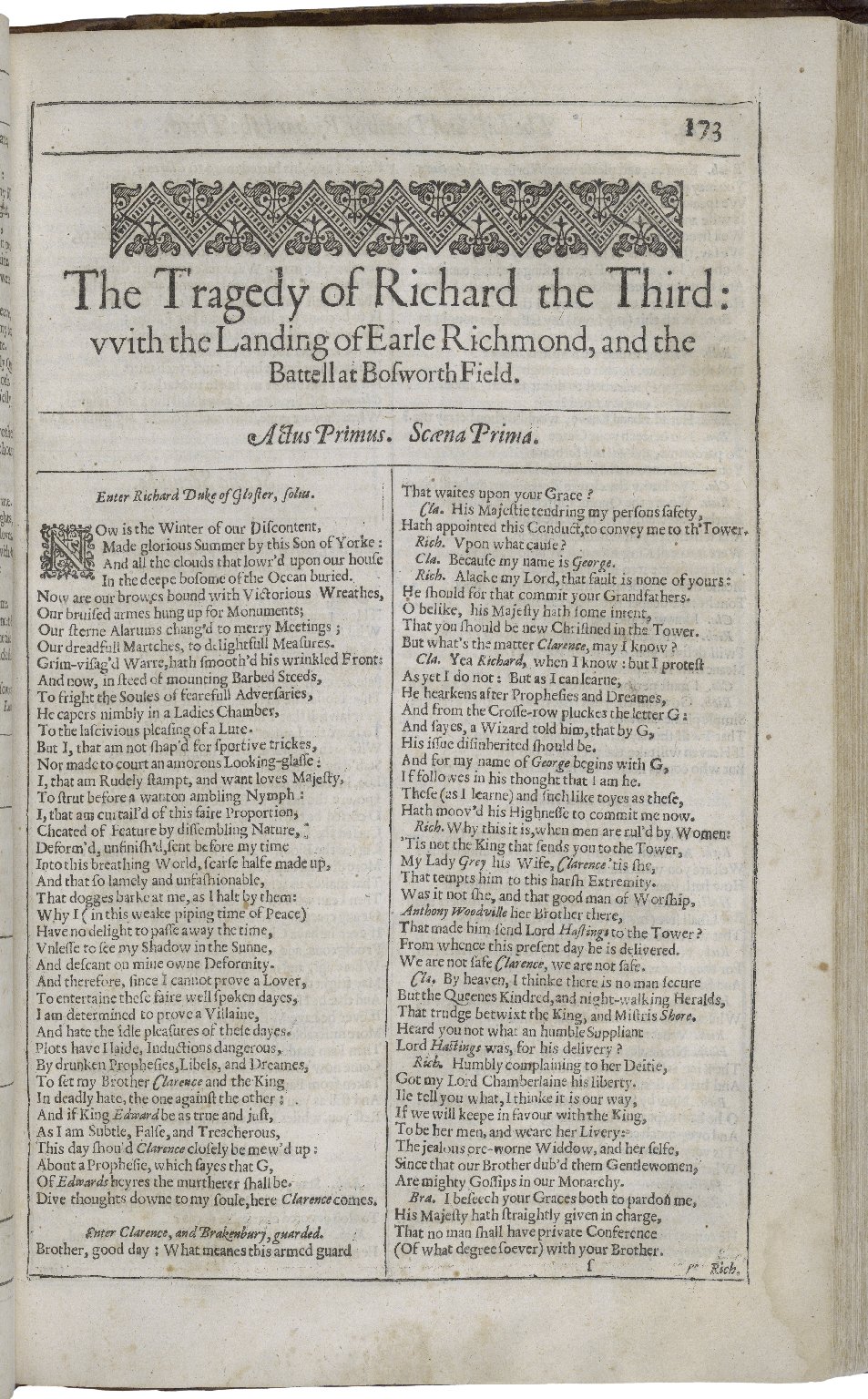
Richard III
William Shakespeare · c. 1592-1594; printed 1632
 Document
Primary source
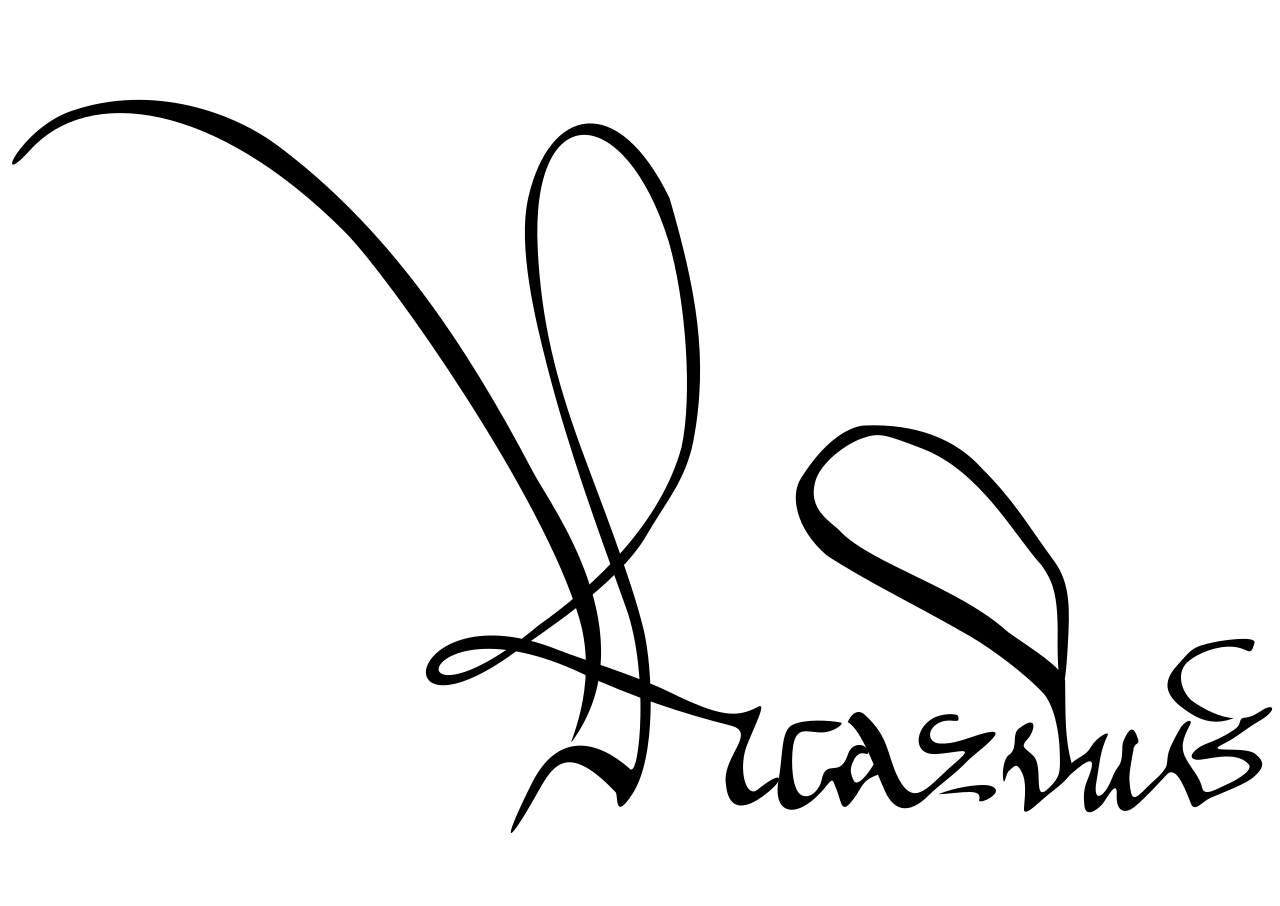
Signature of Richard III of England
Richard III of England · 1484
 Painting
Secondary source
Richard III (1452–1485)
British (English) School (possibly) · c. 1510
 Painting
Primary source
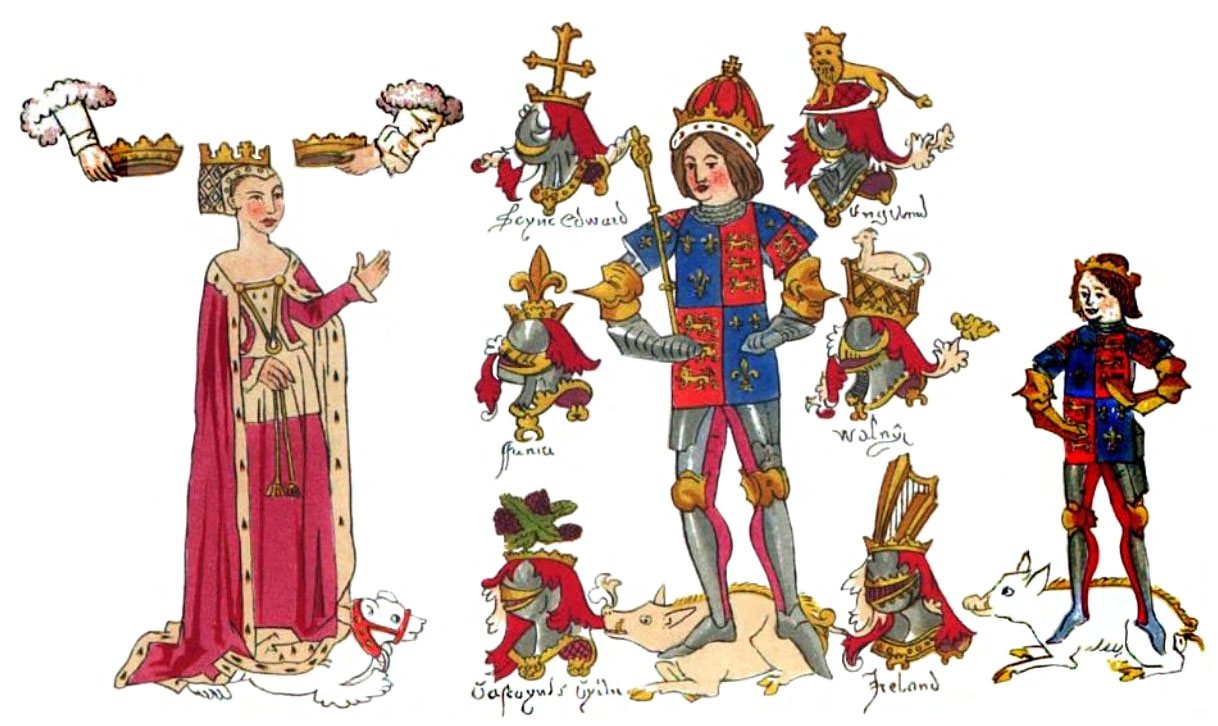
Rous Roll
John Rous · c. 1483–1485
Ready when you are
Start chatting with Richard III now.
20 messages free · No credit card · Available in 50+ languages.