


Primary sourceArtifact1483
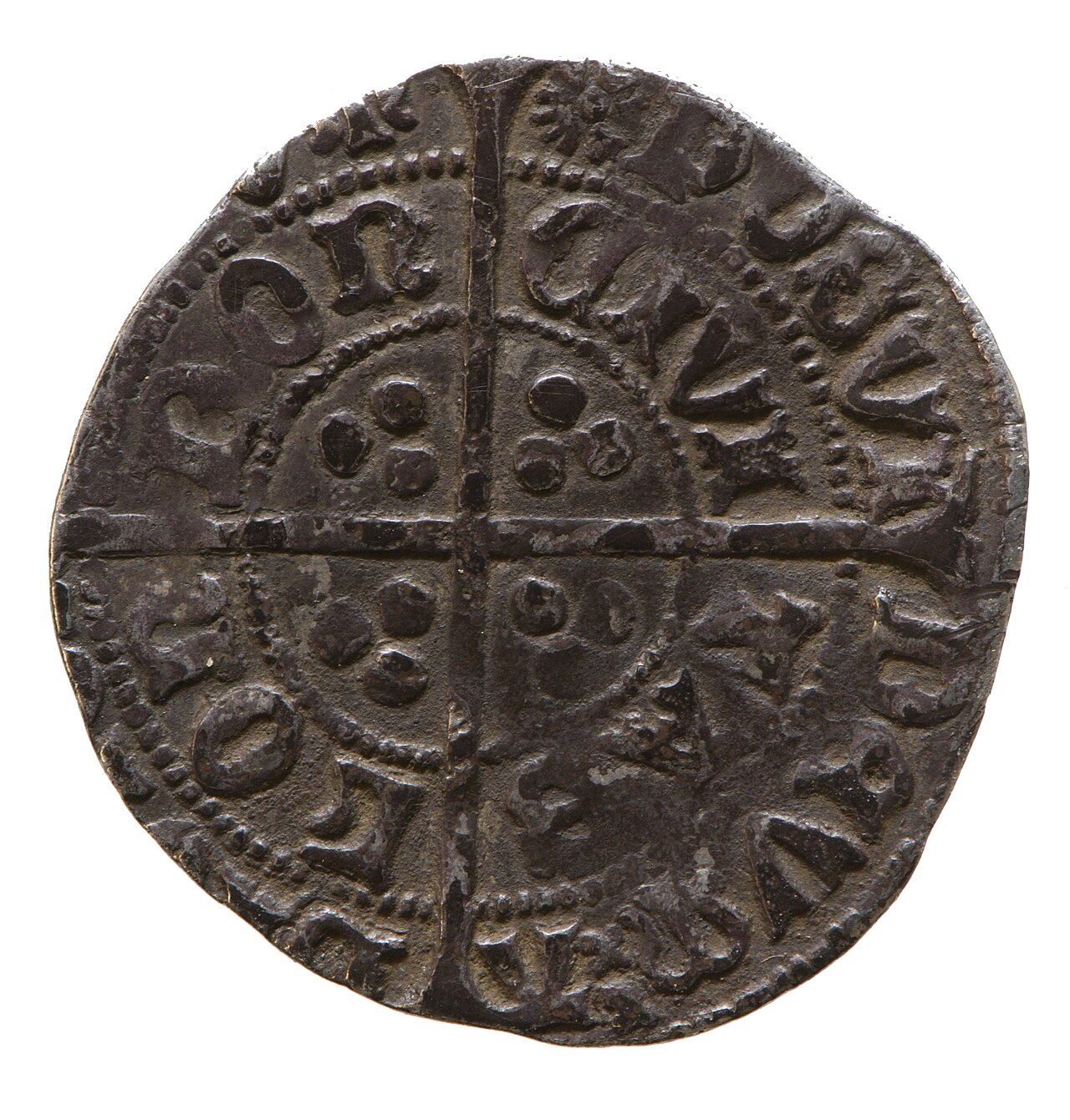
Silver groat of Richard III, reverse
1483
The back of a worn silver groat issued during Richard III's reign, showing a long cross that divides the coin into four quarters. It is a direct object from his kingship.
The reverse of a coin struck in Richard III's reign, showing the coinage that was issued under his authority.
About this source
What it is
This is the reverse, or back, of a silver groat issued during the reign of Richard III, which the record dates to 1483. A long cross divides the coin into four quarters, and each quarter has three pellets. The inscription around the rim is worn, and only some of its letters can be read. The photograph was taken by staff of York Museums Trust.
Why it matters
The reverse of a coin usually carried the mint's design and the inscription that identified the coin, so it links the object to the royal government that struck it. Because this coin is worn, the design is harder to read than it was when new. Coins like this one show how the king's authority reached ordinary people through money.
Look closer
- What does the cross and the repeated pellets tell you about how the coin was designed?
- Which letters of the inscription can you read, and what would you need to read the rest?
- How does wear change what a coin can tell a historian?
This artifact is part of the curated material that grounds the AI version of Richard III on Humy.ai — when students ask about related events, the AI can quote it and cite it.
More Richard III sources
Meet the AI Richard III → Book
Secondary source
History of King Richard III
Thomas More
 Book
Primary source
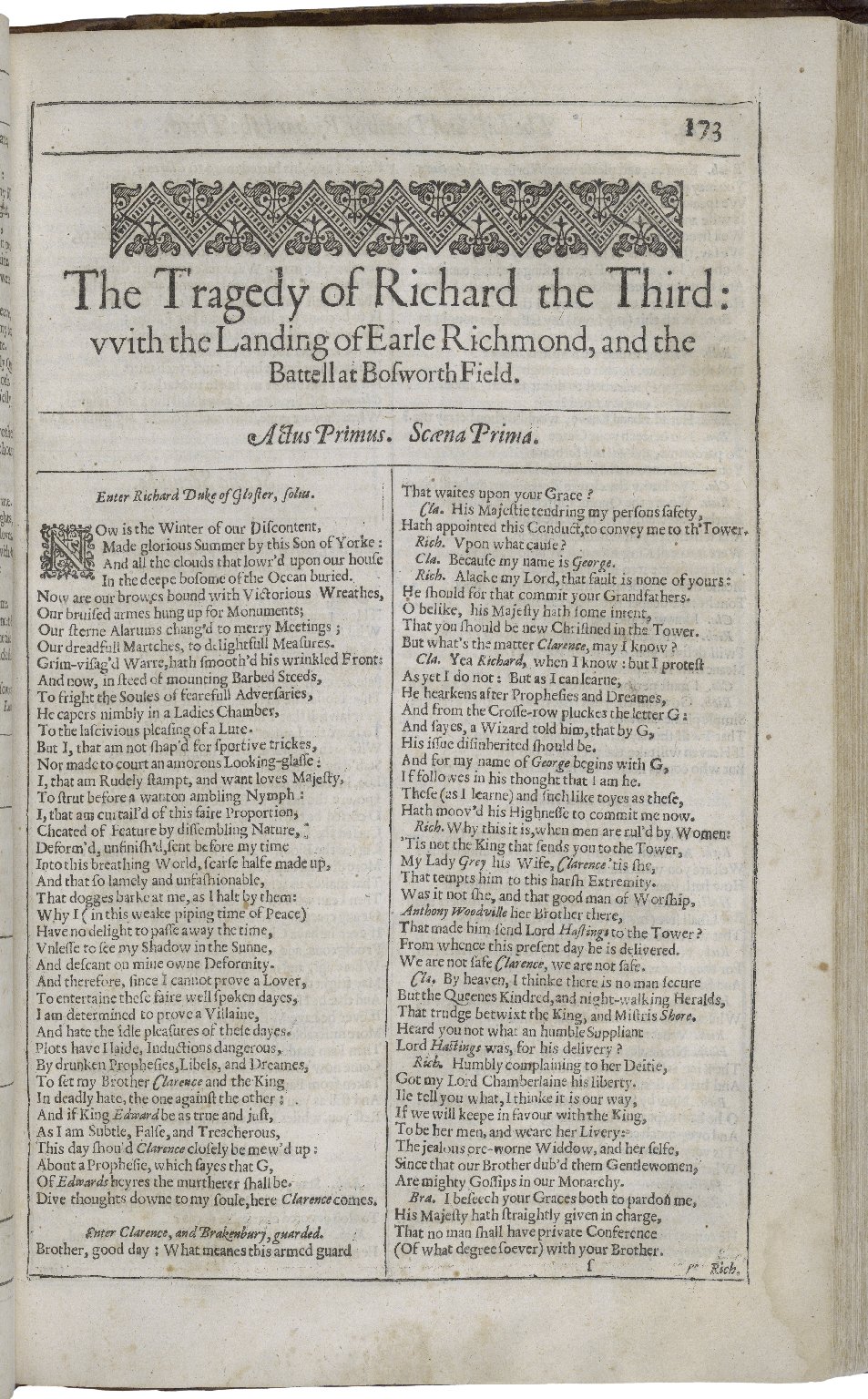
Richard III
William Shakespeare · c. 1592-1594; printed 1632
 Document
Primary source
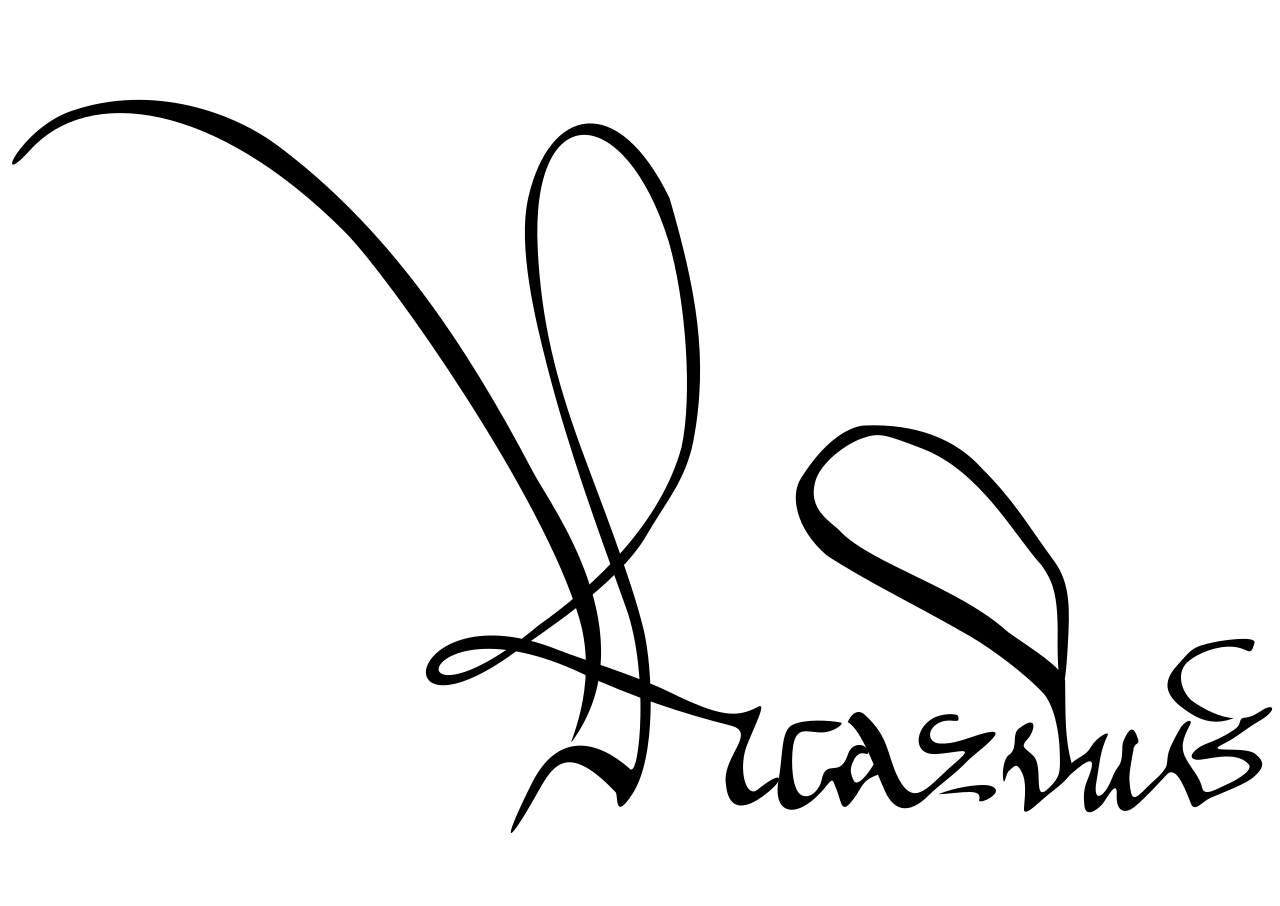
Signature of Richard III of England
Richard III of England · 1484
 Painting
Secondary source
Richard III (1452–1485)
British (English) School (possibly) · c. 1510
 Painting
Primary source
Rous Roll
John Rous · c. 1483–1485
Ready when you are
Start chatting with Richard III now.
20 messages free · No credit card · Available in 50+ languages.