


Secondary sourceSculpture1607–1612
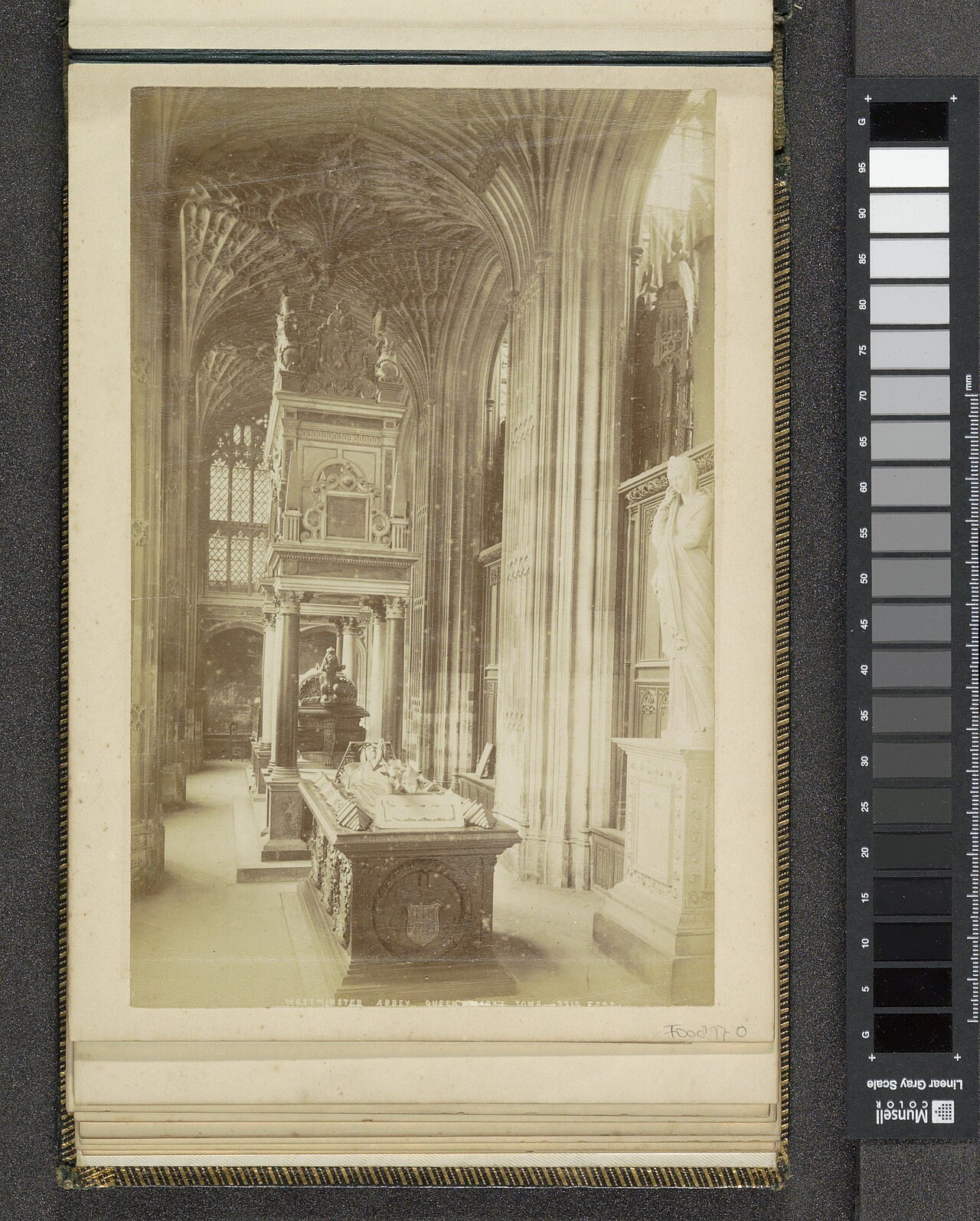
Tomb of Mary, Queen of Scots, Westminster Abbey
Cornelius Cure and William Cure II · 1607–1612
The grand monument James commissioned for his mother Mary, Queen of Scots, built in Westminster Abbey between 1607 and 1612.
James commissioned this monument to his executed mother to reassert his dynastic legitimacy as king.
About this source
What it is
This tomb monument to Mary, Queen of Scots was built by Cornelius Cure and William Cure II between 1607 and 1612, and stands in Westminster Abbey. King James issued a royal warrant for the tomb in April 1607 and had his mother's body reburied in it.
Why it matters
Mary, Queen of Scots, was executed, and her son James later became king of both Scotland and England. By building her a monument grander than expected and placing it near Elizabeth I's tomb, James publicly reasserted his mother's dignity and his own dynastic legitimacy as her son and heir.
Look closer
- Why might a king want to build a grand tomb for a parent who had been executed?
- What does placing this tomb near Elizabeth I's tomb suggest about James's intentions?
- What can a monument like this tell us about politics, even though it is a work of art?
This sculpture is part of the curated material that grounds the AI version of James I on Humy.ai — when students ask about related events, the AI can quote it and cite it.
More James I sources
Meet the AI James I →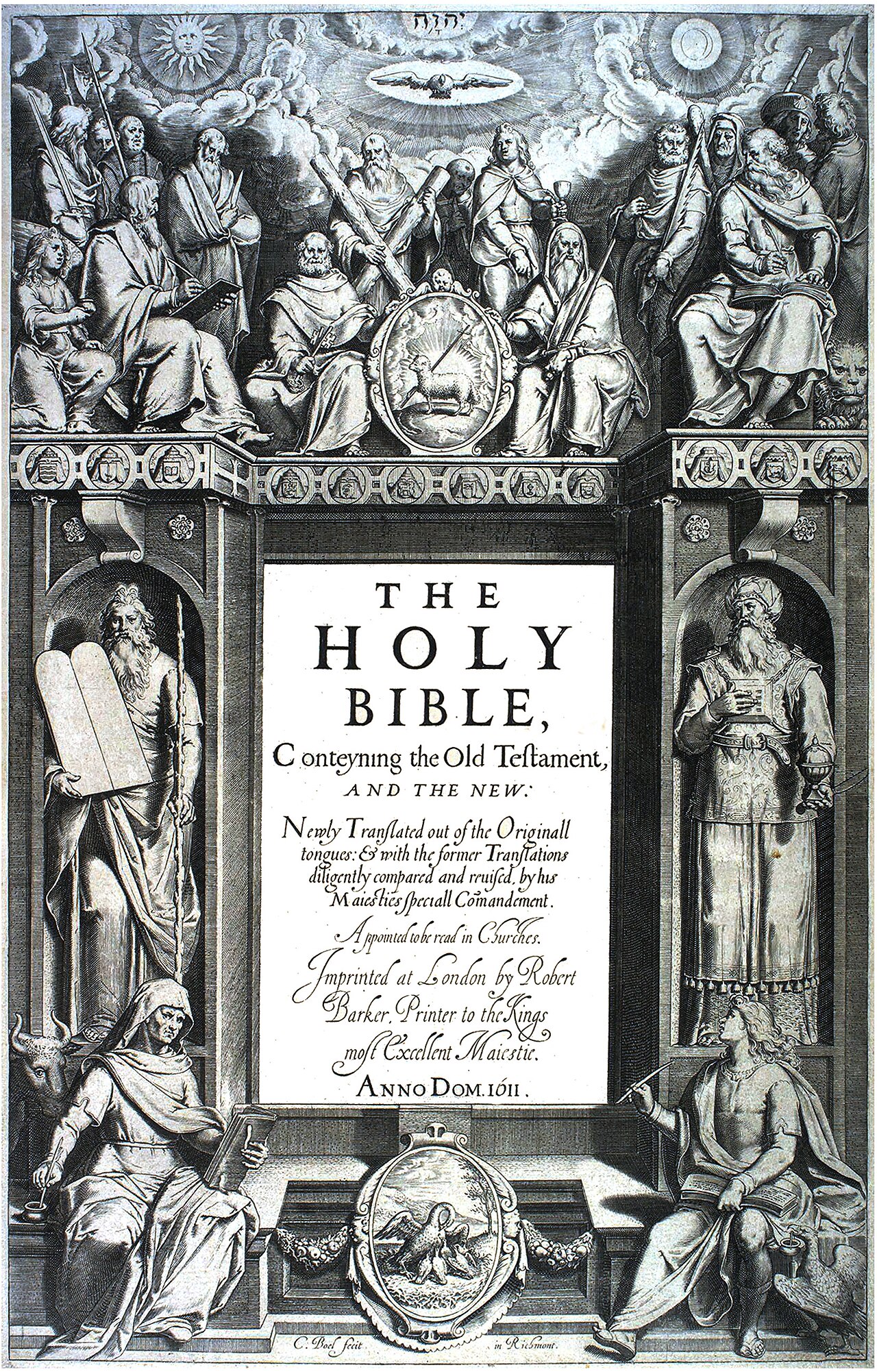 Book
Secondary source
King James Version
1611
 Book
Primary source
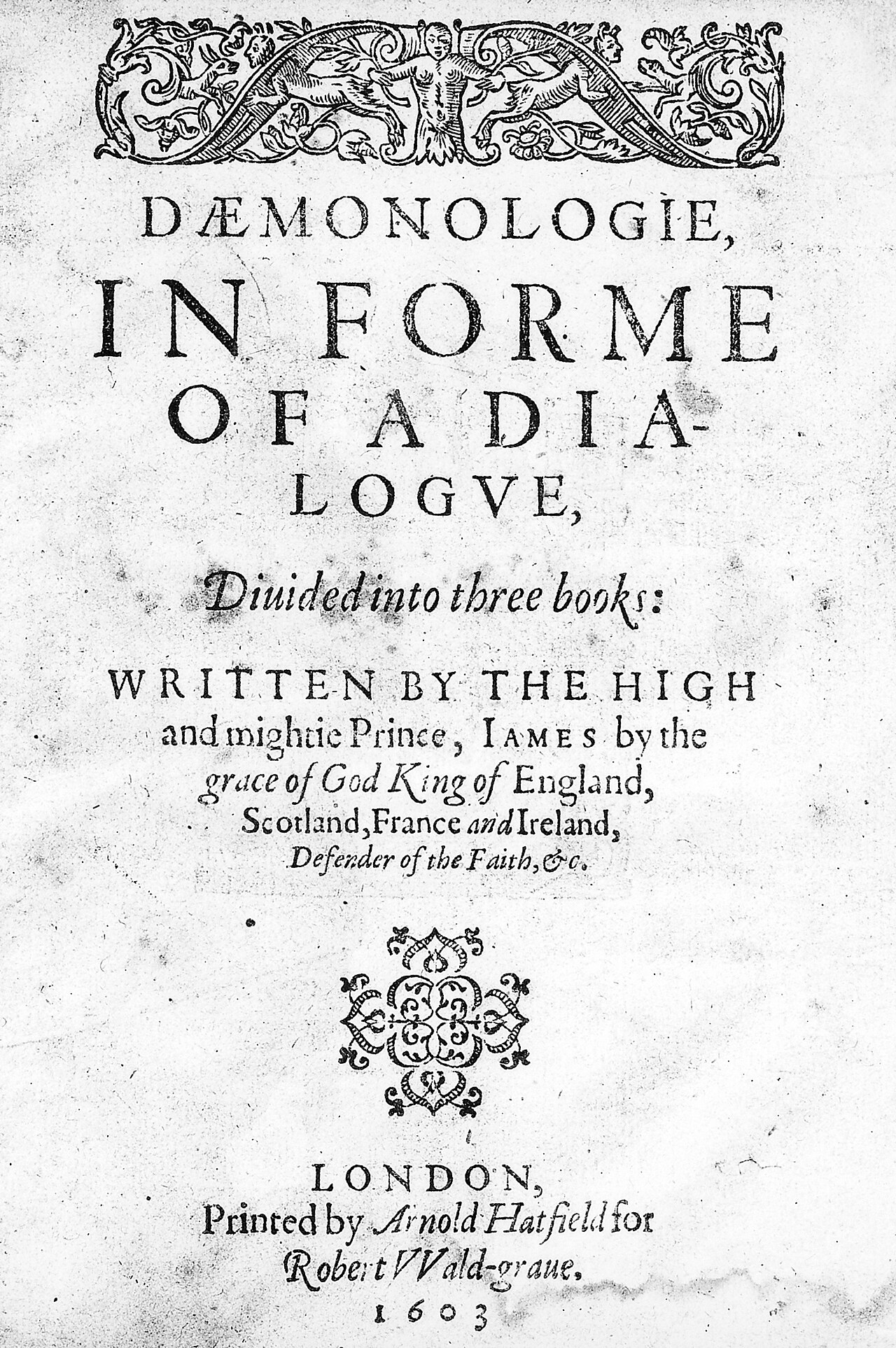
Daemonologie
James VI and I · 1597 (reprinted 1603)
 Book
Primary source
The True Law of Free Monarchies
James VI and I · 1598
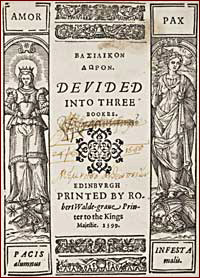 Book
Primary source
Basilikon Doron
James VI and I · 1599 (published 1603)
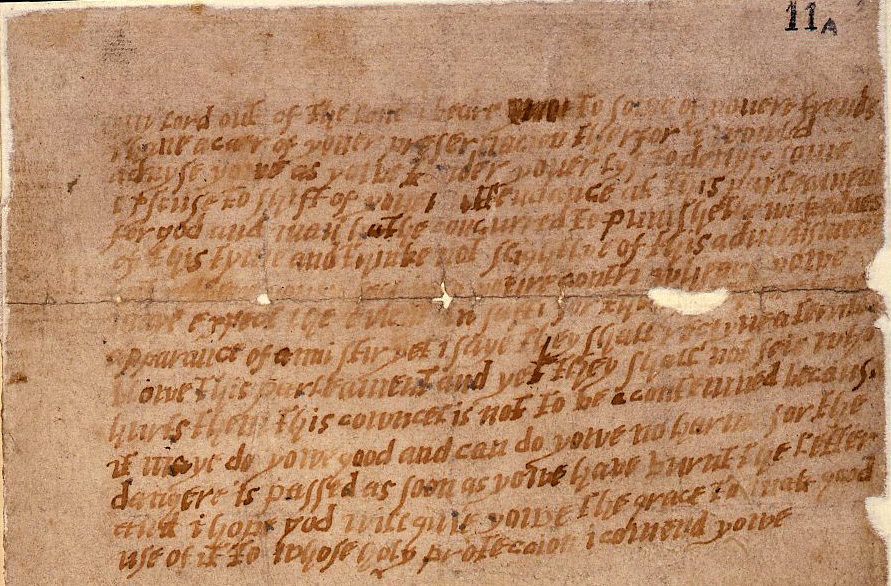 Letter
Primary source
The Monteagle Letter
Unknown · 1605
Ready when you are
Start chatting with James I now.
20 messages free · No credit card · Available in 50+ languages.