


Primary sourceArtifact1610
The Lyte Jewel
Nicholas Hilliard · 1610
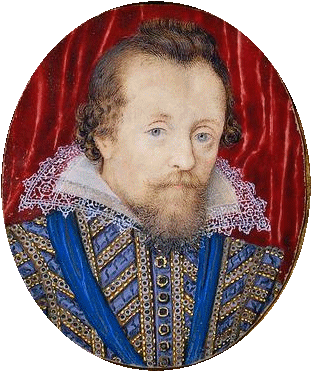
A jewelled locket containing a miniature portrait of James VI and I, given by the king to the antiquary Thomas Lyte as a reward.
This jewelled locket contains Hilliard's portrait of James VI and I, given by the king as a royal reward.
About this source
What it is
The Lyte Jewel is a gold locket set with diamonds, containing a miniature portrait of James VI and I painted by Nicholas Hilliard in 1610. James gave it to the antiquary Thomas Lyte, who had presented the king with an elaborate royal genealogy known as the Lyte Pedigree. It is now in the British Museum, part of the Waddesdon Bequest.
Why it matters
The jewel shows how James rewarded scholarly loyalty with a personal gift bearing his own image, turning the king's face into a prized, wearable object. It reveals the culture of patronage at the Jacobean court, where flattering a monarch's lineage could bring valuable rewards.
Look closer
- Why might a king give away a miniature of his own face as a reward?
- What does the craftsmanship of diamonds and enamel suggest about the jewel's value and purpose?
- What does this exchange tell you about how loyalty and favour worked at a royal court?
This artifact is part of the curated material that grounds the AI version of James I on Humy.ai — when students ask about related events, the AI can quote it and cite it.
More James I sources
Meet the AI James I →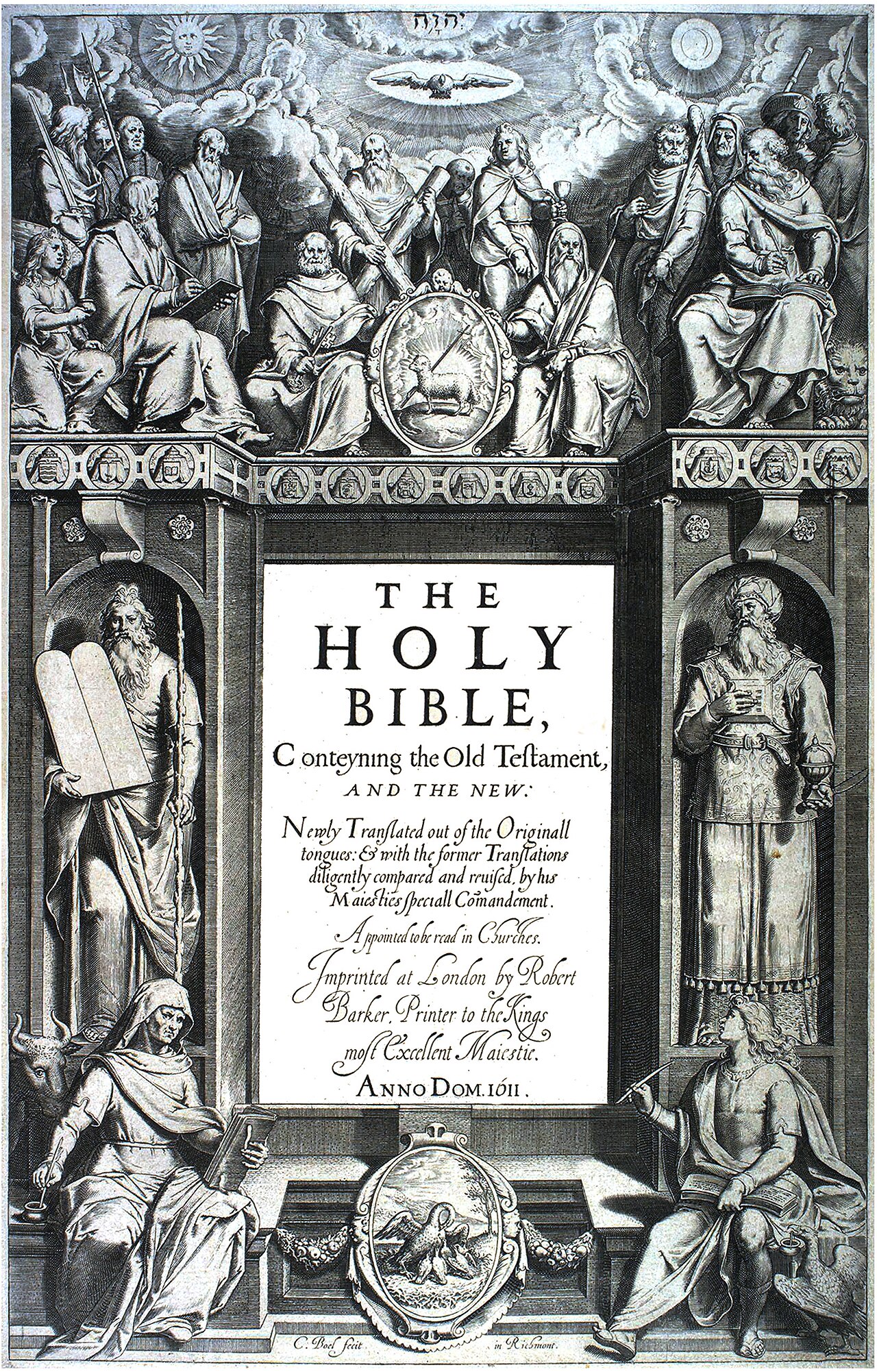 Book
Secondary source
King James Version
1611
 Book
Primary source
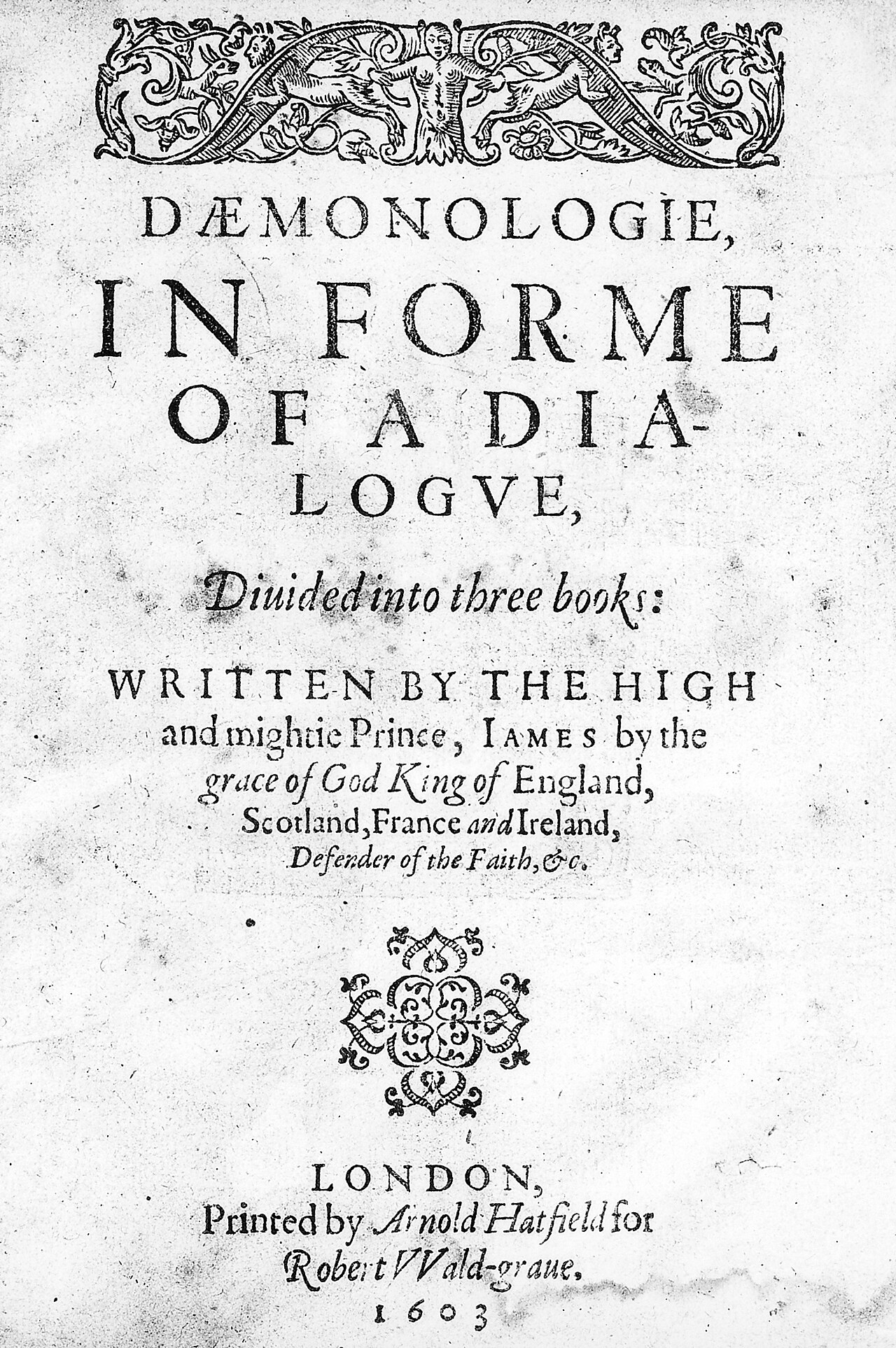
Daemonologie
James VI and I · 1597 (reprinted 1603)
 Book
Primary source
The True Law of Free Monarchies
James VI and I · 1598
 Book
Primary source
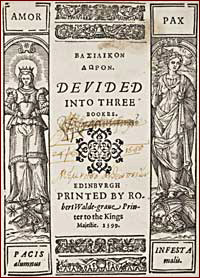
Basilikon Doron
James VI and I · 1599 (published 1603)
 Letter
Primary source
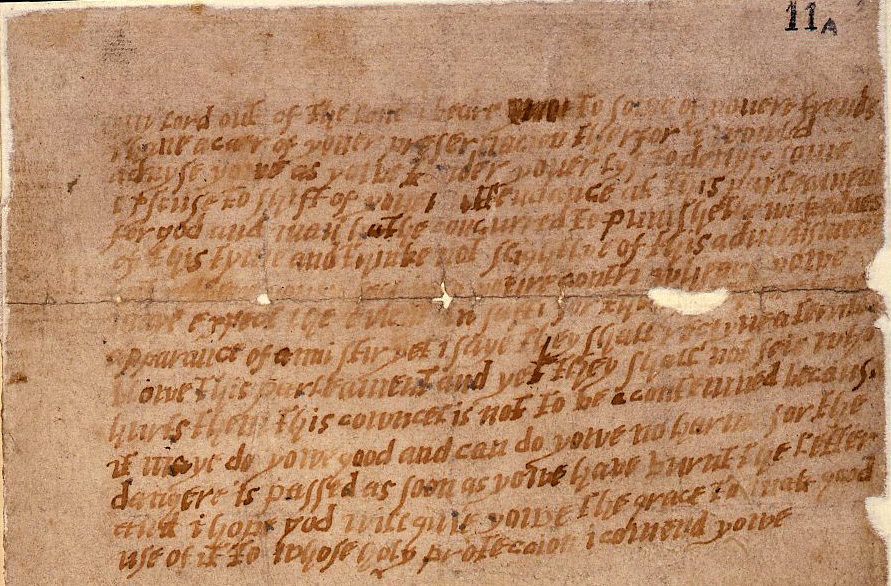
The Monteagle Letter
Unknown · 1605
Ready when you are
Start chatting with James I now.
20 messages free · No credit card · Available in 50+ languages.