


Primary sourcePainting1621 (this state c. 1625)
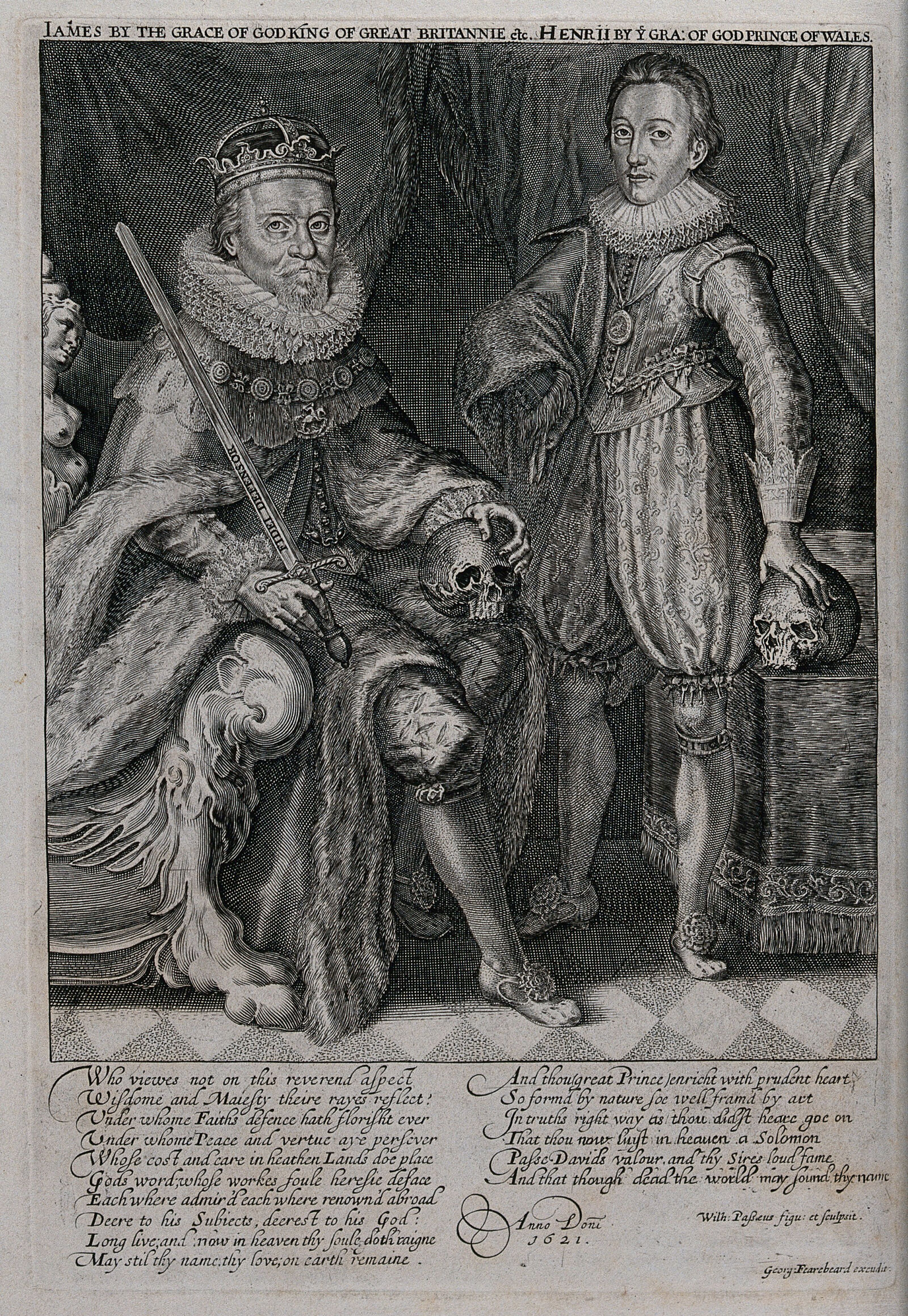
James I and Charles, Prince of Wales
Willem van de Passe · 1621 (this state c. 1625)
An engraving by Willem van de Passe showing King James I seated beside his son Charles, then Prince of Wales, each holding a skull.
This engraving shows James as a seated king beside his son Charles, presenting the royal succession during his reign.
About this source
What it is
This engraving by Willem van de Passe shows King James I seated, holding a sword and a skull, beside his son Charles, shown as Prince of Wales, resting a hand on a skull on a pedestal. An earlier state of the print dates from around 1621; this version may date from close to 1625, when Charles became king.
Why it matters
The print shows Charles before he became king, still identified as Prince of Wales, and links him to his father James I. The skulls are memento mori symbols, reminders of death common in art of the period.
Look closer
- Why might the artist include skulls in a portrait of living rulers?
- What does the pairing of father and son suggest about succession?
- How does the print's inscription help date when it was made?
This painting is part of the curated material that grounds the AI version of James I and Charles I on Humy.ai — when students ask about related events, the AI can quote it and cite it.
More James I sources
Meet the AI James I →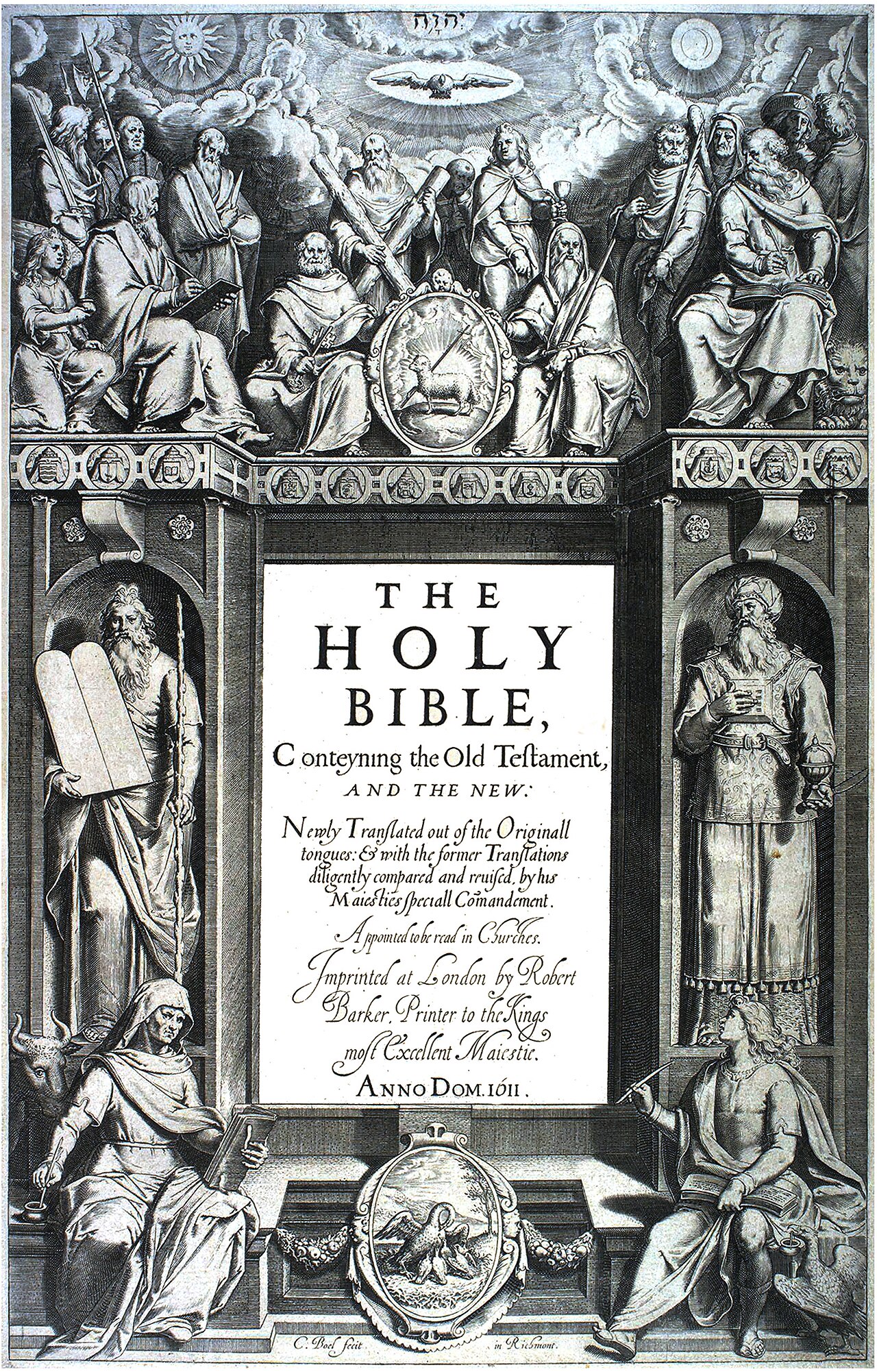 Book
Secondary source
King James Version
1611
 Book
Primary source
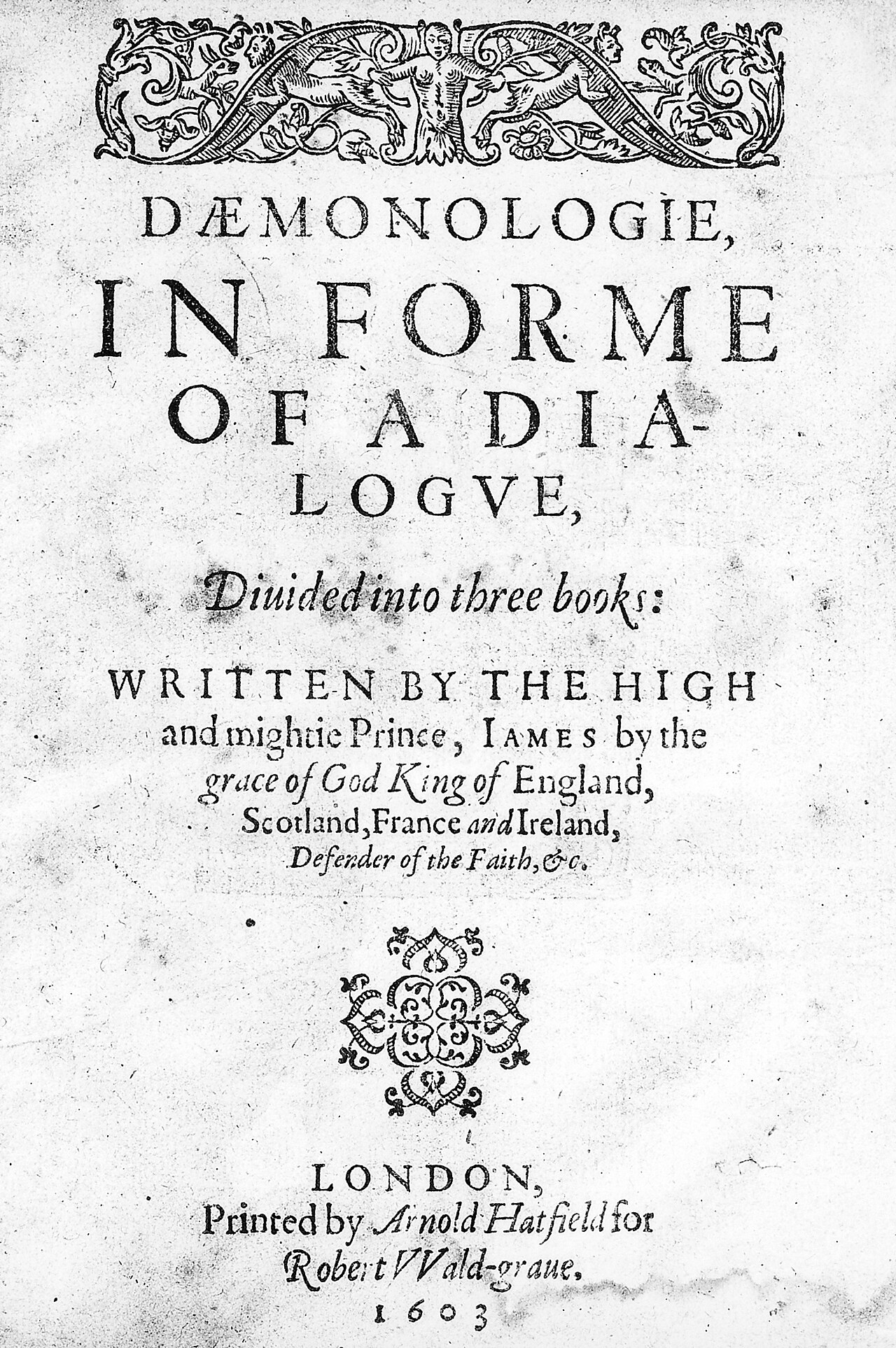
Daemonologie
James VI and I · 1597 (reprinted 1603)
 Book
Primary source
The True Law of Free Monarchies
James VI and I · 1598
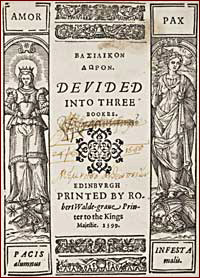 Book
Primary source
Basilikon Doron
James VI and I · 1599 (published 1603)
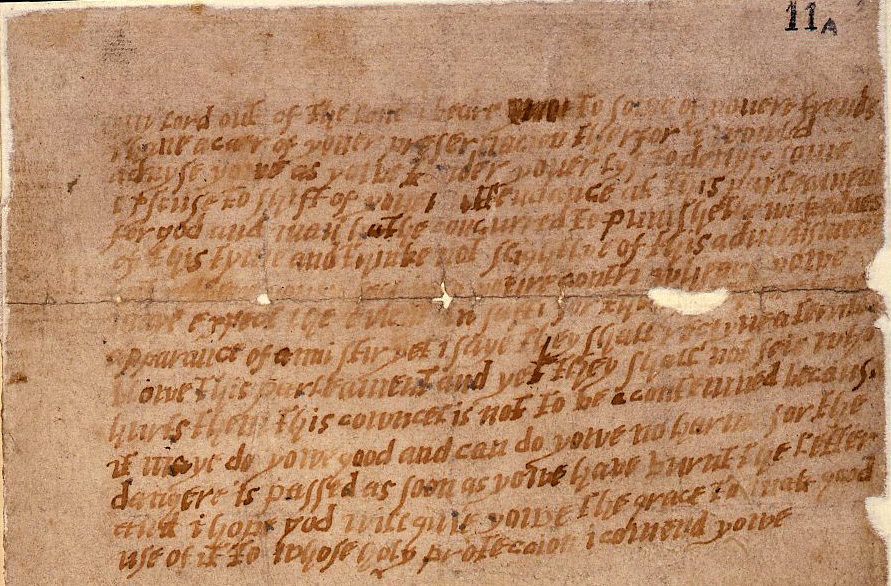 Letter
Primary source
The Monteagle Letter
Unknown · 1605
Ready when you are
Start chatting with James I now.
20 messages free · No credit card · Available in 50+ languages.