



Dr. Michael Calvert
Assistant Superintendent, South Allegheny School District, Pennsylvania
Been using Humy in his district since 2024
“We enjoyed the program last year and used it frequently.”

AI Historical Figure
King of England, Scotland, and Ireland during the 17th century. He was eventually executed after the English Civil War.
Chat with Charles I via text or voice — in 42 languages, drawing on a curated biography and 85 historical sources. Available 24/7.

Charles I
Online · responds in seconds
Hello — I'm Charles I. King of England, Scotland, and Ireland during the 17th century. He was eventually executed after the English Civil War. What would you like to ask me?
20 messages free · No credit card · Powered by Humy.ai
Live preview · Switch between 42 languages above · Send a message to continue in the app
Multilingual
Ask Charles I questions in any language below, and the rest of Humy's app speaks it too. Pick yours to open the chat in that language.
Also in German (Austria), German (Switzerland), English (UK), English (Australia), English (Canada).
85 sources · 38 paintings · 18 books · 16 documents · 7 artifacts · 3 letters · 1 speech · 1 sculpture · 1 newspaper article
Charles I doesn’t improvise from thin air. The AI is grounded in 85 curated historical sources students can inspect. Open any of them to see what informs the conversation.
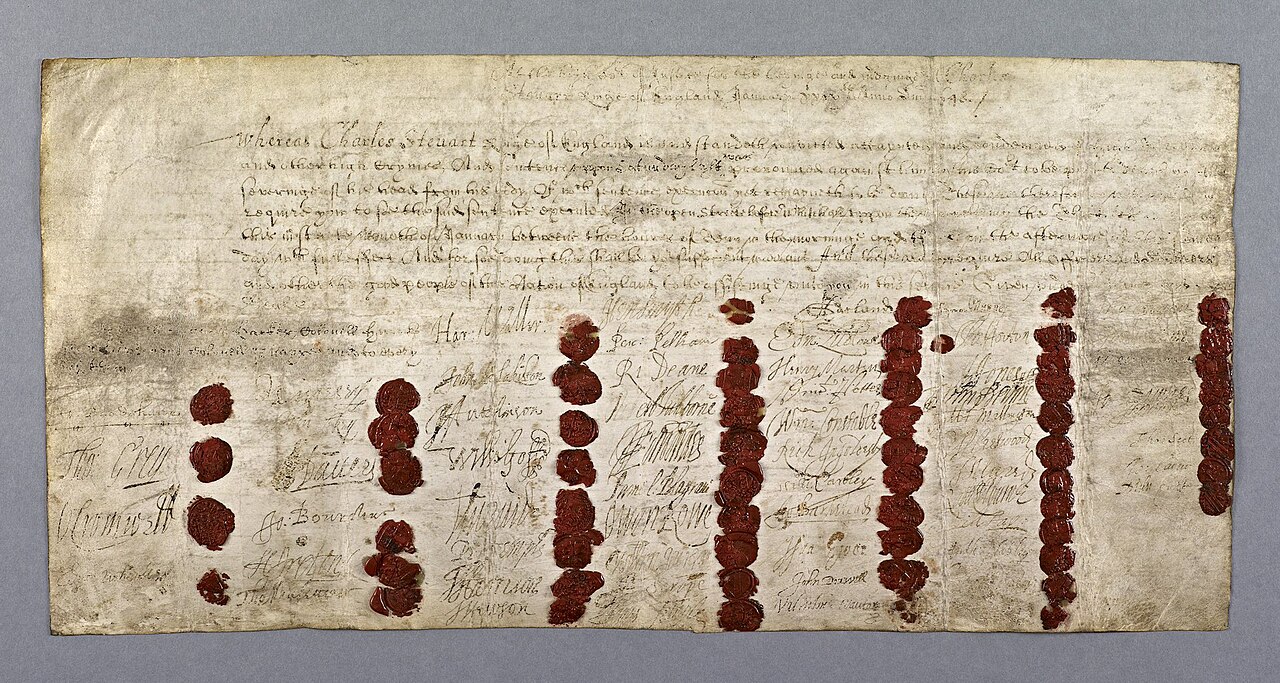 Document
Primary source
High Court of Justice commissioners · 29 January 1649
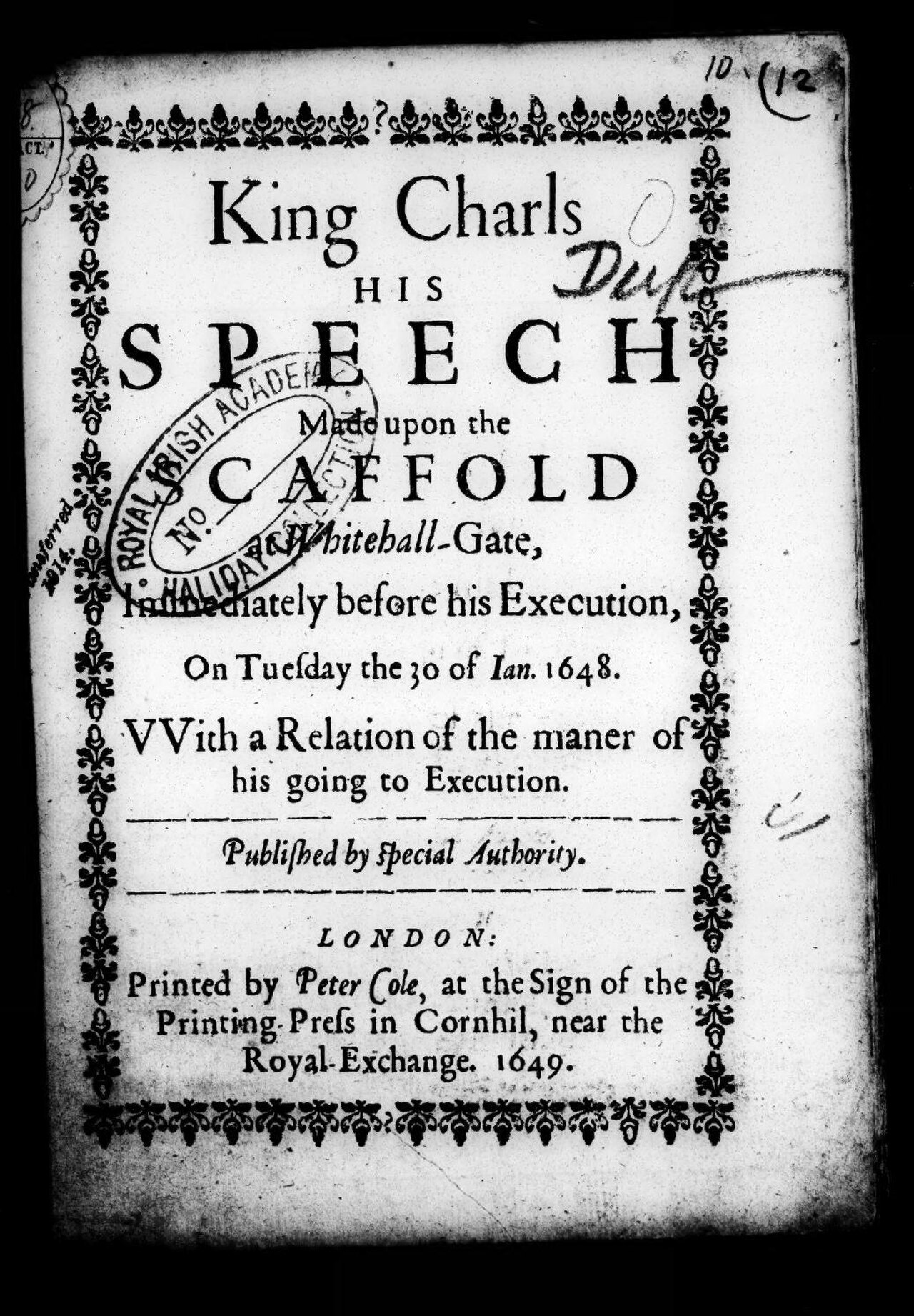 Speech
Primary source
Charles I · 30 January 1649
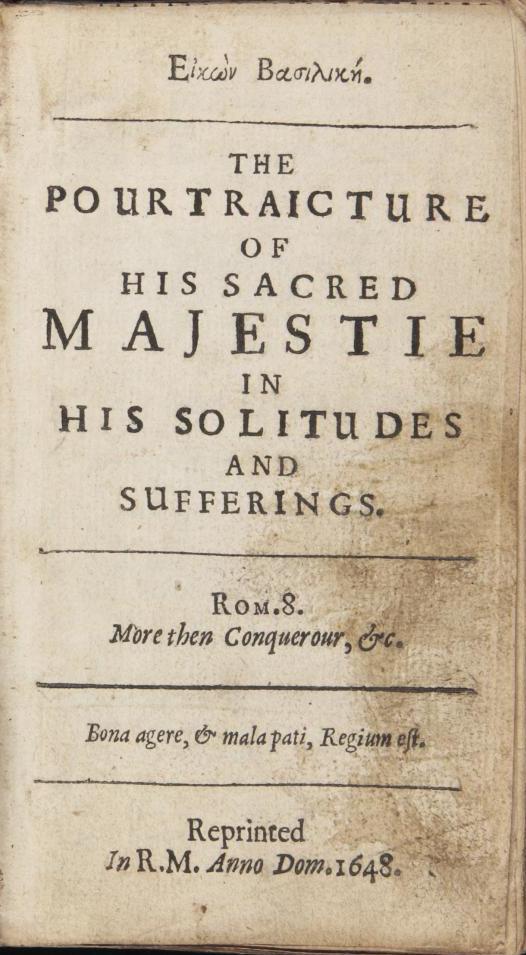 Book
Secondary source
Attributed to Charles I (possibly John Gauden) · 1649
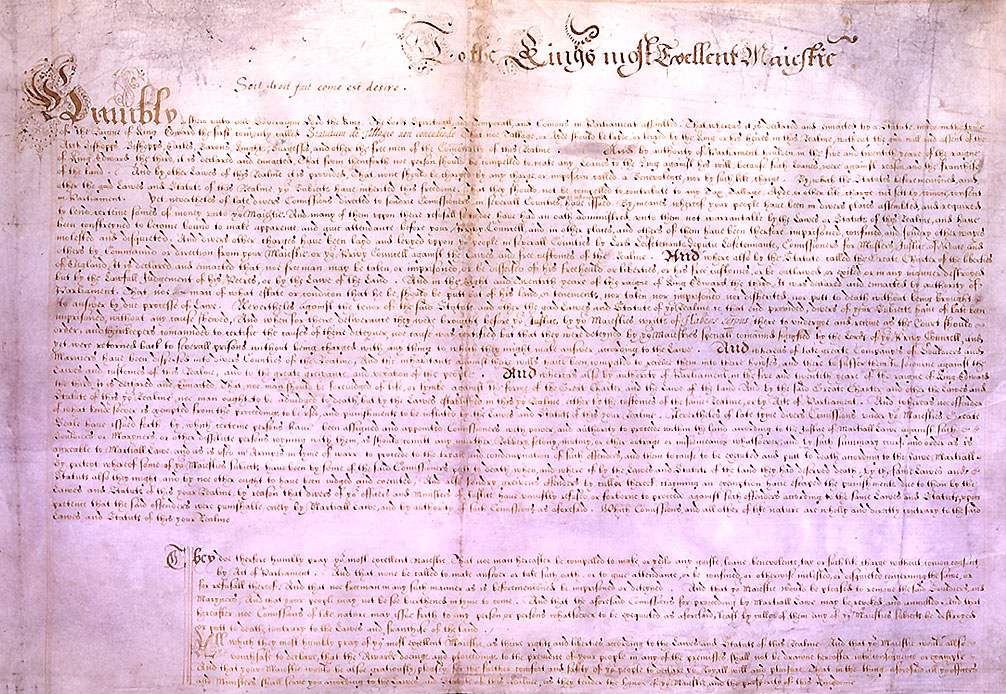 Document
Primary source
Edward Coke (drafting committee) · 7 June 1628
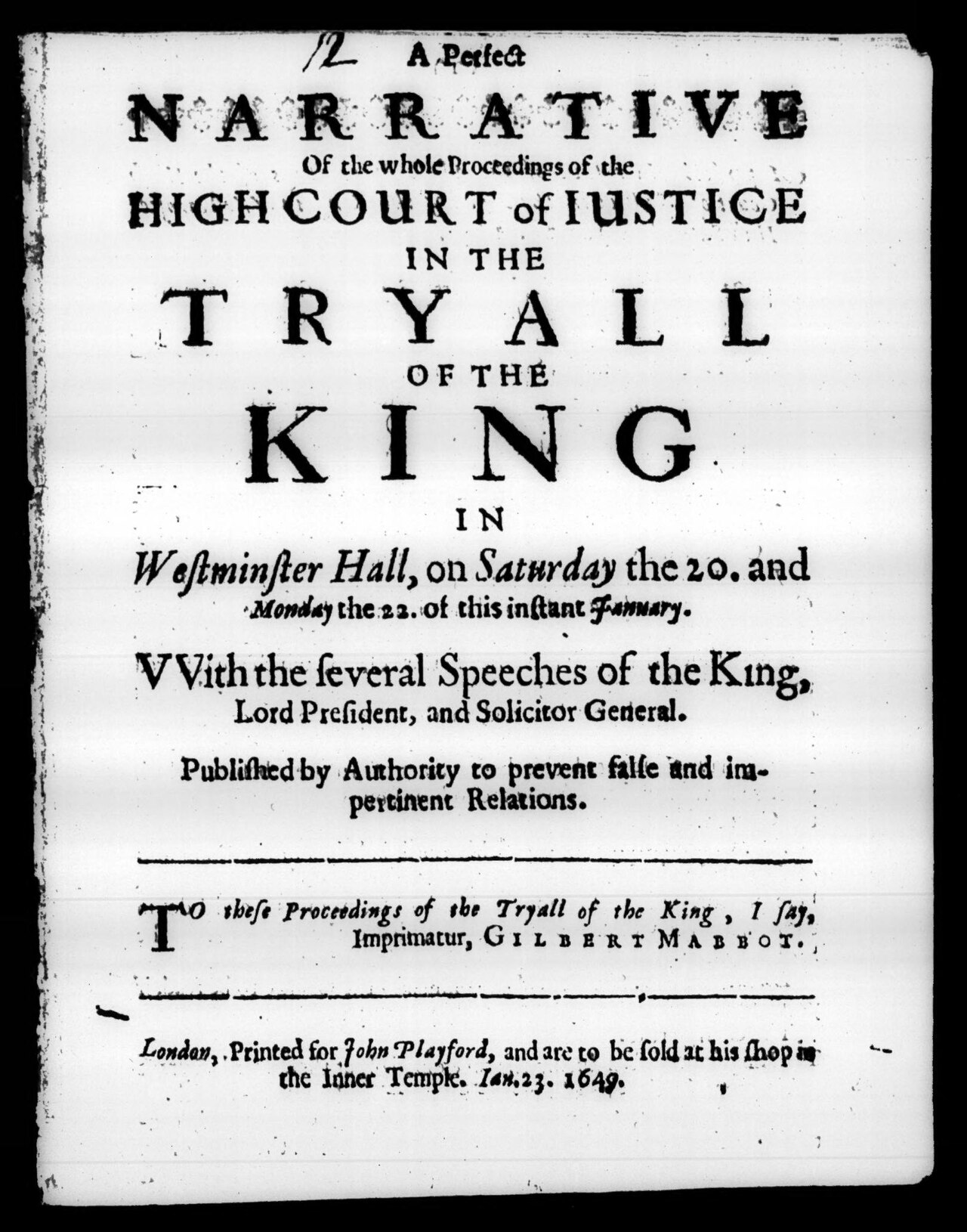 Document
Primary source
Published by order of the High Court of Justice · 23 January 1649
 Document
Primary source
Long Parliament · 1642
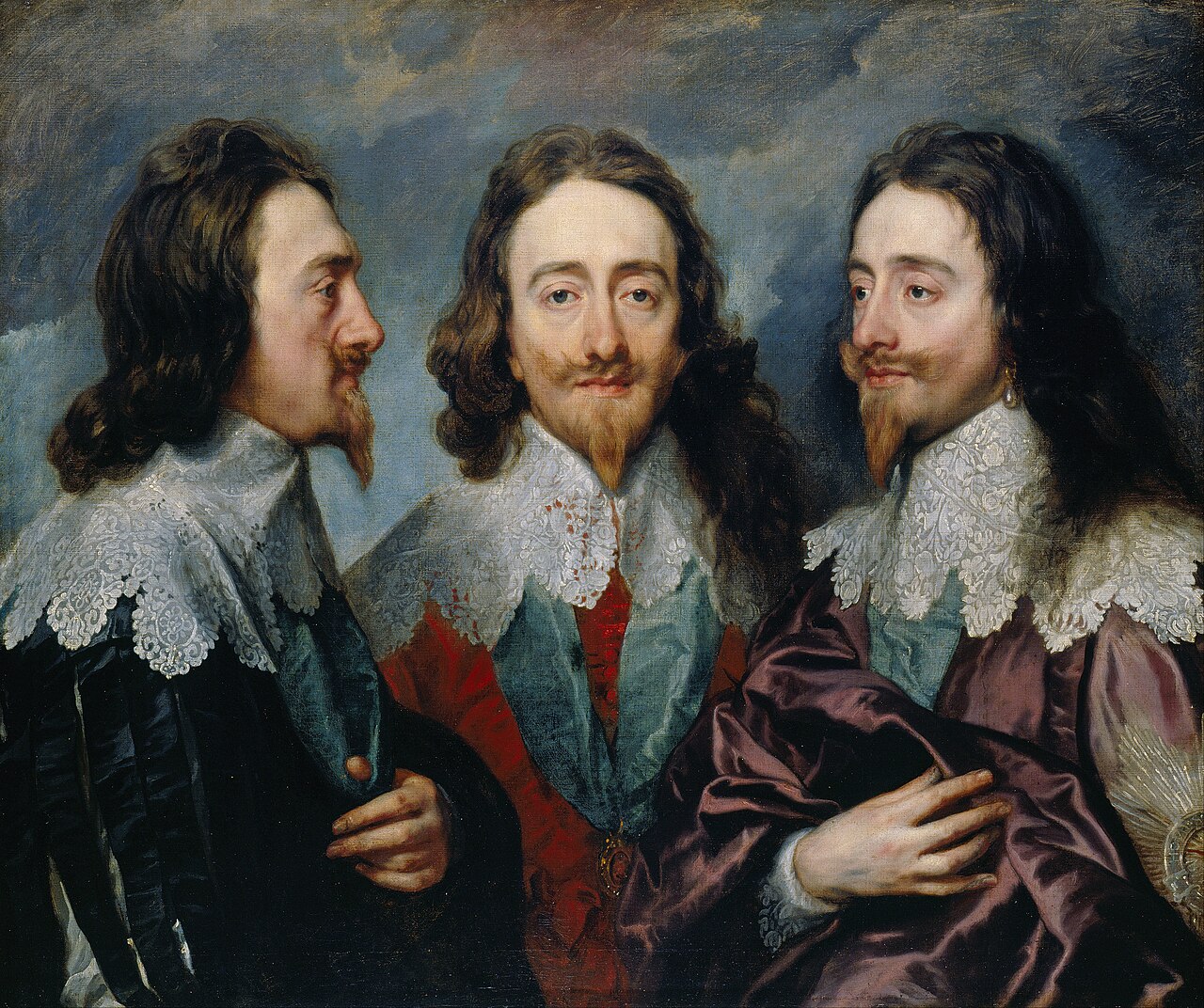 Painting
Primary source
Anthony van Dyck · 1635–1636
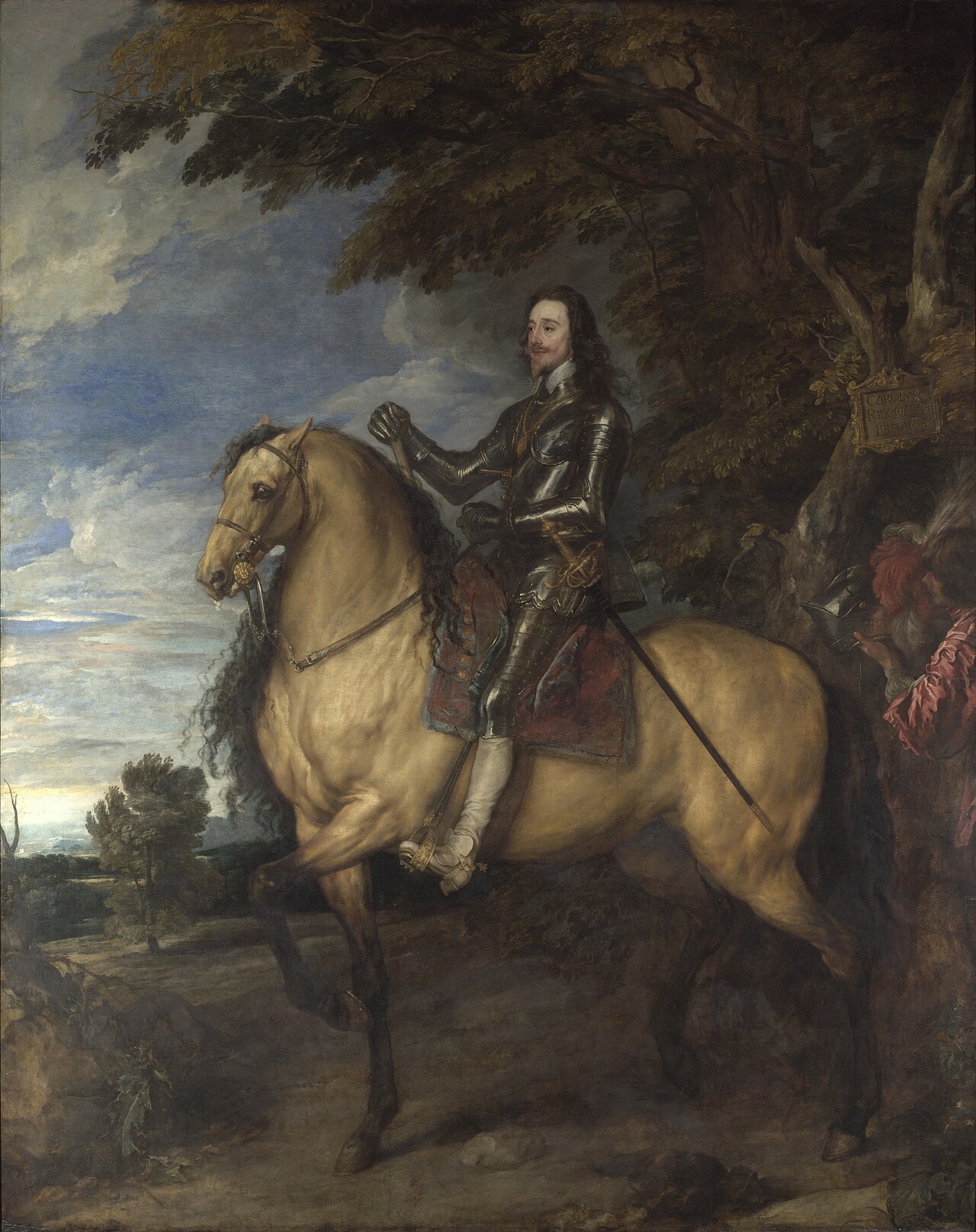 Painting
Primary source
Anthony van Dyck · c. 1637–1638
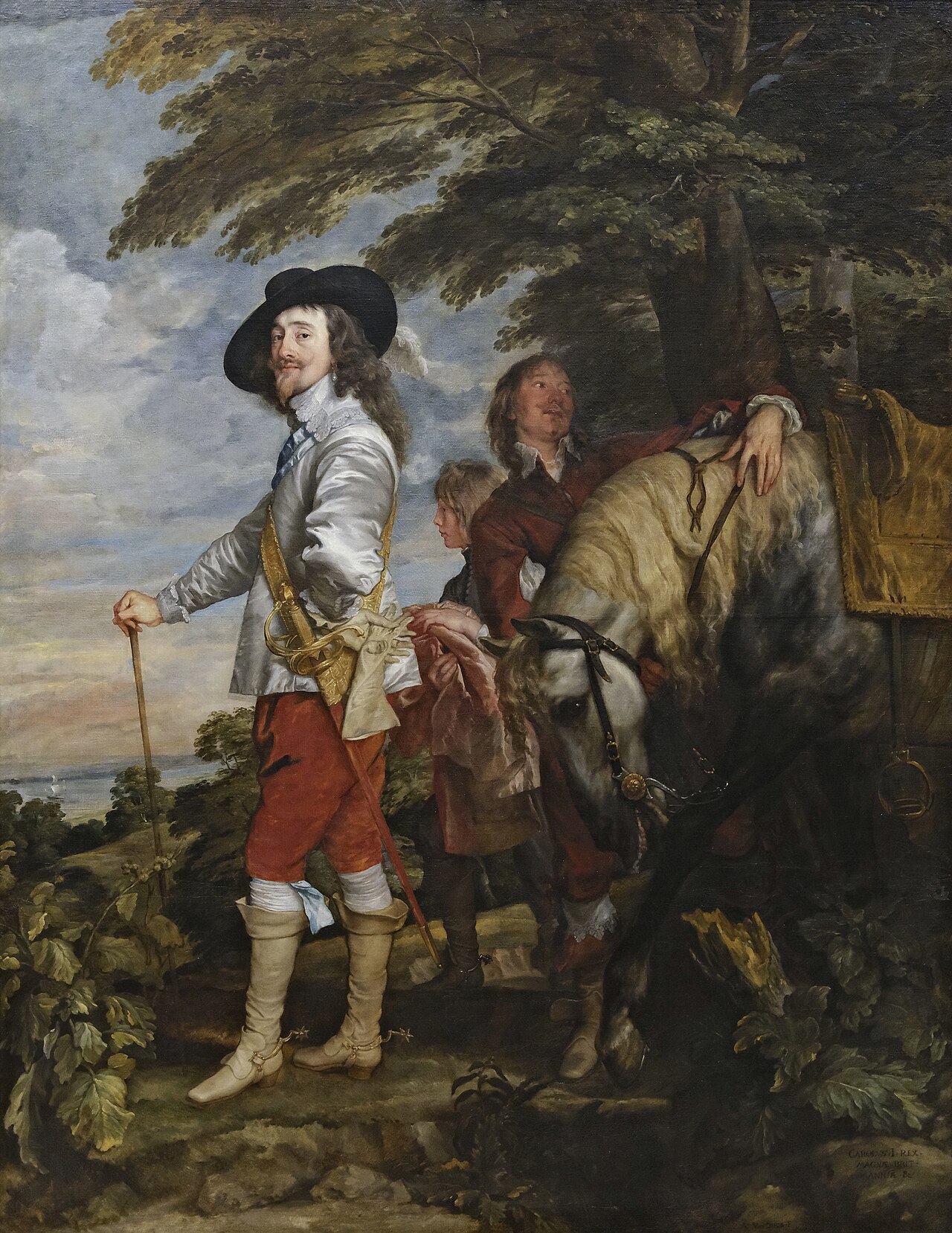 Painting
Primary source
Anthony van Dyck · c. 1635
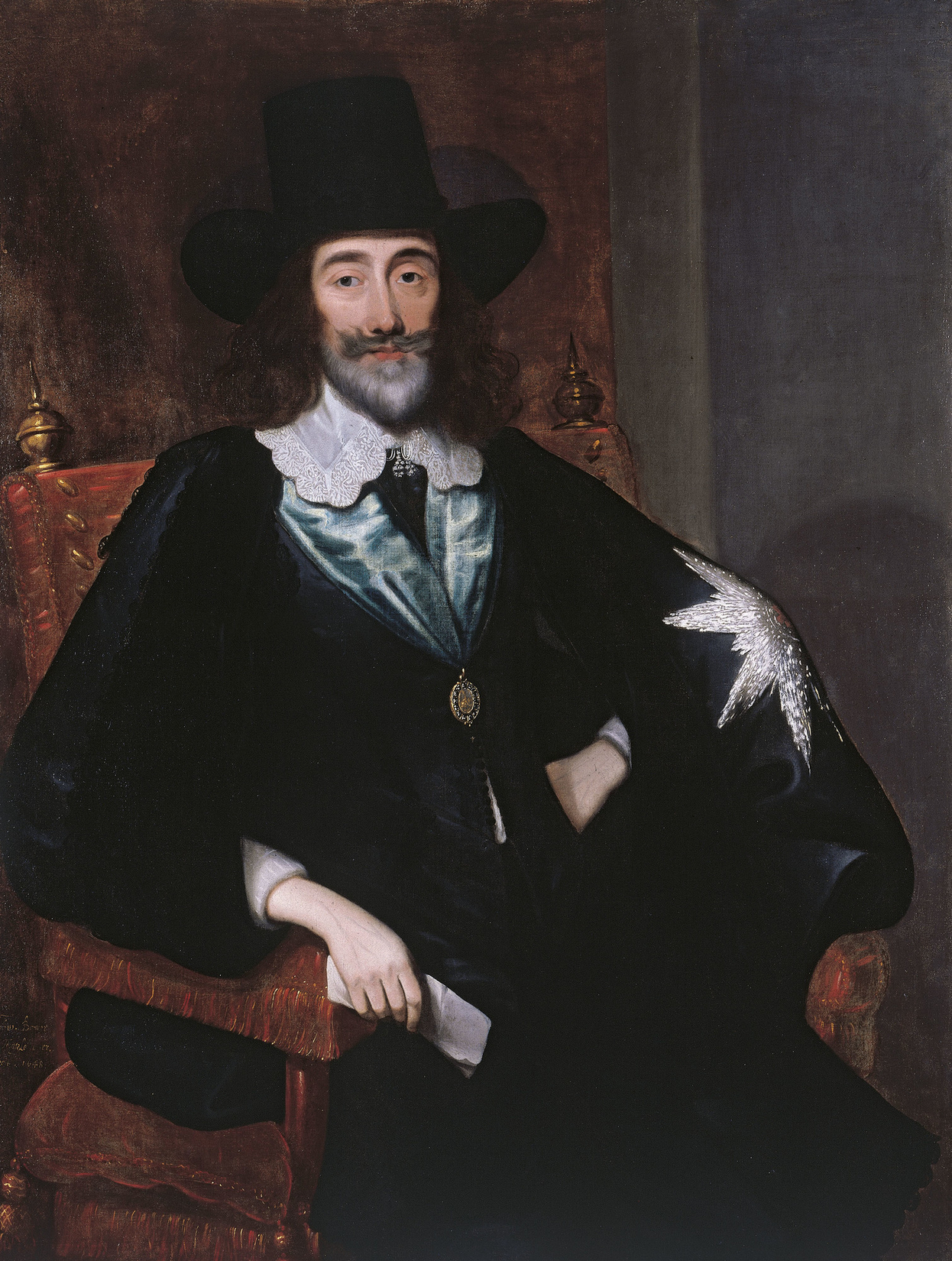 Painting
Primary source
Edward Bower · 1648
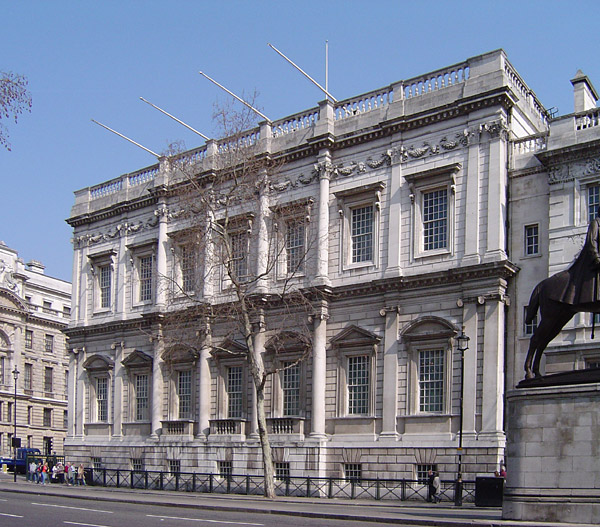 Artifact
Primary source
Inigo Jones · 1622 (building); ceiling paintings added 1630s
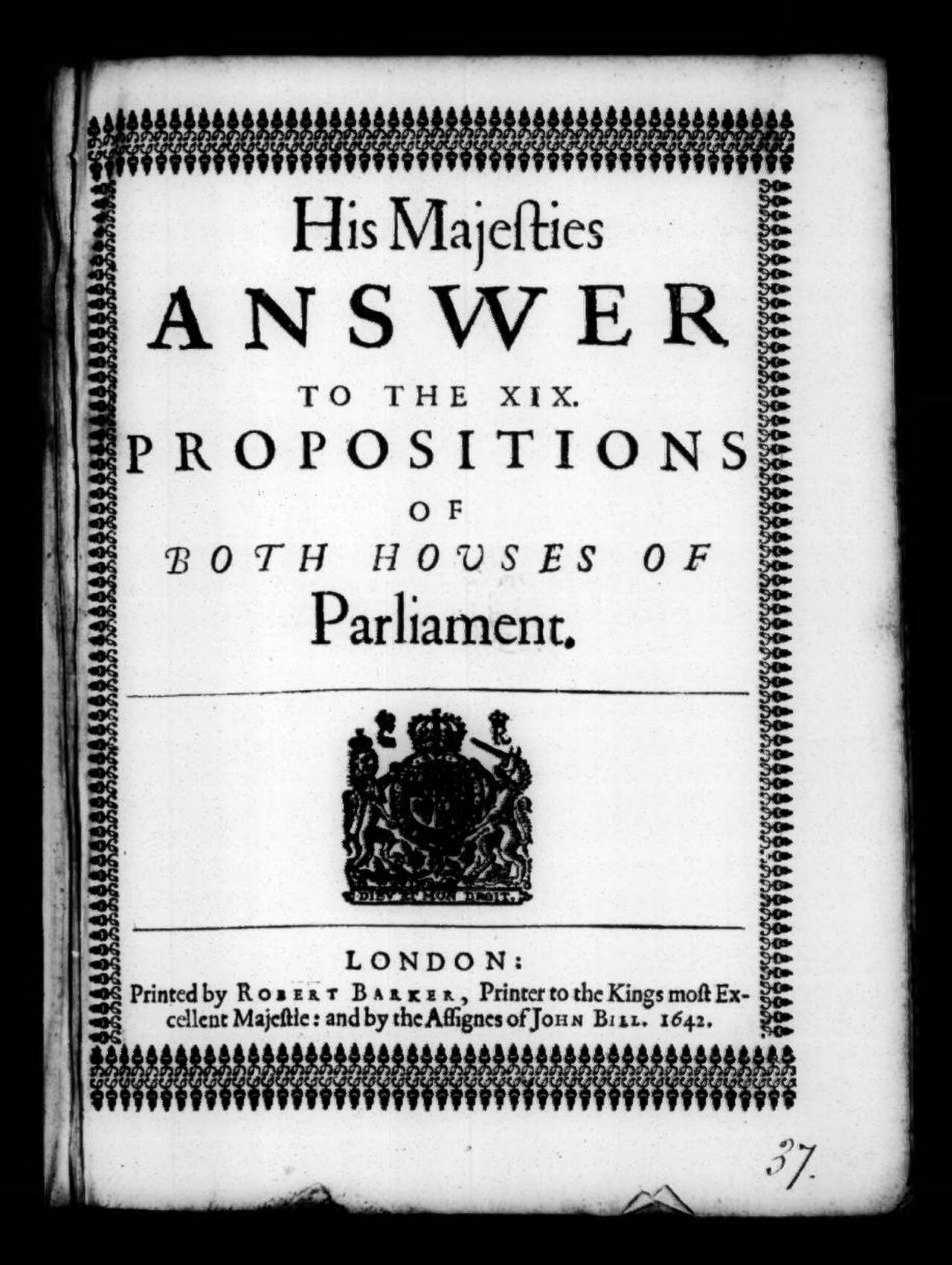 Document
Primary source
Charles I (drafted by Lord Falkland and Sir John Culpeper) · June 1642
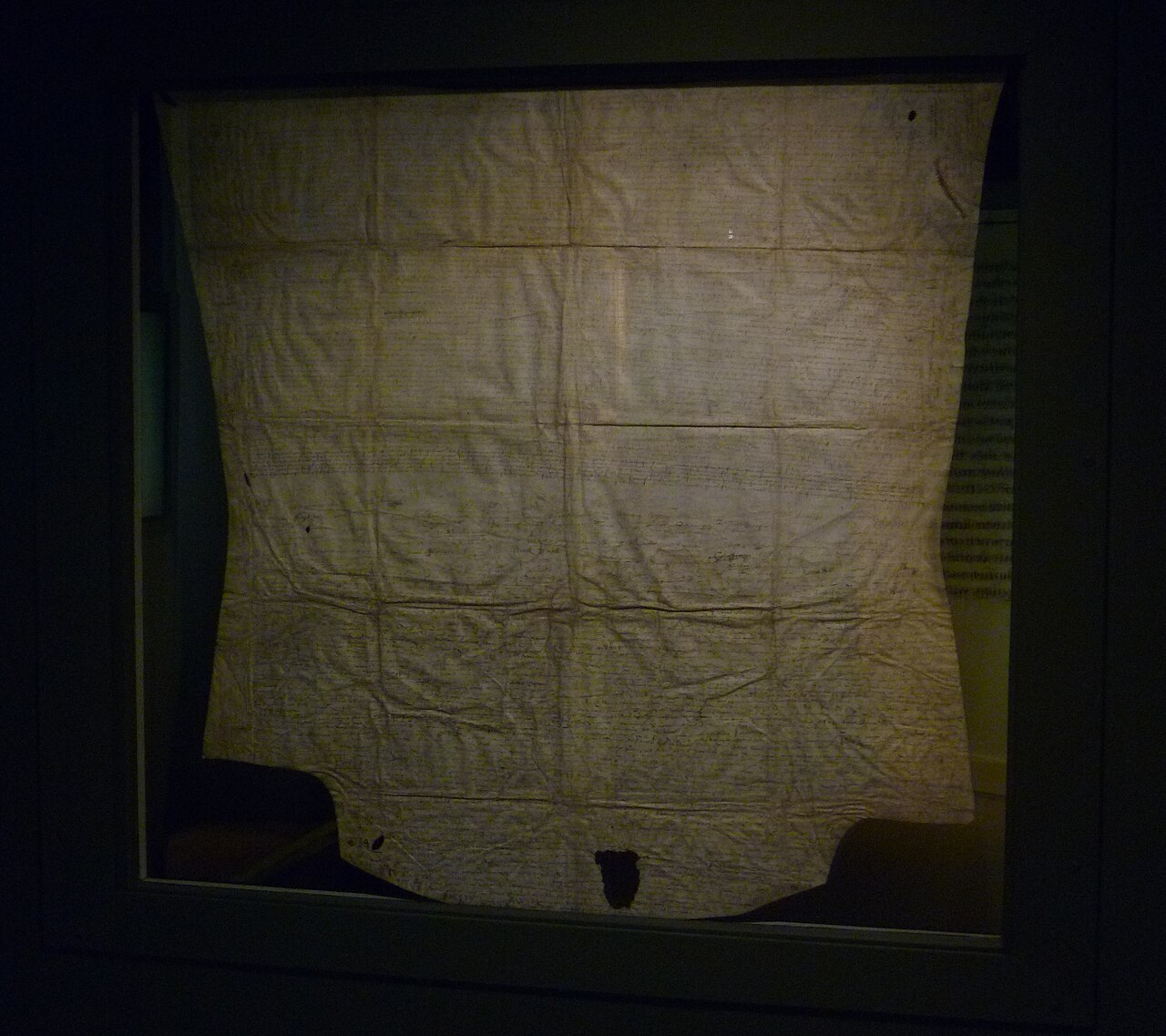 Document
Primary source
Archibald Johnston and Alexander Henderson · 1638
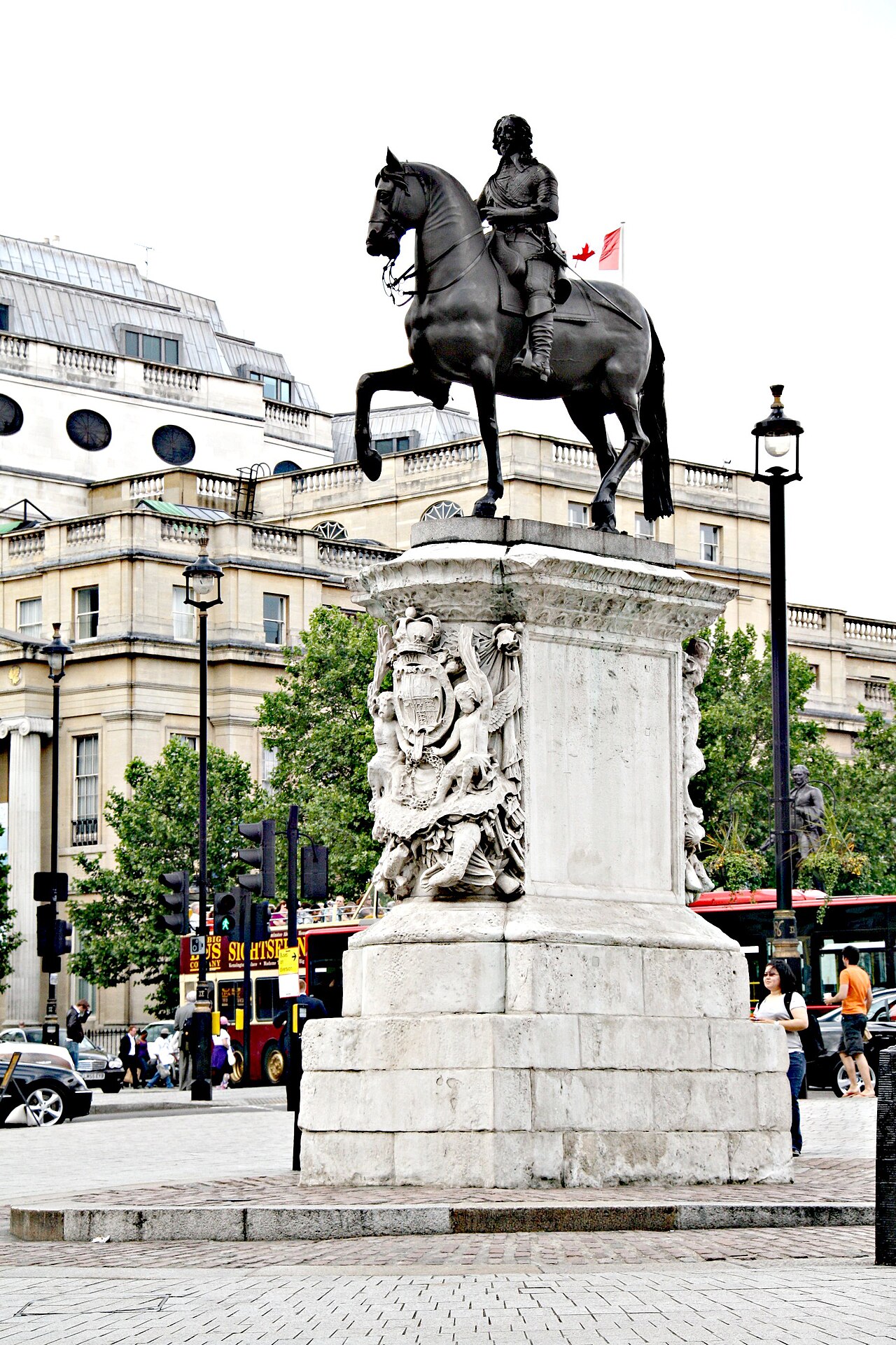 Sculpture
Primary source
Hubert Le Sueur · 1633 (erected 1675)
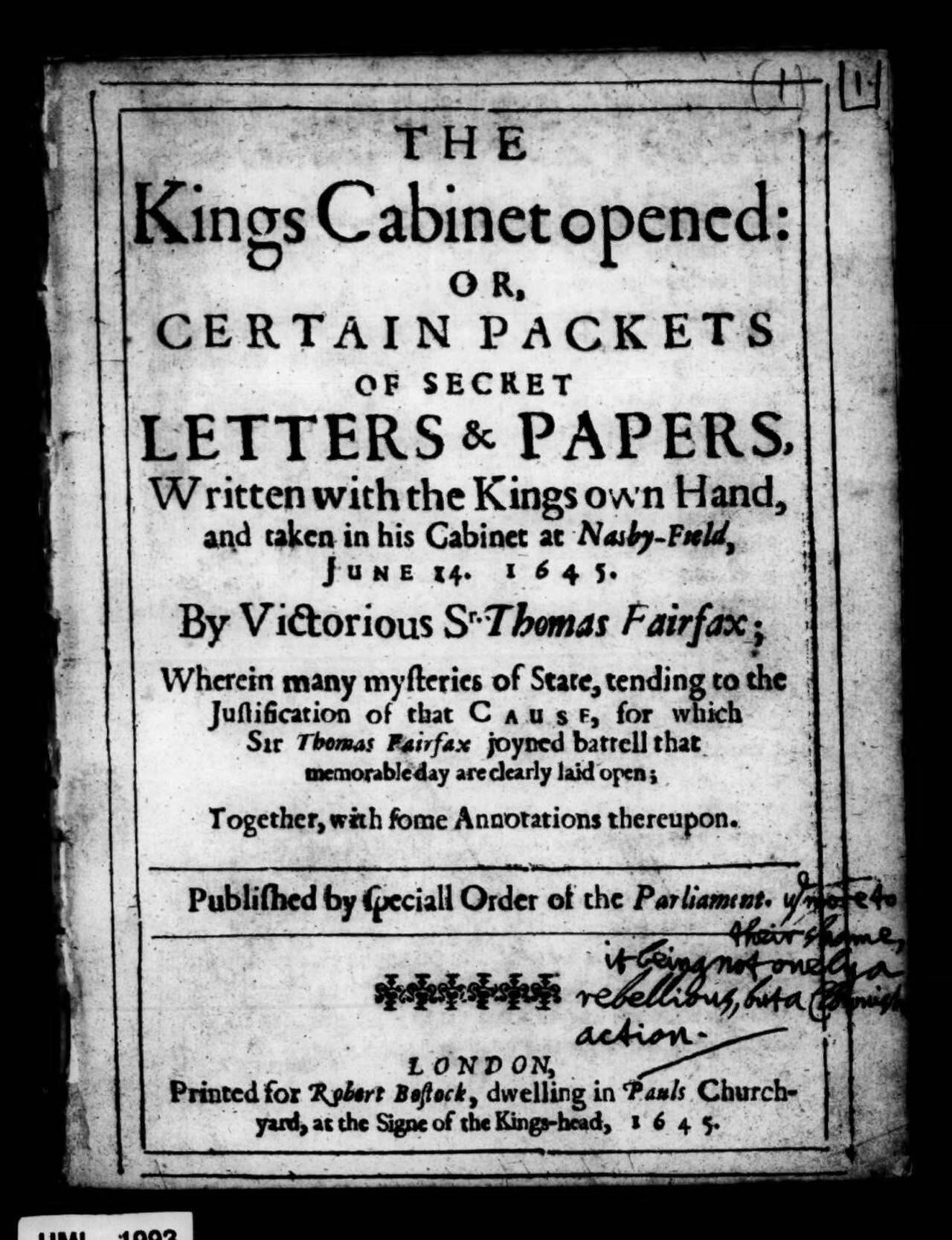 Document
Primary source
Charles I (published by order of Parliament) · 1645
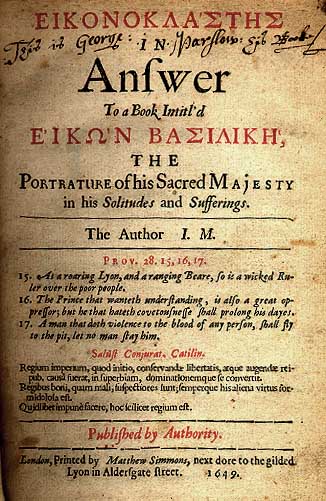 Book
Secondary source
John Milton · 1649
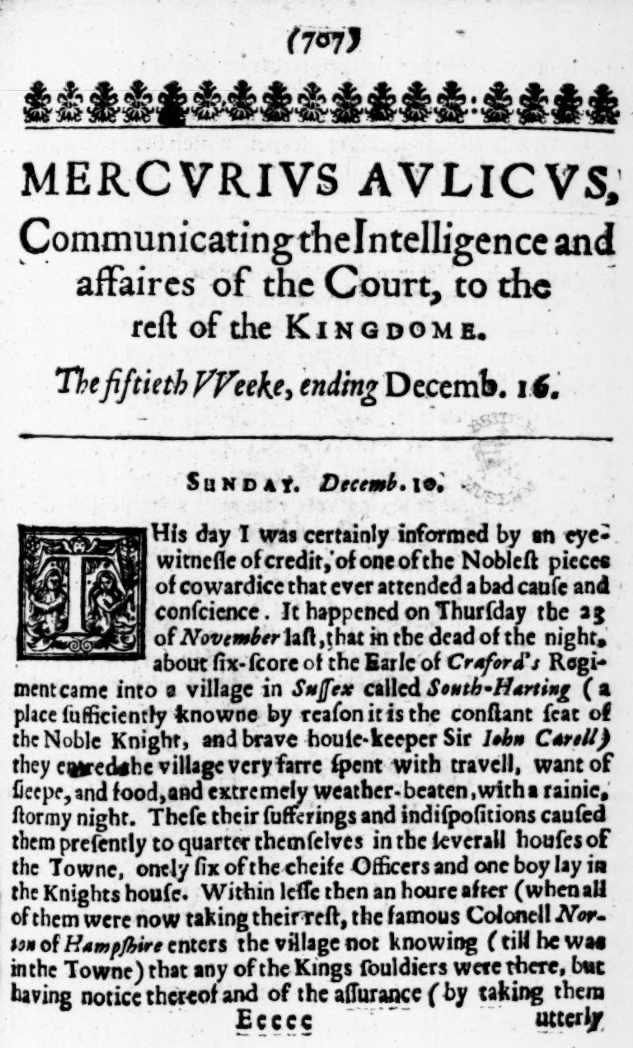 Newspaper article
Primary source
John Birkenhead and Peter Heylin · 10–16 December 1643
 Document
Primary source
Charles I · 1633
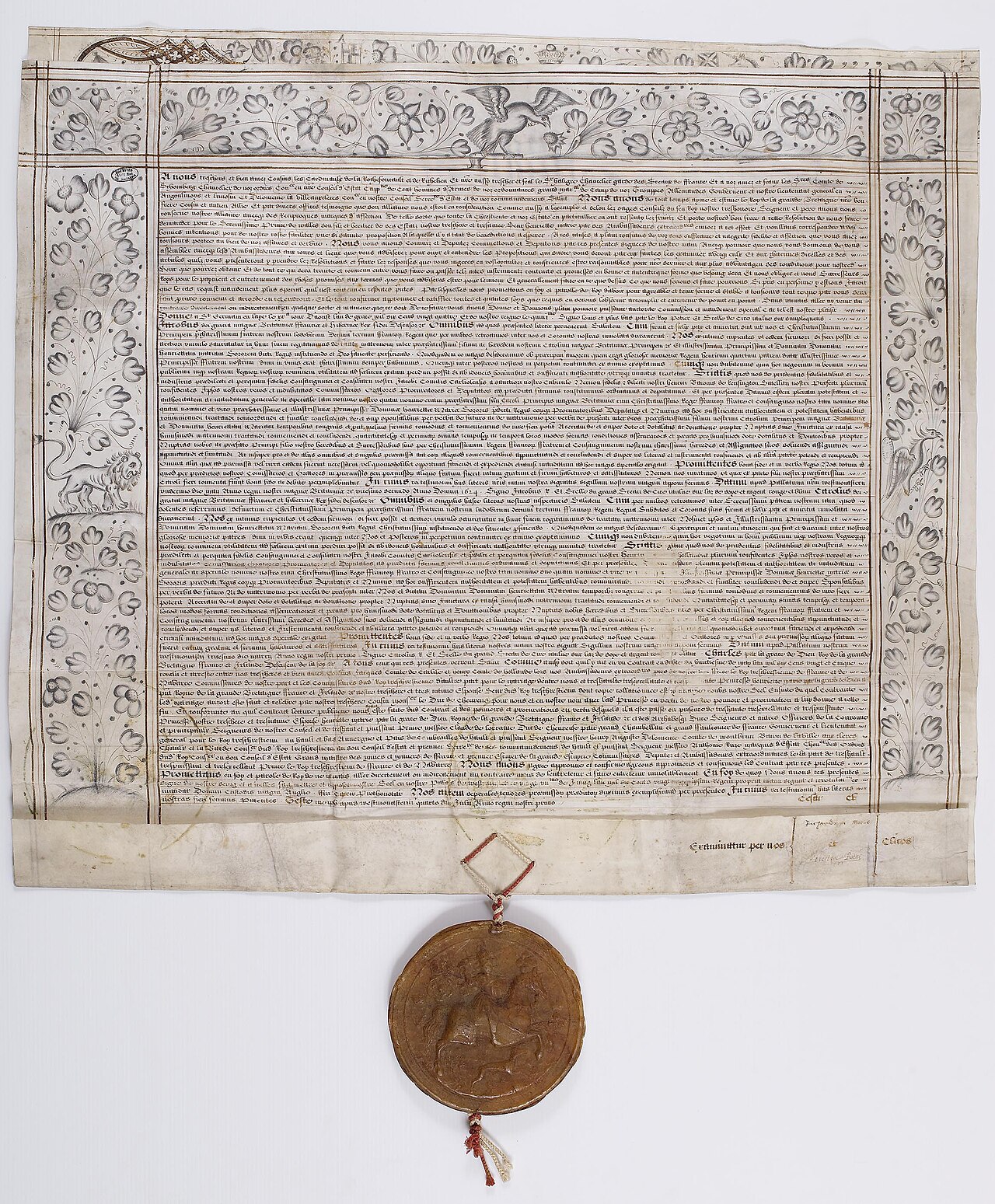 Document
Primary source
4 July 1625
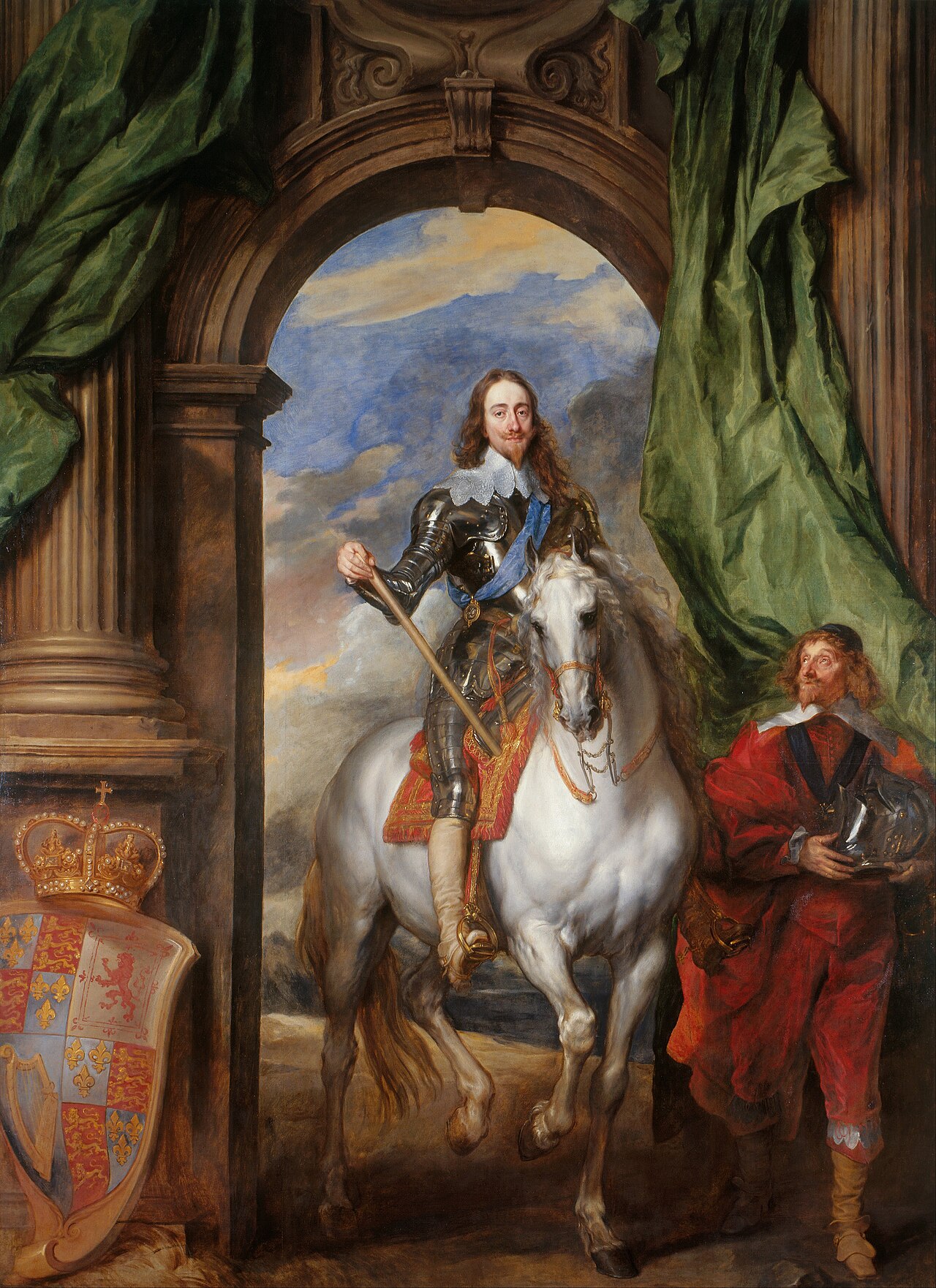 Painting
Primary source
Anthony van Dyck · 1636
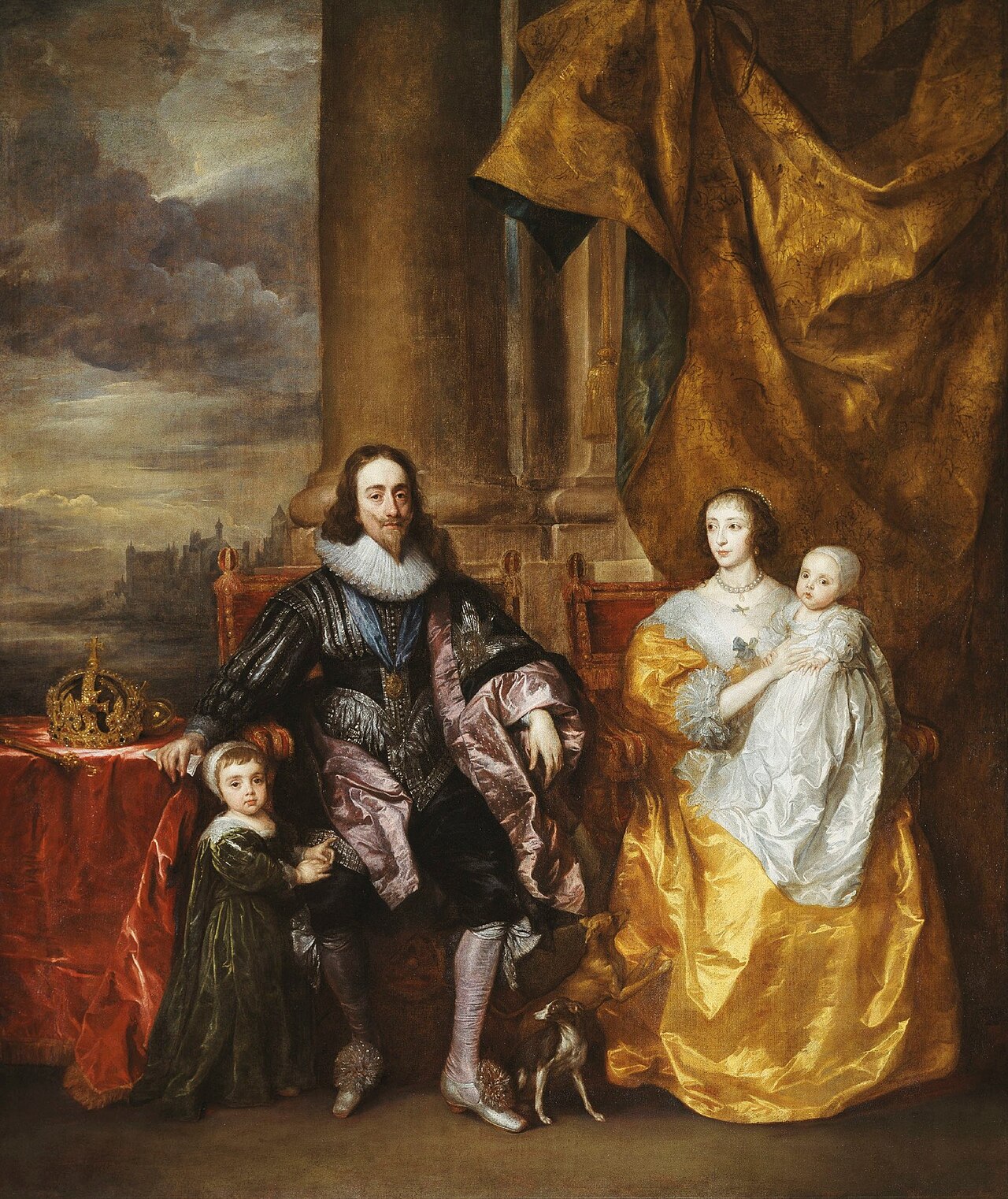 Painting
Primary source
Anthony van Dyck · 1632
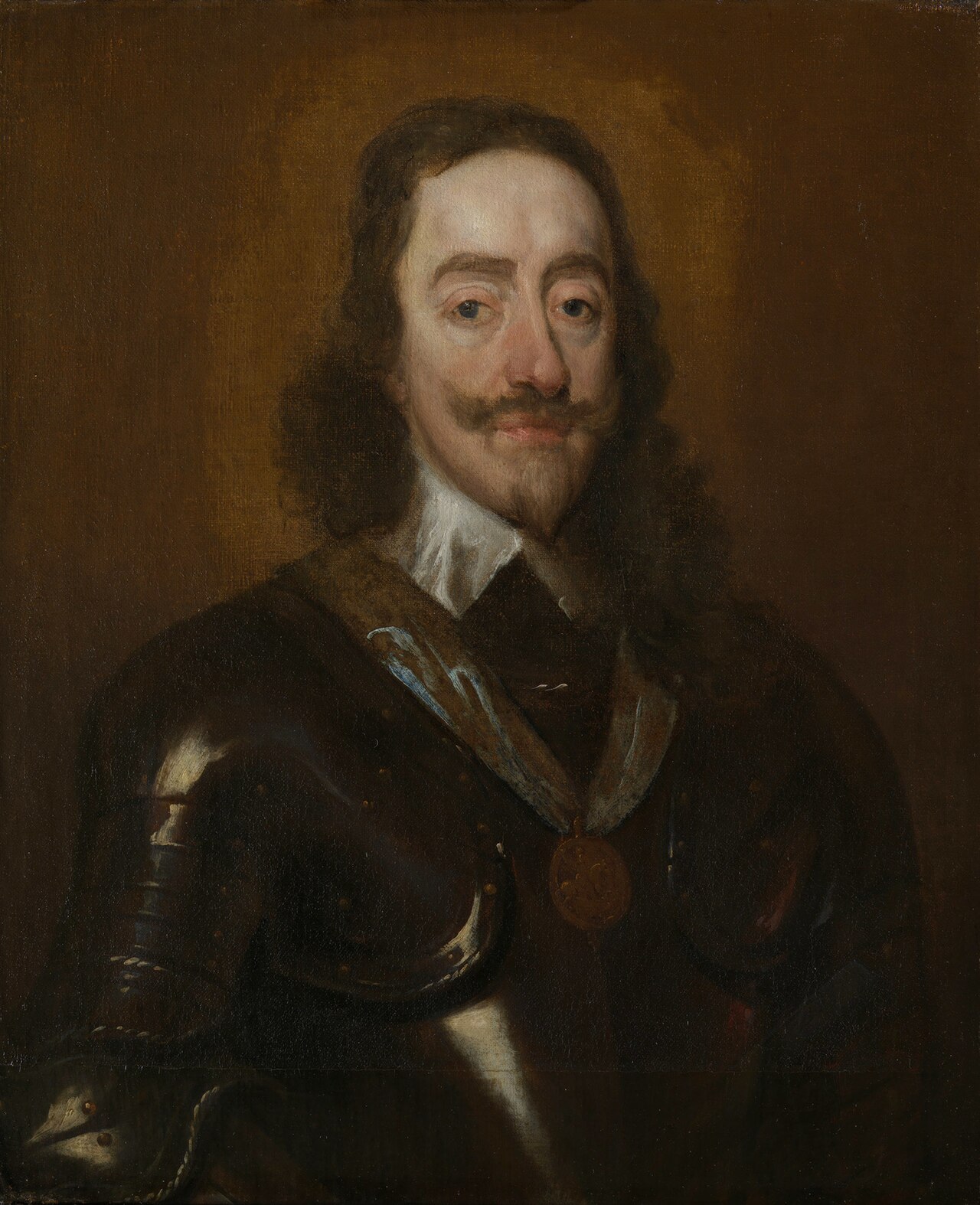 Painting
Primary source
William Dobson · 1644
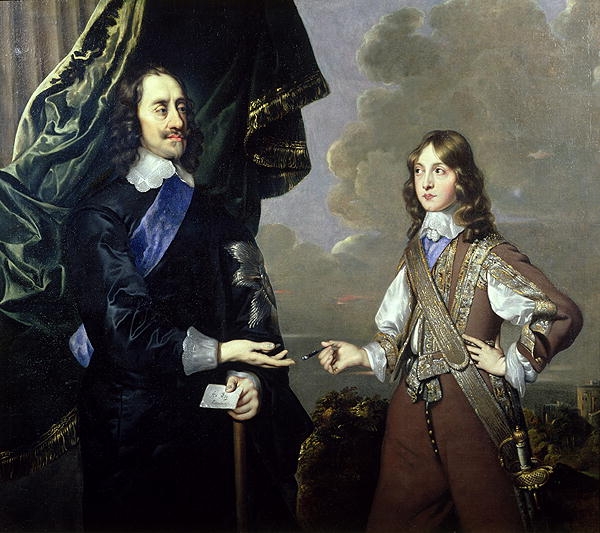 Painting
Primary source
Peter Lely · 1647
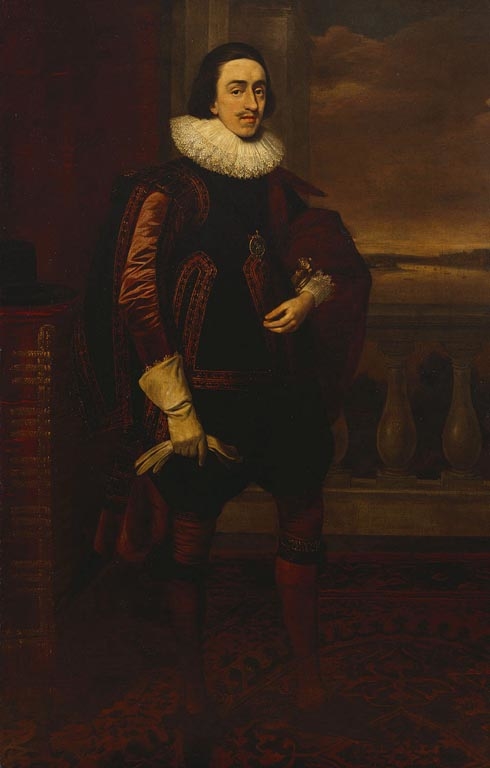 Painting
Primary source
Daniël Mijtens · 1623
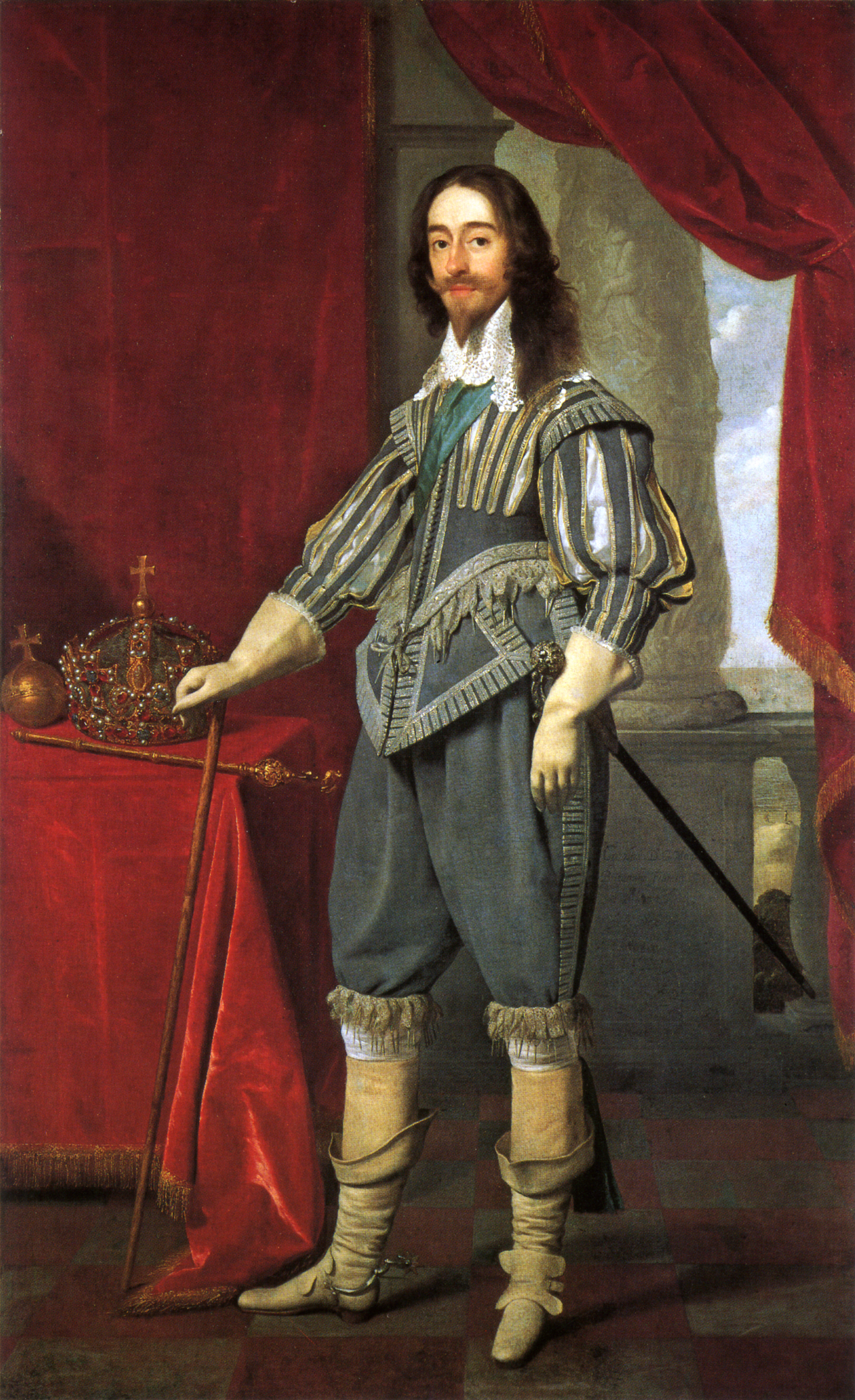 Painting
Primary source
Daniël Mytens · 1631
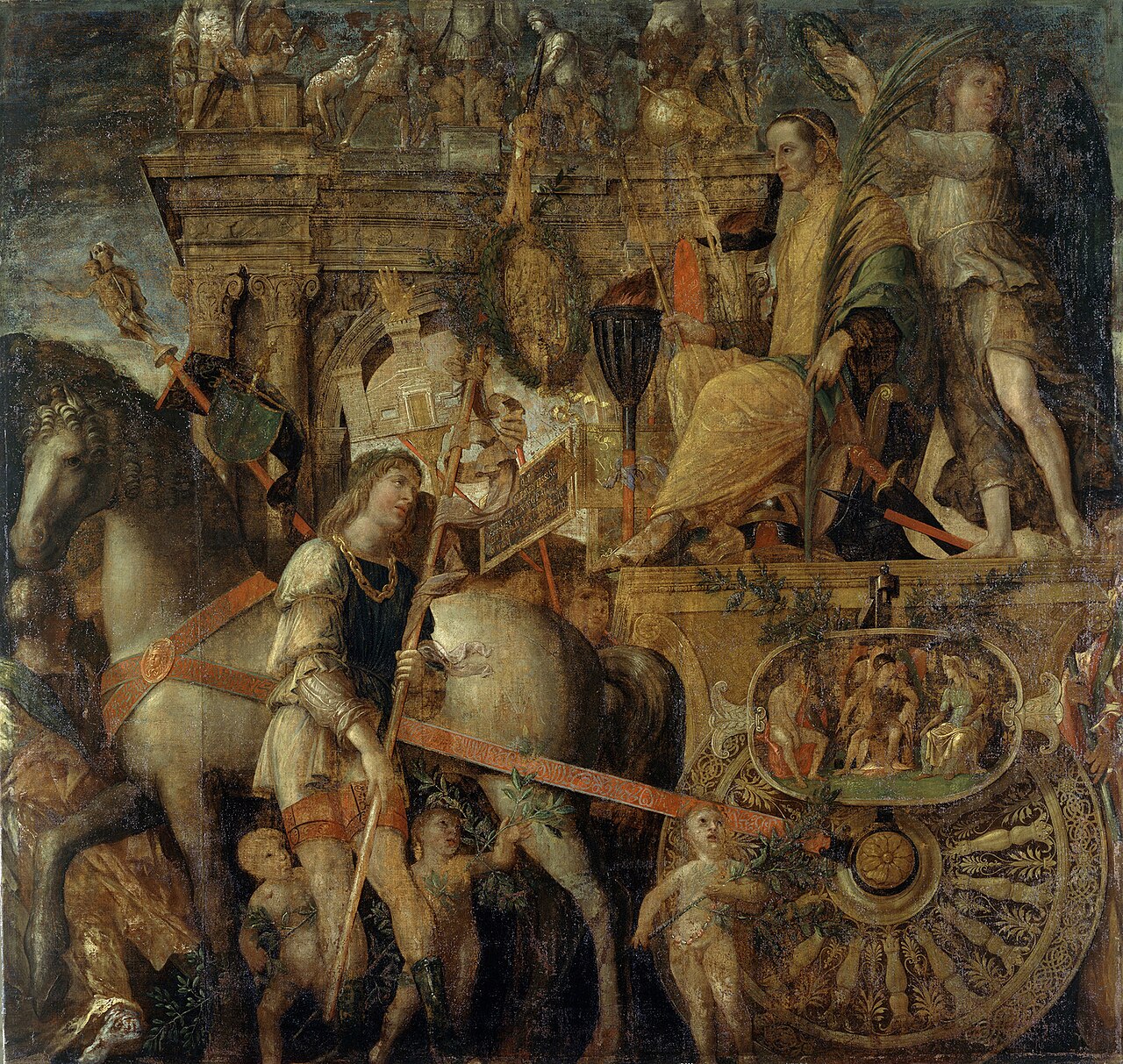 Painting
Secondary source
Andrea Mantegna · 1484-1492
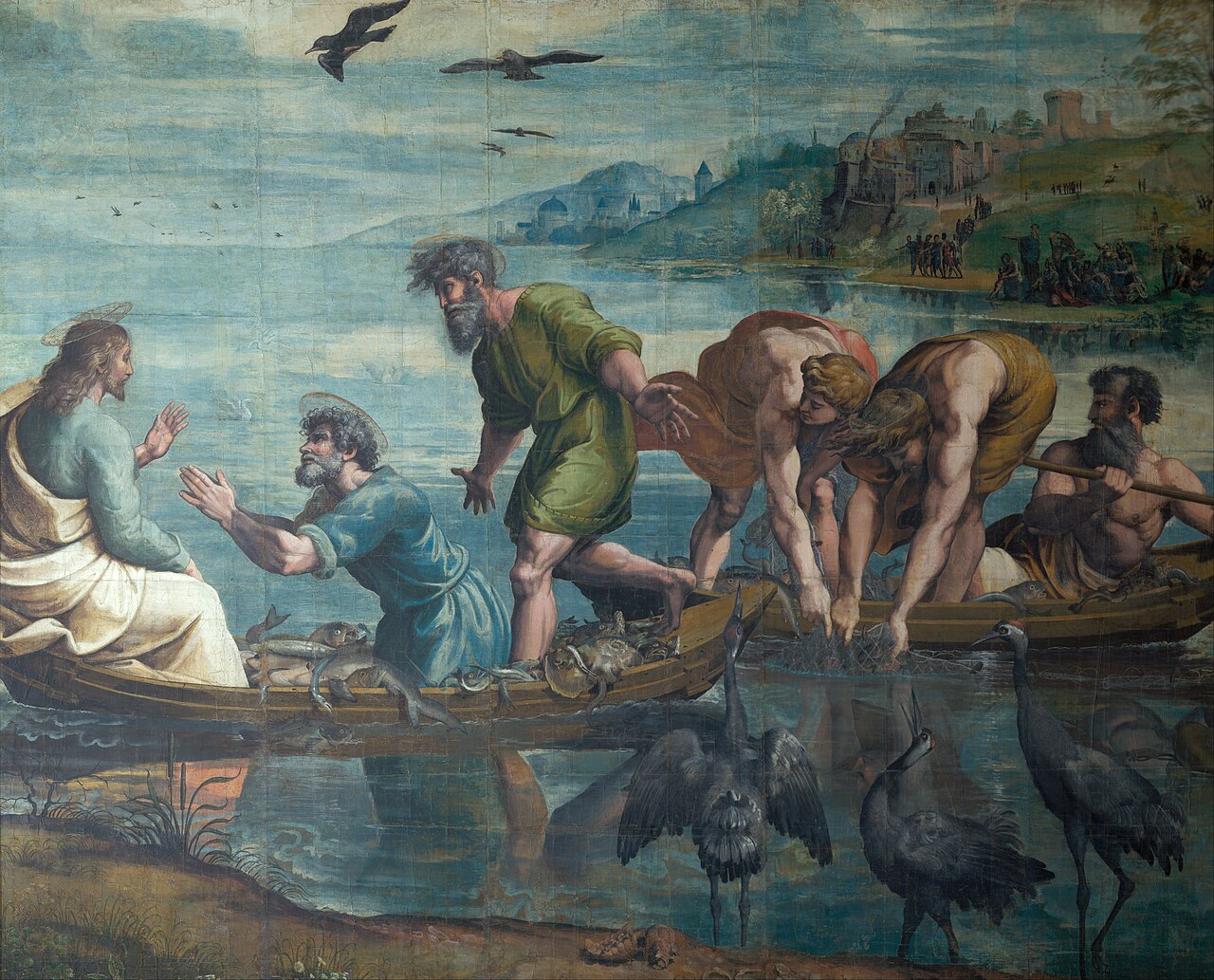 Painting
Primary source
Raphael · 1515-1516
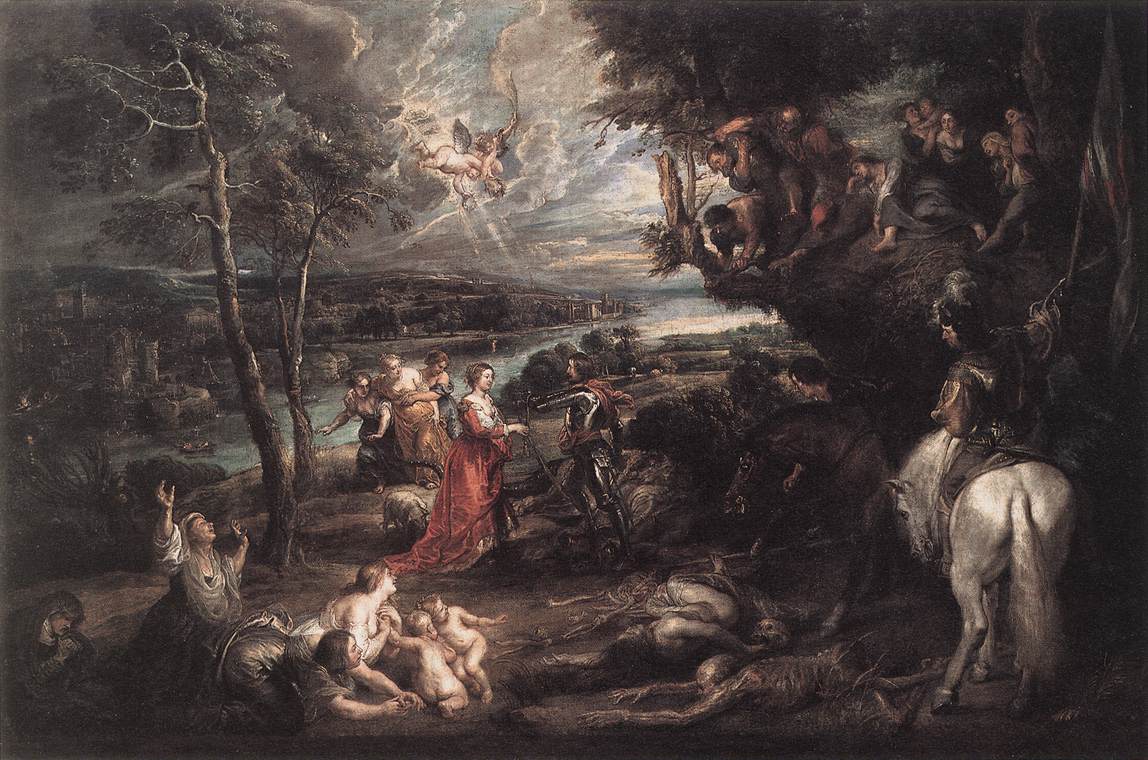 Painting
Primary source
Peter Paul Rubens
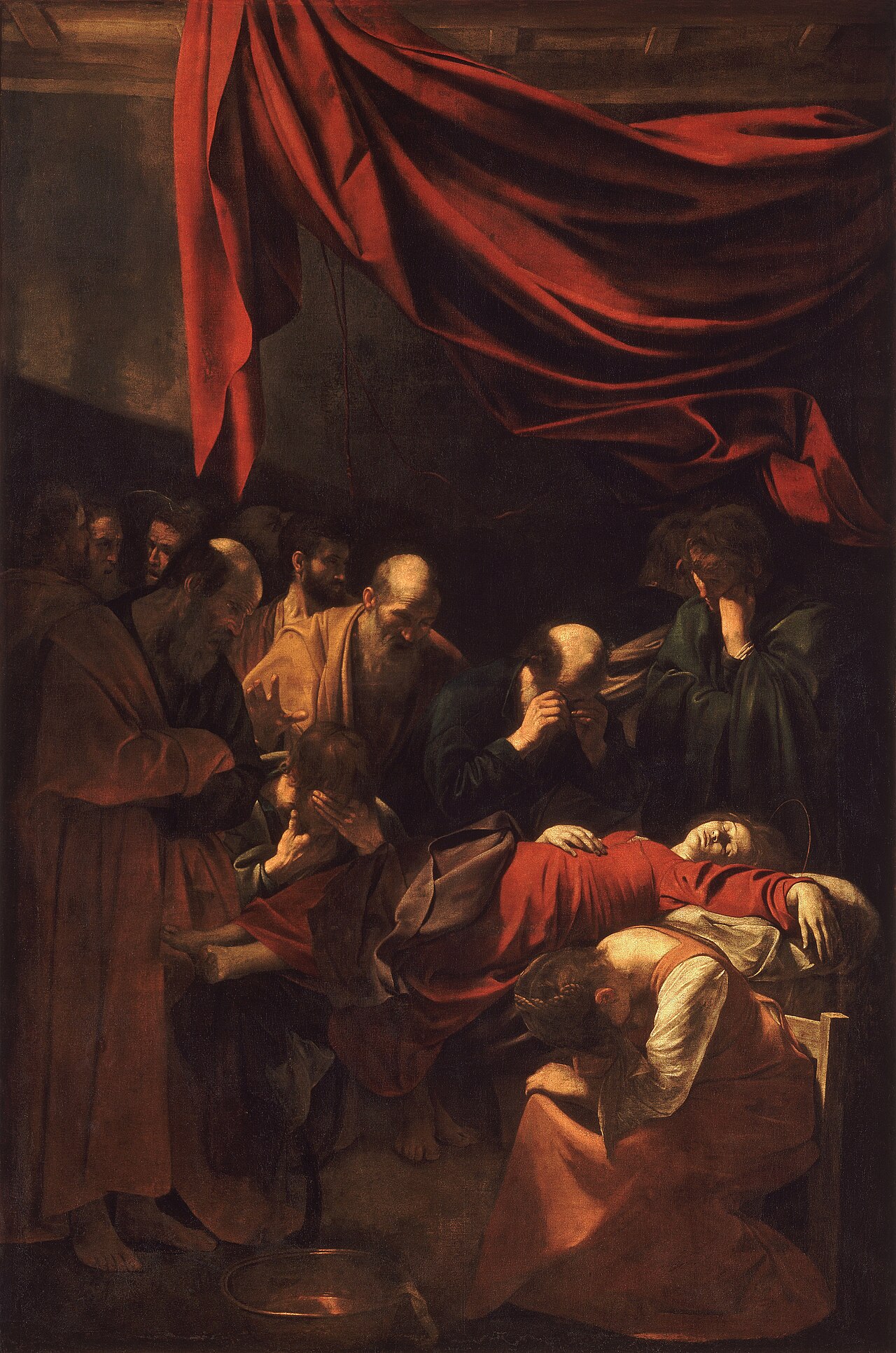 Painting
Primary source
Caravaggio · c. 1603
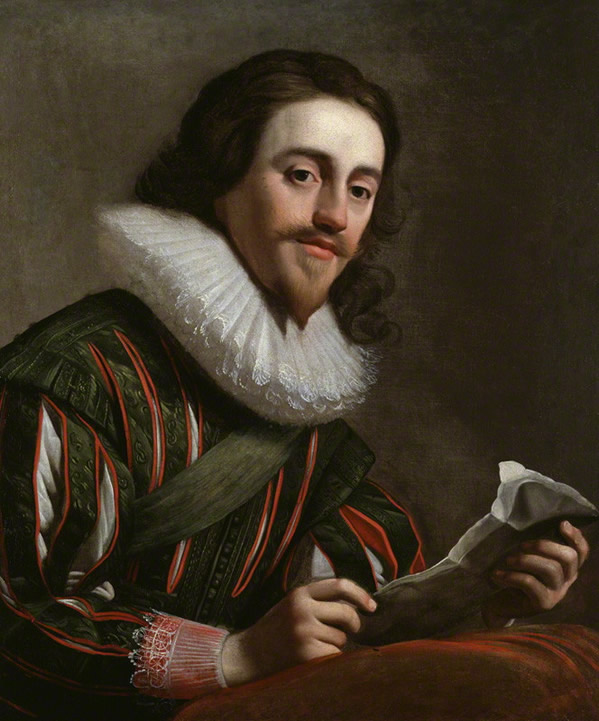 Painting
Primary source
Gerard van Honthorst · 1628
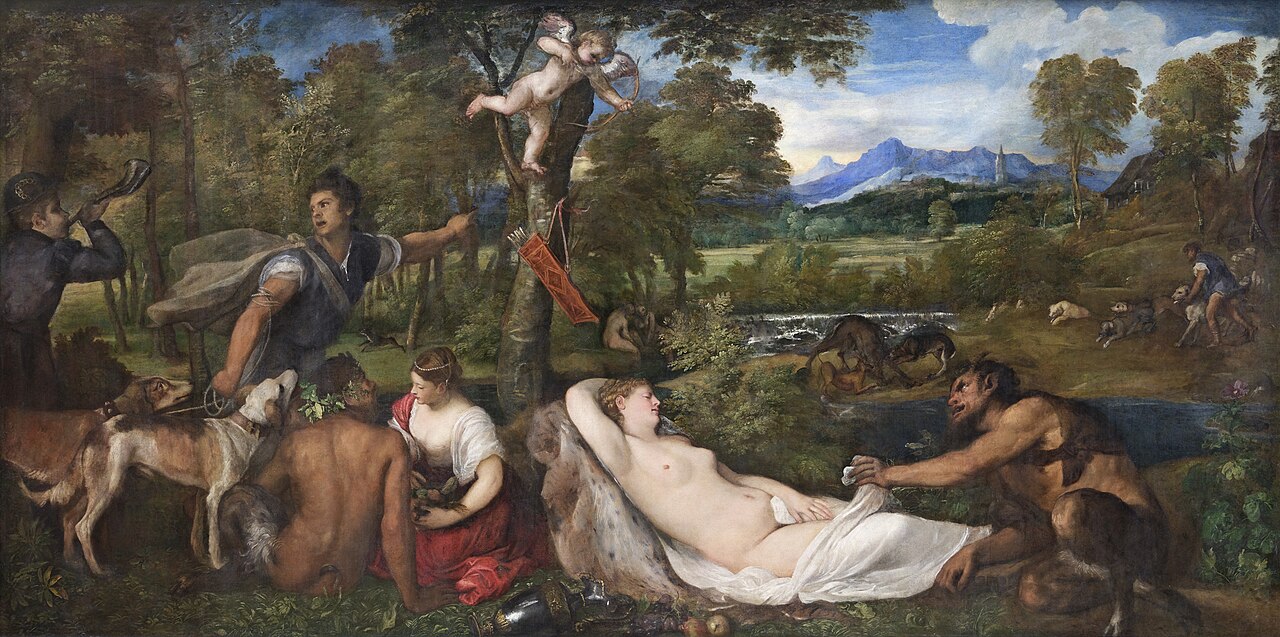 Painting
Primary source
Titian · 1551
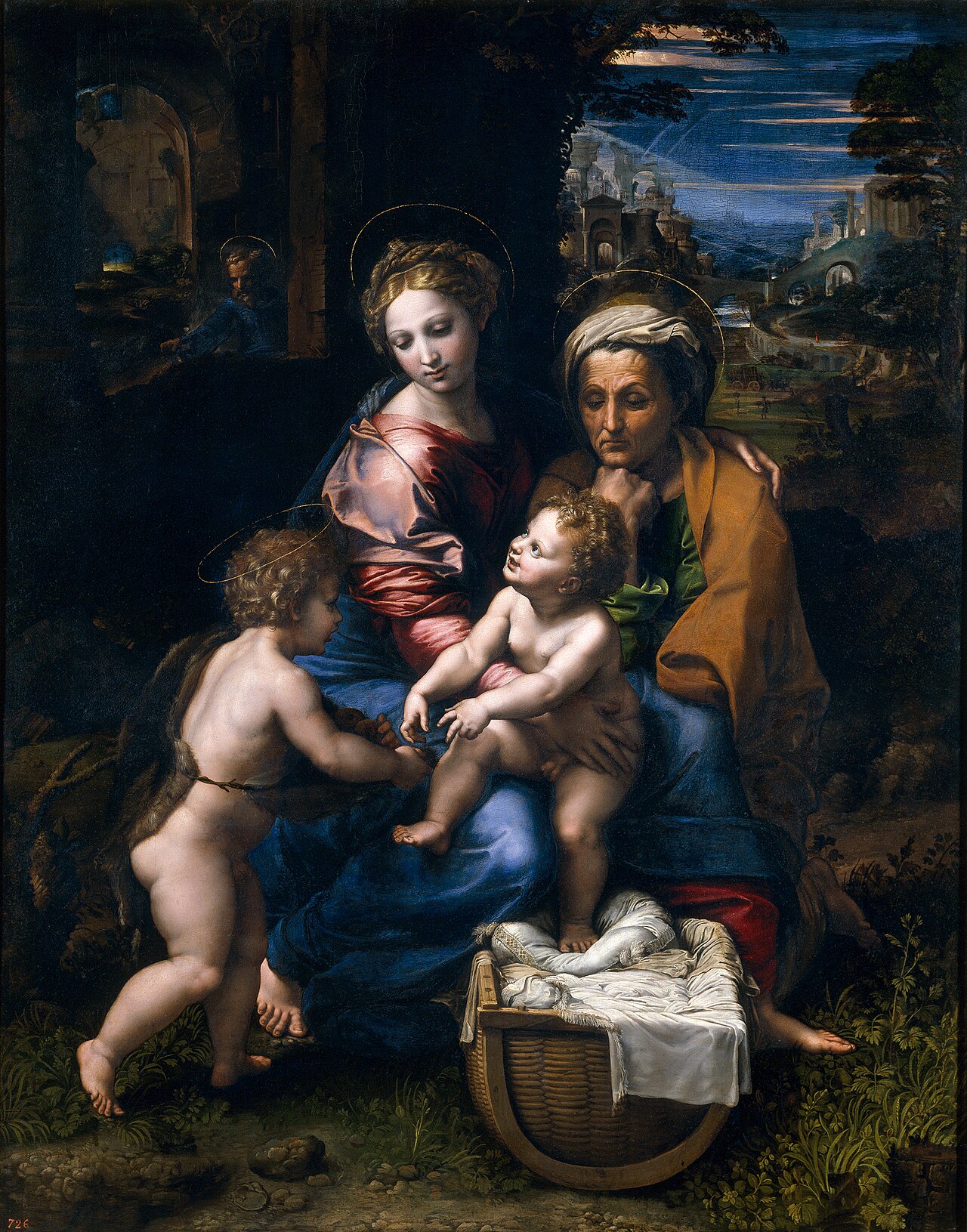 Painting
Primary source
Raphael · c. 1518
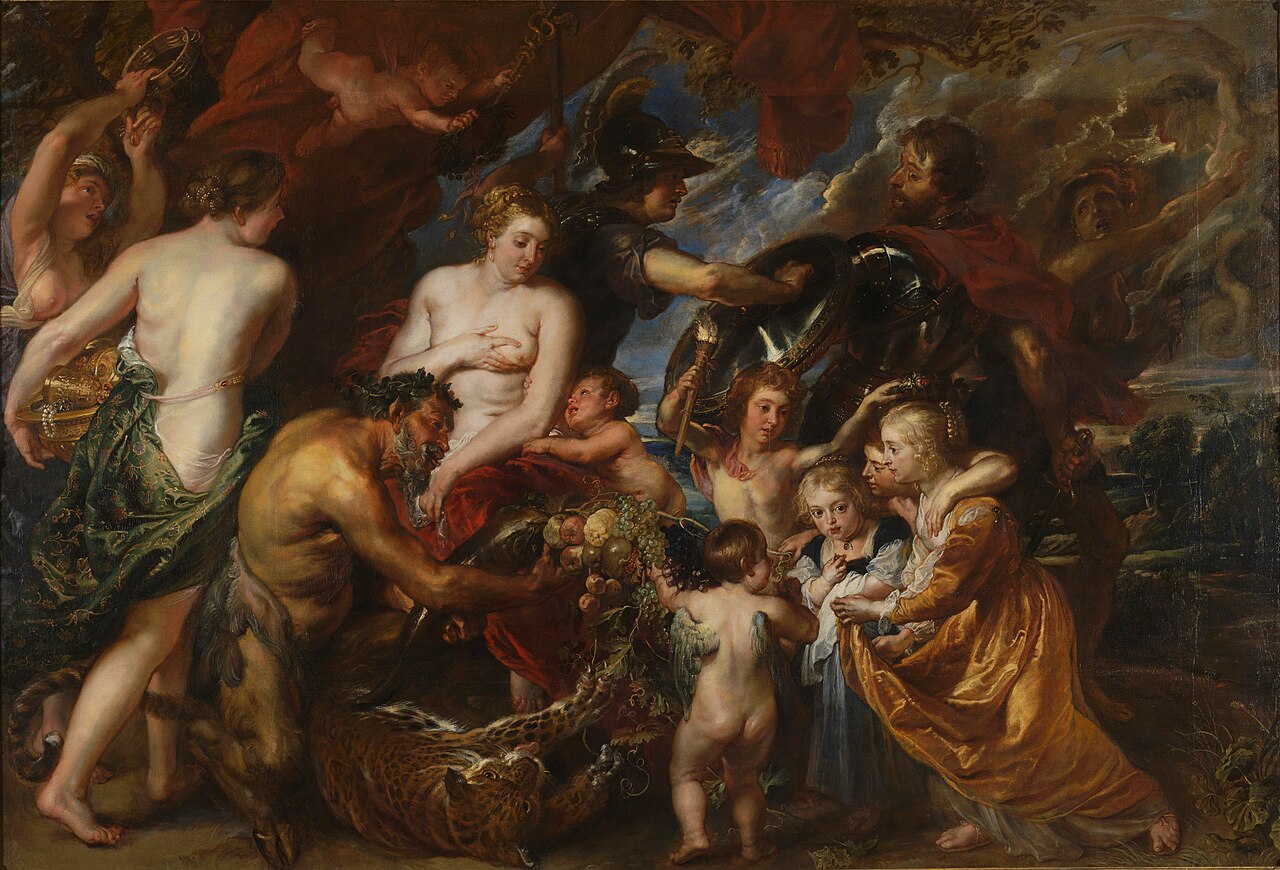 Painting
Primary source
Peter Paul Rubens · 1629-1630
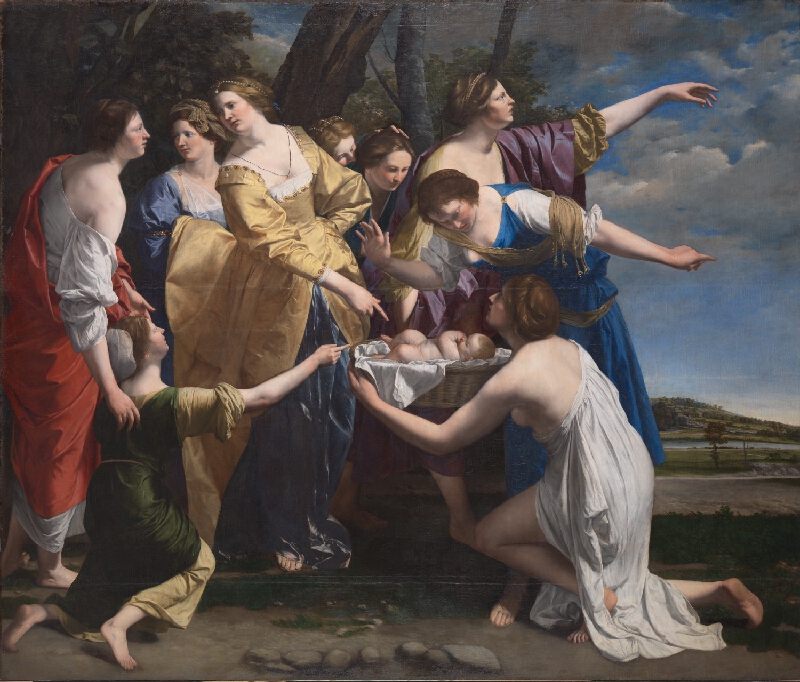 Painting
Primary source
Orazio Gentileschi · early 1630s
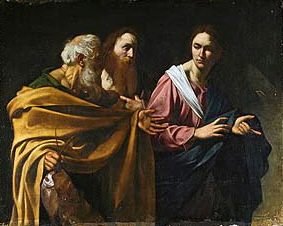 Painting
Primary source
Caravaggio · c. 1603-1606
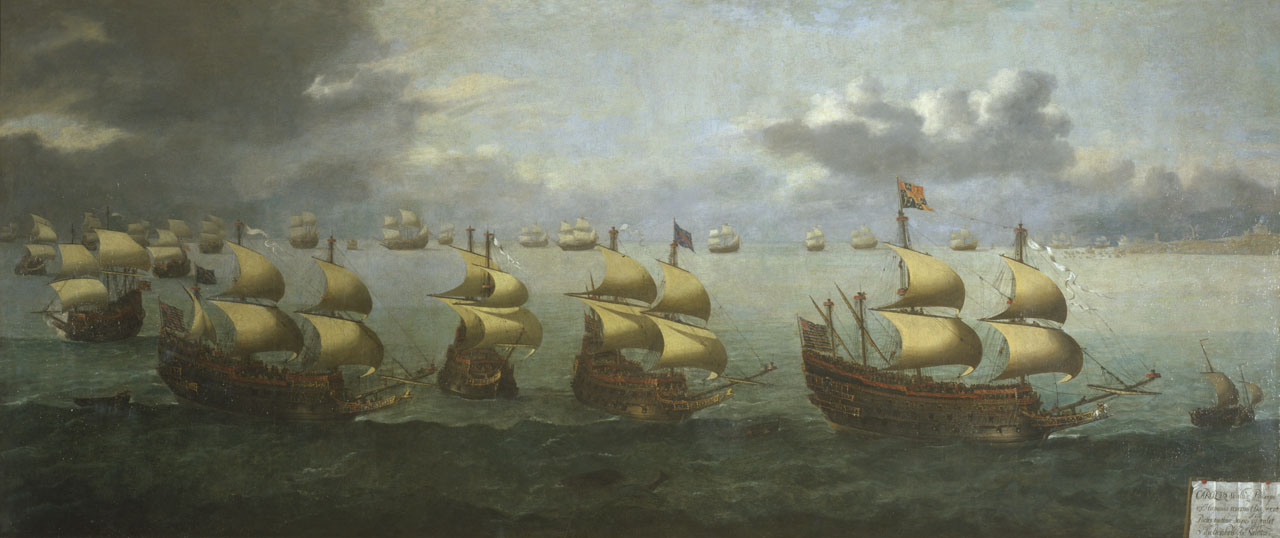 Painting
Primary source
Hendrick Cornelisz Vroom · 1623
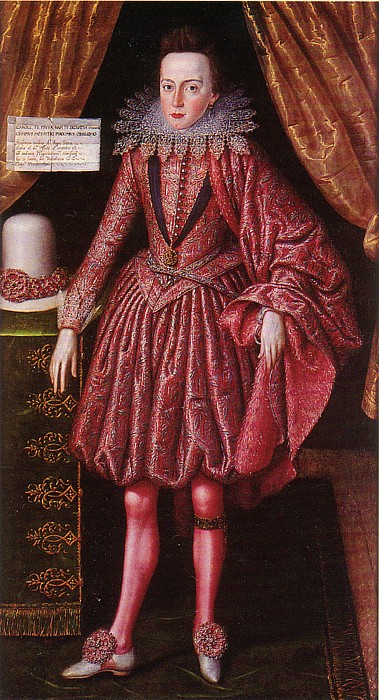 Painting
Primary source
Robert Peake the elder · 1613
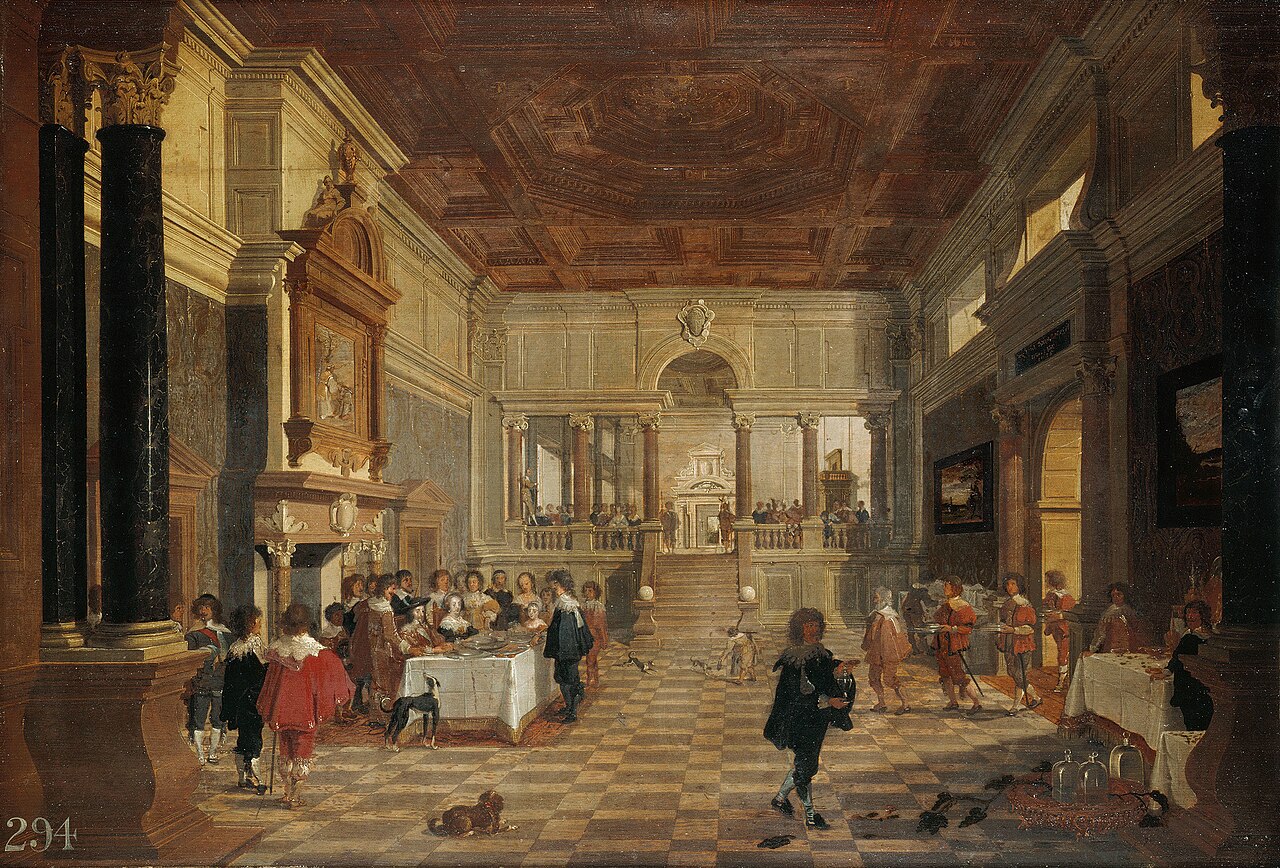 Painting
Primary source
Gerard Houckgeest · 1635
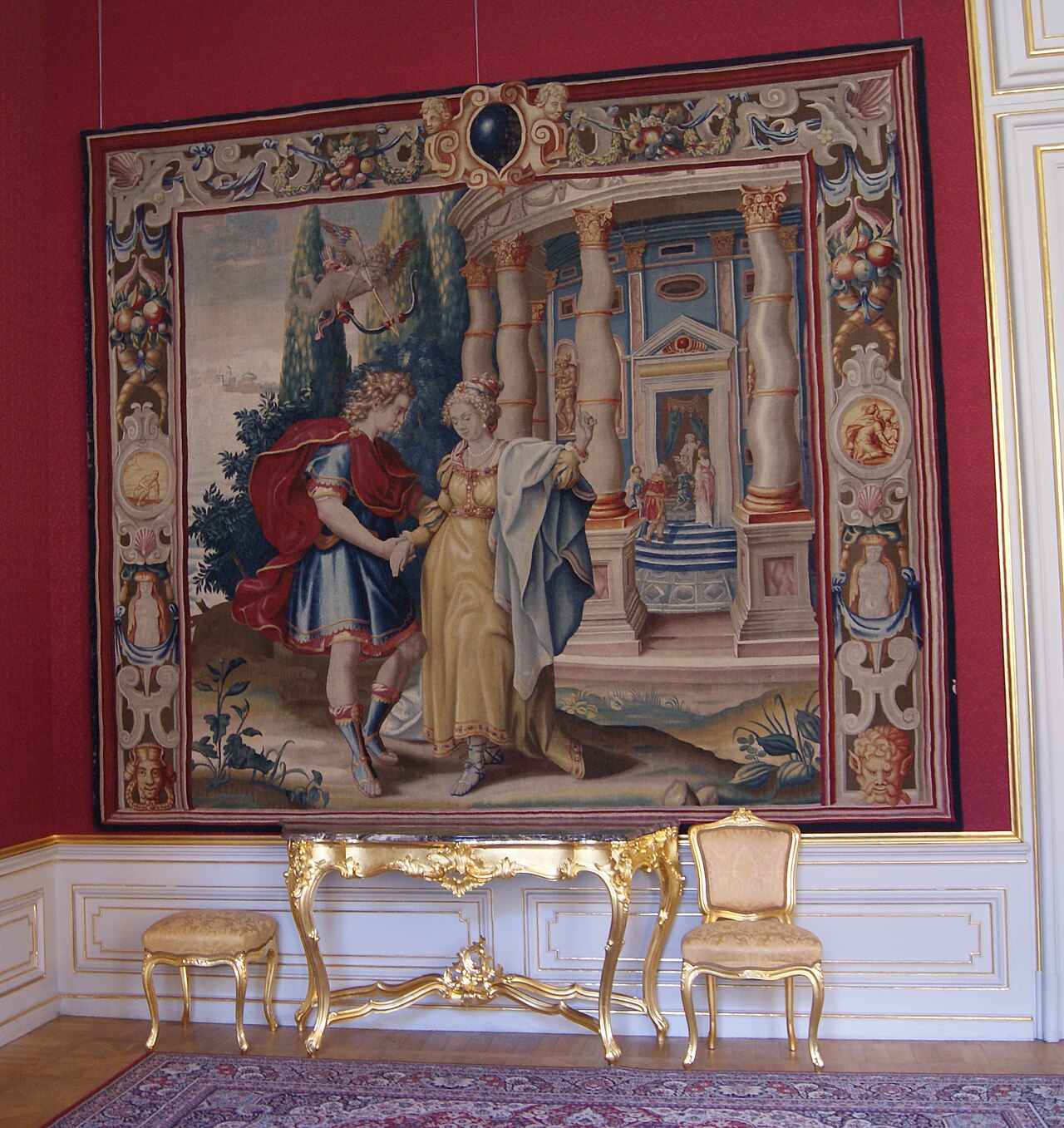 Artifact
Primary source
Mortlake Tapestry Works · 1620
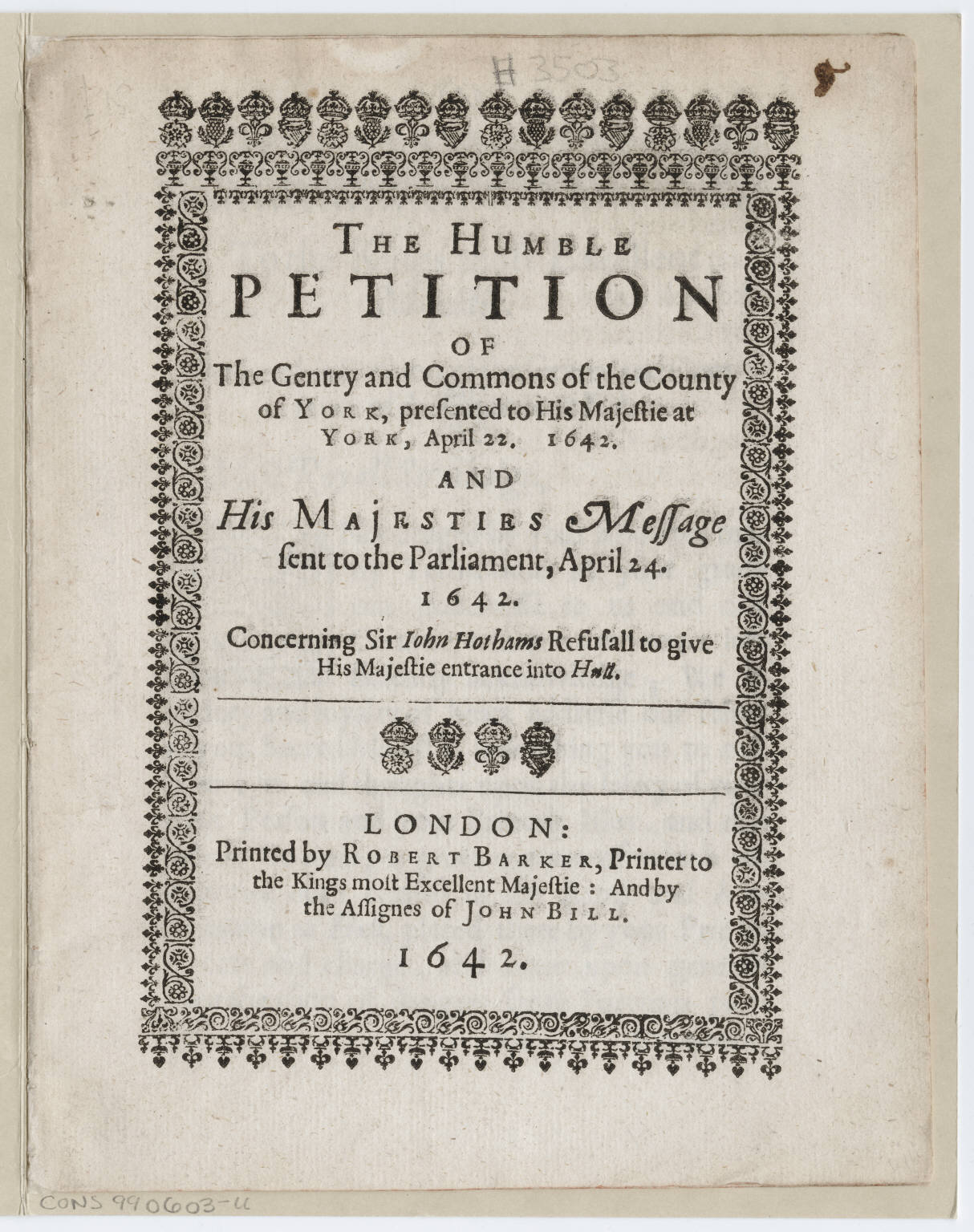 Document
Primary source
Printed by Robert Barker, and by the assignes of John Bill · 22 April 1642
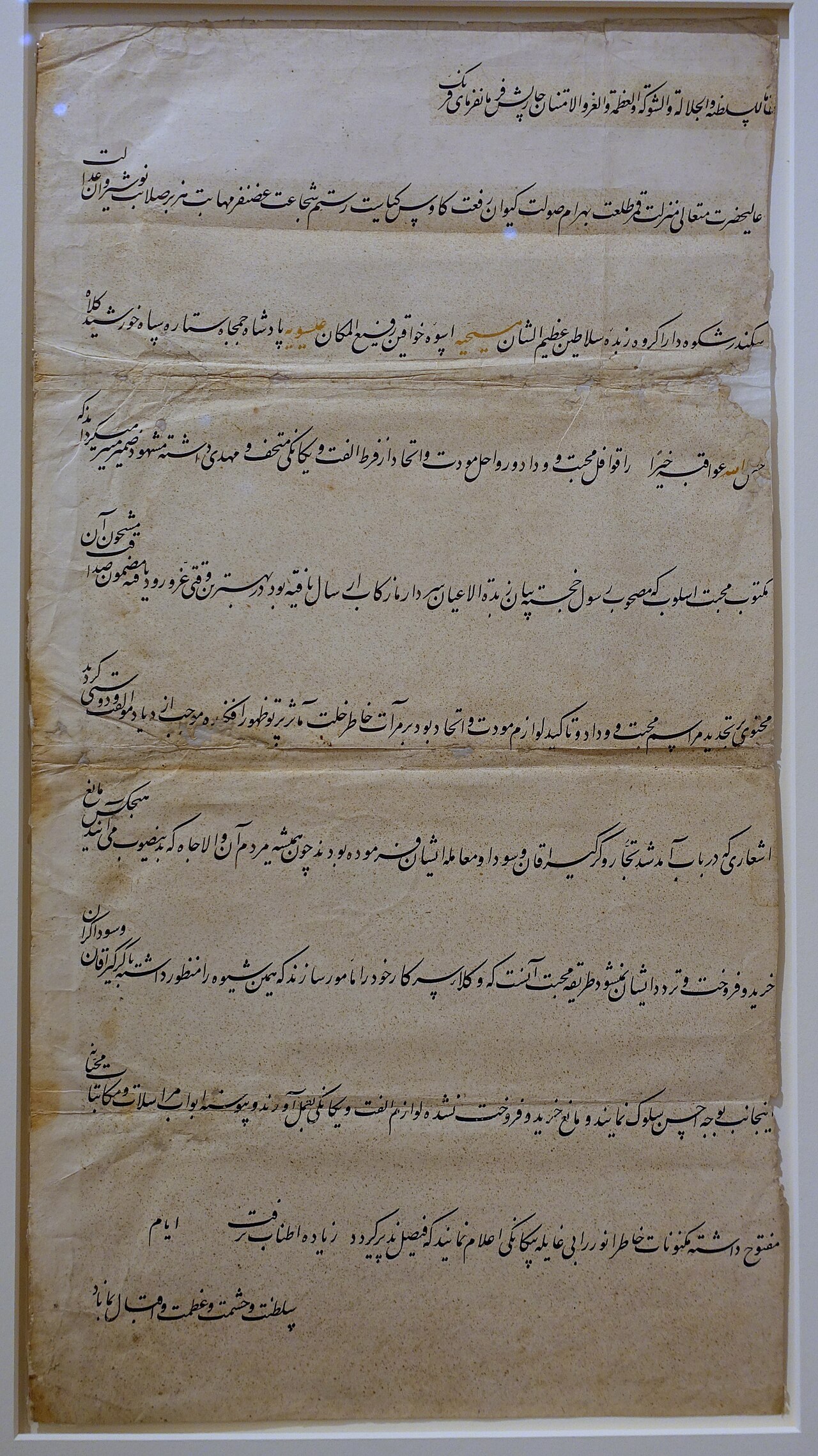 Letter
Primary source
17th century
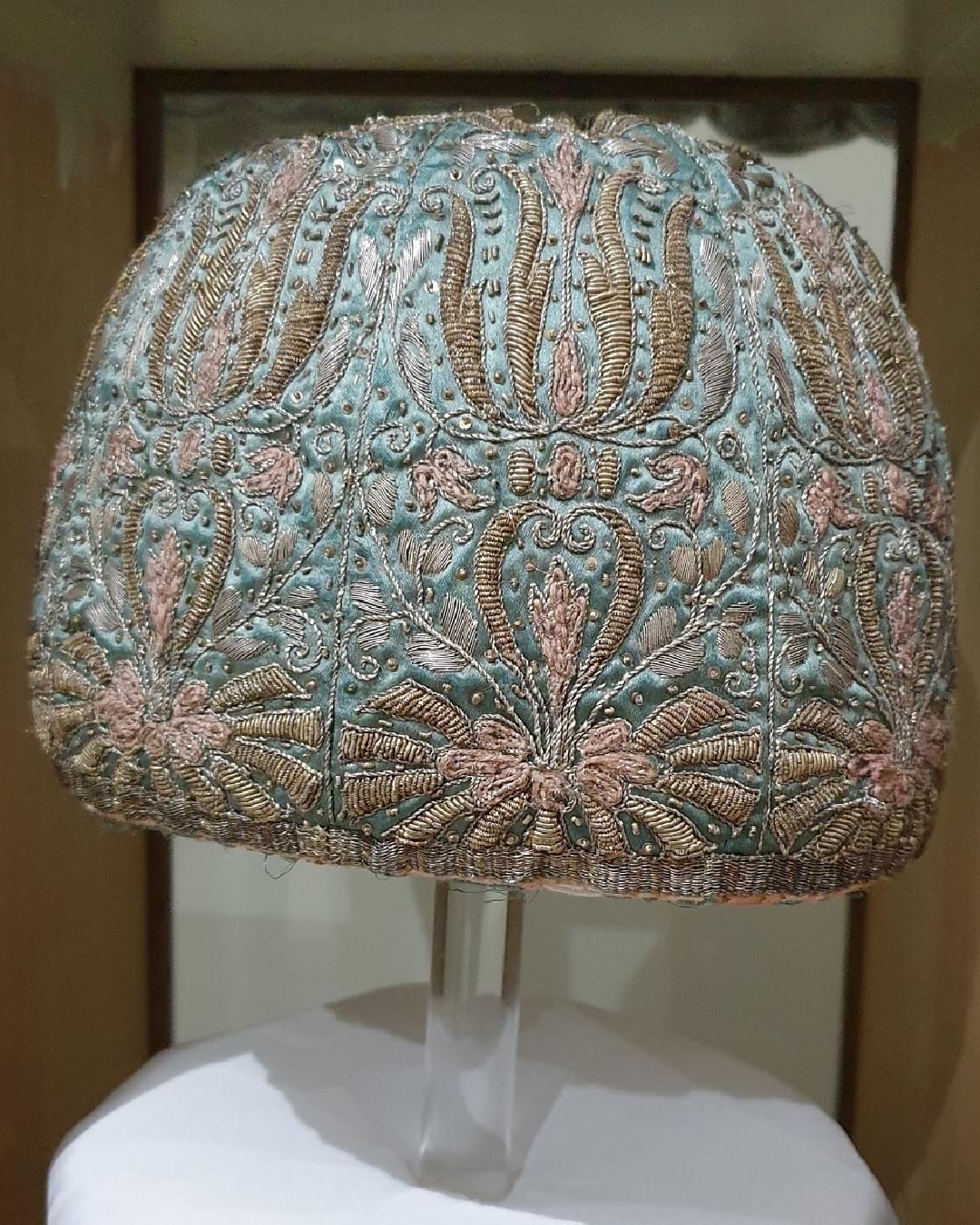 Artifact
Primary source
1648
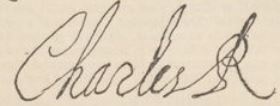 Document
Primary source
Charles I of England
 Book
Primary source
Henrietta Maria, Queen consort of Charles I · 1857
Secondary source
Jacob Abbott · 1848
Primary source
1649
Primary source
Edward Hyde, Earl of Clarendon · 1826 edition
 Book
Primary source
Sir Thomas Herbert · 1813 (events described occurred 1646-1649)
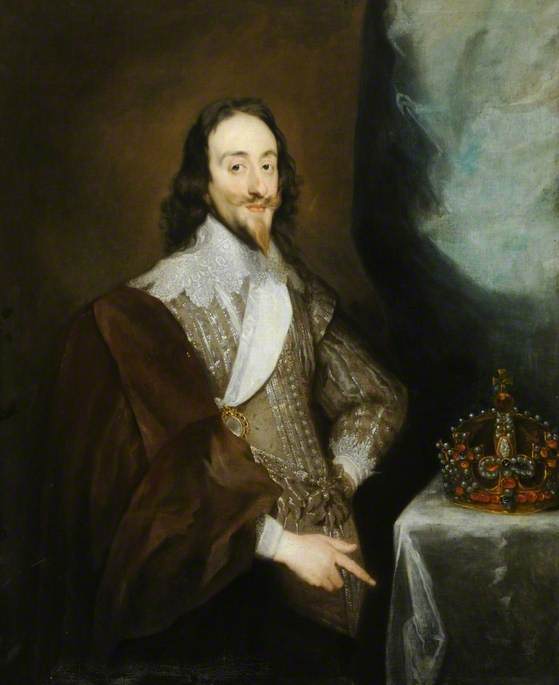 Painting
Primary source
Anthony van Dyck
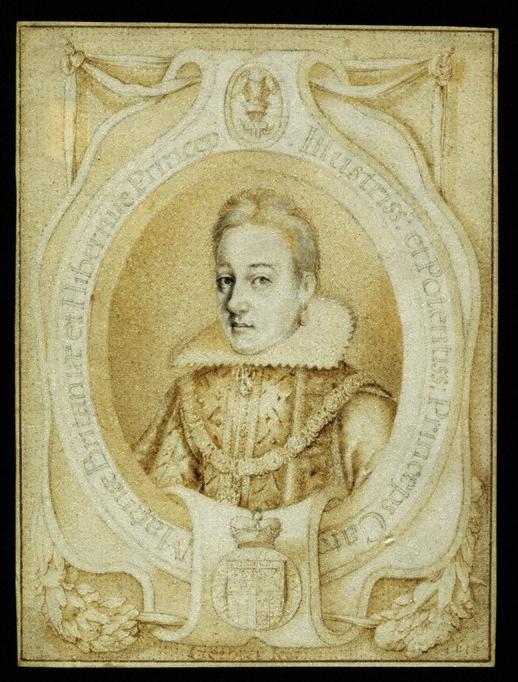 Painting
Primary source
Balthazar Gerbier · 1616
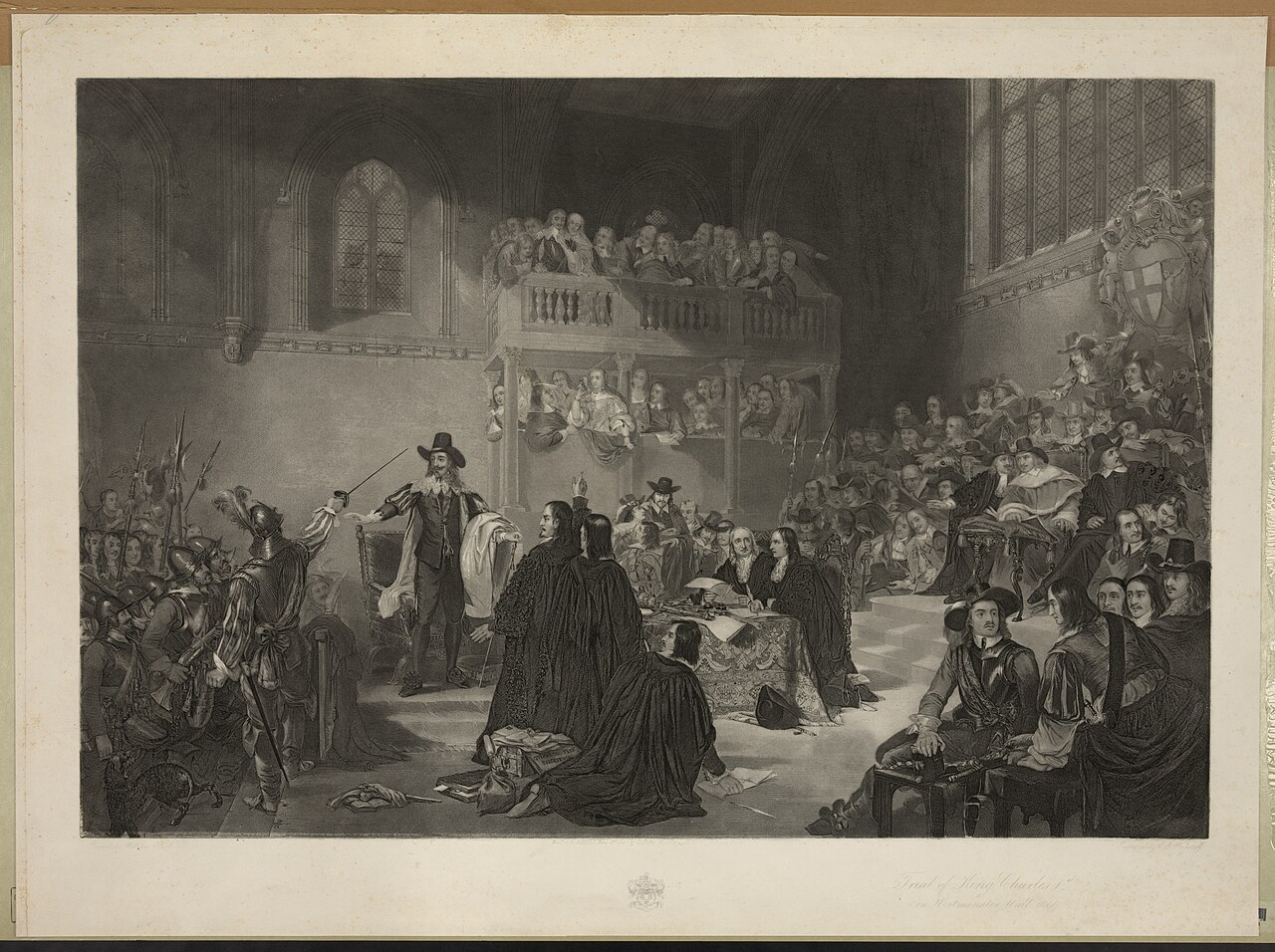 Painting
Primary source
Popular Graphic Arts · 1649
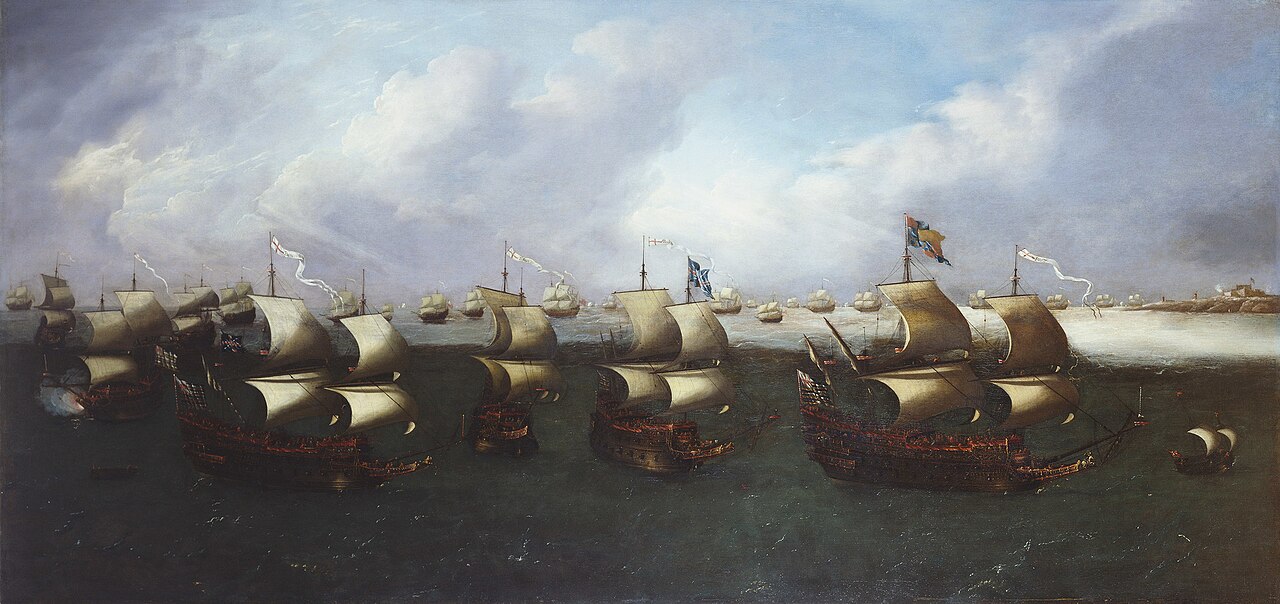 Painting
Primary source
Hendrick Vroom · 1620s-1630s
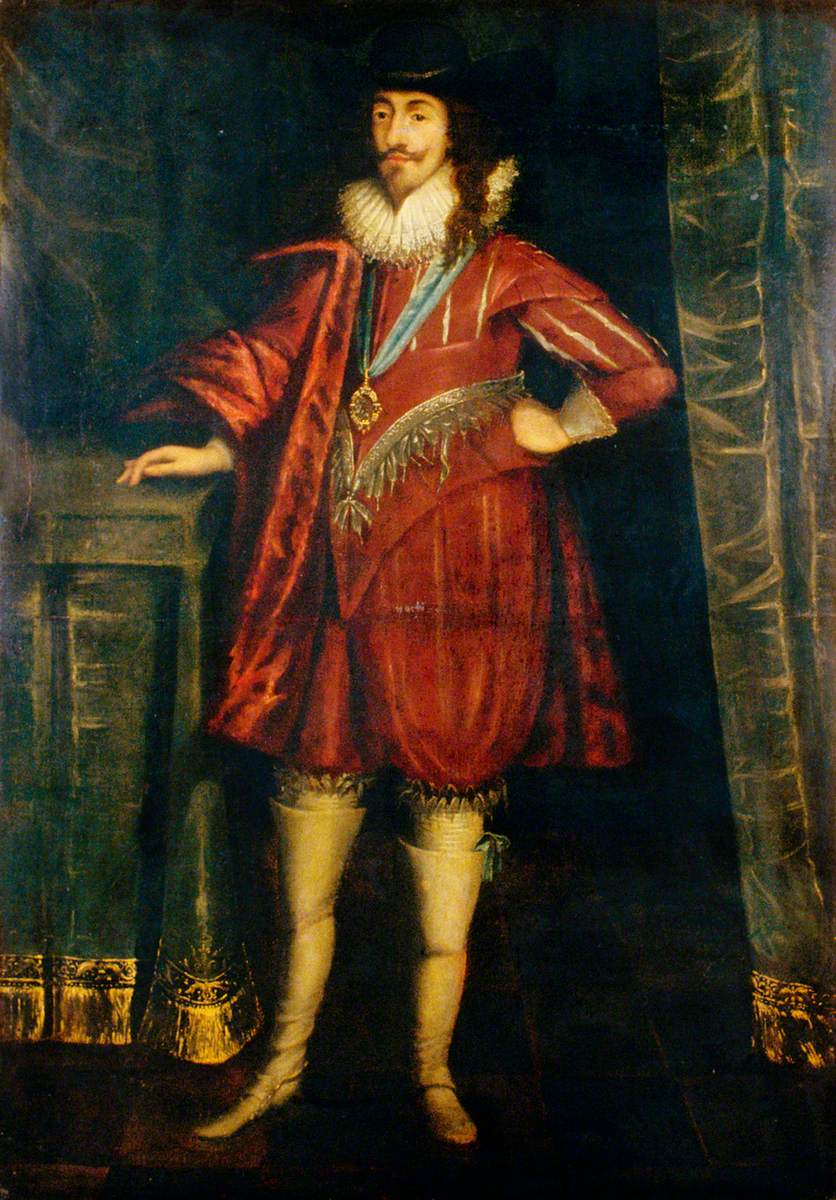 Painting
Primary source
Daniël Mijtens
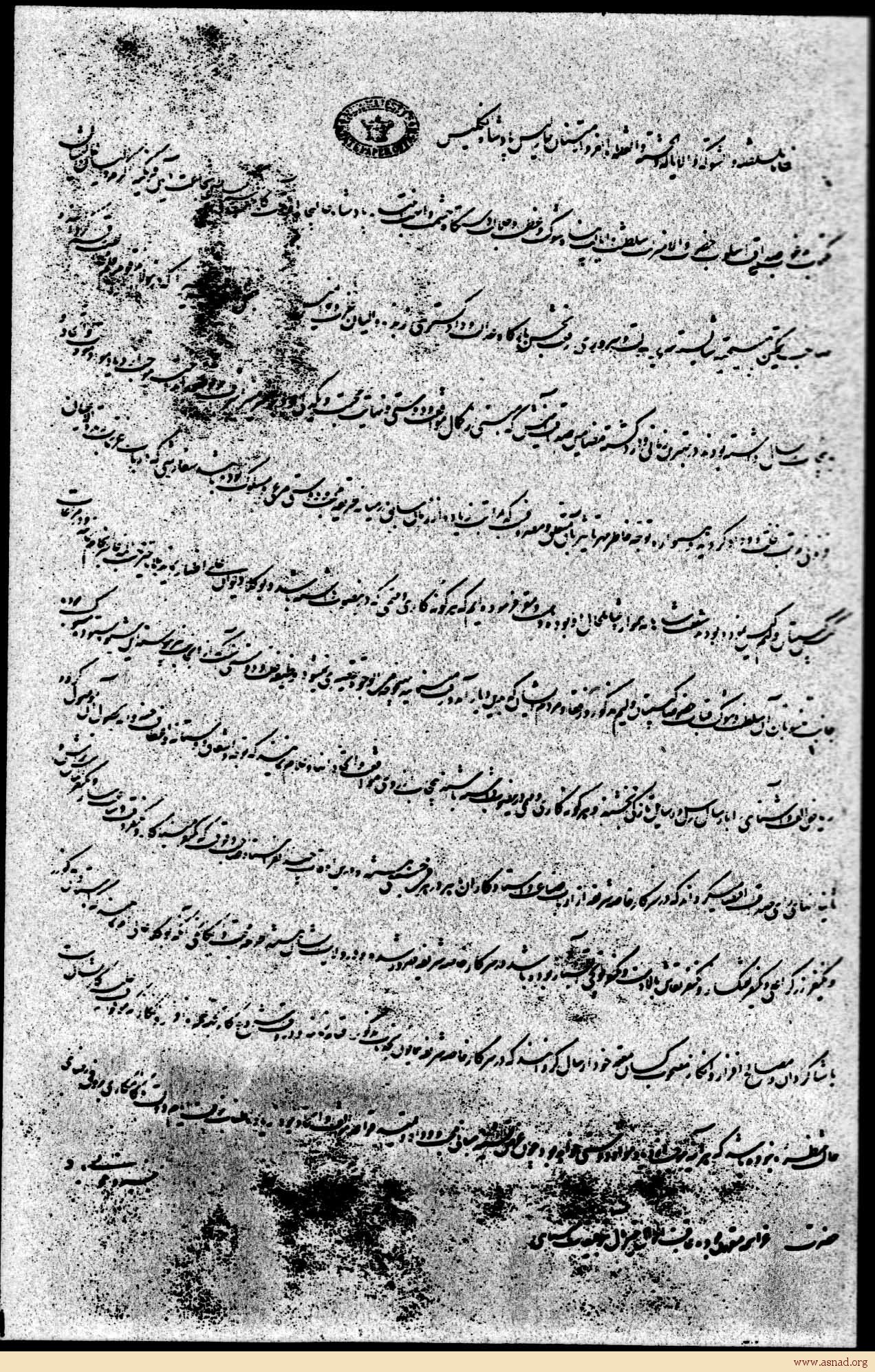 Letter
Primary source
Shah Safi I · 1600s
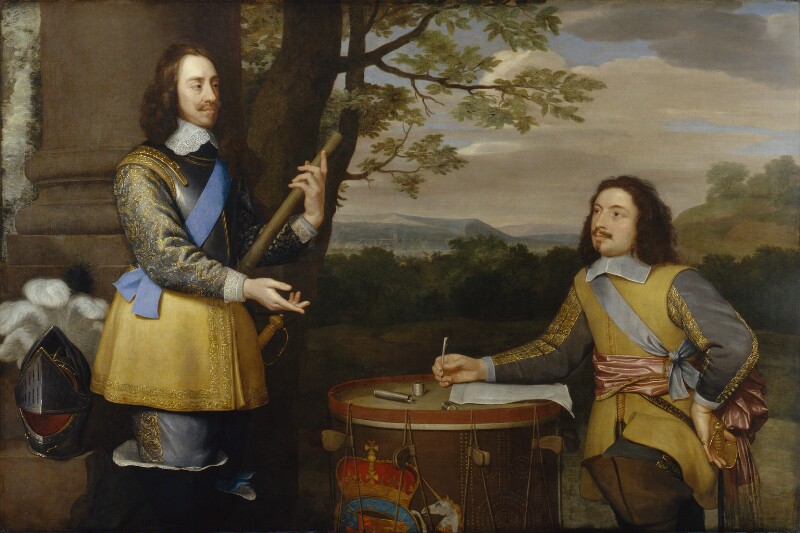 Painting
Primary source
Unknown · c. 1650
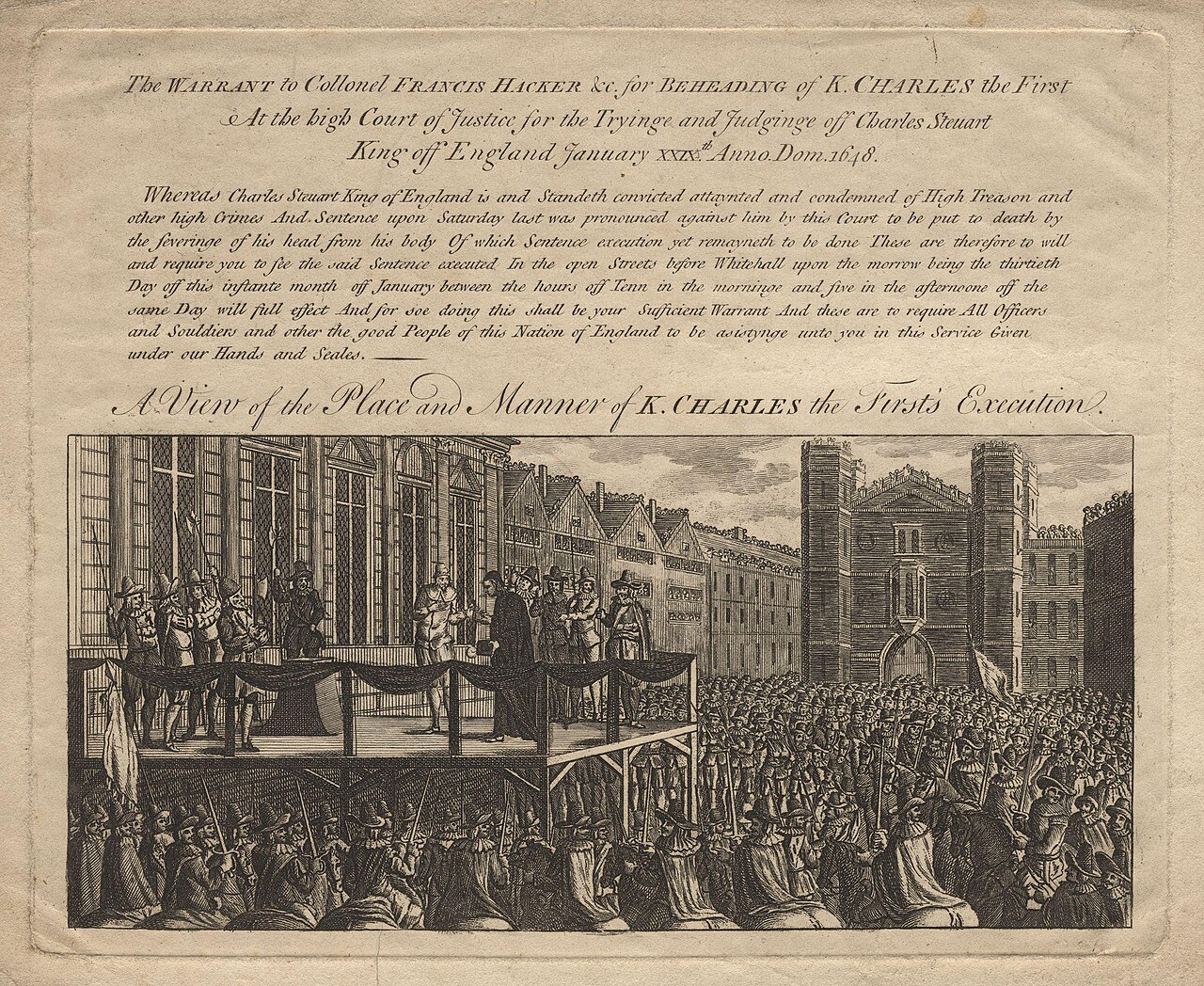 Document
Primary source
Unknown · unknown, donated before 1939
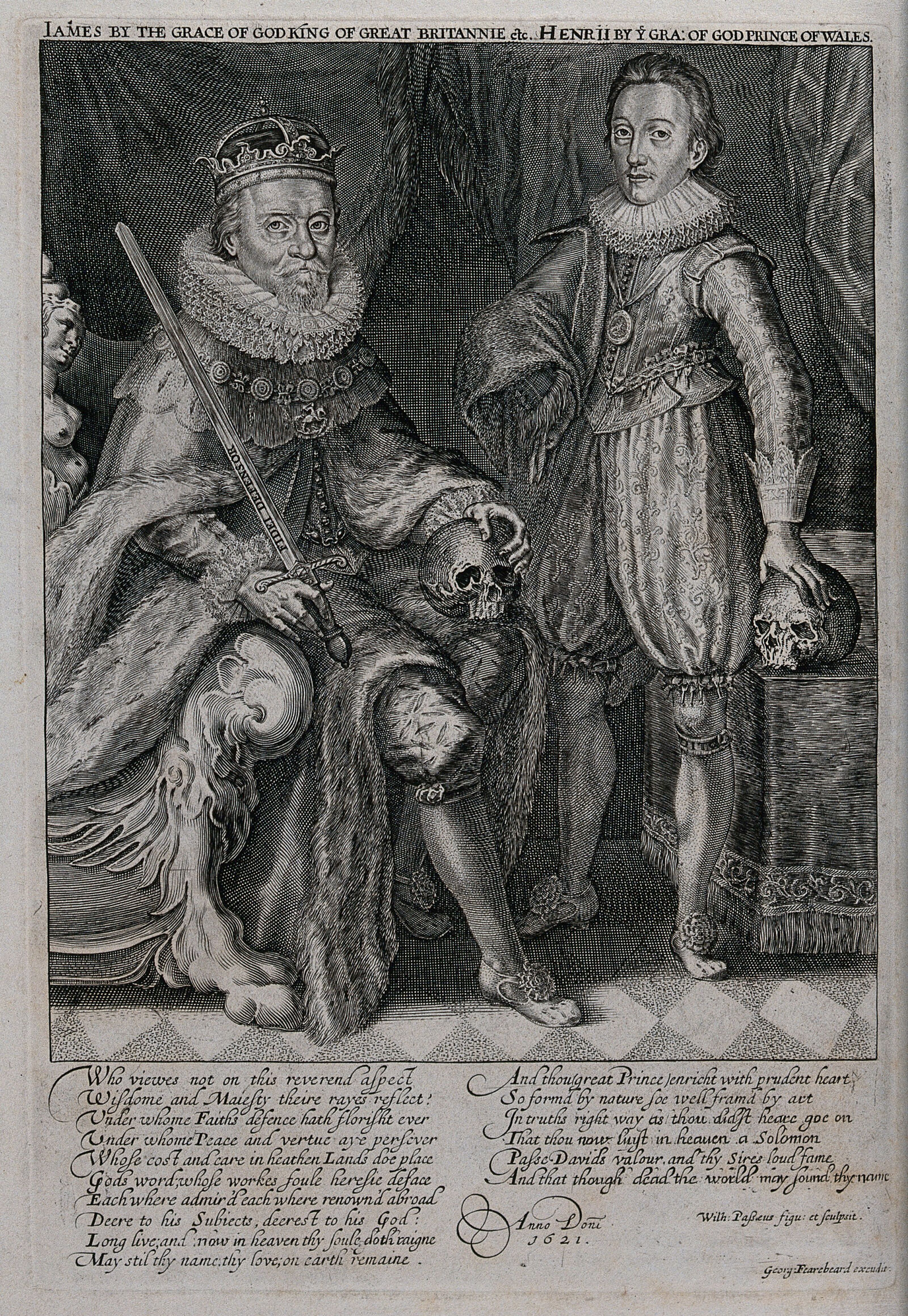 Painting
Primary source
Willem van de Passe · 1621 (this state c. 1625)
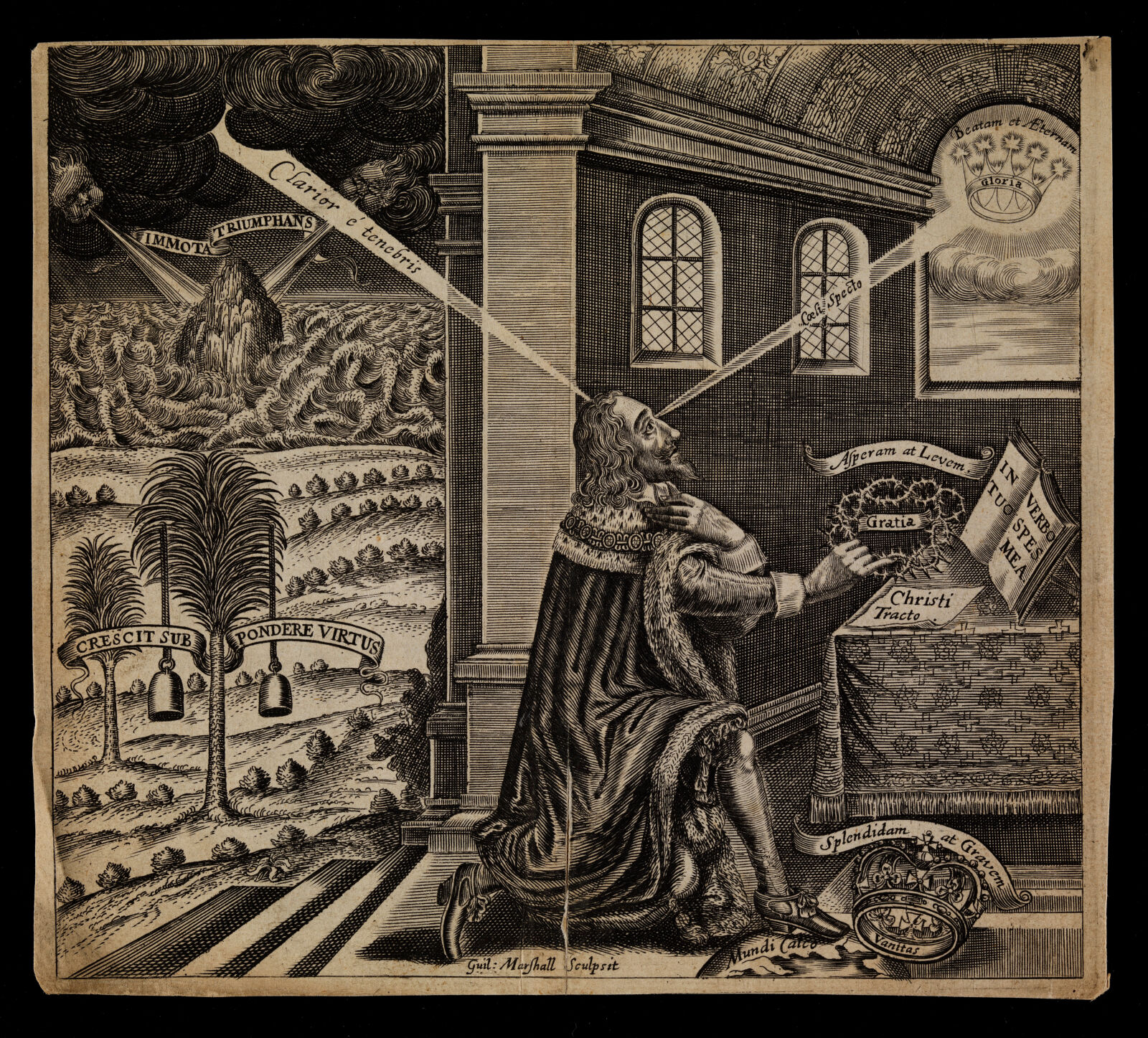 Painting
Primary source
William Marshall · 1649
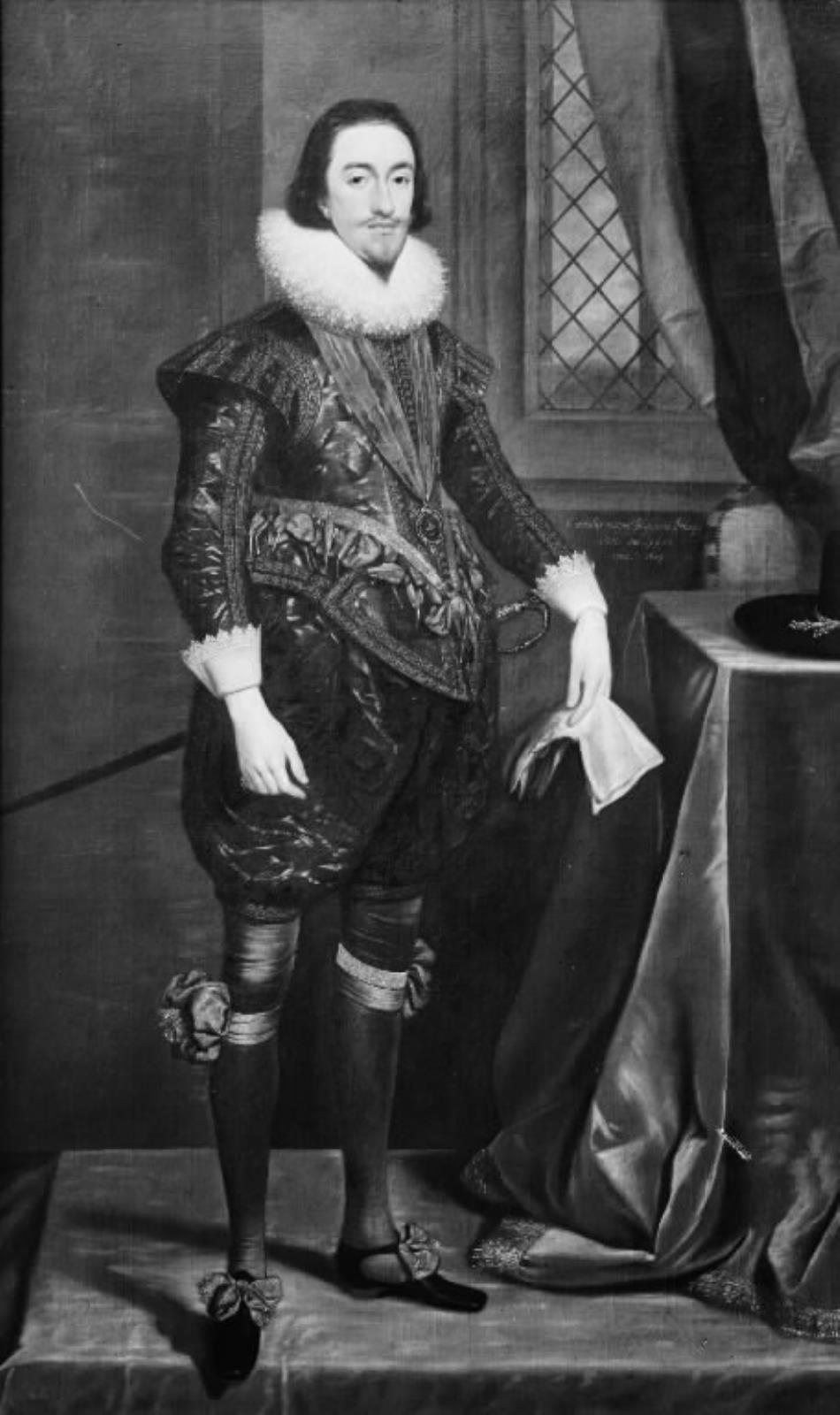 Painting
Primary source
1624
 Book
Secondary source
Bertha Meriton Cordery Gardiner · 1883
Secondary source
William Dorset Fellowes · 1828
 Letter
Primary source
Charles I, King of England · 1646
 Book
Primary source
John Ashburnham · 1647-1648
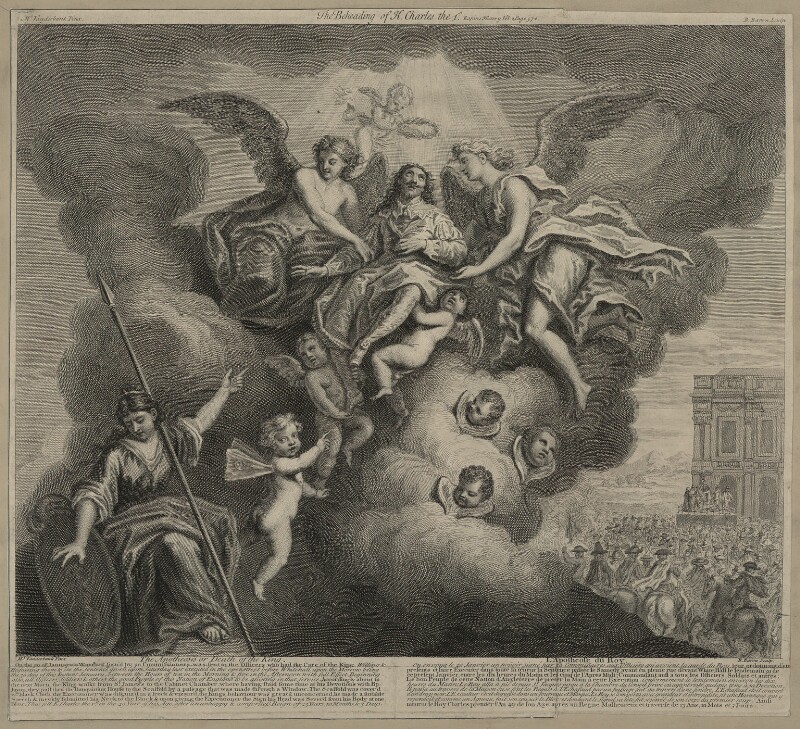 Painting
Secondary source
Bernard Baron · 1728
 Document
Secondary source
Great Britain. Public Record Office · 1625-1649 (papers); published 1858-1897
Primary source
Katherine Philips · 1710
Primary source
Bulstrode Whitelocke · 1853 (reprint of the 1732 edition)
Tertiary source
1885-1900
Tertiary source
1911
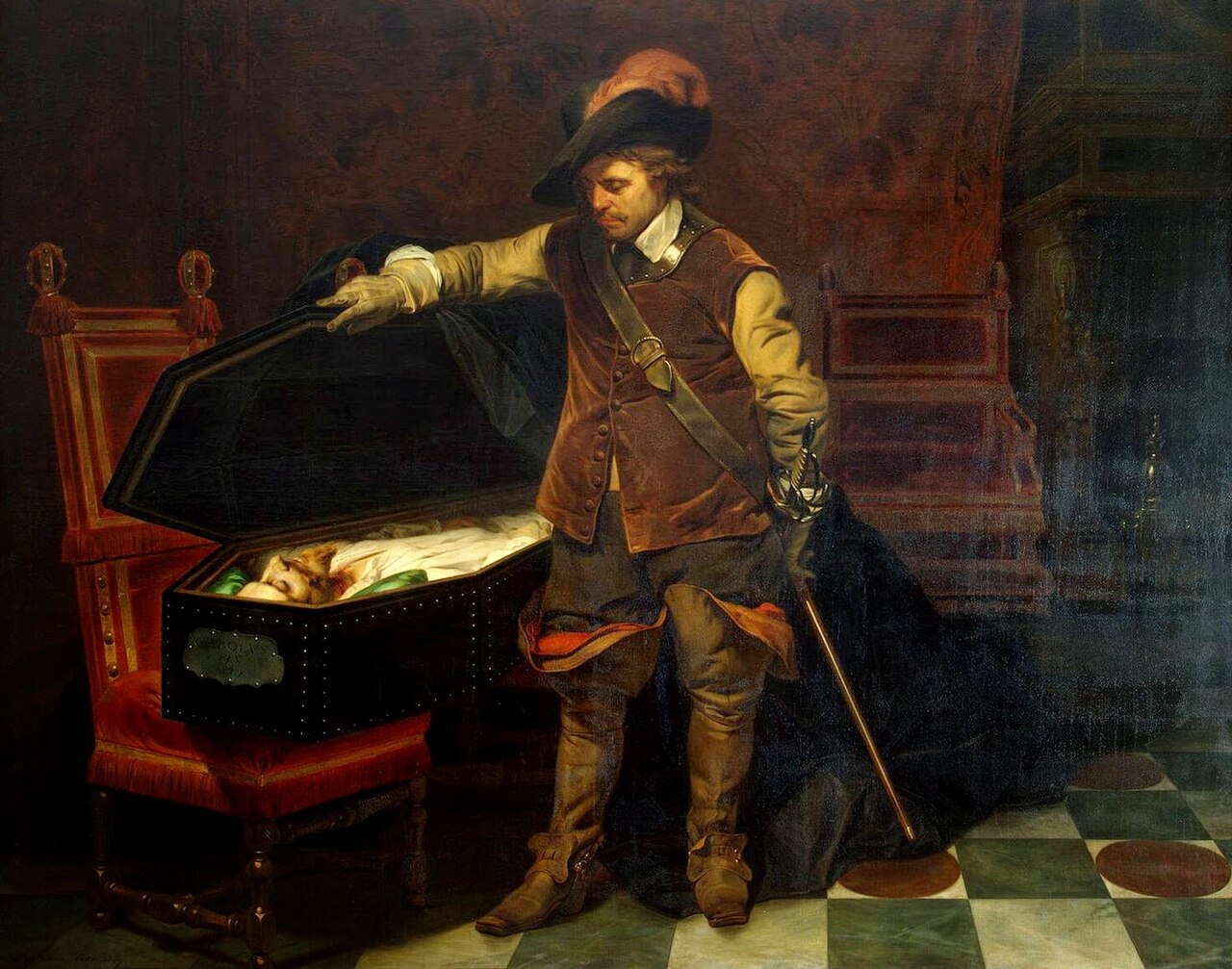 Painting
Secondary source
Paul Delaroche · 1831
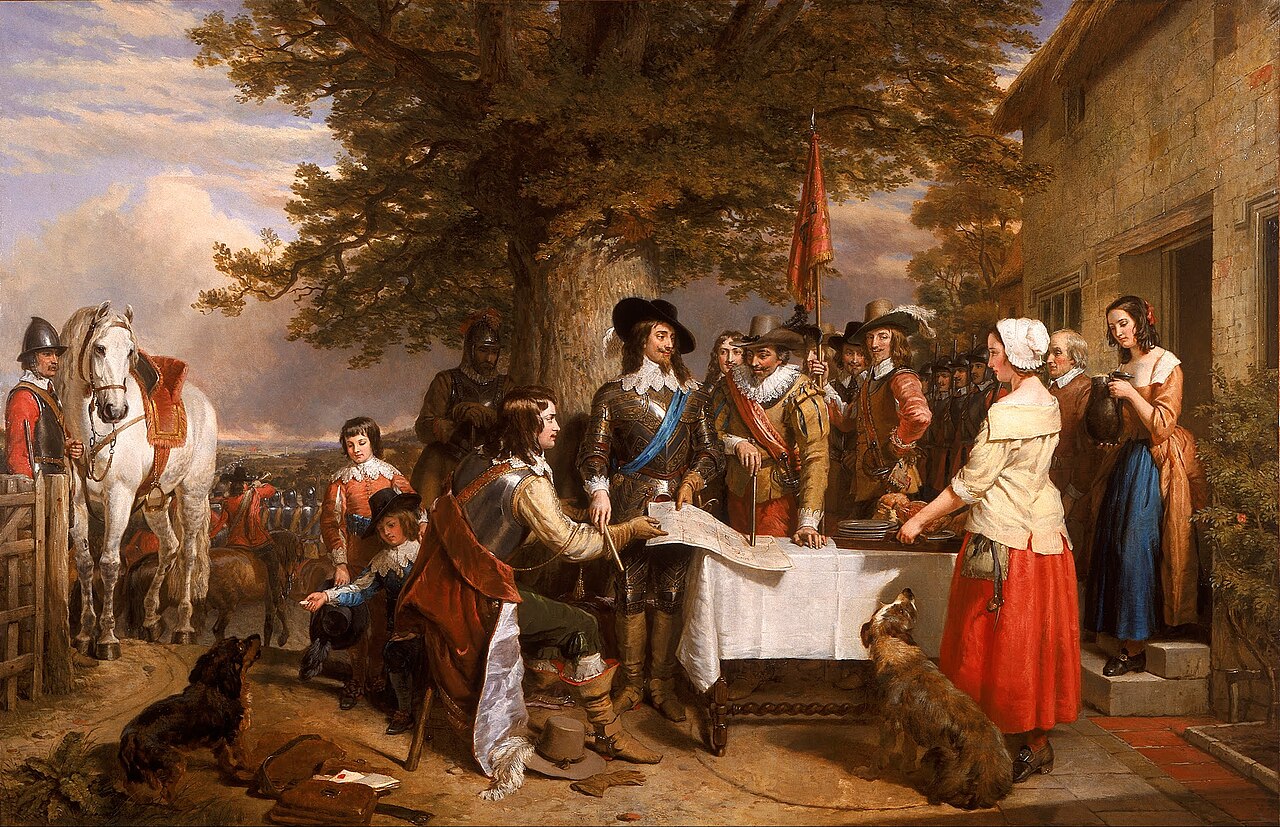 Painting
Secondary source
Charles Landseer · 1845
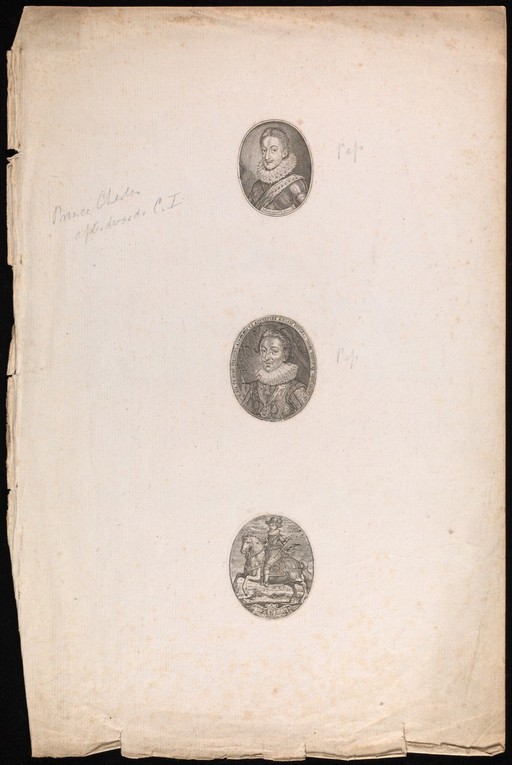 Artifact
Primary source
Simon van de Pass · 1616
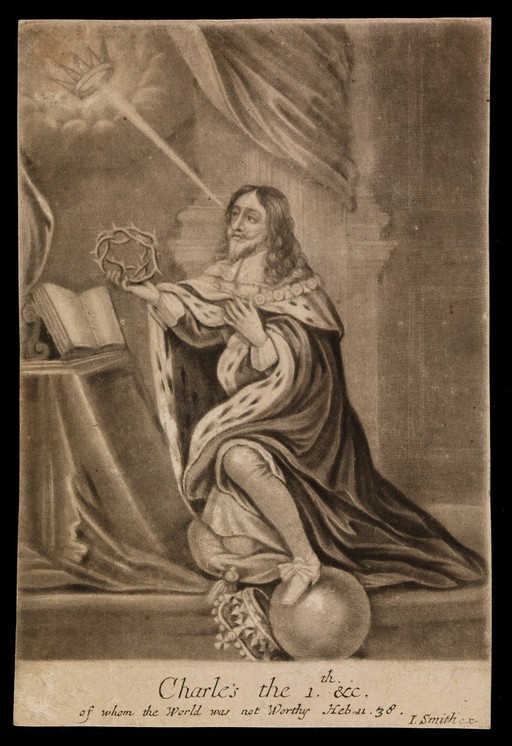 Artifact
Primary source
J. Smith · 17th century
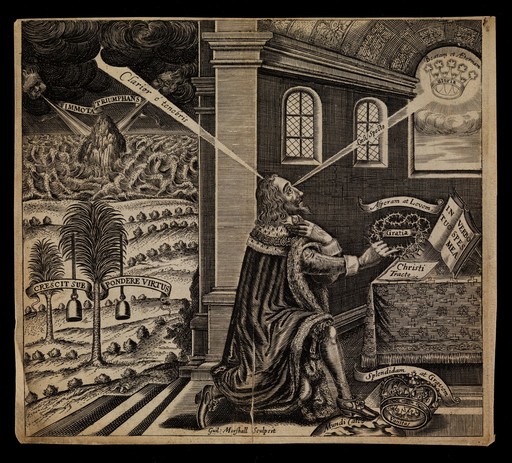 Artifact
Primary source
William Marshall · 1649
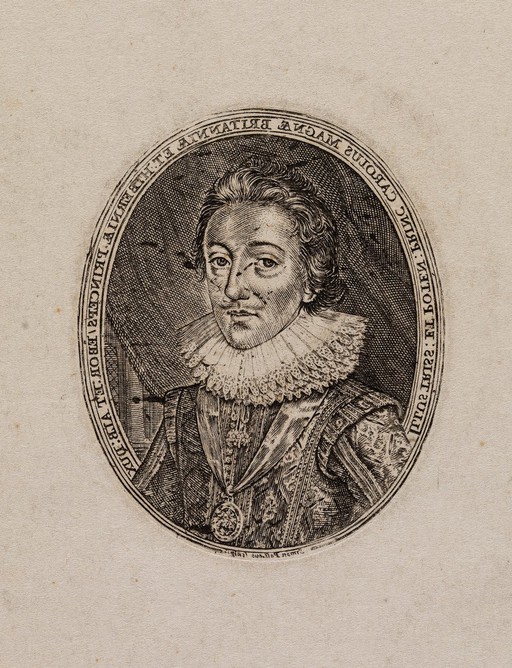 Artifact
Primary source
Simon van de Pass · 1616
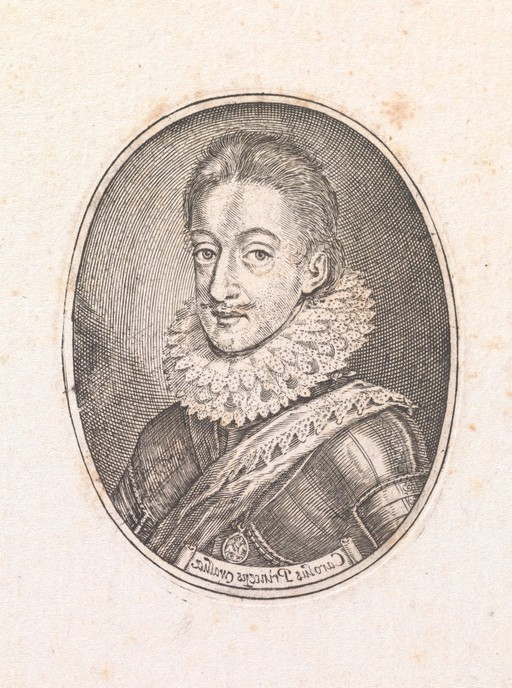 Painting
Primary source
Simon van de Pass · 1616
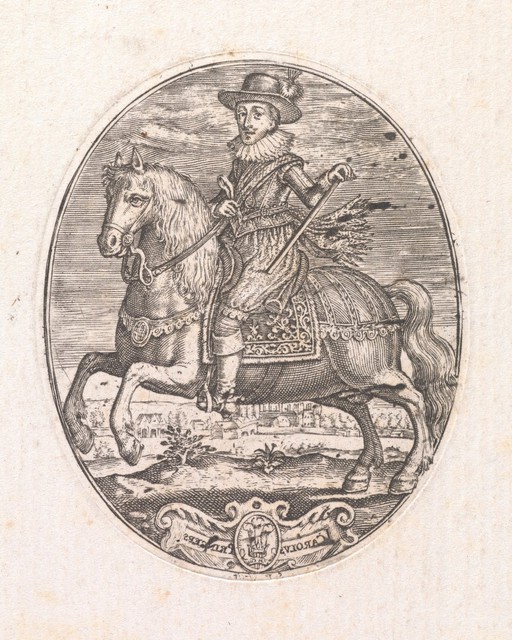 Painting
Primary source
Simon van de Pass · 1616
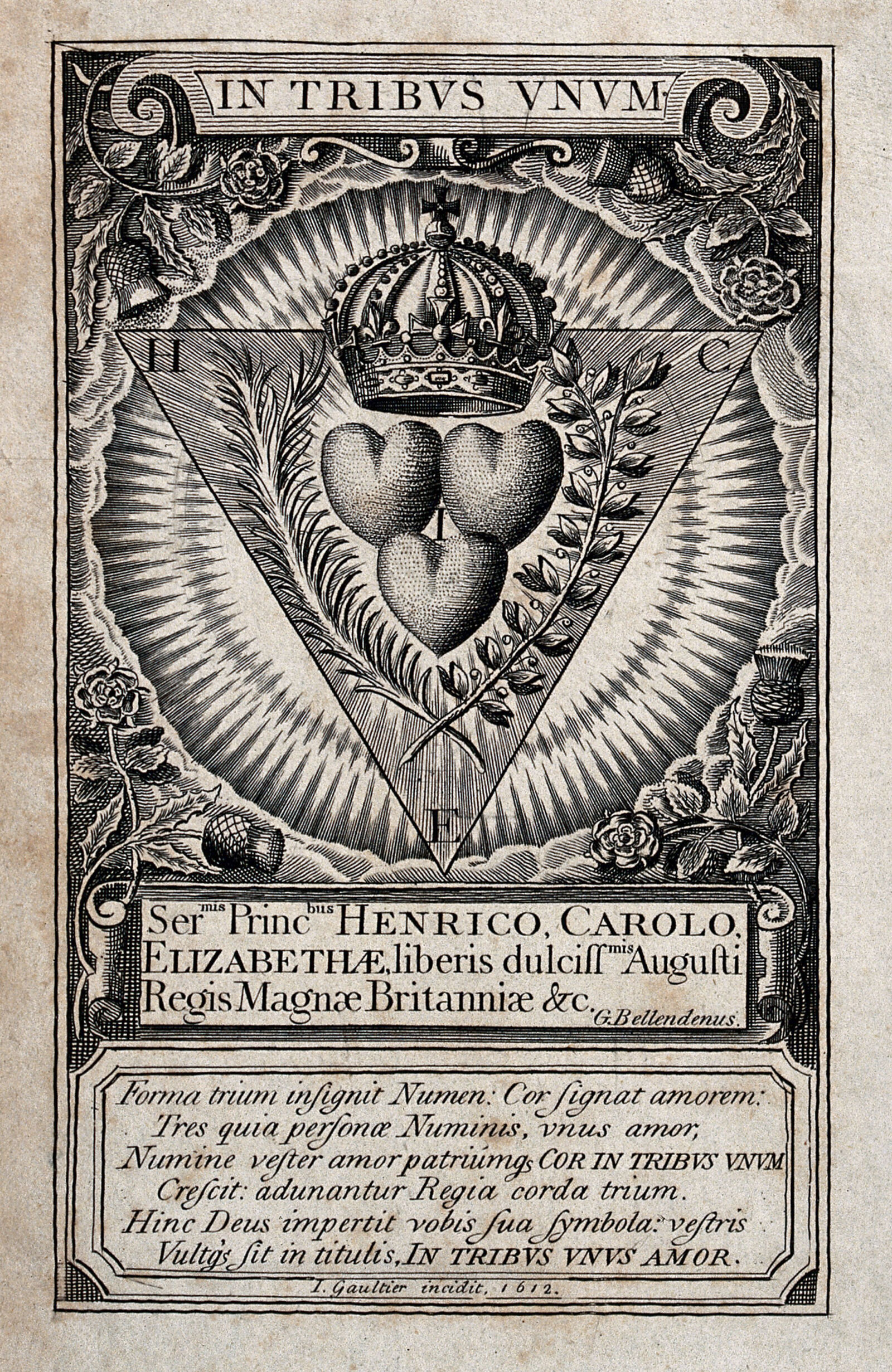 Painting
Primary source
Léonard Gaultier · 1612
Secondary source
John Evelyn · 1850
 Book
Secondary source
Thomas Wagstaffe · 1711
 Book
Secondary source
Edward Almack · 1896
Secondary source
Christopher Wordsworth · 1824
Secondary source
Mark Noble · 1800
Secondary source
Mark Noble · 1800
Secondary source
Samuel Rawson Gardiner
Want the full shelf? Chat with Charles I in the app and open the Sources panel — every quote links back to the original.
2 collections
Ready-made collections from the Humy team that feature Charles I. Preview any of them, then try it free.
Paying customers



























Dr. Michael Calvert
Assistant Superintendent, South Allegheny School District, Pennsylvania
Been using Humy in his district since 2024
“We enjoyed the program last year and used it frequently.”

Jacob Chisom
World and American History, Monticello High School, Arkansas
Been using Humy in his classroom since 2024
“My students say it’s a welcome change of pace. I’m not a fan of the “sage on the stage” model, so I try to incorporate research-oriented and self-paced activities. With Humy, students have to take charge of their learning. They’ve become more adept at critical thinking, forming better questions, and improving their reading comprehension. The interview feature has been my go-to tool. I create assignments where students must ask historical figures a set number of questions, then summarize the responses to ensure they’re truly absorbing the material. This approach lets them actively explore the past rather than passively consuming information.”
Roger Campbell
7th-grade World History, Lancaster County, Pennsylvania
Been using Humy in his classroom since 2024
“Humy has helped me bring historical figures, sometimes long past, to life. When my students interact with these figures in real-time, it eliminates some of the perceived “ancient” characteristics of my curriculum. This has shifted my students’ thinking away from viewing history as abstract or irrelevant. Real-time interactions make historical figures relatable, even allowing students to ask off-topic questions that help put historical lives in a more relevant context for 13-year-olds. The feature I use the most is the interview feature. After teaching a topic, most recently Gandhi and Joan of Arc, I have the students ask pointed, focused questions. We practice good conversation techniques beforehand, teaching them to listen (or read) carefully and formulate thoughtful follow-up questions rather than just interrogating. It helps students practice effective conversation skills.”
Dr. Michael Calvert
Assistant Superintendent, South Allegheny School District, Pennsylvania
Been using Humy in his district since 2024
“We enjoyed the program last year and used it frequently.”
Jacob Chisom
World and American History, Monticello High School, Arkansas
Been using Humy in his classroom since 2024
“My students say it’s a welcome change of pace. I’m not a fan of the “sage on the stage” model, so I try to incorporate research-oriented and self-paced activities. With Humy, students have to take charge of their learning. They’ve become more adept at critical thinking, forming better questions, and improving their reading comprehension. The interview feature has been my go-to tool. I create assignments where students must ask historical figures a set number of questions, then summarize the responses to ensure they’re truly absorbing the material. This approach lets them actively explore the past rather than passively consuming information.”
Roger Campbell
7th-grade World History, Lancaster County, Pennsylvania
Been using Humy in his classroom since 2024
“Humy has helped me bring historical figures, sometimes long past, to life. When my students interact with these figures in real-time, it eliminates some of the perceived “ancient” characteristics of my curriculum. This has shifted my students’ thinking away from viewing history as abstract or irrelevant. Real-time interactions make historical figures relatable, even allowing students to ask off-topic questions that help put historical lives in a more relevant context for 13-year-olds. The feature I use the most is the interview feature. After teaching a topic, most recently Gandhi and Joan of Arc, I have the students ask pointed, focused questions. We practice good conversation techniques beforehand, teaching them to listen (or read) carefully and formulate thoughtful follow-up questions rather than just interrogating. It helps students practice effective conversation skills.”
FAQ
Like any LLM, the AI version of Charles I can get details wrong. Open one of these sources in a new tab to verify what you’ve read.

Former King of the United Kingdom who abdicated the throne in order to marry a divorced American woman.

King of the United Kingdom during World War II.

King of England and military leader during the Hundred Years' War.

The last German Emperor and King of Prussia.

William III was a King of England, Scotland, and Ireland who is best known for the Glorious Revolution and the establishment of constitutional monarchy in England.

King of the United Kingdom and Hanover from 1830 until 1837.
Ready when you are
20 messages free · No credit card · Available in 50+ languages.