


Primary sourcePainting1616
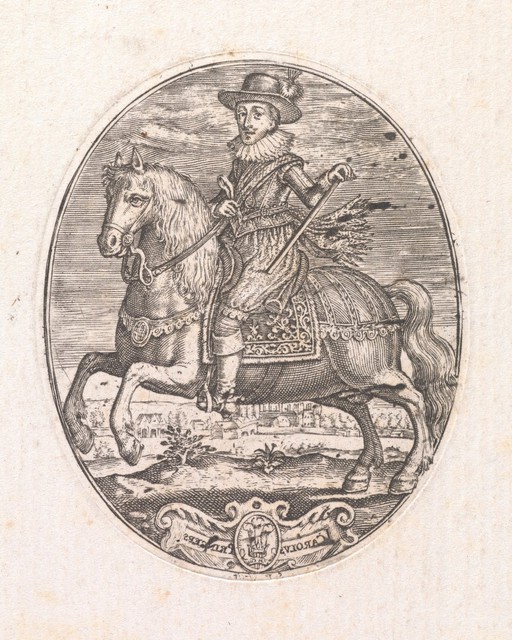
King Charles I as Prince of Wales, on Horseback
Simon van de Pass · 1616
An oval engraving by Simon van de Pass, made in 1616, showing the young Prince Charles riding a horse beside a cartouche with the Prince of Wales arms.
Presents Charles as the heir, the young Prince of Wales on horseback, with his title shown in the coat of arms.
About this source
What it is
This is an engraving by Simon van de Pass, dated 1616, held by the Wellcome Collection. It shows the young prince on horseback, wearing a plumed hat, a ruff and an armoured doublet, and holding a baton. A town and hills appear behind him. Below is a cartouche with the inscription Carolus princeps and a coat of arms of the Prince of Wales, with the lettering printed in reverse.
Why it matters
Showing a child prince on a prancing horse with a baton was a way of presenting him as a future ruler and military leader. The coat of arms ties the image to his title as Prince of Wales, the heir to the throne. Charles later became King Charles I, who ruled from 1625 to 1649.
Look closer
- What do the horse, baton and plumed hat tell you about the role this image gives the prince?
- Why do you think the coat of arms was included, and who would have recognised it?
- What does the idealised scene leave out about the real boy and his everyday life?
This painting is part of the curated material that grounds the AI version of Charles I on Humy.ai — when students ask about related events, the AI can quote it and cite it.
More Charles I sources
Meet the AI Charles I →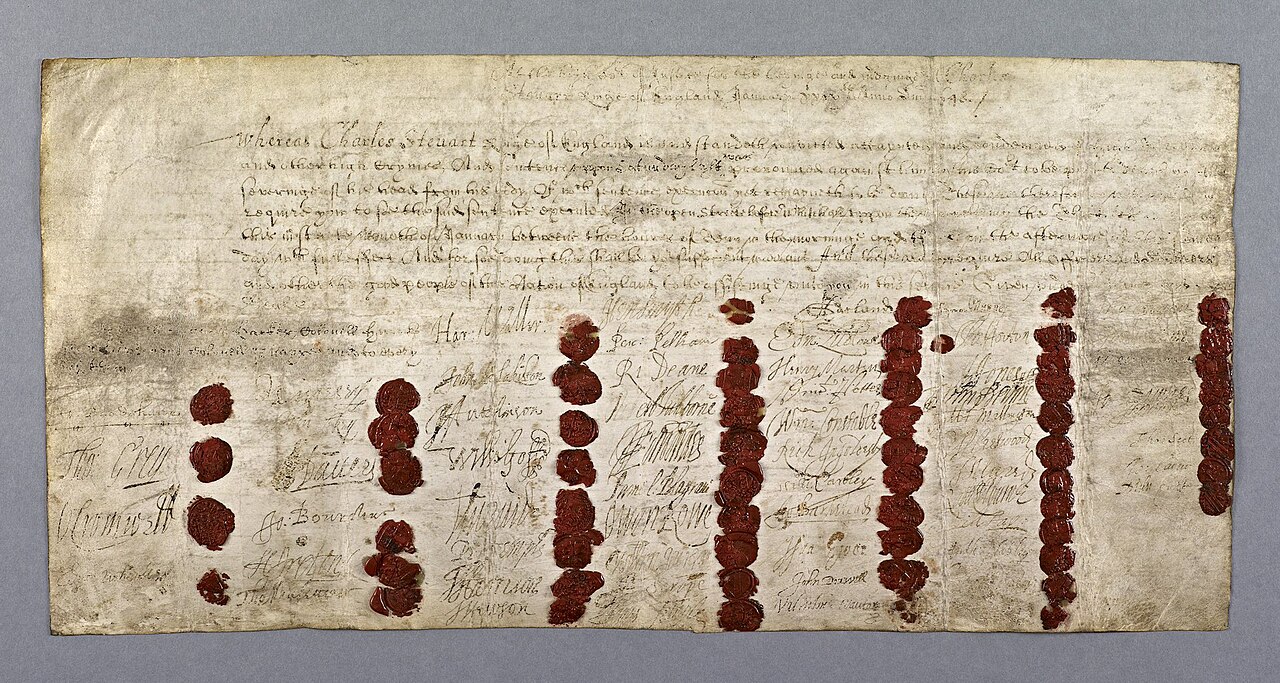 Document
Primary source
Death Warrant of King Charles I
High Court of Justice commissioners · 29 January 1649
 Speech
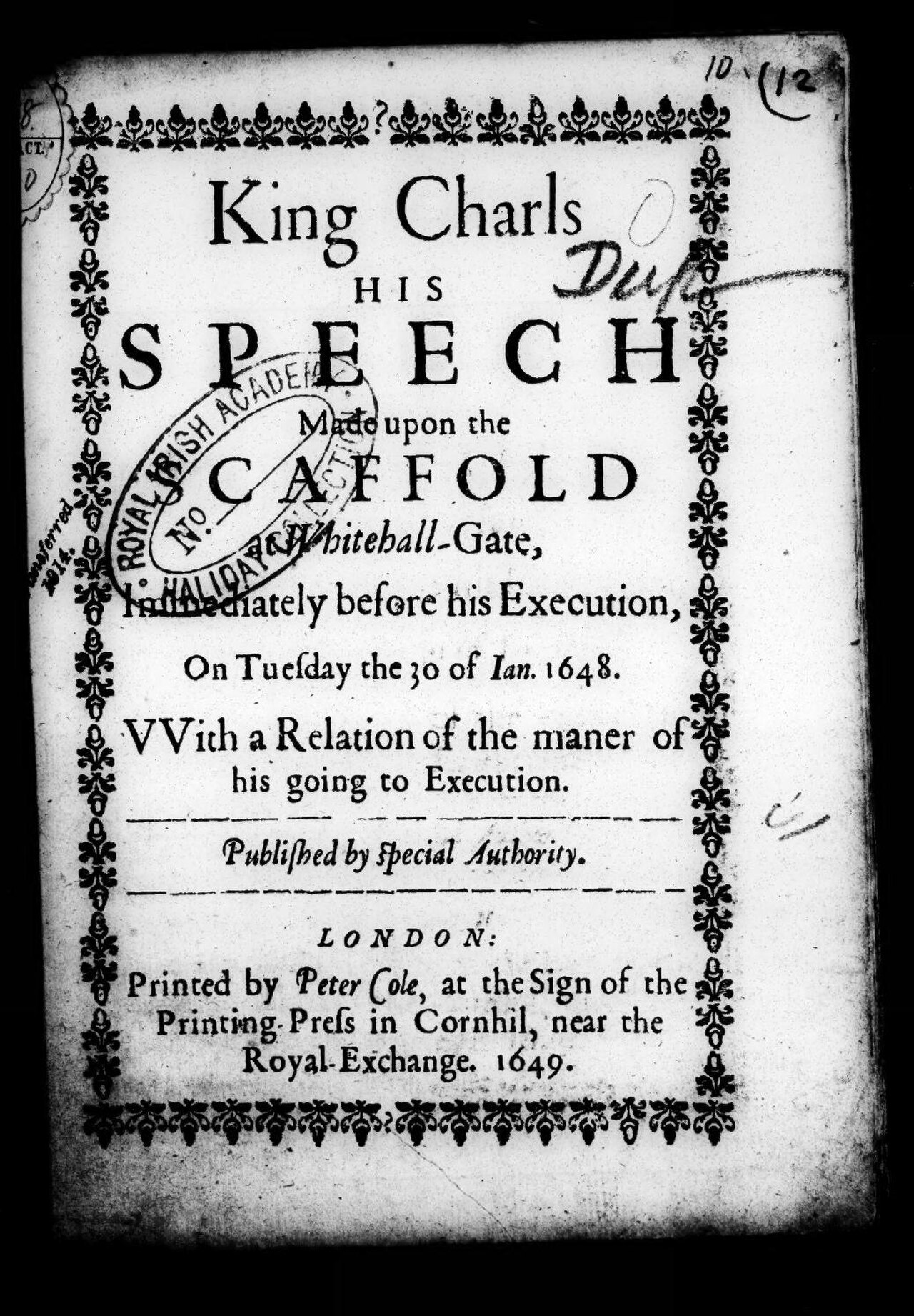
Primary source
King Charles his Speech made upon the Scaffold at Whitehall-Gate
Charles I · 30 January 1649
 Book
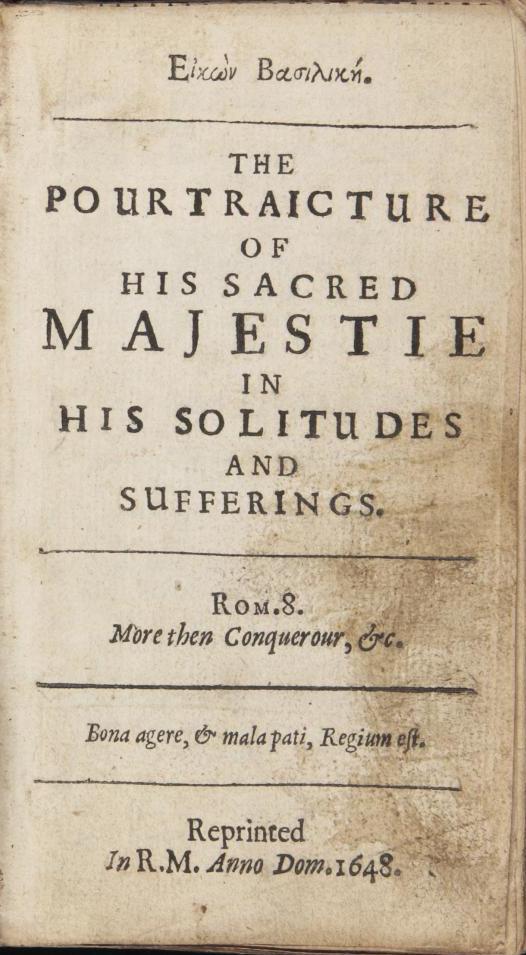
Secondary source
Eikon Basilike
Attributed to Charles I (possibly John Gauden) · 1649
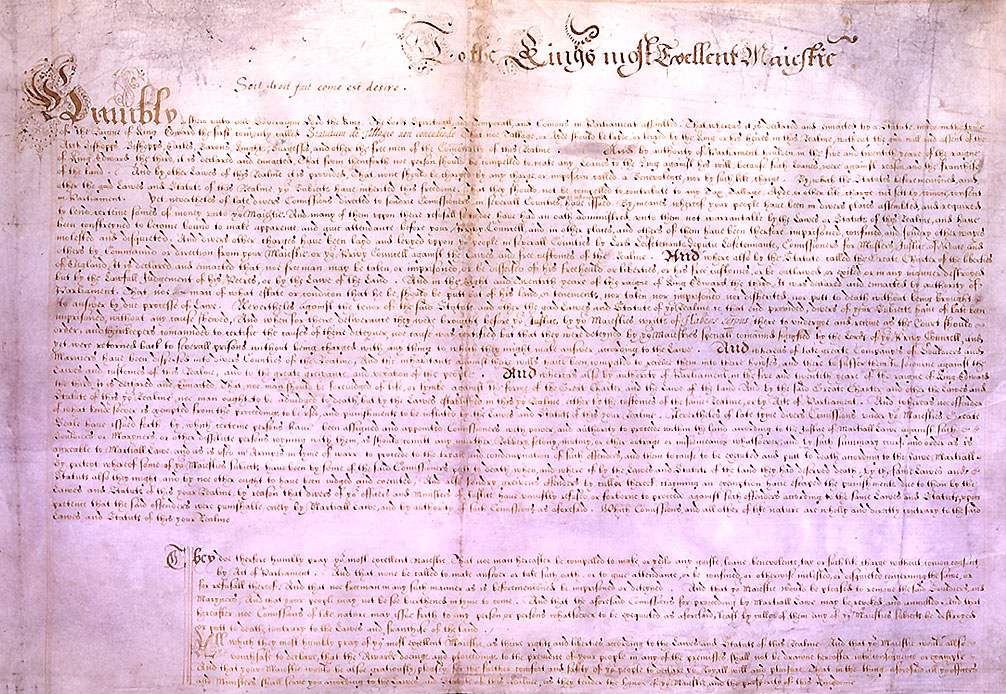 Document
Primary source
Petition of Right
Edward Coke (drafting committee) · 7 June 1628
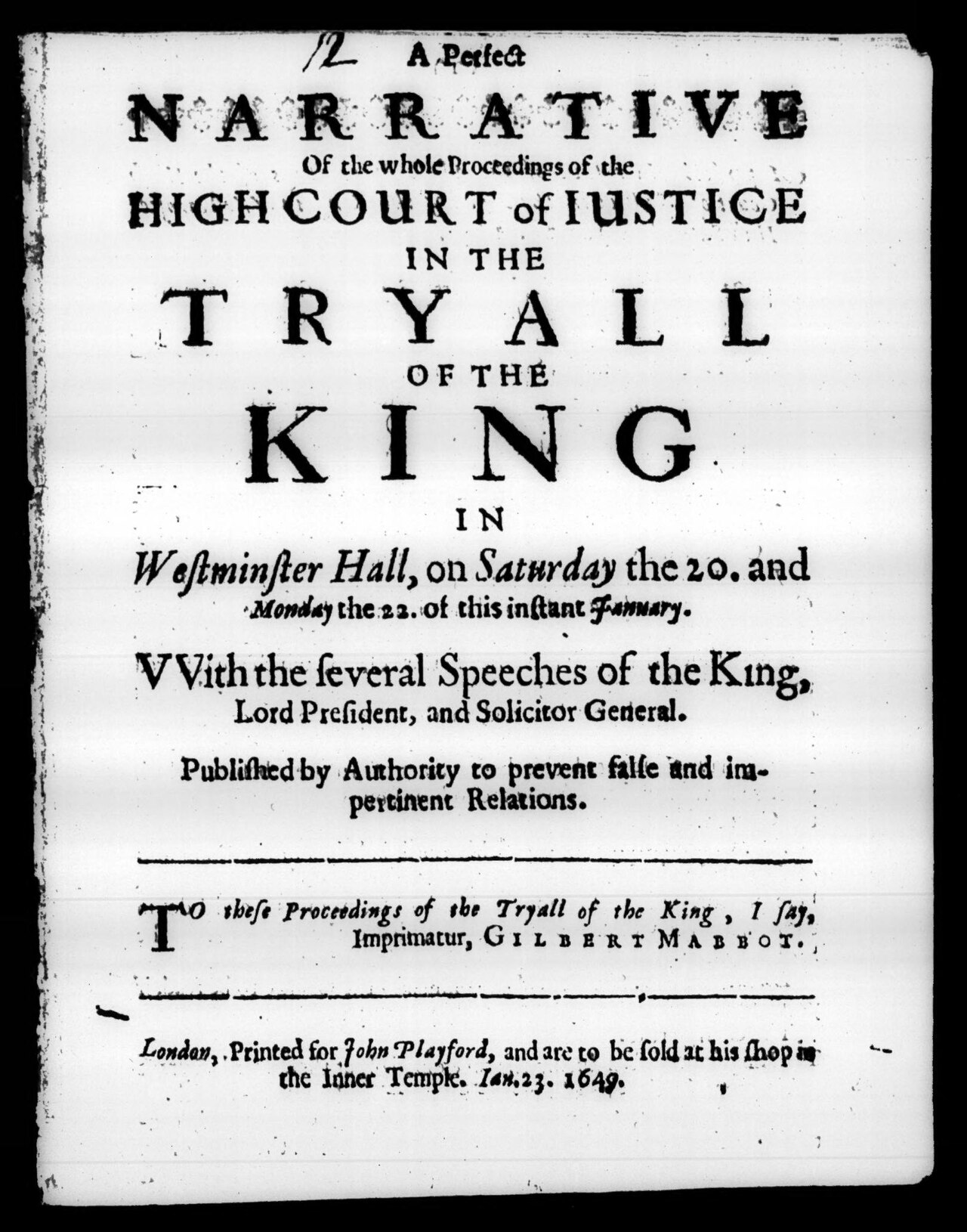 Document
Primary source
A Perfect Narrative of the Whole Proceedings of the High Court of Justice in the Tryal of the King
Published by order of the High Court of Justice · 23 January 1649
Ready when you are
Start chatting with Charles I now.
20 messages free · No credit card · Available in 50+ languages.