


Primary sourcePainting1629-1630
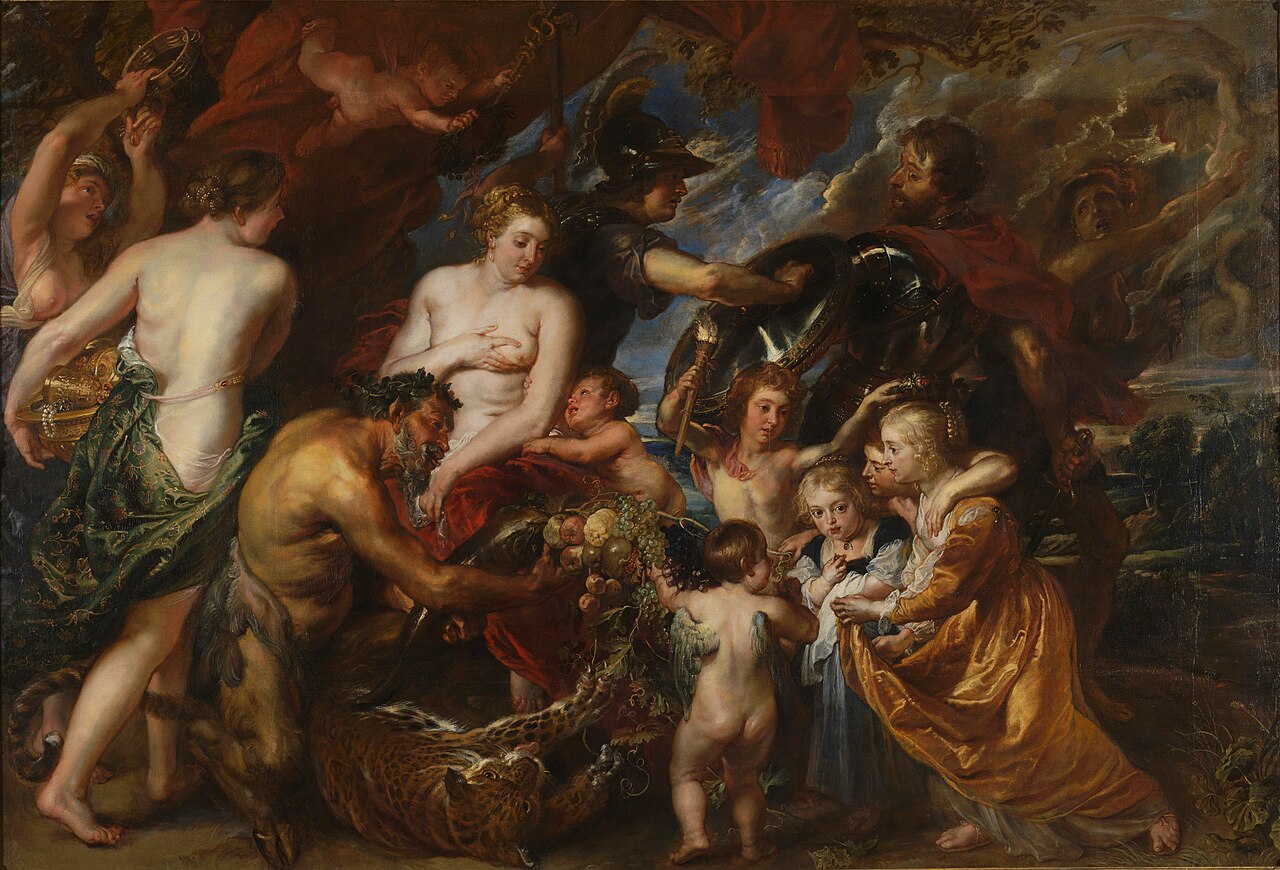
Minerva Protects Pax from Mars
Peter Paul Rubens · 1629-1630
An allegorical painting by Rubens made in London during his 1629-30 peace mission to Charles I, celebrating peace over war.
Rubens gave this painting to Charles I during his 1629-30 peace mission, reflecting the king's role in Anglo-Spanish diplomacy.
About this source
What it is
This painting by Peter Paul Rubens was made in London between 1629 and 1630, while Rubens was on a diplomatic mission from the Spanish Netherlands to Charles I. It shows Minerva fighting off Mars to protect the nude figure of Pax, the goddess of peace. It is now in the National Gallery, London.
Why it matters
Rubens gave the painting to Charles I during his peace mission, making it a direct reflection of the king's diplomatic role in negotiating peace between England and Spain. It shows how art could serve as a tool of international diplomacy, with mythological imagery standing in for real political goals.
Look closer
- Why might an artist use gods and goddesses to represent real political ideas like war and peace?
- What does it mean that this gift came from an artist who was also acting as a diplomat?
- What might the painting have been meant to persuade Charles I to do or feel?
This painting is part of the curated material that grounds the AI version of Charles I on Humy.ai — when students ask about related events, the AI can quote it and cite it.
More Charles I sources
Meet the AI Charles I →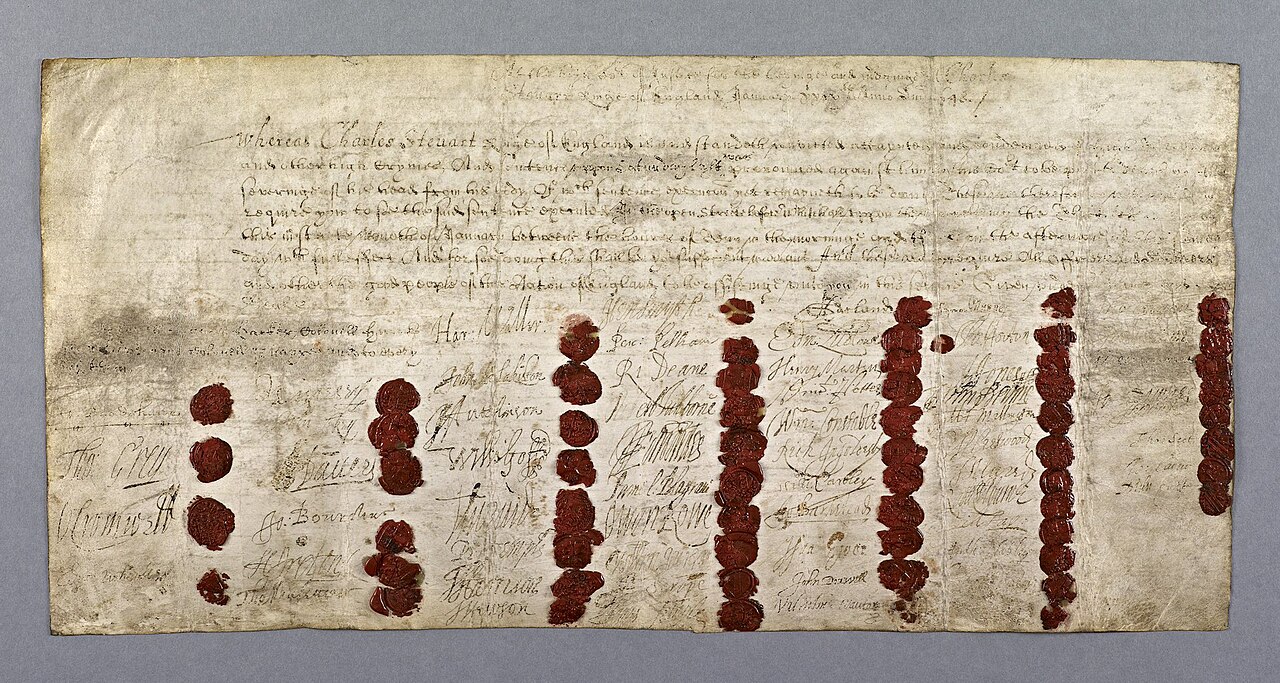 Document
Primary source
Death Warrant of King Charles I
High Court of Justice commissioners · 29 January 1649
 Speech
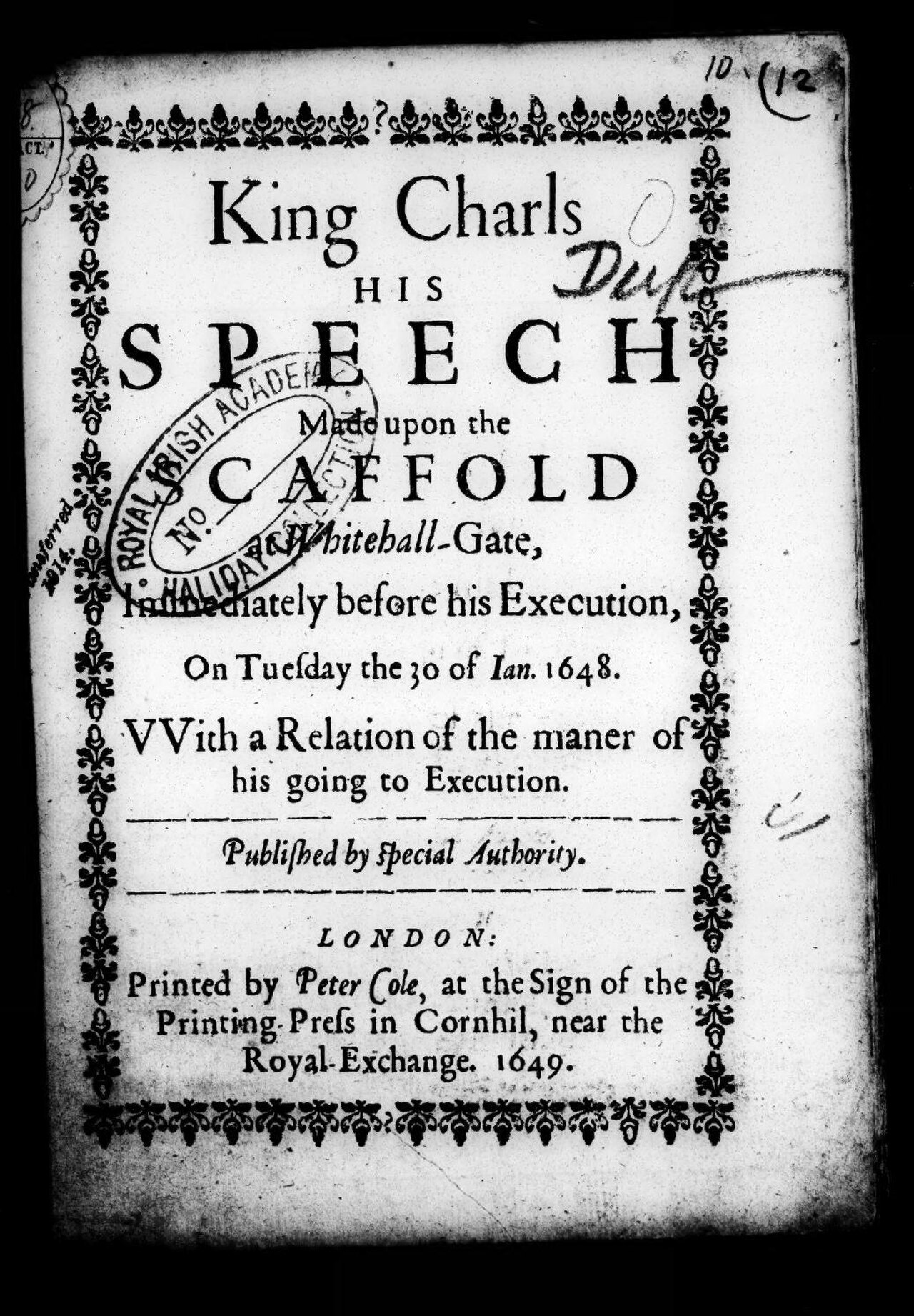
Primary source
King Charles his Speech made upon the Scaffold at Whitehall-Gate
Charles I · 30 January 1649
 Book
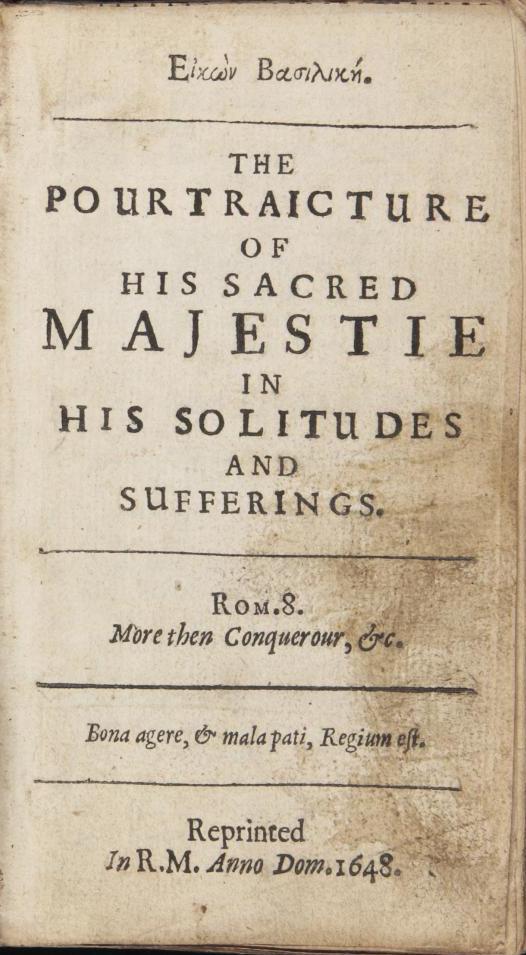
Secondary source
Eikon Basilike
Attributed to Charles I (possibly John Gauden) · 1649
 Document
Primary source
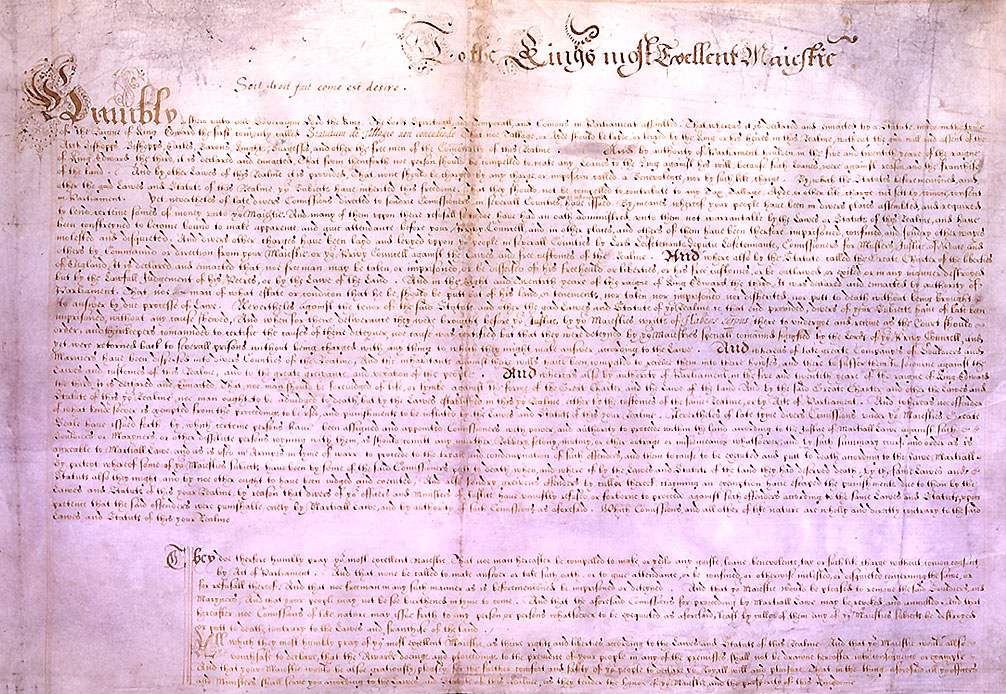
Petition of Right
Edward Coke (drafting committee) · 7 June 1628
 Document
Primary source
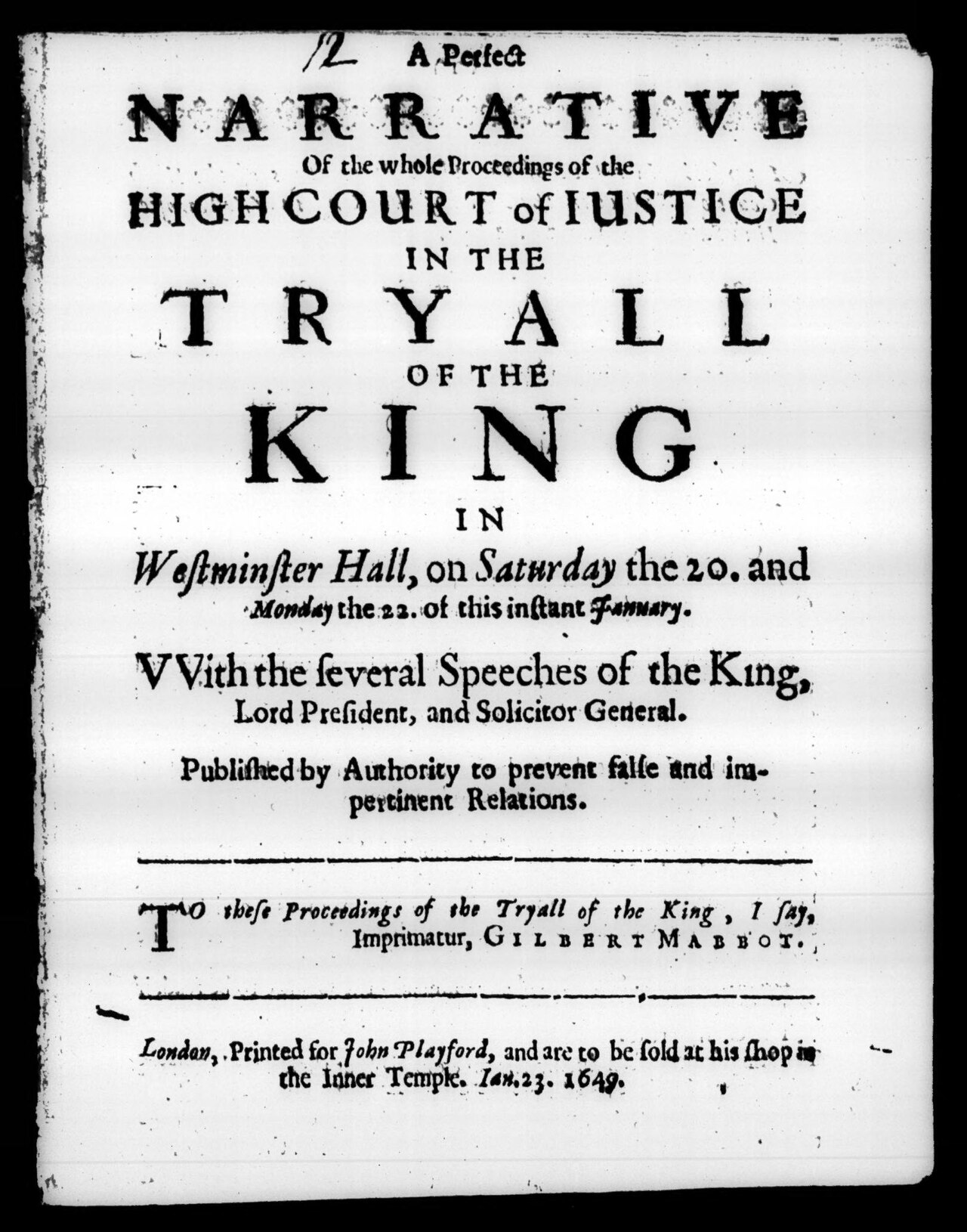
A Perfect Narrative of the Whole Proceedings of the High Court of Justice in the Tryal of the King
Published by order of the High Court of Justice · 23 January 1649
Ready when you are
Start chatting with Charles I now.
20 messages free · No credit card · Available in 50+ languages.