


Primary sourcePainting1635–1636
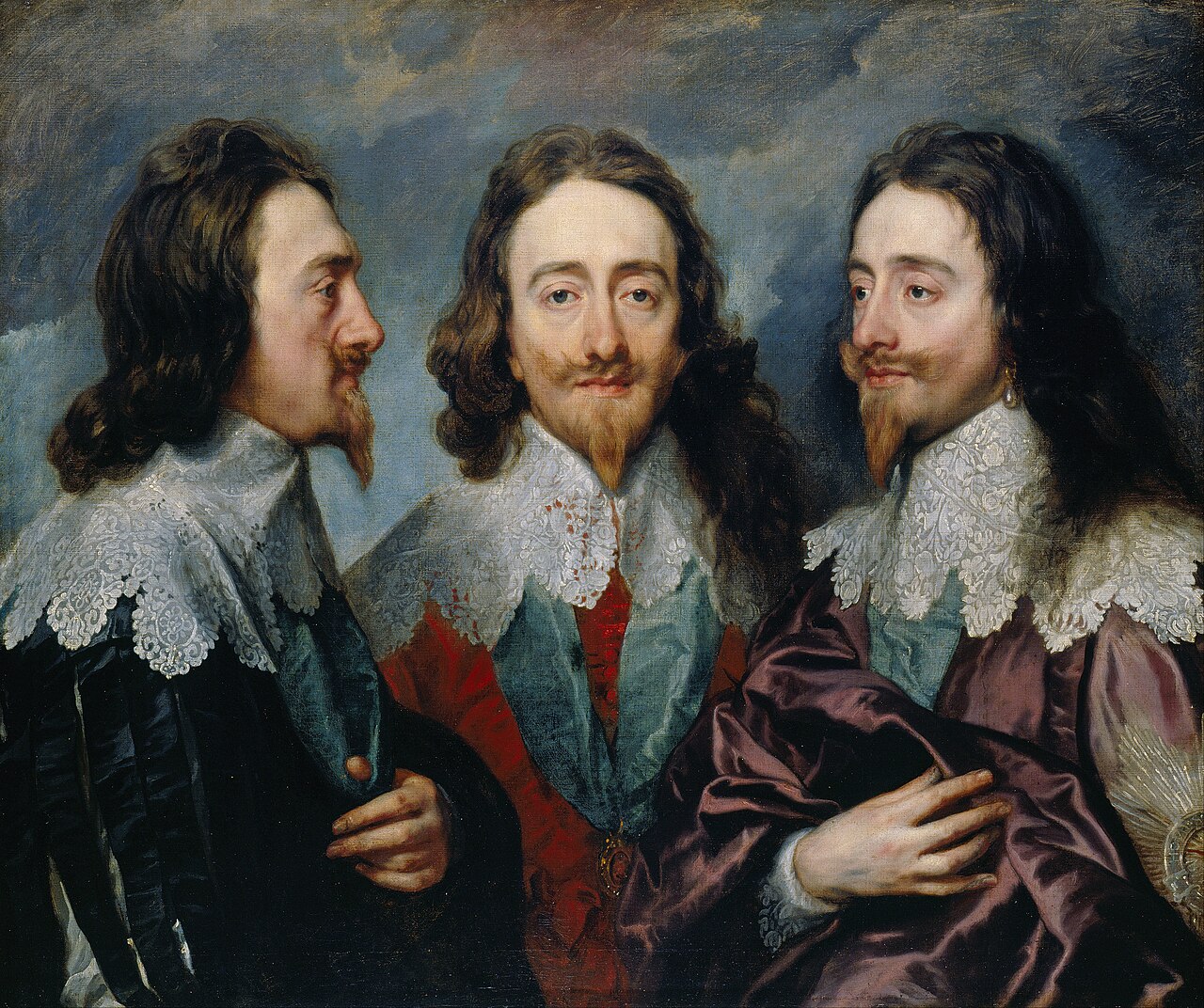
Charles I in Three Positions
Anthony van Dyck · 1635–1636
A triple portrait of King Charles I painted by Anthony van Dyck to help Bernini sculpt a marble bust of the king.
This triple portrait of Charles I was painted from life to guide a sculptor, making it the era's most authoritative likeness of the king.
About this source
What it is
This oil painting by the Flemish court painter Anthony van Dyck shows King Charles I from three angles: left profile, face on, and right three-quarter profile. It was painted in 1635–1636 and is now part of the Royal Collection.
Why it matters
The painting was sent to Rome so the sculptor Gian Lorenzo Bernini could carve a marble bust of Charles without the king sitting for him in person. The bust, later sent as a diplomatic gift, was meant to help reconcile the Catholic Church and the Church of England. It shows how royal portraits could serve politics and diplomacy, not just record a likeness. The painting is considered the defining image of Charles I's face.
Look closer
- Why might a king need three different views of his face painted at once?
- What do the clothes and jewellery in each view tell you about royal fashion?
- What does it mean that a painting, not the king himself, travelled to Rome?
This painting is part of the curated material that grounds the AI version of Charles I on Humy.ai — when students ask about related events, the AI can quote it and cite it.
More Charles I sources
Meet the AI Charles I →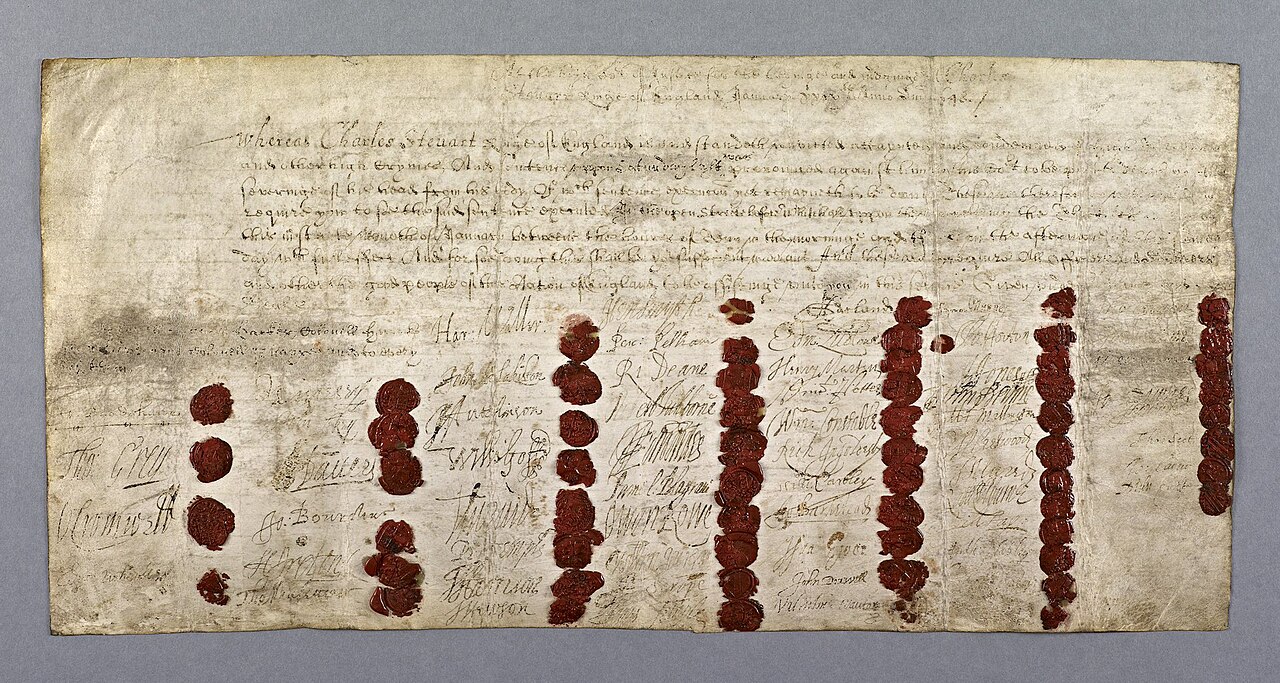 Document
Primary source
Death Warrant of King Charles I
High Court of Justice commissioners · 29 January 1649
 Speech
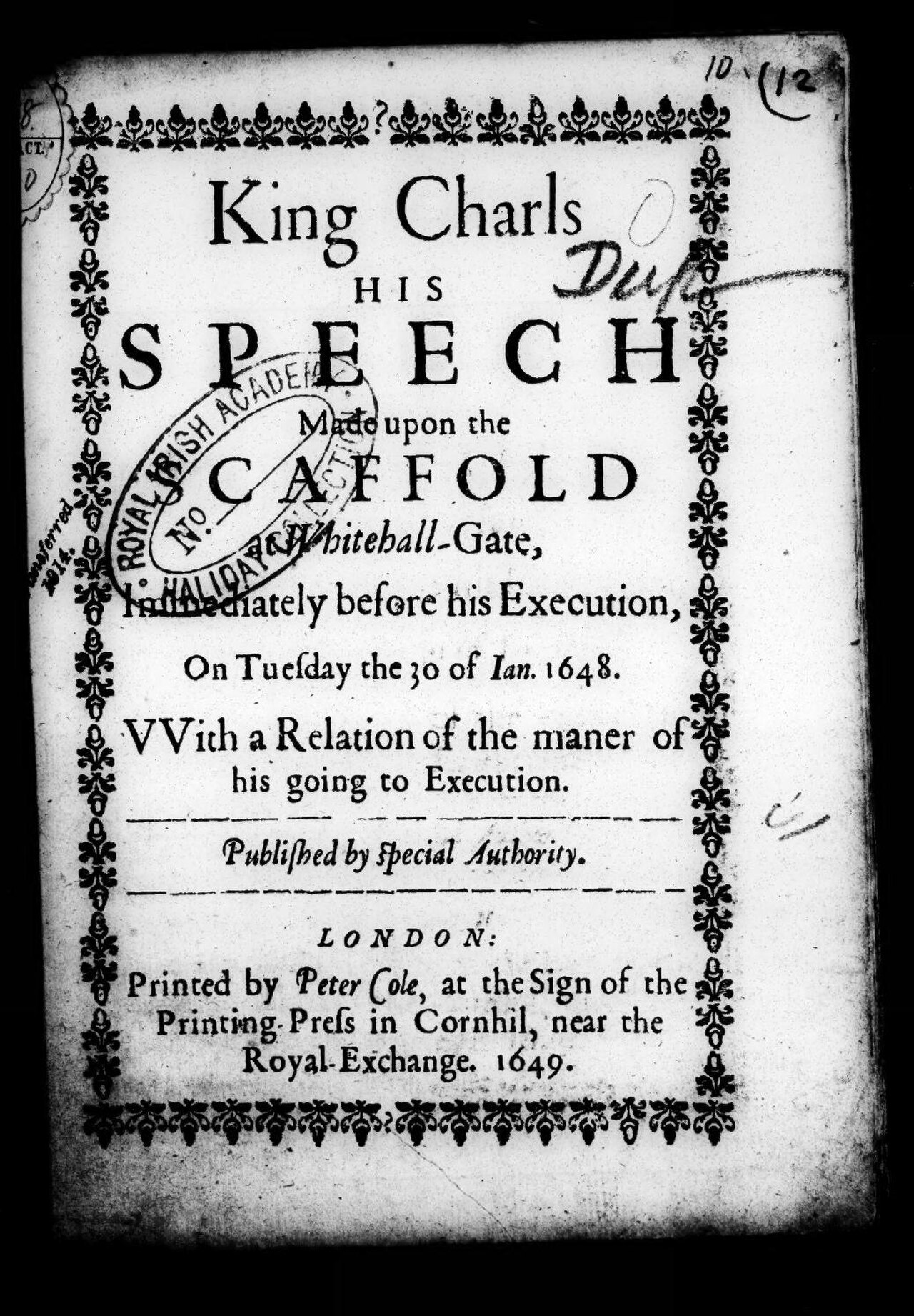
Primary source
King Charles his Speech made upon the Scaffold at Whitehall-Gate
Charles I · 30 January 1649
 Book
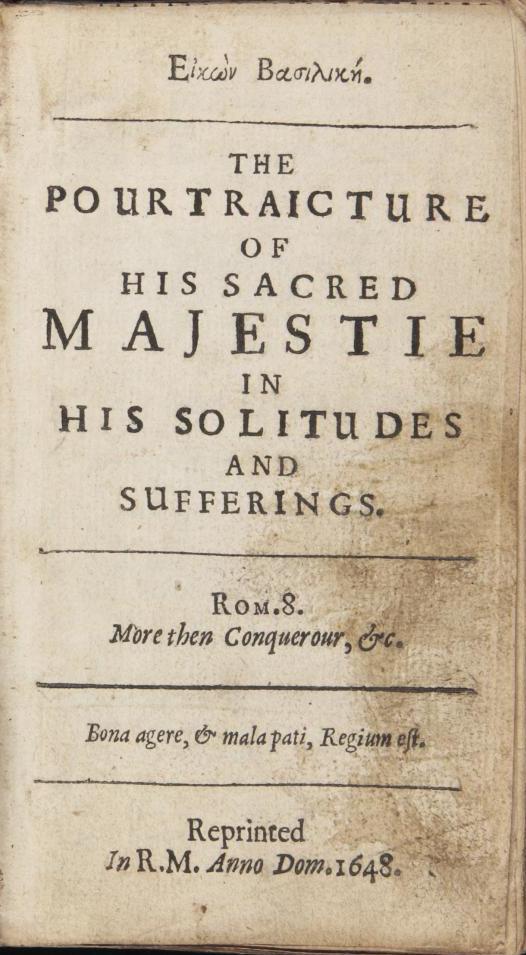
Secondary source
Eikon Basilike
Attributed to Charles I (possibly John Gauden) · 1649
 Document
Primary source
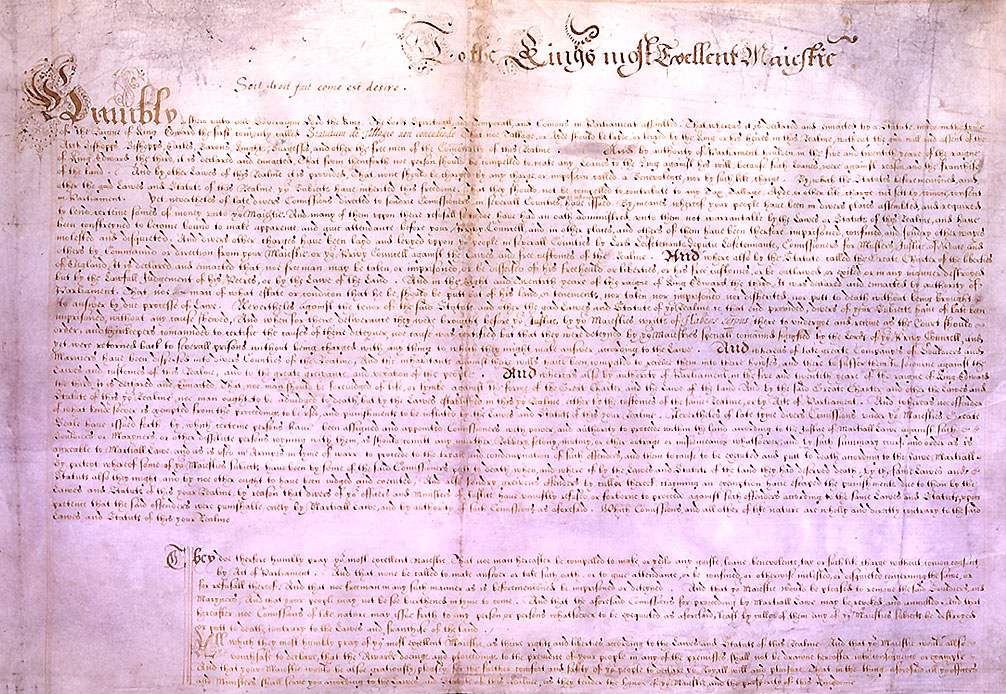
Petition of Right
Edward Coke (drafting committee) · 7 June 1628
 Document
Primary source
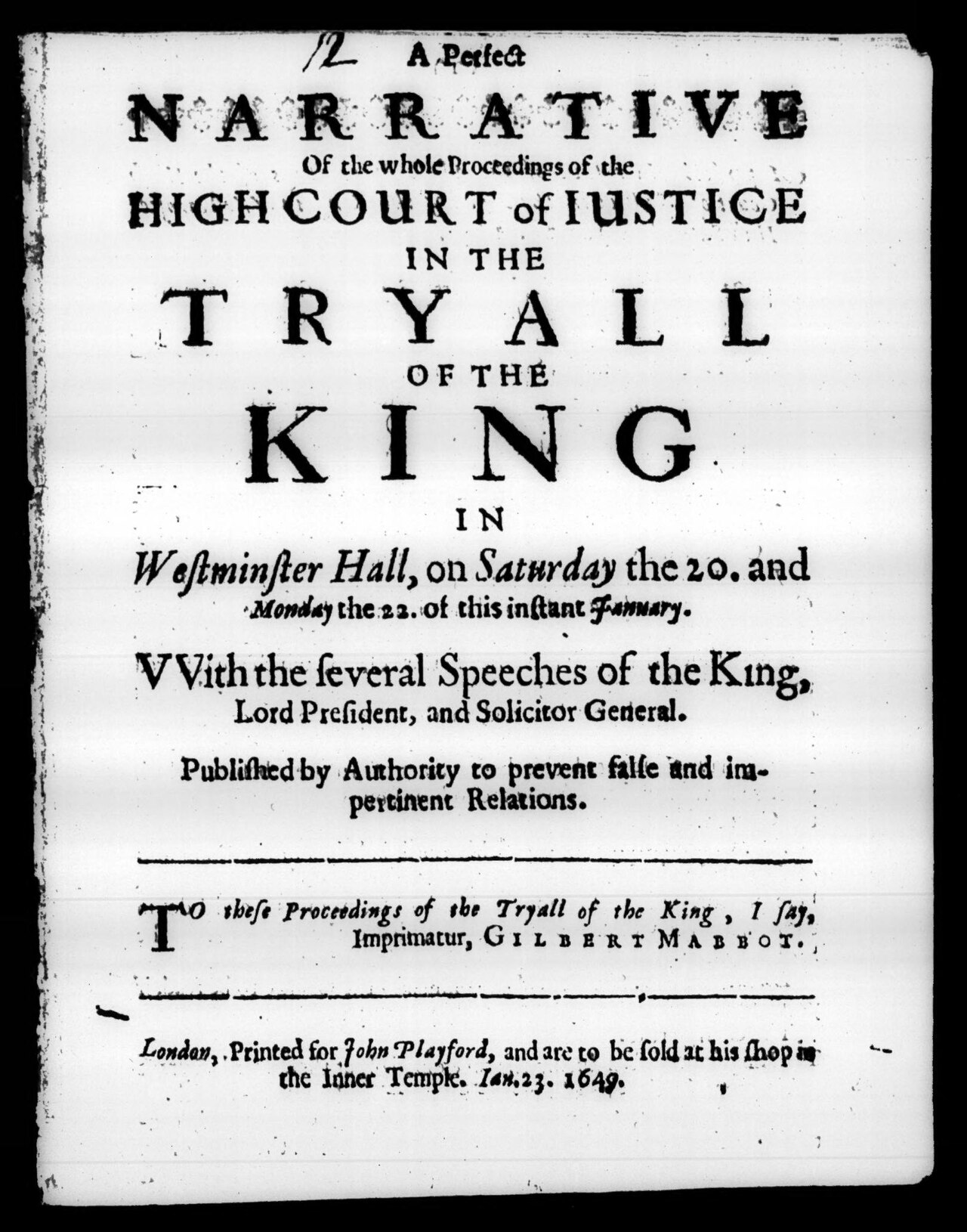
A Perfect Narrative of the Whole Proceedings of the High Court of Justice in the Tryal of the King
Published by order of the High Court of Justice · 23 January 1649
Ready when you are
Start chatting with Charles I now.
20 messages free · No credit card · Available in 50+ languages.