


Primary sourcePainting1636
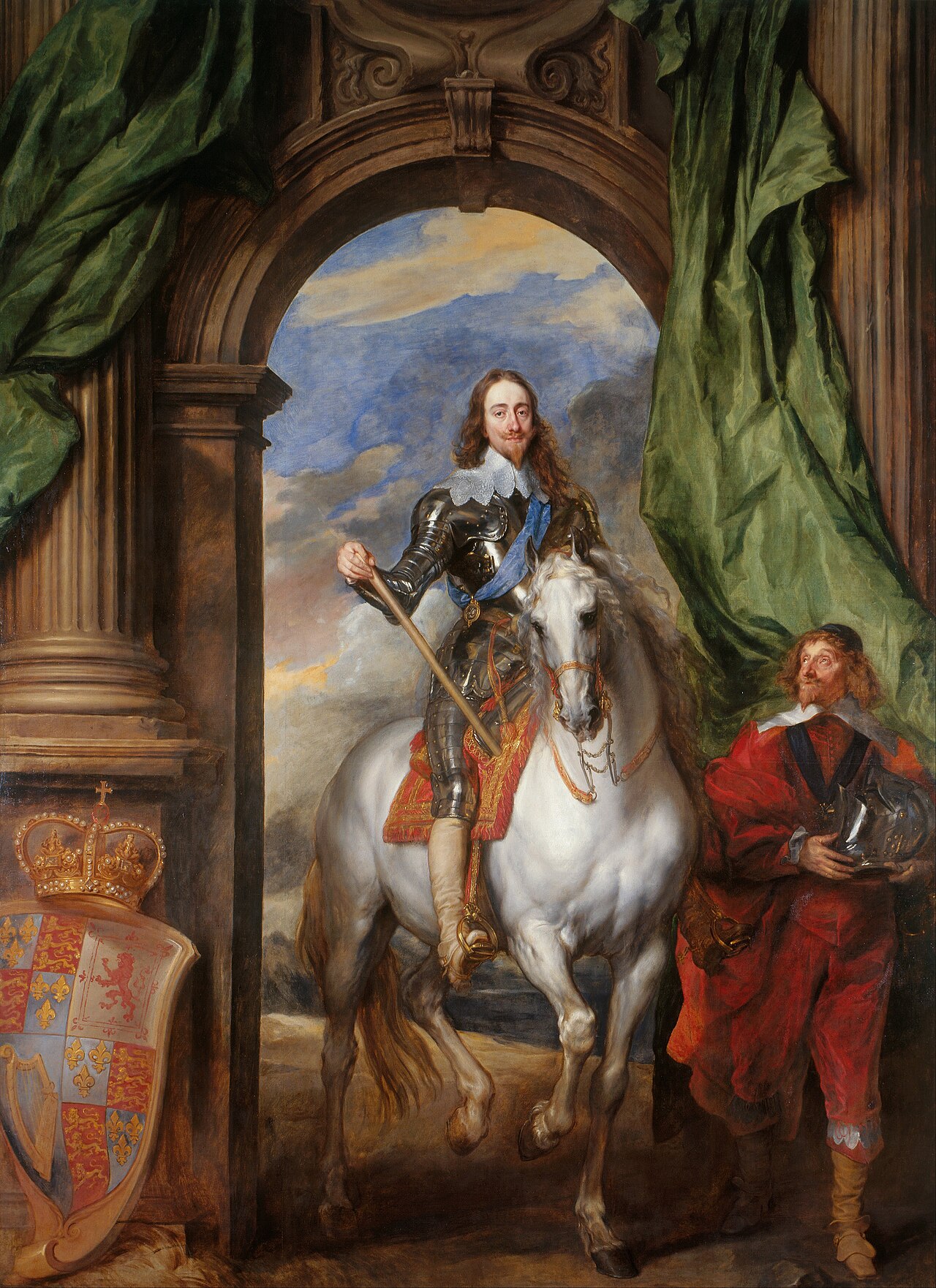
Charles I with M. de St Antoine
Anthony van Dyck · 1636
A grand equestrian portrait by Anthony van Dyck showing Charles I riding beneath a triumphal arch with his riding master.
This portrait is a deliberate image of Charles's royal authority, commissioned during his personal rule.
About this source
What it is
This large oil painting by Anthony van Dyck, Charles I's court painter, shows the king on horseback accompanied by his riding master, Pierre Antoine Bourdon, Seigneur de St Antoine. It is dated 1636 and hangs in the Royal Collection at Buckingham Palace.
Why it matters
Van Dyck painted Charles almost alone beneath a triumphal arch, viewed from below to make him look taller and more commanding. The painting was designed to project majesty and may hint at the period when Charles ruled without Parliament. It shows how Charles used art to shape his public image, and how van Dyck's skill served royal propaganda.
Look closer
- Why might the artist have shown the king from below and riding alone?
- What do the armour, sash, and royal coat of arms tell you about how Charles wanted to be seen?
- What does this image leave out about Charles's real political problems at the time?
This painting is part of the curated material that grounds the AI version of Charles I on Humy.ai — when students ask about related events, the AI can quote it and cite it.
More Charles I sources
Meet the AI Charles I →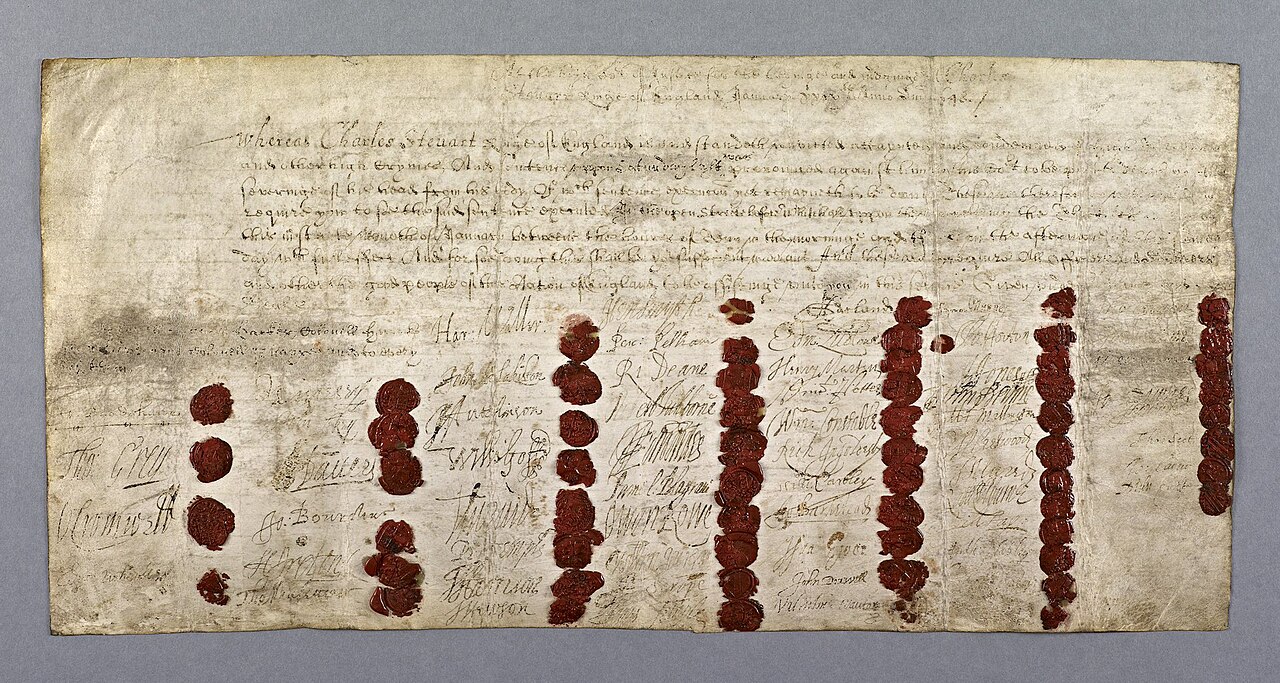 Document
Primary source
Death Warrant of King Charles I
High Court of Justice commissioners · 29 January 1649
 Speech
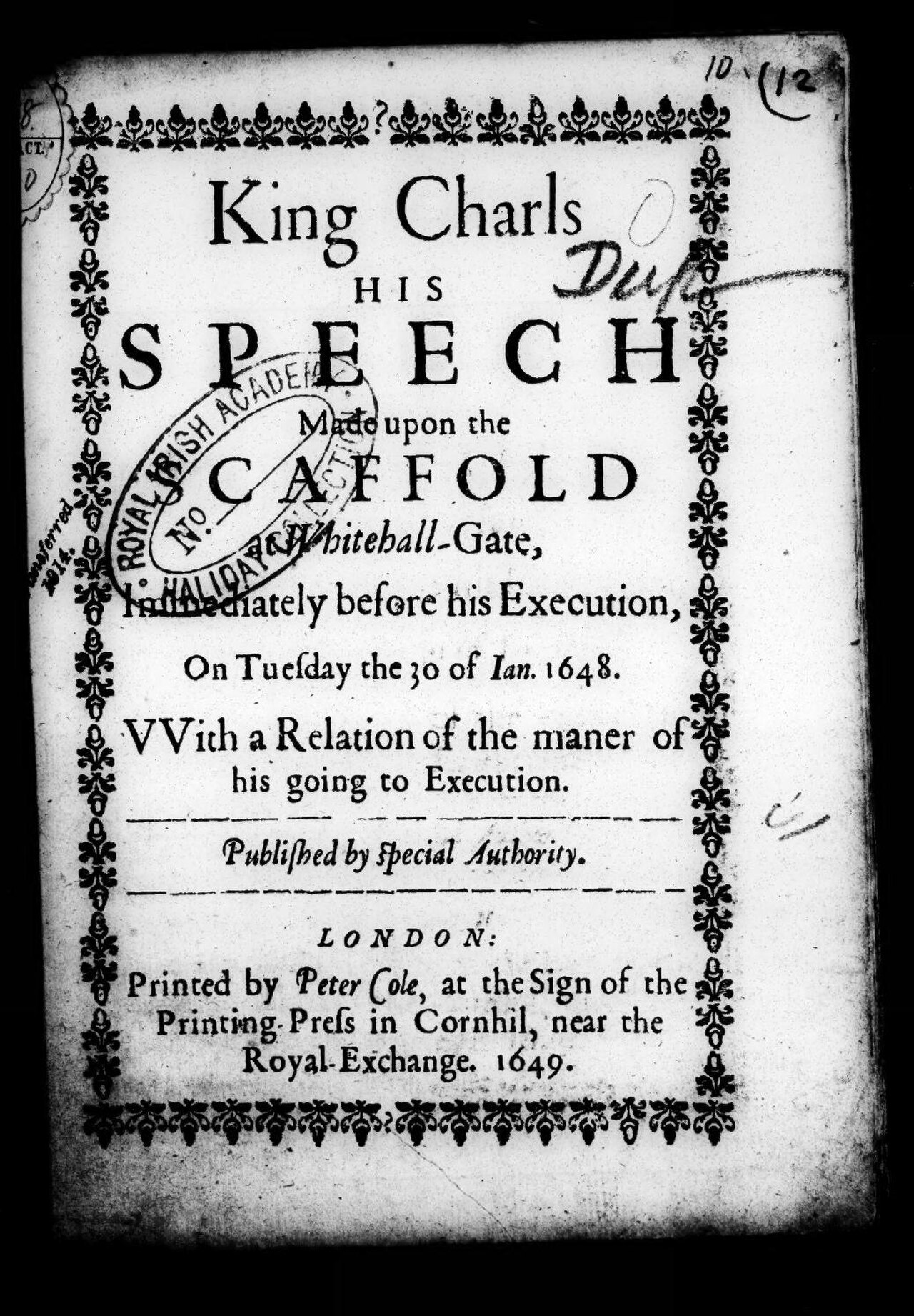
Primary source
King Charles his Speech made upon the Scaffold at Whitehall-Gate
Charles I · 30 January 1649
 Book
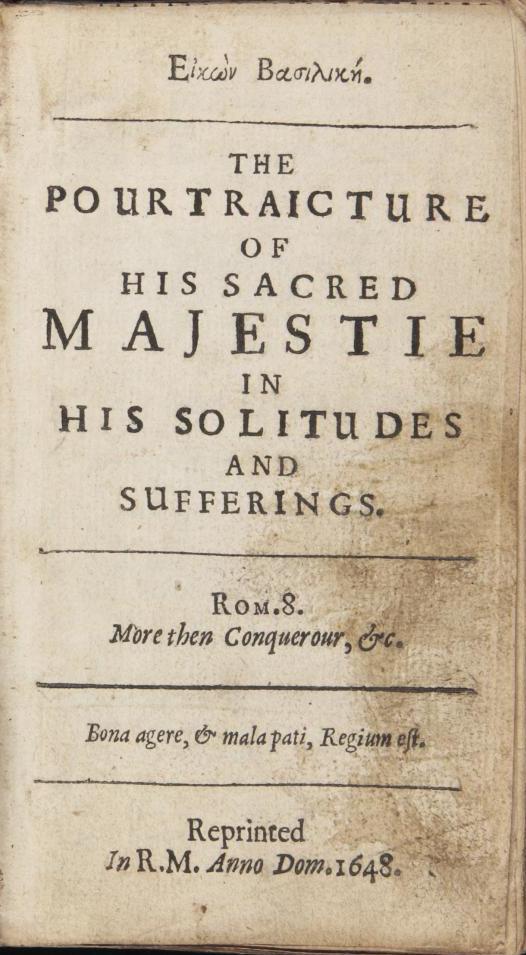
Secondary source
Eikon Basilike
Attributed to Charles I (possibly John Gauden) · 1649
 Document
Primary source
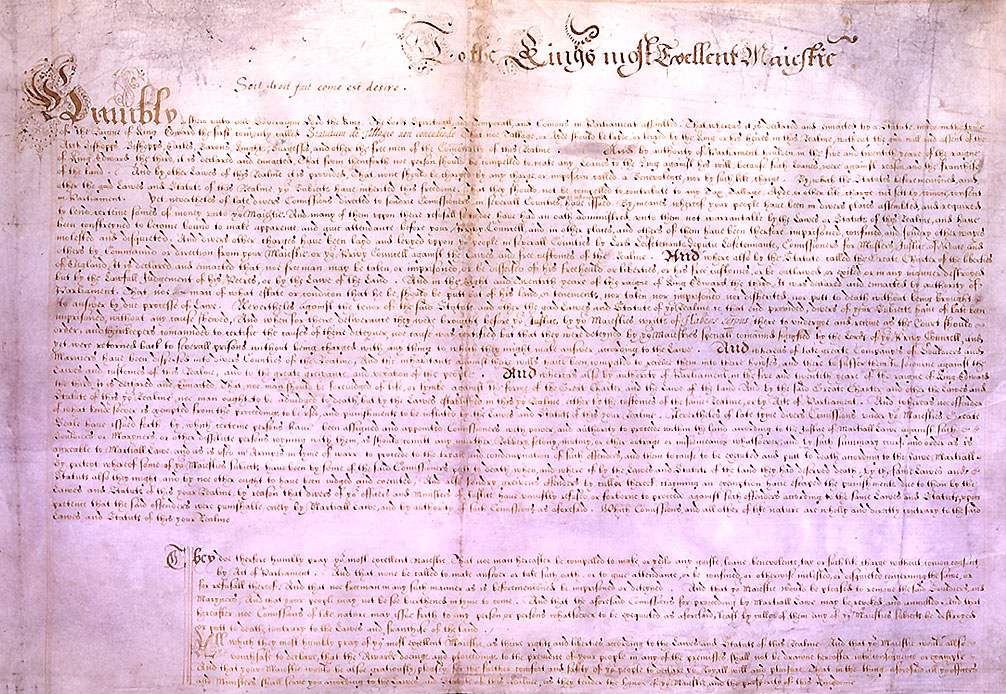
Petition of Right
Edward Coke (drafting committee) · 7 June 1628
 Document
Primary source
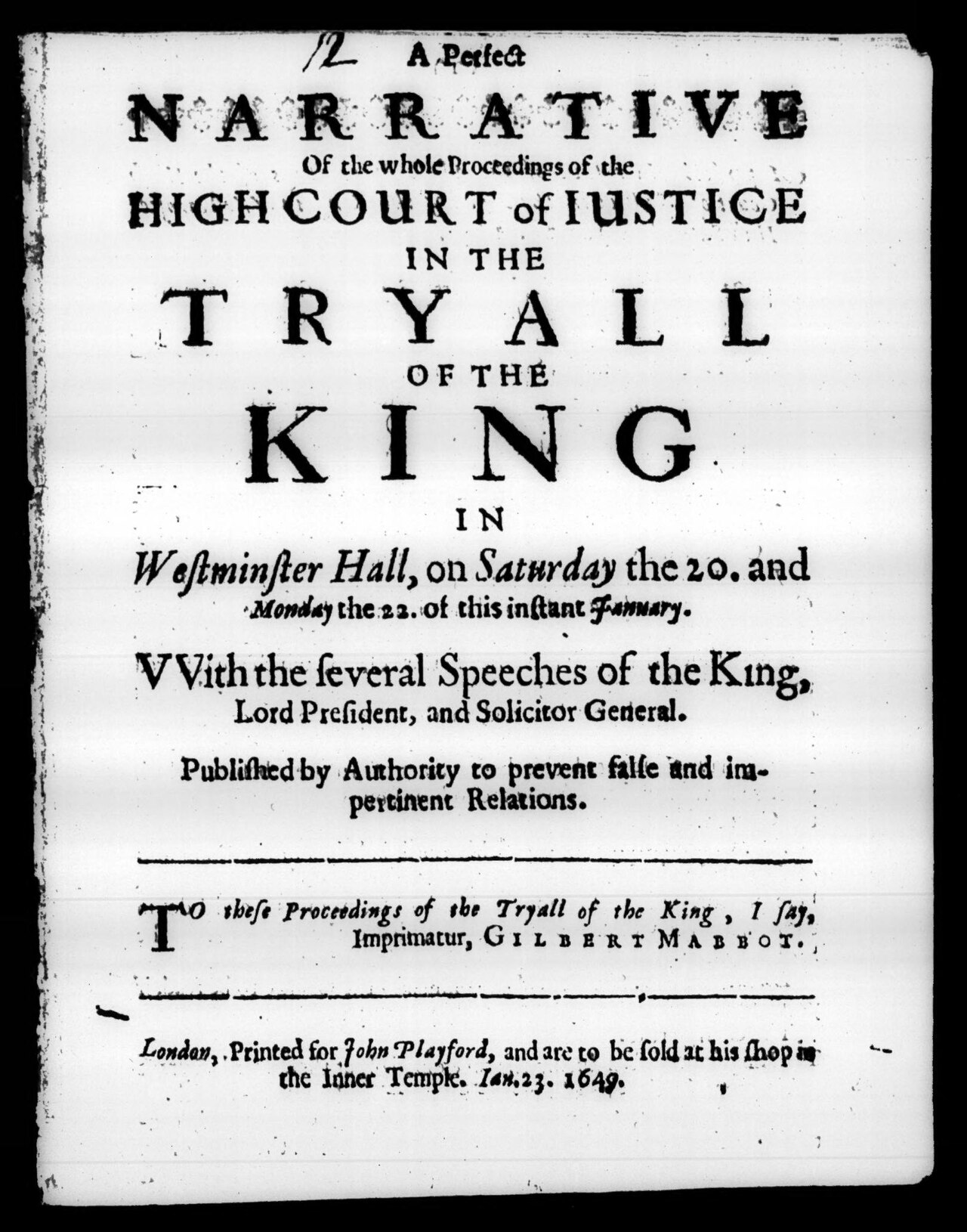
A Perfect Narrative of the Whole Proceedings of the High Court of Justice in the Tryal of the King
Published by order of the High Court of Justice · 23 January 1649
Ready when you are
Start chatting with Charles I now.
20 messages free · No credit card · Available in 50+ languages.