


Primary sourcePaintingc. 1603
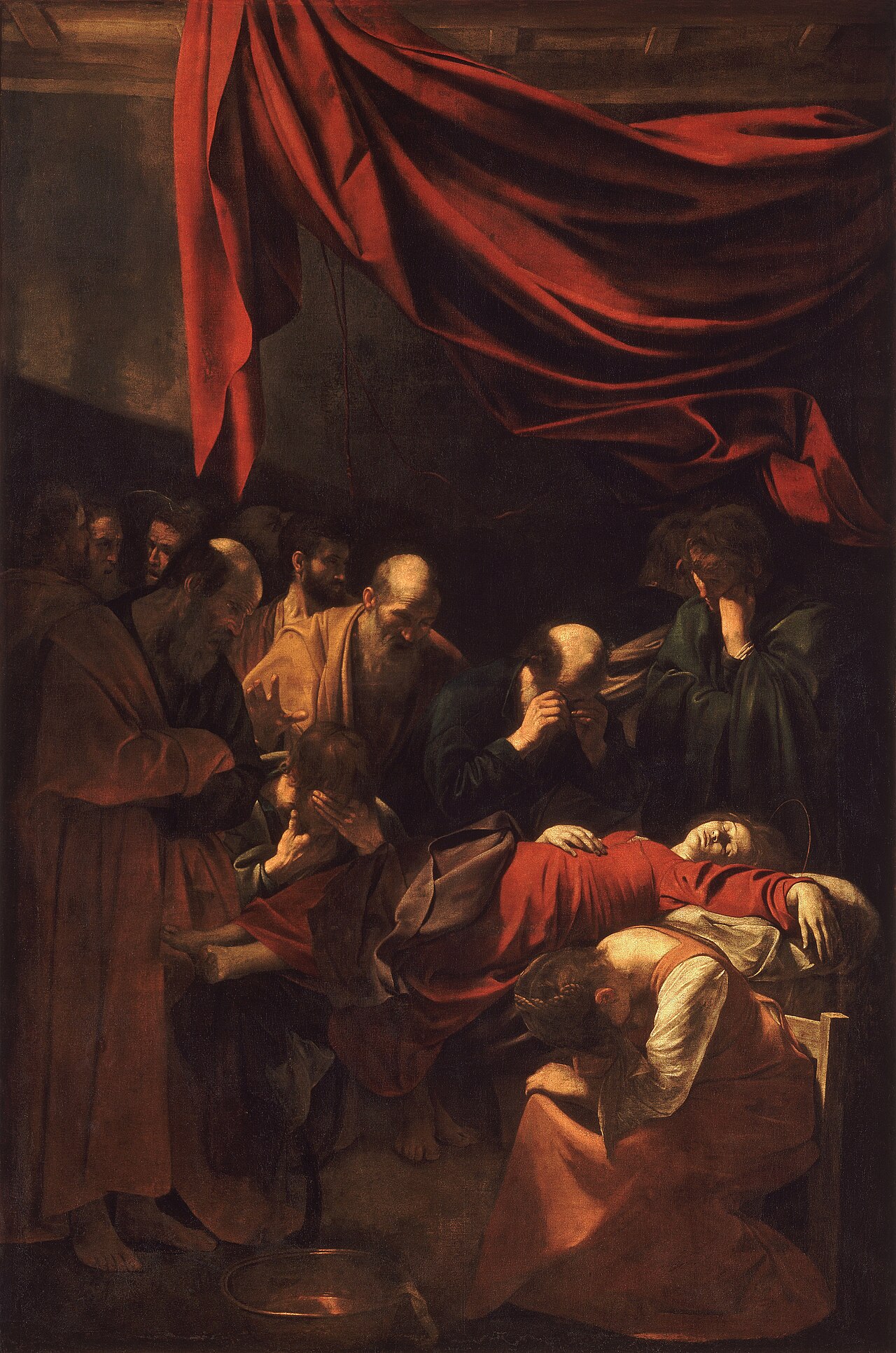
Death of the Virgin
Caravaggio · c. 1603
Caravaggio's controversial painting of the Virgin Mary's death, acquired by Charles I with the Gonzaga collection and later sold off after his execution.
Acquired by Charles I with the Gonzaga collection, this painting was later sold during the Commonwealth sale of his art.
About this source
What it is
This oil painting by Caravaggio, made around 1601-1606, shows the dead body of the Virgin Mary surrounded by grieving apostles and Mary Magdalene. Originally rejected by the Roman church that commissioned it, it was bought by the Duke of Mantua and came to Charles I in 1627 as part of the Gonzaga purchase. It now hangs in the Louvre.
Why it matters
The painting's history traces both the building and the breaking-up of Charles's art collection: after his execution in 1649, the Commonwealth sold his paintings, and this one eventually entered the French royal collection. Its stark, unidealised treatment of Mary's death also shows Caravaggio's radical break from traditional religious imagery.
Look closer
- Why do you think the painting was originally rejected by the church that ordered it?
- What details make this scene feel realistic rather than traditionally holy?
- What does the painting's journey from Mantua to Charles I to the Louvre tell you about art as a form of wealth and power?
This painting is part of the curated material that grounds the AI version of Charles I on Humy.ai — when students ask about related events, the AI can quote it and cite it.
More Charles I sources
Meet the AI Charles I →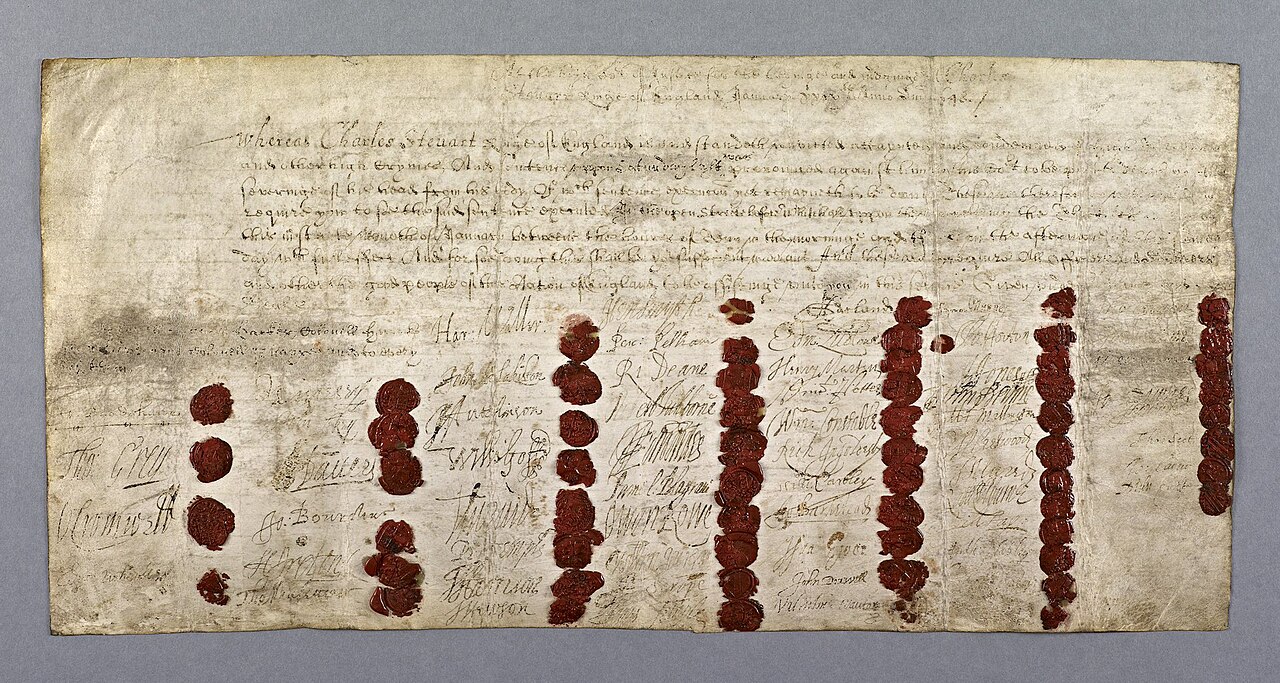 Document
Primary source
Death Warrant of King Charles I
High Court of Justice commissioners · 29 January 1649
 Speech
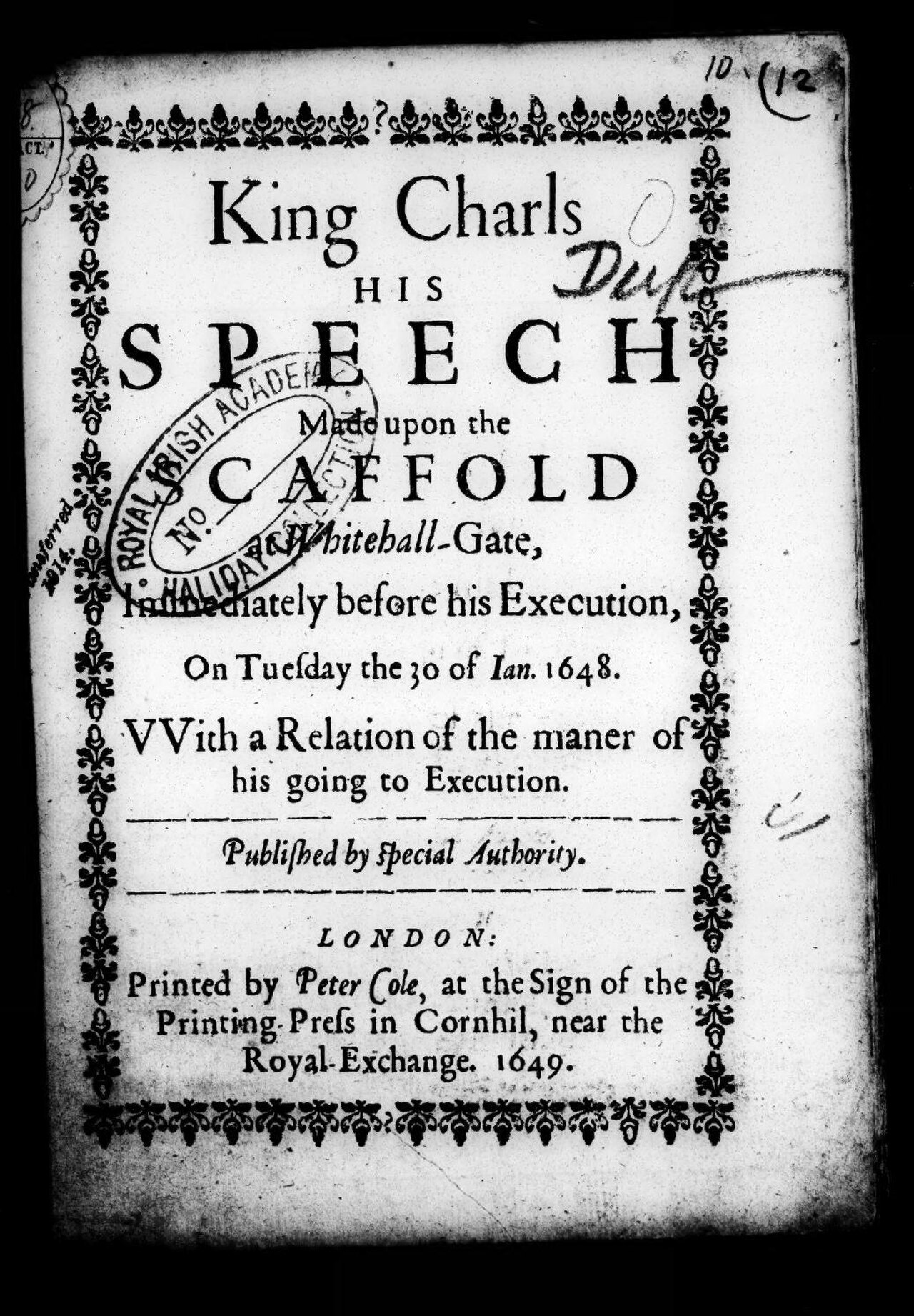
Primary source
King Charles his Speech made upon the Scaffold at Whitehall-Gate
Charles I · 30 January 1649
 Book
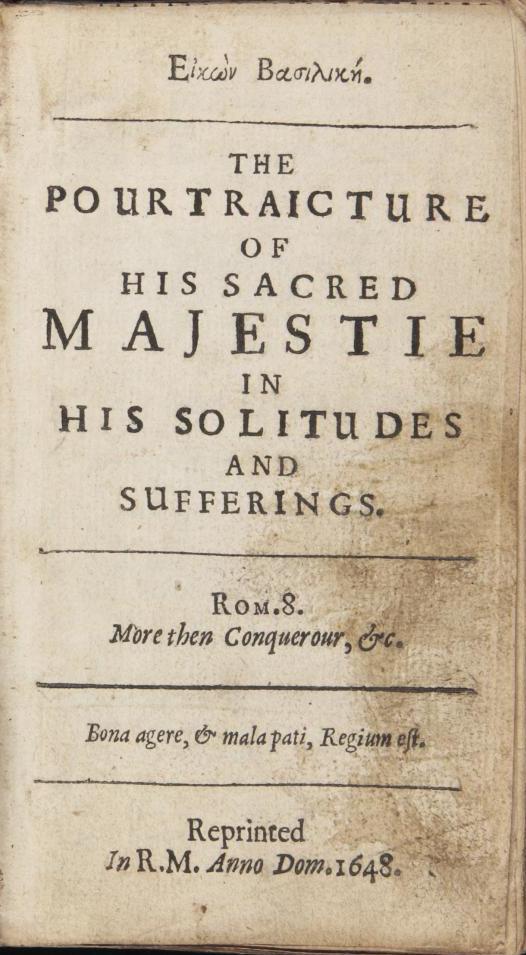
Secondary source
Eikon Basilike
Attributed to Charles I (possibly John Gauden) · 1649
 Document
Primary source
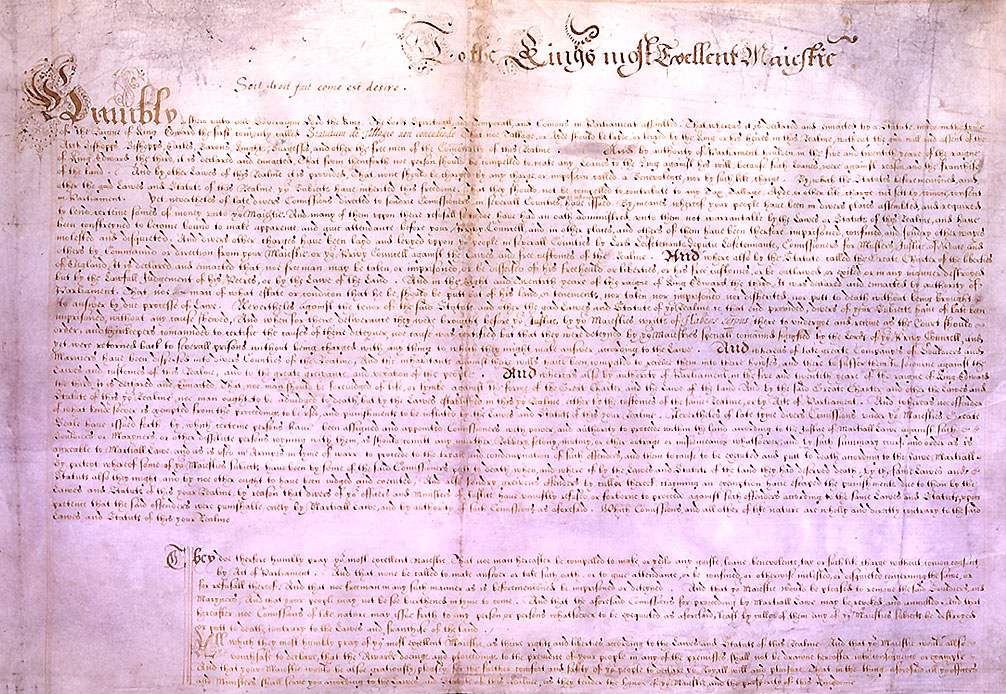
Petition of Right
Edward Coke (drafting committee) · 7 June 1628
 Document
Primary source
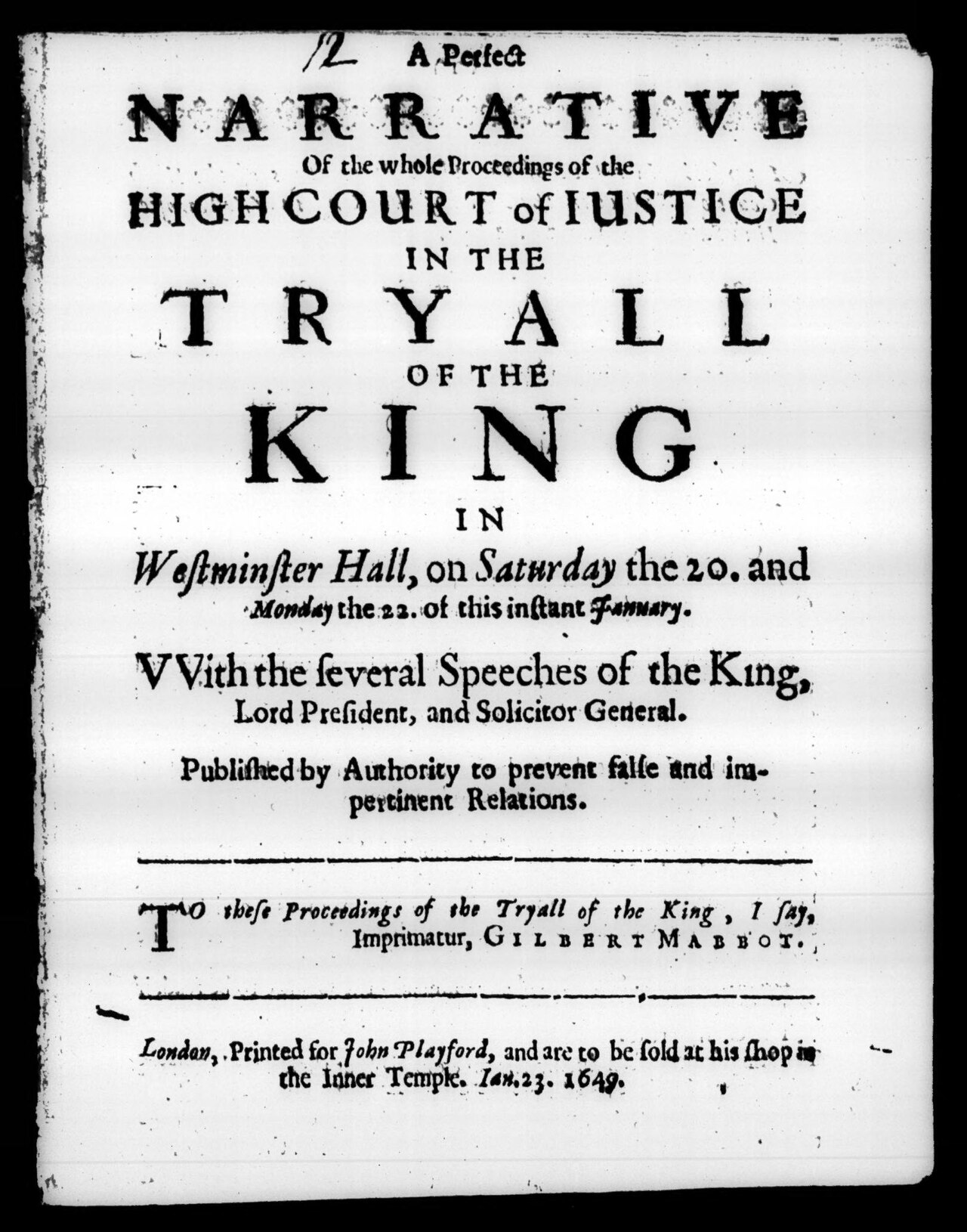
A Perfect Narrative of the Whole Proceedings of the High Court of Justice in the Tryal of the King
Published by order of the High Court of Justice · 23 January 1649
Ready when you are
Start chatting with Charles I now.
20 messages free · No credit card · Available in 50+ languages.