


Primary sourcePainting1648
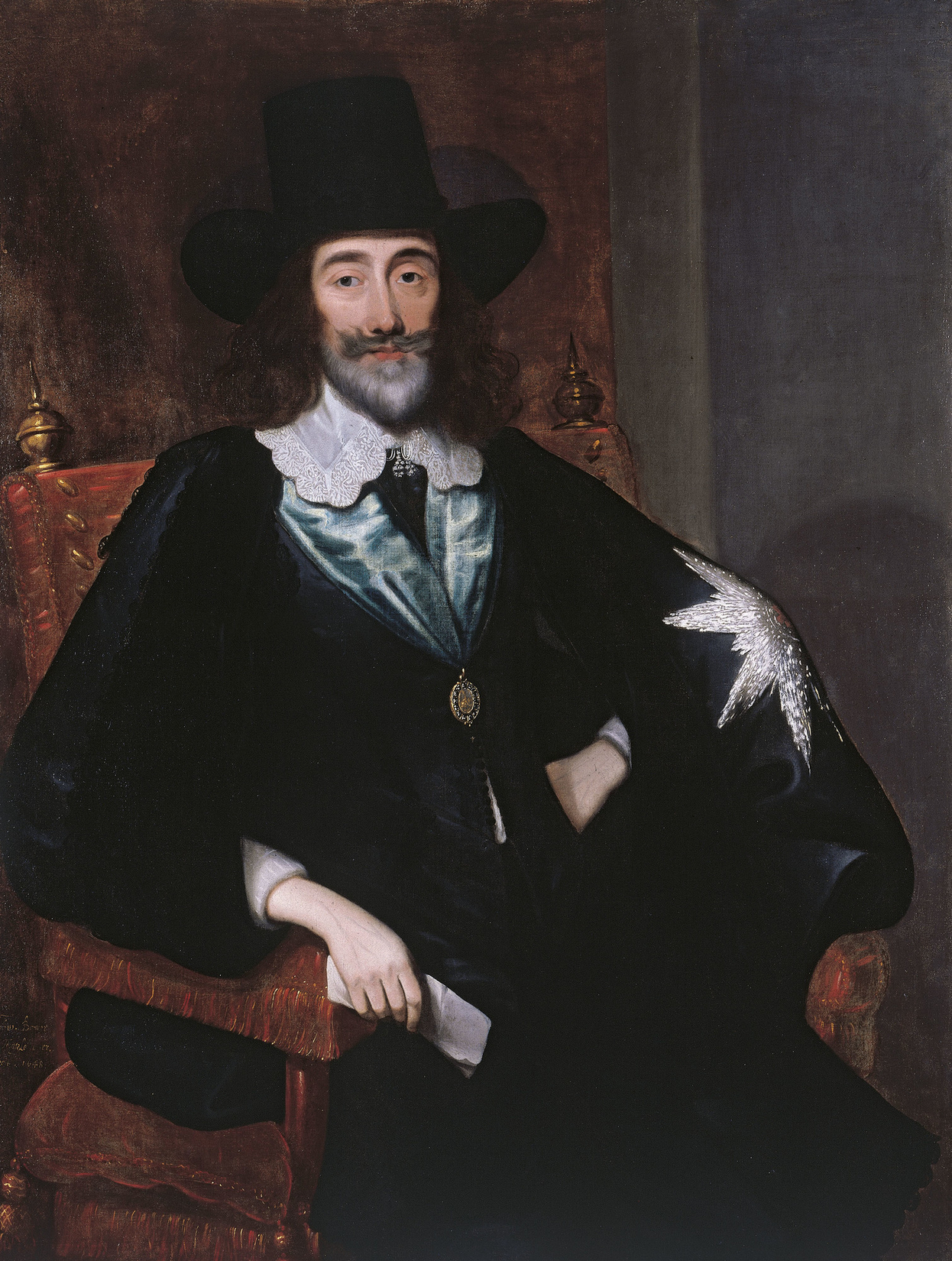
Charles I at his Trial
Edward Bower · 1648
A portrait of Charles I painted by Edward Bower from sketches made during the king's trial at Westminster Hall in 1648.
This portrait shows Charles I as a defendant at his own trial, a dramatic reversal from the earlier images of him as a glorious king.
About this source
What it is
Painted by Edward Bower in 1648, this portrait is based on sketches made during Charles I's trial at Westminster Hall. It shows the king, grey-bearded and dressed in black, and is held in the Royal Collection.
Why it matters
Unlike van Dyck's glorified images of the king on horseback or in fine silks, this portrait captures Charles stripped of royal ceremony, sitting as a defendant facing judgment. It was painted close to the actual events, making it a rare visual record of how the king appeared during the trial that led to his execution. It shows a stark contrast between the confident, powerful image Charles had cultivated earlier in his reign and his situation at its end.
Look closer
- How does this portrait differ from earlier paintings of Charles in armor or hunting clothes?
- What might the plain black clothing and the folded paper in his hand suggest about his state of mind?
- Why might an artist choose to sketch a king during his own trial?
This painting is part of the curated material that grounds the AI version of Charles I on Humy.ai — when students ask about related events, the AI can quote it and cite it.
More Charles I sources
Meet the AI Charles I →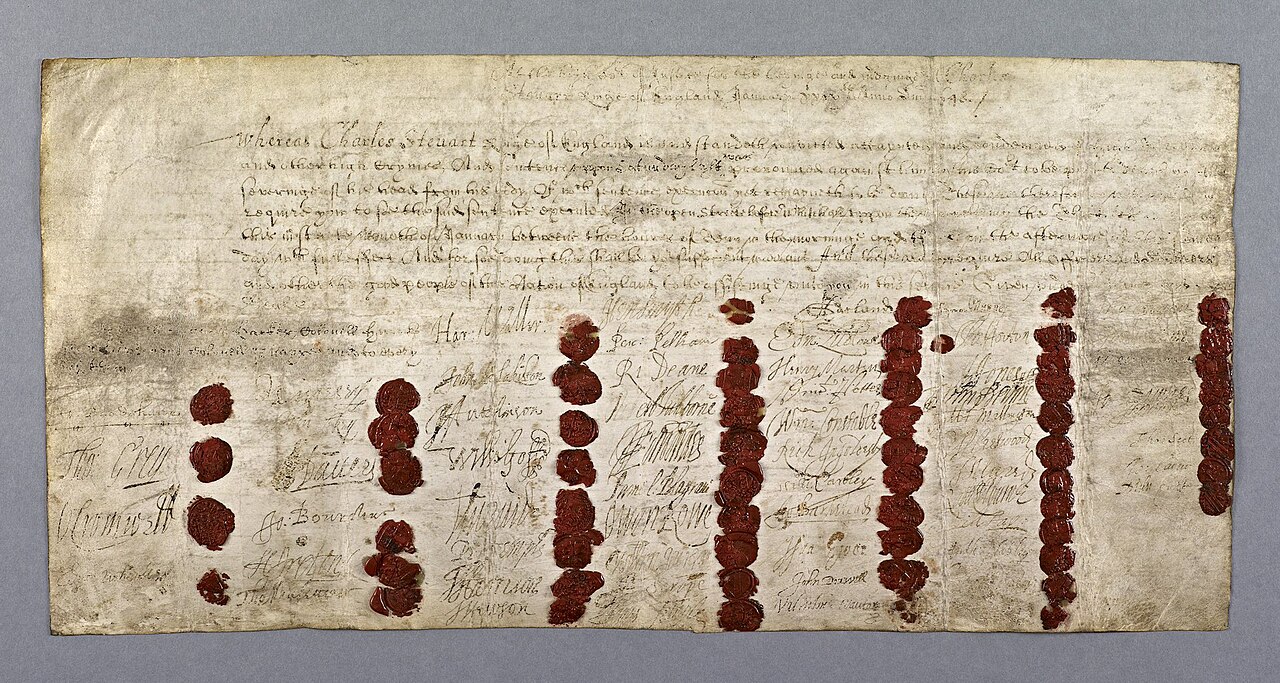 Document
Primary source
Death Warrant of King Charles I
High Court of Justice commissioners · 29 January 1649
 Speech
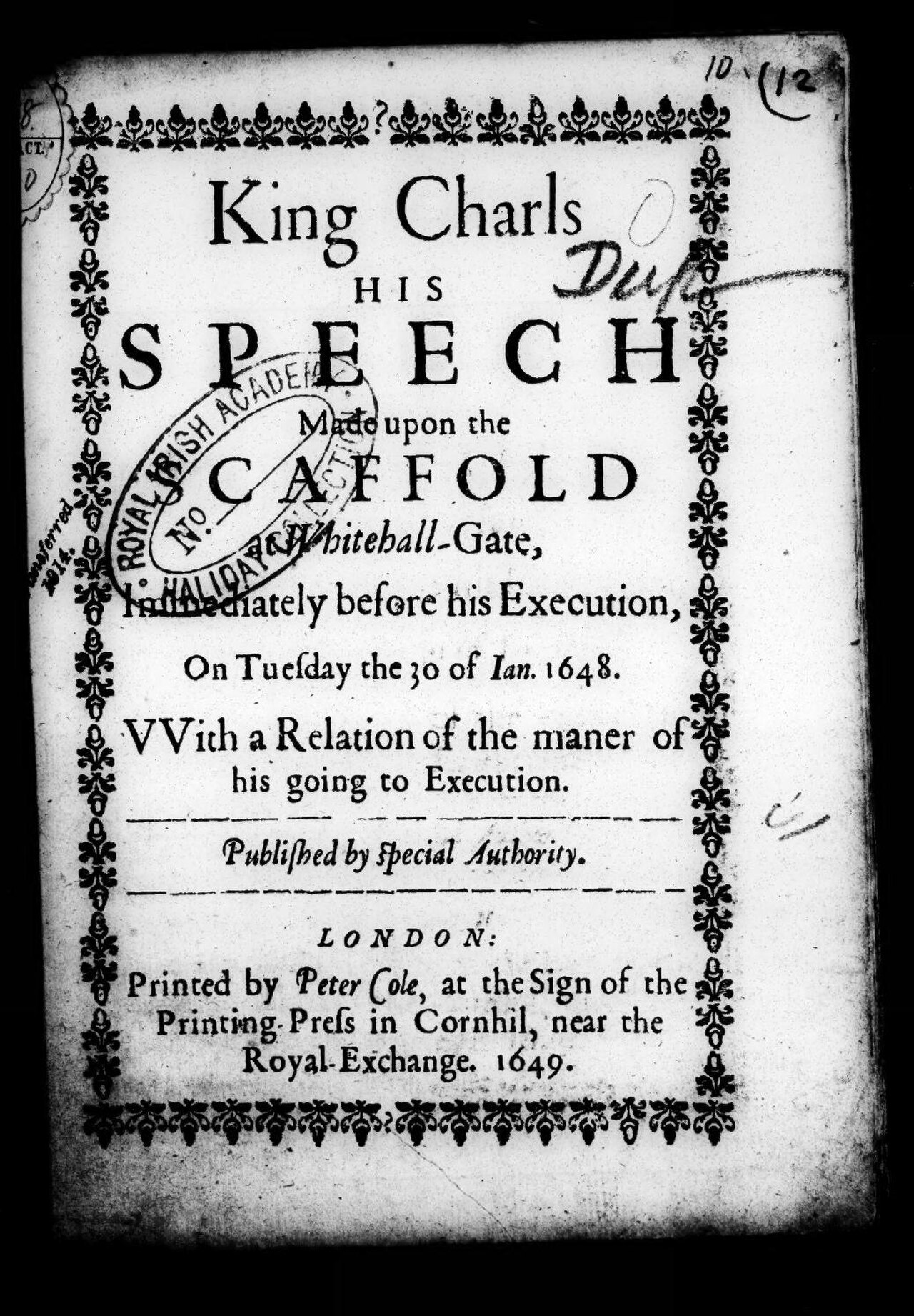
Primary source
King Charles his Speech made upon the Scaffold at Whitehall-Gate
Charles I · 30 January 1649
 Book
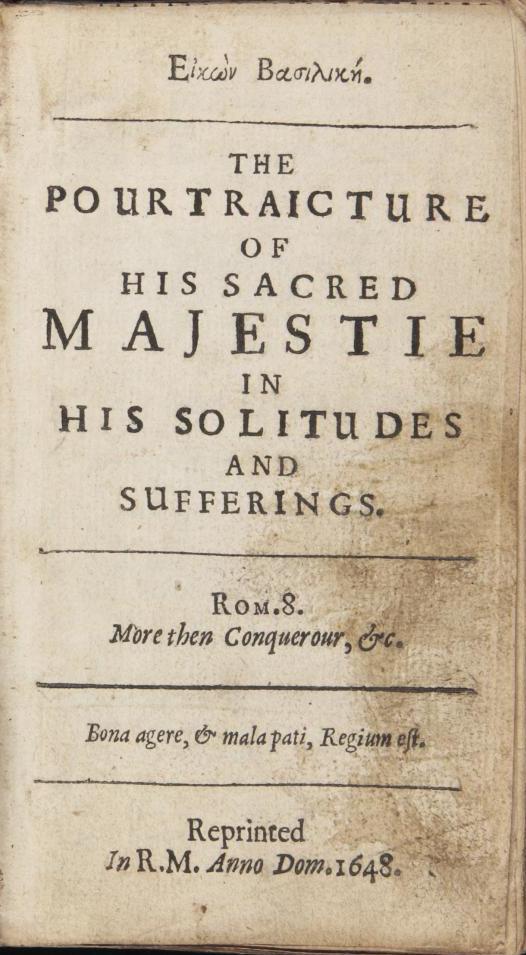
Secondary source
Eikon Basilike
Attributed to Charles I (possibly John Gauden) · 1649
 Document
Primary source
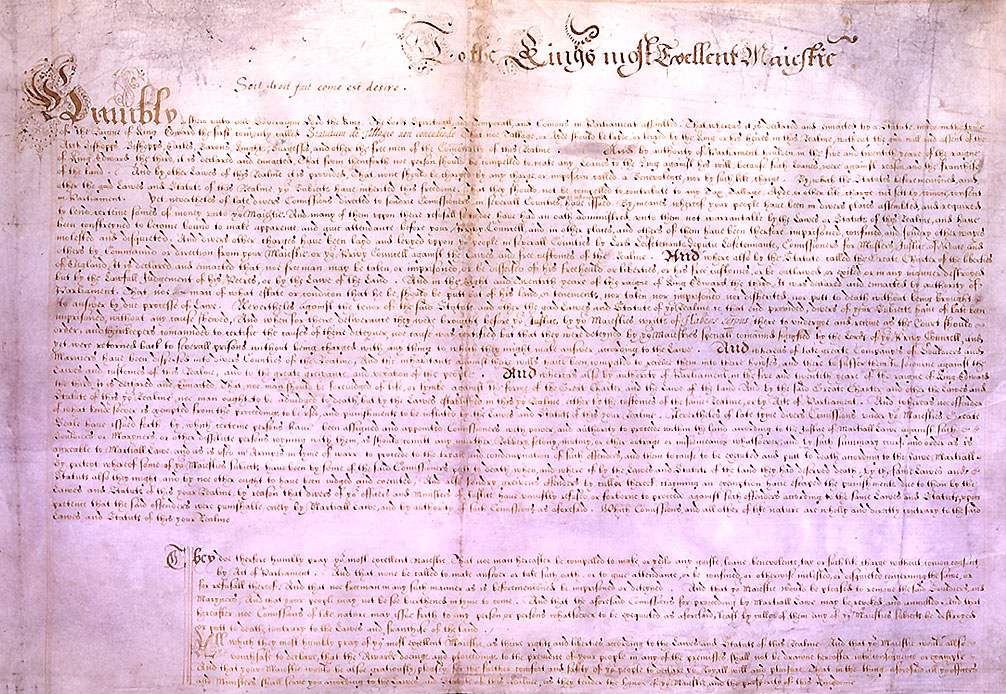
Petition of Right
Edward Coke (drafting committee) · 7 June 1628
 Document
Primary source
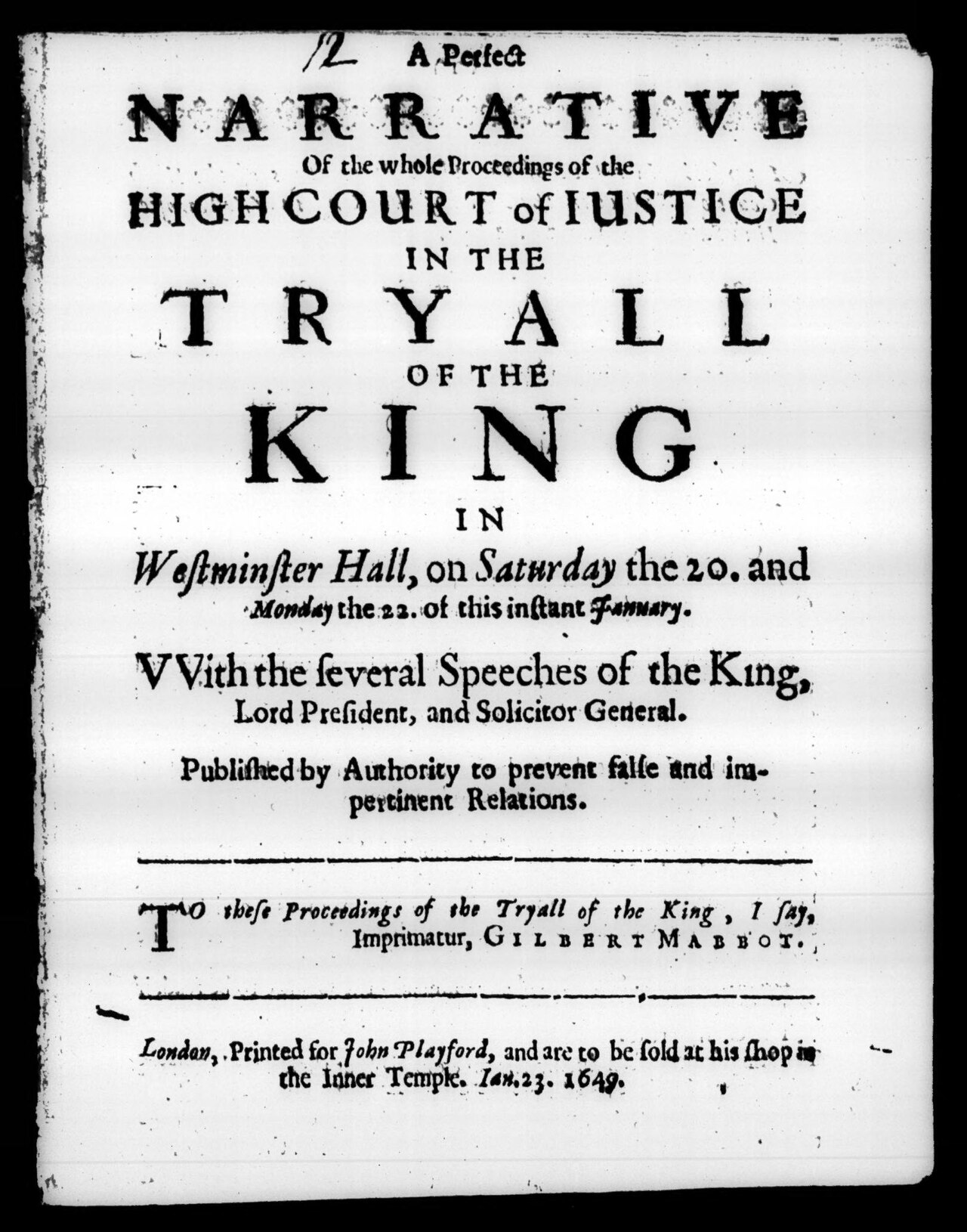
A Perfect Narrative of the Whole Proceedings of the High Court of Justice in the Tryal of the King
Published by order of the High Court of Justice · 23 January 1649
Ready when you are
Start chatting with Charles I now.
20 messages free · No credit card · Available in 50+ languages.