


Primary sourceArtifact1620
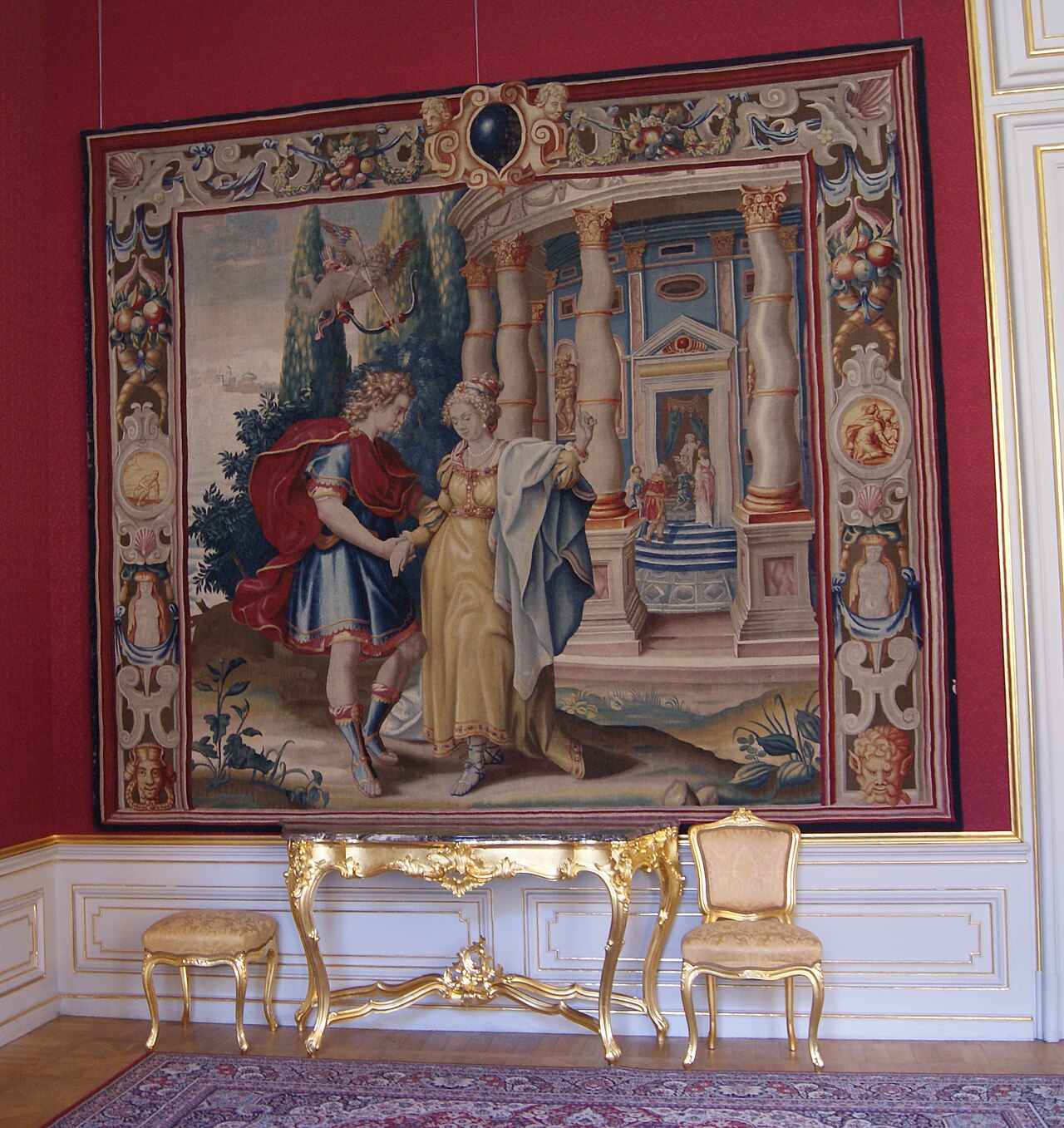
Hero and Leander Tapestry
Mortlake Tapestry Works · 1620
A tapestry from the Mortlake works that Charles I patronised, depicting the Greek myth of Hero and Leander.
Charles I patronised the Mortlake works that produced this tapestry, part of his effort to rival continental luxury production.
About this source
What it is
This woven tapestry, part of a series designed by Francis Cleyn and produced at the Mortlake Tapestry Works around 1620, depicts the Greek myth of Hero and Leander. It is now held at Bratislava City Gallery; related tapestries from the same series survive at the Primate's Palace in Bratislava.
Why it matters
Charles I patronised the Mortlake works, which aimed to produce luxury textiles in England to rival those made on the continent. Tapestries like this one show how Charles used art and craft production as a display of royal taste and as an effort to build an English luxury industry.
Look closer
- What does the choice of a Greek myth suggest about the taste of the royal court?
- Why might a king invest in a workshop making tapestries rather than importing them?
- What does the tapestry's survival, hidden behind wallpaper for a time, suggest about how such objects can be lost and found again?
This artifact is part of the curated material that grounds the AI version of Charles I on Humy.ai — when students ask about related events, the AI can quote it and cite it.
More Charles I sources
Meet the AI Charles I →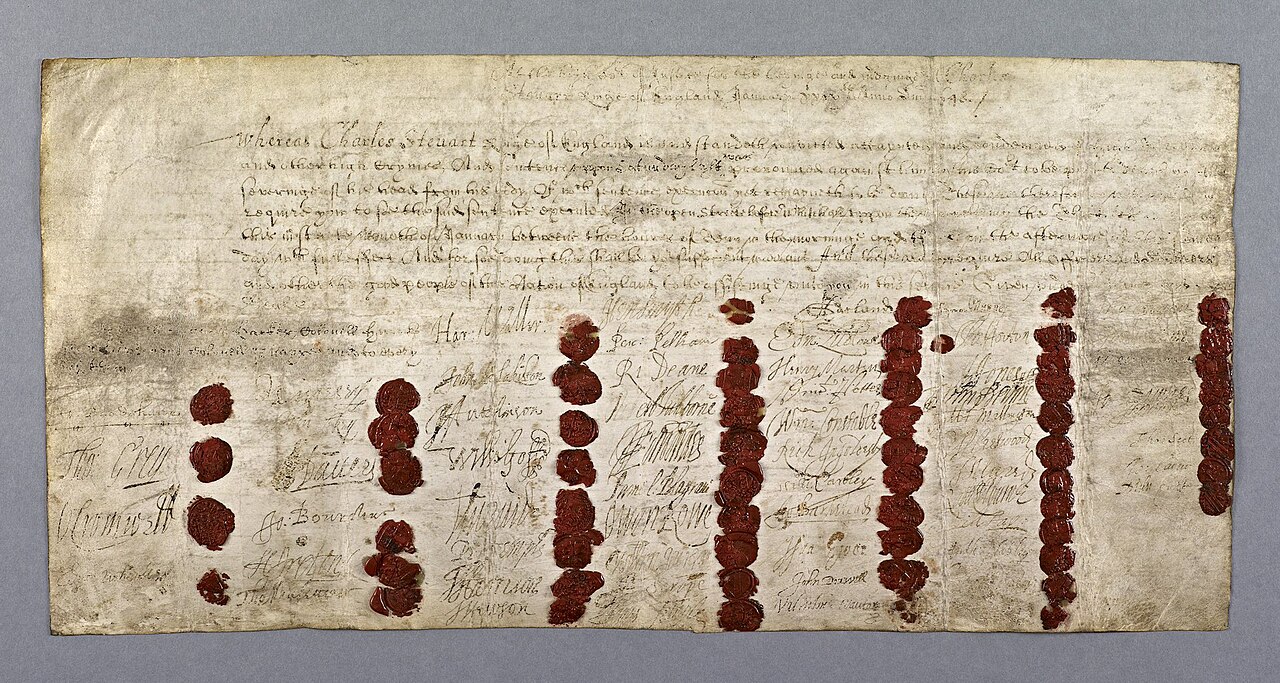 Document
Primary source
Death Warrant of King Charles I
High Court of Justice commissioners · 29 January 1649
 Speech
Primary source
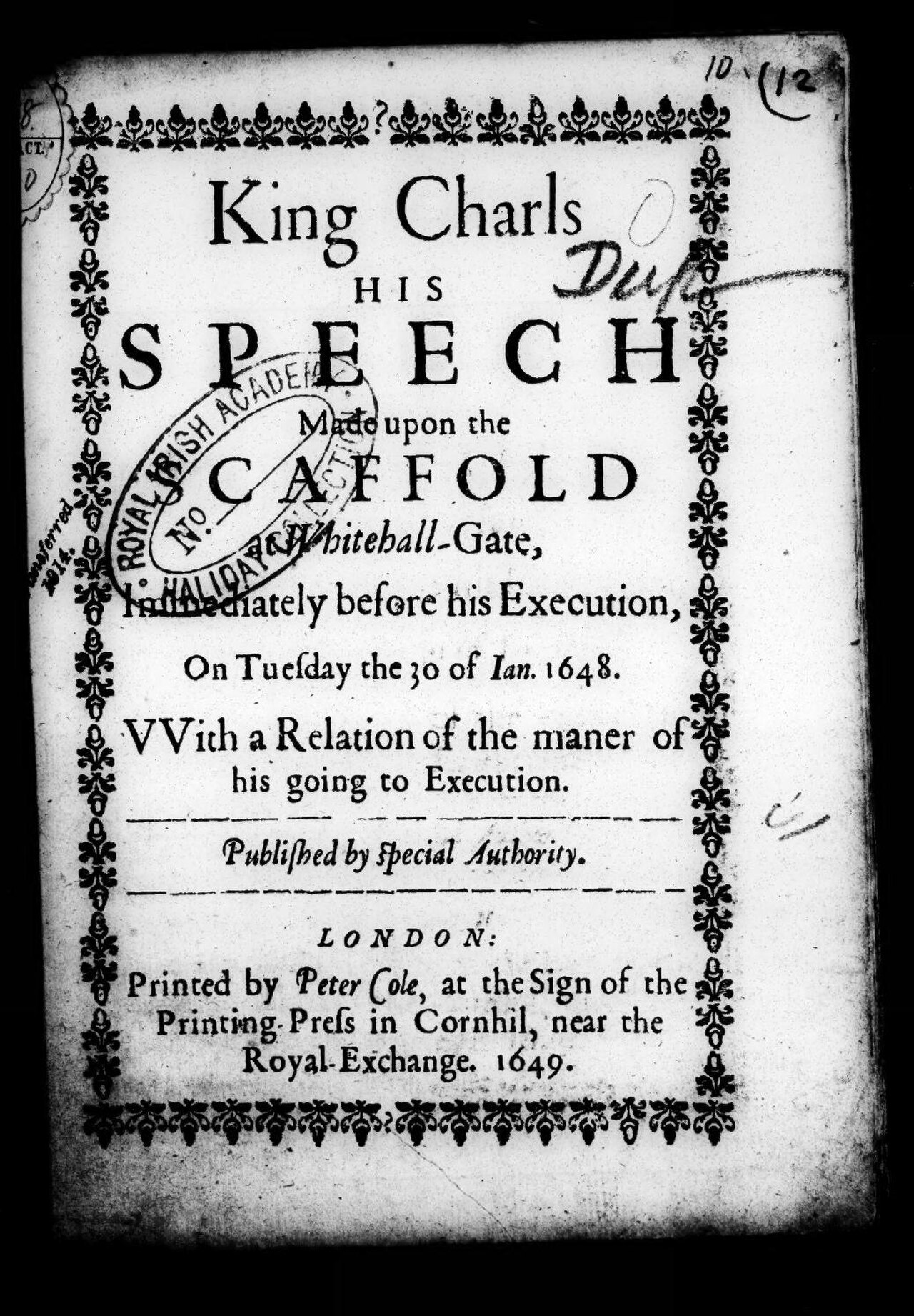
King Charles his Speech made upon the Scaffold at Whitehall-Gate
Charles I · 30 January 1649
 Book
Secondary source
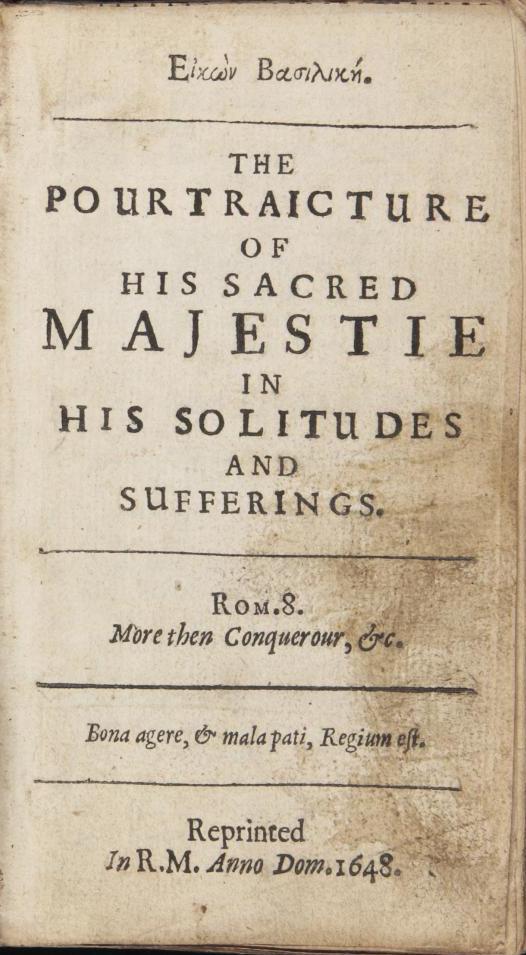
Eikon Basilike
Attributed to Charles I (possibly John Gauden) · 1649
 Document
Primary source
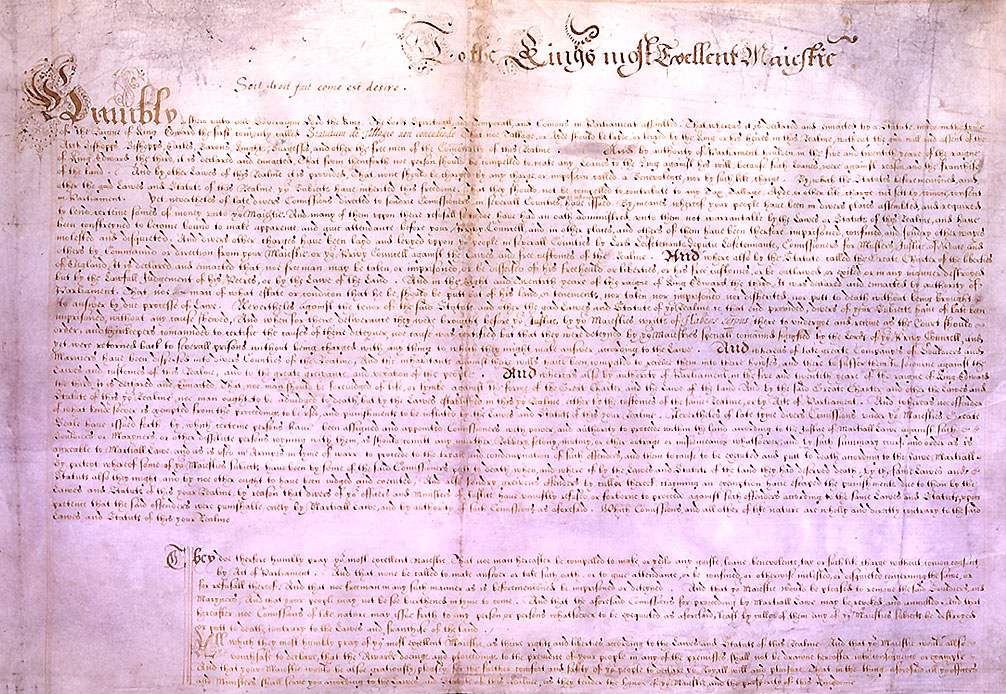
Petition of Right
Edward Coke (drafting committee) · 7 June 1628
 Document
Primary source
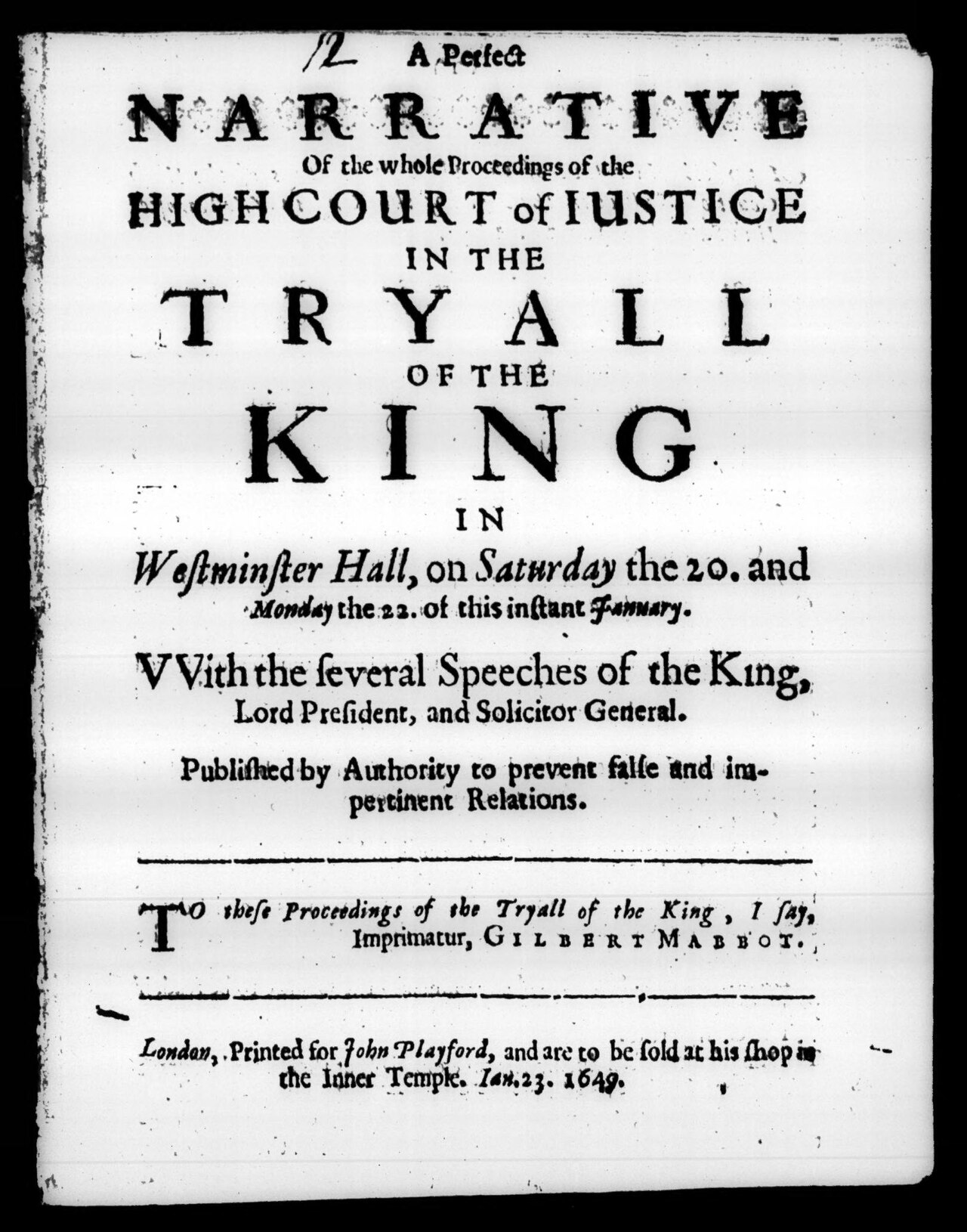
A Perfect Narrative of the Whole Proceedings of the High Court of Justice in the Tryal of the King
Published by order of the High Court of Justice · 23 January 1649
Ready when you are
Start chatting with Charles I now.
20 messages free · No credit card · Available in 50+ languages.