


Primary sourcePaintingc. 1635
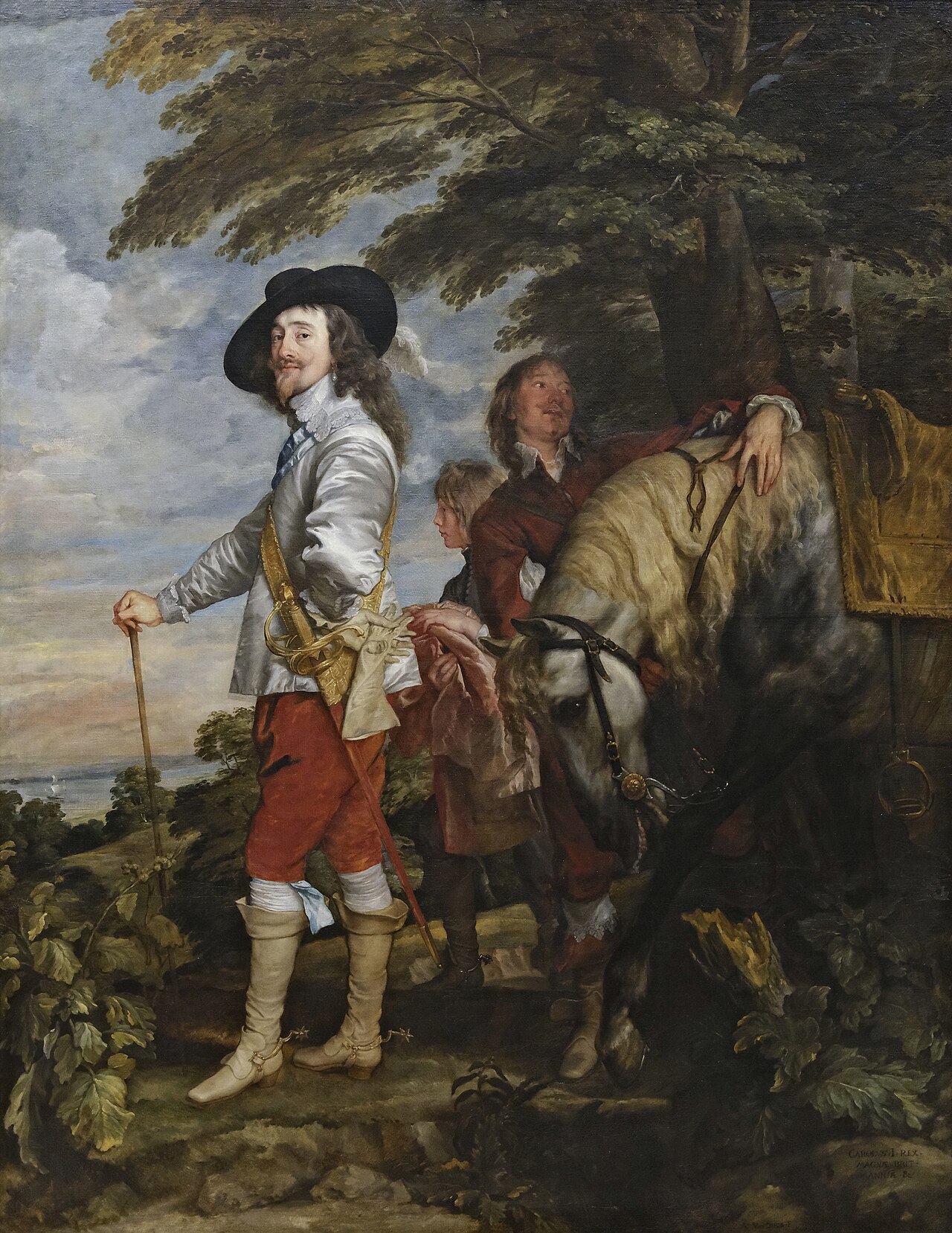
Charles I at the Hunt
Anthony van Dyck · c. 1635
An informal portrait by Anthony van Dyck showing Charles I resting during a hunt, presenting him as a relaxed yet regal gentleman.
This informal hunting portrait shows how Charles I cultivated a relaxed, gentlemanly image of his kingship.
About this source
What it is
Painted by Anthony van Dyck around 1635, this large canvas shows Charles I standing beside his horse as if resting during a hunt, with his courtier Endymion Porter holding the reins. It is now in the Louvre Museum, Paris.
Why it matters
The Louvre describes it as a blend of "gentlemanly nonchalance and regal assurance." Van Dyck used a low viewpoint to make the king look taller than his actual height, and a Latin inscription again asserts his title as King of Great Britain. The relaxed pose and fine clothing show how Charles wanted to be seen: a refined aristocrat as much as a ruler, with his inner circle, including Porter, shown as loyal attendants.
Look closer
- Why is the king shown standing rather than riding, unlike other portraits of him?
- What do his clothes, pose, and the horse's bowed head suggest about power?
- Who else appears in the painting, and what might their presence tell you about the king's court?
This painting is part of the curated material that grounds the AI version of Charles I on Humy.ai — when students ask about related events, the AI can quote it and cite it.
More Charles I sources
Meet the AI Charles I →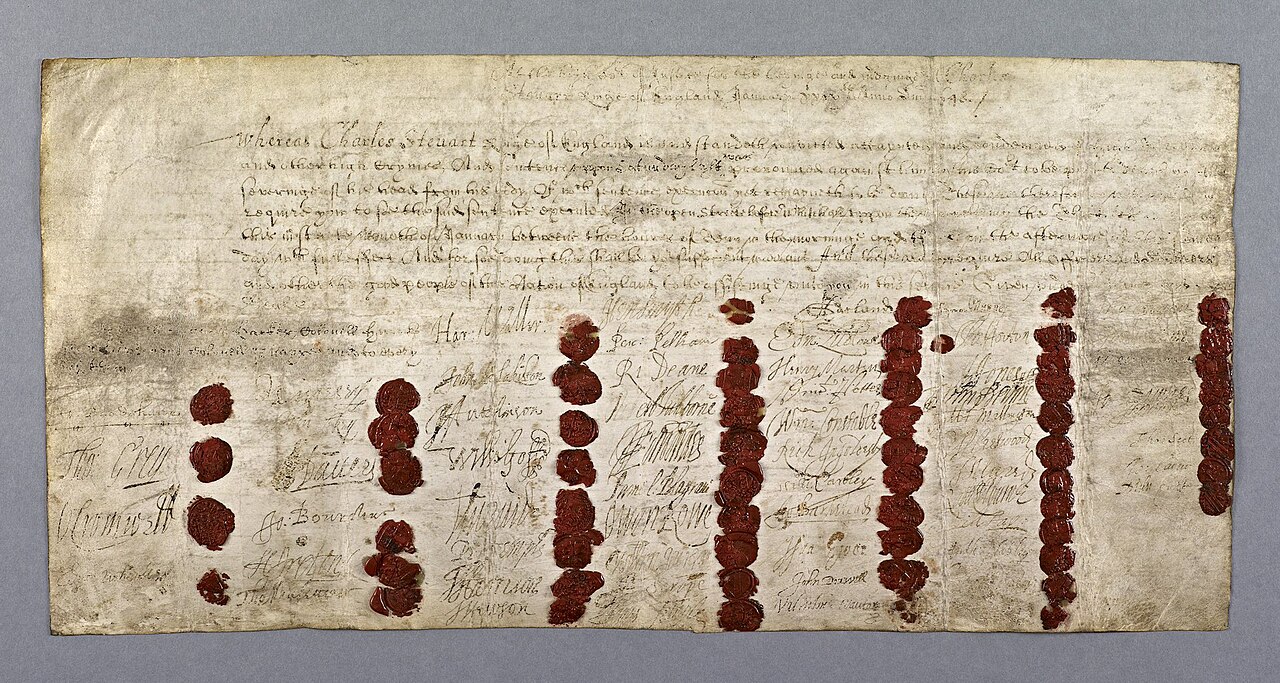 Document
Primary source
Death Warrant of King Charles I
High Court of Justice commissioners · 29 January 1649
 Speech
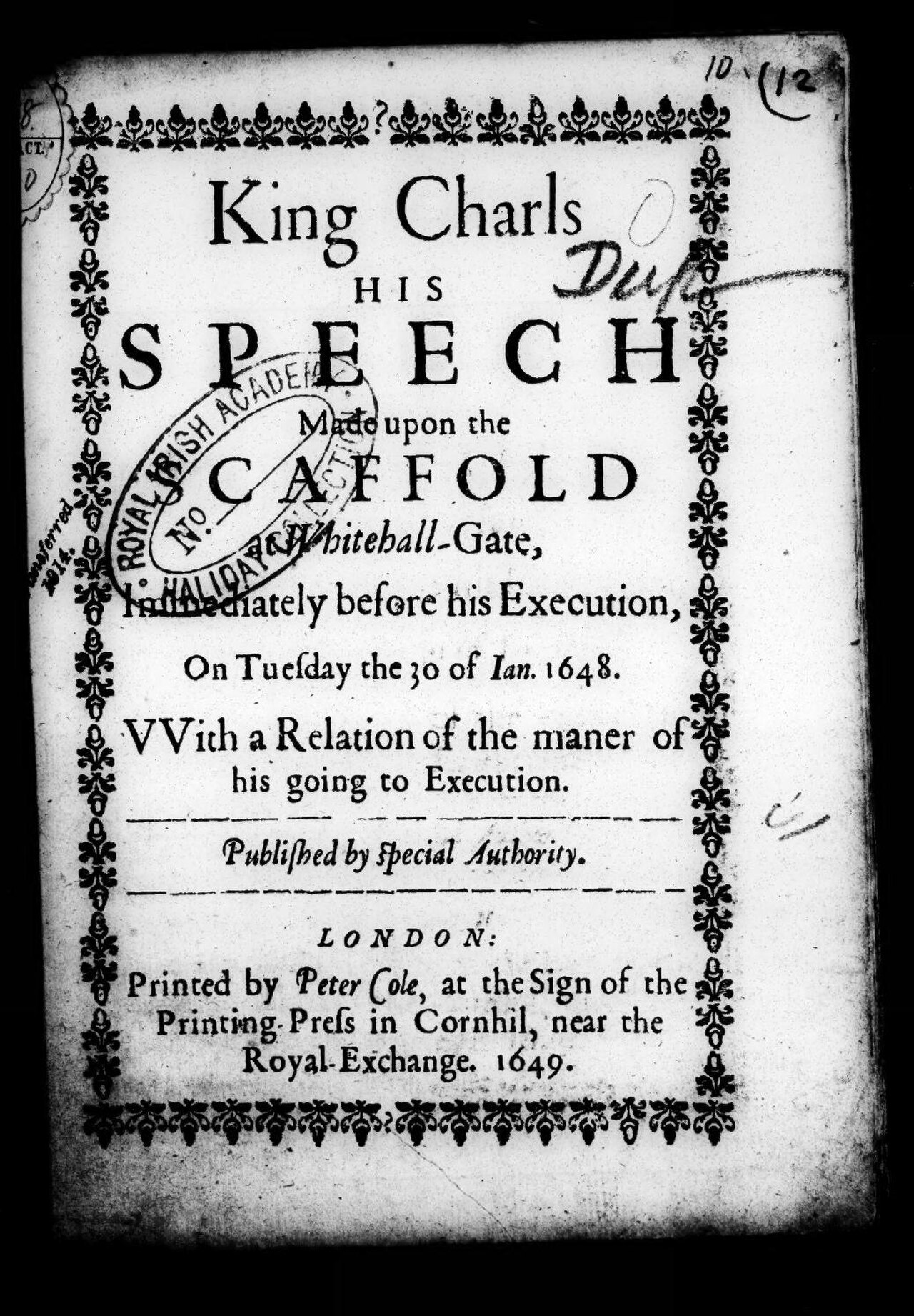
Primary source
King Charles his Speech made upon the Scaffold at Whitehall-Gate
Charles I · 30 January 1649
 Book
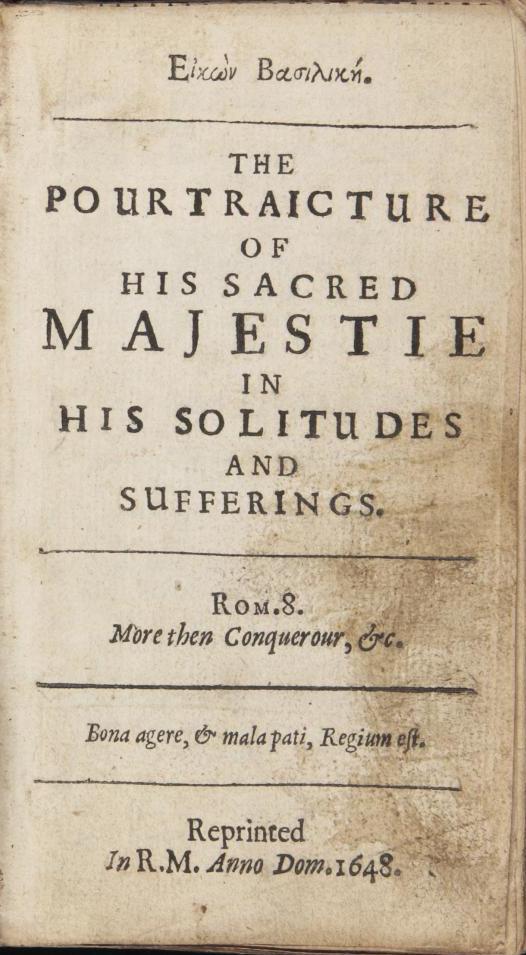
Secondary source
Eikon Basilike
Attributed to Charles I (possibly John Gauden) · 1649
 Document
Primary source
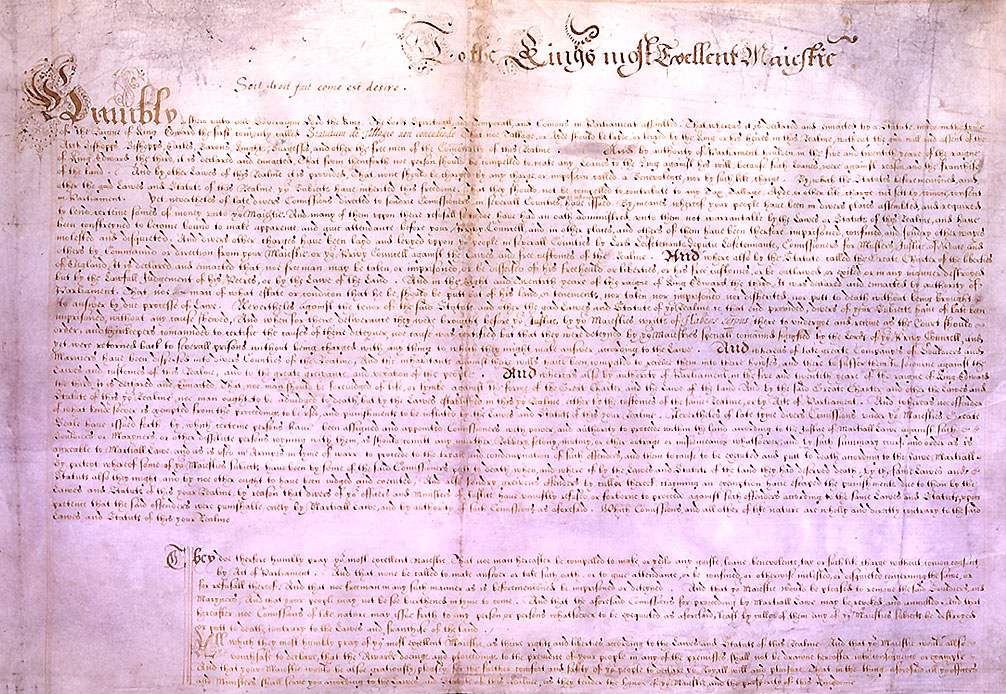
Petition of Right
Edward Coke (drafting committee) · 7 June 1628
 Document
Primary source
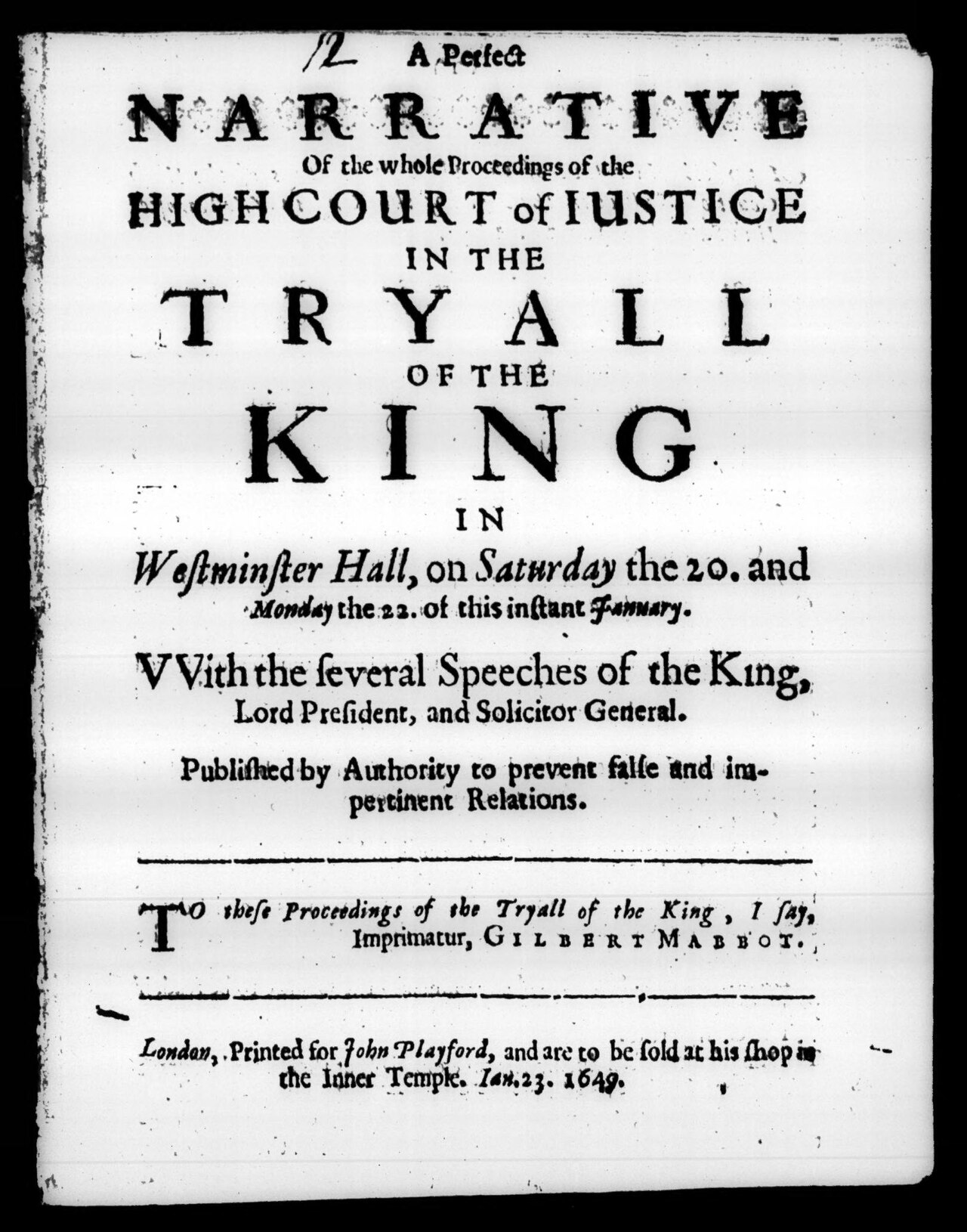
A Perfect Narrative of the Whole Proceedings of the High Court of Justice in the Tryal of the King
Published by order of the High Court of Justice · 23 January 1649
Ready when you are
Start chatting with Charles I now.
20 messages free · No credit card · Available in 50+ languages.