


Primary sourcePainting1551
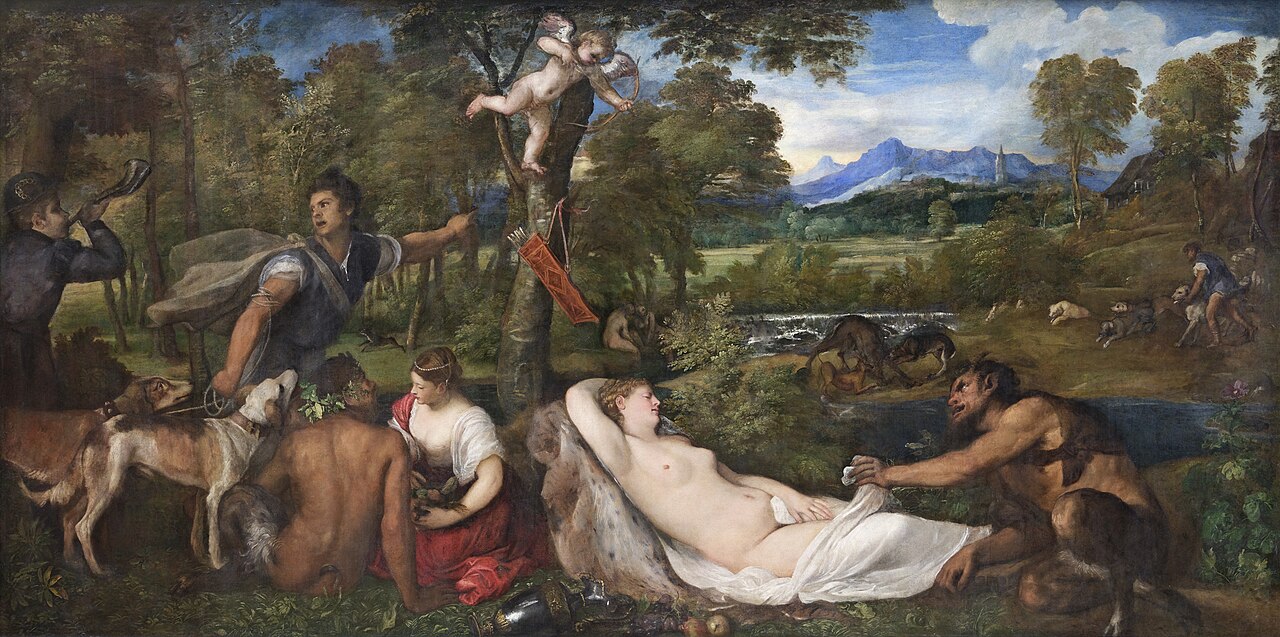
Jupiter and Antiope
Titian · 1551
A large mythological painting by Titian, also known as the Pardo Venus, given to Charles I during his 1623 visit to Spain.
Charles I received this painting as a gift during his 1623 visit to Spain, showing how that trip shaped his taste in art.
About this source
What it is
This is a large mythological painting by the Venetian artist Titian, completed around 1551. It shows a reclining nude woman, often identified as the nymph Antiope or the goddess Venus, with a satyr lifting her drapery, hunters, and a cupid in a tree. It is now in the Louvre Museum in Paris.
Why it matters
The painting was given to Charles I as a gift during his 1623 journey to Spain. It later belonged to both the English and French royal collections. It shows how Charles's trip to Spain shaped the taste for Venetian art that he brought back to England, and reveals how royal gifts of art were used to build political and personal ties.
Look closer
- What details in the landscape and figures might have appealed to a young prince visiting Spain?
- Why might the identity of the nude figure (Venus or Antiope) have mattered to different owners over time?
- What does owning such a painting suggest about Charles's ambitions as a collector?
This painting is part of the curated material that grounds the AI version of Charles I on Humy.ai — when students ask about related events, the AI can quote it and cite it.
More Charles I sources
Meet the AI Charles I →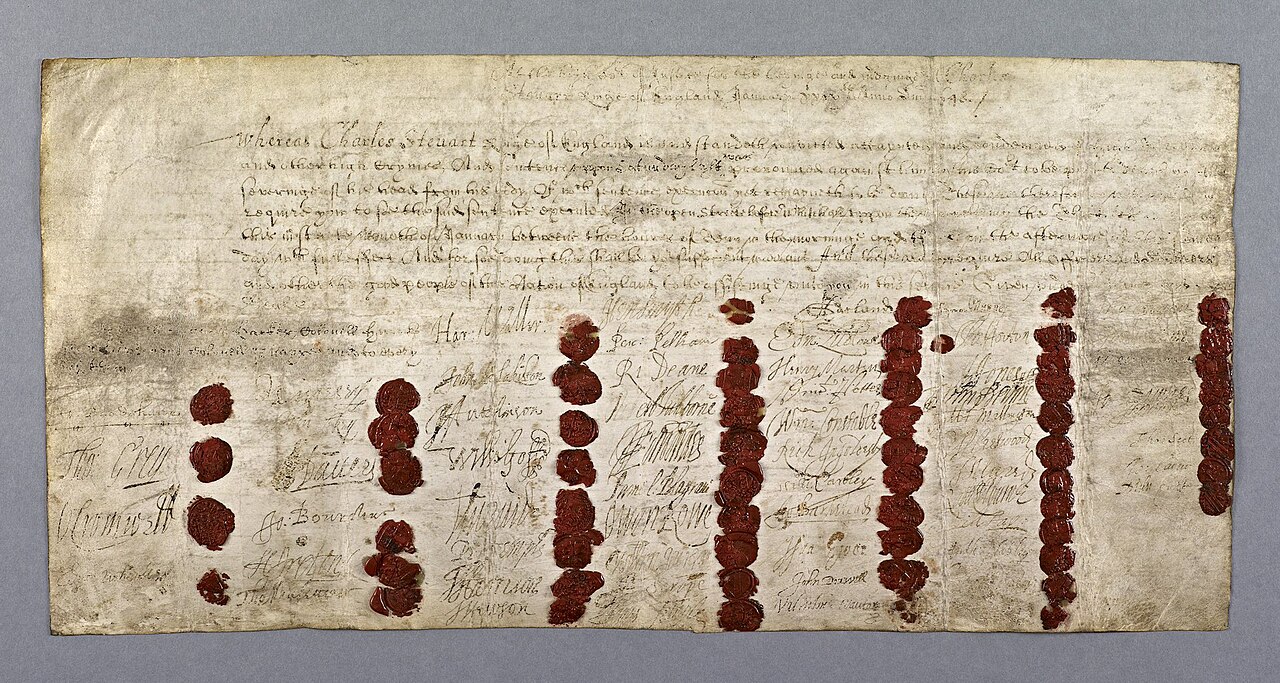 Document
Primary source
Death Warrant of King Charles I
High Court of Justice commissioners · 29 January 1649
 Speech
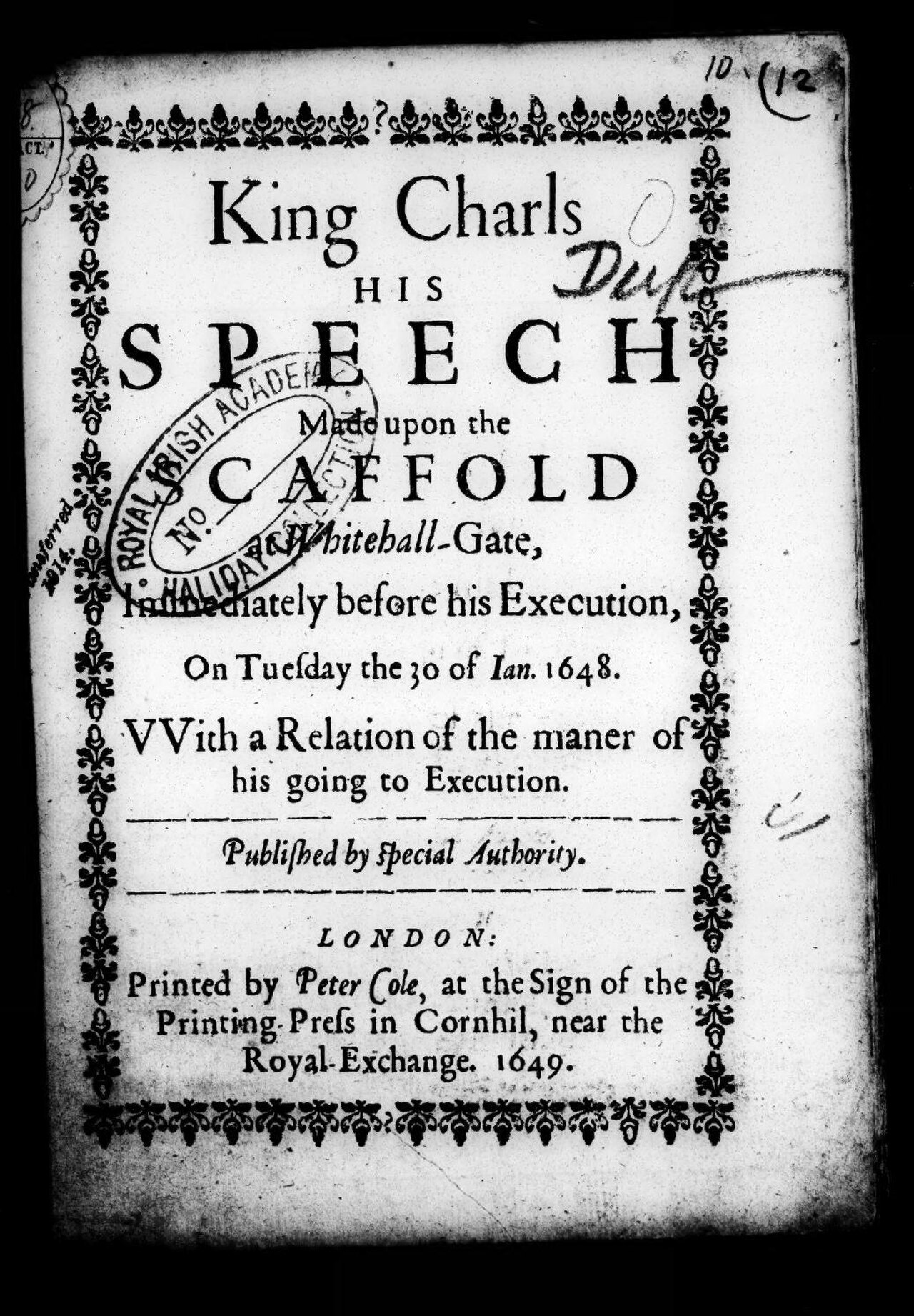
Primary source
King Charles his Speech made upon the Scaffold at Whitehall-Gate
Charles I · 30 January 1649
 Book
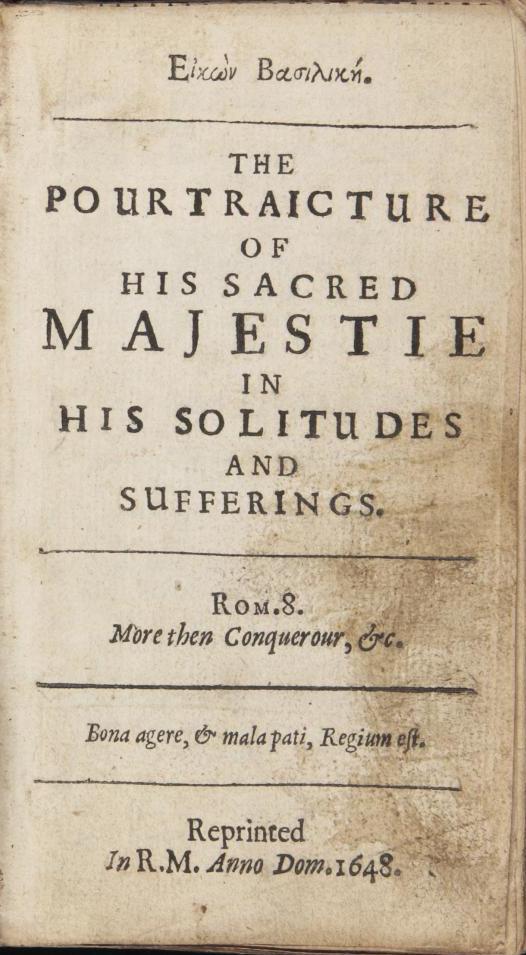
Secondary source
Eikon Basilike
Attributed to Charles I (possibly John Gauden) · 1649
 Document
Primary source
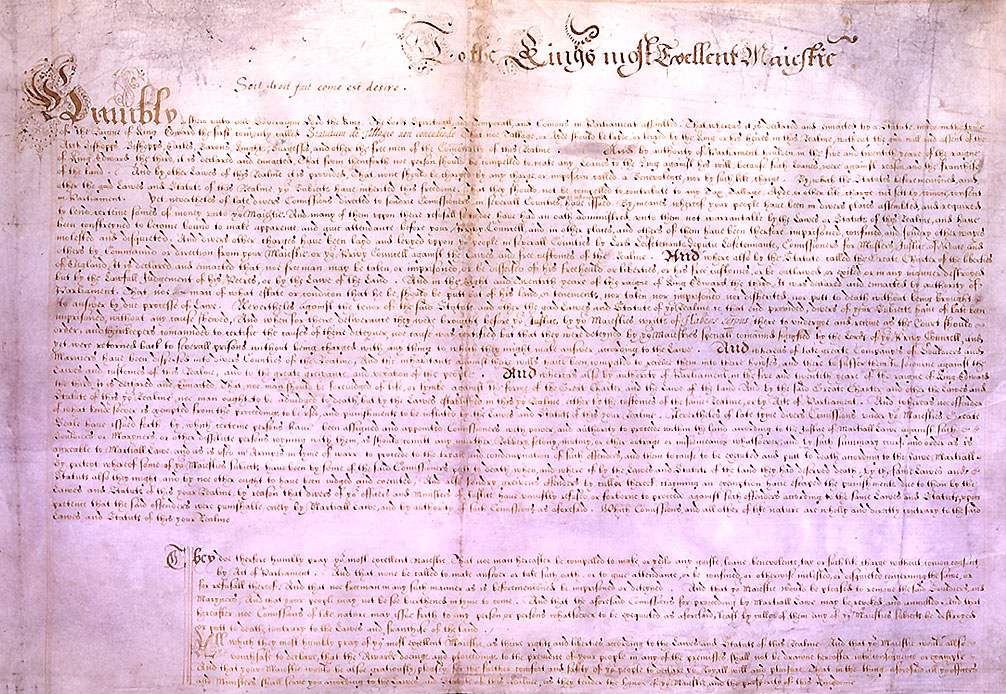
Petition of Right
Edward Coke (drafting committee) · 7 June 1628
 Document
Primary source
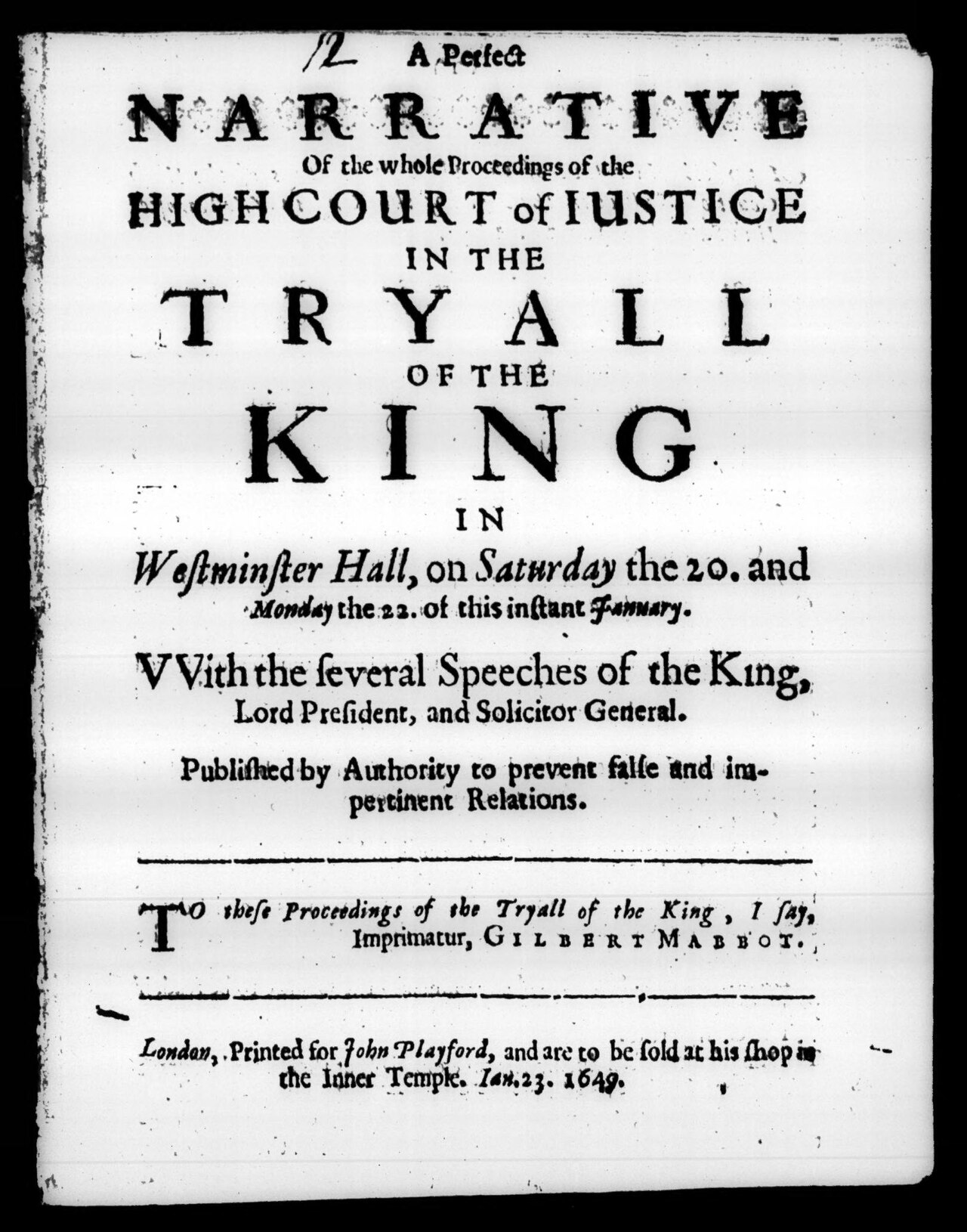
A Perfect Narrative of the Whole Proceedings of the High Court of Justice in the Tryal of the King
Published by order of the High Court of Justice · 23 January 1649
Ready when you are
Start chatting with Charles I now.
20 messages free · No credit card · Available in 50+ languages.