


Primary sourcePainting1649
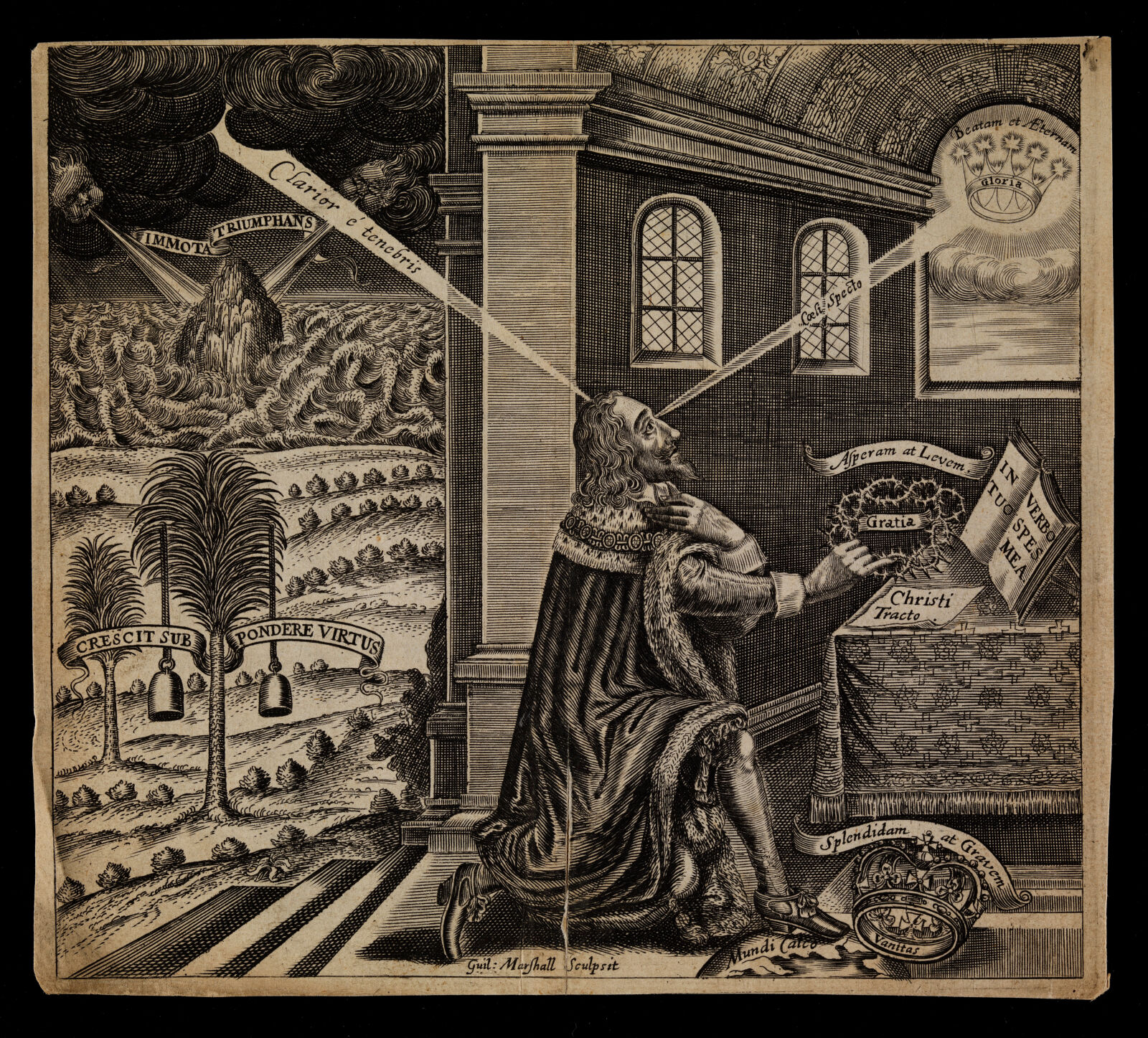
King Charles I Praying
William Marshall · 1649
An engraving showing Charles I kneeling at prayer, holding a crown of thorns and gazing toward a heavenly crown, made shortly after his execution.
This engraving depicts Charles I himself, shaped soon after his death to present him as a martyr.
About this source
What it is
This 1649 engraving by William Marshall shows King Charles I kneeling before an altar, looking up toward a heavenly crown while holding a crown of thorns. It is linked to the imagery of Eikon Basilike, the book that presented Charles as a royal martyr. It is held by the Wellcome Collection.
Why it matters
Made the same year Charles was executed, this image helped build the idea that he died a Christian martyr rather than a defeated king. Latin inscriptions around the figure reinforce messages of faith, suffering and hope in heaven. It shows how supporters of the king quickly shaped his public image after his death.
Look closer
- What do the Latin phrases on the book and banners suggest about how Charles wanted to be remembered?
- Why might Marshall have chosen to show Charles praying rather than show the execution itself?
- What does this image leave out about the political conflict that led to Charles's death?
This painting is part of the curated material that grounds the AI version of Charles I on Humy.ai — when students ask about related events, the AI can quote it and cite it.
More Charles I sources
Meet the AI Charles I →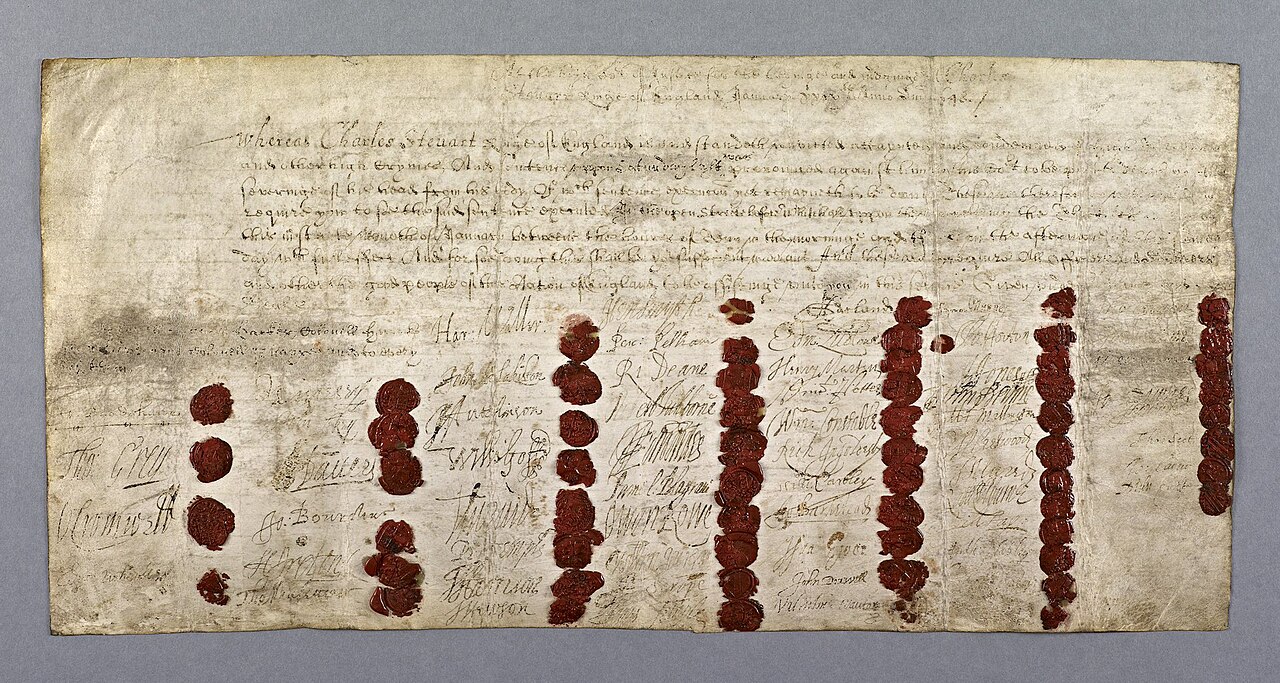 Document
Primary source
Death Warrant of King Charles I
High Court of Justice commissioners · 29 January 1649
 Speech
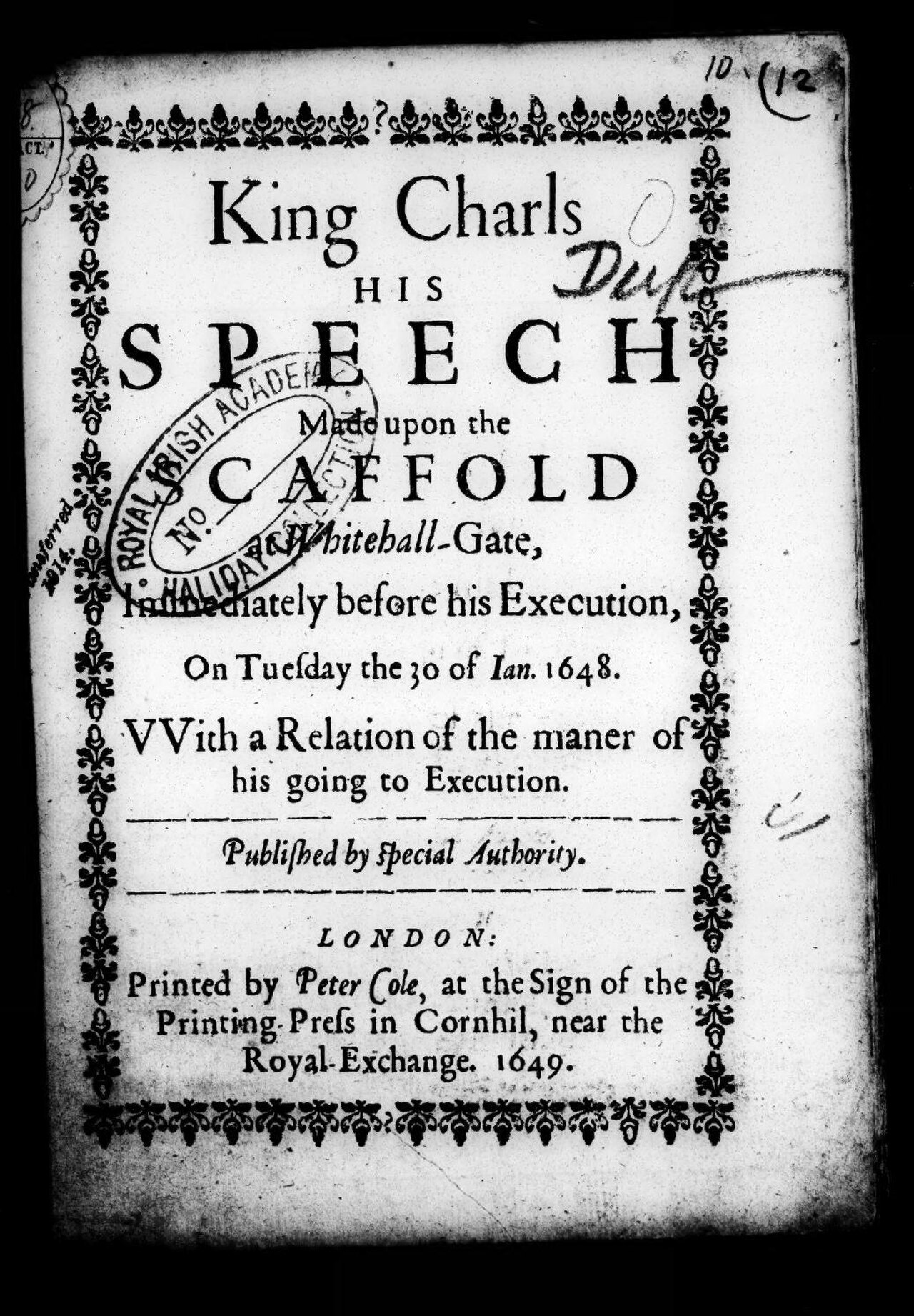
Primary source
King Charles his Speech made upon the Scaffold at Whitehall-Gate
Charles I · 30 January 1649
 Book
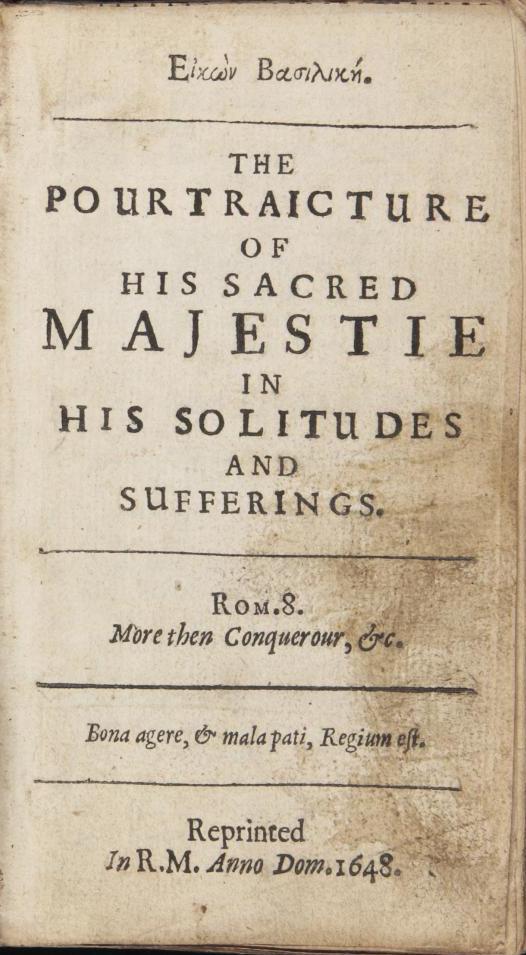
Secondary source
Eikon Basilike
Attributed to Charles I (possibly John Gauden) · 1649
 Document
Primary source
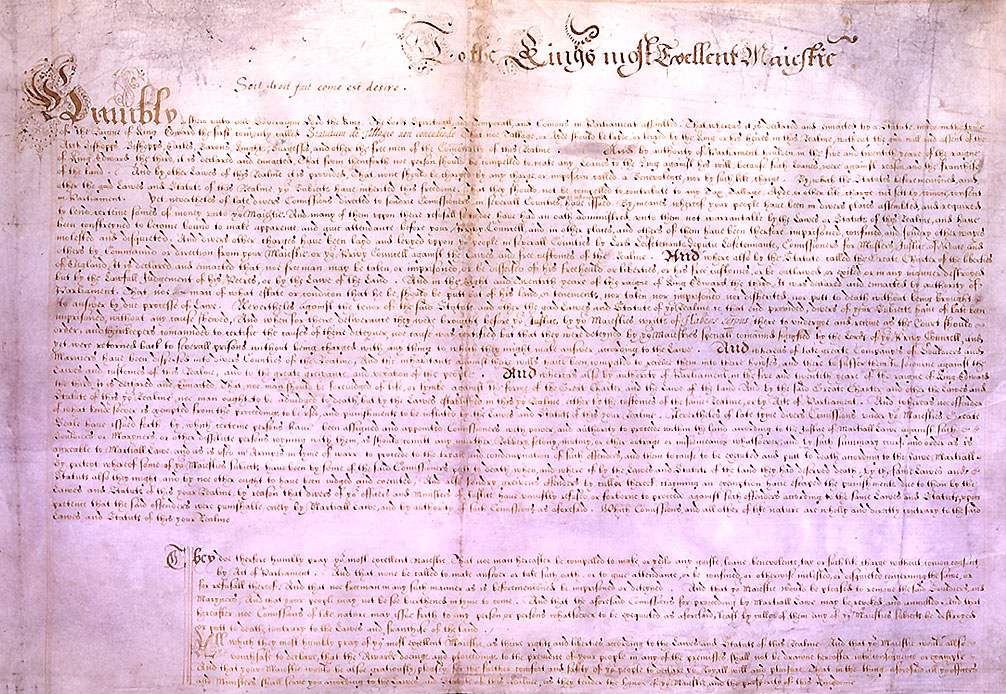
Petition of Right
Edward Coke (drafting committee) · 7 June 1628
 Document
Primary source
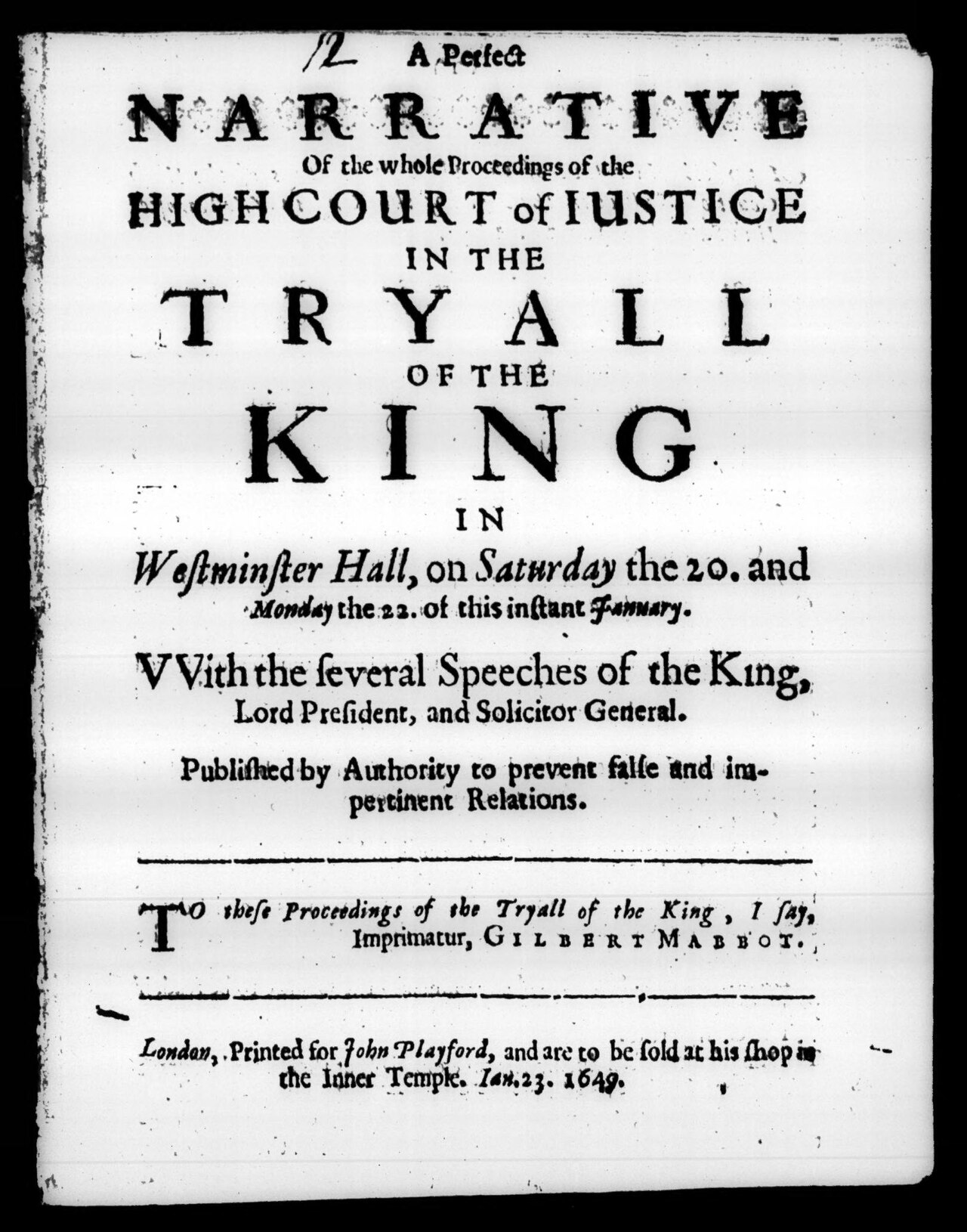
A Perfect Narrative of the Whole Proceedings of the High Court of Justice in the Tryal of the King
Published by order of the High Court of Justice · 23 January 1649
Ready when you are
Start chatting with Charles I now.
20 messages free · No credit card · Available in 50+ languages.