


Primary sourceBook1647-1648
John Ashburnham's Narrative of Attending Charles I
John Ashburnham · 1647-1648
An eyewitness account by John Ashburnham, the king's attendant, describing Charles I's movements and captivity in 1647-1648.
This eyewitness narrative describes Charles I's movements and captivity as witnessed by his attendant.
About this source
What it is
This written narrative was produced by John Ashburnham, an attendant who was with King Charles I during the final years of his life, covering 1647-1648. It was later published with material from George Ashburnham, Earl of Ashburnham.
Why it matters
As an eyewitness account from someone close to the king, it offers a firsthand perspective on Charles's experiences during his captivity, a critical period leading up to his trial and execution. It shows how those near the king recorded and defended their own roles in these events.
Look closer
- Why might Ashburnham have written this account, and for whom?
- How might his closeness to the king affect what he chose to include or leave out?
- What can an attendant's account reveal that an official document cannot?
This book is part of the curated material that grounds the AI version of Charles I on Humy.ai — when students ask about related events, the AI can quote it and cite it.
More Charles I sources
Meet the AI Charles I →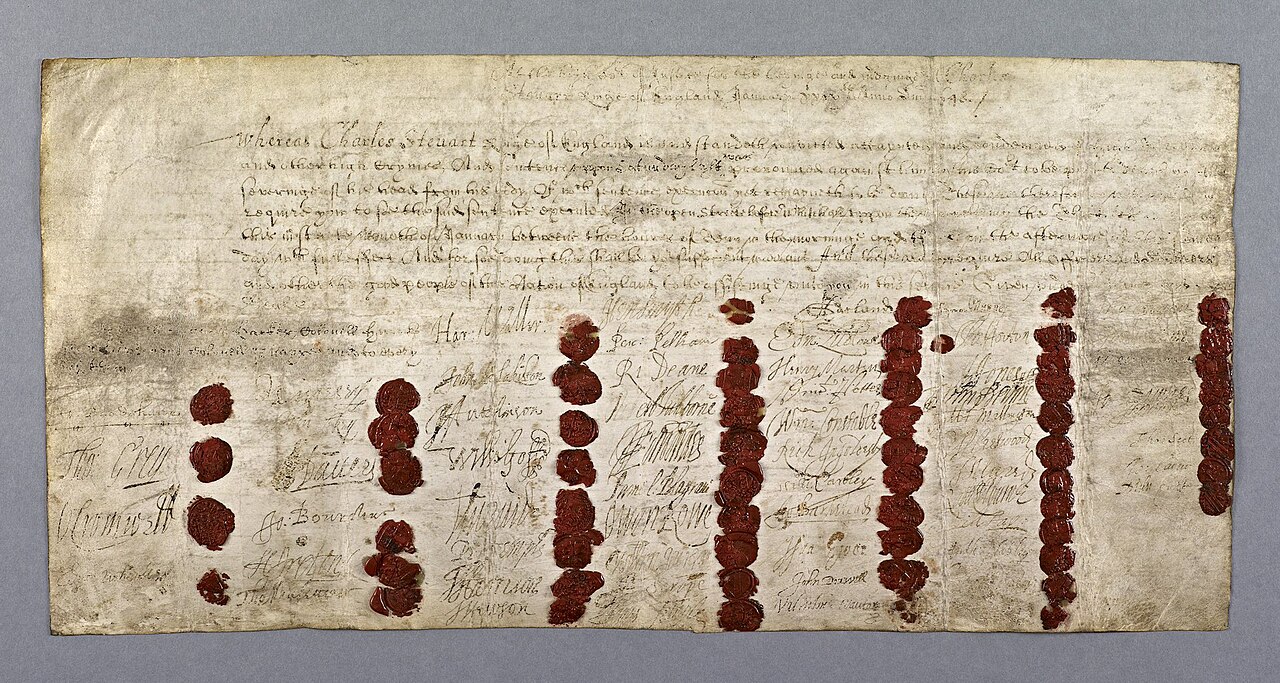 Document
Primary source
Death Warrant of King Charles I
High Court of Justice commissioners · 29 January 1649
 Speech
Primary source
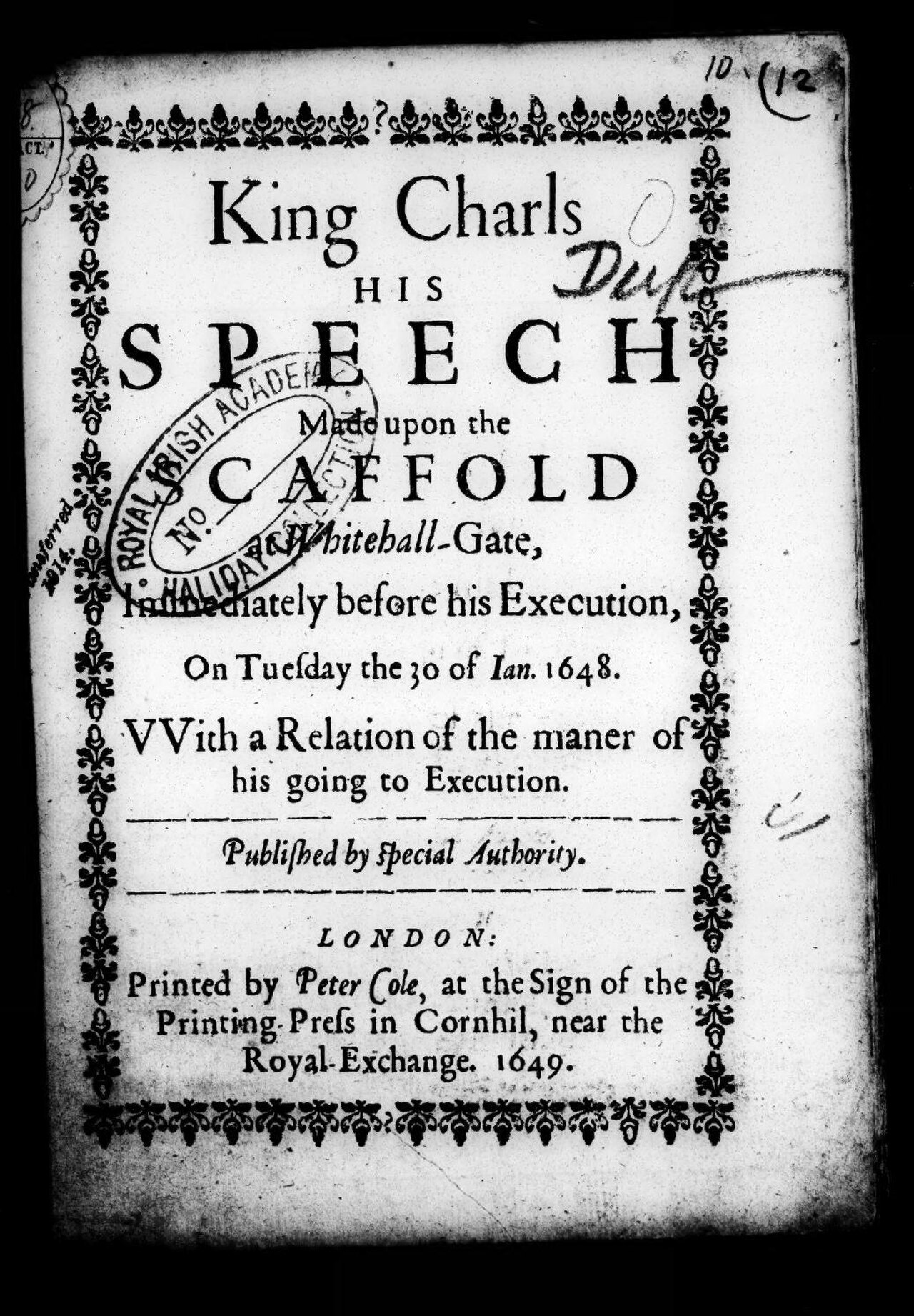
King Charles his Speech made upon the Scaffold at Whitehall-Gate
Charles I · 30 January 1649
 Book
Secondary source
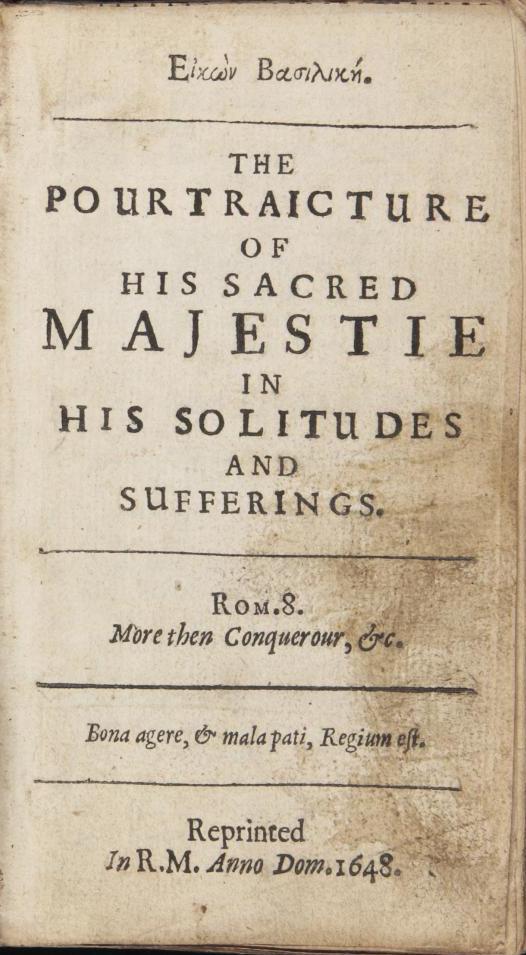
Eikon Basilike
Attributed to Charles I (possibly John Gauden) · 1649
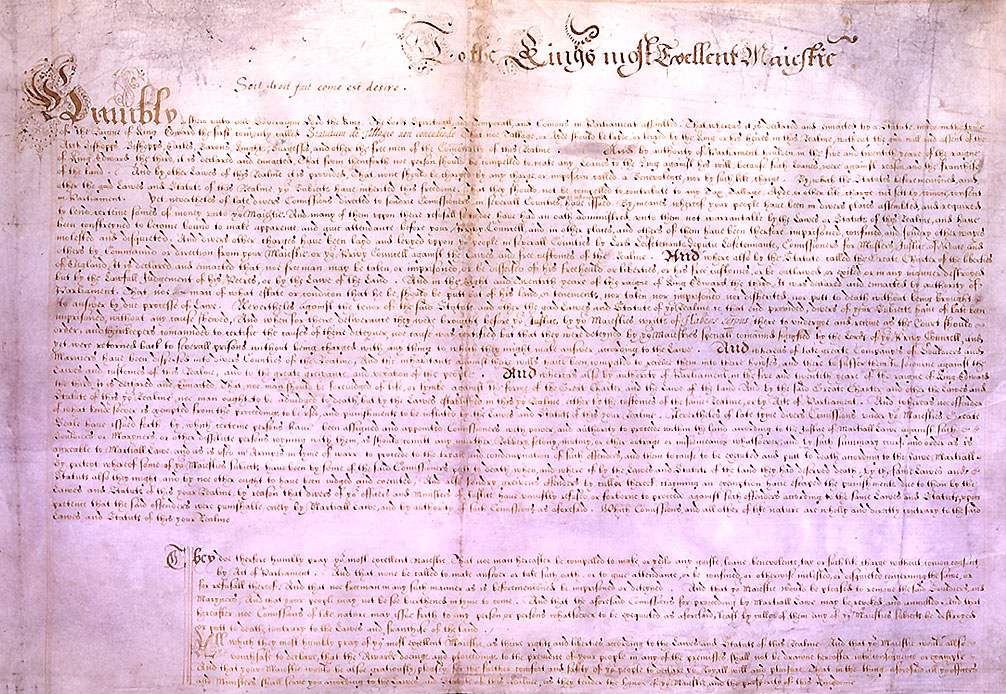 Document
Primary source
Petition of Right
Edward Coke (drafting committee) · 7 June 1628
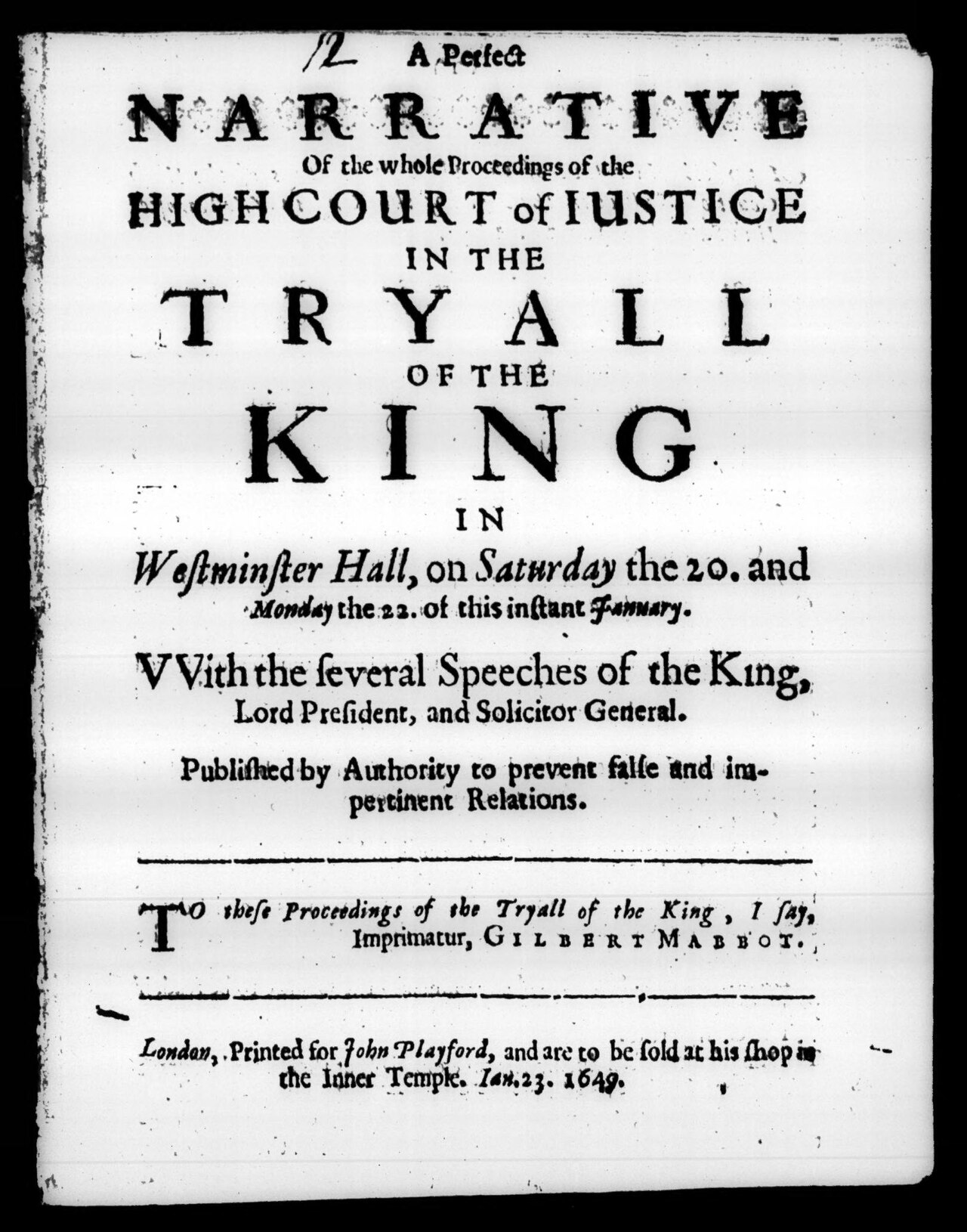 Document
Primary source
A Perfect Narrative of the Whole Proceedings of the High Court of Justice in the Tryal of the King
Published by order of the High Court of Justice · 23 January 1649
Ready when you are
Start chatting with Charles I now.
20 messages free · No credit card · Available in 50+ languages.