


Secondary sourcePainting1728
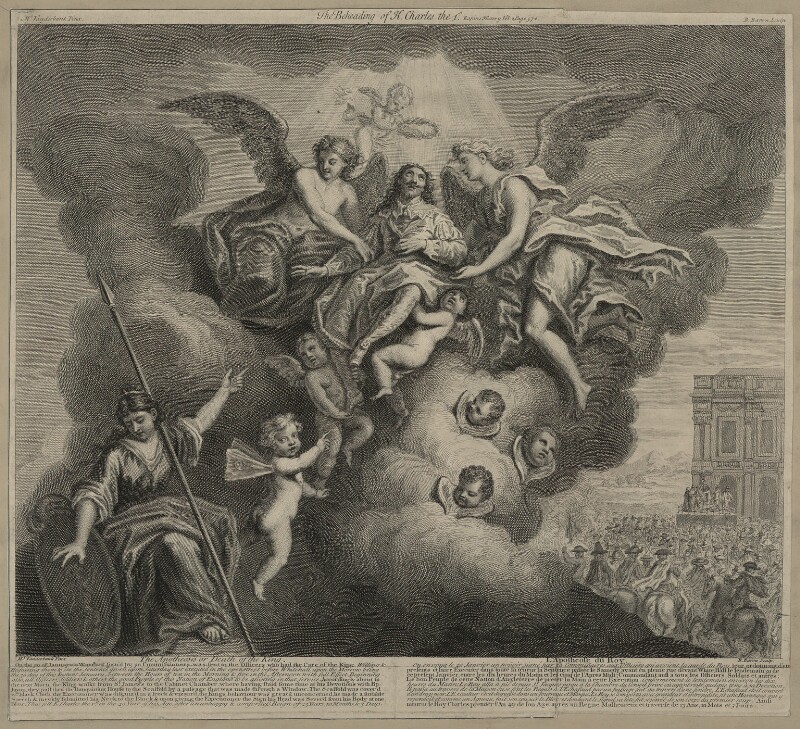
The Apotheosis, or Death of the King
Bernard Baron · 1728
A 1728 engraving showing Charles I being carried to heaven by angels after his execution, reflecting his later image as a Christian martyr.
This later engraving depicts Charles I's execution and promotes his image as a martyr nearly a century after his death.
About this source
What it is
This 1728 engraving by French engraver Bernard Baron shows Charles I being lifted to heaven by angels while a figure of Britannia looks on in shame, with his execution shown in the background. It reflects the Church of England's later view of Charles as a Christian martyr.
Why it matters
Made almost a century after Charles's death, this engraving shows how his reputation was deliberately shaped long after the events of the Civil War. It reveals how later generations used religious and allegorical imagery to turn a controversial political execution into a story of sacred martyrdom.
Look closer
- Why is Britannia shown looking ashamed, and what message does that send?
- How does showing the execution in the background change how we read the main scene?
- What does this image suggest about who commissioned or valued this kind of memory of Charles?
This painting is part of the curated material that grounds the AI version of Charles I on Humy.ai — when students ask about related events, the AI can quote it and cite it.
More Charles I sources
Meet the AI Charles I →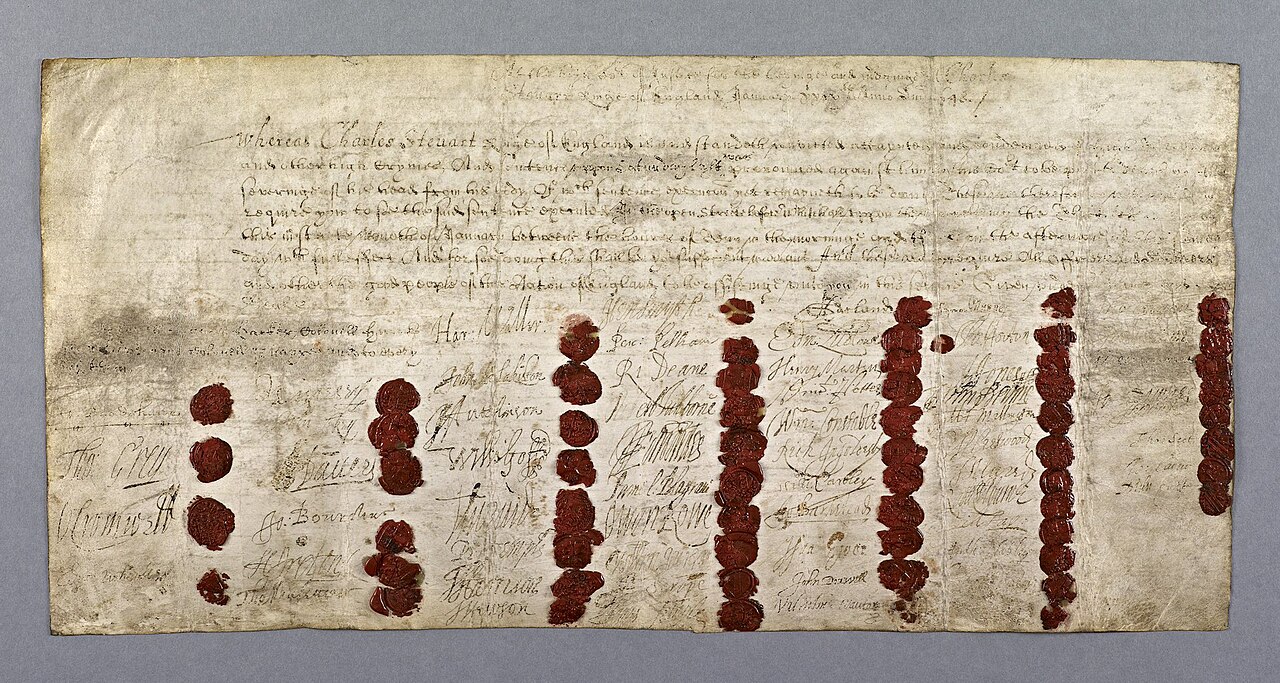 Document
Primary source
Death Warrant of King Charles I
High Court of Justice commissioners · 29 January 1649
 Speech
Primary source
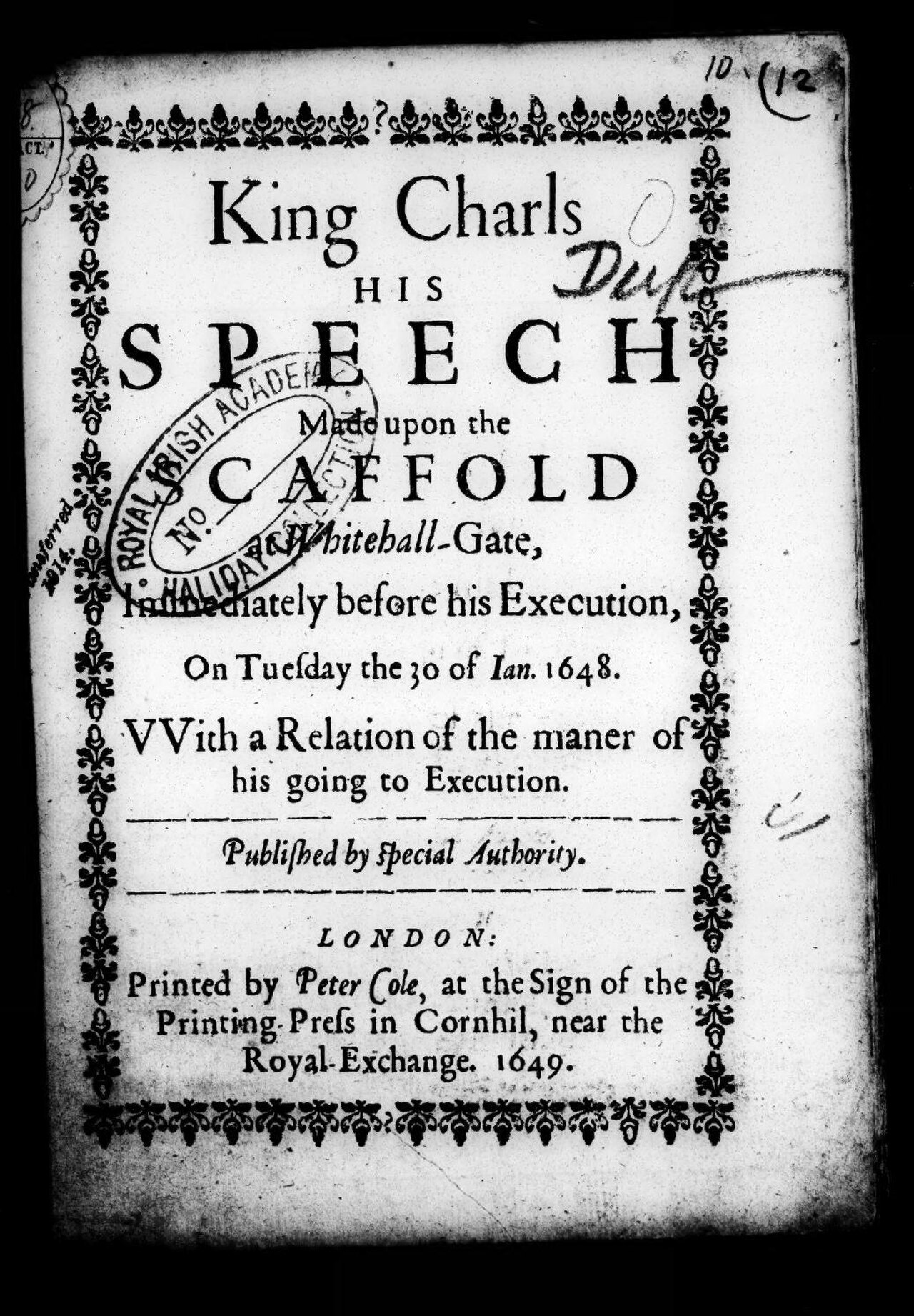
King Charles his Speech made upon the Scaffold at Whitehall-Gate
Charles I · 30 January 1649
 Book
Secondary source
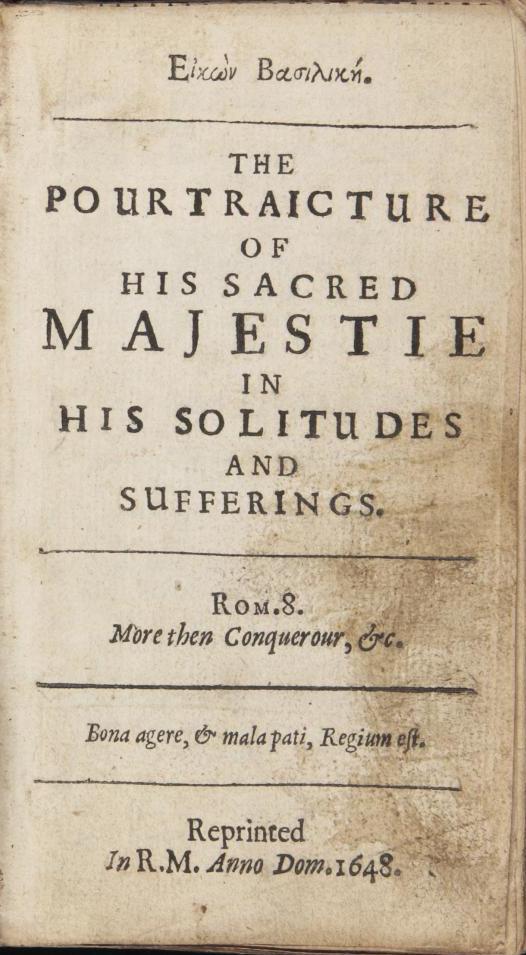
Eikon Basilike
Attributed to Charles I (possibly John Gauden) · 1649
 Document
Primary source
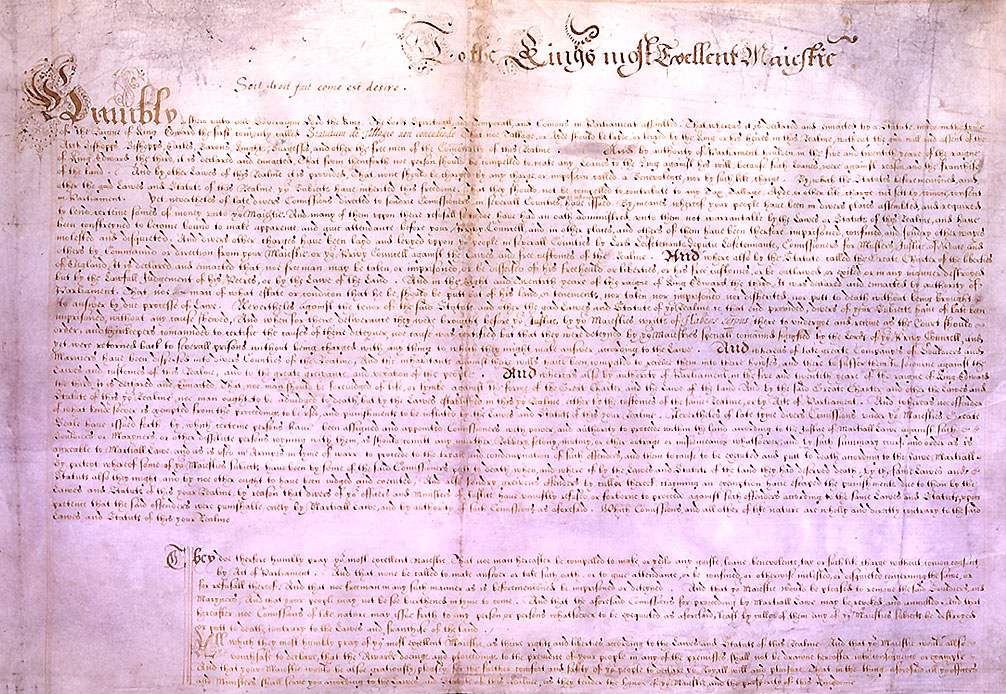
Petition of Right
Edward Coke (drafting committee) · 7 June 1628
 Document
Primary source
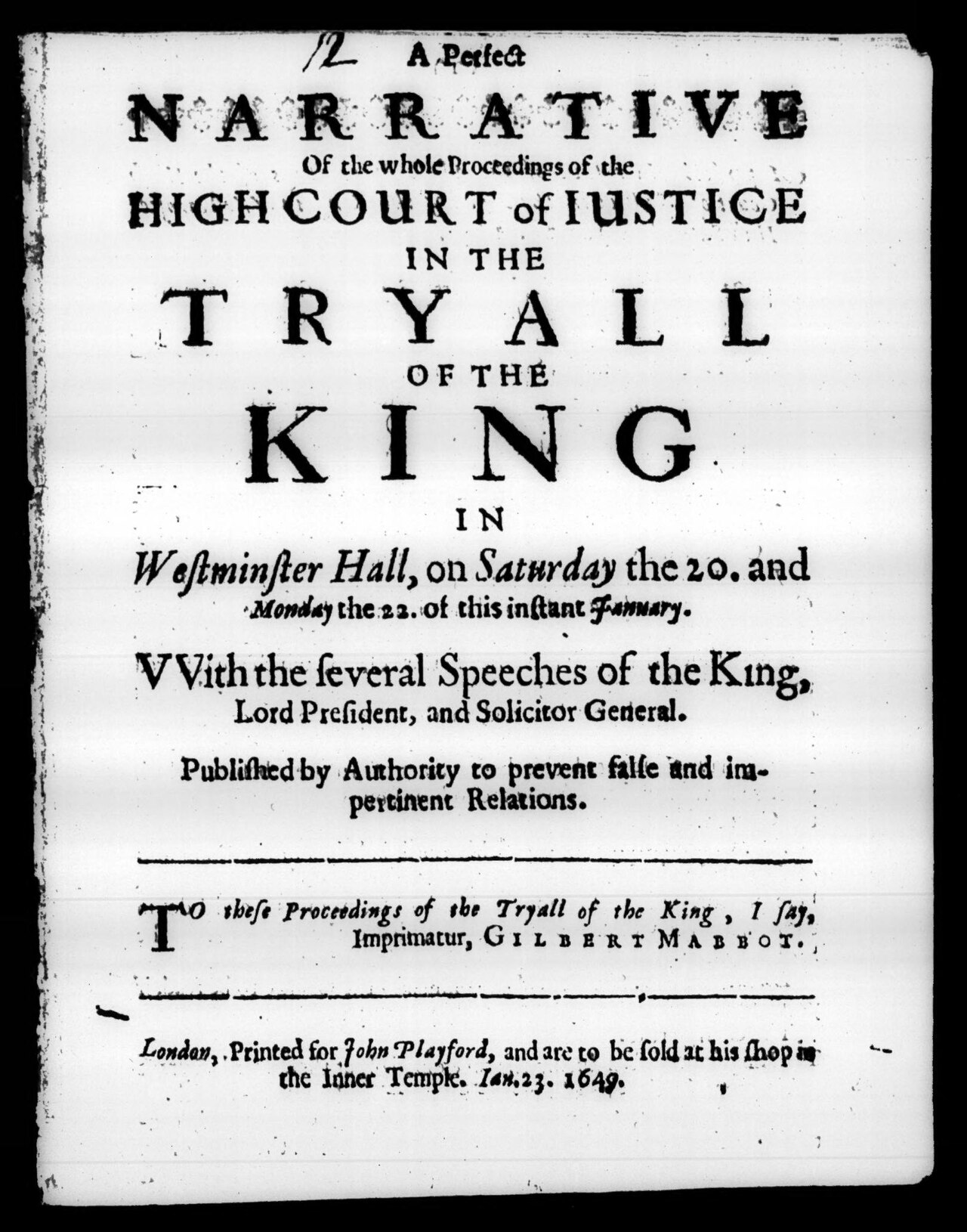
A Perfect Narrative of the Whole Proceedings of the High Court of Justice in the Tryal of the King
Published by order of the High Court of Justice · 23 January 1649
Ready when you are
Start chatting with Charles I now.
20 messages free · No credit card · Available in 50+ languages.